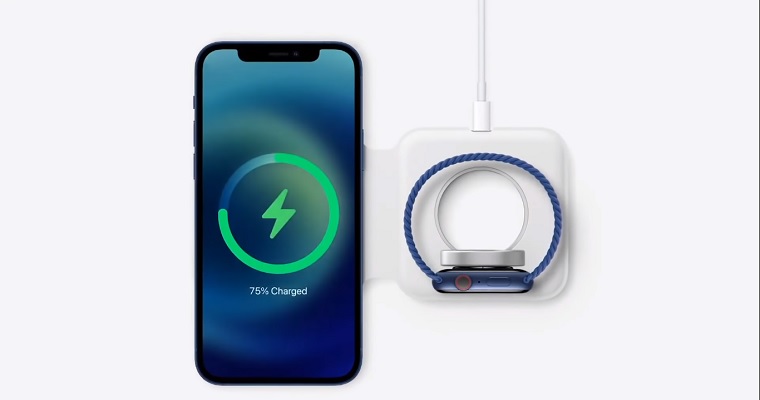
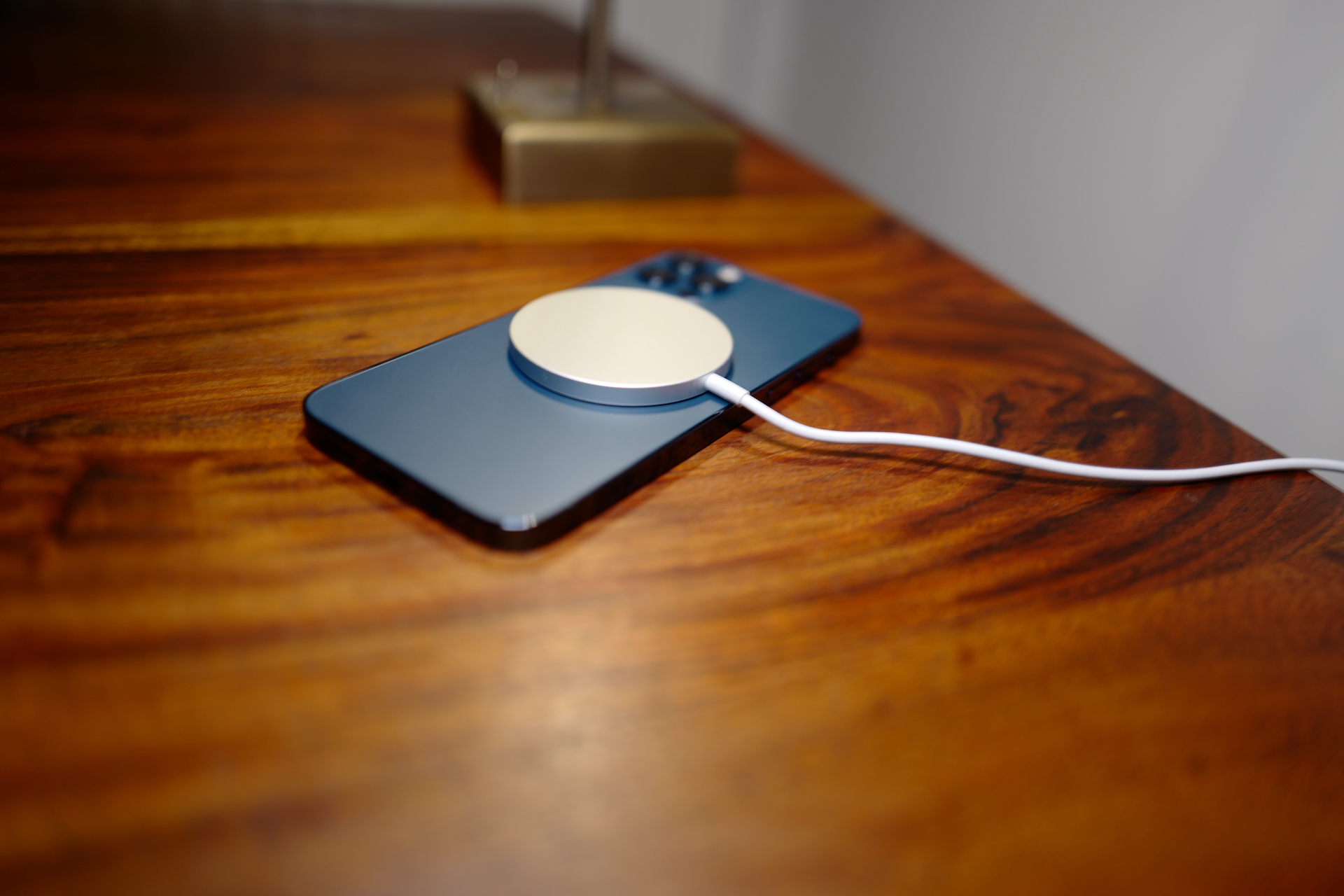
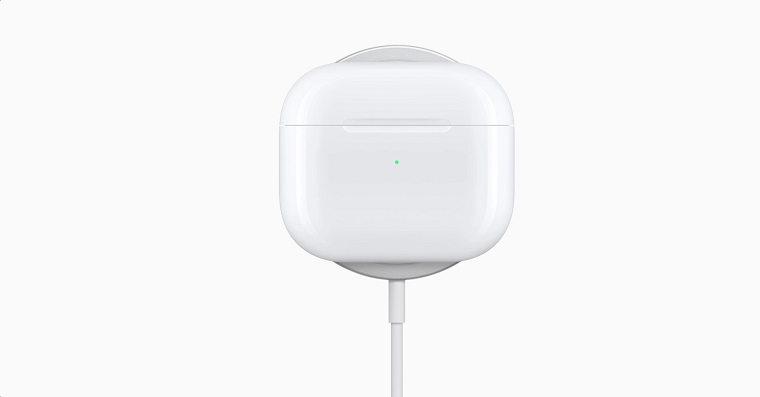
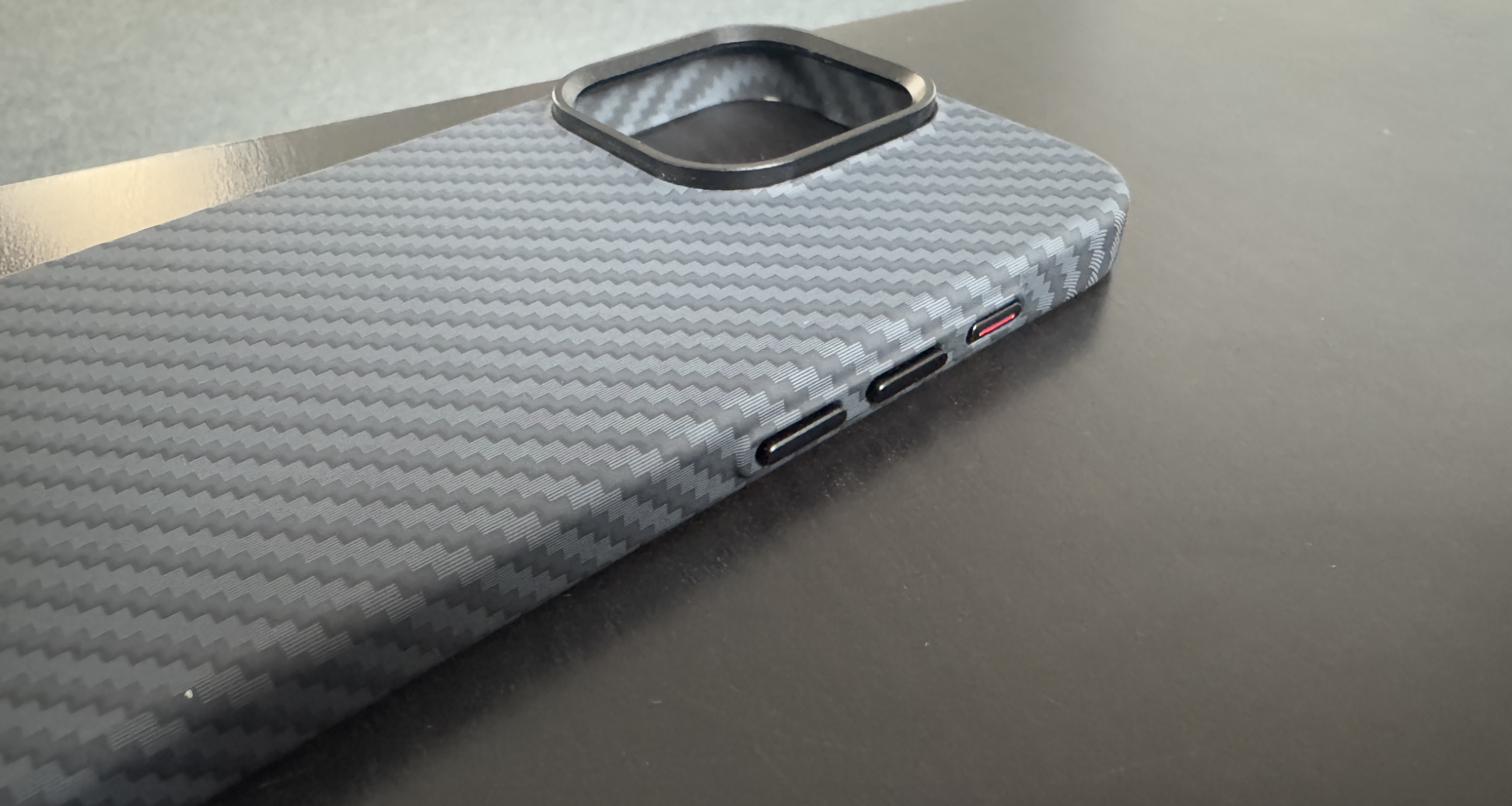
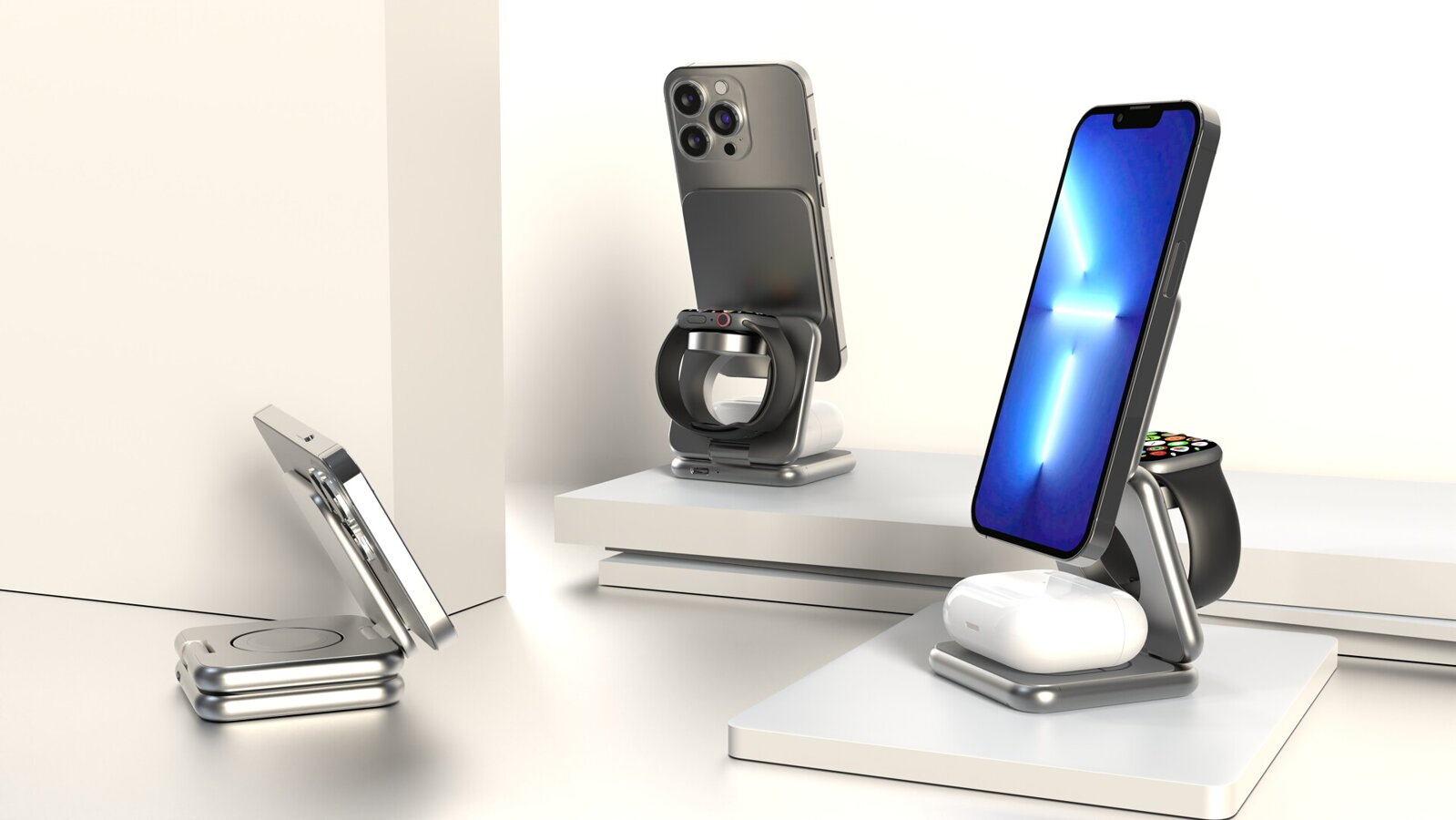
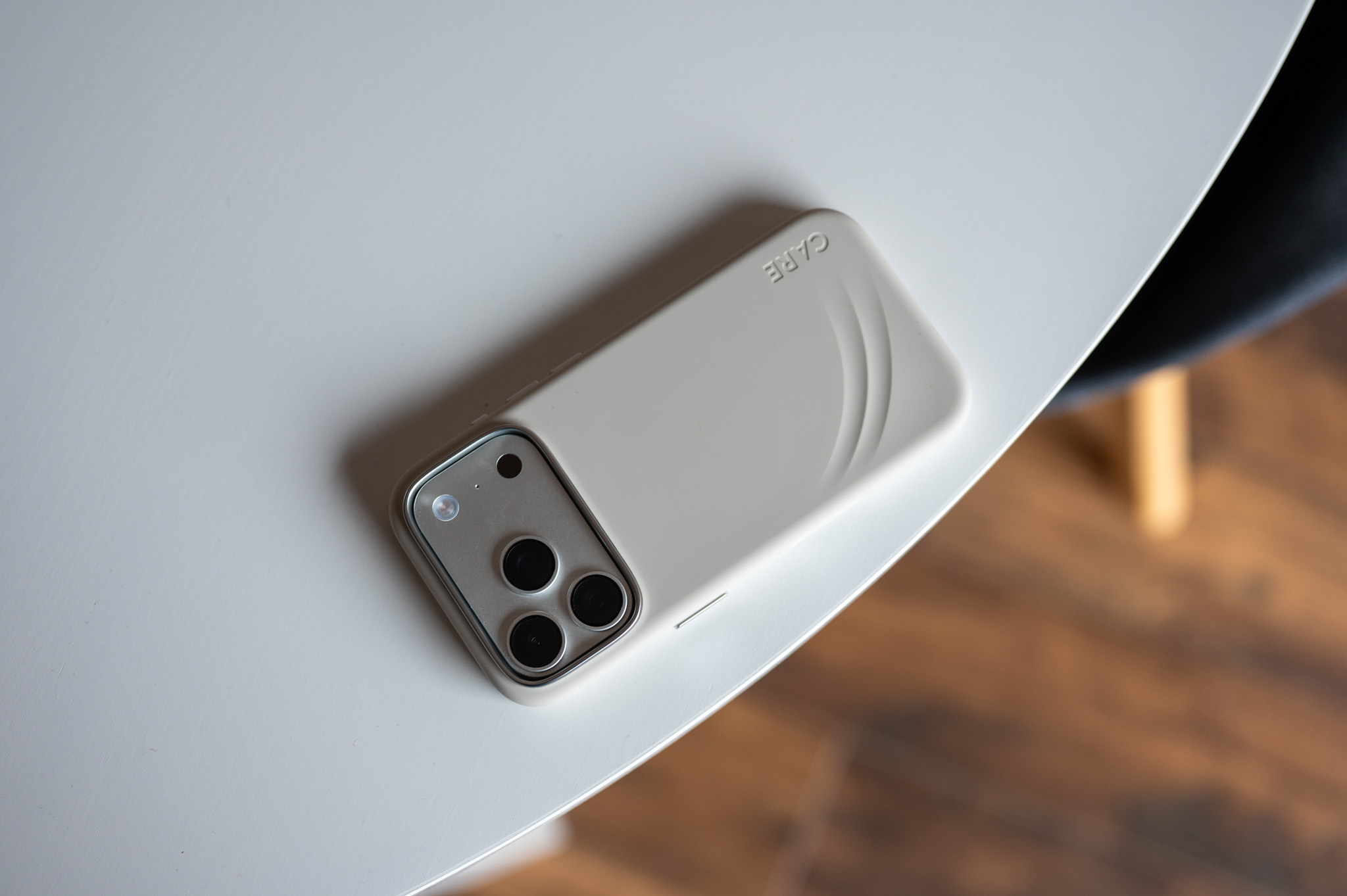
Exkluzivite AppThe MagSafe charging technology for iPhones will soon be here. Wireless The Wireless Power Consortium (WPC), a group of more than 600 electronics manufacturers that manages and adopts wireless charging standards, has officially announced a new generation of the unified Qi wireless charging standard. It is called Qi2 and one of its main innovations is that it will use the same magnetic technology as Apple on your iPhones with MagSafe.
You might be interested in
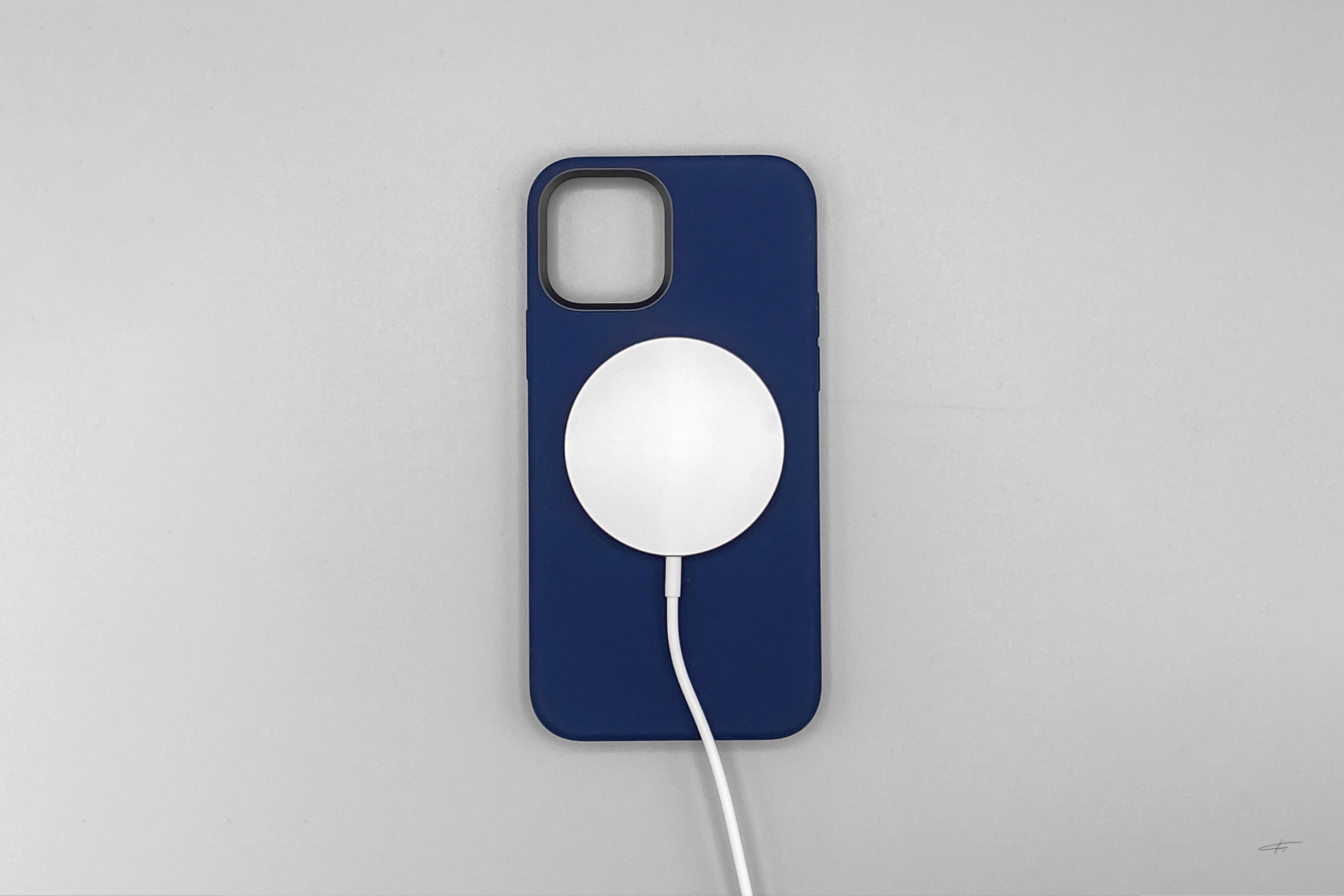
Wireless The Power Consortium stated in its official press release that by adopting the so-called Magnetic Power Profile based on magnetic attachment of the charger to the back of the device being charged achieves perfect alignment of the charged electronics with the charger, which results in better energy efficiency and faster charging. If these features seem familiar to you, or rather described directly from Applu, then know that this is actually officially the case – after all Apple is one of the members of the WPC and therefore almost 100% He blessed the MagSafe extension. And why not, because thanks to this, his iPhones will be significantly ahead of the competition and at the same time, thanks to this innovation, there will be a much larger number of magnetic accessories for them.
Gallery
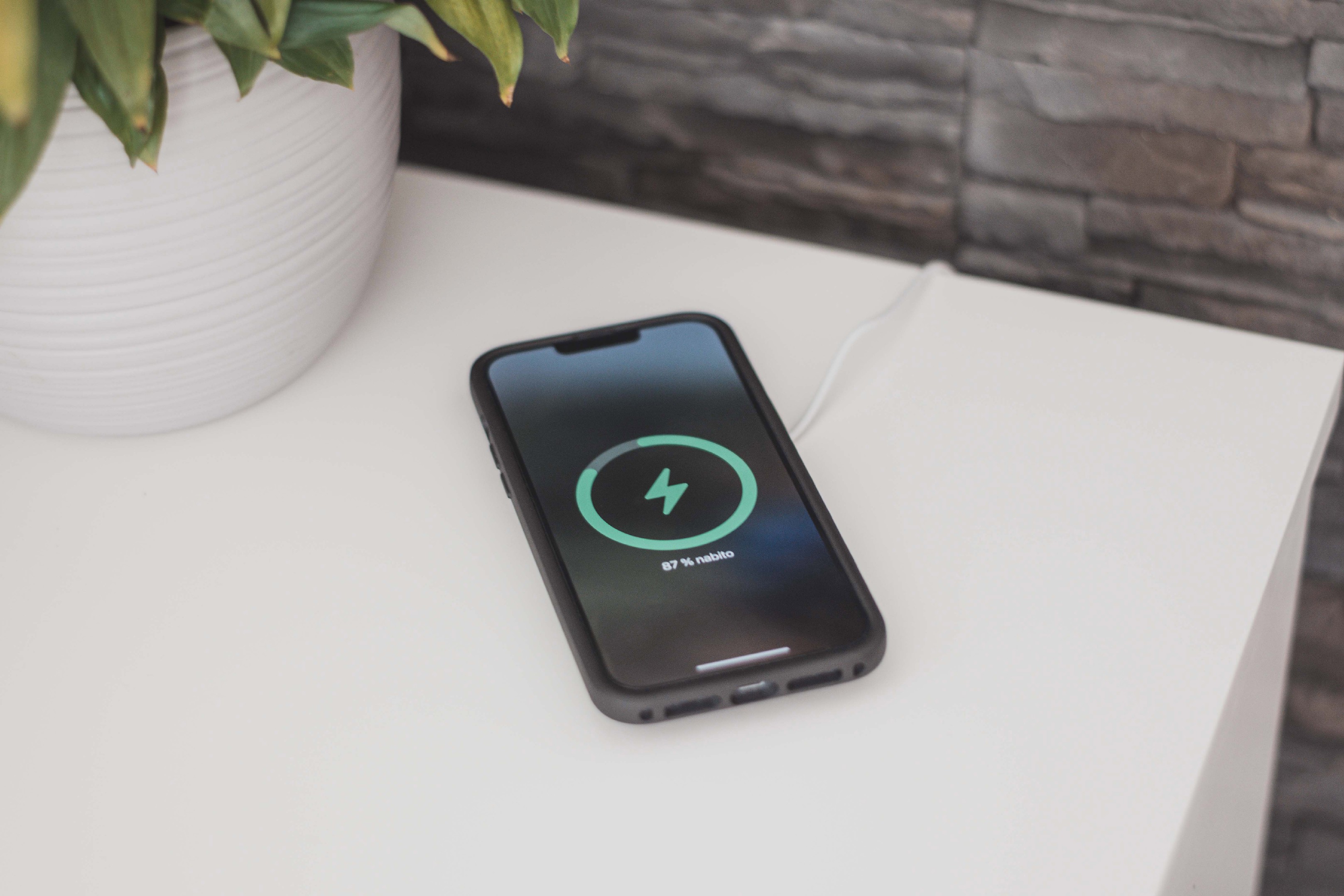
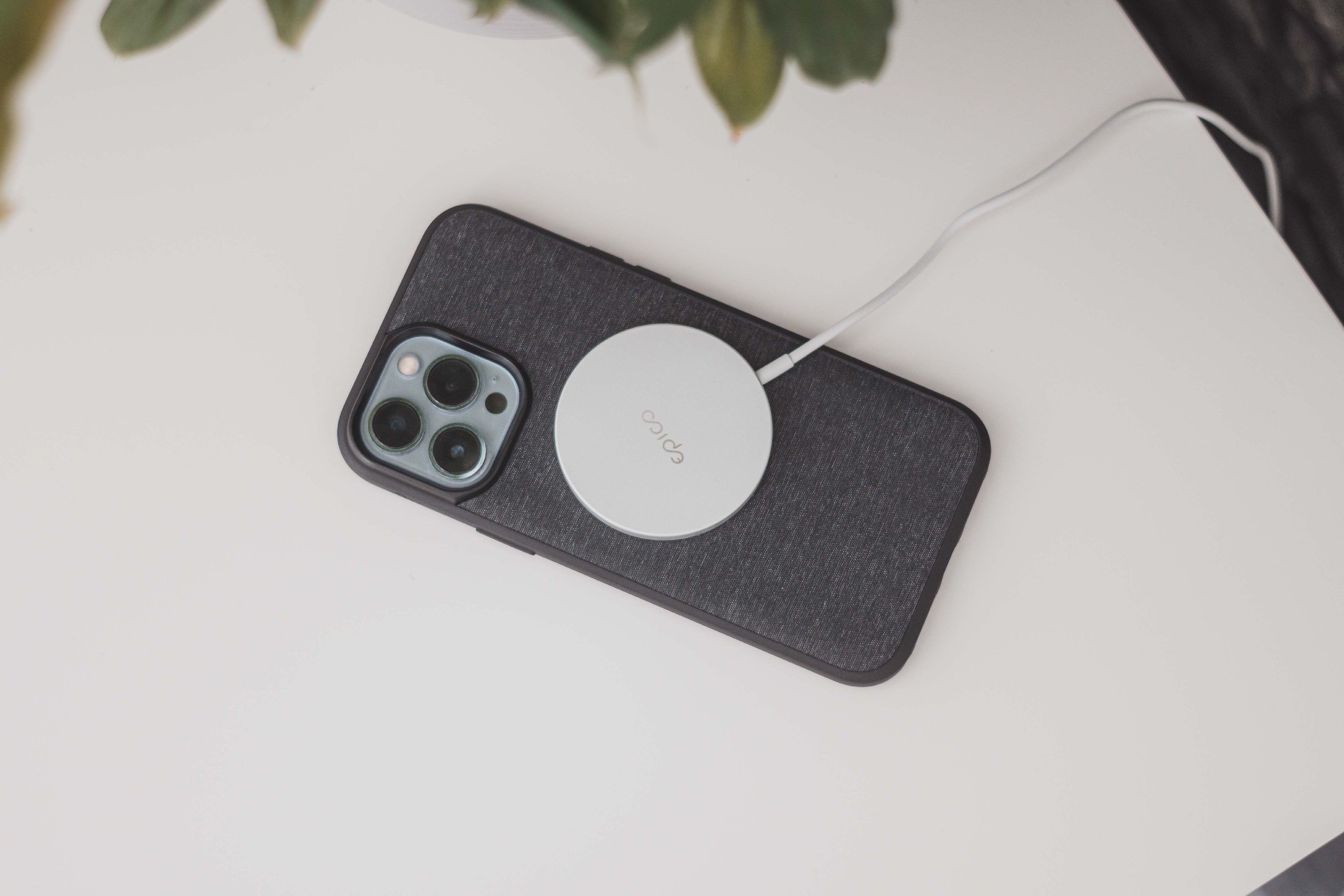
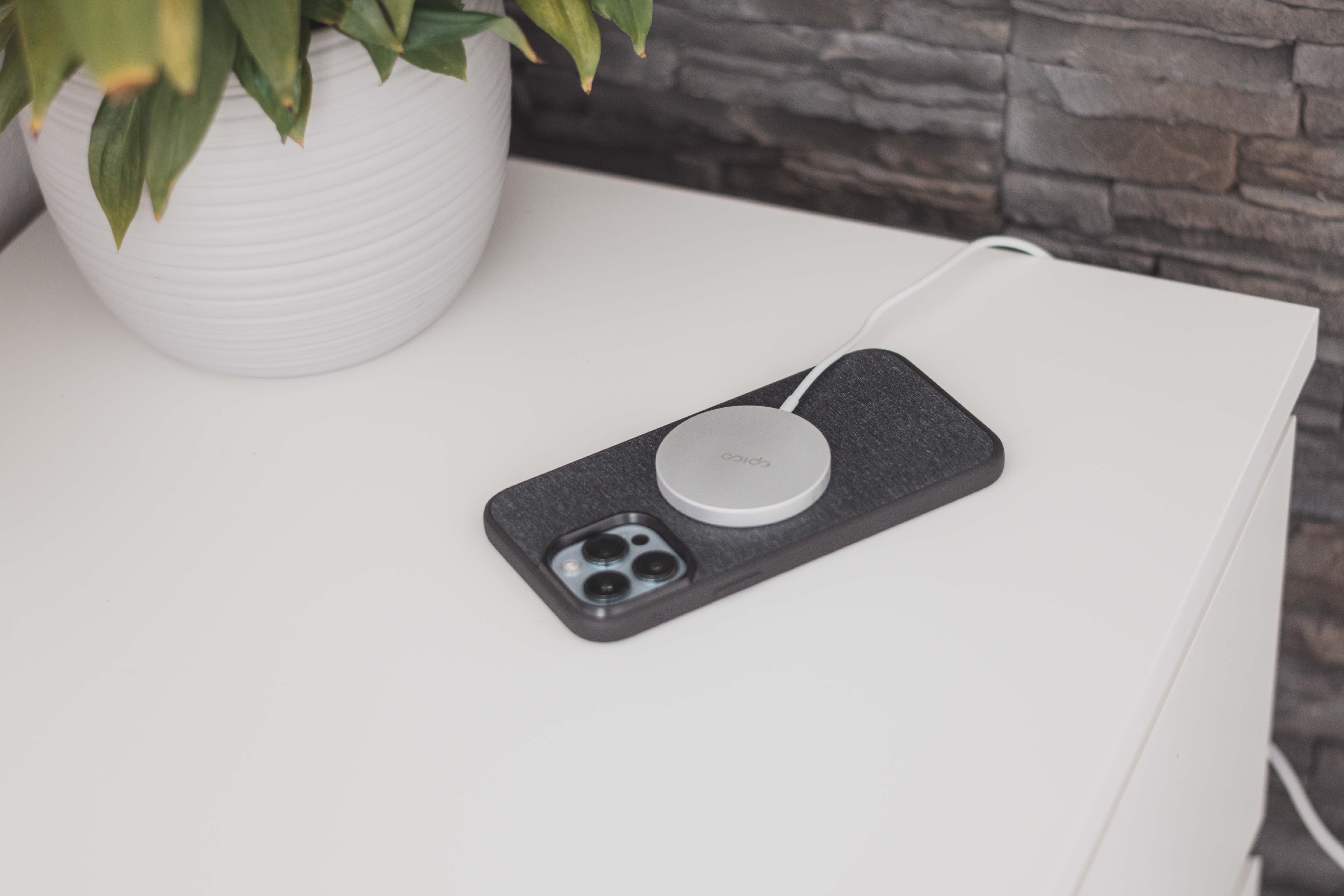
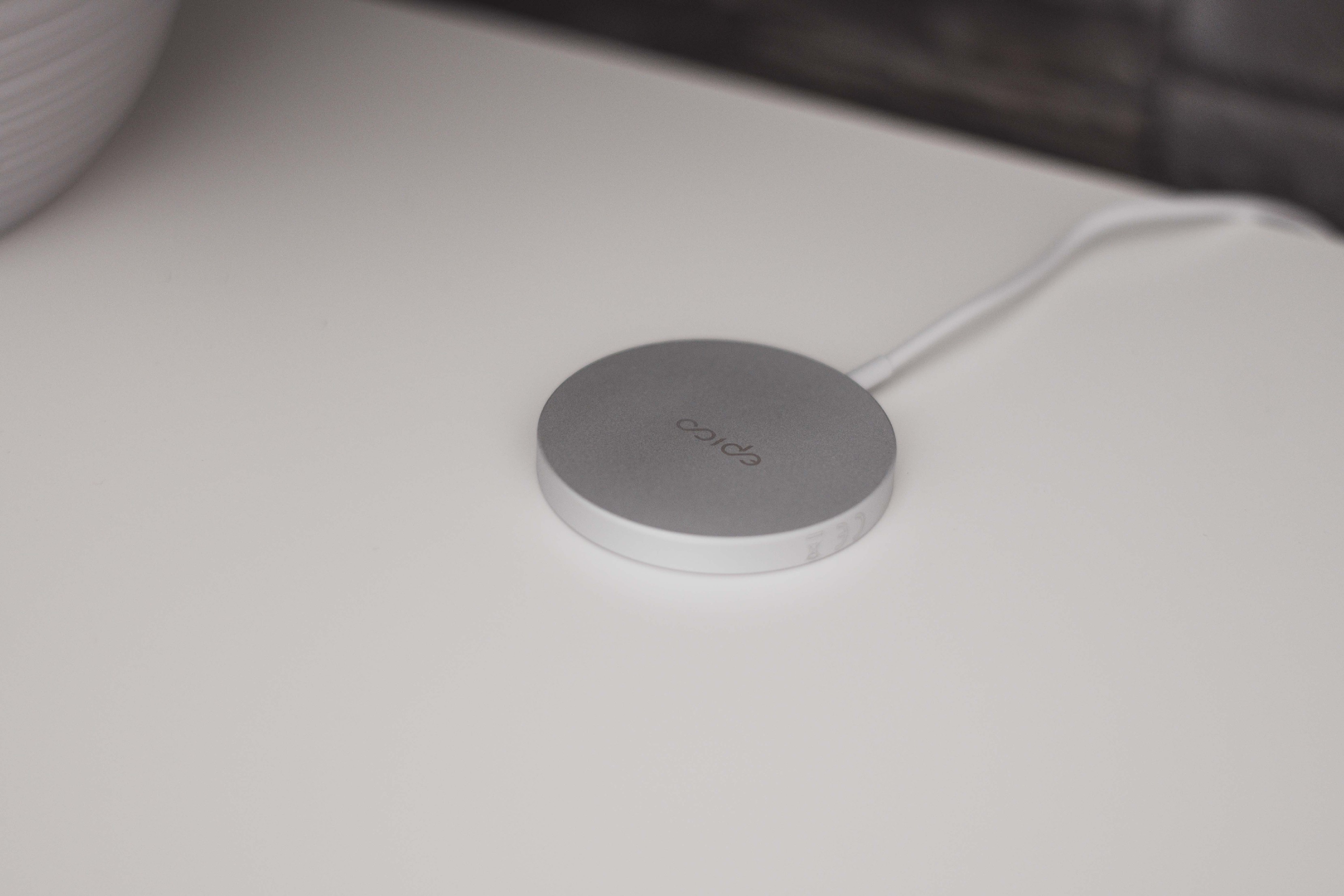
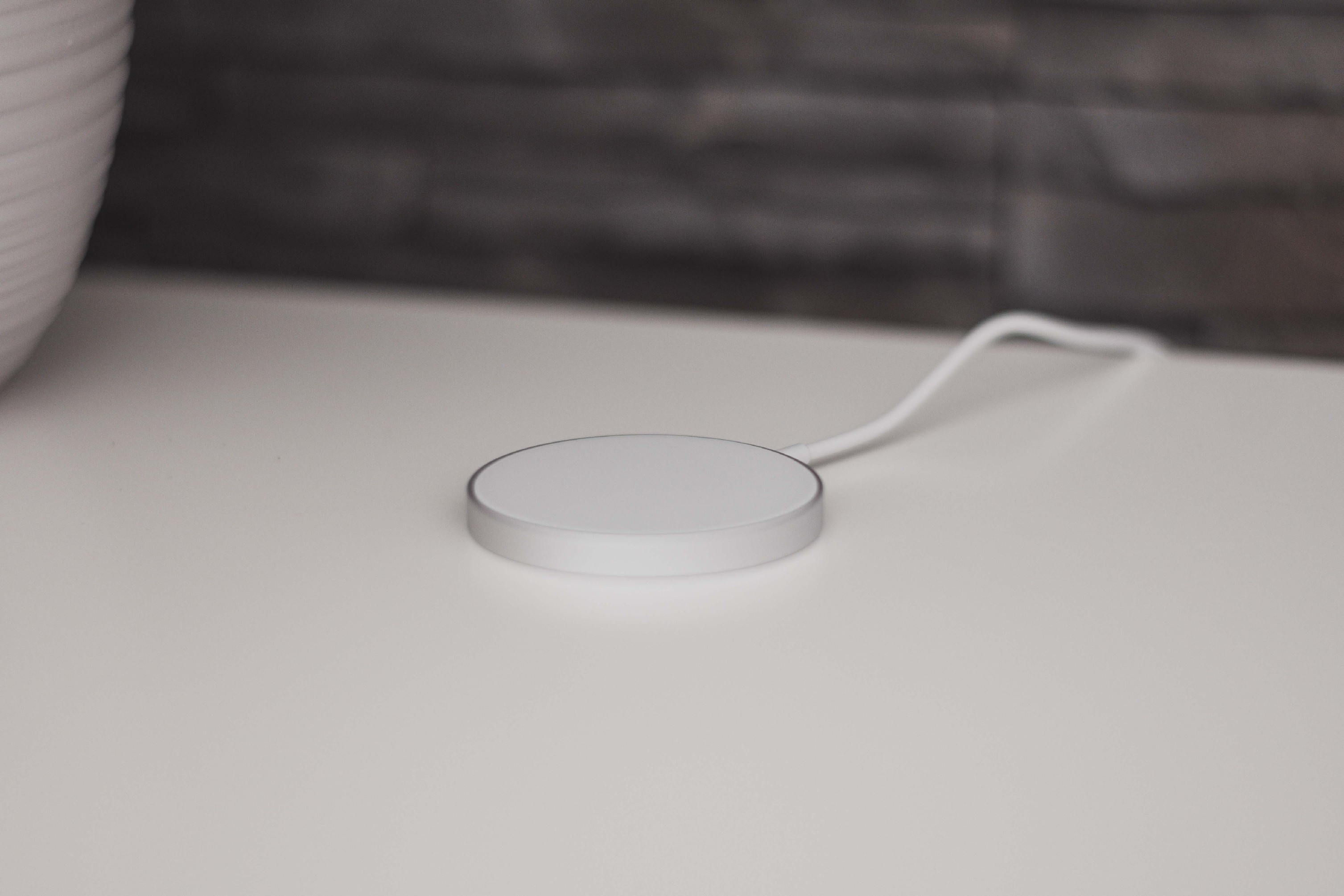
According to a WPC press release, the first smartphones and chargers supporting the Qi2 standard are expected to arrive by the end of this year, which suggests that the iPhone 15 could also receive this technology (Pro). However, it is a question of what exactly it would bring for them. The exact technical specifications are not yet known and it is very likely that they will not even be uniform – or rather, they will be uniform in maxminimum speed, or power consumption, but what support manufacturers will deploy will be up to them, as is the case now. In other words, if Qi2 supports, for example, 100W wireless charging due to better energy efficiency, Apple or any other manufacturer that adopts Qi2 can continue to limit its charging to perhaps only half or a quarter in an effort to maintain the best possible battery life. MiniAt least among Android manufacturers, however, it can be expected that they will go to the extreme in this direction, as is traditional, to be the "best" in something again.