
Although the popularity of electric cars is slowly but surely growing worldwide, many drivers still don't want to hear about them due to concerns about frequent charging and, consequently, low range "on one tank". However, this problem could be solved thanks to a revolutionary battery from an American startup ONE will soon be a thing of the past. The company has developed a special battery for the Tesla Model S, which has enabled it to travel an incredible 1210 kilometers on a single charge. However, according to Tesla's official technical specifications, this model can travel "only" around 650 kilometers with a standard battery.
https://www.youtube.com/watch?time_continue=2&v=fWj2YCdoc9A&feature=emb_title
Tesla uses a 103,9kWh battery in the Model S, but thanks to a special battery, the startup was able to fit a 207,3kWh battery into the car without any additional modifications, significantly increasing its range. How exactly the battery is constructed is of course a manufacturing secret, but the startup has let it be known, for example, that it uses cobalt-nickel cells supplemented by a whole range of other types, the combination of which maxAlthough the battery is still in the prototype testing phase, the startup hopes to start selling it commercially next year, which could have a very positive impact on the overall acceptance of electric cars in the world. After all, we will see whether this vision is realistic relatively soon.
Did you know that you can get SpaceX drives for Tesla?
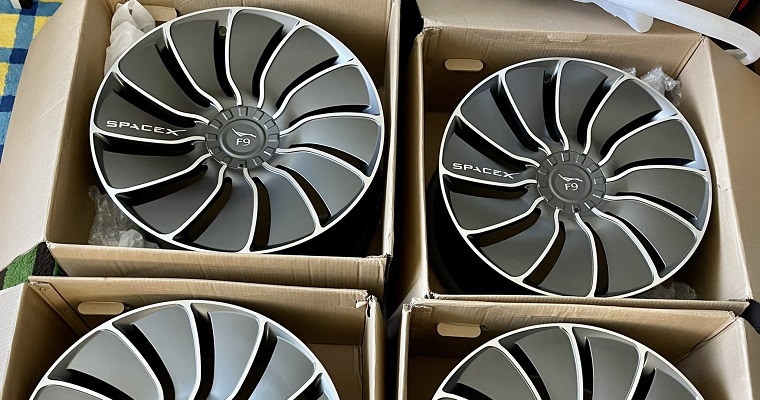
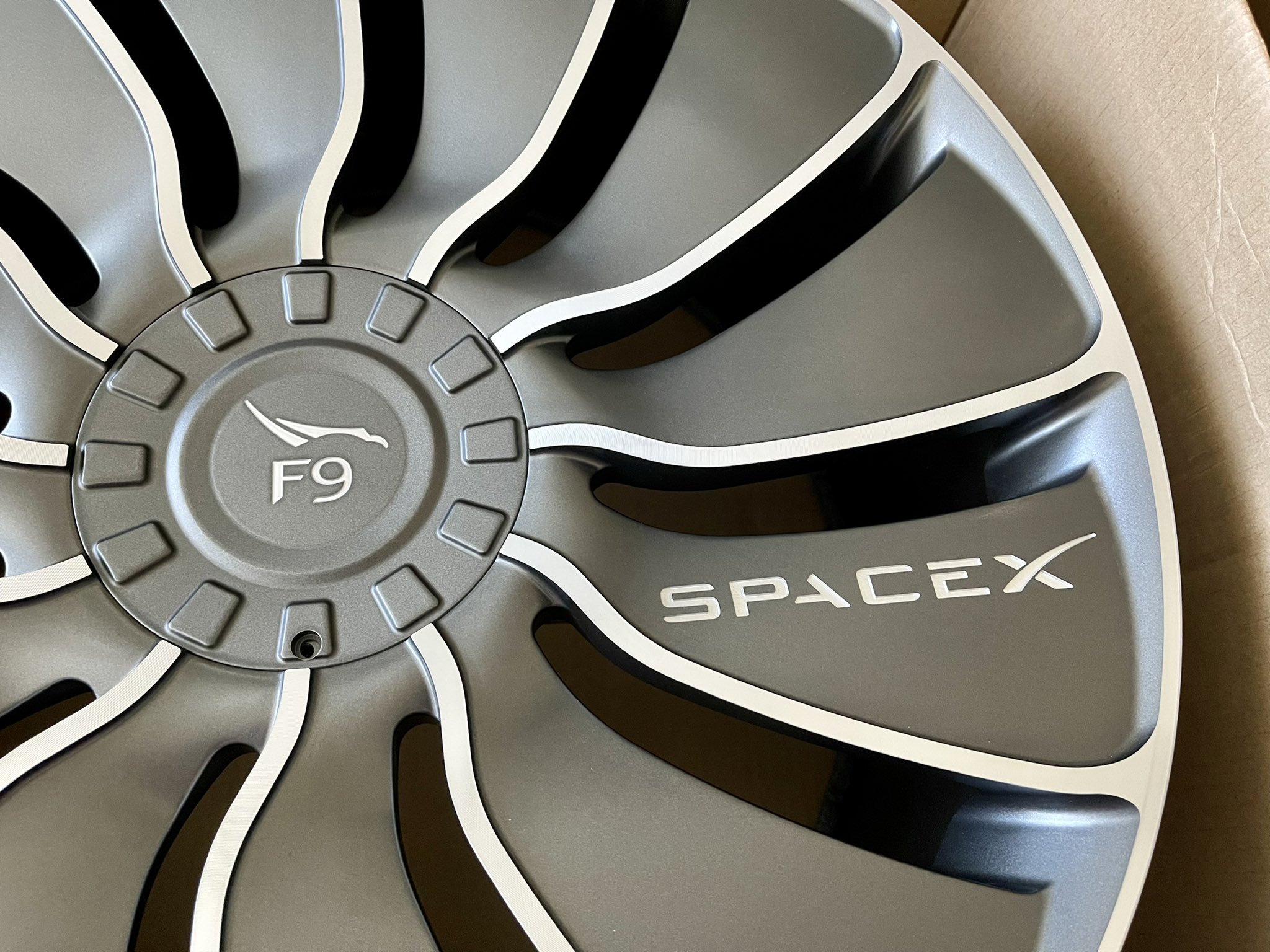
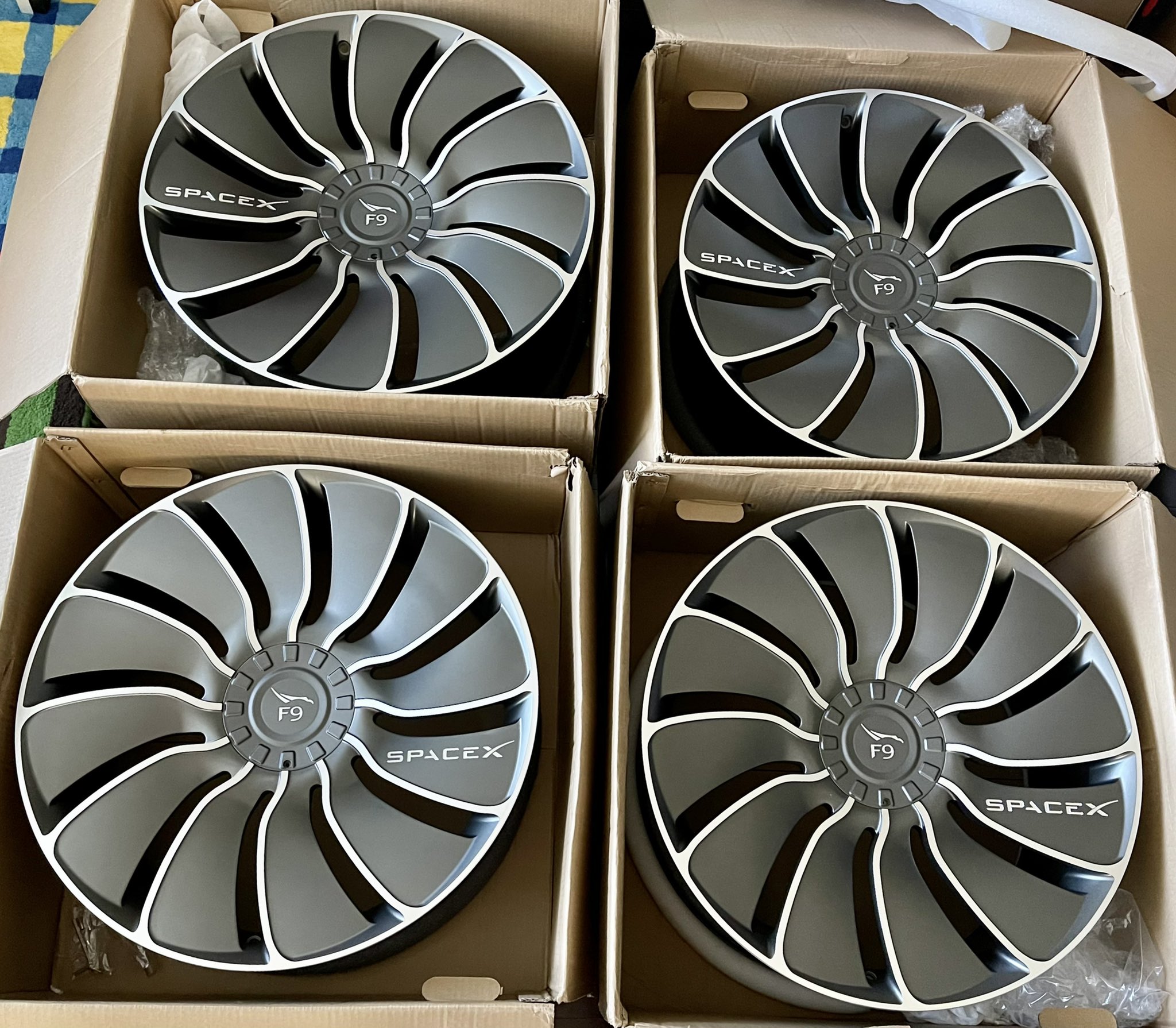
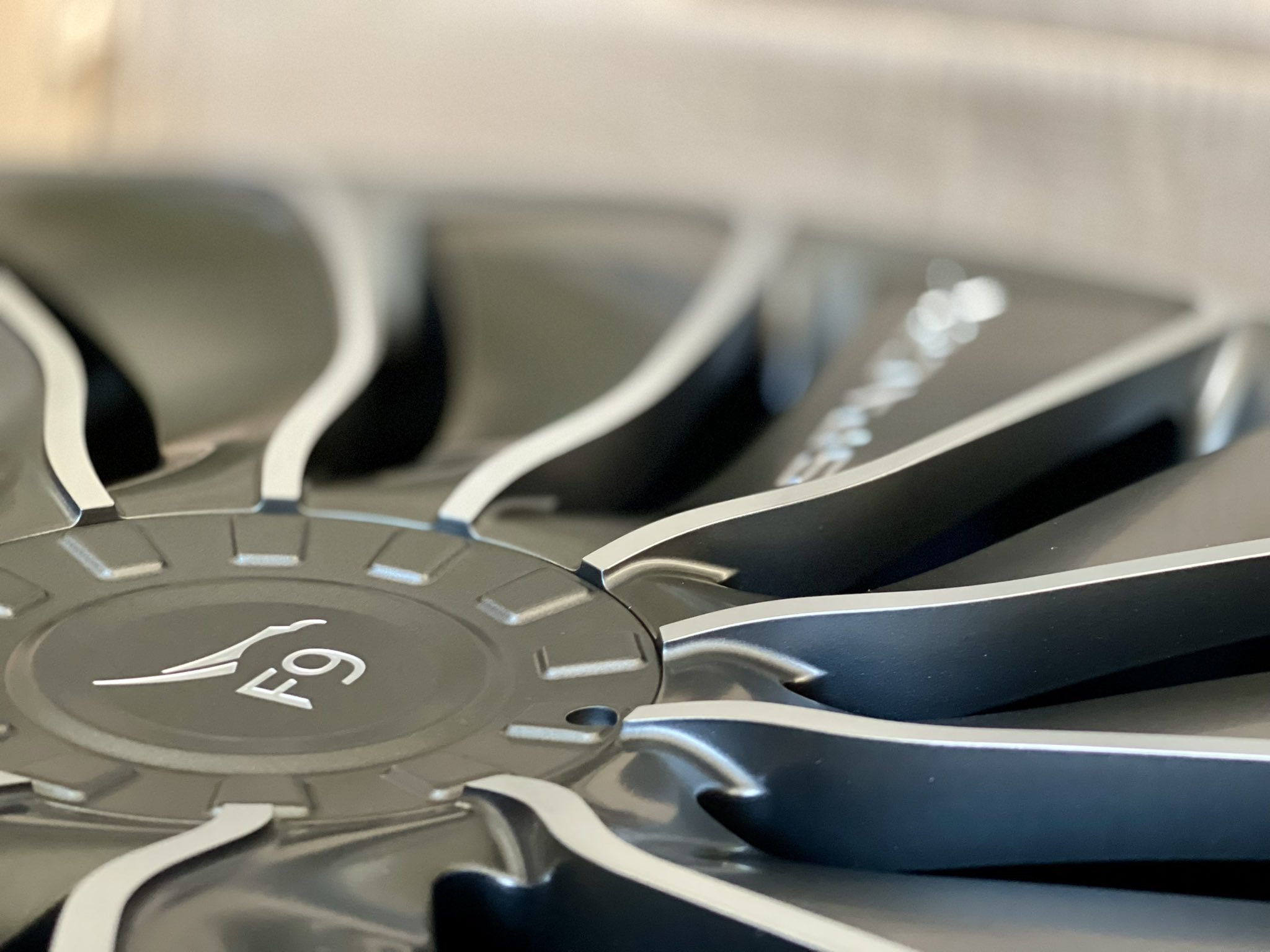
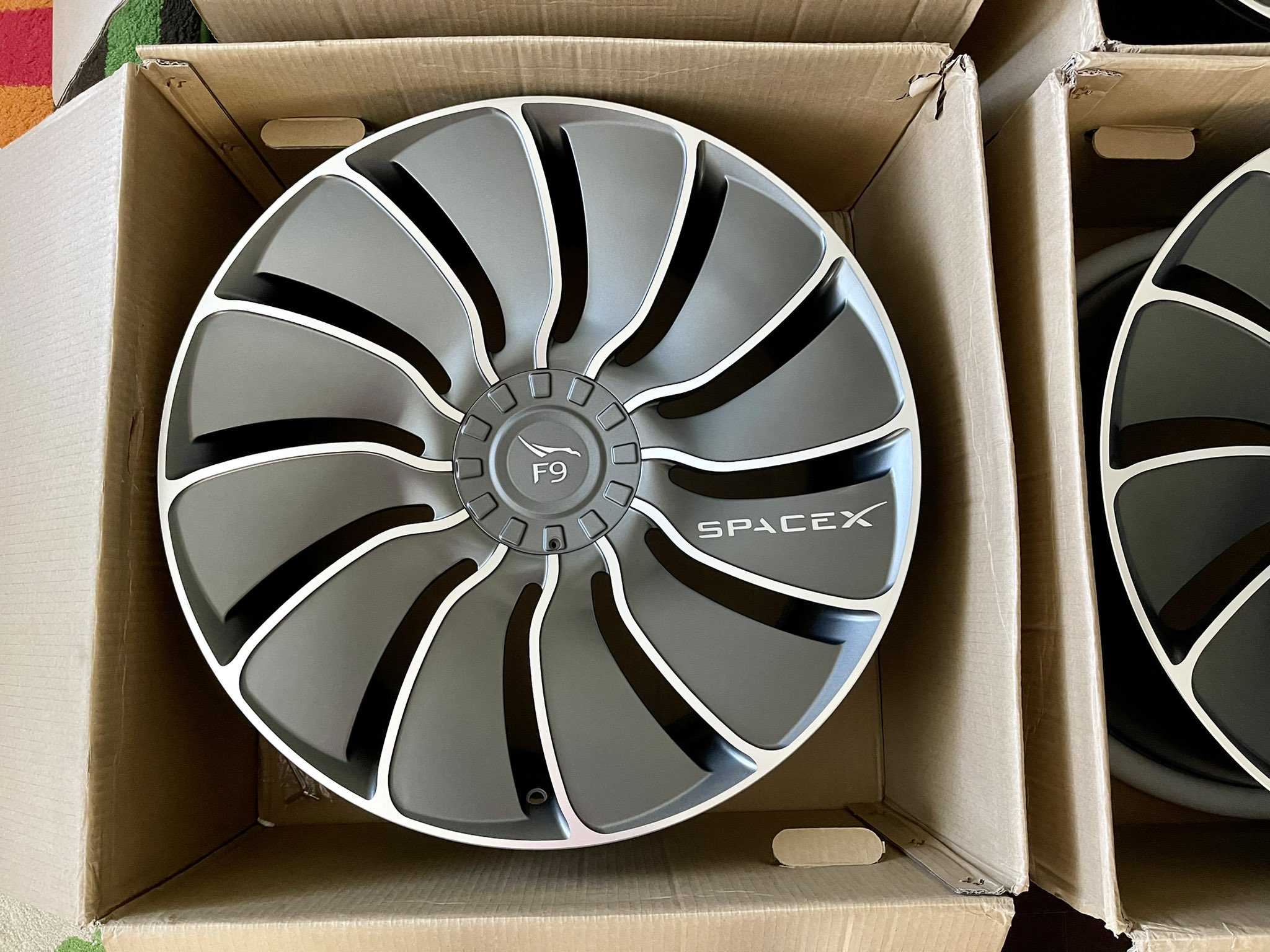




I am looking forward to the fact that in 10-15 years we will be buying batteries from alliexpress and having them installed in electric cars. There will be lots of fireworks every day in some nice place.
Except that the battery expected to be produced next year will be a large classic battery in combination with this one, but small. I can't really think of why, but I assume that no normal person would pay for this new one now..
If he goes all the way to hell, he goes there right away...
Along with this, it will be necessary to increase the charging speed, as this battery will not improve efficiency, but only capacity. You will be able to charge it from a standard socket for about a hundred hours, with a fast charger (when it is available at full speed) for about an hour and a half.
ProThe only thing that makes sense to me is the concept of replacing the entire battery like NIO does. Even this solution has its negatives, such as the inability to use the battery case to strengthen the body, or replacing the battery with another one with a possibly lower capacity.
I guess I'm thinking too simply about it, but if the Tesla has a battery of 103, it will travel about 600 km, if it has a battery of over 200, it will logically go twice that, that is about 1200 km. I somehow miss the revolutionary improvement of the given battery.
You are really thinking too simply. The revolutionary thing is that an apparently equally large battery (physically) has a multiple times greater capacity.
The option of capacity would also be offeredchat and therefore have a physically half-sized battery, therefore lighter and thus reduce the car's consumption, if the range is enough for someone.