
The definition of what the so-called night mode does in practice is very simple. If you activate night mode, the lens shutter remains open for a longer time, allowing the sensor to capture more light. The longer the shutter remains open, the more light the sensor absorbs. However, there is one big and quite important but. You must not move the camera the entire time the shutter is open, so at extremely long exposure times, which are iPhone possible maxfor at least thirty seconds, always use some way to lean the phone against something, or use a tripod. Once you have iPhoneIf you move while the shutter is open, the photo is blurred and you can take the photo again.
You might be interested in
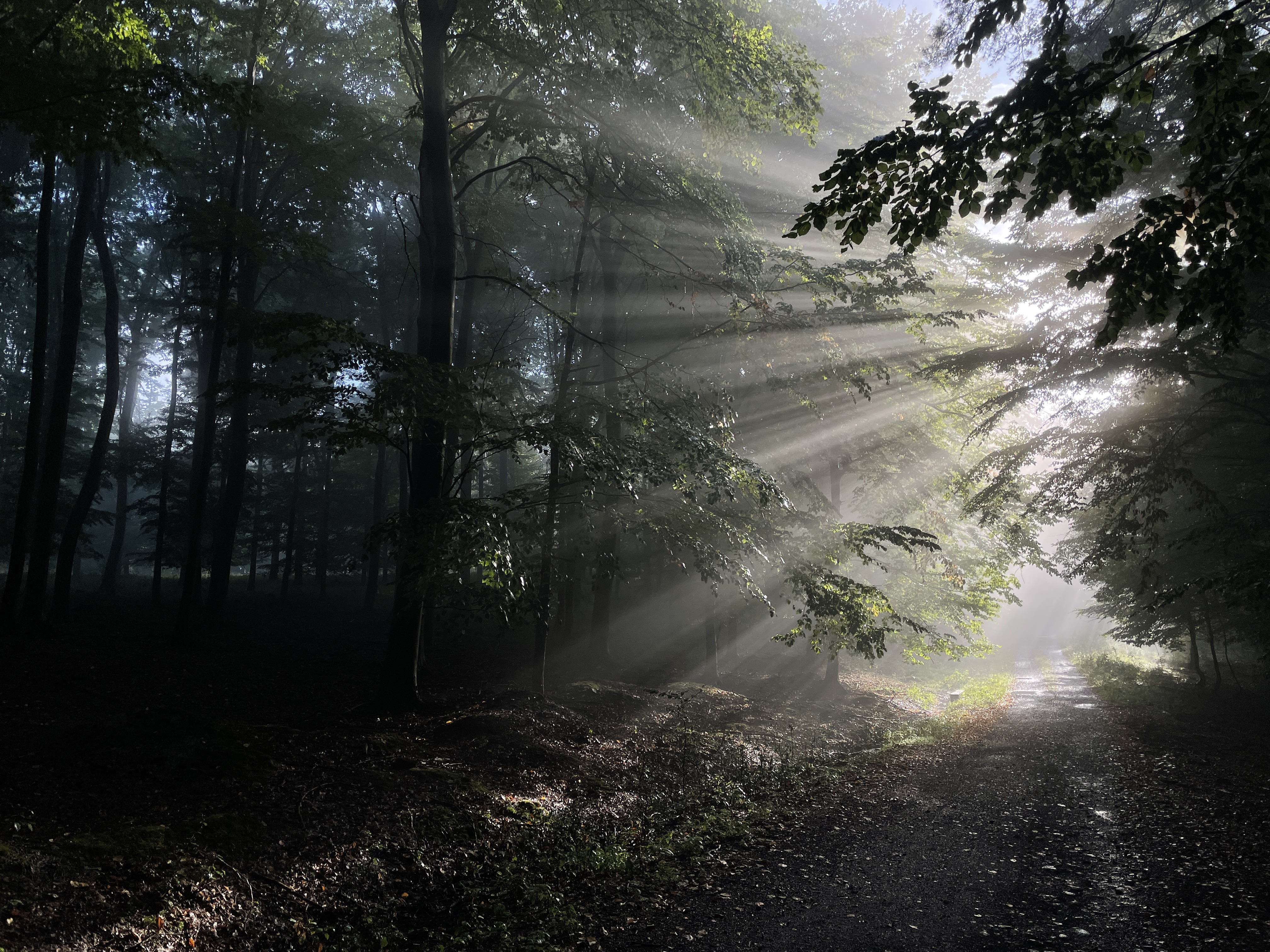
It is ideal to use a tripod. If you don't have one, try to lean the phone on something, or lean both the phone and yourself. If you really have no other option, take pictures from the so-called chest. This means I'll bend your elbows so that your elbows rest against your body and the phone is roughly at chest level, and then take the picture. The less movement you make and consider that it's a matter of millimeters here, the sharper the photo will be. The longer the open shutter time, the longer you have to stand without moving, and believe me, keeping the exposure time of ten seconds in your hand is no fun. So if you're serious about taking pictures at night, try looking around for some mobile phone tripods, you're sure to find something that will suit you.
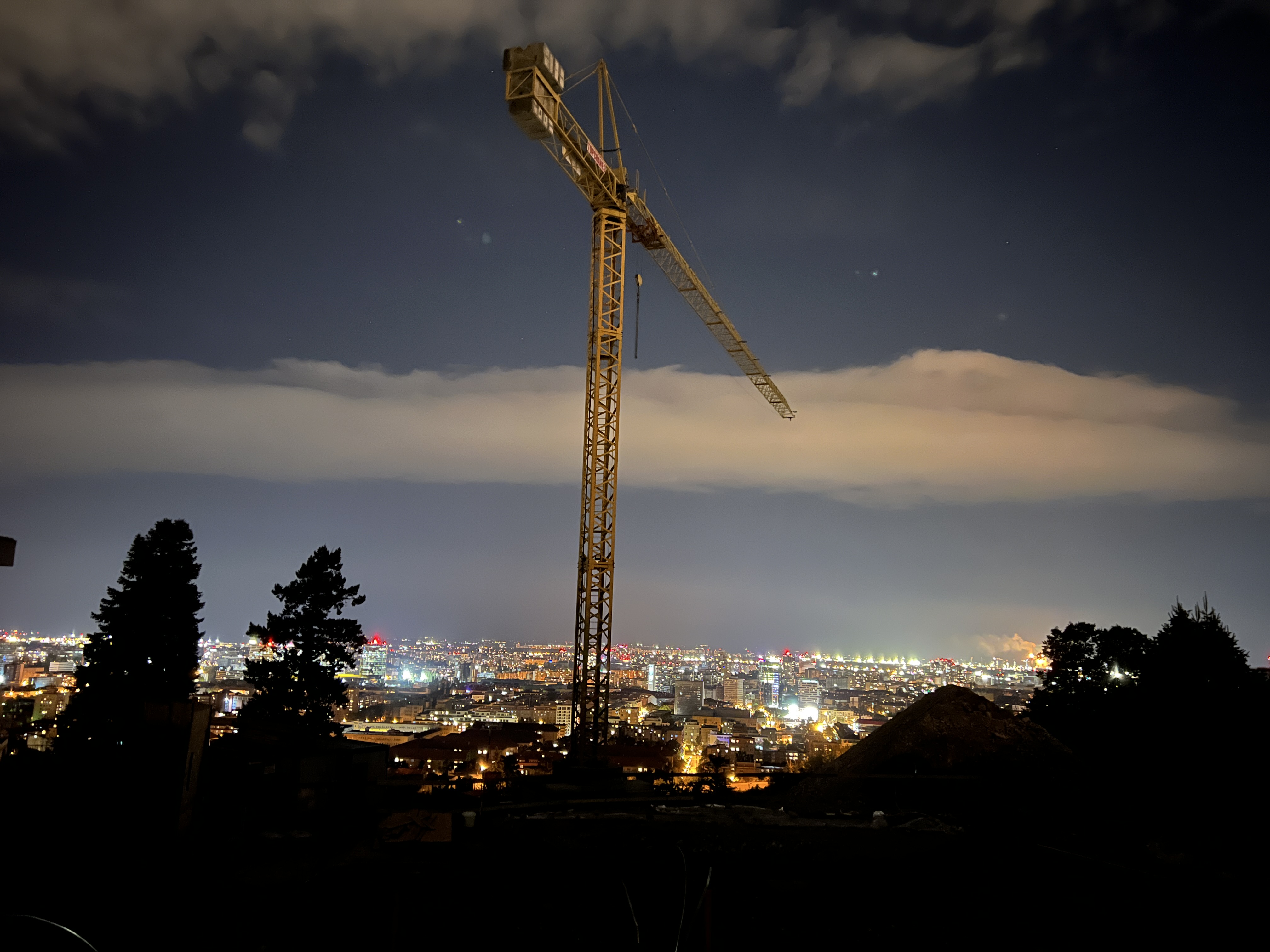
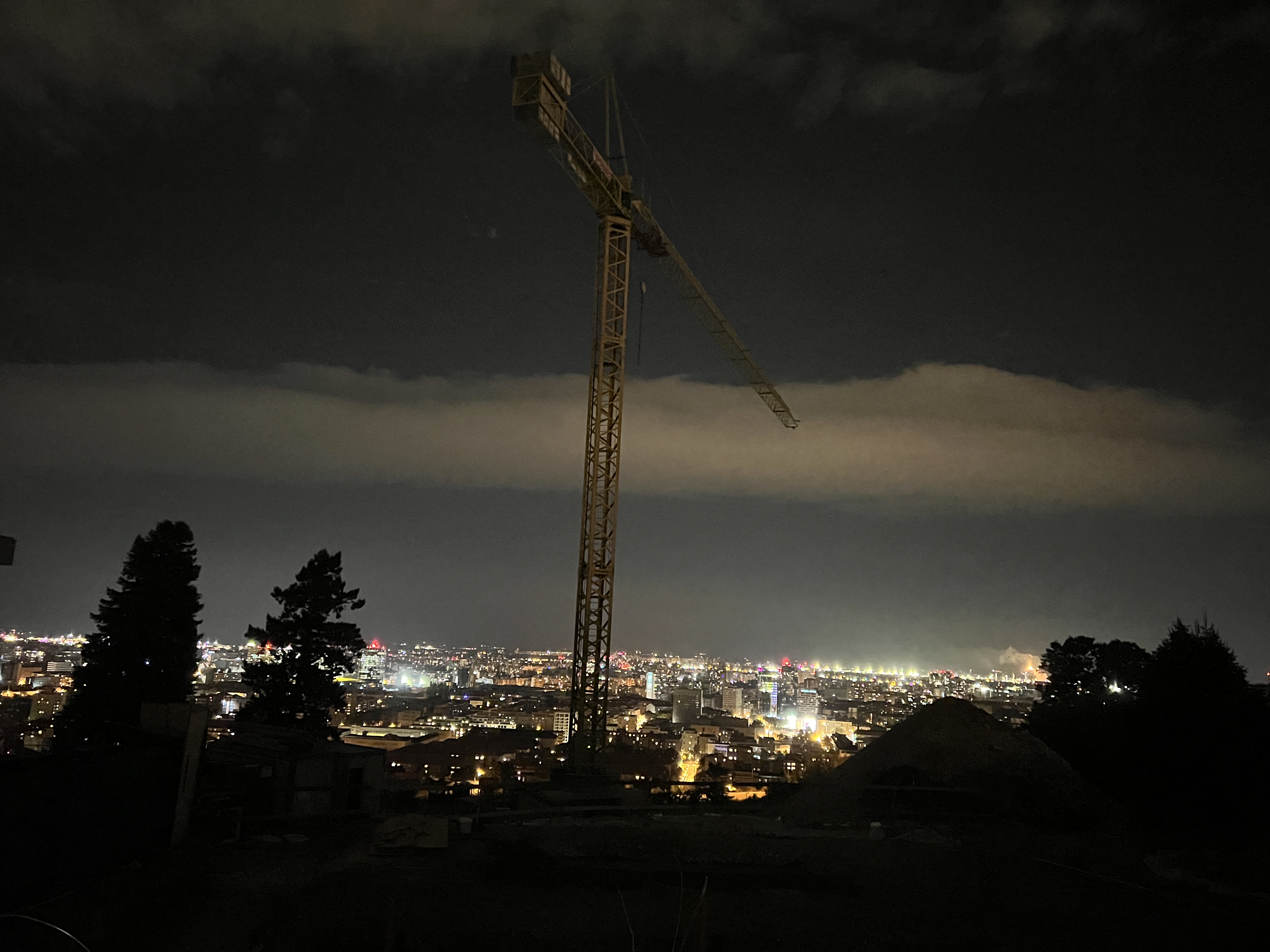
When taking night photos, it's important not to rely on the time it automatically sets for you. iPhone. As I know from my own experience, the vast majority of people set it to three seconds, because that is a value that you can still hold in your hand without any problems and it will create a relatively nice photo even without a tripod. The difference between three, five or ten seconds is quite significant, and I am not talking about thirty seconds at all. In the photo of the crane, you can see a dark photo with a time of 1/17 taken without night mode and a lighter photo with a time of 1/2.
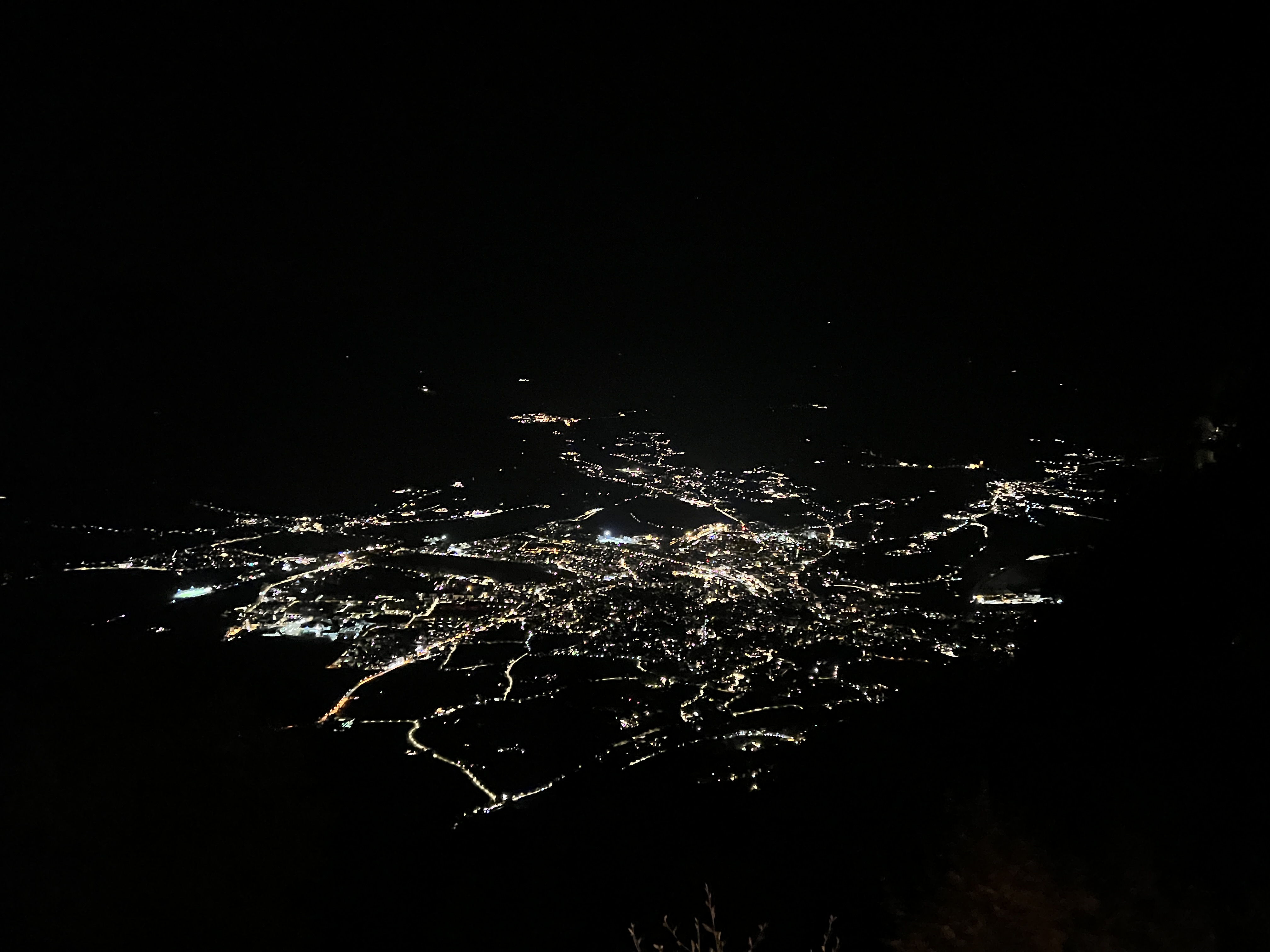
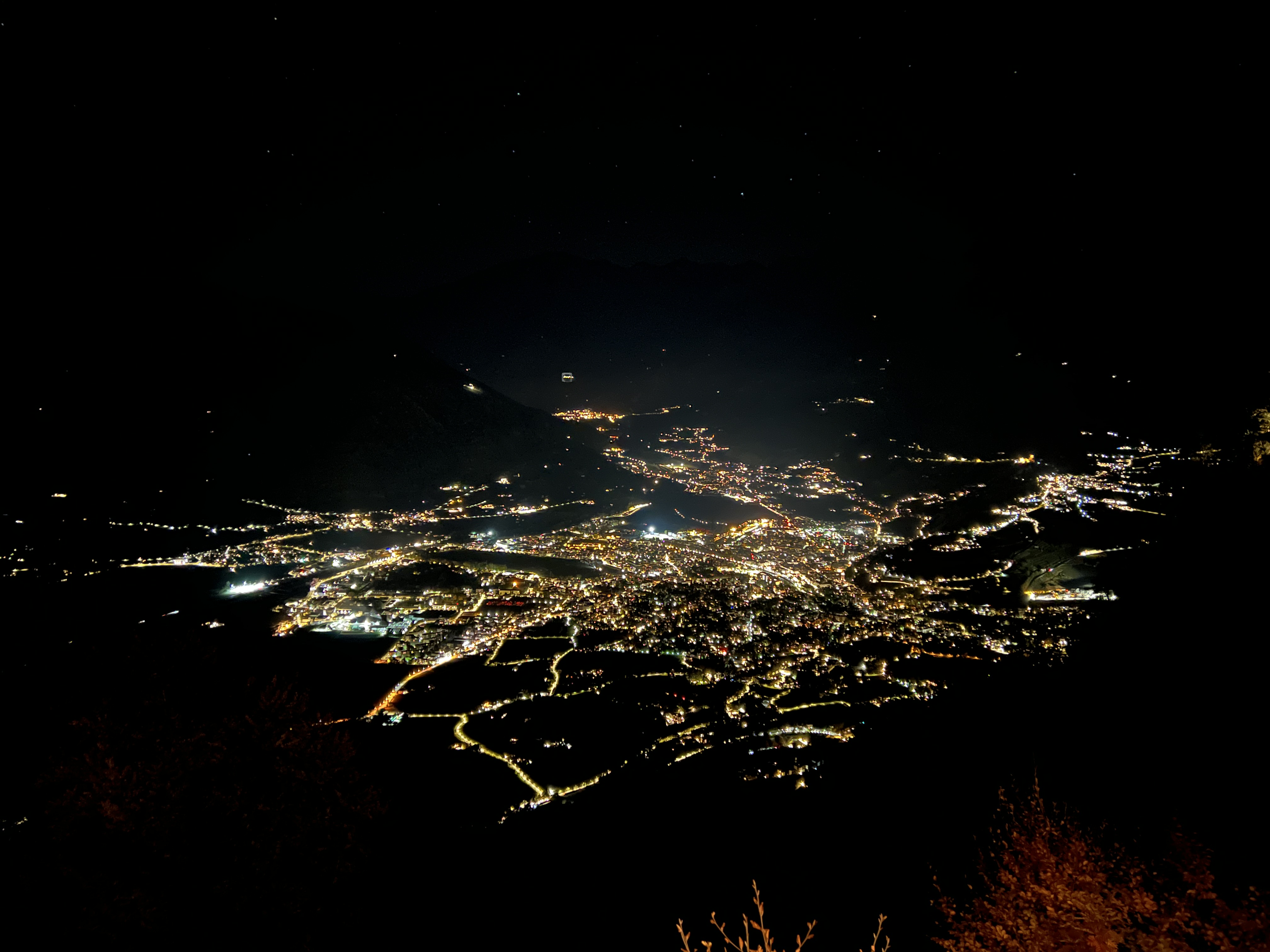
In the pair of photos of Merano at night, you can see the time in the dark photo of just three seconds, which he set himself. iPhone and then on the brighter photo, a time of ten seconds, which I set manually. So try to really play with the time of the photo, because the differences, which often mean even one or two seconds, are significant and the photo looks completely different. However, it is important to remember that during the entire process of taking photos with your phoneonem did not move. You can also play with exposure time when taking daytime photos, we will discuss this in more detail in the article: Play around with the exposure time at iPhone and conjure up interesting photos. Again, I remind you that the article is not intended for people who know how to take pictures, but its primary goal is to show something that may be new to the average user and thus make taking pictures with an iPhone more enjoyable.


I like articles like this. Pro For beginners it's ideal. Wouldn't it be better to make a separate category? Maybe I don't know the name of the dotime with ip? And put all such articles there? What do you need an article about macro and ip??
I would like to add that during night photography it is possible to set the exposure time up to 10 seconds if the phone is held in the hand, but if it is on a tripod - or it is placed somewhere, i.e. the phone is not moving, then we can also set the exposure time to 30 seconds.
I would like to add that when shooting handheld, small movements of the hand will not significantly affect the quality of the photo, because hundreds of pictures are composed and each picture is centered, which creates something like SW image stabilization, which is helped by the optics.
but the difference in photos with 10s and 30s exposure is huge... it's a shame that I can't add photos to the super-truper discussion, I would like to show something..