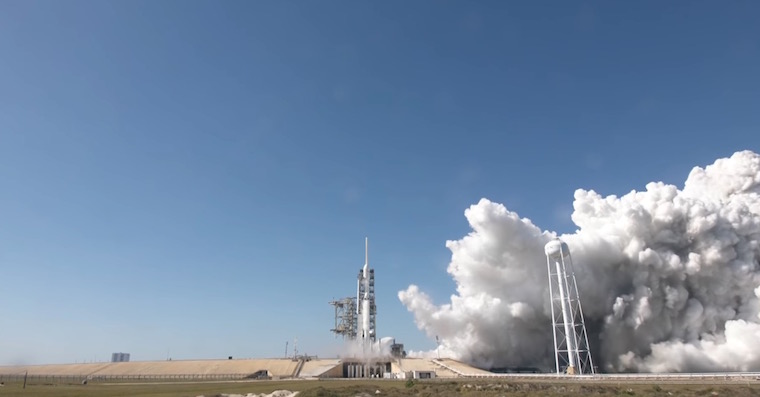
SpaceX tooneThe year didn't go exactly as planned, as the Starship prototype exploded. However, the company didn't hesitate and began testing another prototype called SN-9, which also had a minor problem. an accident in the hallThis prototype differs from the SN-8 only miniThe biggest change is probably the pressurization of the secondary tank with helium instead of methane. More in-depth testing should take place during January. The first step will be to ignite all three Raptor engines. A test flight should take place shortly after, which should be similar to that of SN-8, namely a takeoff to a certain altitude followed by a landing. However, SpaceX is not lazy and is preparing many other prototypes. SN-10, for example, is nearing completion. As for the Starship test flights themselves, the American company plans an average of two flights per month, and these should be faster flights to higher altitudes, during which ceramic heat shields will also be tested.
You might be interested in

Gallery
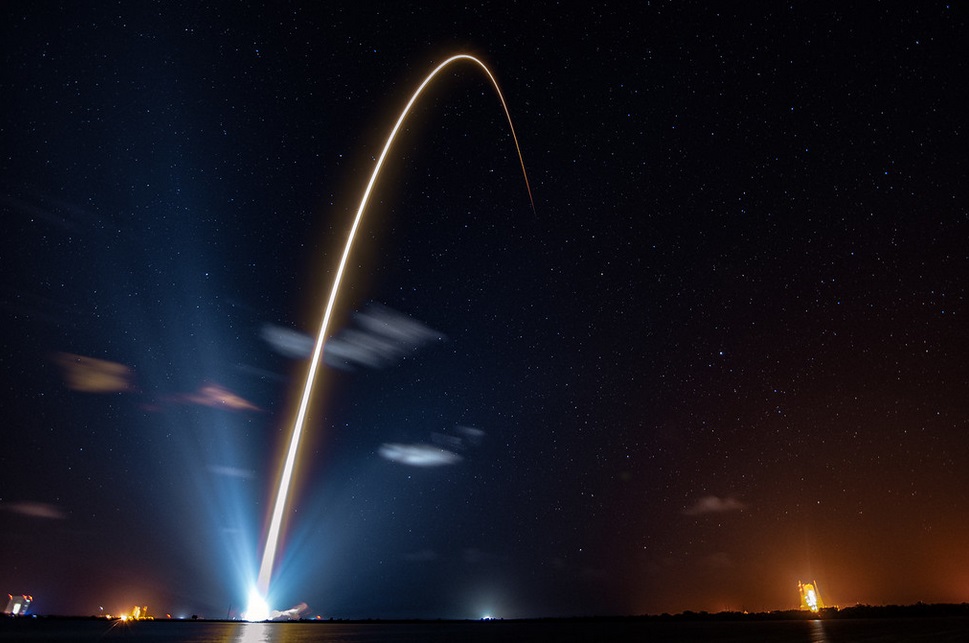
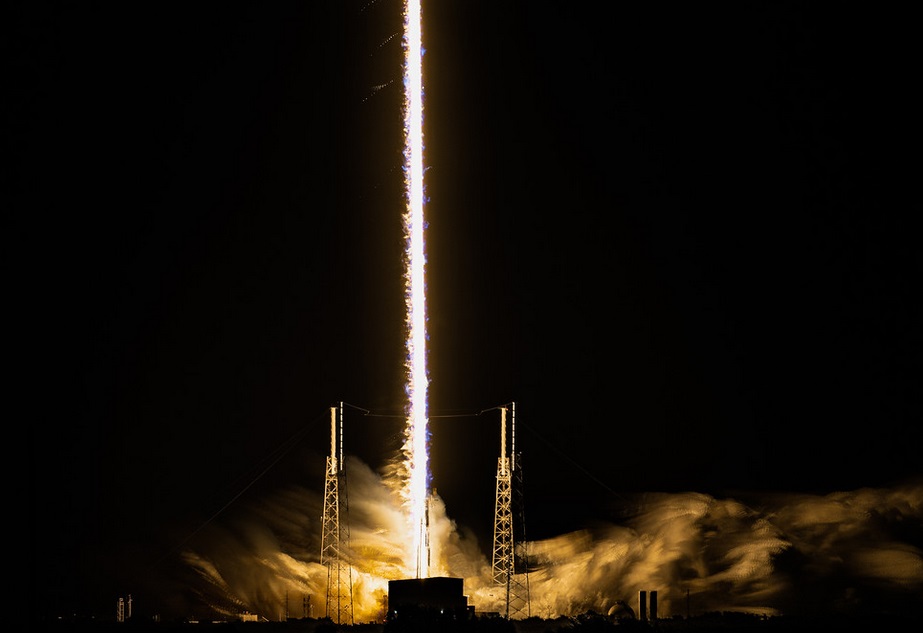
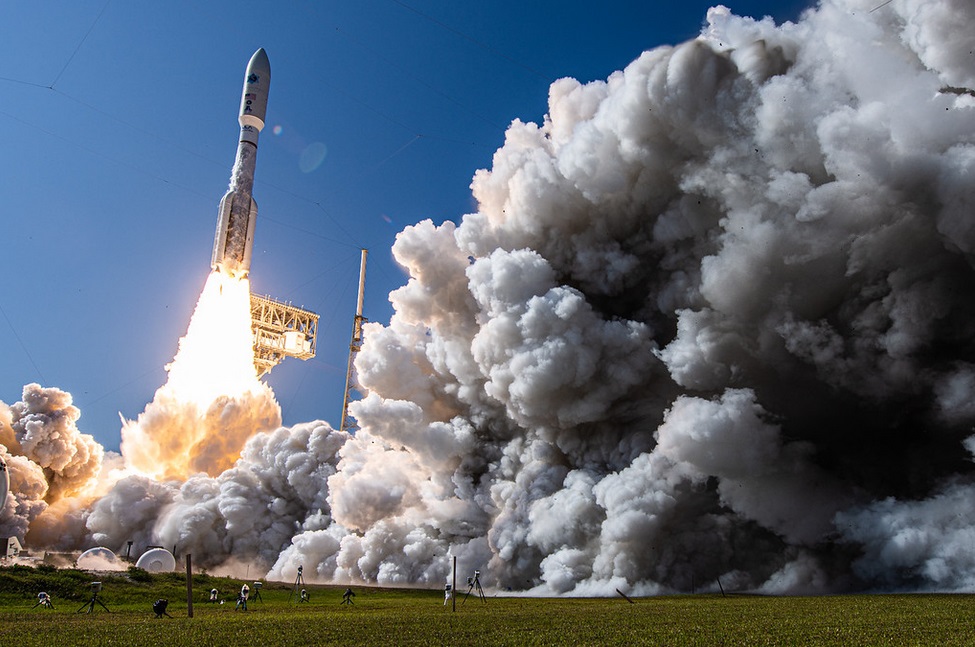
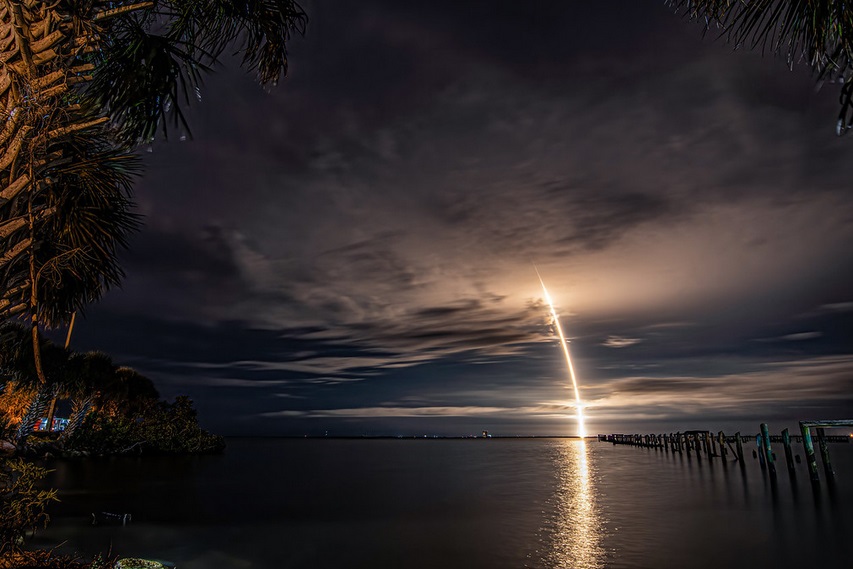
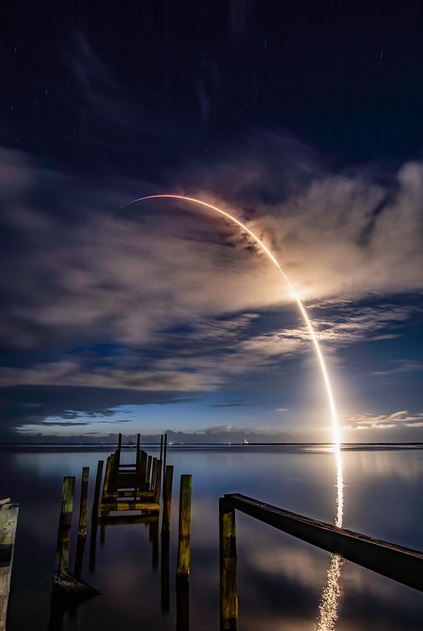
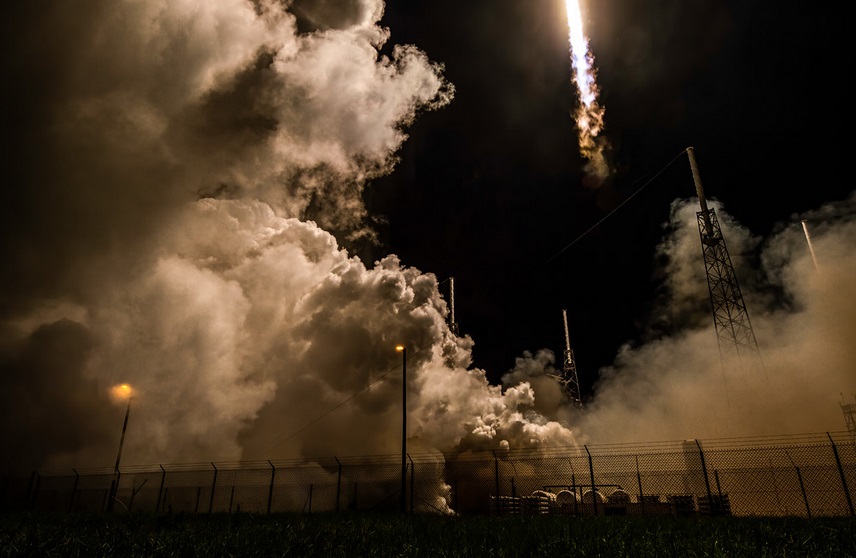
Later, the first prototype of the seventy-two-meter-high Super Heavy launch vehicle is also to be tested. The test should consist of a jump to 150 meters using two to four Raptor engines (the rocket is to be powered by up to 28 of these engines in the end). If all goes according to plan, this launch vehicle could fly with Starship into Earth orbit this year. The Super Heavy rocket should initially return similarly to the Falcon 9 rockets, however, SpaceX's plan is that over time a special arm on the tower on the launch pad will start to "catch" the rocket during landing. This would eliminate the need for legs, making it lighter and reducing production costs. However, even Elon Musk admits that such a solution is really complicated.