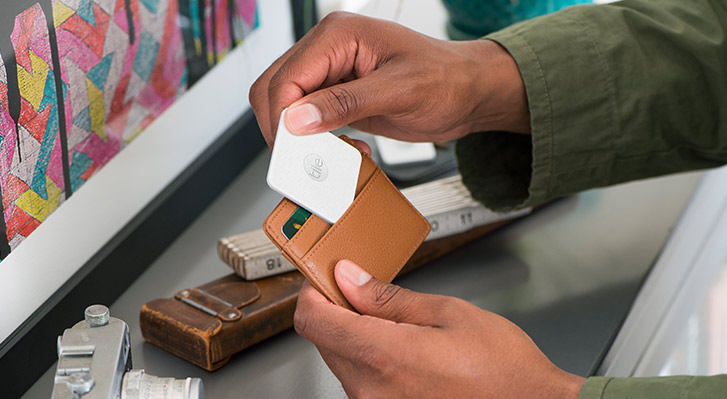
Apple may be celebrating various small victories and acquittals recently, but that doesn't mean the barrage of lawsuits and accusations of various wrongdoings has stopped. On the contrary, it looks like the Apple company will soon be facing an antitrust investigation over its upcoming device. AirA tag that is intended to be used for tracking objects and valuables. At least that's how Tile, a company that has been promoting a similar device with the same purpose for a long time, put it. Apple According to officials, he is breaking the law and trying to dominateanceven on the market.
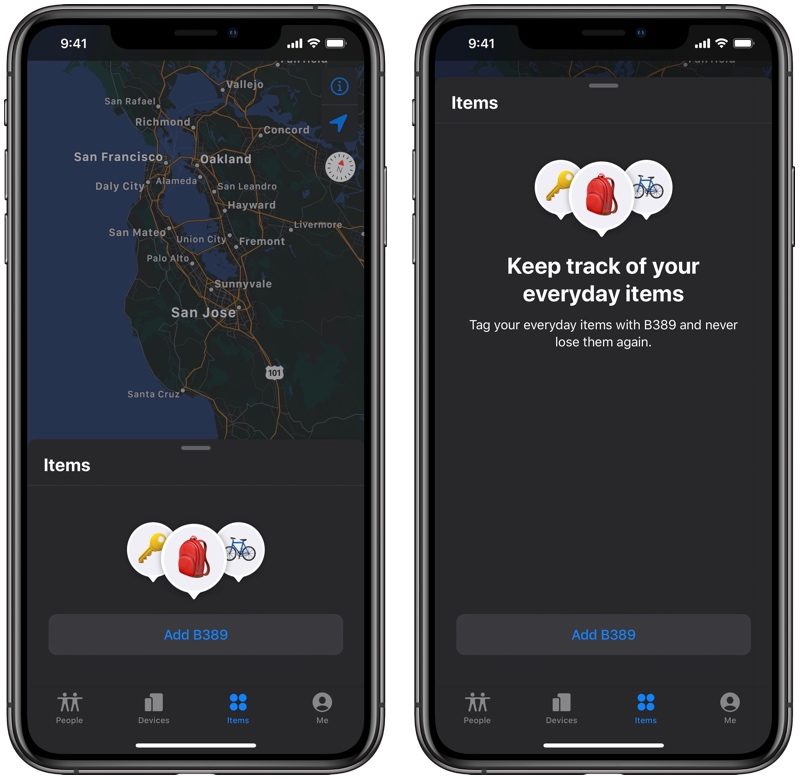
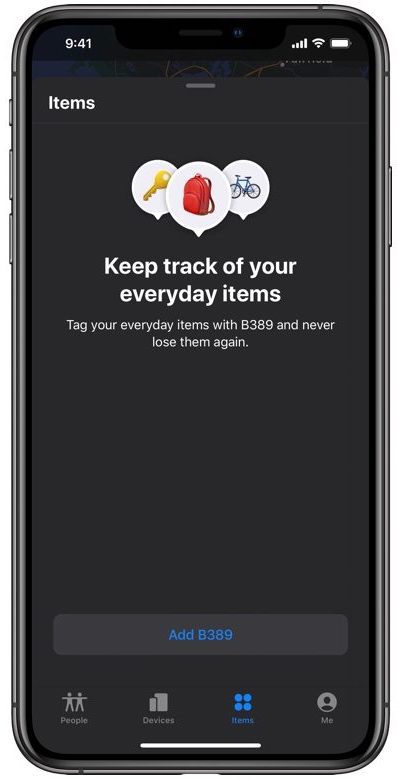
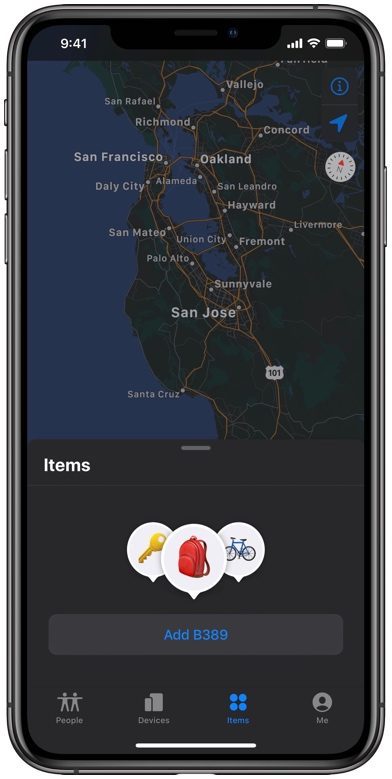
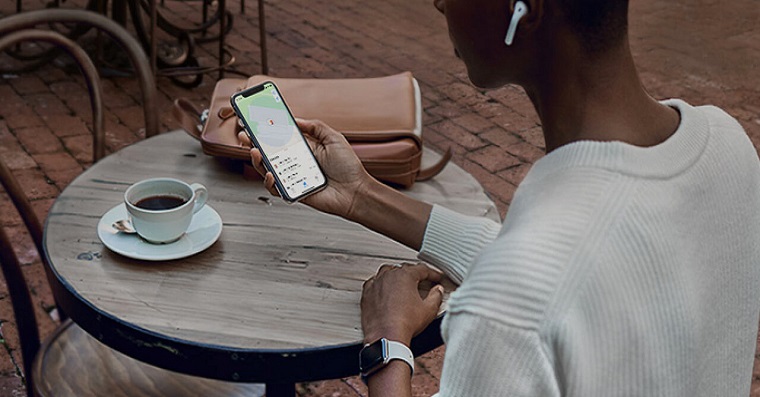
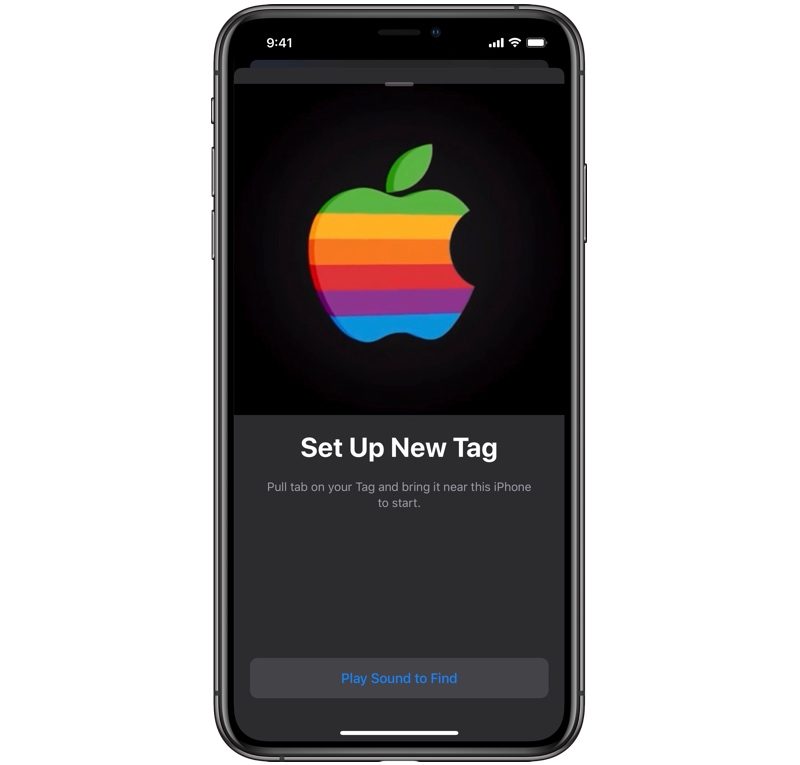
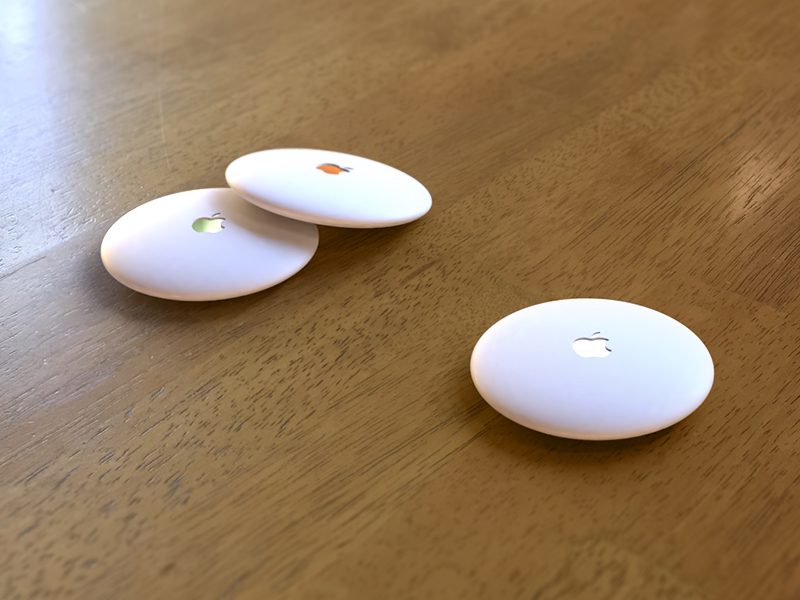
If it seemed recently that the technology giant would be able tooneIt's time to take a breather and take a break after a tough period, now the coin is turning. Apple for several years he has been planning a small and inconspicuous facility called AirA tag that is supposed to be used to determine the exact location of objects. In practice, this gadget is supposed to work by sticking it to your phone or keys, for example, and thanks to the signal, you can find out where the thing is currently located at any time using a mobile application. Using AirThe tag is intended to prevent theft and, above all, the unintentional loss of valuables, such as electronics, keys or wallets. Although the device has not yet seen the light of day and the Apple company is still keeping the details secret, the first allegations have emerged that Apple violates antitrust rules and tries to take a majority share of the market. The company Tile, which is behind similar products that serve the same purpose, i.e. to track desirable objects at a short distance, was the first to come forward with the accusation.
You might be interested in
However, let's go back a few months, when Tile confided to the United States Congress that the negotiations Applu is illegal and in iOS 13 is deliberately making it difficult to use the company's devices. Allegedly, the intention was to disrupt the competitive environment and then come up with its own product that would fit into the Apple company's portfolio and, above all, be fully compatible with the ecosystem. Although at first glance these arguments might seem to be strong and credible, it is necessary to take into account that Tile complained at a time when complaints against AppThe market was bustling, and every small tech company was eager to warm up its soup. It was a David versus Goliath battle, except that Apple was following the rules of the free market and not intentionally putting Tile at a disadvantage. Either way, the company’s leaders were clearly determined to take the matter to higher authorities.ancThey sent a letter to Commissioner Margrethe Vestage of the European Commission, which oversees antitrust and market regulation. In the letter, Tile complained about the same problems, namely the deliberate targeting and favoring of Apple's own app. Find My, which is also to be used for the upcoming device AirTags.
Gallery
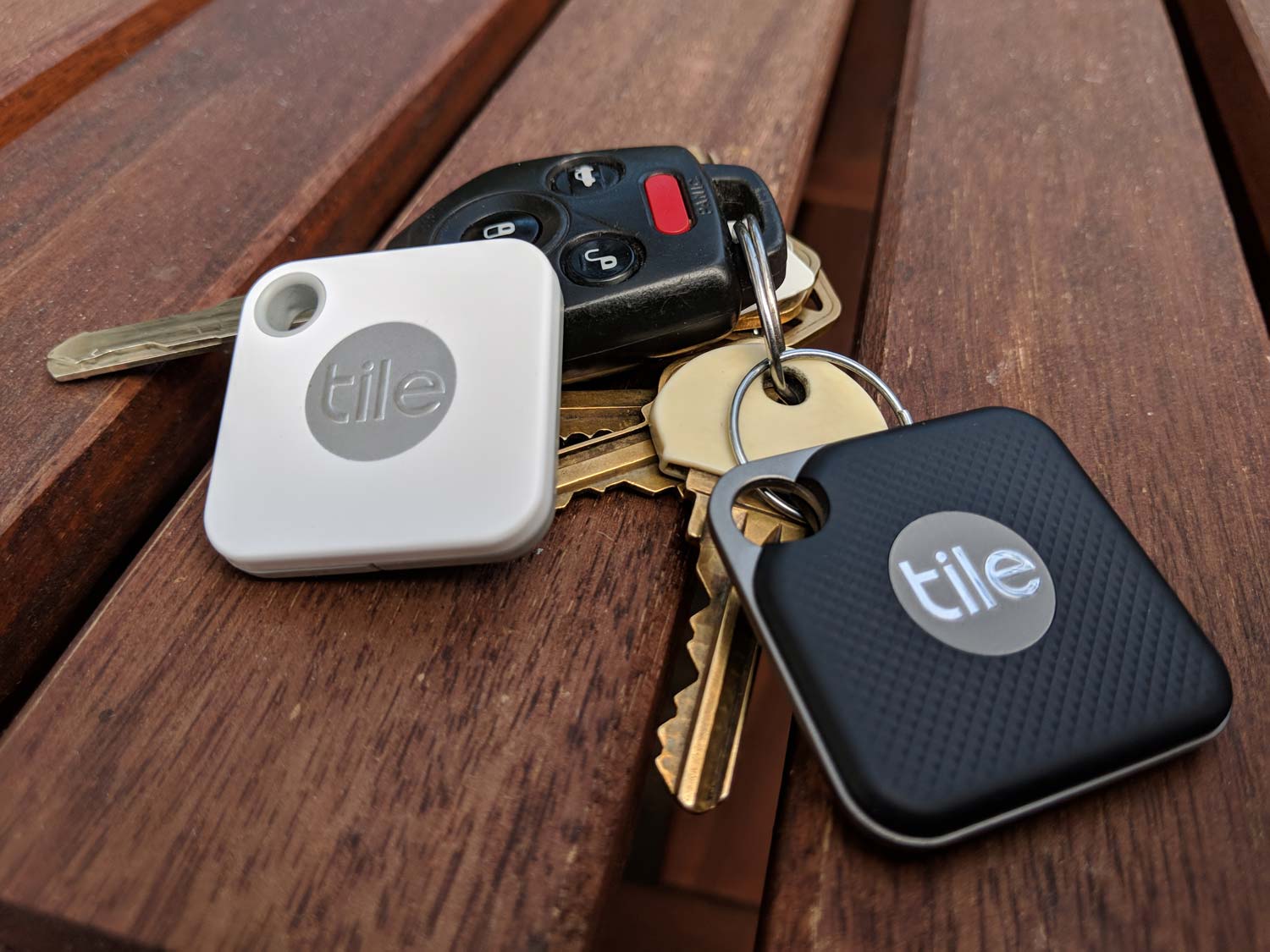
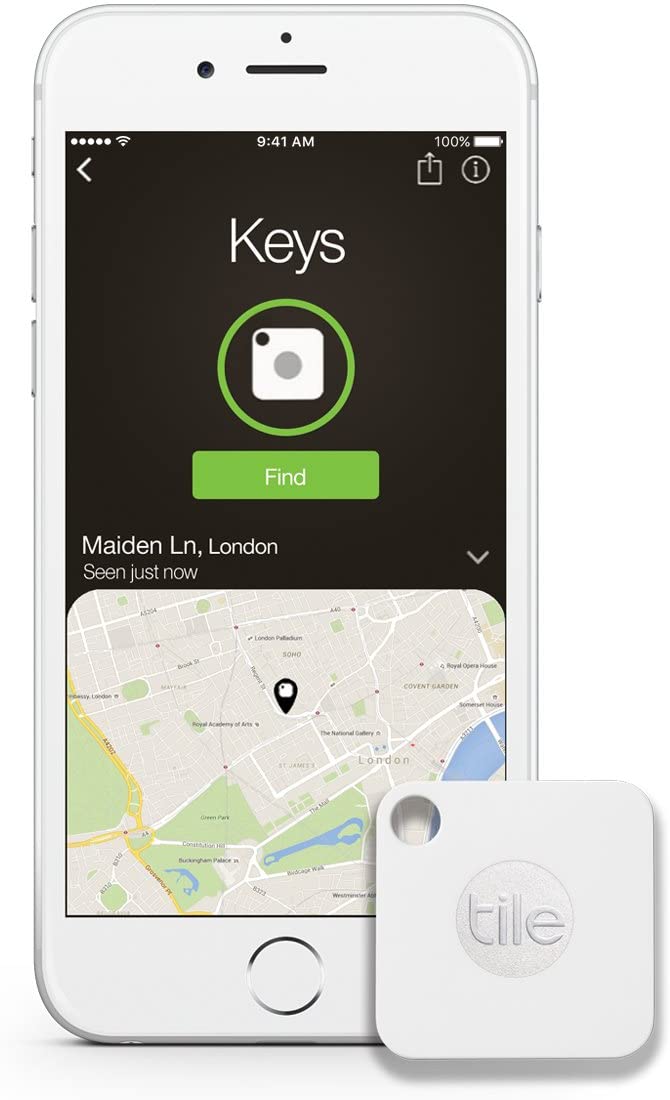
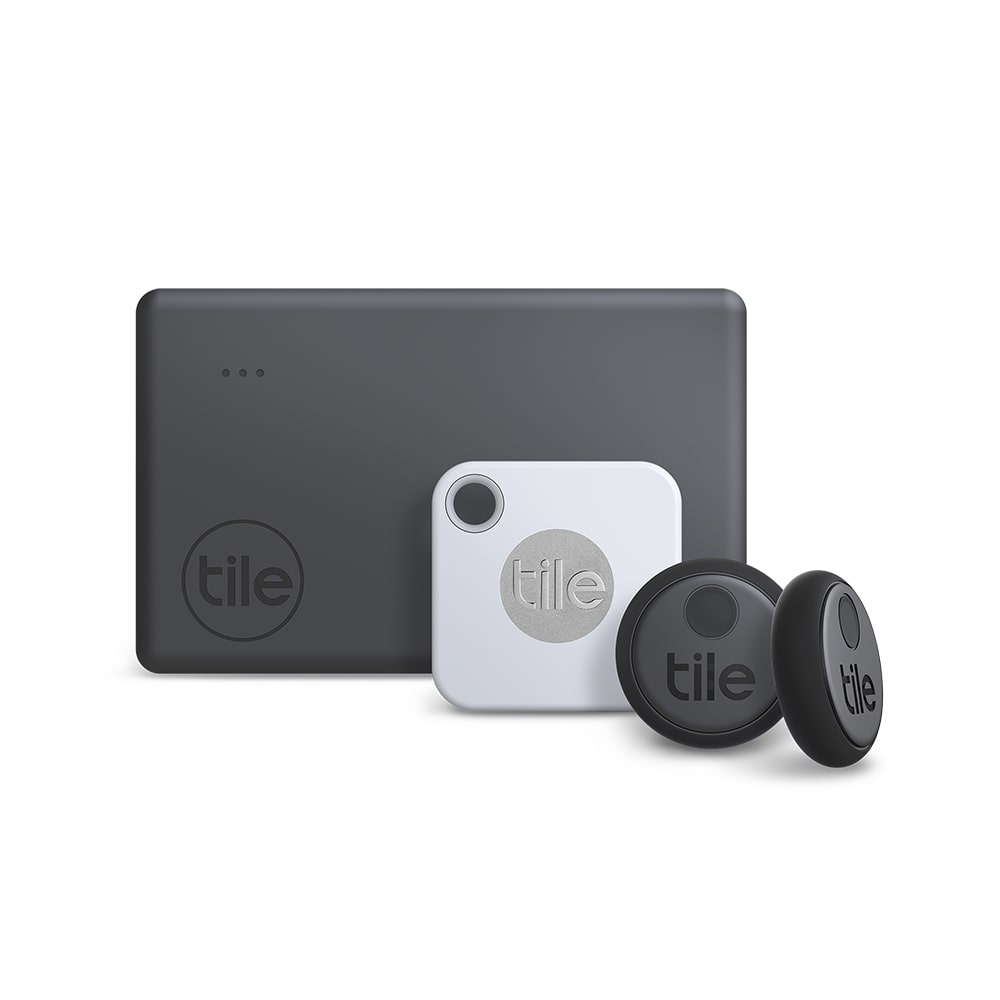

In the normal case, it would Apple he didn't have to worry too much about this matter and would just wave it aside, but given that iOS 13 has seen some changes to protect privacy and sensitive data, which looks rather bleak for the Apple company. The technology giant has deliberately made it more difficult for apps to run in the background and collect location information, which is what Tile's apps and devices are all about. On the other hand, Apparguments regarding one's own pond are not very useful. Applications Find My It is pre-installed on every iPhone and has full system permissions, which unfortunately works in Tile's favor. The company also complains that its apps are disadvantaged in Apple Storu and also for breach of agreement by which Apple reportedly closed. The deal was that the company would sell physical Tile devices in its stores and offer full compatibility with all Apple products. As is often the case, the truth is somewhere in the middle, as evidenced by the press release. Applu. In it, the technology giant spoke out in its defense and mentioned that the path to better securing user data and their privacy was quite thorny. The company was forced to take a number of drastic steps that also unintentionally affected companies like Tile. One way or another, the European Commission will intervene in the whole case and evaluate the case. However, the reality is that both sides have arguments and evidence, so finding a consensus will be difficult.