
Almost nothingoneThe long-running lawsuit over the slowing down of older iPhones, which has been with us for several years, is slowly coming to an end. Although it initially seemed that the Apple company would escape the accusations relatively smoothly and with only a few scratches, the situation quickly changed and in March Apple officially announced that he would request a definitive financial settlement. So,onec also happened and the tech giant will have to pay another $500 million in the US.
Gallery
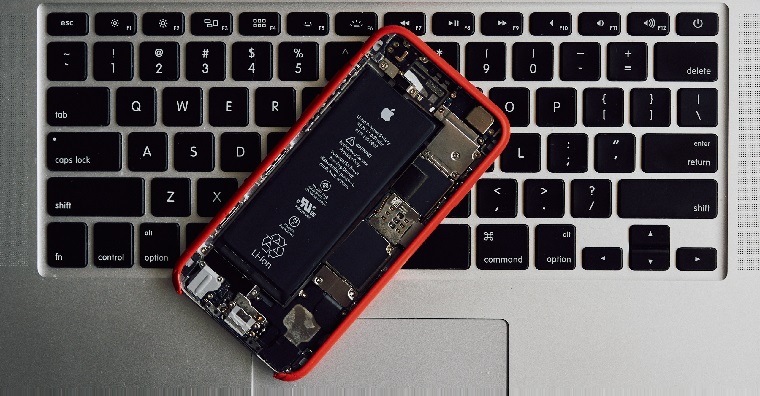
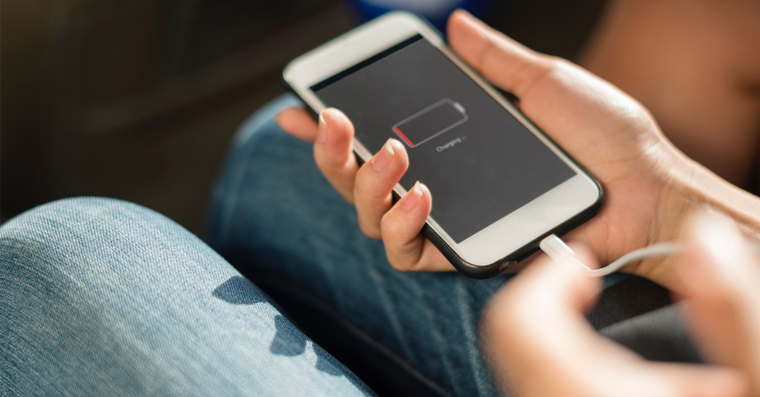
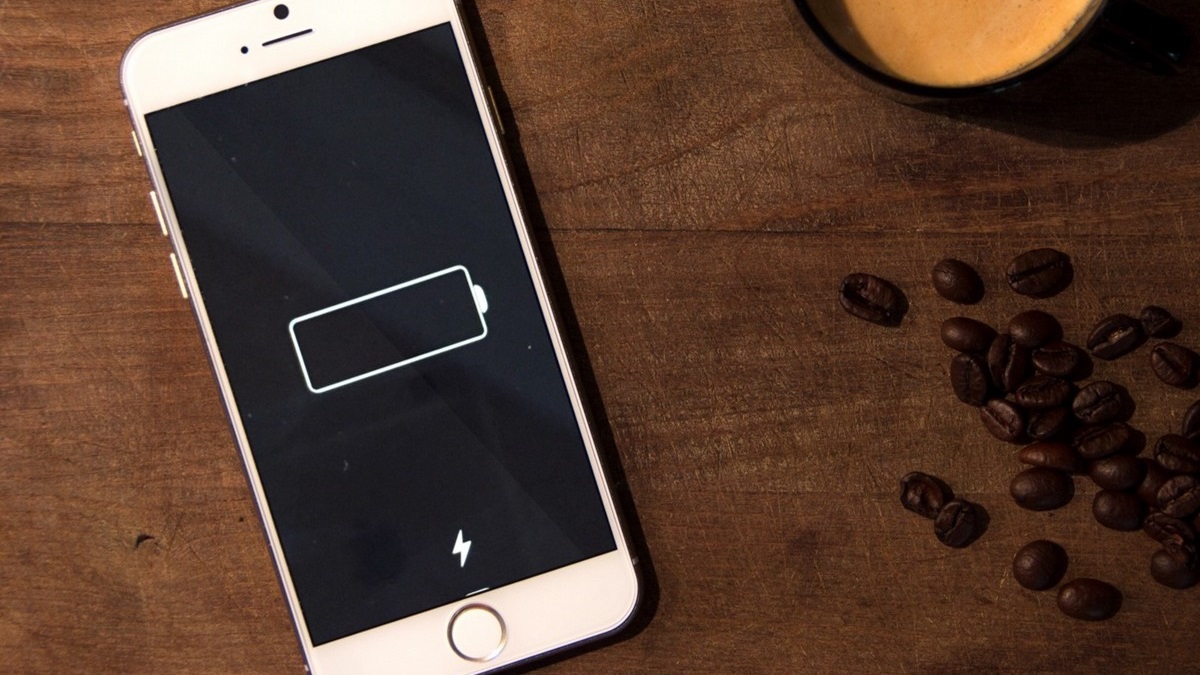
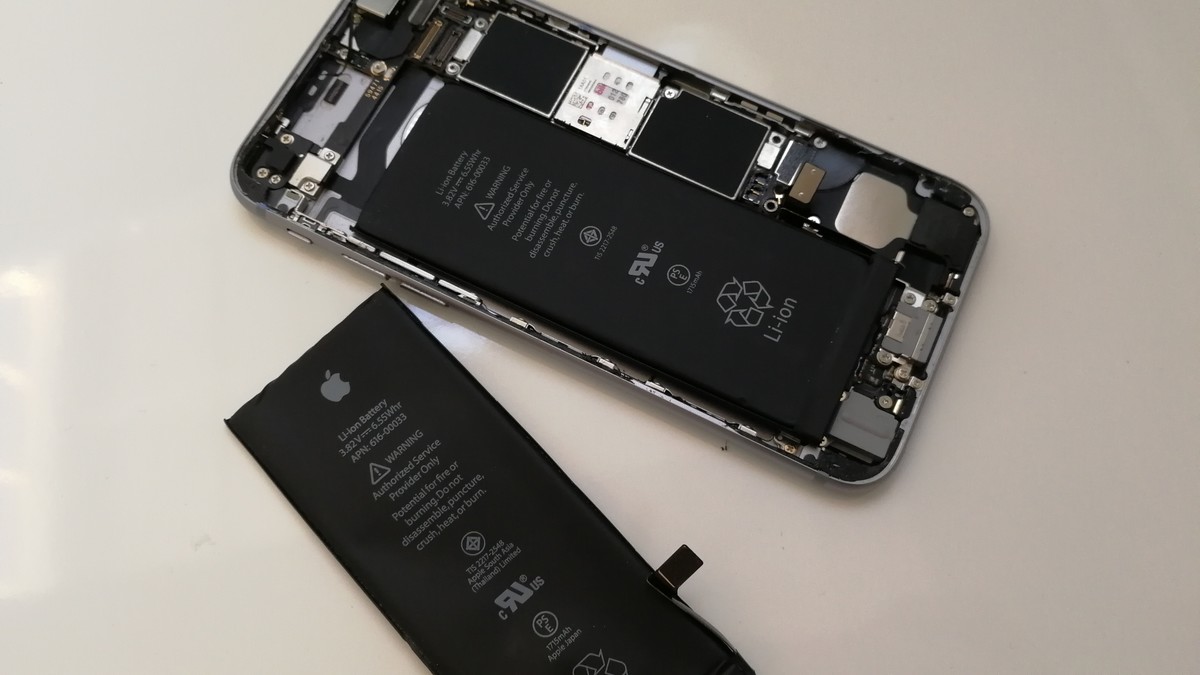
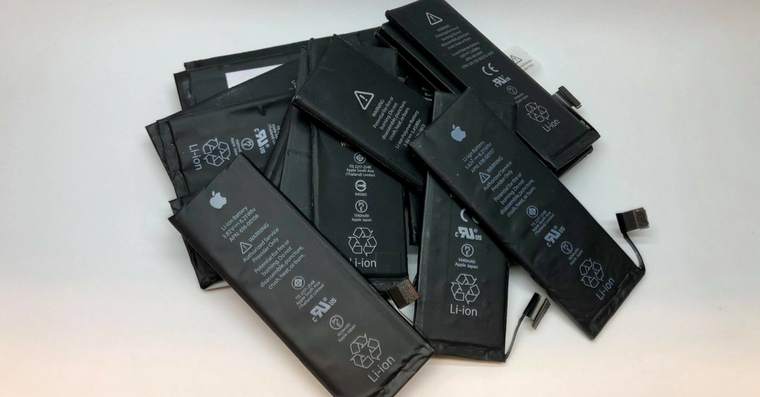
Slow iPhones are a perennial issue that has been with us for years, and until last year, it didn't look like the situation would be resolved anytime soon. But the issue gained momentum in court, and in March, there was a certain capitulation. Applu, who asked the judge for the possibility of financial compensation. That nakonec agreed and granted a preliminary permit, which will be definitively resolved at the December hearing, mainly due to the current coronavirus pandemic, which threatens the court session and complicates the entire process. The apple company certainly has no reason to celebrate and after a long time this is a dispute that it has not won. And it is not surprising, most of the lawsuits are against the head Applu collapsed in 2018, when users complained about insufficient battery capacity and artificial slowdowns in the software and operating system.
You might be interested in
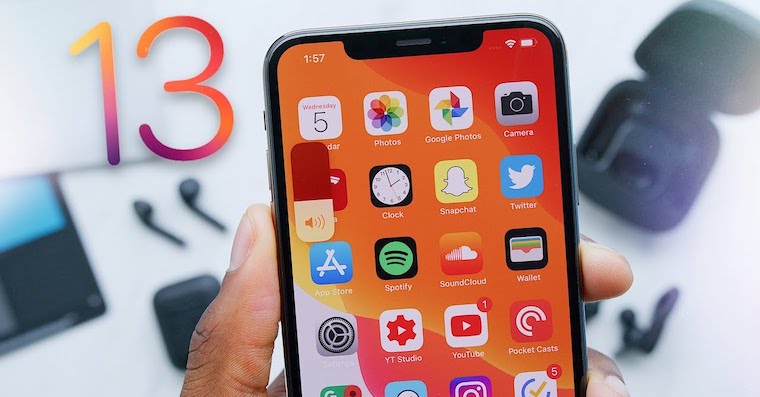
The alleged performance tweaks were supposed to start in 2017 with the release of iOS 10.2.1, which contained software that regulated performance. Apple However, this fact was somehow forgotten to be mentioned in the changelog, and the problem was only discovered by Primate Labs and John Poole, who noticed lower values in performance testing and, above all, inconsistent deviations. Once this unpleasant intention was made public, the vast majority of owners of older phones were Appturned its back on the company and many of them came out with lawsuits. However, it should be added that the slowdown was justified by the rapid wear of batteries in old iPhone models, which could not handle the demands of the new system and would automatically turn off if the performance was not reduced. Nevertheless, Apple apologized to the public and offered a special program as a replacement that allowed non-chat replace the battery much cheaper, starting at $29. In iOS On 11.3, a battery health indicator was introduced, allowing users to see transparently how their device is doing. Either way, each affected person will receive $25 in compensation, which isn't much, but it's more than enough to give them a sense of satisfaction. We'll see if more wrongdoings come to light over time, or if Apple will be more careful. Either way Apple will have to pull an astronomical $500 million from the coffers.





I don't take it as a scam, but as user protection.
What kind of user protection? Protection of your own bank account only! Now let's just imagine that every company would do this! You buy a beautiful Mercedes, everything runs, on German highways 250 and away you go. In 2 years, it will be Žigulák, who can do 150 downhill. Hooray, you're going to please the bánboh! Only such sheep can applaud the fact that they screw you up, and they don't even try to cover it up. You dumbass!
Lukas, stop kicking around like a little kid. The court ruled that you will have to work harder to Applu subsidized his fine for intentionally slowing down his iPhone, enjoy
I should have swallowed me too, not thrown it..
Mom could also swallow me, not throw me..
Before what? Too fast phoneonem?
I see it the same way
You can see it however you want, but Apple should have notified the users. That's what this is about. He did it behind their backs.
when I fix the problem with wifi slowing down when bluetooth is also on, let me know...
That's such a piece of shit. I could also sue all the android manufacturers that the phones are unusable after a year.
You can blame your parents for being stupid
Someone with my nickname again!
But your nickname is Kokot.
What? What consumer protection? If it weren't for their lawyers who advised AppI'll play it on battery and miniTo minimize the impact of the mess is, on the contrary, bad news for us consumers. Moreover, the court confirmed that the slowdown was happening, so what on earth is the protection?
It's interesting that the "temperature sensor" on the computer can not only slow it down but even turn it off => I haven't noticed a single time that it bothered anyone.
What's more interesting is that you AppThe letters also defend that they Apple he sold a defective phone, must be some nonsense about the sensor
How to slow down? What are you talking about? Turn off yes, slow down how? The temperature sensors on the PC are used to control fans or water pumps. No sw slowdown really, so don't comment on something you have no idea about.
Thermal Throttling?
That's a fact, laptops without proper cooling are also slow, for example those from Applu
It seems that you don't know, the thermal protection of the CPU reduces the clock speed.... do you get it yet?
But this is due to the physical properties of the CPU and its lifespan, if the cooling works as it should, it will never happen... Despite the fact that I can set the limit at which it will happen, as well as by how much the clock rate should be reduced... For example by 0%, do we understand?
Bruto, it looks like the only one who doesn't know what this is about is you. You're welcome nestrap. You're getting confused...
Yes, Mitho will explain to us how to do it from his slow-motion iPhone Apple can not
Mitho: So you think this will happen with functional cooling? Or what are you trying to say? That it can not be set? Maybe at MAC… Or what are you trying to say? Explain it…
Gross yes iMac 2013 i5 gtx775m heats up to 100 degrees then starts throttling and brutally reduces performance .. and there is nothing you can do about it .. turning off turbo boost doesn't help much ;) koneit's just the way it is
User protection from functional phoneoneI don't understand how anyone can applaud and defend this...
ProWe are from Iowa.
In particular, you, the lieutenant, are a dumb sheep who will still brag when your master Apple he shaves properly and fucks... These demented people who fight for some brand should be treated
I would like to calm this Android vs. iOS a Windows vs MacOS. It is stupid to argue here about what is better and what is not. They are brands and we could still argue about whether Nike or Adidas is better... But I have long been a fan of technology and innovative things. I use how Apple i too Windows and android. And everything has its pros and cons. Apple is a winner in terms of its ecosystem and the connectedness of their devices. I really enjoy that. But Android devices in innovative advancements and Windows again in his performance. If we compare the performance in MacOS and in Windows so in Windows graphics performance is usually better and there is also a wider base of products (Nvidia graphics). And as for the intentional slowdown. At first I looked at it with displeasure and after a while I remembered how I cursed on my two-year-old LG G3 when my cleaning turned off by itself. After switching to iPhone SE and after three years I have not experienced anything like this. After this case started I prioritized performance on my iPhones and even that iPhone se it turned off at 15% battery. I'm not a big mobile gamer so I think I'd rather use my phone down to 0% than brutal performance down to 15%. But it's purely a matter of opinion.
This isn't about which is better, AppThe list knows very well that a $70 iMac with a disk drive is a failure, that's why they're kicking around so much.
It's true that most adults don't use a PC for gaming, so I understand your answer ;)
And how do I get the money? I've already had 3 since 2018. iphone, meaning they'll give me back $25 for each one? I bought a new one precisely because the old one started to crash and was slow.
Well, you are exactly the kind of customer that you are looking for Apple needs :)
Tvl anyway, otherwise android would be in complete shit, apple slows down iphone and he still has the upper hand, that's fucked up, right androids?
He has the upper hand in stupid users like you.
Sud: you have a shell full of apple shit, don't you? :-D :-D :-D
Such kind of morons, what's here, you just can't see it :D
Mothers should have aborted you whole, not just your brains…