
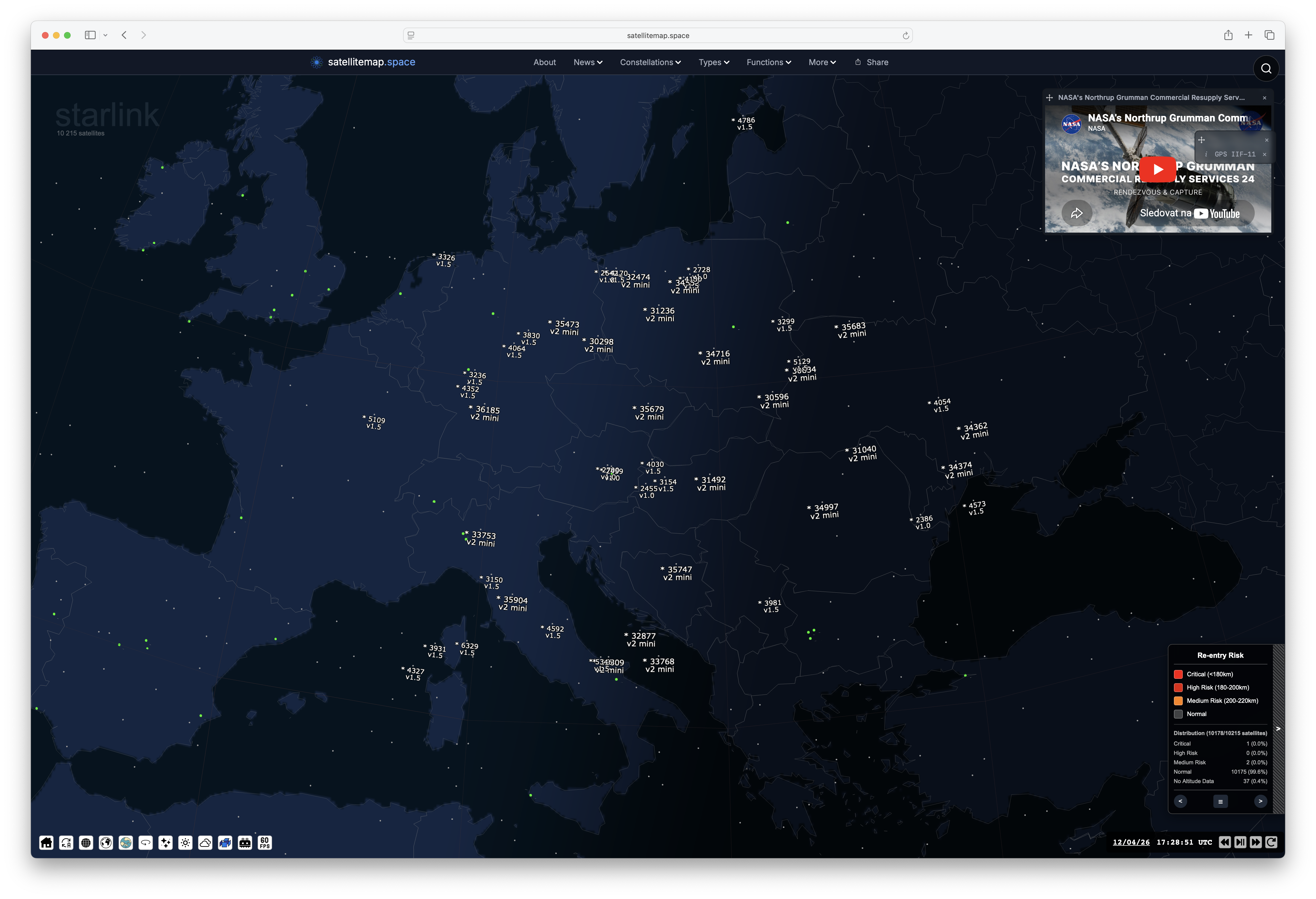
The Starlink satellite constellation of the American company SpaceX is causing great debate. Many people are in favor of this plan and see it as a technological step forward. Others have the opposite opinion and claim that satellites will be a nuisance in the sky in the future. SpaceX plans to send almost 12 thousand satellites into low Earth orbit, which will eventually provide internet anywhere on the planet. The company now has 420 of them in space (not counting two prototypes). The satellites can be observed with the naked eye even in our country.
You might be interested in




Elon Musk already said that in the next three months it will start non-public beta testing. The public will beta available in the next six months. Potential users can reportedly look forward to download speeds of up to 1 gigabit per second with latency maxat least 35 ms. Let's just remind you that SpaceX has a long-term plan to have 1000 satellites in low Earth orbit by the end of the year and provide connectivity in the United States and Canada. But what might happen with this project in the long term and what can we expect from it? We'll talk about that in the following lines.
Connection method
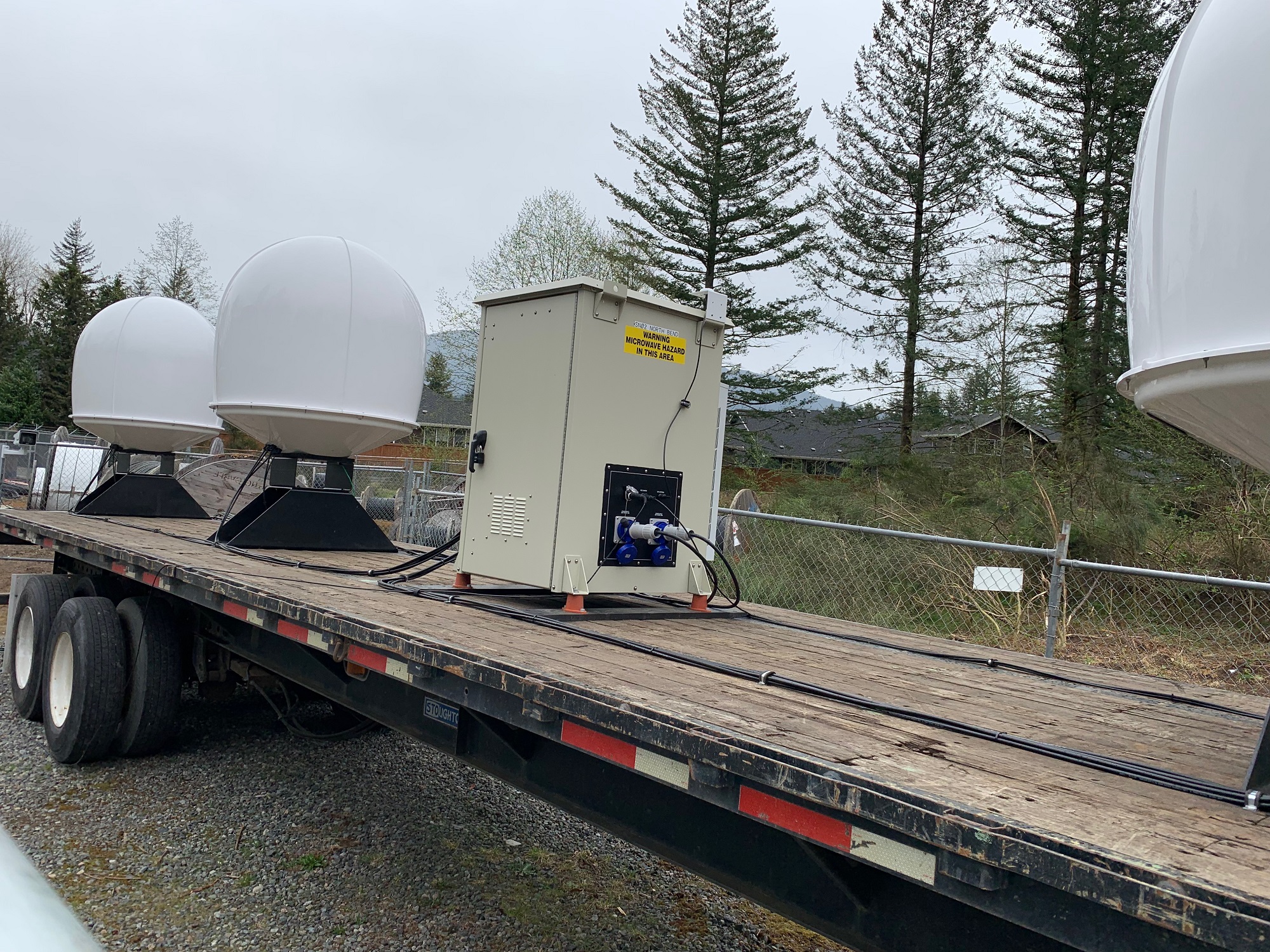

The first thing that probably comes to your mind in connection with this issue is "How do I connect to the Internet?". The plan is to deliver a ground terminal. According to Elon Musk, it will look like a flying saucer on a stick. The device will also be equipped with engines that will be used for optimal rotation in the sky. The terminal will most likely be connectable to the router. In January of this year, the American visionary also created (apparently with a touch of humor) simple instructions for installation - 1. plug into an outlet, 2. point at the sky. So it will probably be very easy to put into operation.
As mentioned above, there are currently 420 satellites in the sky. In May of last year, Musk claimed that this number would be needed for minor coverage (the US and Canada). However, given the current state of affairs, it is clear that a few hundred more are probably needed. Another 720 or so satellites (a total of 1140) are said to offer moderate coverage with a stable connection (again, only the US and Canada). However, on an older version of the Starlink website, you could learn that moderate global coverage would be available after 24 launches, i.e. 1440 satellites. However, this claim was apparently very optimistic, similar to the one made in May of last year. Protake these numbers as an estimate only. So Europe is in some kind of beta testing will only take place in the coming years.
You might be interested in
Price and connection speed
The price of this service is a big unknown. When asked about the price in October 2019, SpaceX President Gwynne Shotwell replied that many people pay as much as $80 for a crappy service, but she did not even reveal an approximate price. Musk himself in 2015onesl that a possible plan is to provide the service for free, but the ground terminal would cost between $100 and $300. However, this plan currently seems rather unlikely. There is also a question mark over the speed of the internet, but the application to the FCC (Federal Communications Commission) filed in 2016 mentioned, as mentioned above, a gigabit per second and a latency of 25 to 35 milliseconds. During a prototype test in 2018, a speed of 610 megabits per second was allegedly achieved.
While the Starlink project must bring a smile to the face of technology enthusiasts, there are also those who strongly criticize it. For example, astronomers are strongly opposed to the potential impossibility of observing the night sky. To this Elon Musk responded that the satellites would be painted with a paint that would not reflect as much light. He recently stated that SpaceX could participate in commissioning of orbital stations, which would be placed above the orbits of Starlink and not disturb the peaceful observation of the sky. Opponents, however, argued that the company should rather focus on mitigating the impact of working from Earth.






Well, I understand that there will be a super fast connection in Antarctica after the sky is dusty, but the question is, do we need it? After all, most often we want a mobile connection directly to the smartphone and not some other device for that...
Gwynne Shotwell is the president of the company. She's not a man, but a woman. Quite attractive. Proplease correct the masculine gender in the text.. :-)