
Intel is drowning in problems. This exact sentence could simply specify the current situation of the processor manufacturer, which is not only found in Apple computers. Not only is Intel lagging far behind competition in the form of AMD, it wasn't even that long ago that news broke through the media that certain processors from Intel were suffering from serious security flaws. These were named Meltdown, Specter and ZombieLoad and it should be noted that they also affected processors located in Apple devices.
You might be interested in
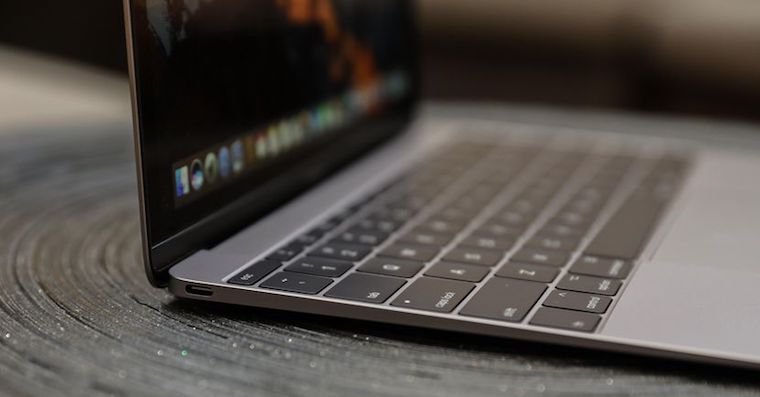
One could almost say that all three of these flaws have been completely forgotten over time. However, the opposite is true, as another serious flaw has now been discovered in Intel chips. The origins of this flaw date back to last year, when security researchers from Positive Technologies discovered a flaw that primarily affected the CSME (Converged Security and Management Engine). The CSME is a part of some processors that runs a form of operating system. It is a key security feature of Intel processors. Together with the BIOSIn addition to power supply, CSME also offers a kind of "cryptographic basis", which is important for example for DRM (Digital Rights Management), TPM (Trusted Platform Modules), or Enh functions.anced Privacy ID from Intel.
Gallery
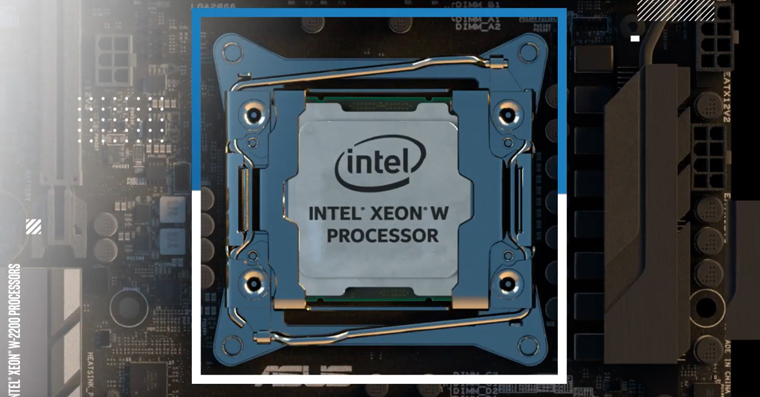
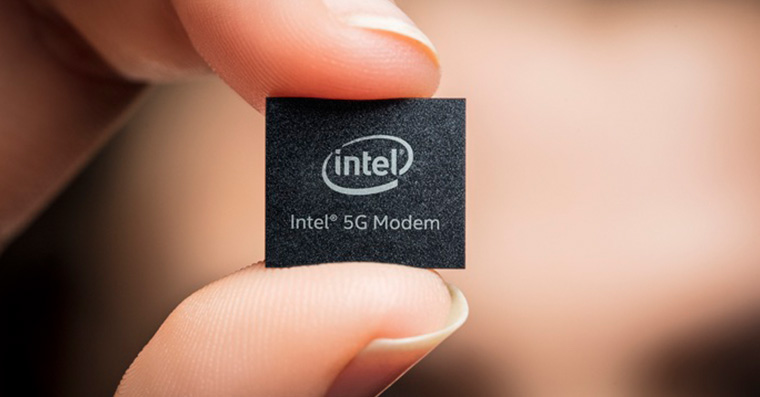
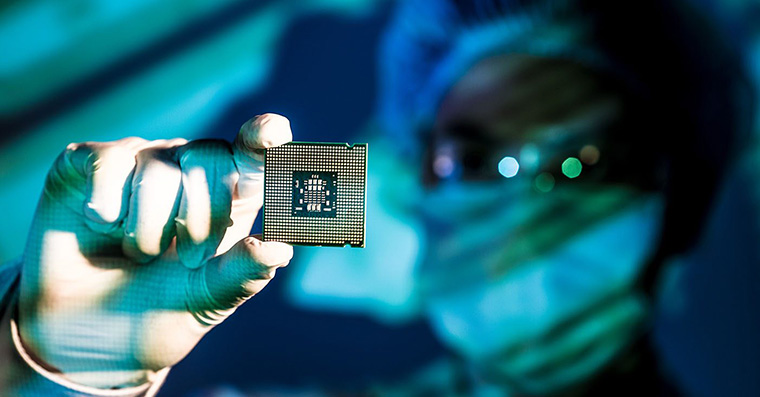
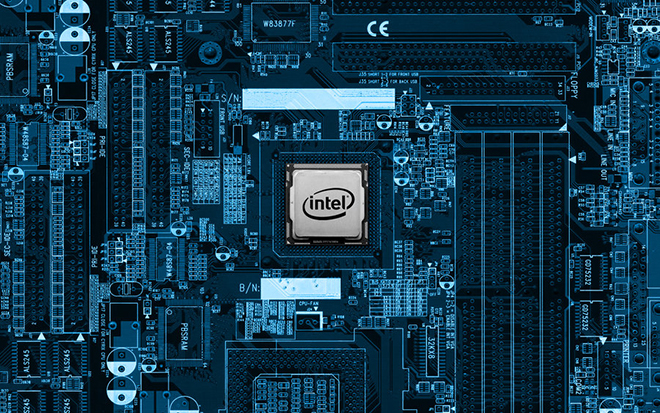

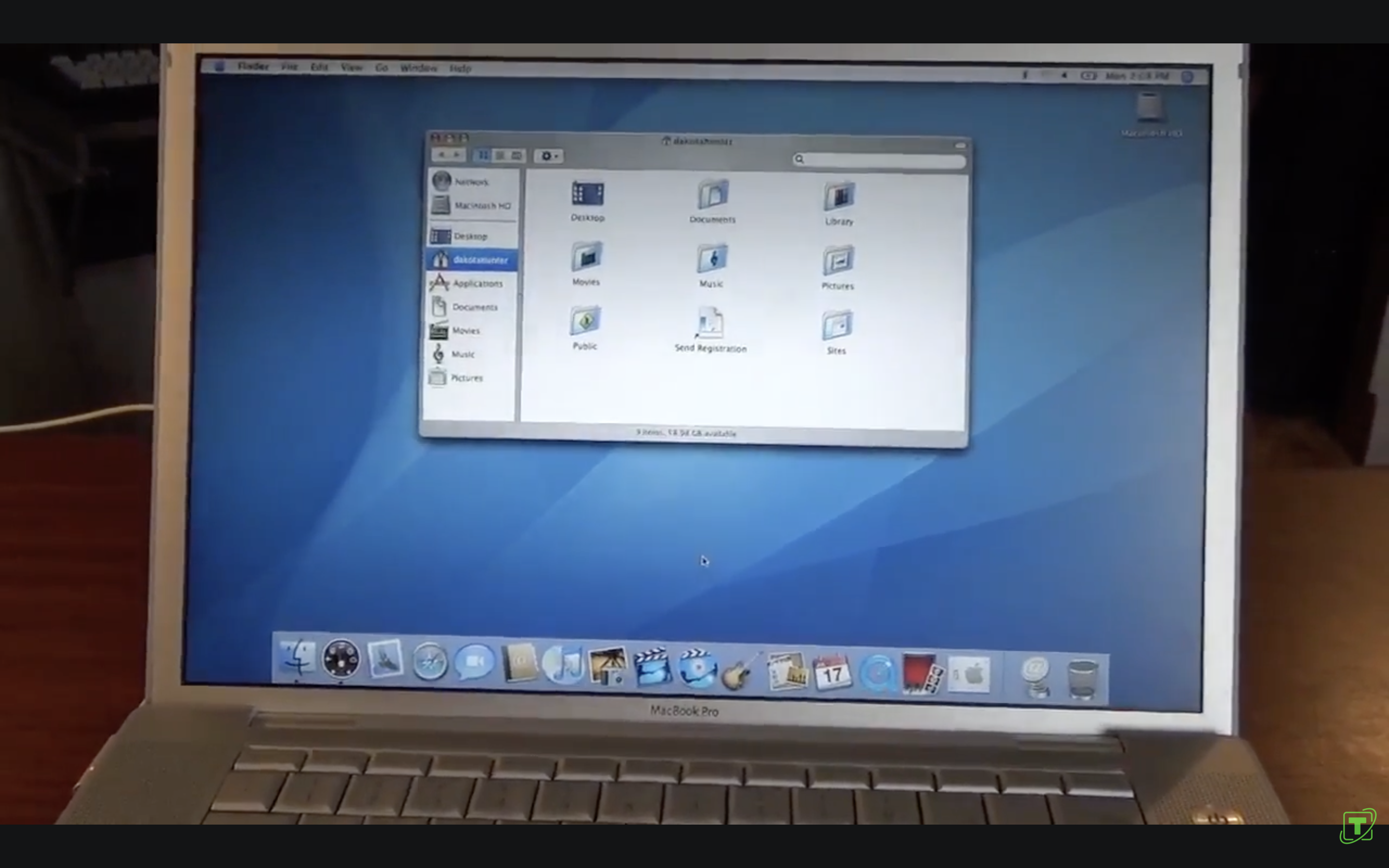
Intel released a special patch in 2019 to fix this flaw, but according to a recent study from last Thursday, Positive Technologies found that it won't be that easy. Security researchers point out that this flaw can be used to obtain a special kernel cryptographic key. Thanks to it, potential attackers could seize all data from a device in which processors with this flaw are beating. This can be a big problem, especially for DRM-protected media, and over time, for example, servers of large companies could also be attacked. However, it should be noted that this flaw is slightly different from the Meltdown, Spectre and ZombieLoad flaws - the latest devices from Applu that have the T1 and T2 security chips are not on the list of vulnerable. These Apple security processors are launched as the very first, before the main Intel processor, so all security keys stored in these processors are safe. Older Apple devices without T-series security chips could theoretically be at risk - for example, this flaw should be able to decrypt the key from FileVault. According to available information, this latest bug is hardware-related and therefore unfixable. However, it is not a bug that could be easily exploited, for example by simply clicking on a fraudulent advertising banner on the Internet. Nevertheless, it is another nail in Intel's coffin. This is precisely another reason why Apple could resort to the construction and use of its own ARM processors in the near future.
You might be interested in












Intel really makes fun of everyone.
A question for someone in the know - even though this security flaw doesn't affect apple products - will it still be patched?
A fully patched Core depreciates approx. 30% of performance under load.