
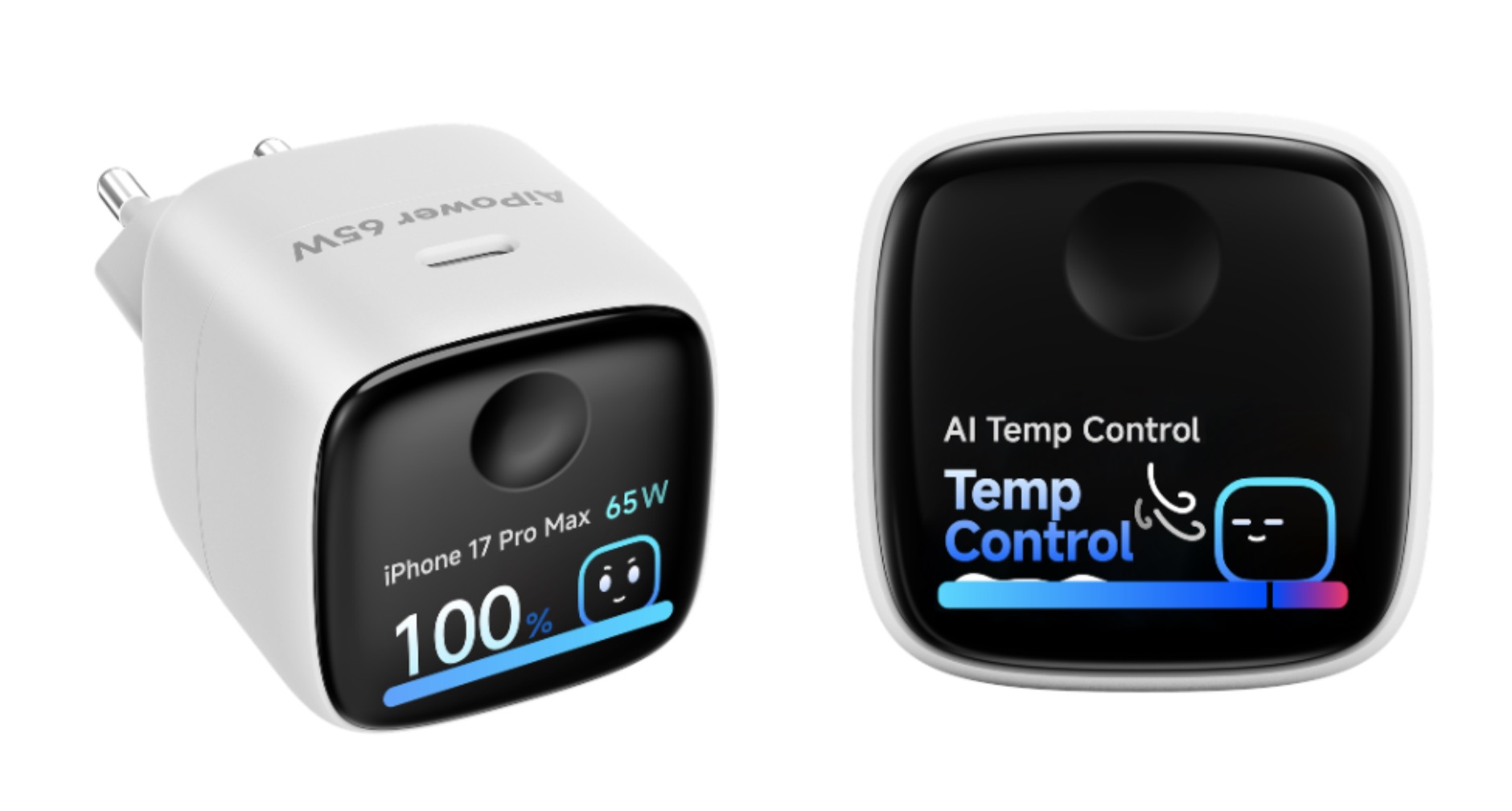
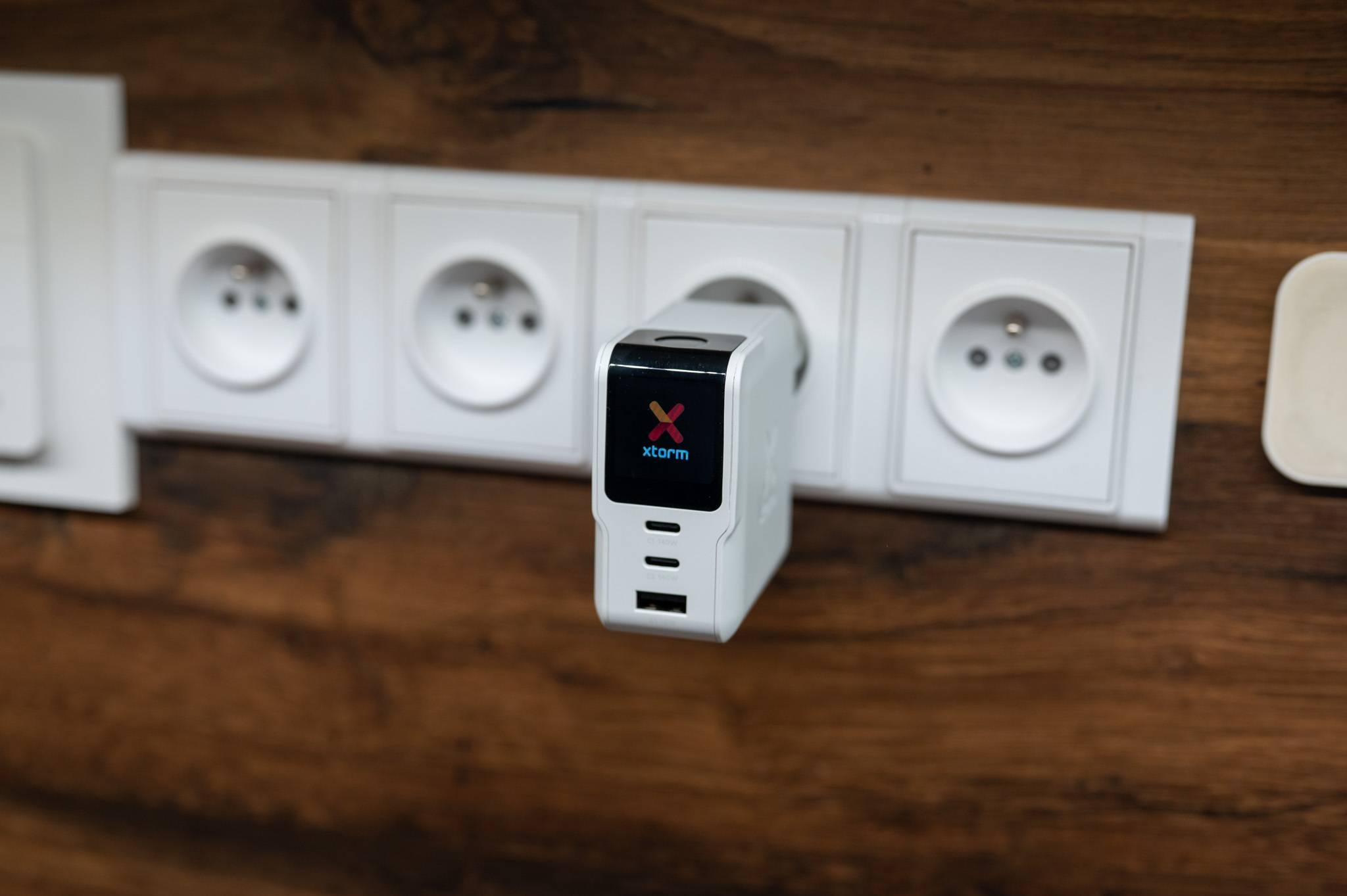
The computers that were on board Apollo 11 during the flight to the moon in the XNUMXs certainly had a respectable performance for their time. However, compared to the smart devices that we carry in our pockets or bags today, these machines cannot be compared. One of the company's developers Apple recently published an interesting comparison on its website, according to which today's better performingonem than even fairly common USB chargers could boast of at the time.
You might be interested in
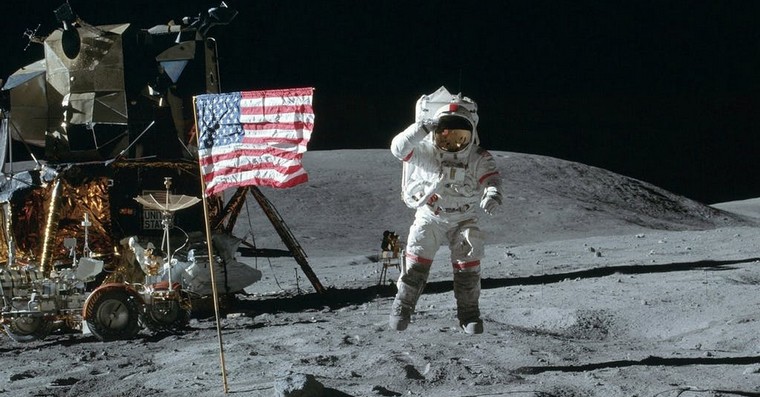
Forrest Heller recently decided to compare the computing power of an 18W charger for Google Pixel, 40W SuperCharge charger Huawei, Anker PowerPort Atom PD 2 charger and the aforementioned computers from Apollo 11 (based on information from the relevant documentation). Heller was, of course, comparing the incomparable in a certain sense of the word. The computers that were on board Apollo 11 were significantly different from the machines of that time. They were, of course, significantly smaller and their internal architecture was different due to the environment in which they operated. The frequency that their processors reached was 1,024 MHz.
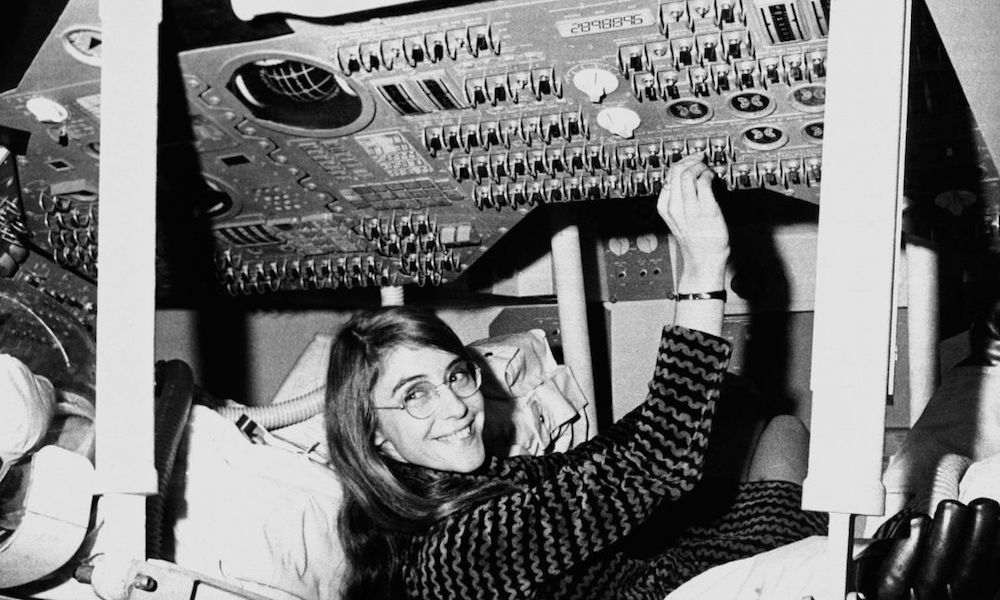
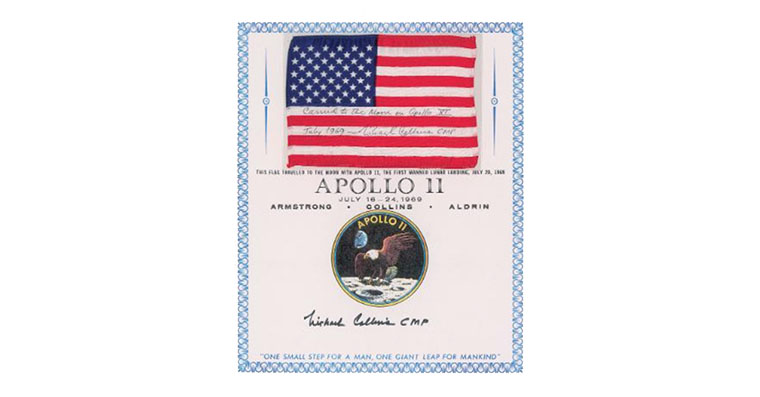
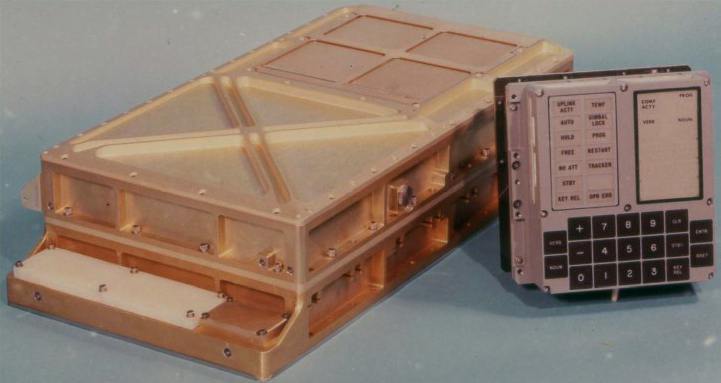
The Anker PowerPort Atom PD 2 charger with a Cypress CYPD4225 processor and twice the RAM compared to the aforementioned computer, however, offers a processor frequency of 48 MHz, and the other two chargers tested are also similar. With a bit of exaggeration, it can be said that it would be worthwhile for astronauts to pack a computer with charger hardware on board now, rather than with the hardware of the time. However, we say “with a bit of exaggeration” intentionally. In space, this performance would be of no use to chargers – given the demanding conditions that prevailed on board Apollo 11, the current USB charger simply would not survive the trip to space. The main computer of Apollo 11, known as AGC (Apollo Guideance Computer), deserves unquestionable admiration, not only in the context of the time in which it was built. Ordinary computers at that time reached truly gigantic dimensions and took up entire rooms. However, experts at NASA managed to reduce the dimensions of the AGC computer to practically minimum so that it could fit into a compact box. The AGC was also one of the first computers with integrated circuits at the time.






You what Apple doesn't work with iphone?
And how did the 5W charger that came with the iPhone 11 (with an HD display and thick bezels) cost more than 20 liters?
Okay, it's the best selling phone.
About 90% of the then production of logic ICs in the USA and probably also in the world went to Apollo AGC (they were produced by a single company – Texas Instruments) and they were simple RTL NOR gates.
and that's also why most people no longer believe they landed there at all, especially with Apollo 11 and the live broadcast on TV.