
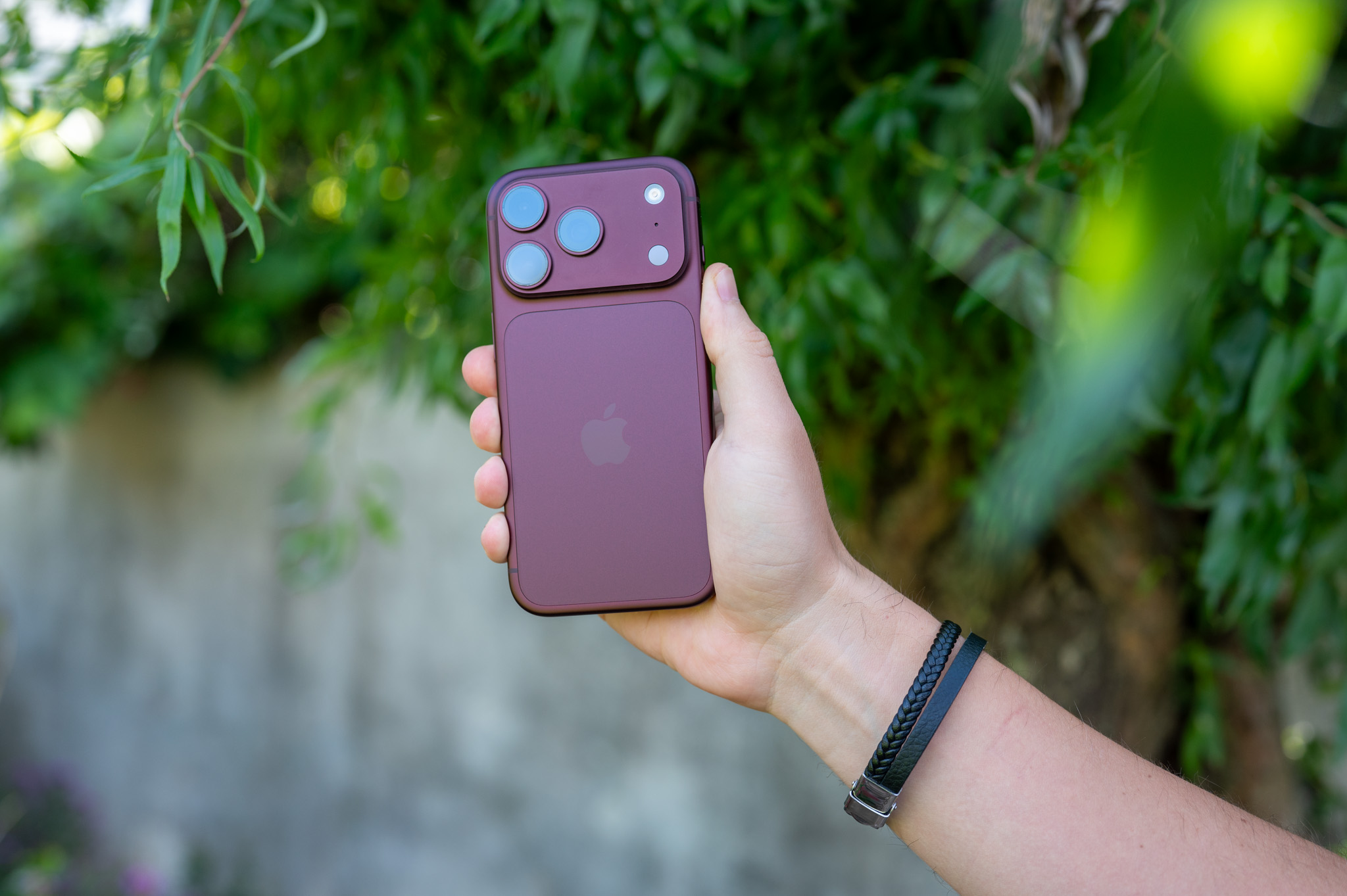
We will have to wait for the astronomical summer, but we can already experience summer temperatures for some time. Extreme heat is no exception, and if you're going on vacation to one of the warmer regions, you might be wondering how to protect not only yourself but also your Apple devices from overheating.
Temperature fluctuations – both upwards and downwards – are not good for your iPhone Extreme heat can significantly and sometimes irreversibly damage your device, so prevention in this regard should definitely not be neglected. It is also not for iPhone proneither hasty nor increased humidity, which is often a part of hot summer days.
Company Apple lists the maximum operating temperature for its iPhones as 35° C, but iPhone, stored under incorrect conditions, can be damaged by heat even if the actual outside temperature does not reach this level. Maxthe minimum storage temperature at which it can be iPhone stored in the switched off state, is slightly higher than the operating temperature, but it is not worth trying these values unnecessarily. High temperatures can damage the internal components.oneIf you touch your iPhone, you risk battery damage, loss of important data, and in extreme cases, explosions.
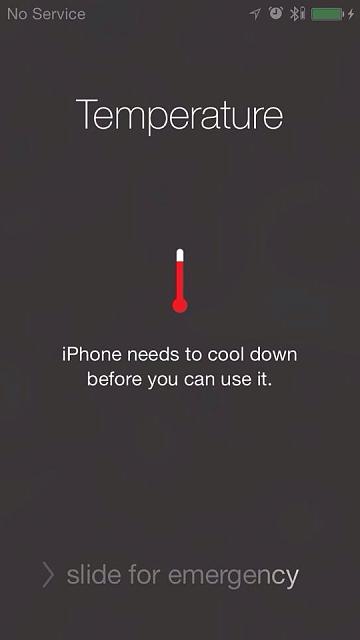
Superheated iPhone In addition to a noticeably increased temperature or a message on the display, other symptoms such as charging pausing, display brightness problems, signal weakening or camera and flash malfunctions are also signaled. These signs will of course not give you peace of mind, but with timely intervention, everything can be fixed relatively quickly.
Gallery
Do not increase the temperature
There are a number of factors that increase the temperature of your iPhone unnecessarily and which are best avoided in hot weather. One of the most prominent is battery drain. Discharge as such is of course impossible to completely prevent, but if the outside temperatures climb very high, try to forgive yourself for using your device unnecessarily intensively, such as playing games, spending a long time in social network applications, or playing multimedia content. It's also a good idea to turn off features you're not currently using, such as WiFi, Bluetooth, and more.
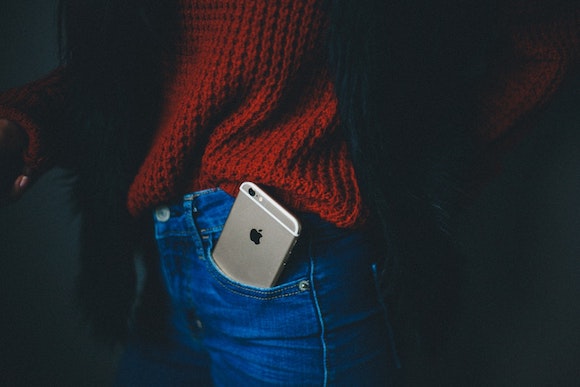
Under no circumstancesonekeep yours warm iPhone in a closed car or on a windowsill behind a closed window, try to put it in a cool and shaded place. If you carry multiple devices in your bag or backpack at once, try to keep them separate. Definitely do not carry iPhone in tight trouser pockets.
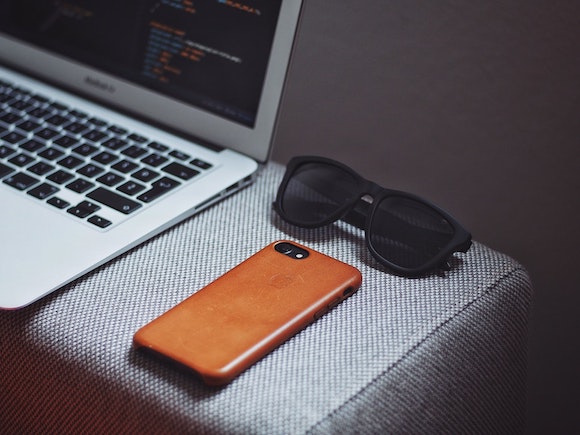
Sunlight can also have a detrimental effect on your iPhone's display, which may start to turn yellow. If you iPhone If you can't hide it from the sun, at least turn it with the display facing down. You should also be careful about what you wear. iPhone you wear in the summer. Avoid leather cases and covers and try to invest in accessories that can "deal" with the temperature.
On hot days, be careful about the conditions under which you iPhone At home (or in youranc(Ellers) find the coolest room where you will be your iPhone charge. This is often the bathroom or toilet due to the lining, but be careful not to damage your iPhone with water.
What to do if you overheat
If you suspect that your device is overheating and damaged, try not to touch it with your bare hands and at the same time try to transport it to a cooler place. But definitely avoid rapid cooling in the form of placing the iPhone in the freezer or in a pile of ice - it is not a good idea to risk water damage in addition to heat damage. Disconnect all cables and accessories from the phone and jAs soon as possible, remove iPhone from the cover or packaging and carefully turn it off.


ProShould I take care of my mobile phone? Is it a child?
This is what I would expect on Nov from a blonde
I change my phone after a year. max 2 and until then it is under warranty.. The mobile should serve me, not me him
If someone is really doing this, they should go to therapy.
The interesting thing is that with Android I don't have to deal with this...
No problem, I'm going to go and recharge my battery... ??