Can you imagine anyone caring about the details when it comes to a keyboard? Probably not. After all, it's just a keyboard that serves nothing more than typing! Or maybe there is someone who can justify why a new keyboard Applu looks the way it does and why is it called that Magic Keyboard, when it basically has the same buttons as millions of other keyboards on the market? The answer may lie in how Apple was developing and testing a new keyboard. The company has set up a secret laboratory in which individual keyboard prototypes are tested, trackpadov and mouse in a way you wouldn't expect even in a sci-fi movie. The testers have sensors placed on their hands (and fingers) that record the movement in the computer and subsequently based on the generated reports Apple tunes the keyboard to make the final product as good as possible.
That is why various aspects are taken into account when testing prototypes of new peripherals. Among other things, it is precision and acoustics, so that the products emit the "correct" sound during use. The previous one paid for the incorrect sound, for example Magic Mousewhich he had to Apple replace with a newer model with a built-in battery. For each prototype, the time is further measured, how long it takes for the user to get used to the new keyboard. I was personally surprised that I can currently use the keyboard on mine MacBooku much better than the keyboard on the old laptop with Windows and the last time I needed to do something on it, I had significant problems with it even after a few hours, mainly due to the fact that I often needed to use the CTRL and ALT keys (Delete exceptionally not).
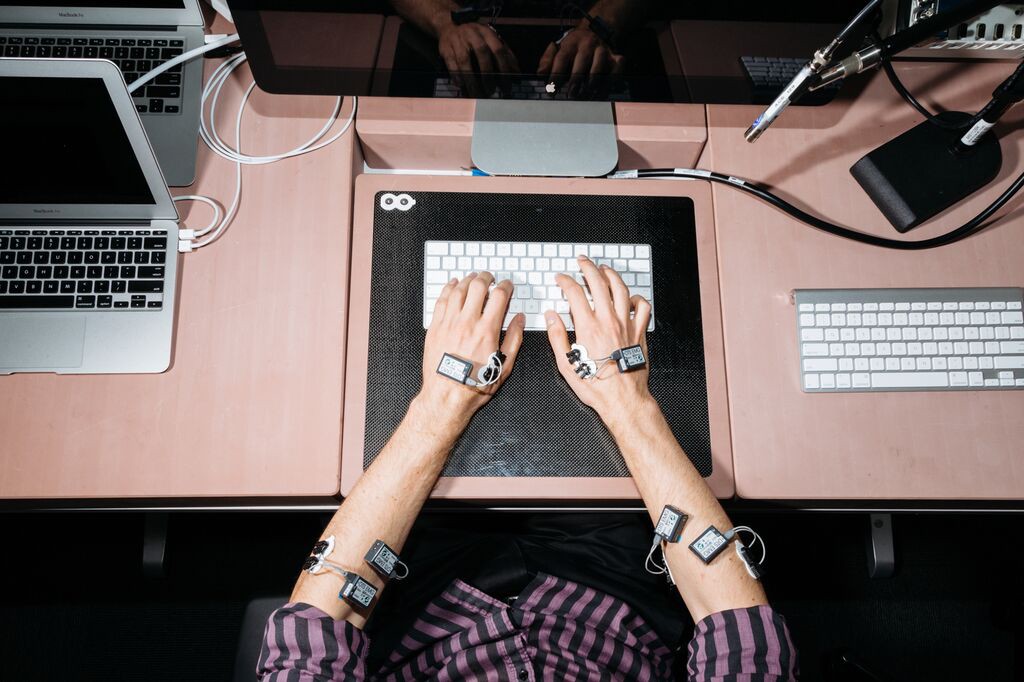
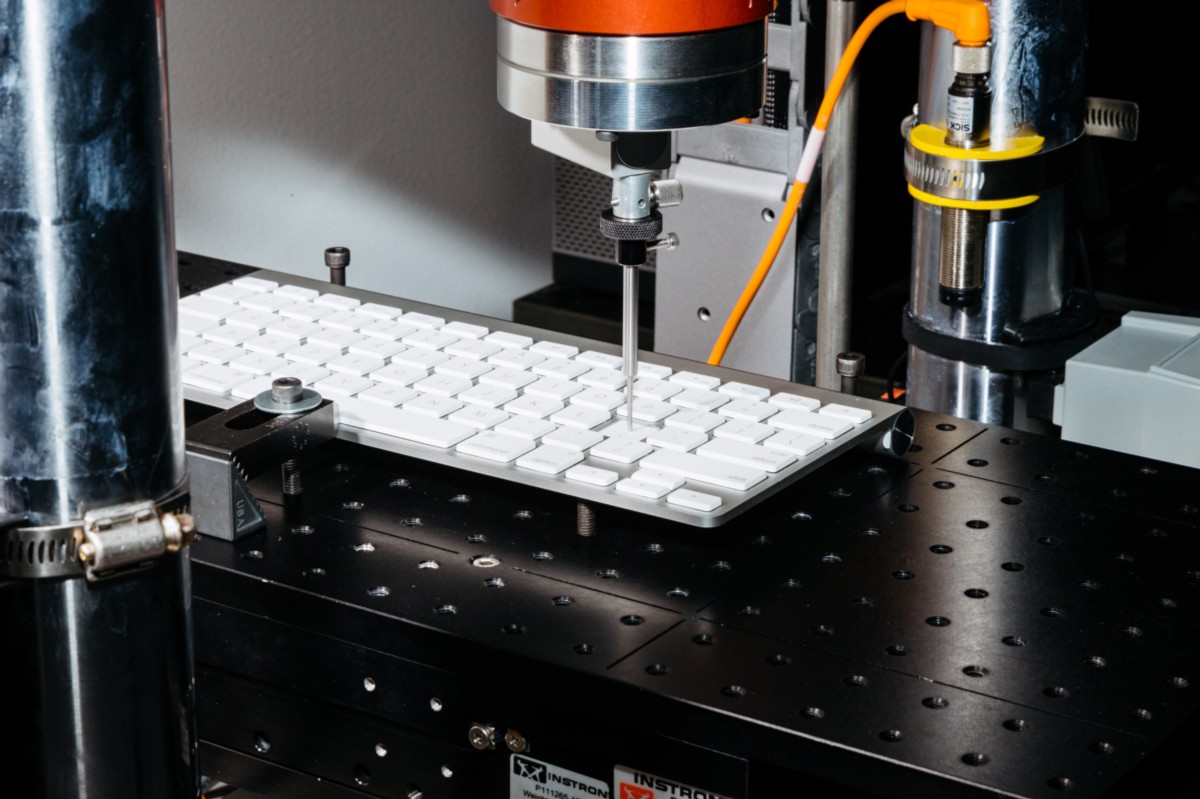
Human testers of new accessories are helped here by robots who have a similar task to humans, to test typing, clicking and moving the mouse and to test how reliably Force Touch works on the new trackpadat. Kate Bergeron, who is in charge of the development of peripherals for the Mac, says that every single product requires testing, which is why a lot of prototypes are created. This also applies to products like this Magic Mouse or Magic Keyboard, which is basically just a keyboard. And to Apple assured that the product is in order, the robot tests each keyboard in five places - on all four corners and in its center, i.e. on the letter H. For a change, another robot tests the durability, so that it does not turn out that another product is revealed from the keyboard , which for unknown reasons stops working right after the end of the 2-year warranty. In such a test Apple perform up to 5 million taps.
And how Apple does it produce design prototypes? With the help of the same 3D printer in which we had a 38mm model printed at the beginning of the year Apple Watch, to find out how big this watch will actually be. In addition to design prototypes, however, they also print useful accessories that are used in product testing. Prothe types that already meet the design criteria are moved to a soundproof acoustic room and the sound is tested here. I think this is proof already Apple goes into extreme details when developing the keyboard, which apparently no other manufacturer thinks about. The sound testing at the keyboard was said to be especially time-consuming, where it was necessary to intervene in the hardware for a better sound. The sound had to be adjusted even with the new one Magic Trackpade 2 with Force Touch support, where it was necessary to find the right sound for pressing and strong pressing. So that these tones are neither too deep nor too high, Apple he hired singers who have a musical ear and know how to help find some neutral tone.


*Source: Medium