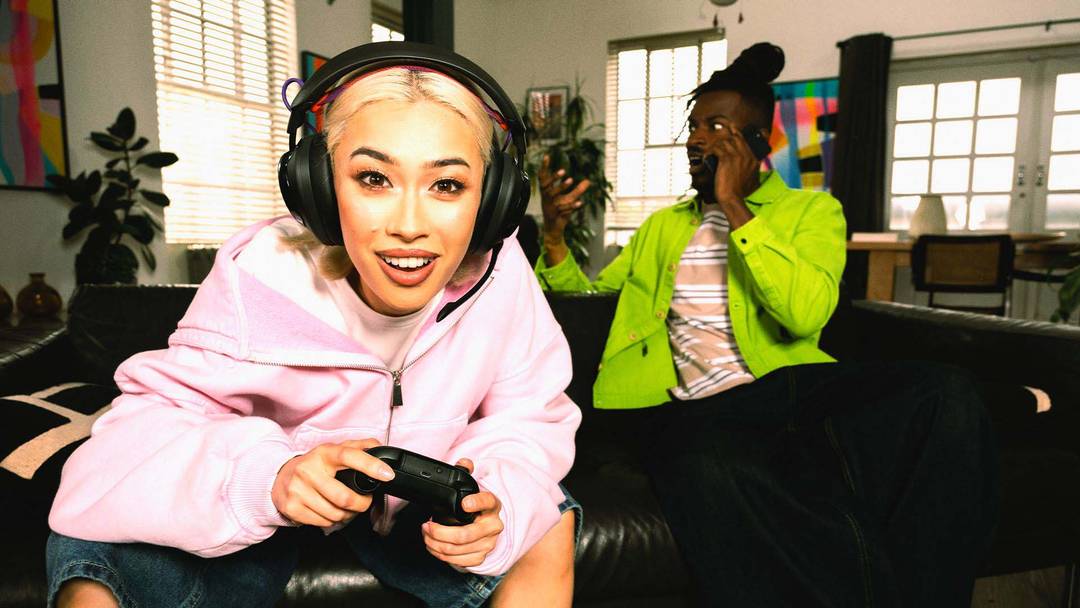
The strongest gaming communities are often held together by small, recurring moments: the same evening time, a familiar greeting in the lobby, or a teammate who always organizes the next game. These habits turn individual play sessions into regular gatherings. The game provides content, but repetition gives the group continuity and a sense of its own identity.
The Abon recharge card is a practical payment product that can be part of a player's gaming routine. It can be used to pay for digital purchases in supported gaming environments, while the social value comes from repeated returns to the same people. Memories of wins, funny mistakes, and familiar roles gradually become part of the group's common language.
Repetition turns play into shared memory
A one-off cooperative game can be fun, but regular contact gives a group something more lasting. Studies of MMORPGs describe repeated raids and quests as rituals in a virtual environment, as they combine joint attention, coordinated action, and repeated participation. A fixed time, clearly understood roles, and established routines create expectations before anyone even joins.
Weekly challenges, co-op campaigns, and regular game nights also create stories that belong to the group, not the individual. Players coordinate tasks, learn from each other, and exchange feedback as they work toward a common goal. Research has linked this kind of collaborative play to building trust and community, although playing alone does not guarantee the formation of meaningful social bonds.
A sense of belonging isn’t just reserved for the top-performing players. A player who welcomes a newcomer, organizes more play, or maintains a tradition helps maintain the social fabric around the game. Research links attention to relationships and social networks during group activities to greater community involvement; emotional intensity is also associated with this.
Participation gives identity space to express itself
Game identity is expressed through both visible choices and repeated behaviors. Avatars, usernames, favorite genres, cosmetic styles, language, and recognizable habits show what players enjoy and how they want to be perceived by others. This expression has many uses.ancí: research distinguishes between projective, exploratory and proximal type relationships between the player's real, ideal and virtual self.
Players can purchase digital games from official platform stores or digital marketplaces. Eneba is a digital marketplace for game keys, gift cards, and digital products; its product pages can clearly display information about the region and platform. This clear information removes a practical obstacle to arranging another joint activity, so the focus remains on playing together, not on the purchasing process.
Friendships can develop through casual contact that begins with task-oriented collaboration and gradually includes conversation, mutual trust, and interaction outside of the game. Smaller groups can foster greater personal openness, while repeated shared challenges can strengthen emotional bonds between teammates. Competitive pressure, exclusion, harassment, and purely transactional play can weaken the sense of belonging, and some players prefer looser, less committed contact to a strong community identity.
The real value of a gaming ritual is that it offers willing participants a regular opportunity to engage and pay attention to each other. Digital marketplaces like Eneba offer bargain prices on digital products when the convenience of shopping fits into a routine, so attention can return to the shared habits that give a gaming community its identity.