When Valve released Team Fortress 2 as part of The Orange Box in 2007, few expected that this team-based action game would leave such a big mark on gaming history, alongside the revolutionary Portal and the anticipated sequel Half-Life 2. After years of development hell (when the project moved from a realistic military simulation to somewhere in the unknown), the result came that took many people's breath away.
Nine iconic classes and the style that nestarne
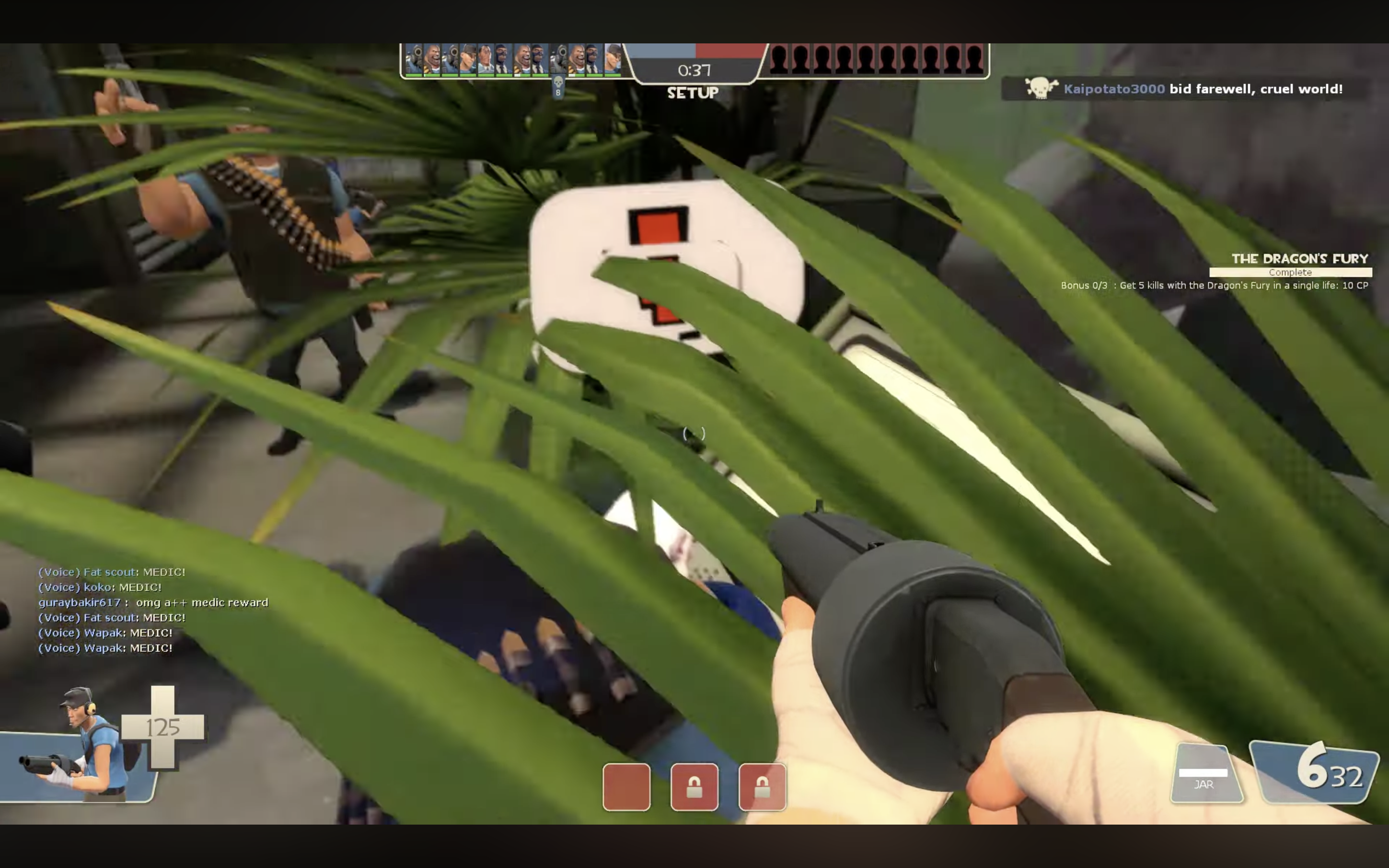
TF2's greatest strength was its instantly recognizable visual style, inspired by mid-20th-century American illustrations. Instead of generic soldiers, players were given nine completely different characters:
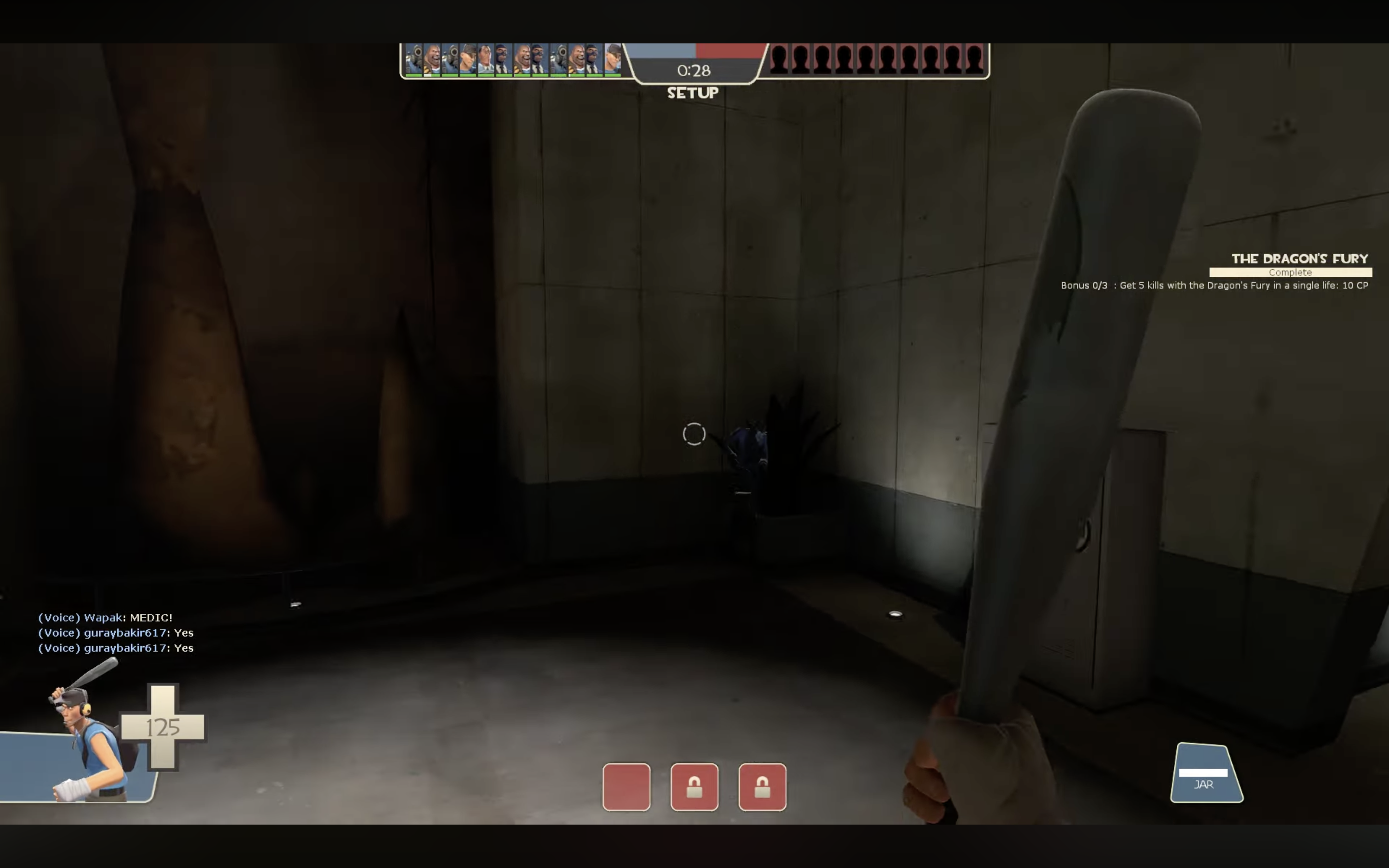
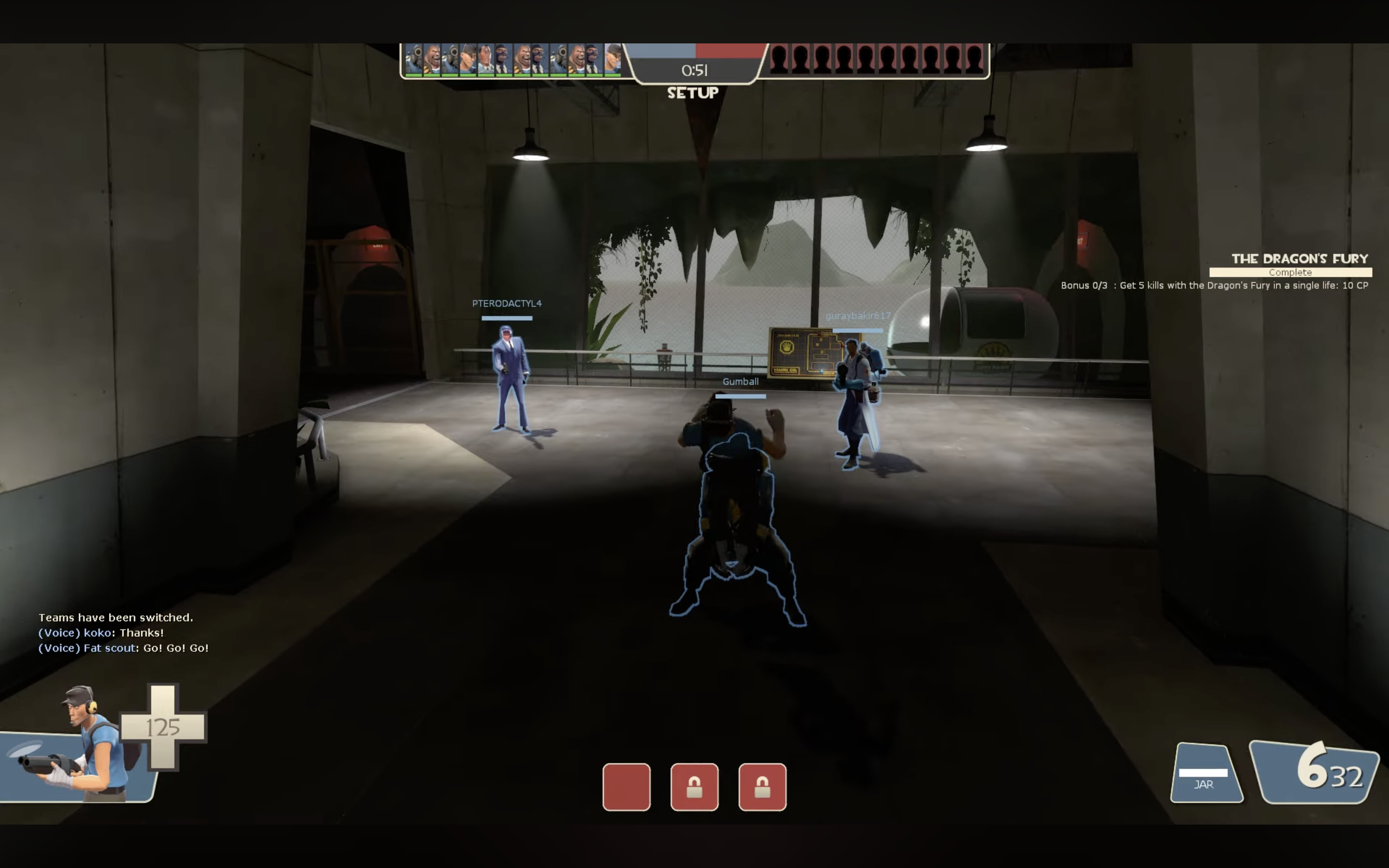
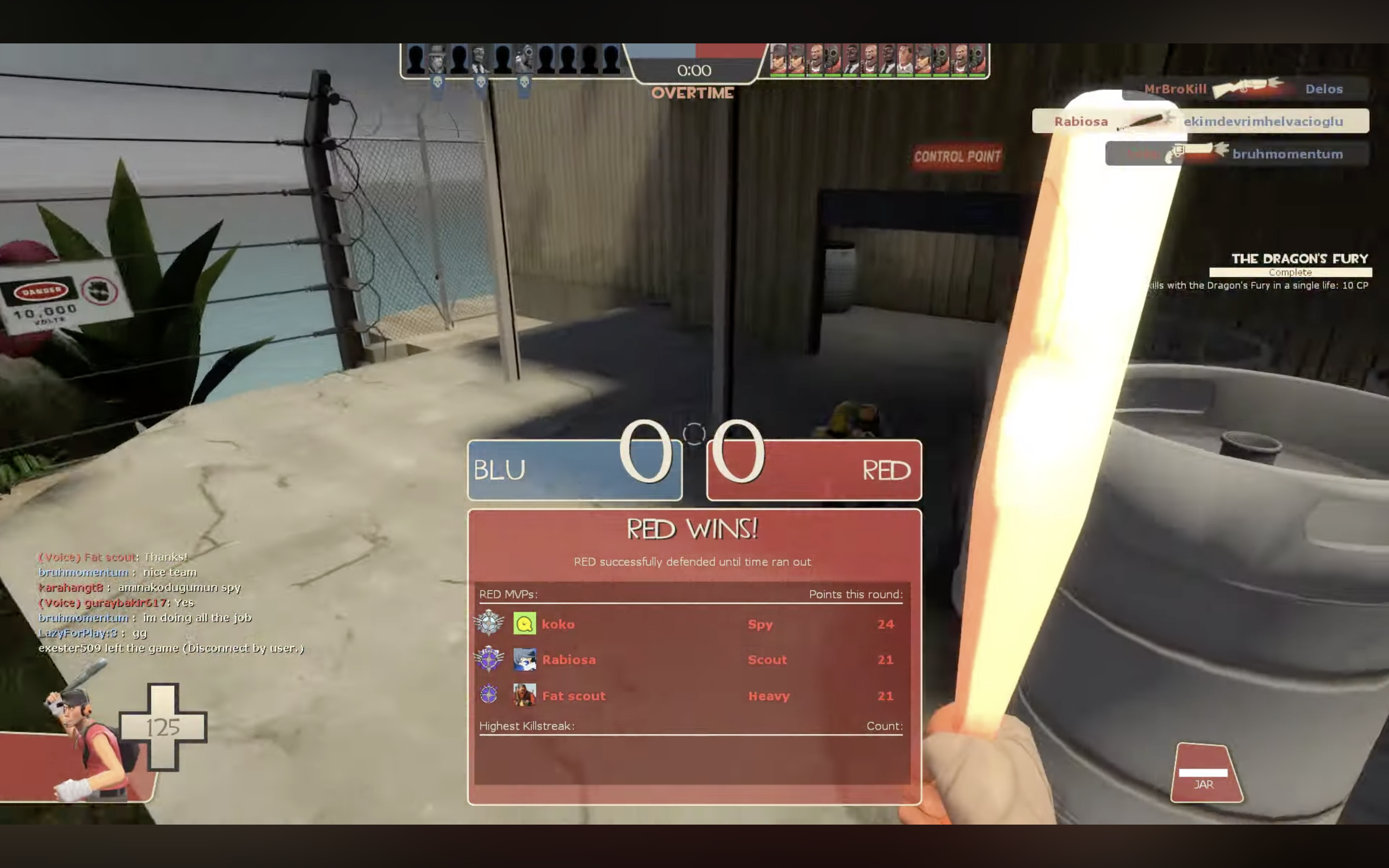
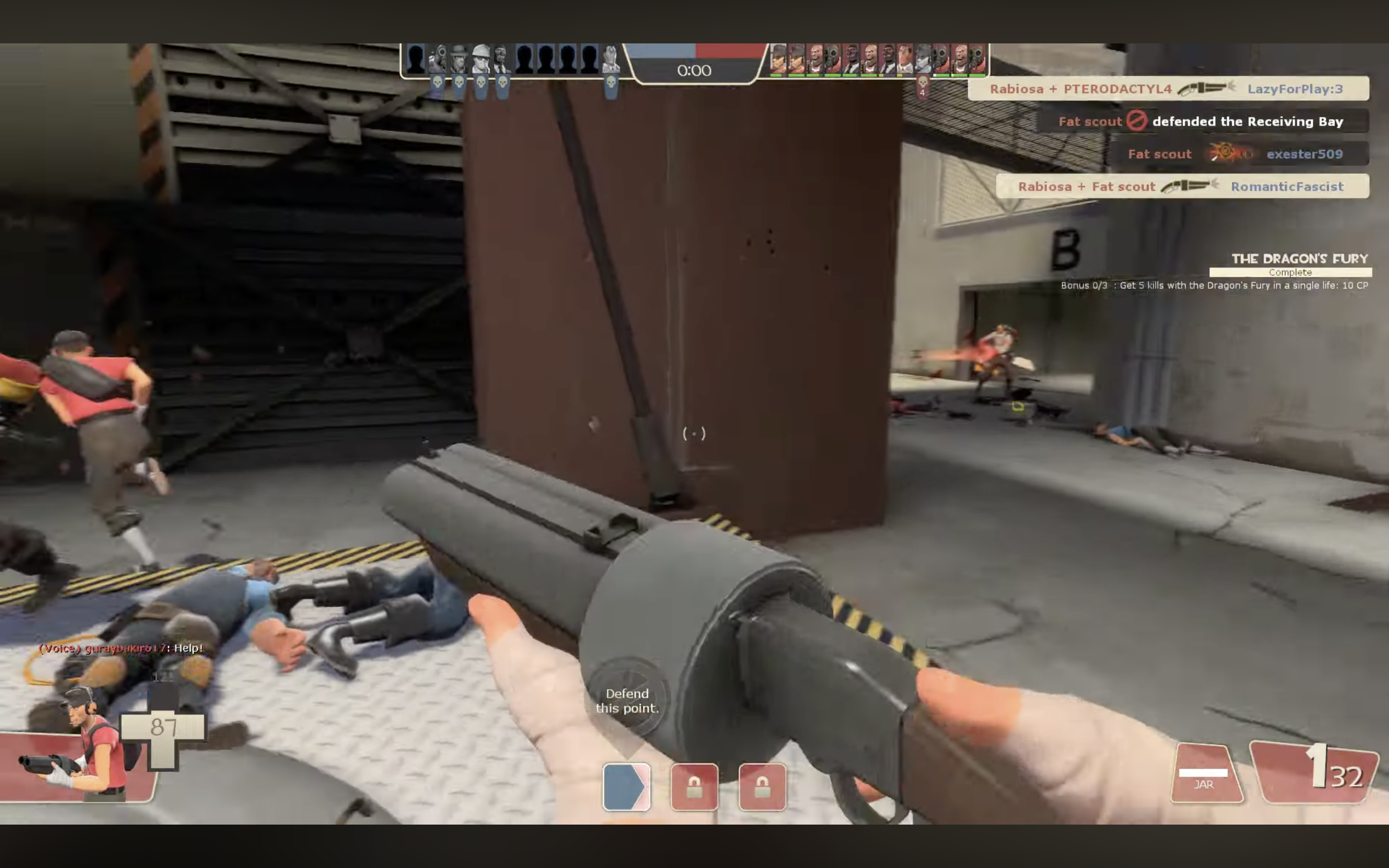
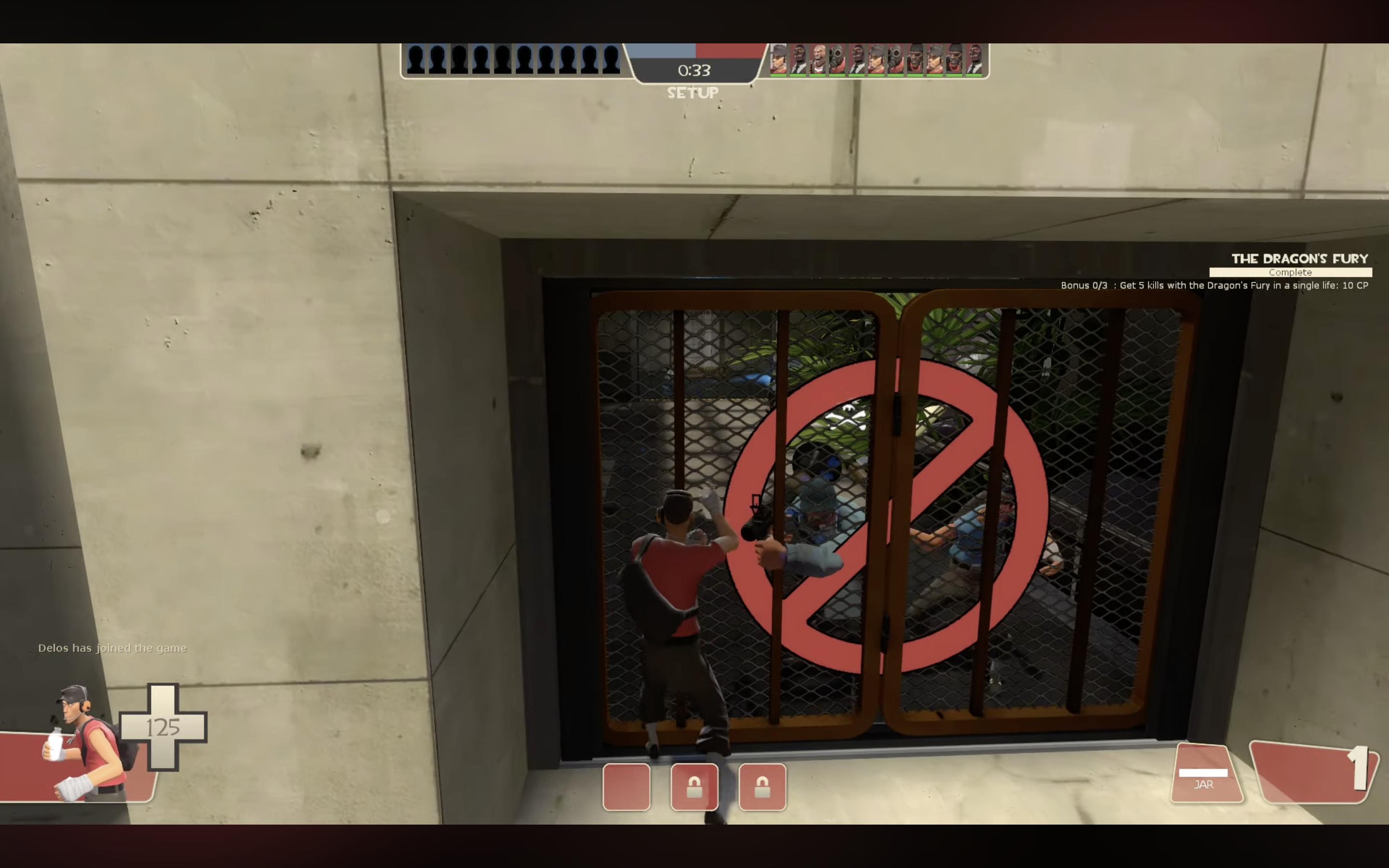
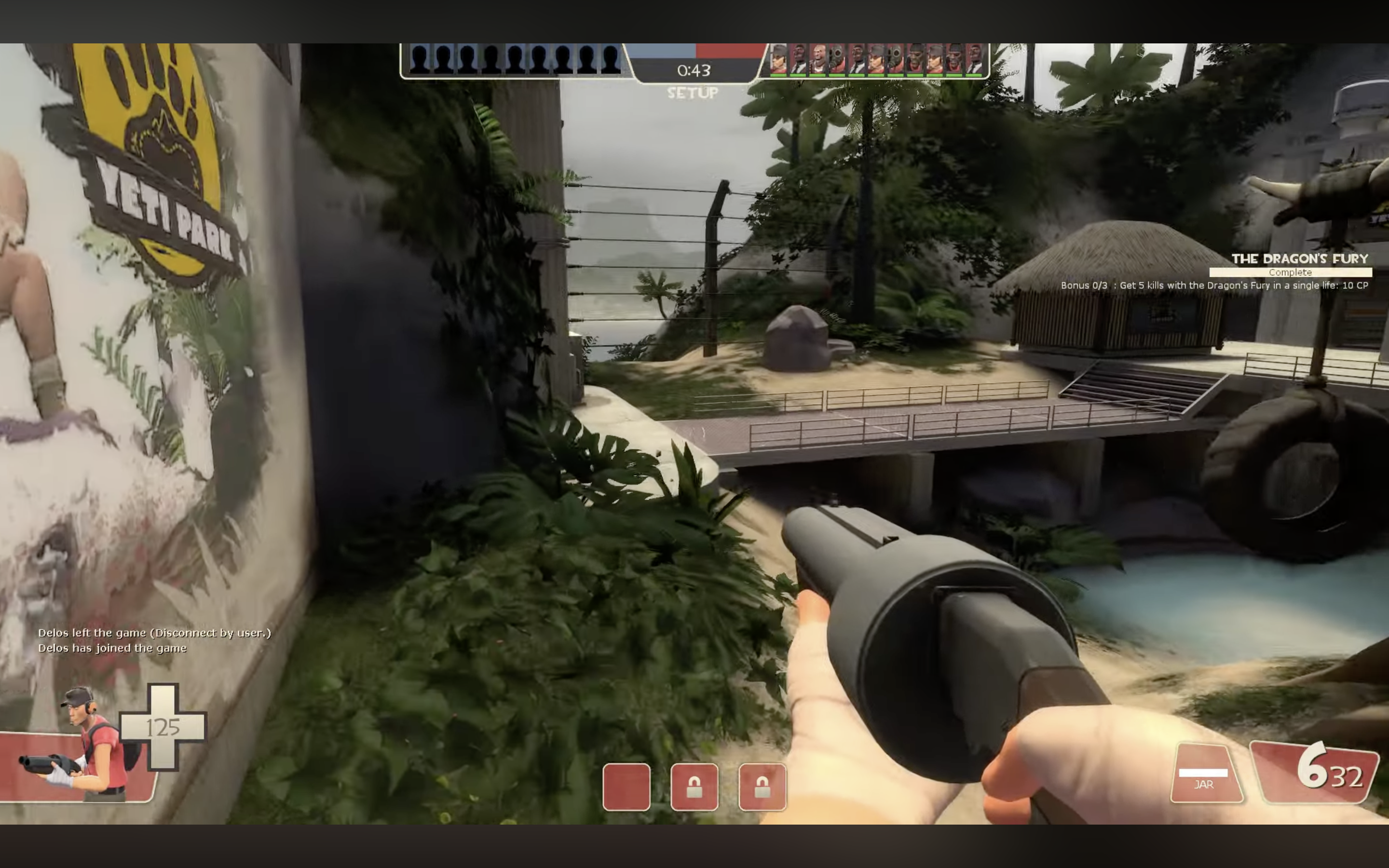
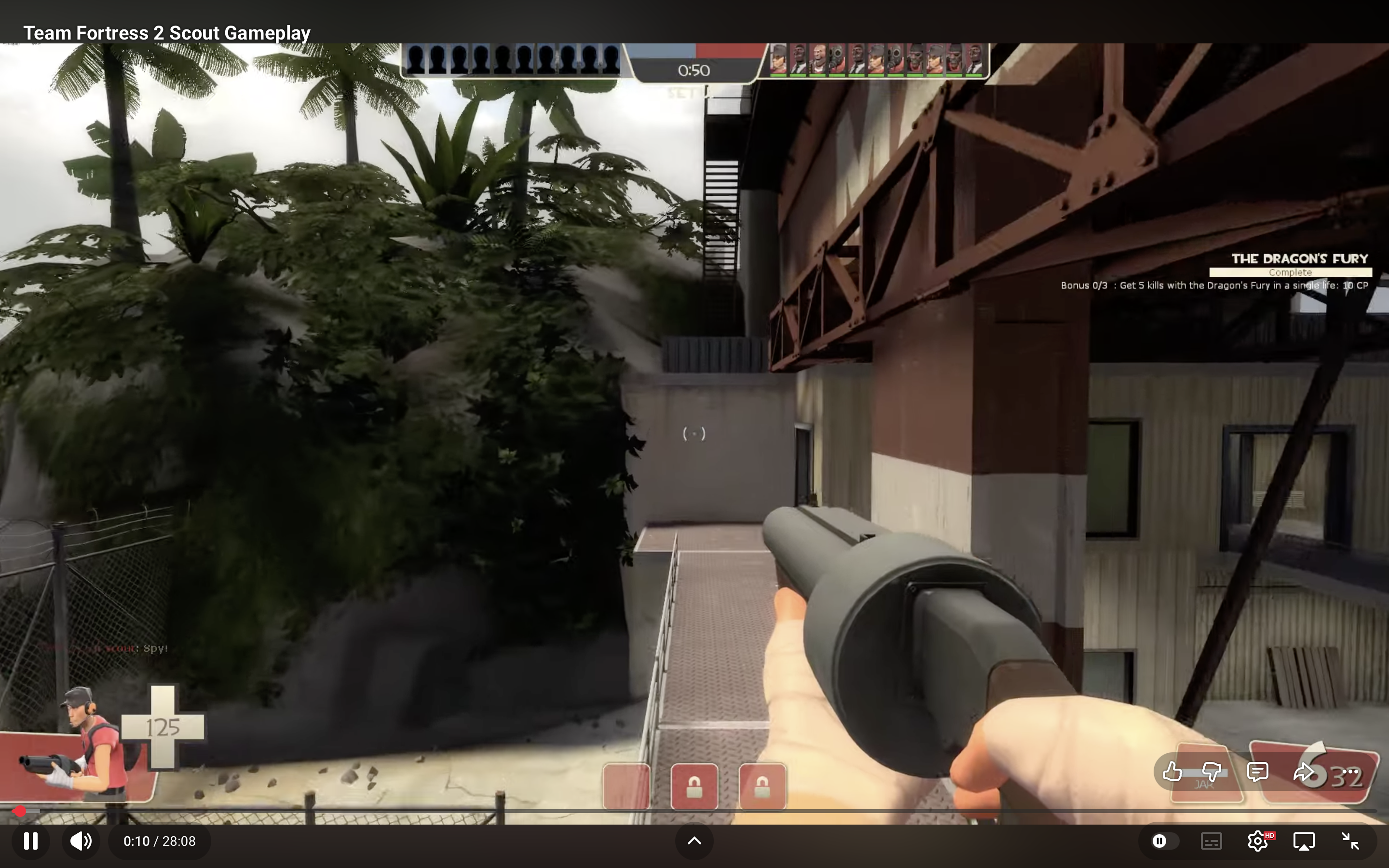
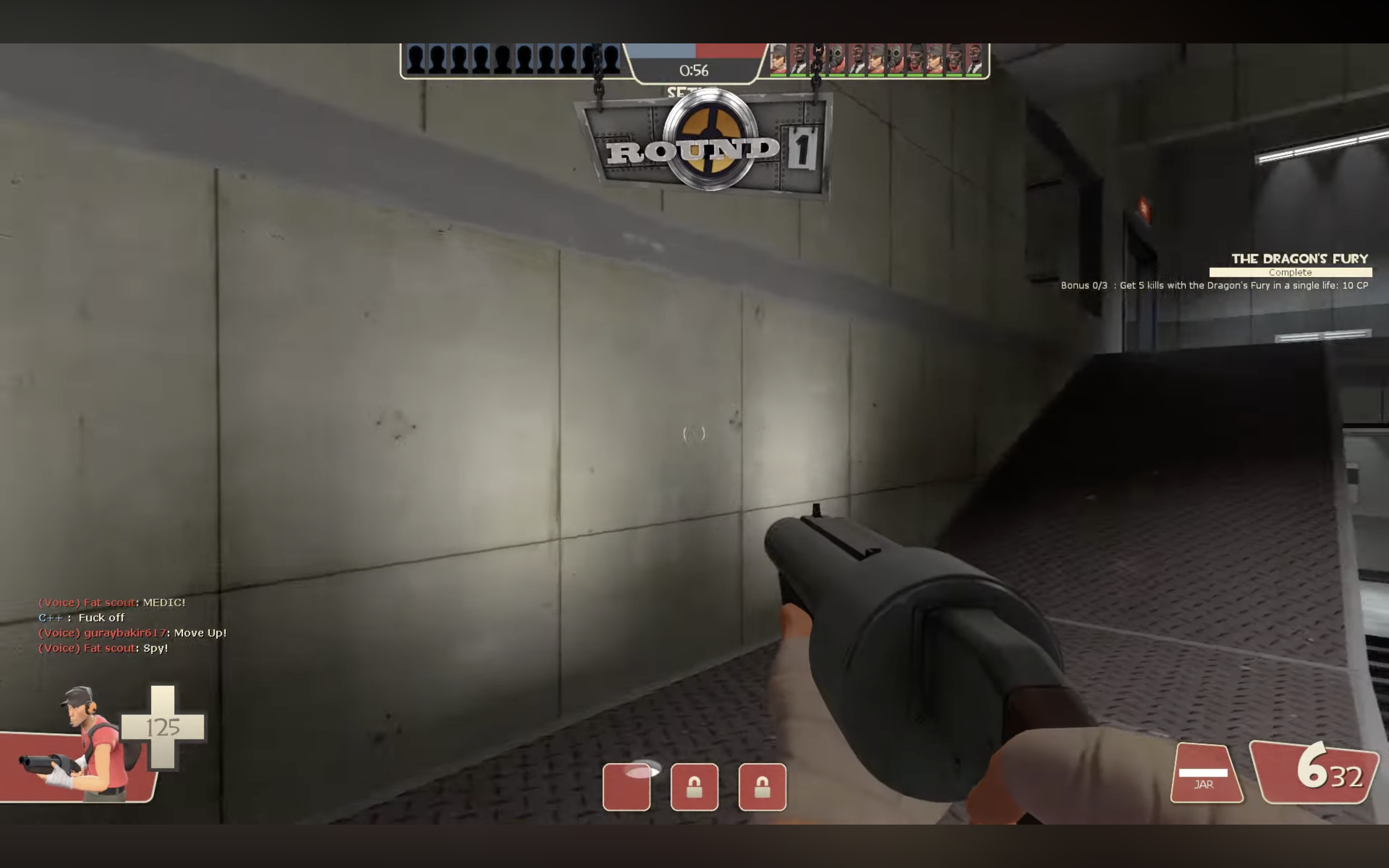
- Scout: A cheeky runner with a shotgun and a double jump.
- Soldier: A fanatic whose rocket jumping opened up a new dimension of vertical movement.
- Pyro: A mysterious figure with a flamethrower.
- Demoman: A one-eyed Scottish expert in explosives and sticky bombs.
- Heavy: A fighter with a rotary machine gun, Sascha, and a weakness for sandwiches.
- Engineer: A Texas handyman building sentry guns, dispensers, and teleporters.
- Medic: A German mad scientist whose ÜberCharge determined victory or defeat.
- Sniper: A cold-blooded Australian hunter eliminating threats from afar.
- Spy: Francan Ouzan elf who could change shape, become invisible, and kill with a single blow to the back.
Each character had their own personality, unique replicas, and silhouette design, thanks to which the player knew who they were up against within a split second, even from hundreds of meters away.
Gallery
From paid games to economic revolution
Team Fortress 2 revolutionized not only the gameplay, but also the business model. In 2011, Valve switched to a free-to-play model, which was an unprecedented step for a AAA title at the time. With this came the mechanics of crates, keys, and especially hats. What started as a funny cosmetic accessory laid the foundations of the modern digital economy on Steam. Players traded unusual hats worth hundreds to thousands of dollars, community exchanges were created, and the market took on a life of its own. TF2 practically paved the way for the mechanics that games like CS:GO, Dota 2, and Fortnite still benefit from today. Have you played this game?