Game identity manifests itself when repeated choices and bonds within a group acquire a meaning that goes beyond a single game.anci. It is based on self-description and social affiliation, not on a fixed personality type. This distinction is important: for some people, games are a valuable part of how they see themselves, for others they remain entertainment or a casual way to pass the time. Both positions have their place in an honest view of gaming culture.
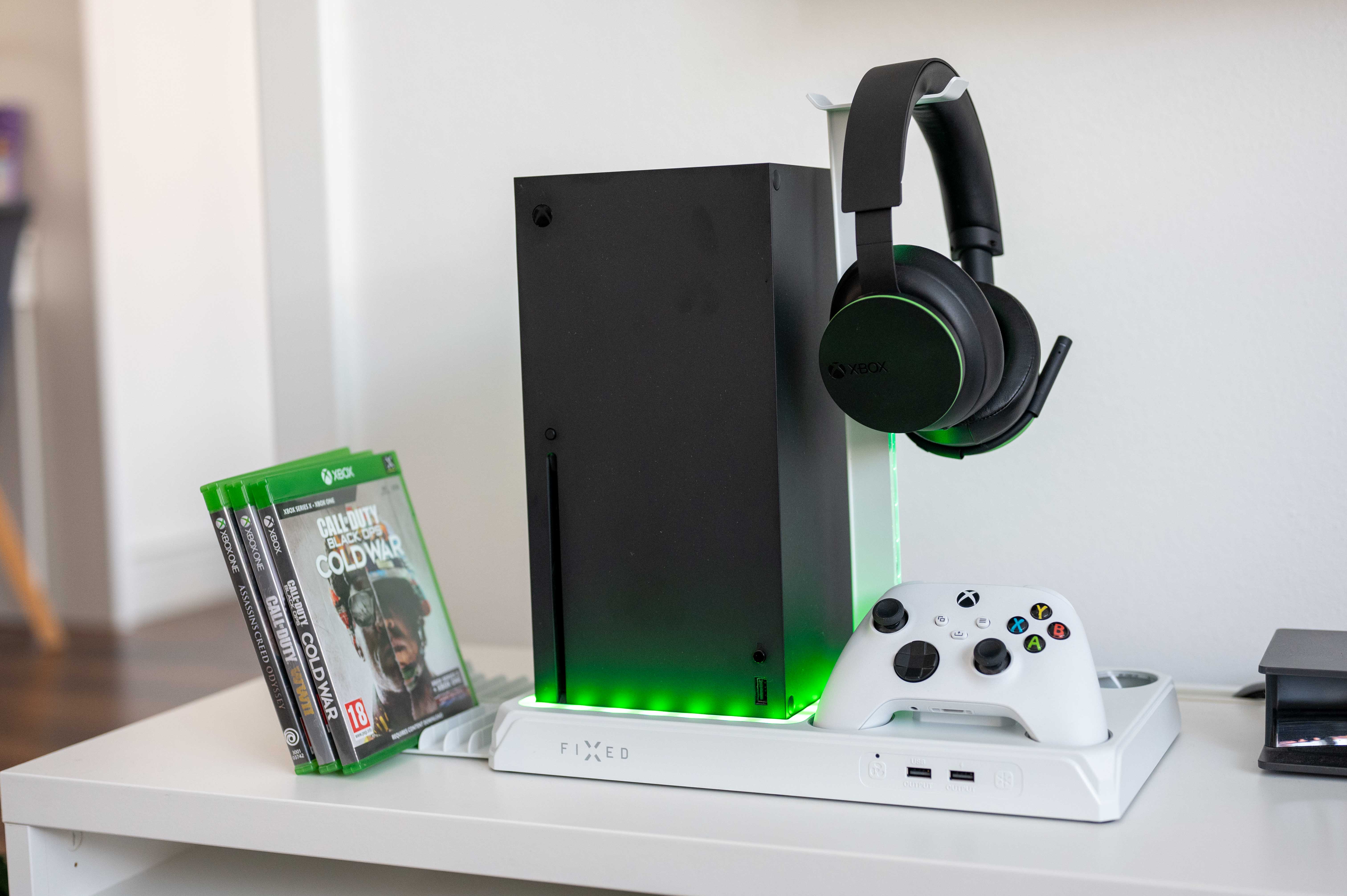
Practical habits can exist alongside social ones. Choosing a recharge card Subscribe can fit into the regular credit recharge on the account, in addition to plans for the usual gamingancor a favorite role. The card itself does not create identity, but its place in a recurring pattern can reflect how the player organizes his participation. Routine turns small choices into recognizable personal signals.
Rituals give the game a common rhythm
Regular gaming sessionsances friends, seasonal events, experienced initiation rituals, and guild customs give gaming a social rhythm. Research on online games describes repeated communal activities as ritualized practices with meanings beyond the gameplay itself, including building relationships, cooperation, competition, and identity. A weekly get-together can signal reliability within a group of friends, while a community celebration can signify recognition among participants. These patterns create shared landmarks rather than just filling free time.
Groups also build their identity through shared symbols, terminology, rules, and goals. Voice chat and forums extend this social infrastructure beyond gamingancwhile fan fiction and comics retain common references in other genres as wellstoreResearch links stronger group identity to greater trust among community members. Yet a small circle, clan, local scene, or fandom can define a person's relationship to games more clearly than any broad label of gaming culture.
Preferences express a point of view
Preferences express a perspective because other players notice, talk about, and react to them. A player may identify with a genre, platform, game series, role, or approach to competition. Difficulty settings, story choices, and visual style can express interests and values. They provide a basis for people with similar tastes to recognize and converse with each other without acting as a personality test.
Avatars and role-playing bring self-expression to the forefront. Research supports the finding that they serve as a means of self-presentation and experimentation with roles separate from life outside the game, including forms of gender expression that may be difficult or unavailable elsewhere. Participants in role-playing communities describe self-expression, self-determination, creativity, inclusivity, and safe spaces in the process of identity formation. These accounts are significant, although access and a sense of belonging are not experienced to the same extent by people in all gaming environments.
A practical approach supports established routines
Eneba may process refund requests for eligible issues, including invalid or used codes. The outcome will depend on the type of issue and the terms of the offer, with troubleshooting steps available where applicable. Verified sellers facilitate access to legitimate digital products, and product pages may include platform and region information. Verifying that the region listed matches your account is a normal part of selecting the correct item.
Gaming identity grows out of personal choices and the circles of people who recognize it, not out of a grand statement. It can be intense, casual, or completely absent, and that spectrum deserves respect. At Eneba, clear information about the product, platform, and region can help players integrate the purchase of a recharge card into an established routine. Clear, practical information encourages regular habits that make participation both personal and social.