After the release of the first generation Apple Vision Pro attention Applu focused on developing a lighter version. The originally expected lightweight glasses project was shelved last year, but according to the agency Bloomberg v Applu are actively working on a new device under the name N224. This model is no longer intended to act primarily as a stripped-down cheap alternative, but rather as a full-fledged successor to the current Vision Pro with M5 chip.
Four concepts and the controversy over the external drive
The development of the new model is in a very early stage, with an expected launch date estimated between late 2028 and early 2029. The company currently has four different hardware concepts in development.
You might be interested in
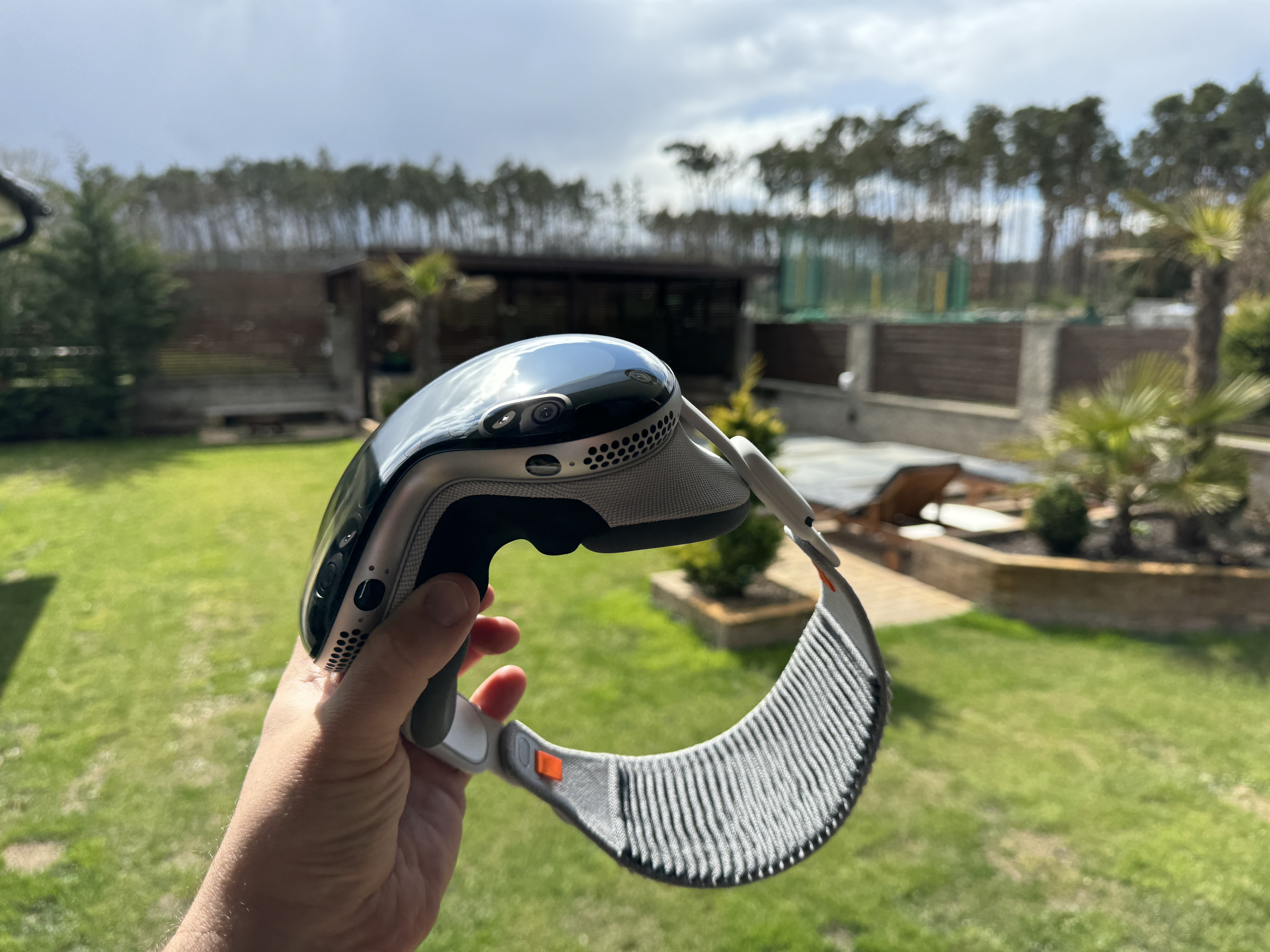
One of the concepts is reportedly similar to the recently introduced VR glasses from Meta. Apple is considering moving not only the battery but also all the hardware to an external handheld unit (so-called puck). Given that even the current Vision Pro relies on an external battery connected by a cable, this step does not make bad sense from a user's point of view. Moreover, moving the computing unit outside the head would solve the problems of cooling and the weight borne by the face. Part of the highest leadership AppHowever, according to leaks, lu is opposed to an external processor and continues to advocate maintaining a closed, all-in-one design.
Experiments with materials and extreme performance
In the field of design, Apple is embarking on more significant experiments. One of the prototypes tested retains the basic "egg-shaped" shape of the current headset, but the developers are trying to fundamentally change the materials used. Pro achievement maximal weight loss Apple is considering replacing heavy glass and steel with plastic, titanium or other light metals.
Gallery
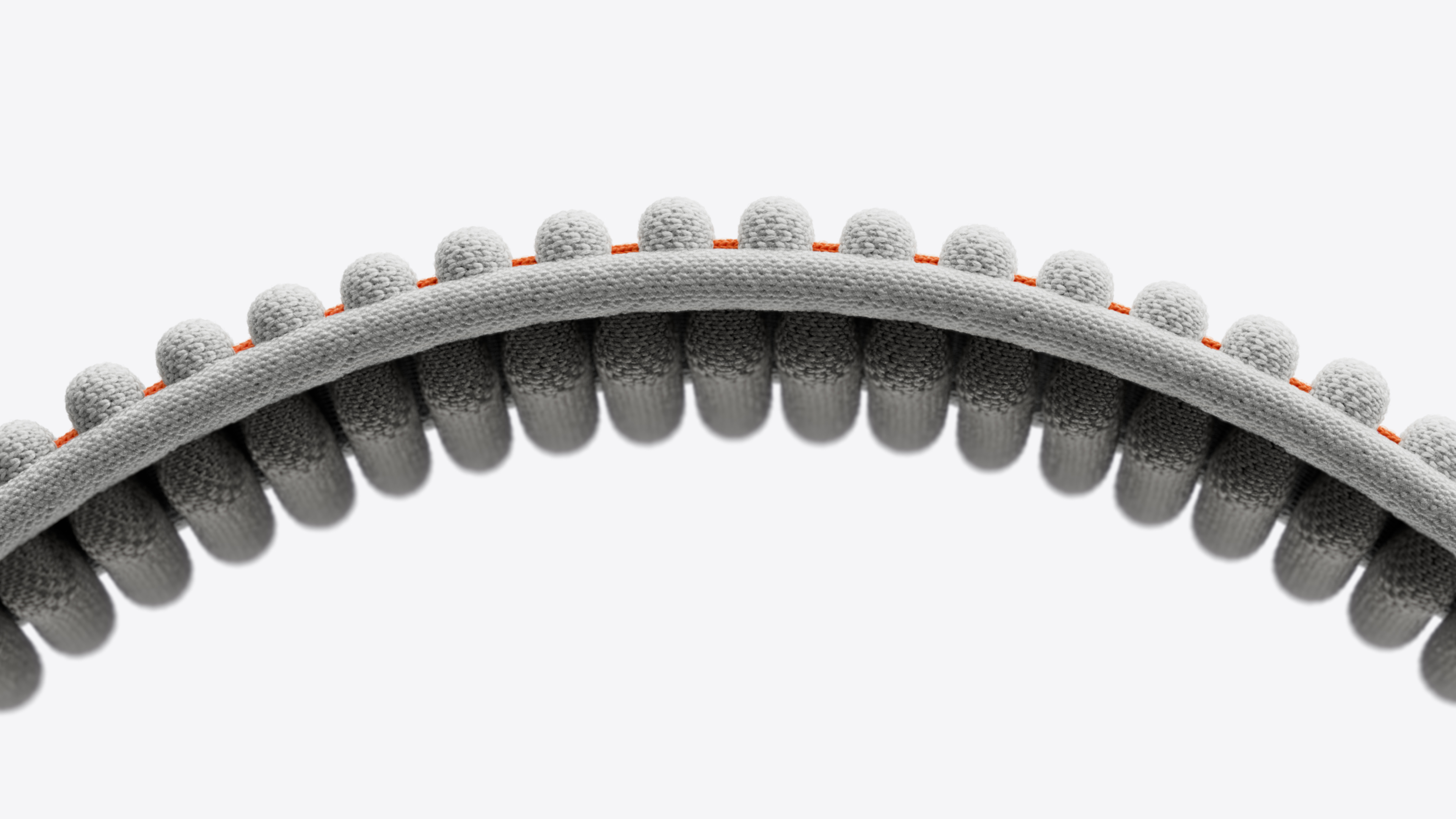
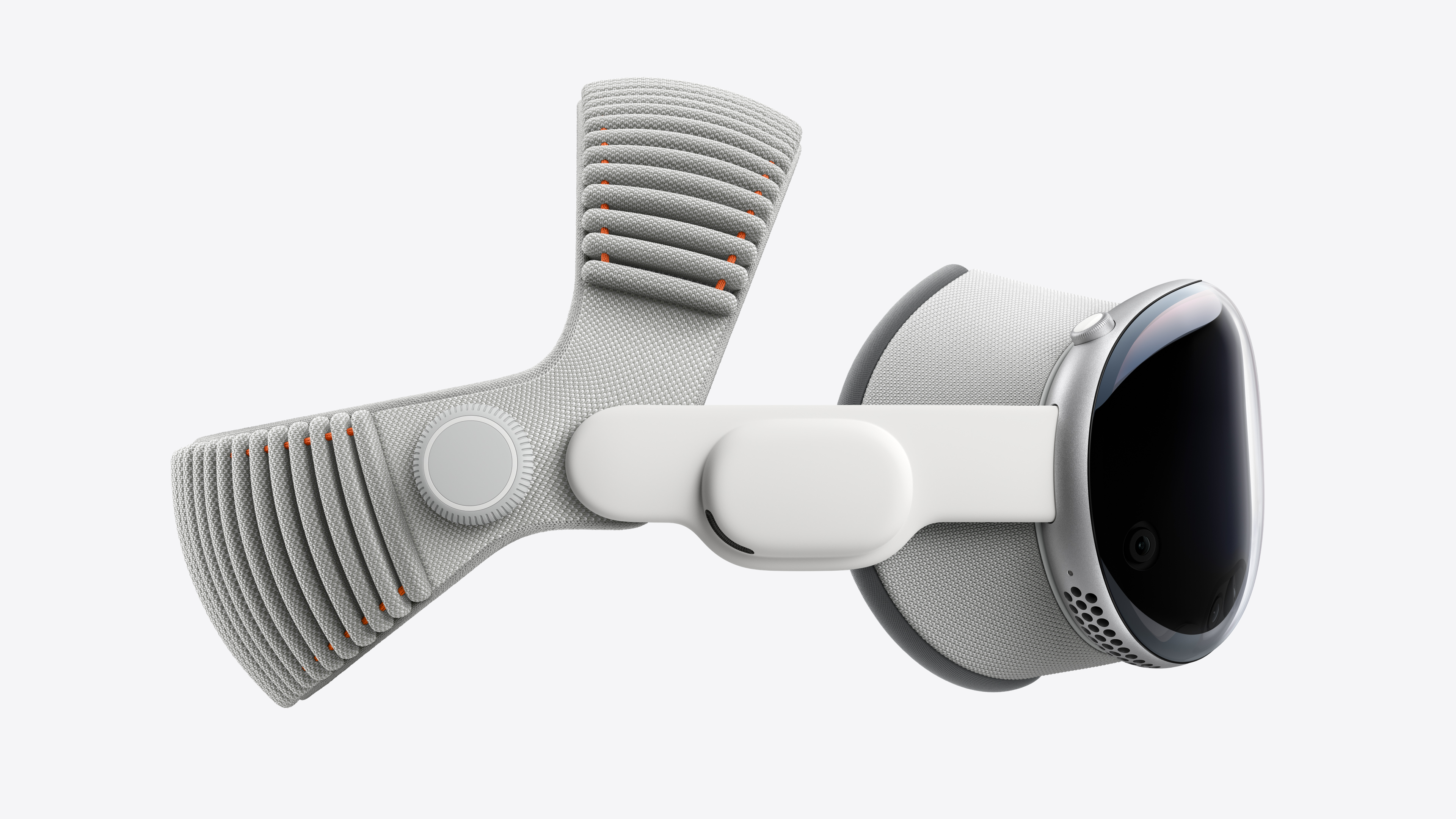
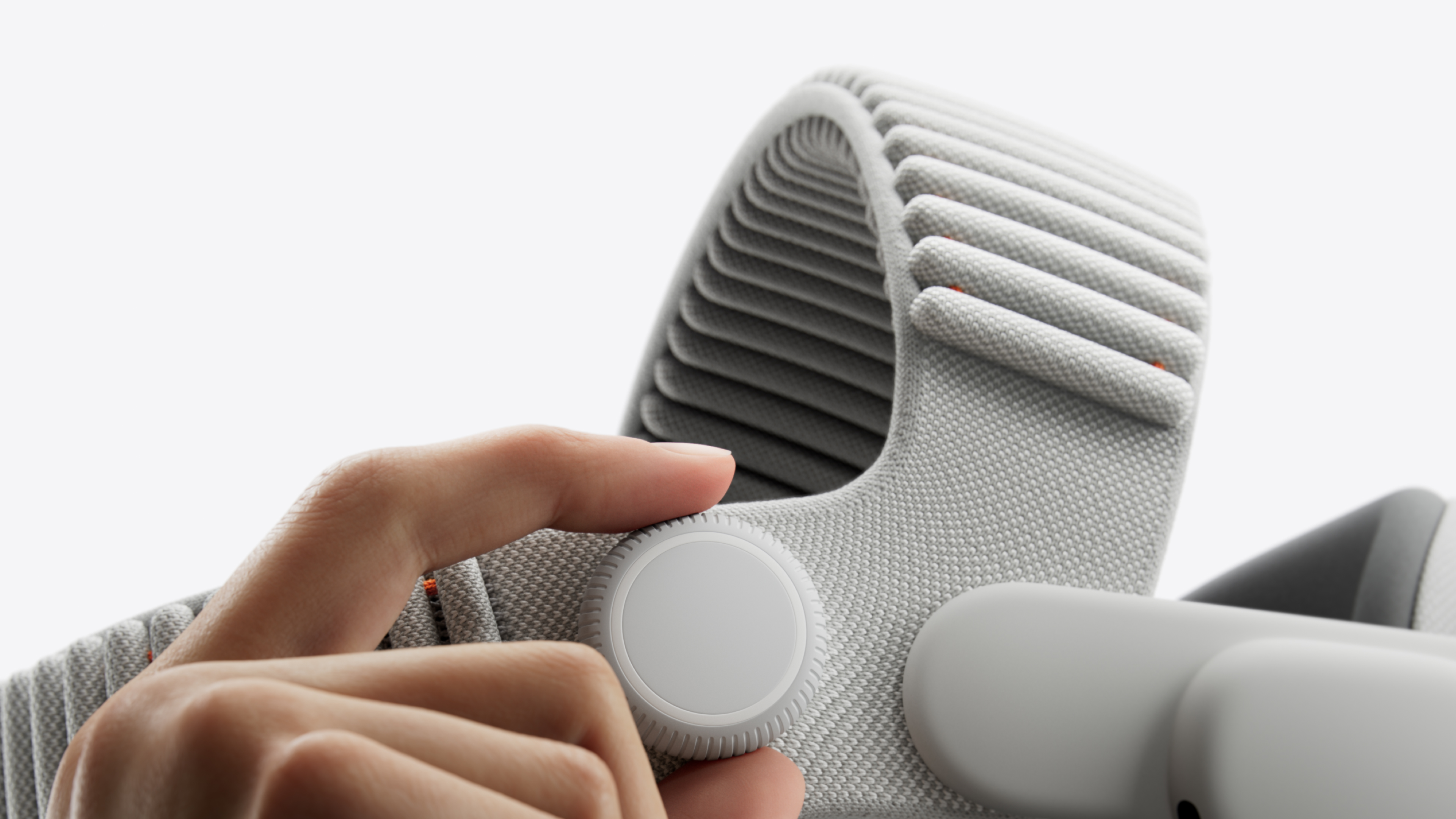

If we look at the extreme performance and thermal efficiency of the current A20 mobile chip Pro, it is highly likely that in the next two years there will be Apple have a chip capable of smoothly powering a demanding system visionOS without the need for an active fan. This would allow for a significantly thinner and lighter device that could break into the wearable electronics market. A smaller, lighter and cheaper successor could be a hit. Apple Vision Pro It's complicated. Few people use it and the price is high. So hopefully better times are ahead.