Apple ended iPod sales in 2022. It seemed that the era of standalone music players was finally over and that they had been replaced forever by iPhones, Spotify, Apple Music and algorithms. But in 2026, something unexpected happens. Old iPods are disappearing from the bazaars again, their prices are rising, and the younger generation is discovering in them exactly what modern phones lack: peace.
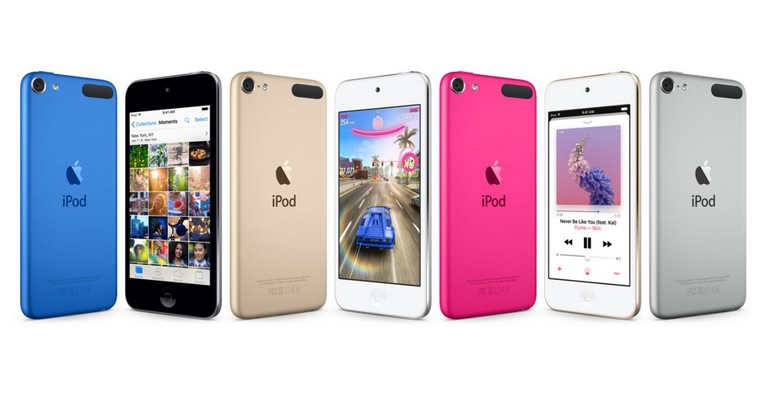
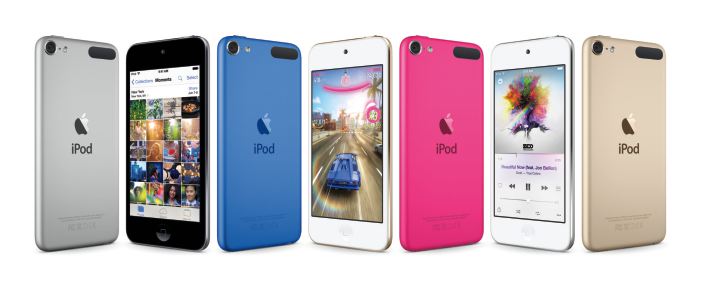
The iPod was once a symbol of the digital music revolution. Apple introduced it in 2001 and over the next two decades it became one of the most important products in the company's history. According to available estimates, approximately 450 million units were sold. When Apple announced in 2022oneWith the iPod touch, it seemed like a logical step. Music has long since moved to iPhones, watches, smart speakers and streaming apps. But that's exactly why some people are returning to the iPod today. Modern music listening is convenient, but at the same time constantly connected to notifications, recommendation algorithms, ads, social networks and someoneiPod, on the other hand, offers something unexpectedly rare: you play music and nothing else happens. nestno.
ProThe story of old iPods is growing again
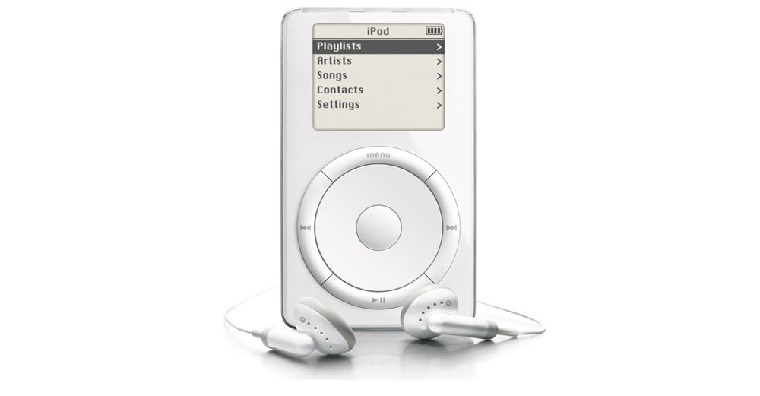
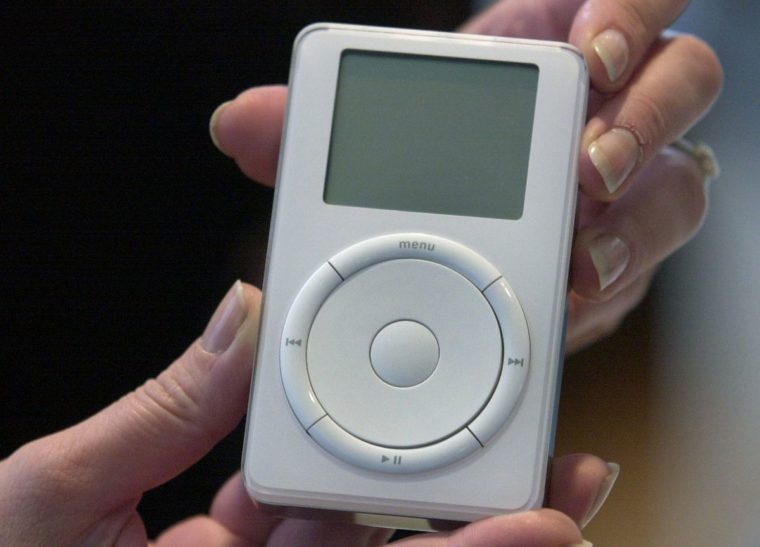
It's not just the nostalgia of a few fans Applu. According to the AP, Back Market announced that iPod sales in 2025 increased by 48% year-on-year. Axios eBay, citing internal data, said searches for the iPod Classic increased by 25% between January and October 2025 compared to the same period the previous year. In other words, the product that Apple has long since ceased to be sent to stores, but has begun to live again thanks to drawers, bazaars, auctions and communities of enthusiasts. It is the old stocks from households that have become the new supply chain today. The greatest interest is mainly in IPod Classic, the model with the iconic Click Wheel. It is this one that best describes the time when music was not onlyoneIt wasn't a streaming service, but a personal library that you had to choose, download, and upload yourself.
Gallery
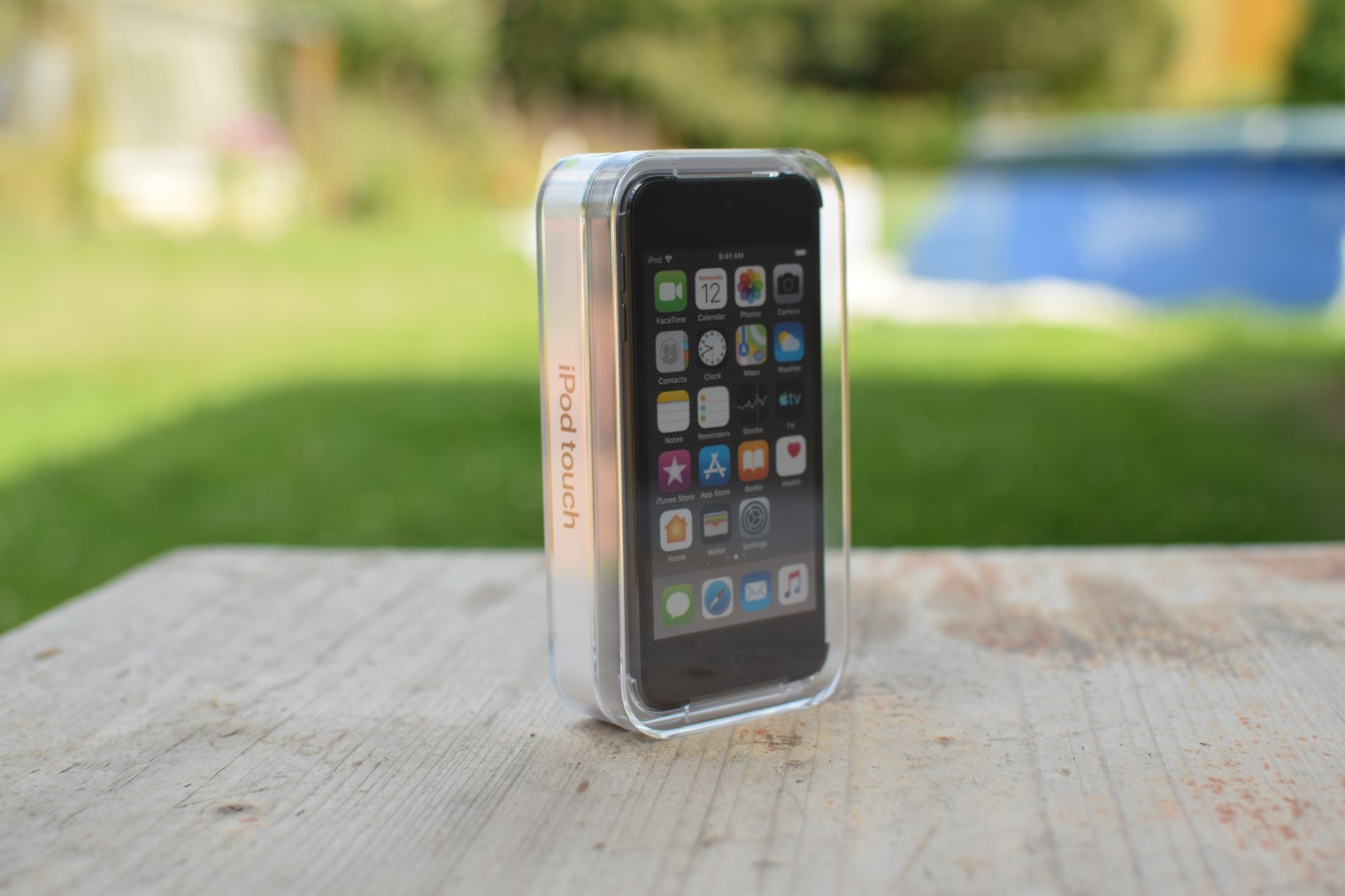
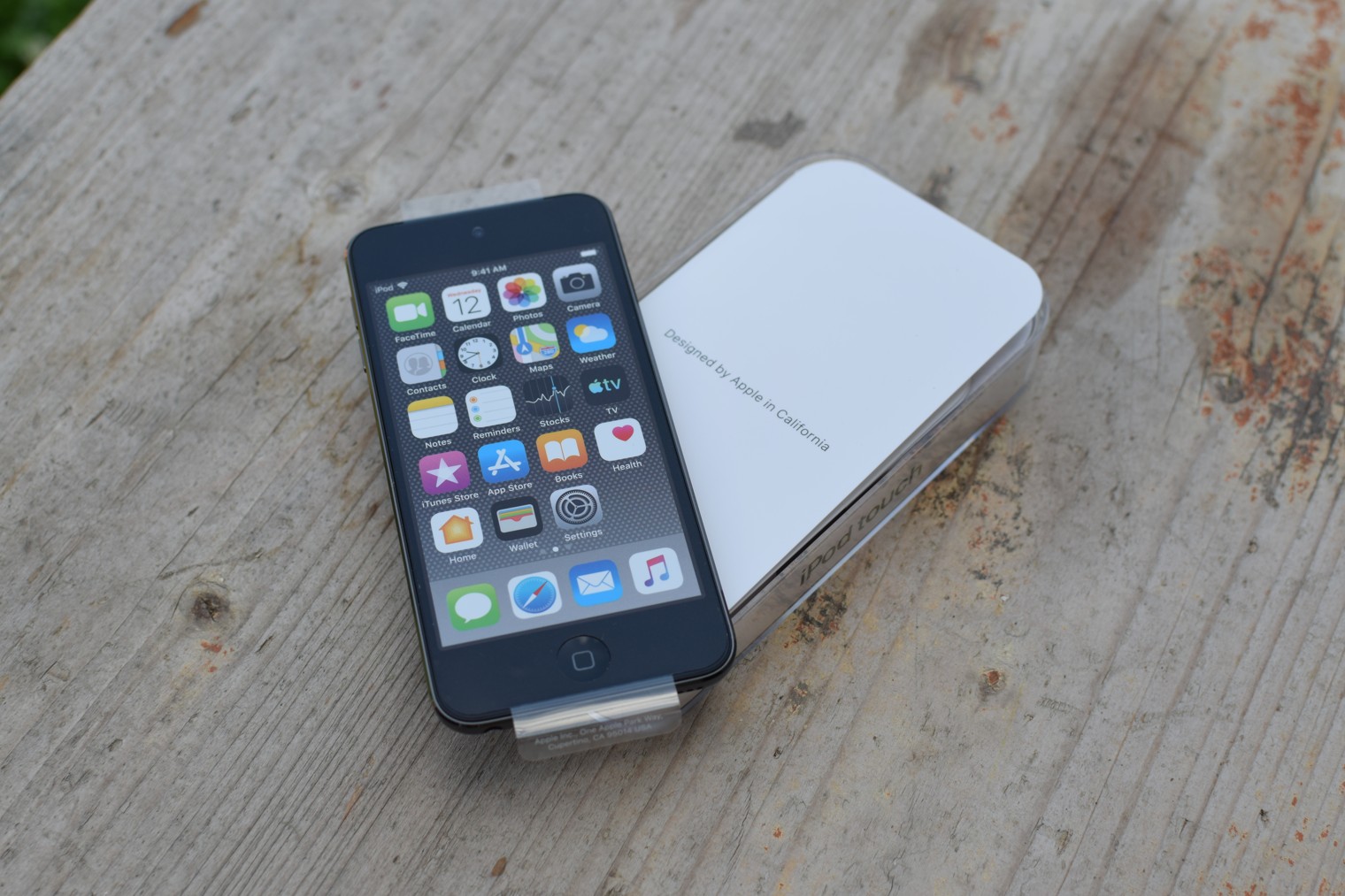
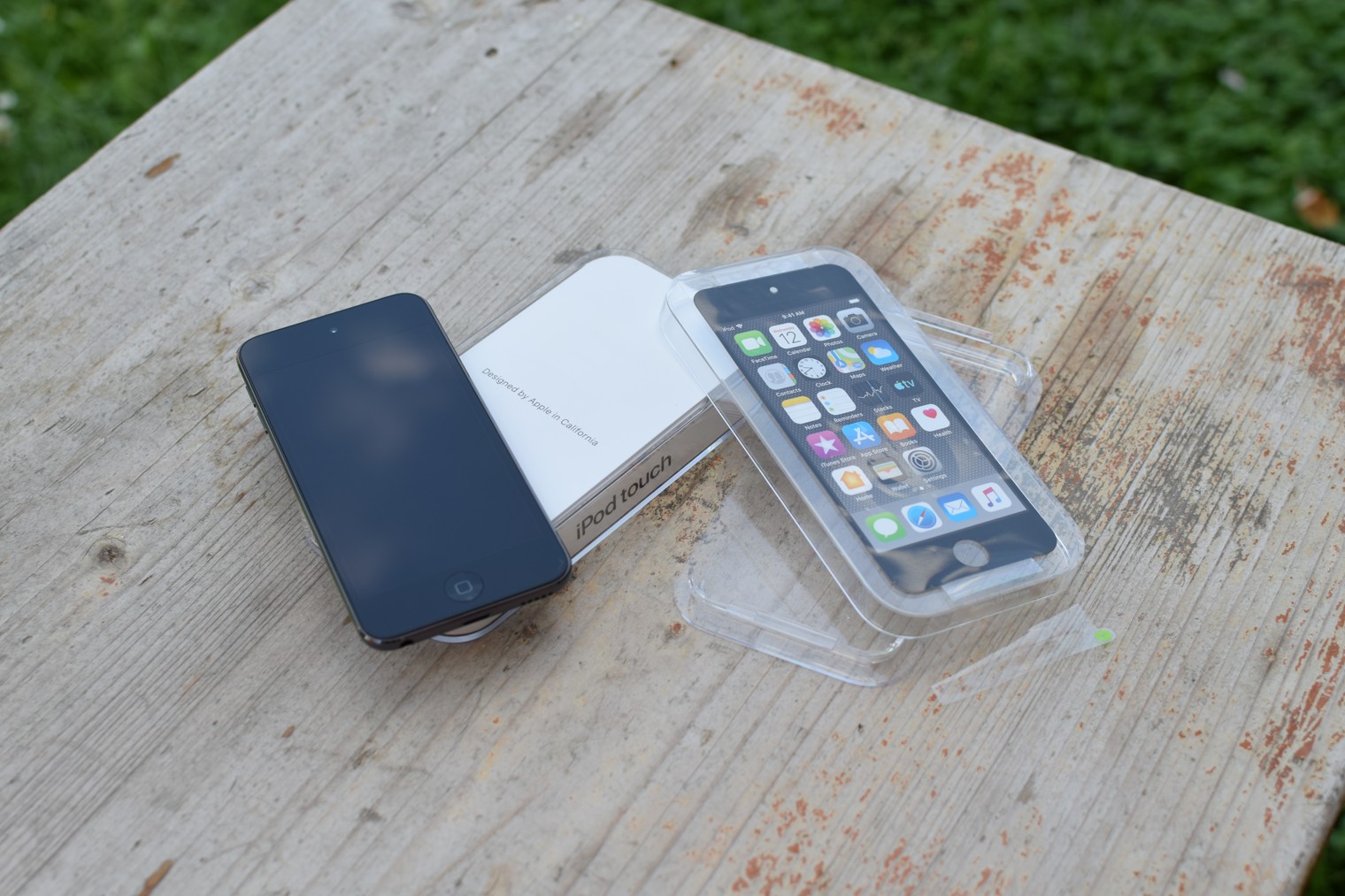
Modders turn an iPod into a modern machine
Much of the iPod's comeback is driven by a community of people who completely rebuild old players. They replace the original hard drives with flash storage, often with a capacity of up to 2 TB. In practice, this means space for tens of thousands of songs. Today, old iPods are being added with new batteries, Bluetooth, USB-C, new covers, colored front panels or alternative Rockbox firmware. This can turn a player that is almost twenty years old into a device that has more modern capabilities.oneactivity, longer battery life, and many times more storage than when it was launched. The most extreme projects go even further. For example, developer Guy Dupont rebuilt a fourth-generation iPod from 2004 so that it ran a Raspberry Pi inside and could stream Spotify, while retaining the original Click Wheel controls. The entire project was expected to cost around $130.
You might be interested in
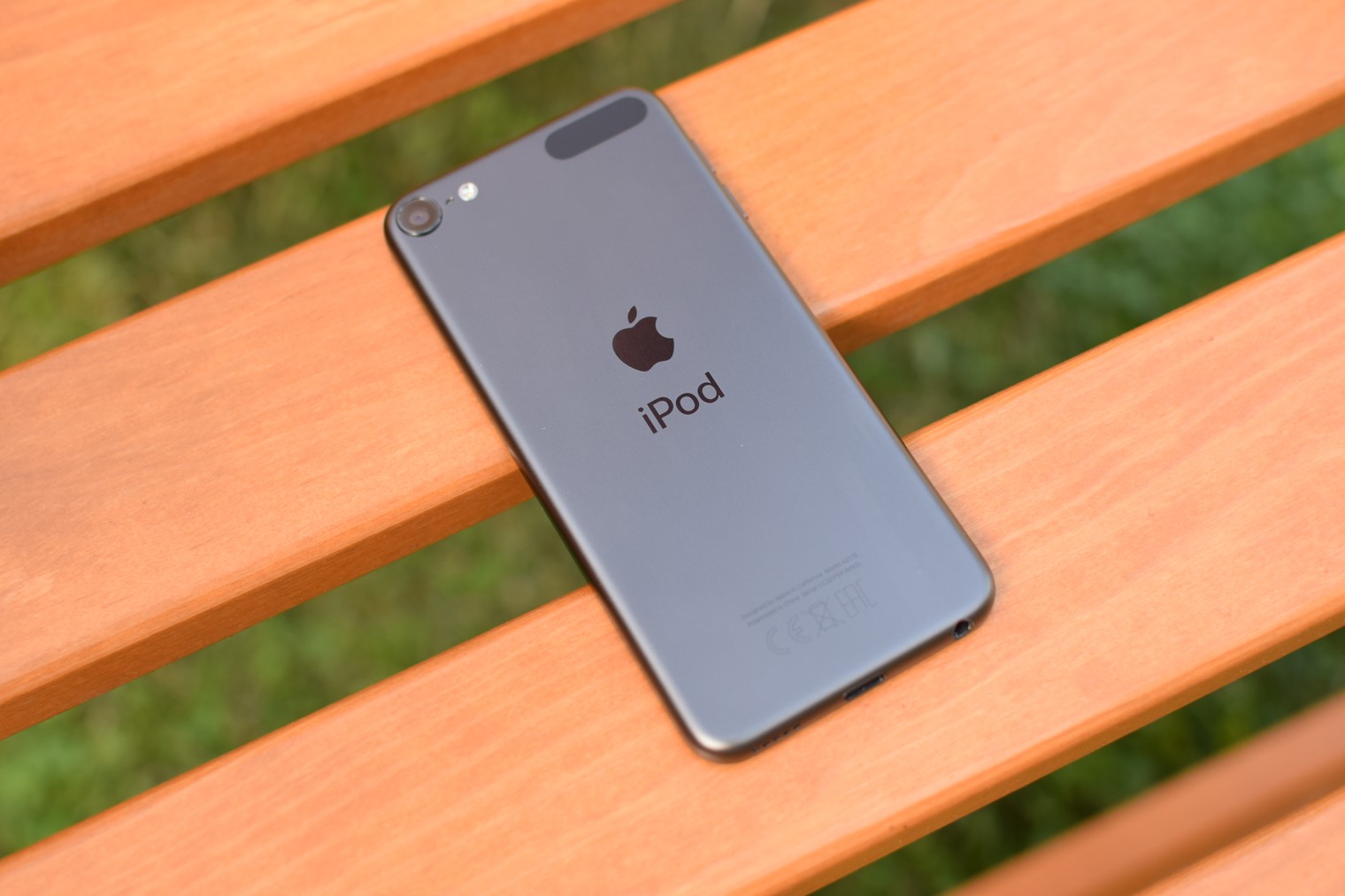
At first glance, it doesn't make sense. ProWould anyone in 2026 still be manually uploading music to an old player when they can open an app and play virtually any song in the world in a second? The answer is simple: precisely because. Some younger users are starting to get fed up with every digital service trying to make decisions for them. The algorithm will recommend the next song, the next video, the next post, the next ad, and the next reason to stay in front of the screen. The iPod has no such plan. It can only play the music you choose yourself. The trend is called friction-maxxing. That is, a voluntary return to activities that require a little effort. Uploading your own library, choosing albums, connecting the cable, comparing songs, and consciously determining what I will listen to.chat. It's not more comfortable. But for many people it's more enjoyable.
The iPod has become a symbol of a broader return to simpler technology. Just as people are buying back analog cameras, vinyl records, app-less readers, and plain phones, there is a growing interest in devices that have one clear purpose. In the case of the iPod, that purpose is music. No messages, no Instagram, no TikTok, no work emails, no bank alerts, and no recommendations on what you should listen to.chat further. Just headphones, a wheel and a library of songs. That's its greatest strength. The iPod doesn't seem modern today because it can do more than iPhoneIt looks modern because it can do less.
You might be interested in
Prices of some iPods have risen sharply
The growing interest has also been reflected in prices. Functional iPod Classics are routinely sold at flea markets for amounts that would have seemed excessive just a few years ago. For well-preserved, limited-edition units, variant or unopened models can go for much higher prices. An extreme example is collector's auctions, where unopened first-generation iPods sell for tens of thousands of dollars. Of course, this is no longer a regular music player, but a technological artifact from the time when Apple began to change the music industry.
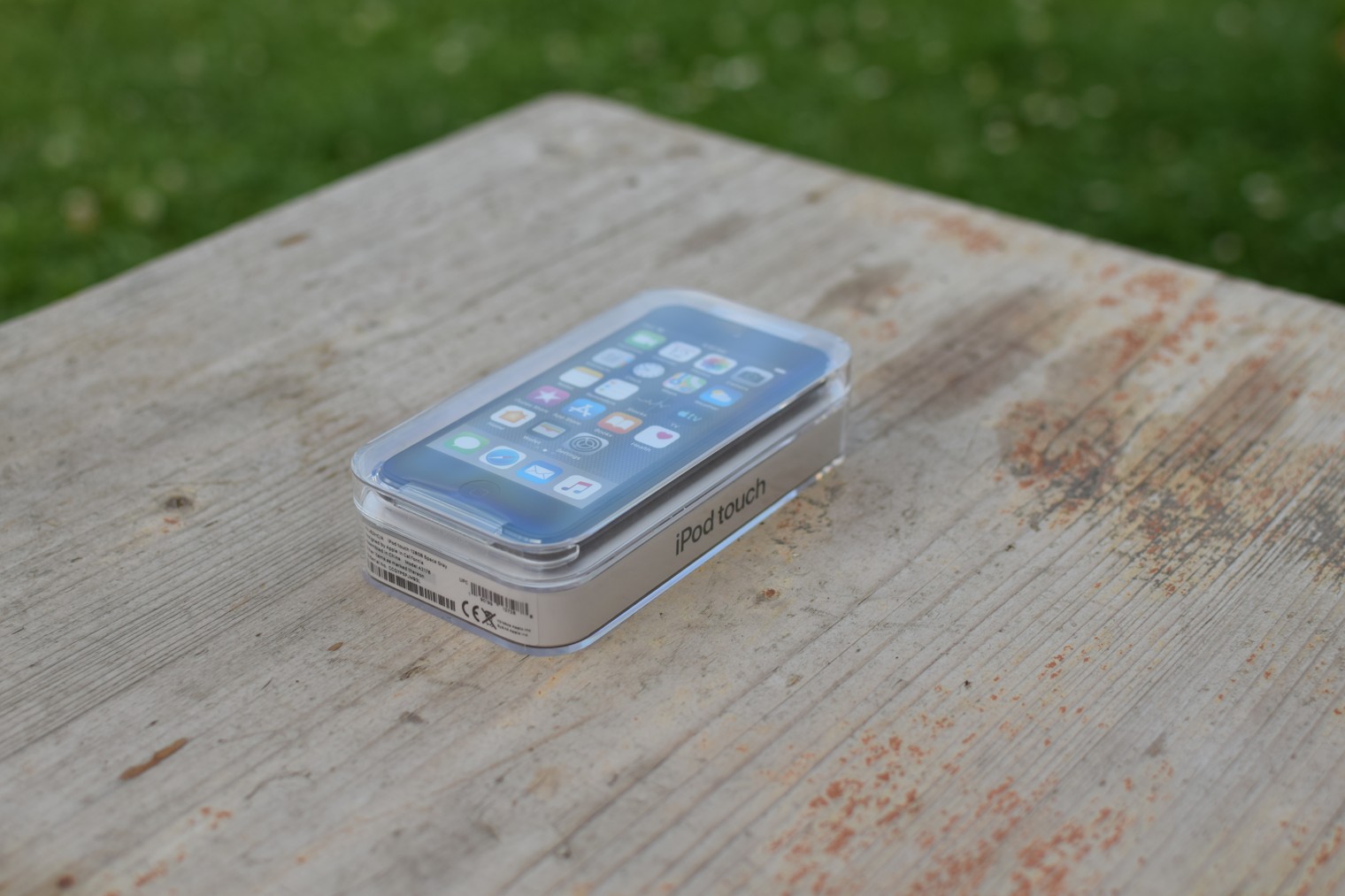
Apple no longer makes the iPod and will probably never return to it. Its role in the portfolio has been taken over by iPhone, Apple Watch, HomeUnder and Apple Music. Nevertheless, it turns out that a standalone music player still makes surprisingly strong sense in 2026. Not because it is technically better. Not because it has a better display, a more powerful chip or smarter software. But because it does not force you to be online all the time. The iPod is thus returning as a silent protest against the time when every application has become aoneA steady stream of recommendations. Some revolutions are loud. This one just clicks softly.