The smart glasses market is starting to change very quickly. While in recent months the most talked about thing was when they would introduce their first AI glasses Apple, it seems that Samsung will beonec significantly faster. According to information from the South Korean newspaper Seoul Economic Daily, it plans to show its new "Galaxy Glasses" at the event this July Galaxy Unpacked.
You might be interested in
At the same time, Samsung gains a rather interesting advantage. Apple Although it is reportedly working intensively on its own smart glasses, most leaks are still counting on 2027. Some sources admit the possibility of an earlier demonstration, however, nothing has been confirmed.
Samsung wants to focus on artificial intelligence
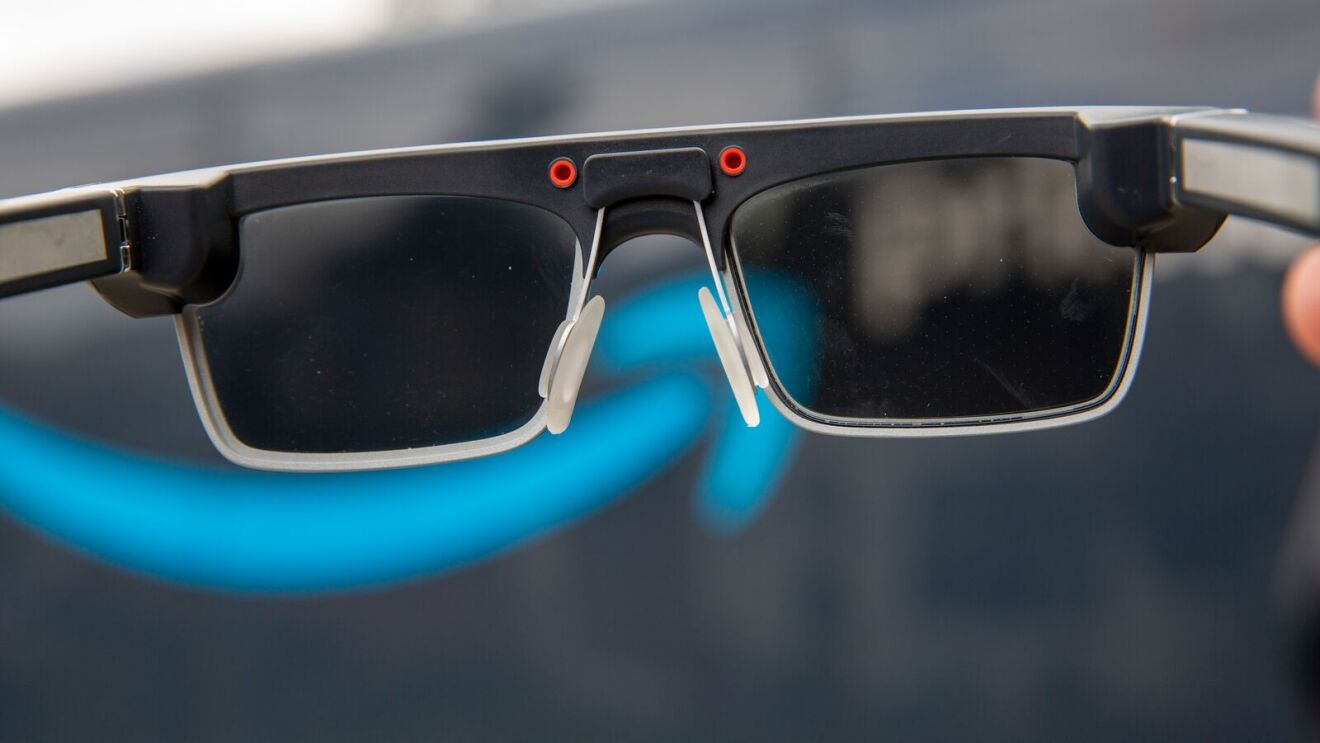
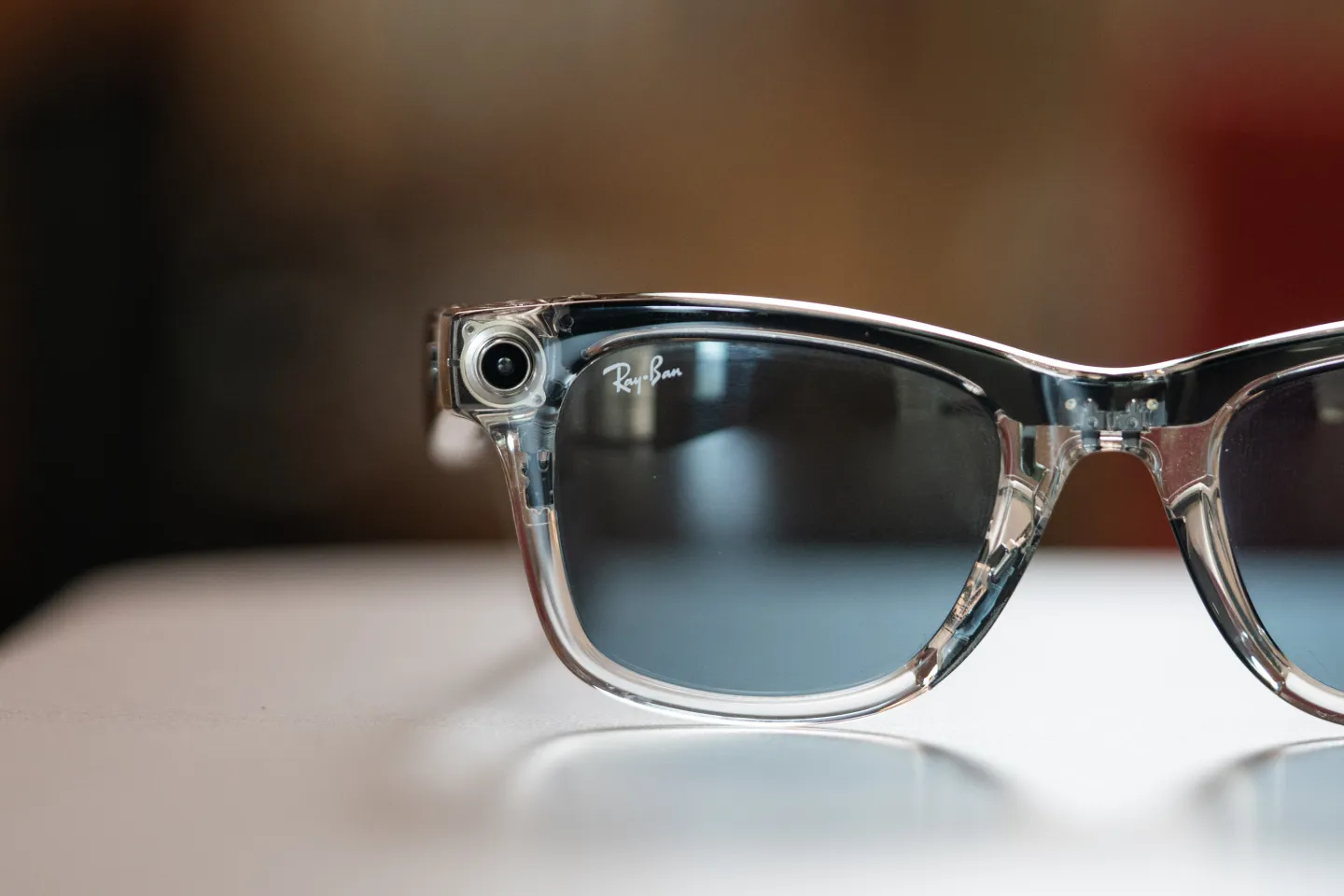
According to available information, the new glasses from Samsung will not be a classic AR device with a display directly in front of the eyes. In terms of design, they should be much closer to today's smart glasses with a camera, speakers and microphones. A similar concept is already successfully working today, for example, with products from Meta.
Artificial intelligence is to play a major role Gemini from Google. The glasses will reportedly be able to analyze the camera image in real time and respond to the user's questions based on what they see. In other words, if you look at a building, a product, or even a menu, AI can immediately offer you information without having to take your phone out of your pocket.
Samsung also expects a close connection with phones Galaxy and smart home SmartThingsThe glasses are intended to become another part of the broader ecosystem of devices.
Apple It seems to be heading in a very similar direction.
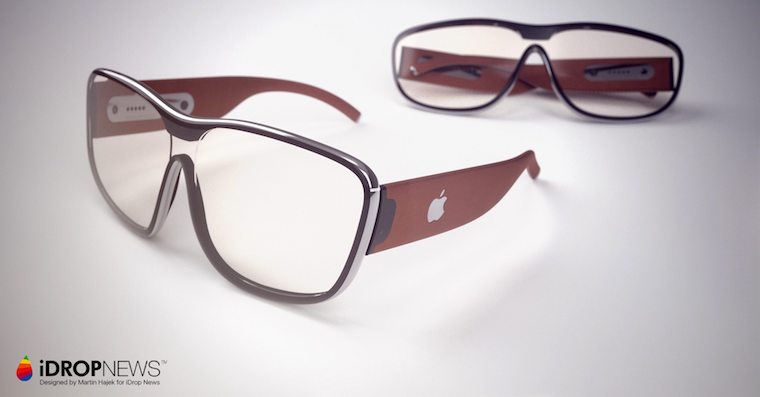
Interestingly, according to previous leaks, he plans to Apple almost identical concept. Its first generation of smart glasses will reportedly also not include a display. Instead, it is expected to focus on cameras, microphones, speakers and integration with Siri a Apple Intelligence.
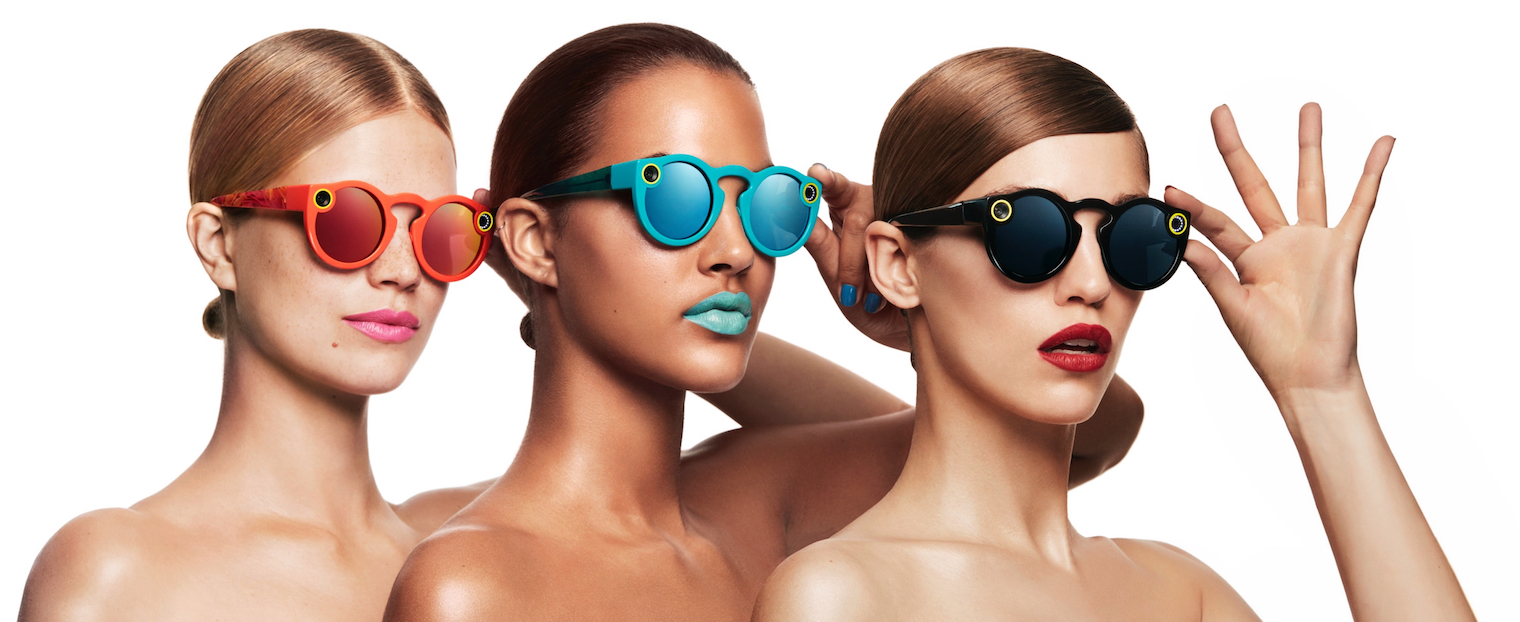
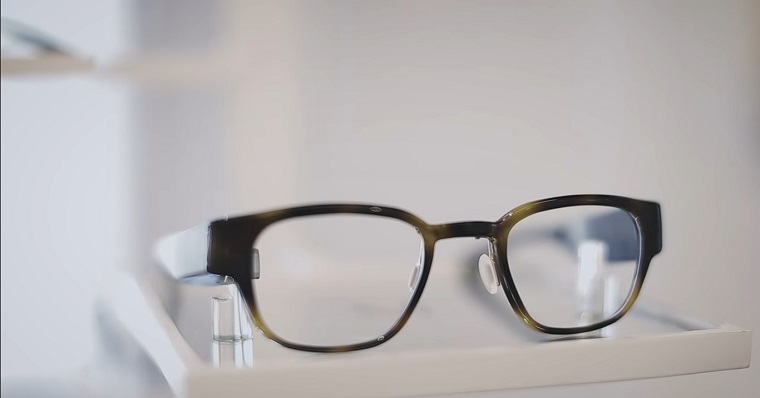
Proč? The absence of a display significantly reduces the weight, energy consumption and technical complexity of the device. The result may be glasses that will look much more civil and will not resemble experimental technology at first glance. After all, the inconspicuous appearance is one of the main reasons for the success of smart glasses with AI functions today. People do not want to wear large futuristic headsets. They want a device that looks like ordinary prescription glasses or sunglasses.
Gallery


Samsung is reportedly preparing a wider foldable phone
July event Galaxy Unpacked but it seems it won't just be about smart glasses. Samsung is also expected to introduce new generations of foldable phones. Galaxy Z Fold8 and Z Flip8. In addition, there are increasingly frequent mentions of the model Fold Wide.
This one is interesting mainly because it is supposed to offer a wider design similar to what is expected from the first foldable iPhone. Samsung has so far used relatively narrow displays, while Apple According to leaks, it is supposed to bet on a wider aspect ratio reminiscent of a smaller iPad. It is quite possible that Samsung is responding to the expected arrival of the foldable iPhone with this move and is trying to occupy a similar market segment before Applem.
2026 could be a turning point for smart glasses
Two years ago, smart glasses seemed more like a fringe category. But the situation is starting to change rapidly. The development of generative artificial intelligence has shown that similar wearable electronics can be the ideal device for AI. After all, a person has to take their phone out of their pocket. But glasses can respond immediately and more naturally. The camera sees what the user sees, the microphones hear the surroundings, and the speakers can provide answers almost without the need to use the display.
That's why practically all the big tech players are investing in smart glasses today. Google is preparing Android XR, Meta is continuing to expand its AI glasses, and Apple Apparently, he doesn't want to be left behind.
If Samsung really new Galaxy Glasses will be presented in July this year, gaining not only media attention, but also several important months ahead of the Applem. And in the rapidly evolving world of AI, this may be extremely important.