
If you expected that iPhone 18 Pro konewill bring a significantly brighter display for use in direct sunlight, we have bad news for you. According to new information, it looks like the fundamental change is being postponed again.
You might be interested in

At least a reliable source claims so. leaker Instant Digital, according to which iPhone 18 Pro will definitely not get the expected dual-layer OLED technology, which was supposed to be the key to higher and, above all, stable brightness during long-term use outdoors. According to his sources, the main problem is thermal limits. Current iPhone displays suffer from overheating at higher power levels and the system automatically reduces brightness. In other words, even if the hardware could handle more, overheating would still “tame” it. Moreover, similar information is confirmed by earlier leaks.
The good news is that Apple is reportedly working on a transition to so-called tandem OLED technology, which would improve both display capabilities and brightness, but it is not expected to be deployed until after 2028 at the earliest, and even that is not yet certain, as suppliers and the panel design itself are being discussed.
Gallery
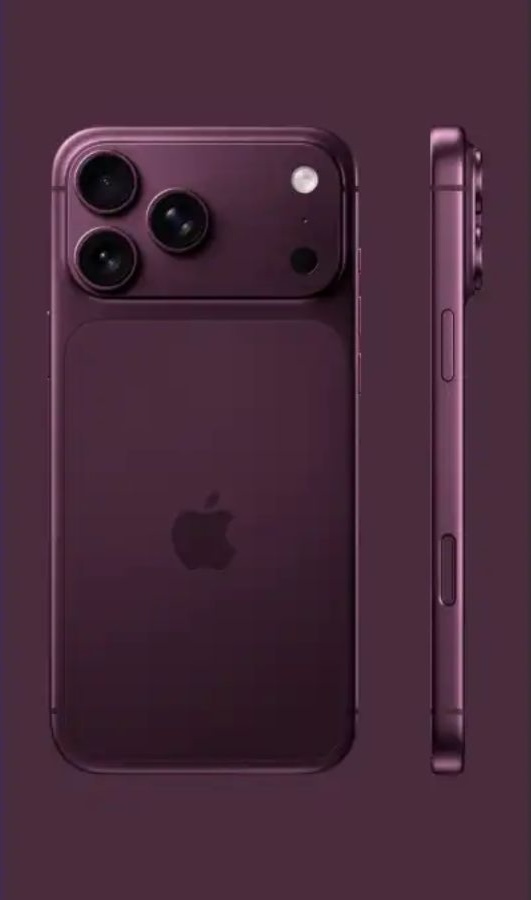
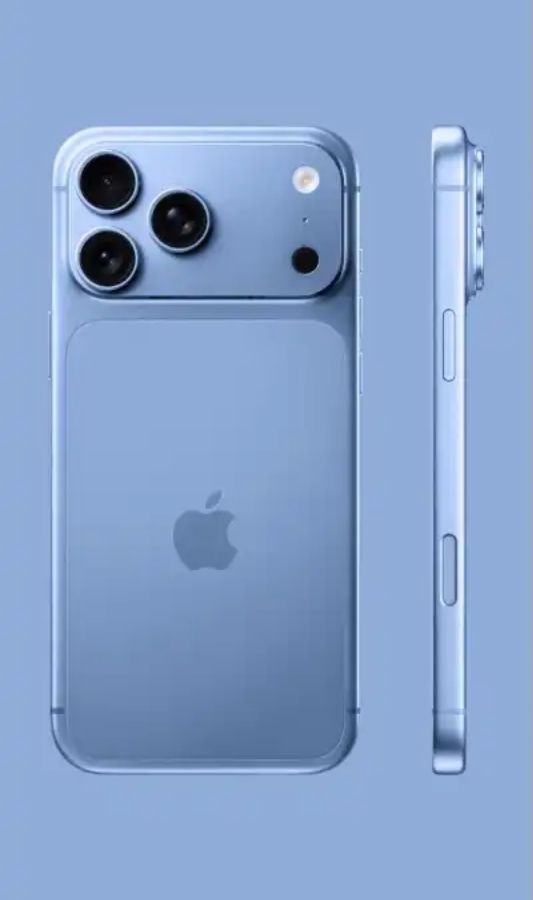
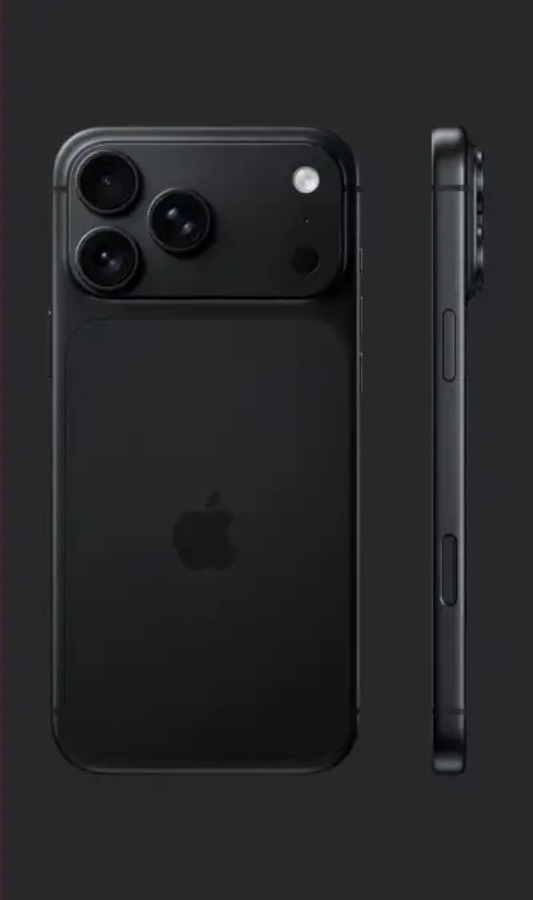
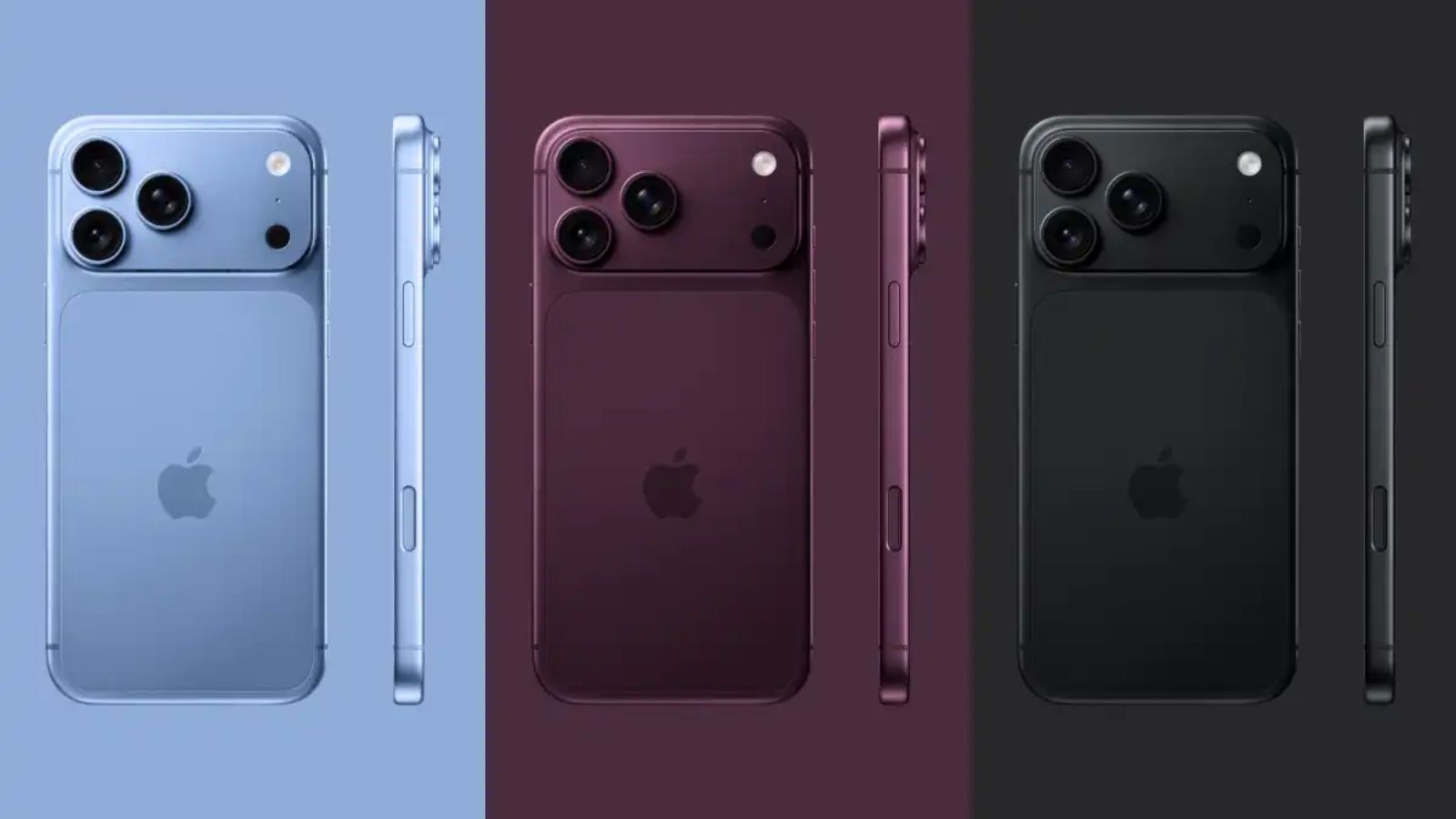
It is interesting, however, that iPhone 18 Pro should receive at least partial improvements in the form of an LTPO+ panel, which should improve energy efficiency and finer display control. But that's on the maxImal brightness or overheating will not have a major impact. ProThe problem that dual-layer OLED would solve is quite clear. Two layers of light-emitting diodes allow the same brightness to be achieved with a lower load, and therefore less heating. But this is apparently the technological challenge that Apple is still running into limits. The result is that significantly clearer iPhone remains more the music of the future than a near reality. And if current estimates are confirmed, users will have to wait several more generations for the real leap.


That's a shame, on 15 pro max It is almost invisible in the sun, unless you wear sunglasses. Newer models have a higher peak and for how long?