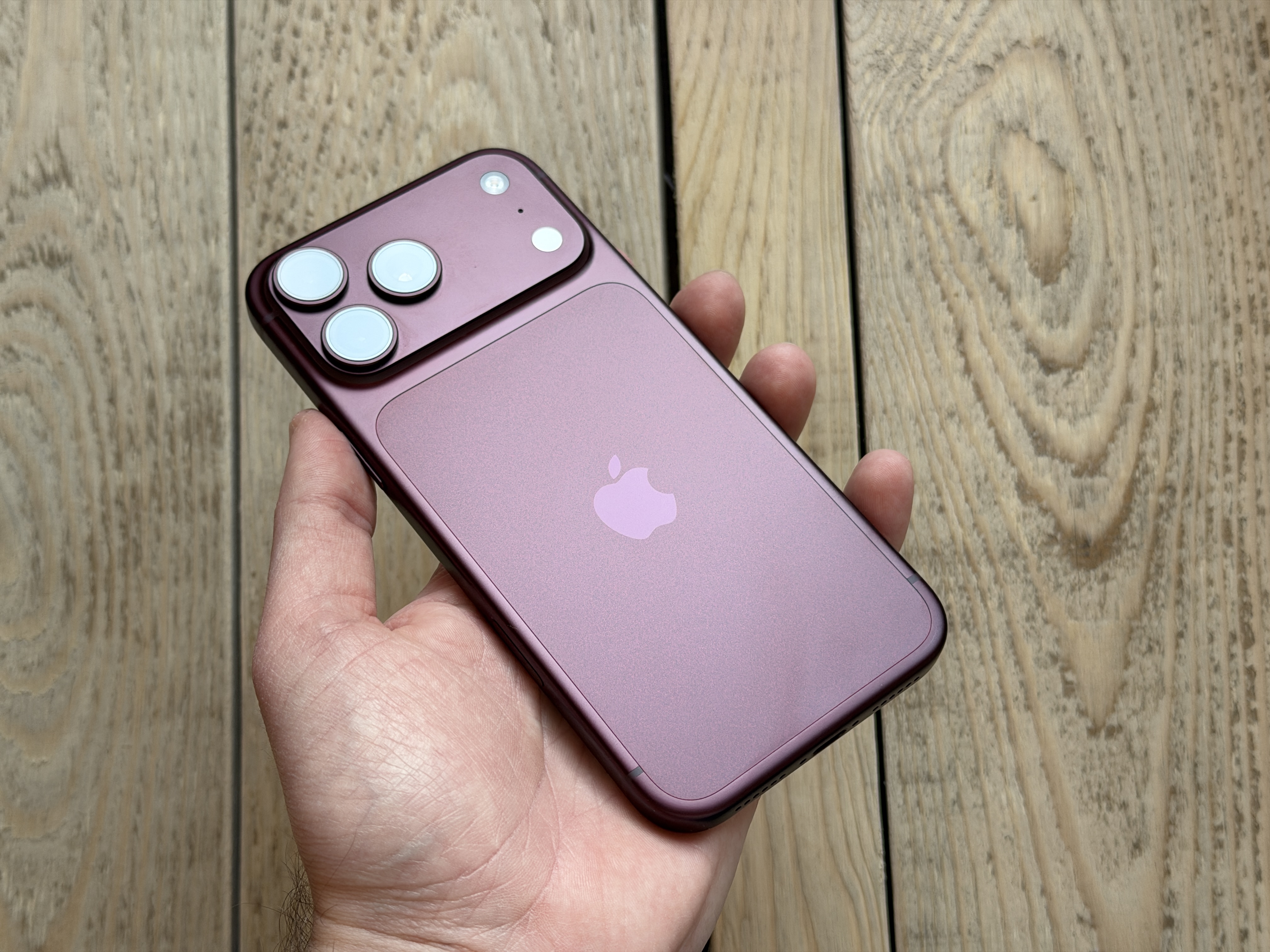
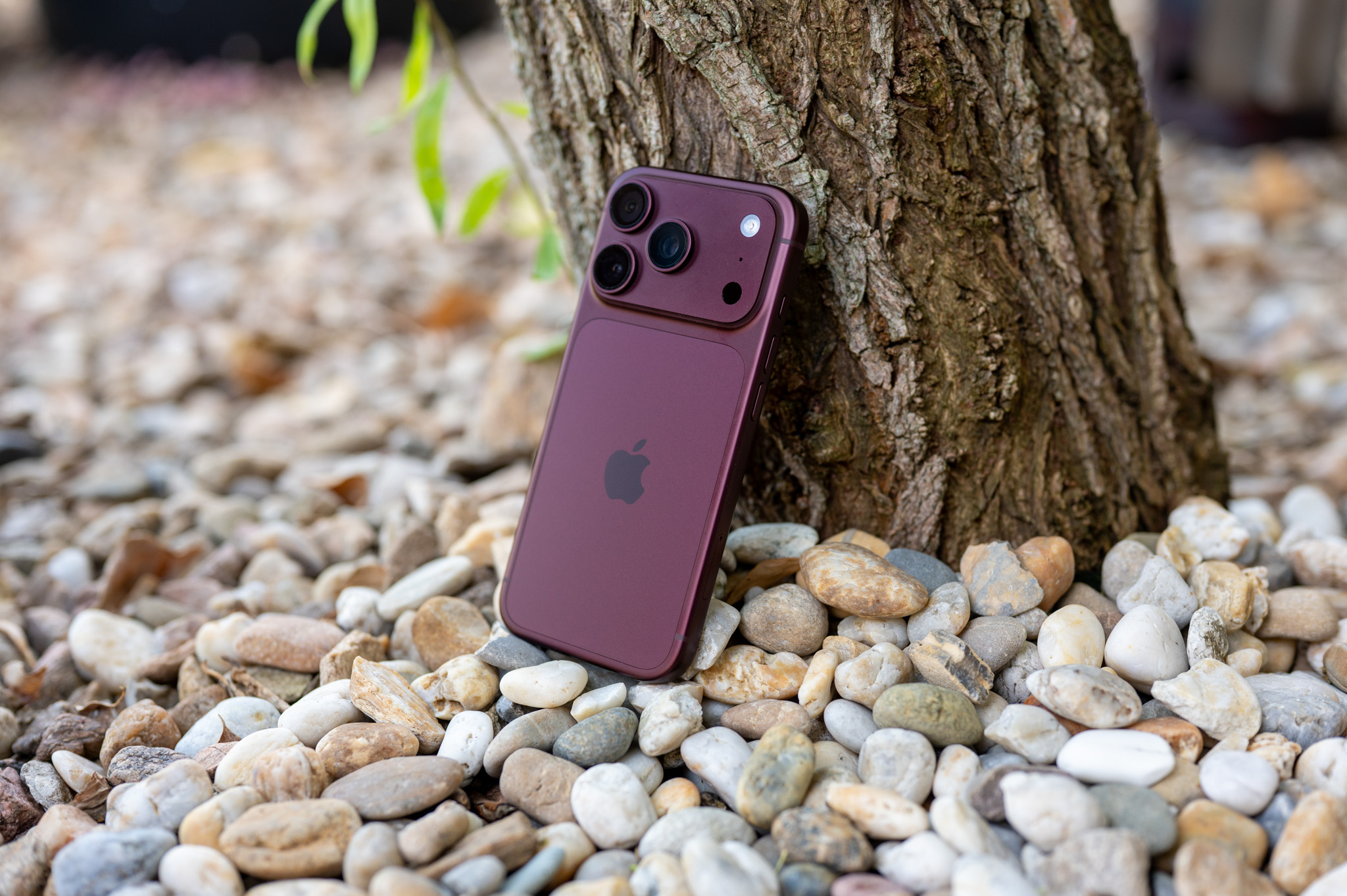
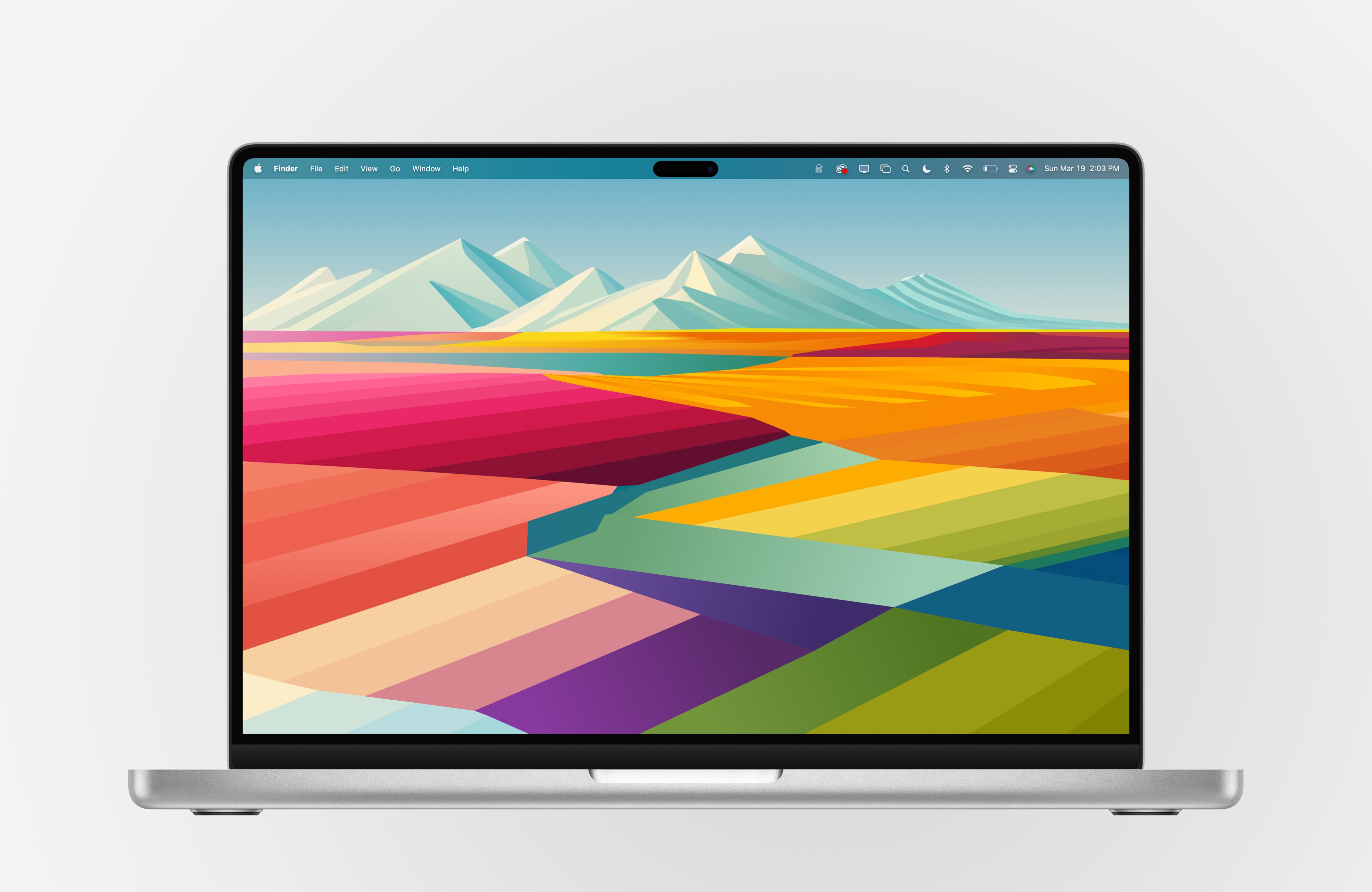
Fight Apple and Samsung is one of the biggest stories in modern tech business. It's not just about who sells more phones. It's about who has the most powerful model, who makes more money, who has more influence over users, and who will set the course in the era of artificial intelligence, custom chips, and global services. And when we look at publicly available data, the picture is clearer than ever.
Apple is around $400 billion in annual sales, according to its latest fiscal results. Samsung Electronics generates just over $200 billion. The revenue alone shows a significant difference in the ability of theonetization. Apple sells fewer types of devices, has a significantly narrower portfolio, yet it manages to generate almost double the sales. The difference in net profit is even more significant. Apple has been hovering around $100 billion a year in recent years, while Samsung's is in the tens of billions of dollars. Samsung's results are also highly cyclical, as the company is heavily tied to the semiconductor business, which is subject to market fluctuations. Apple In contrast, it has a more stable margin model built on a combination of hardware and highly profitable services.
Gallery
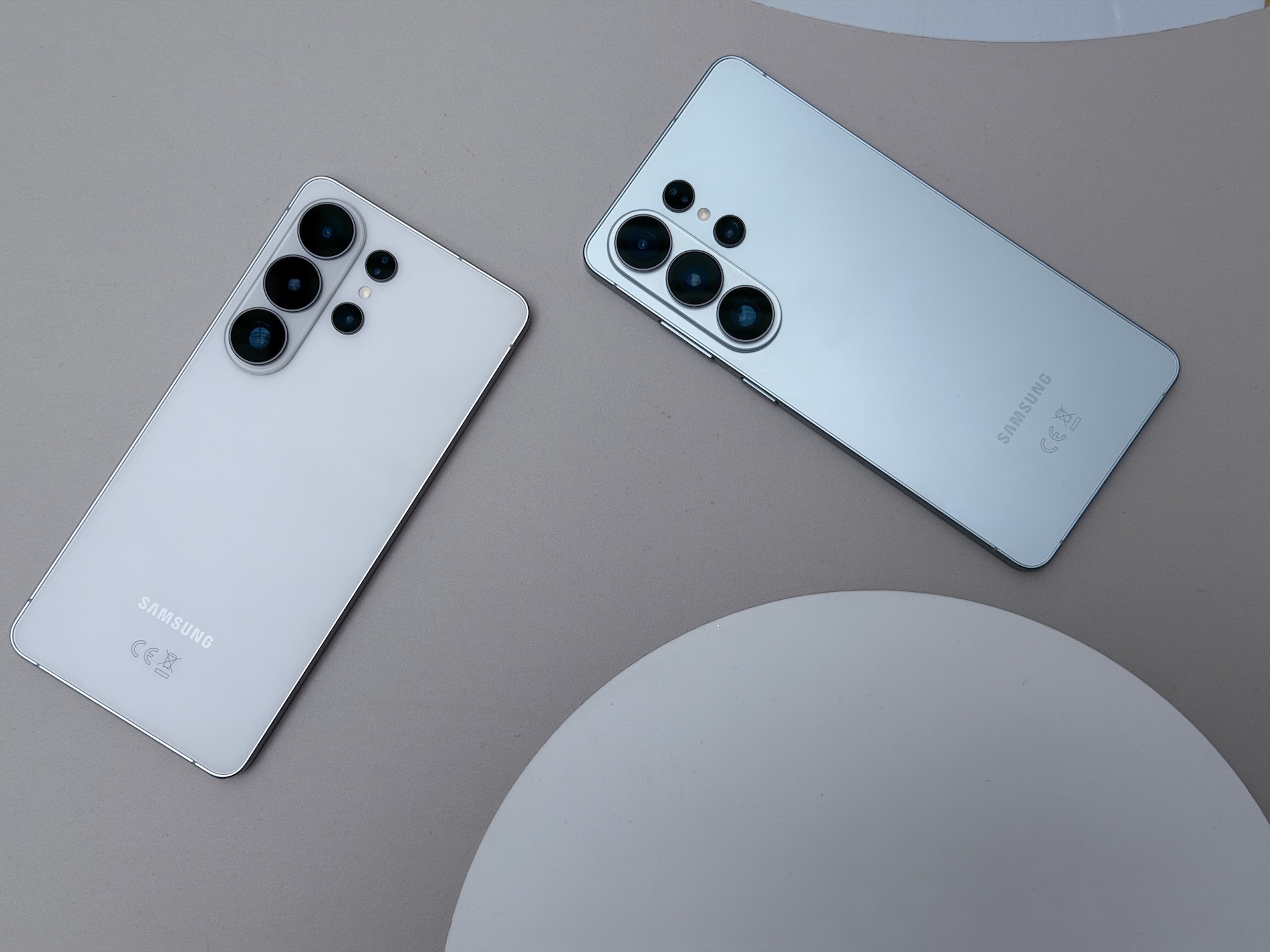
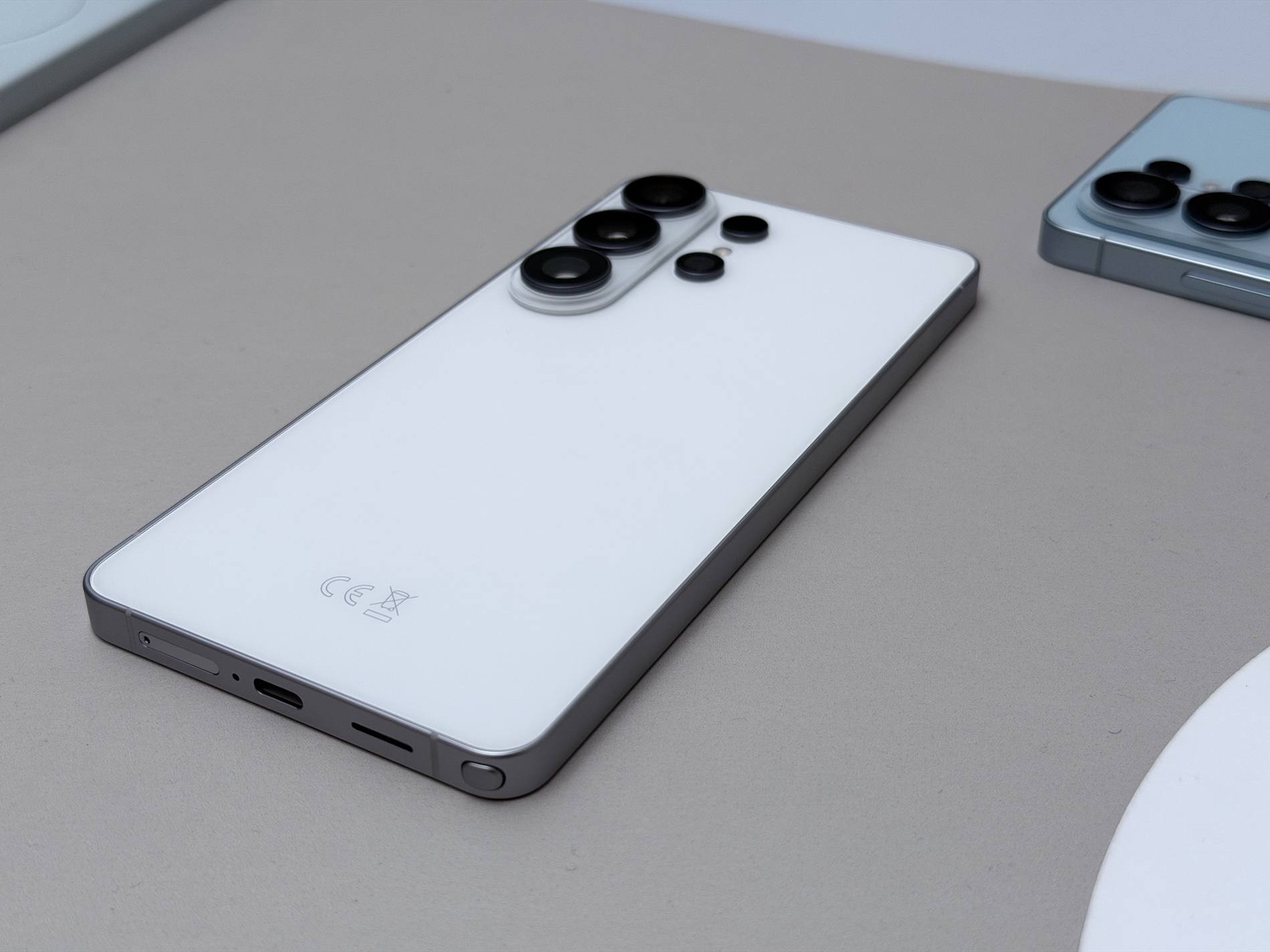
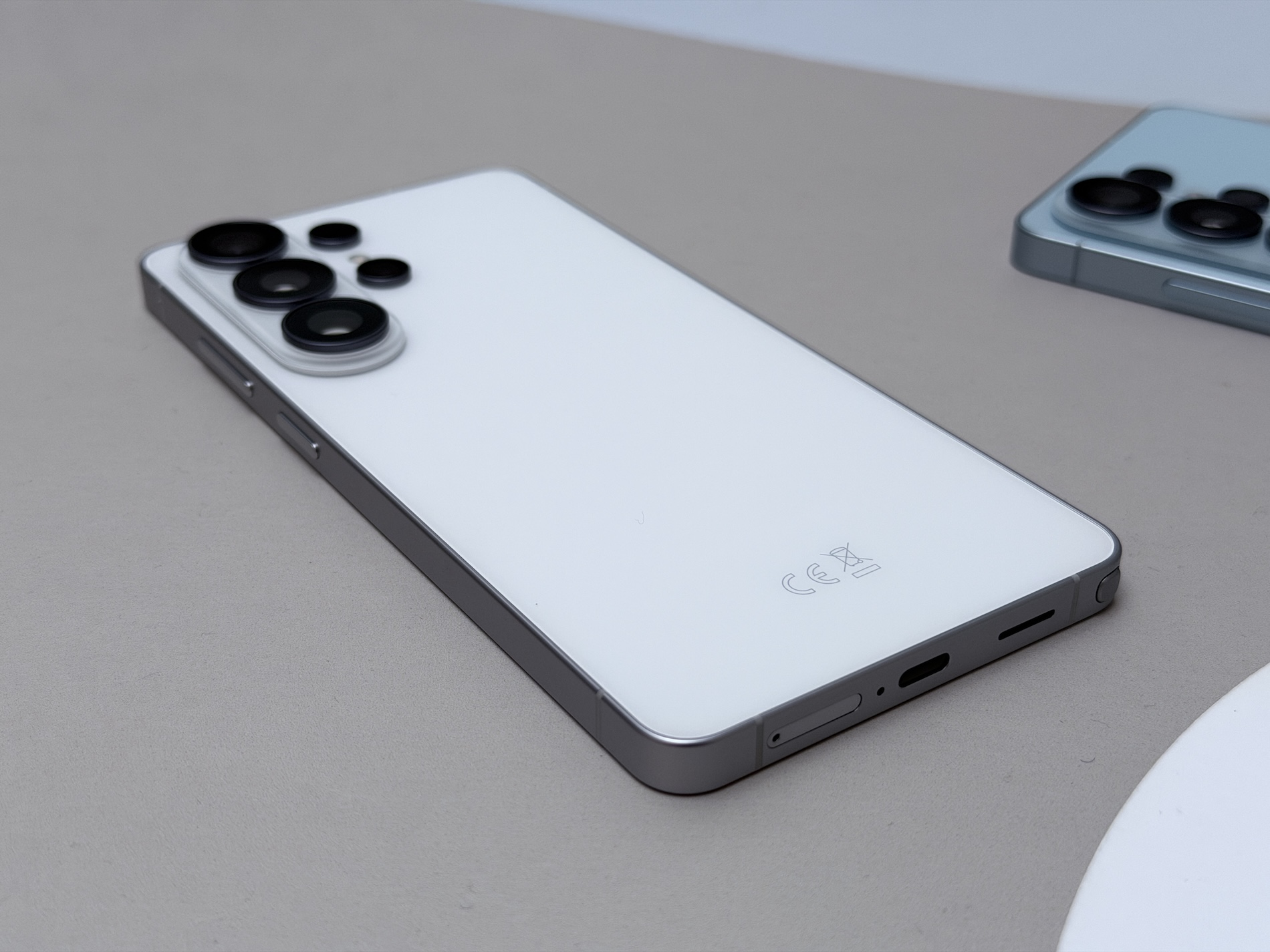
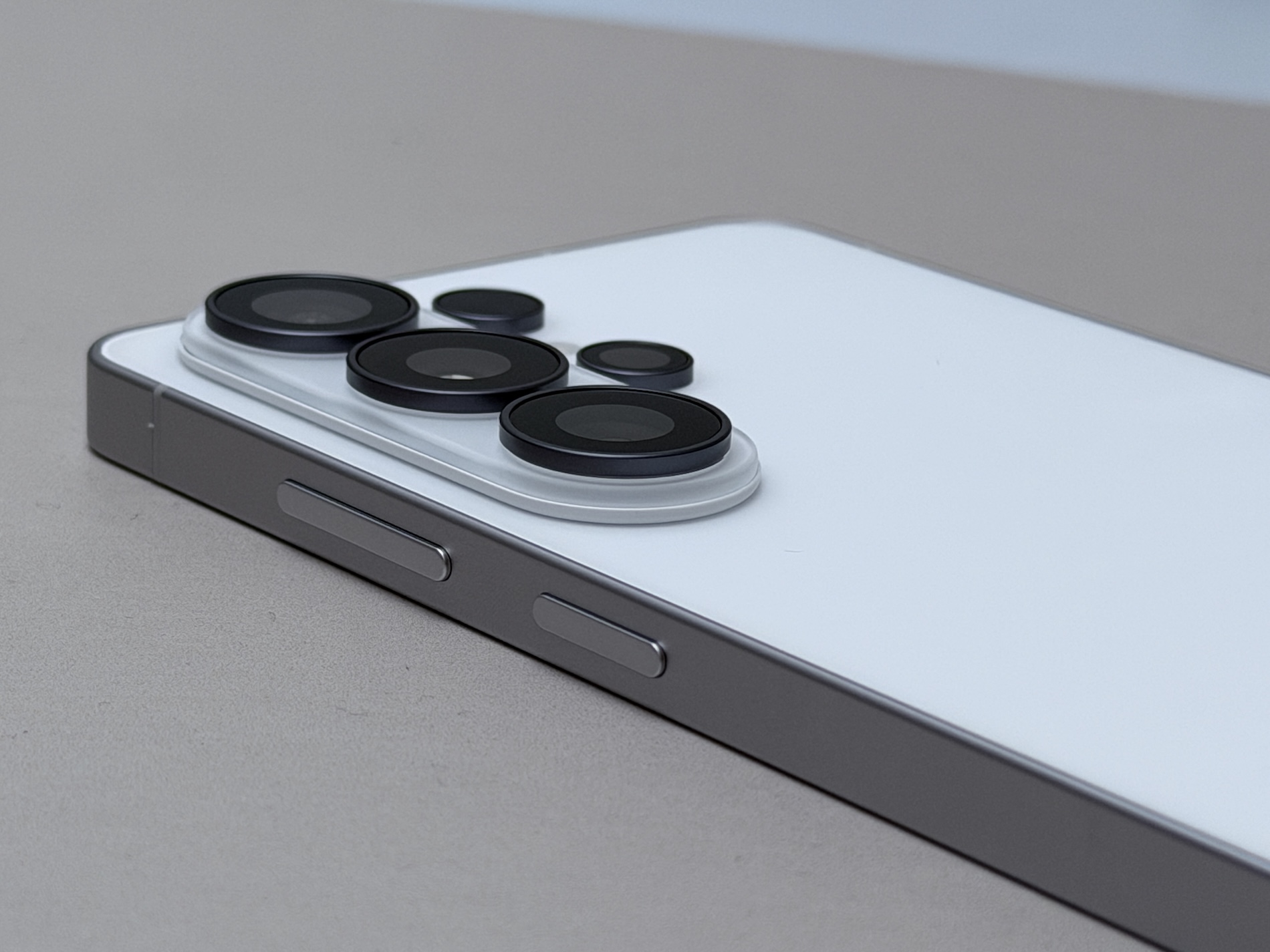
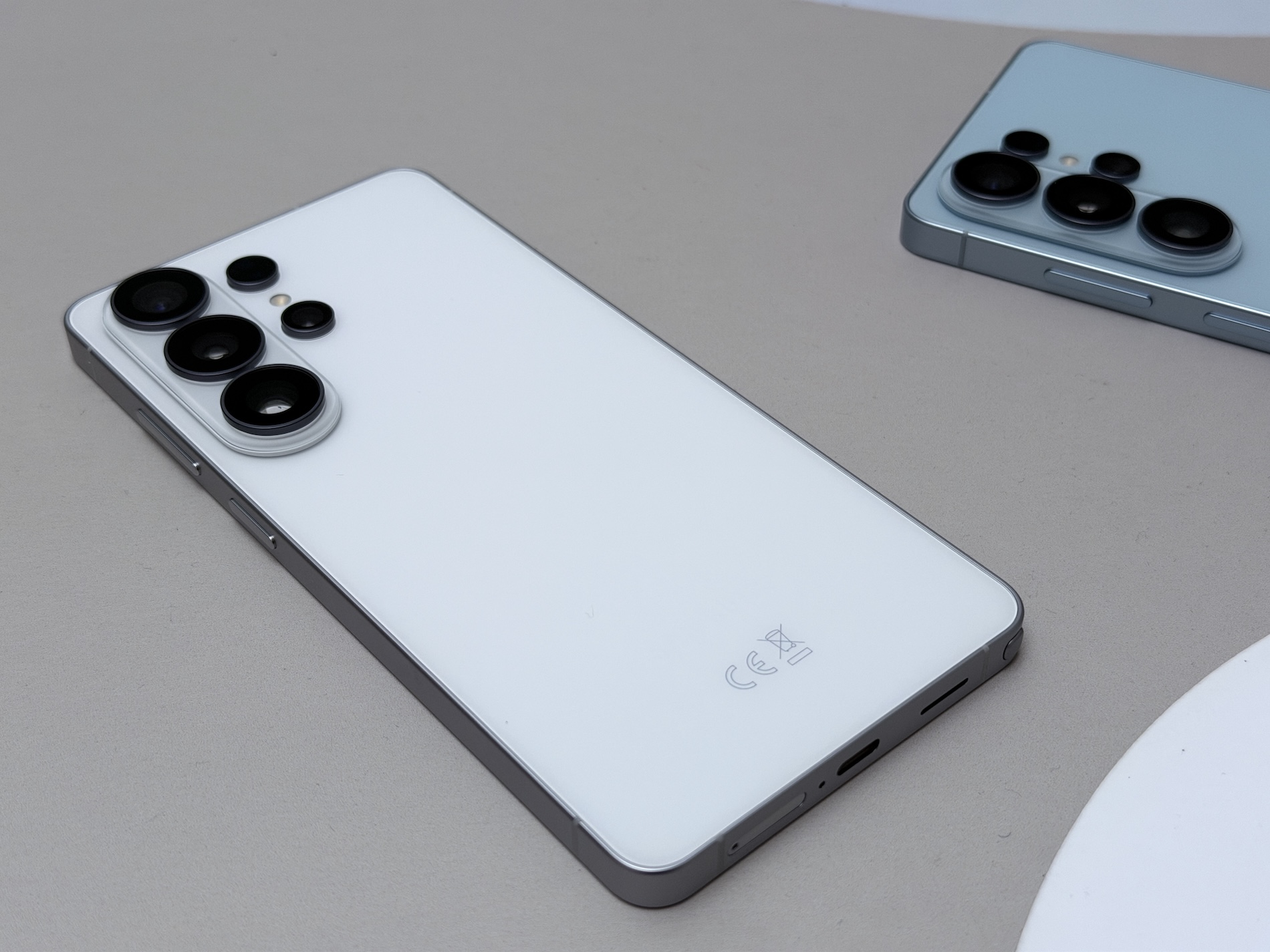
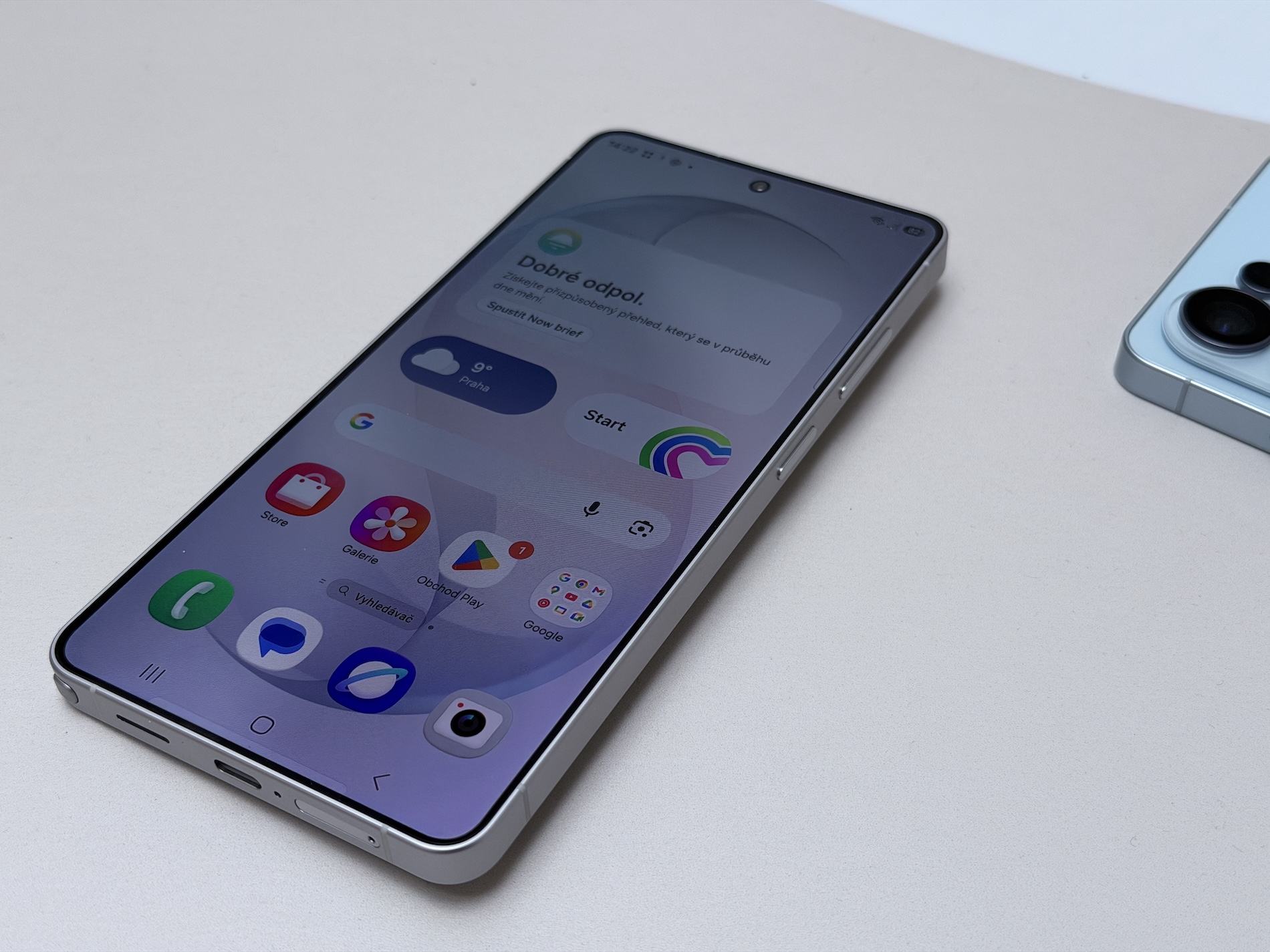
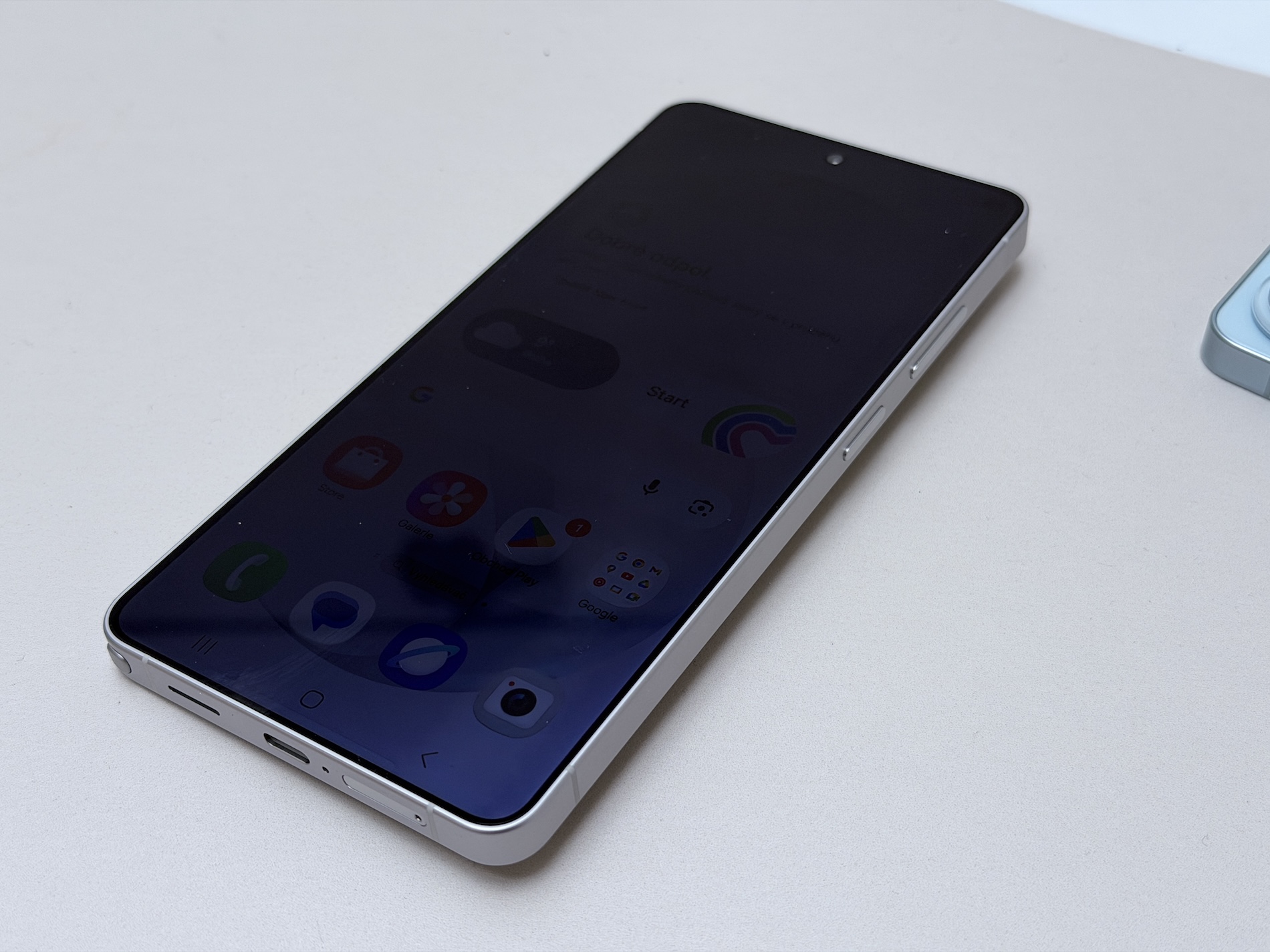
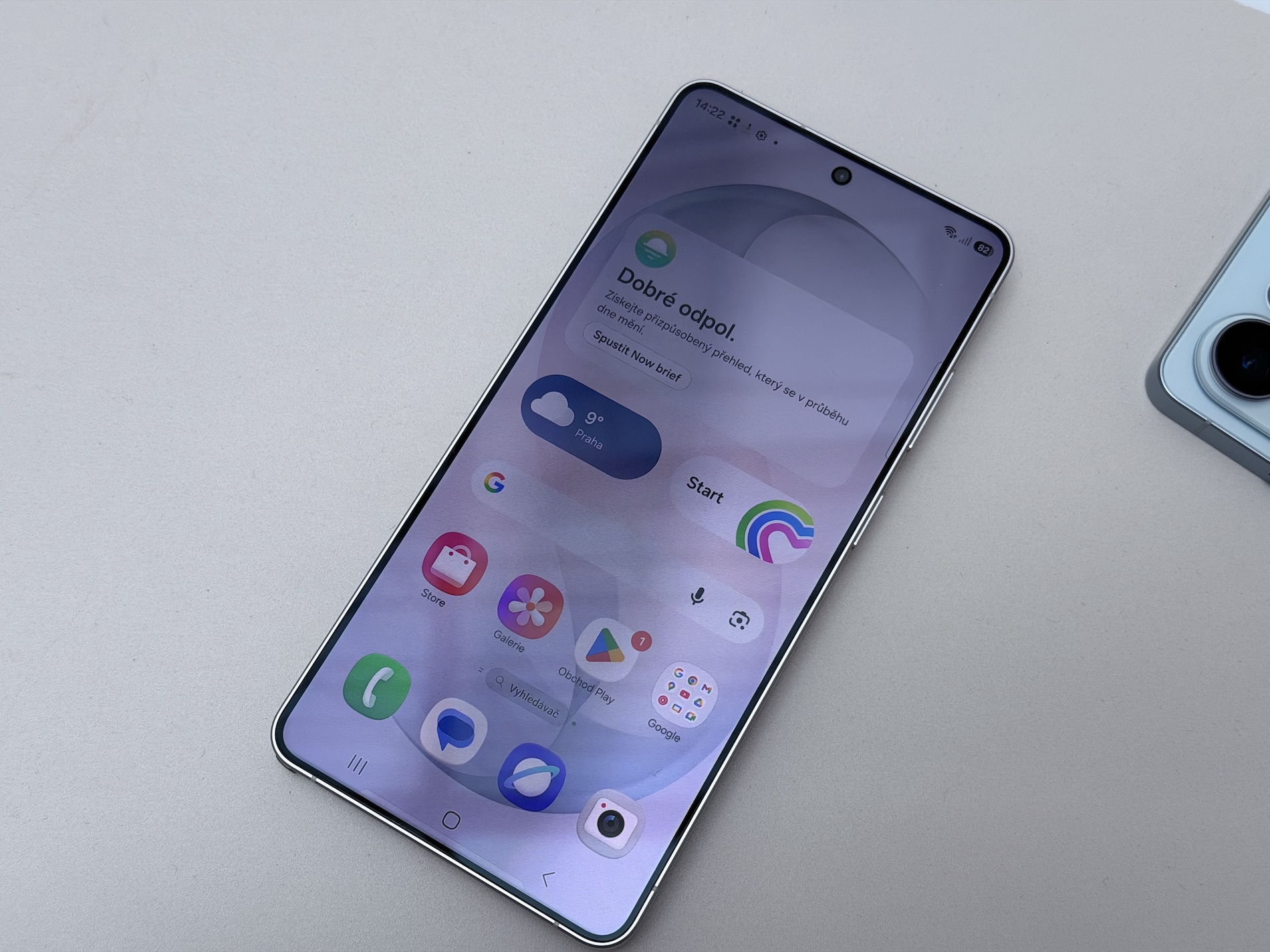
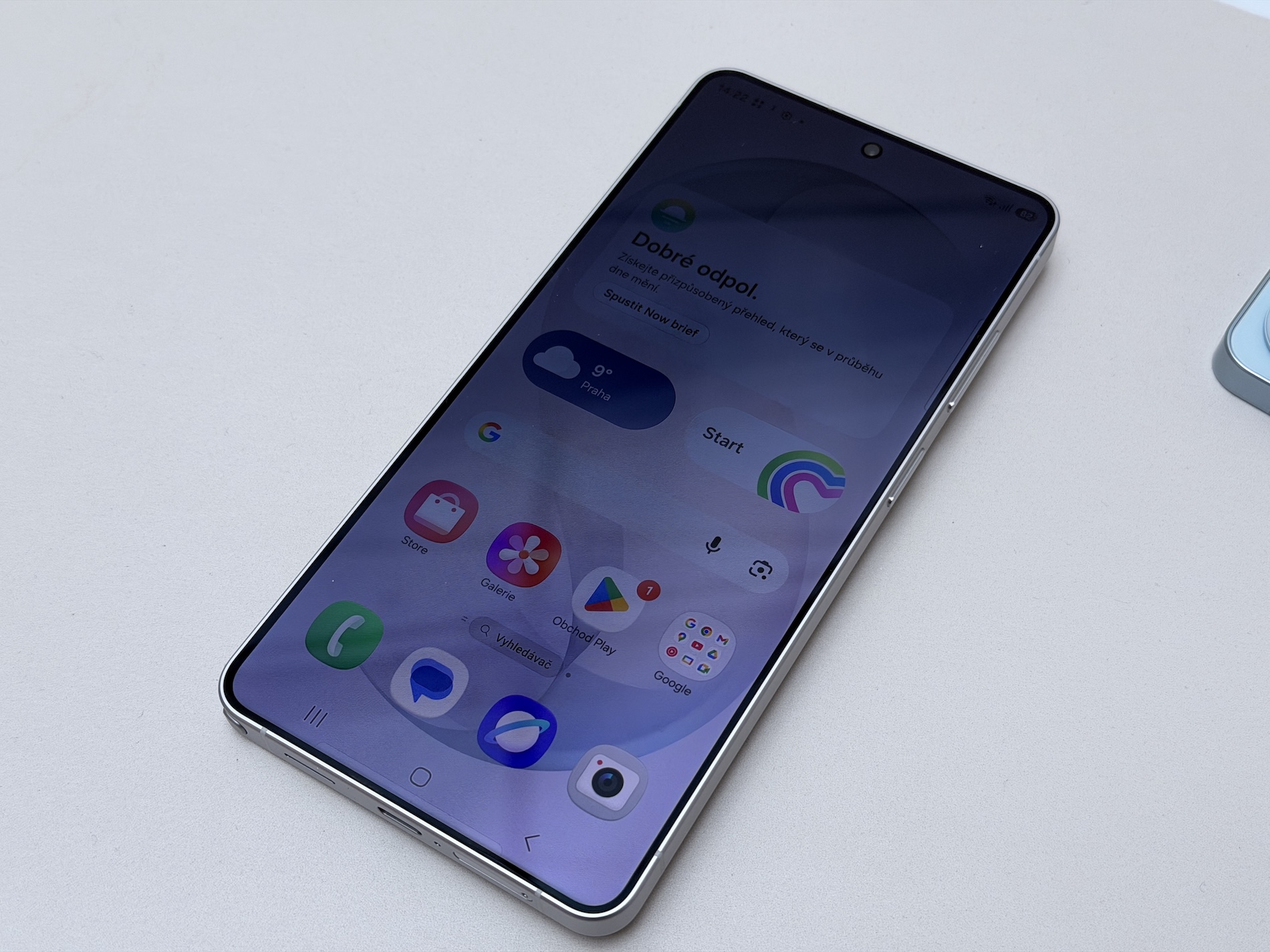
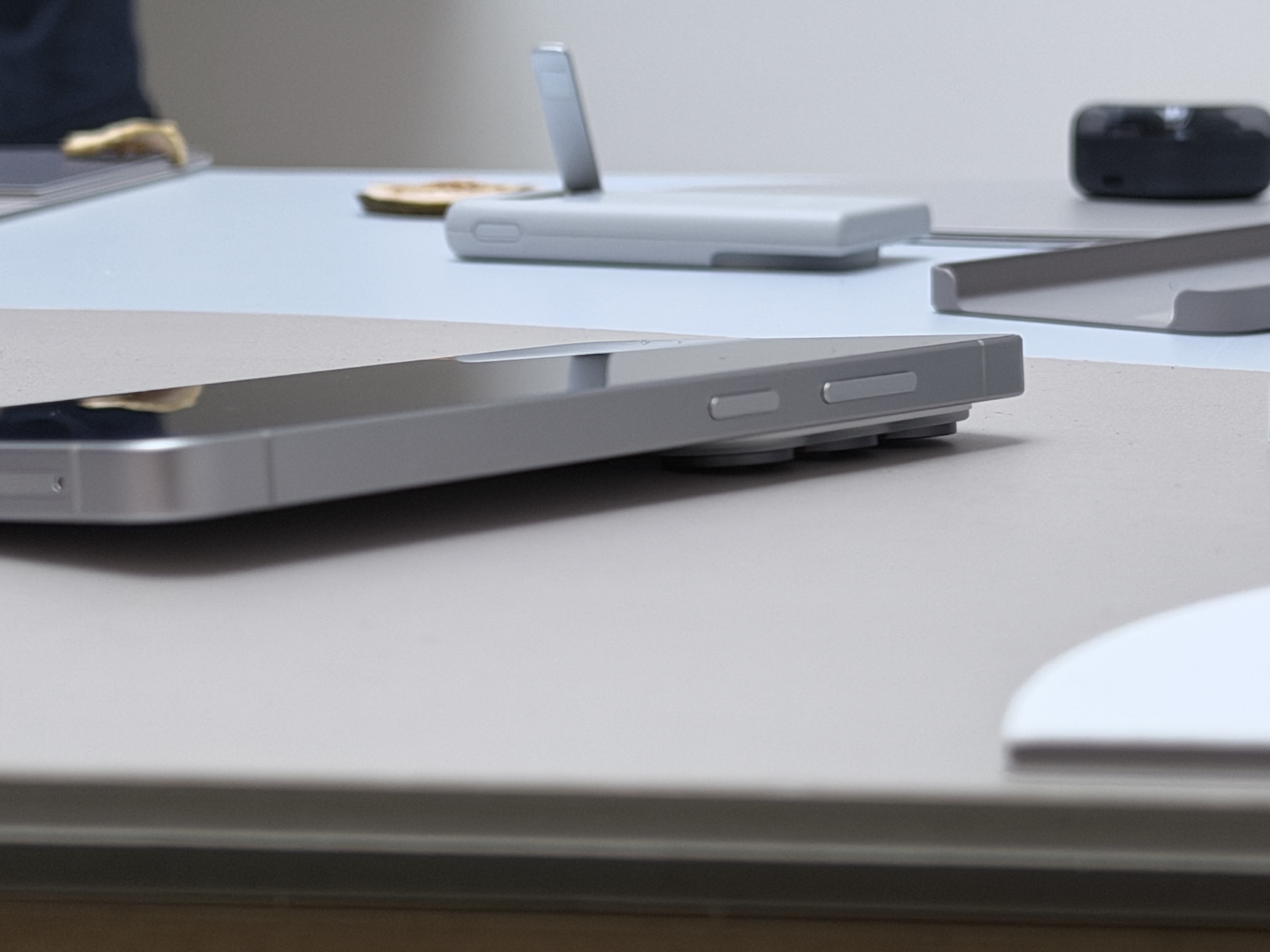
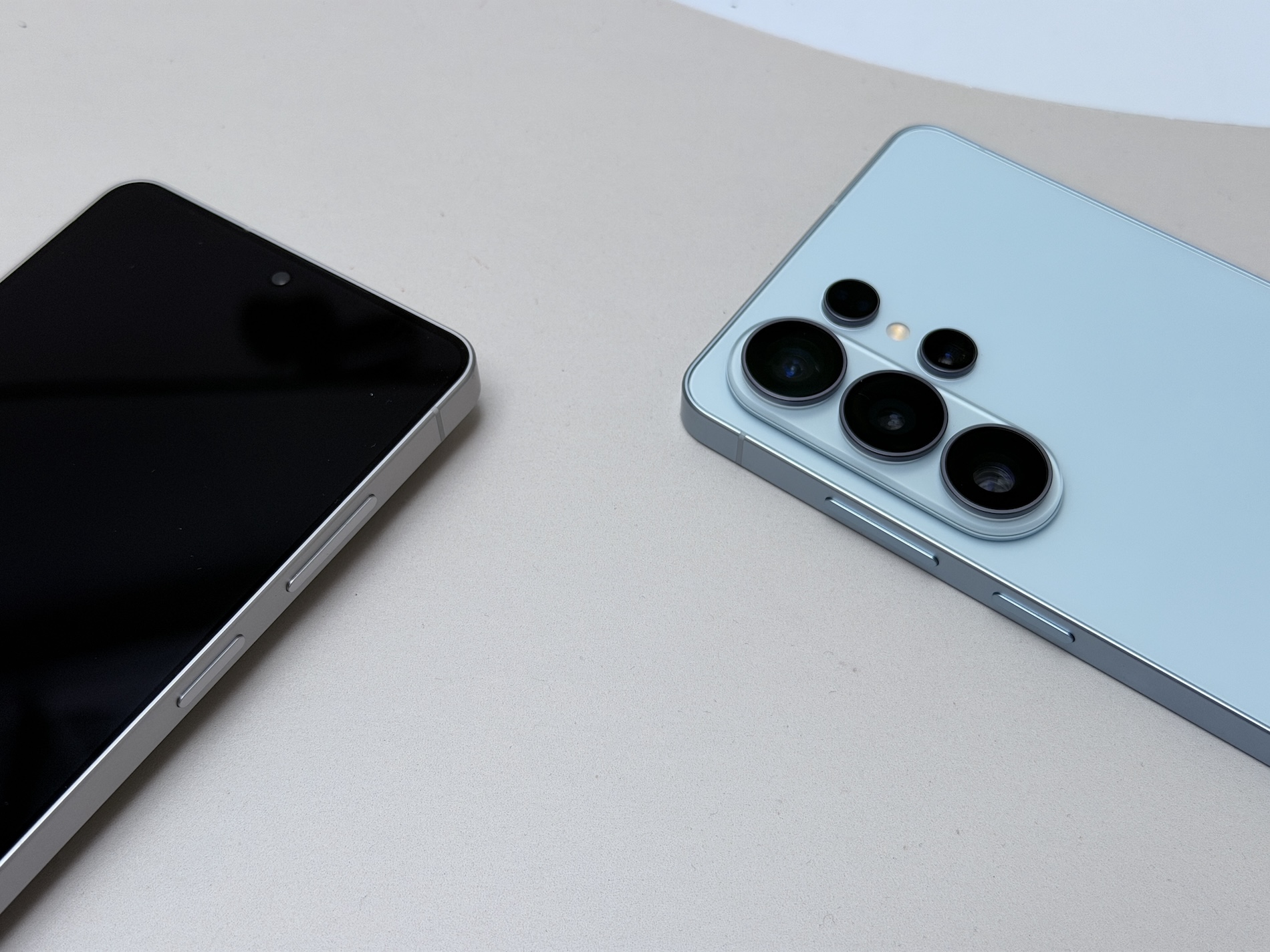
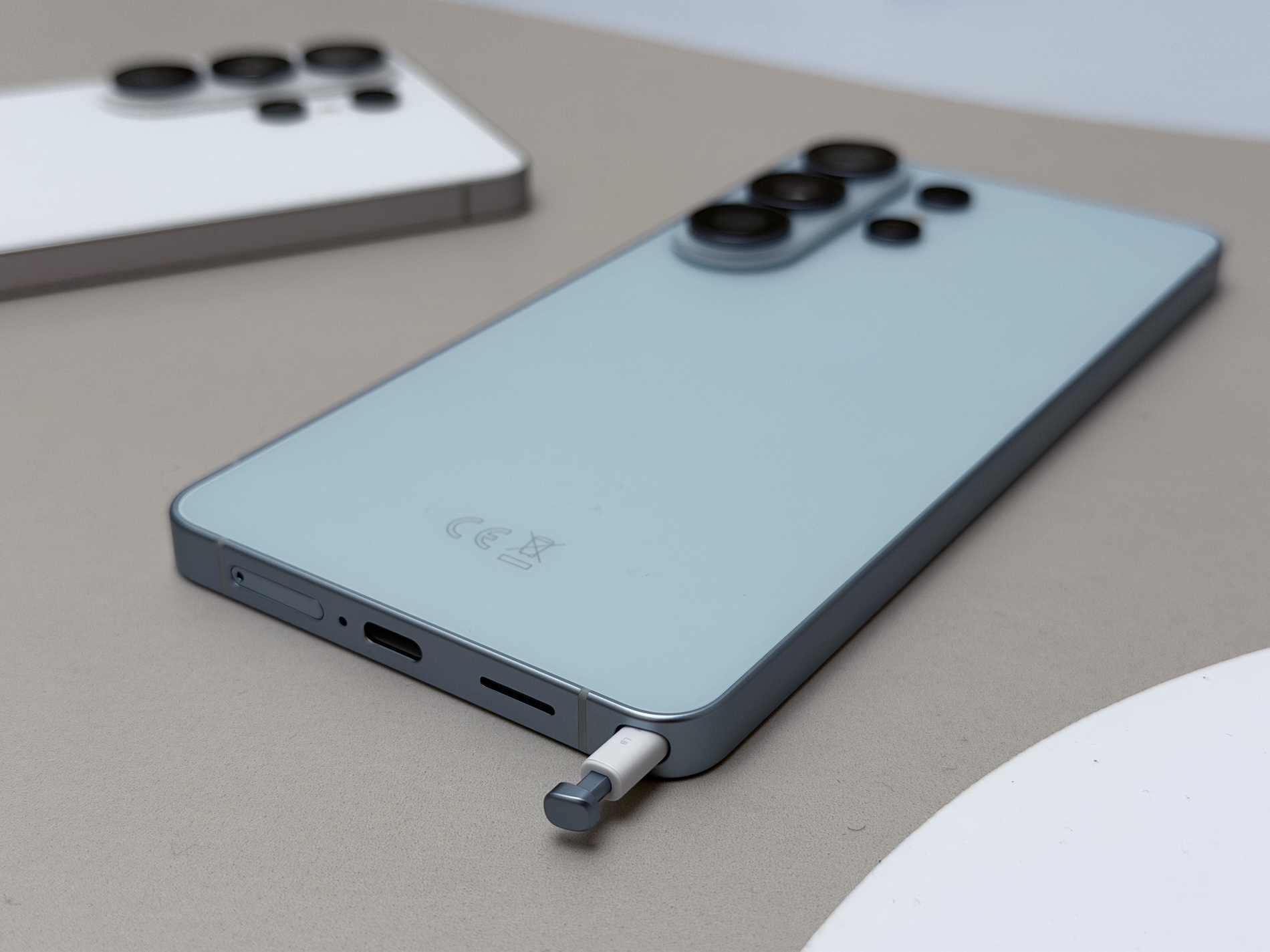
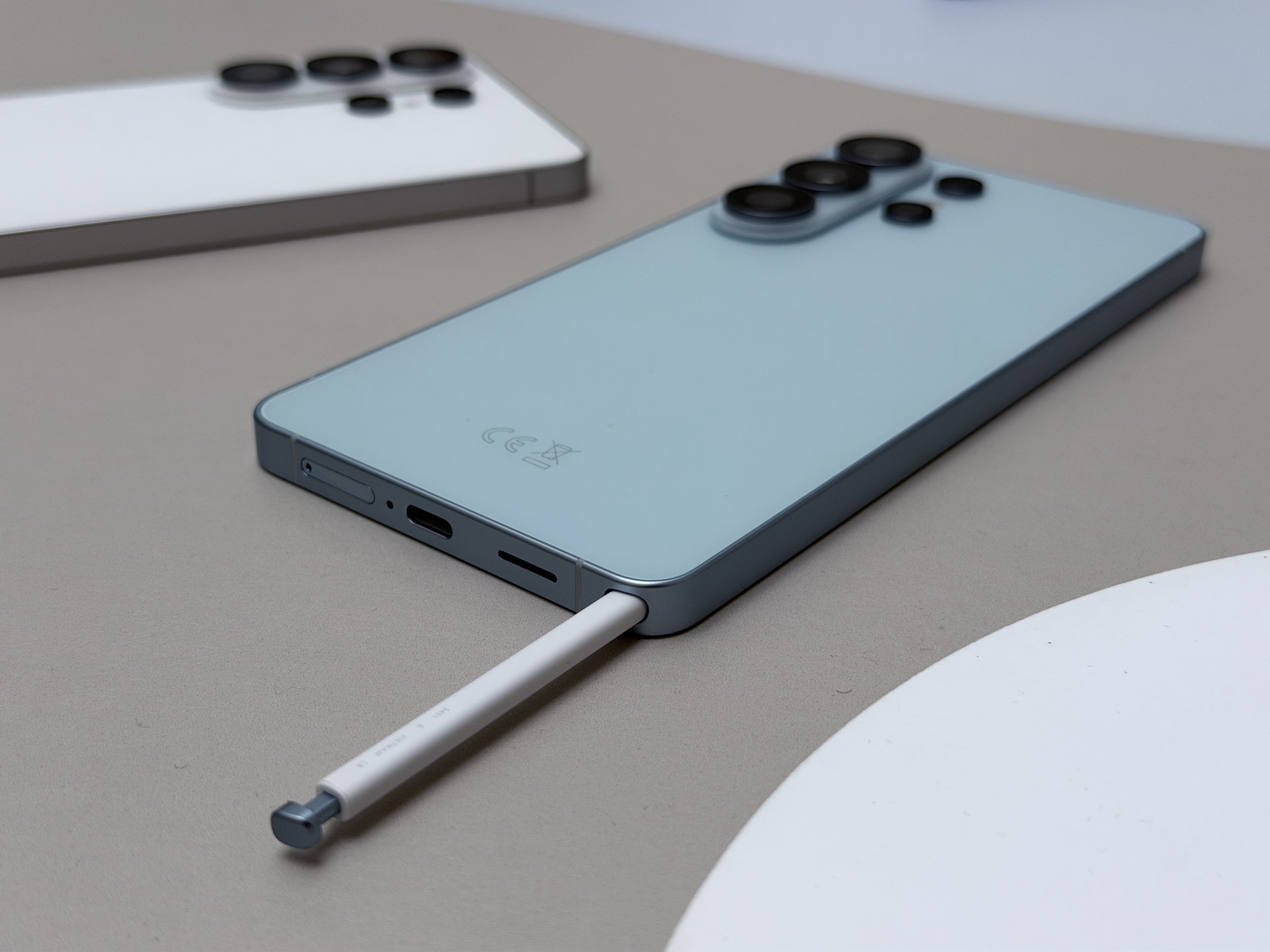
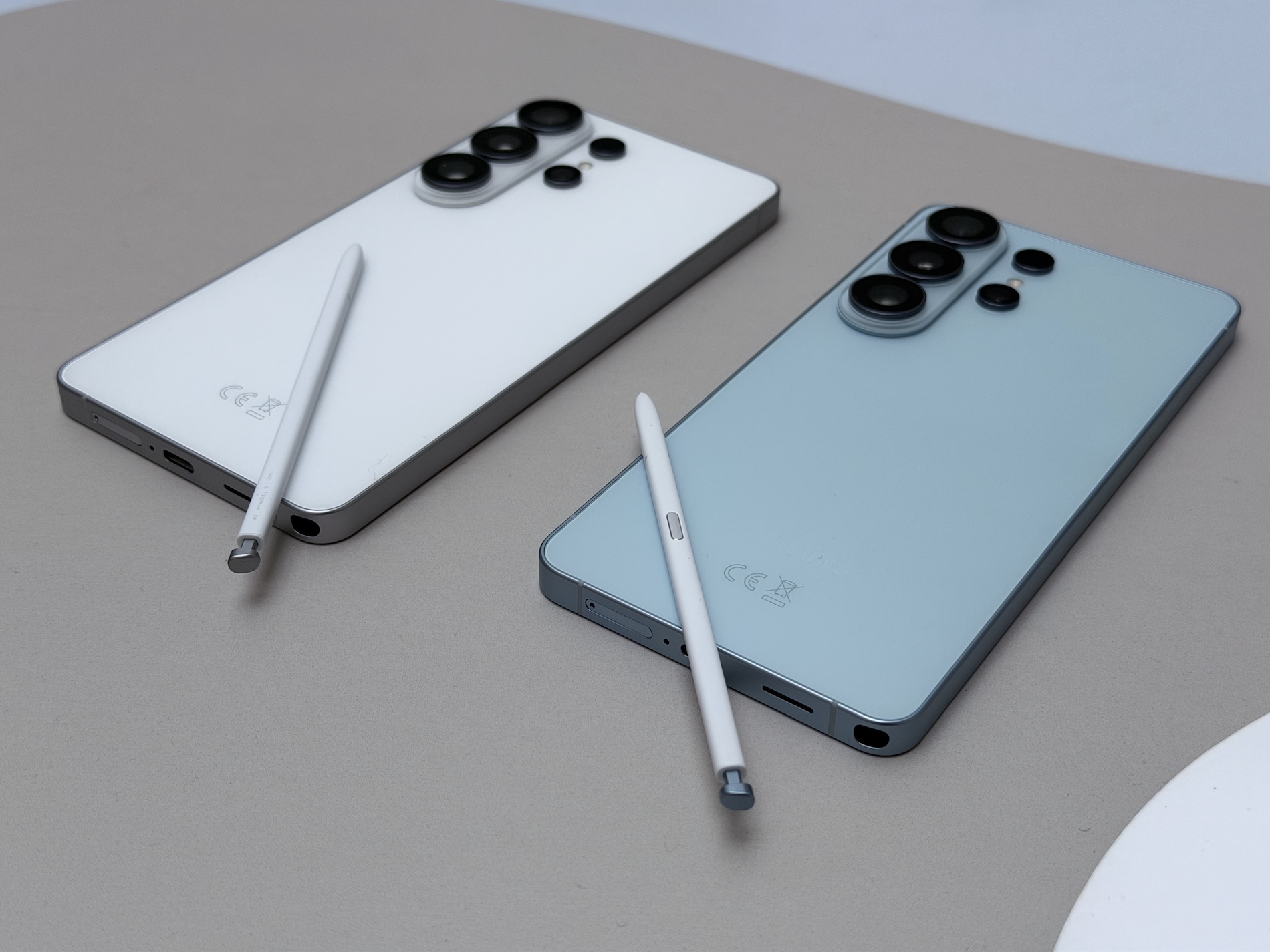
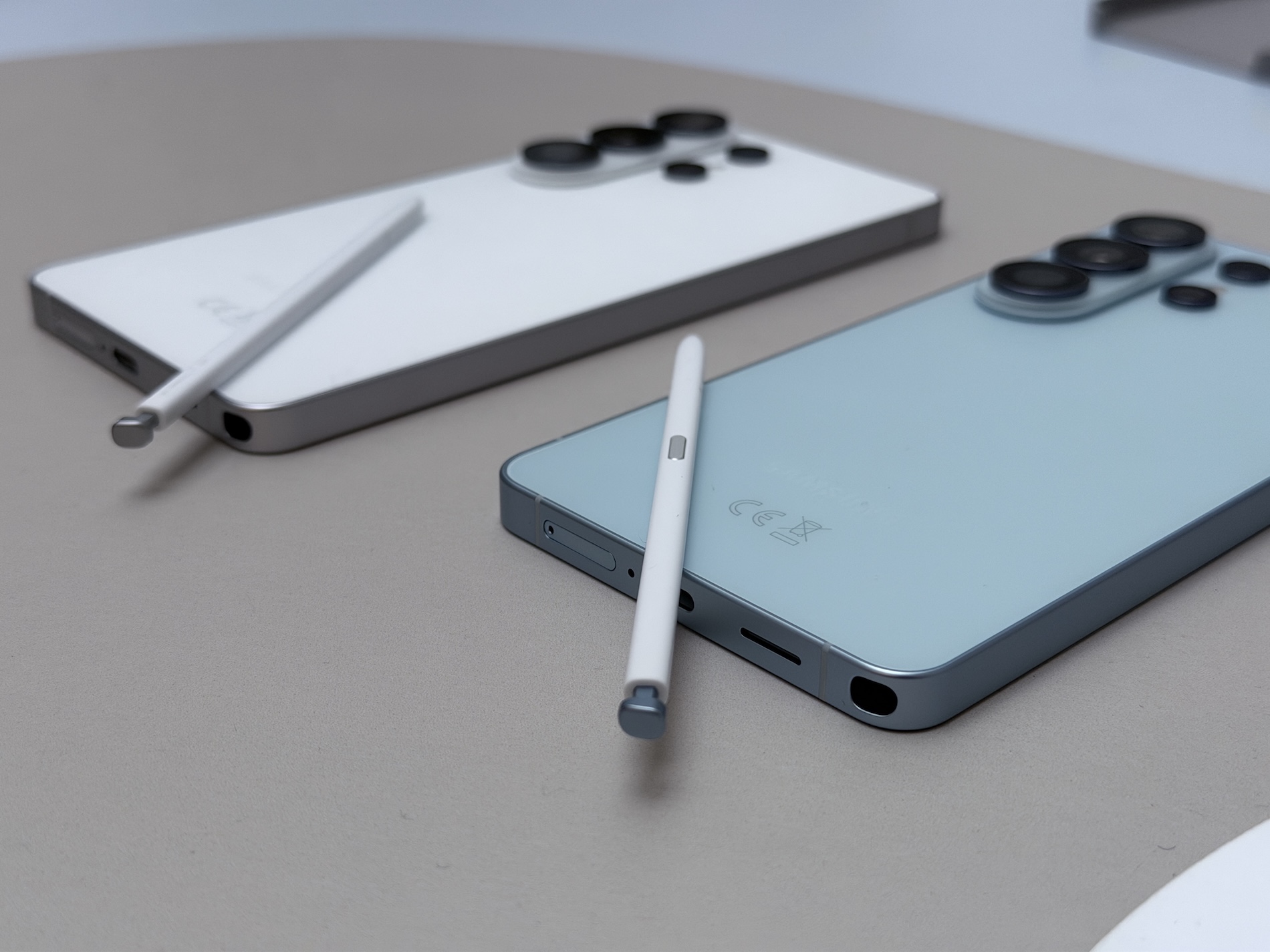
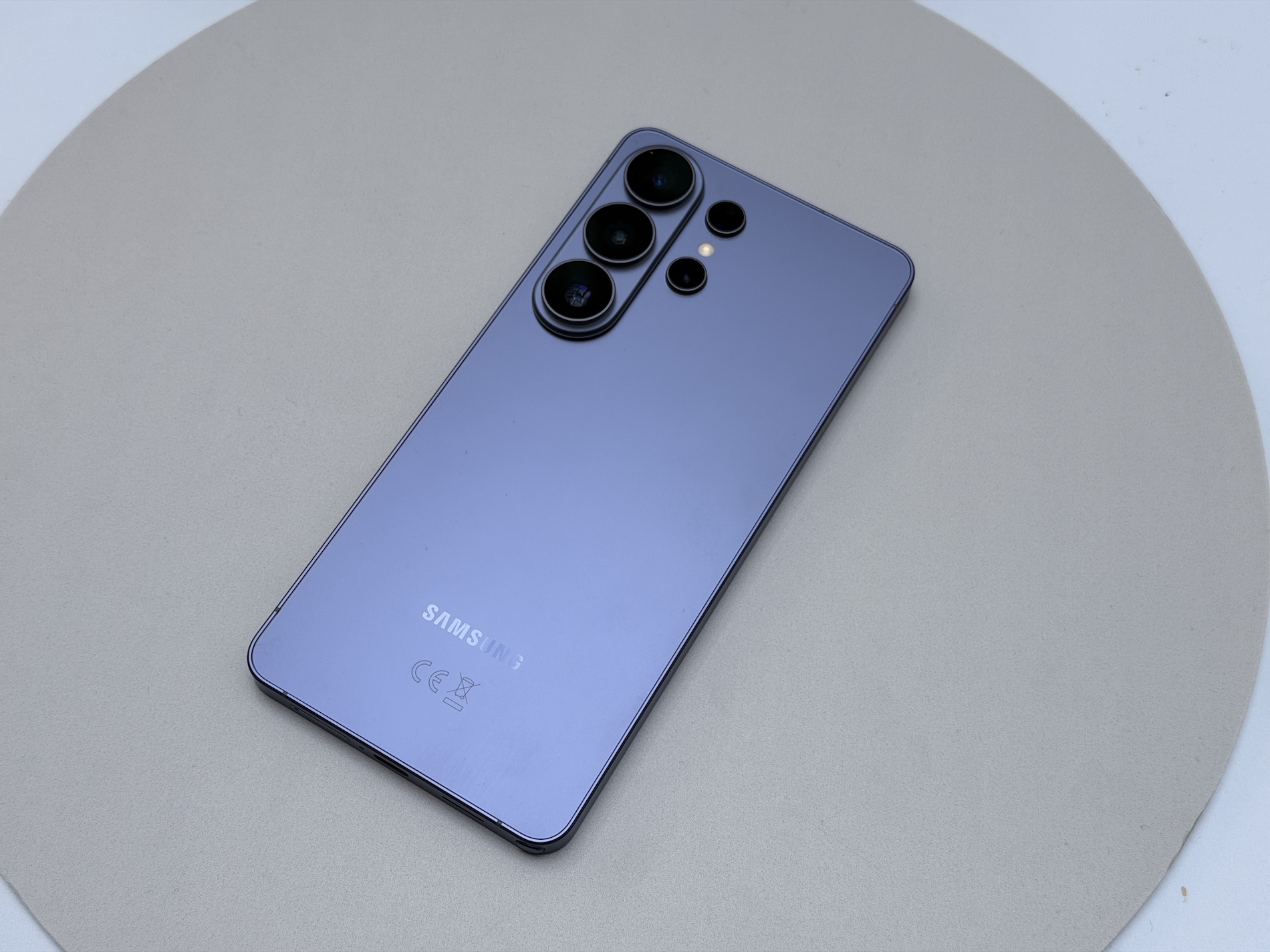
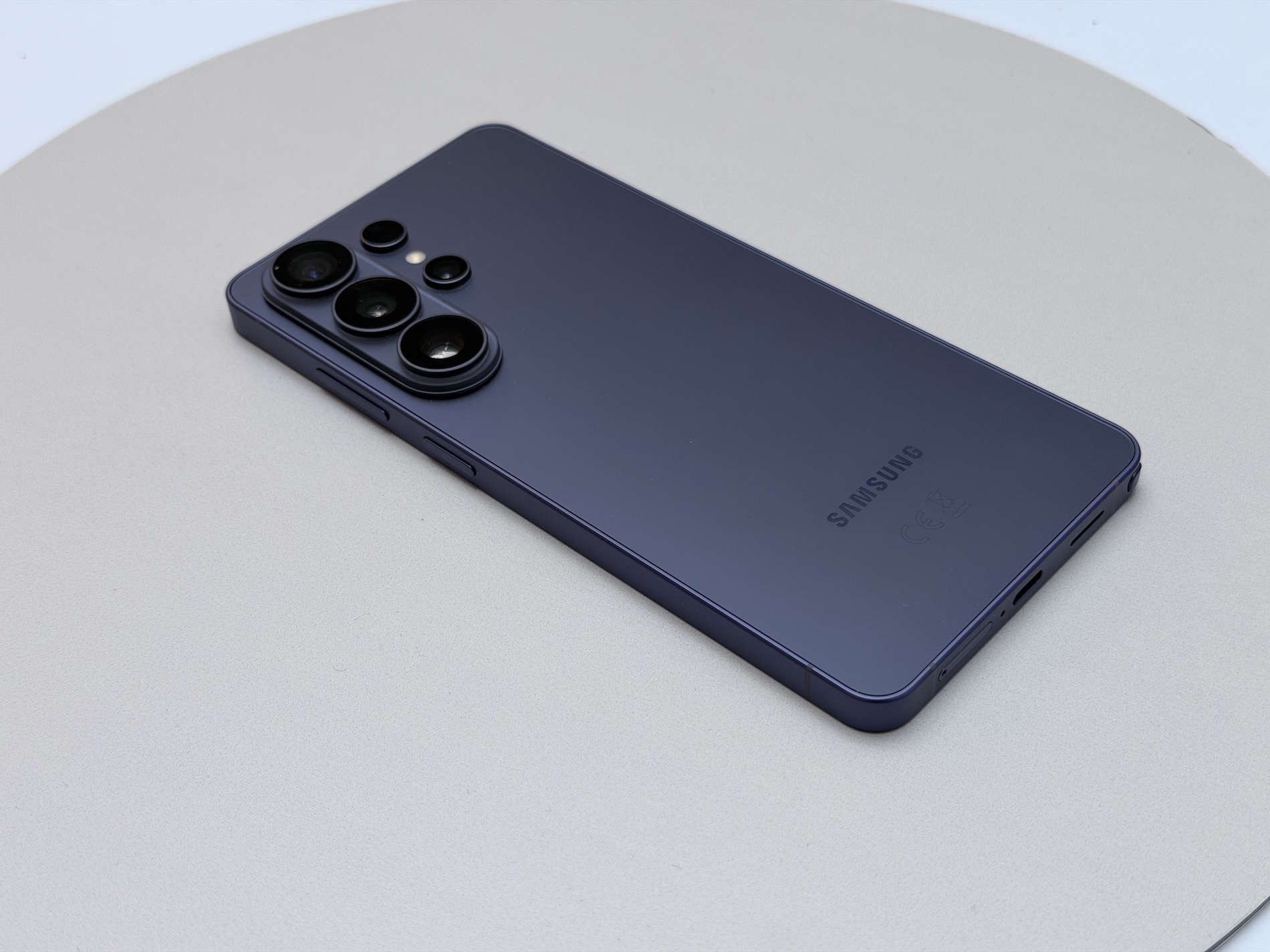
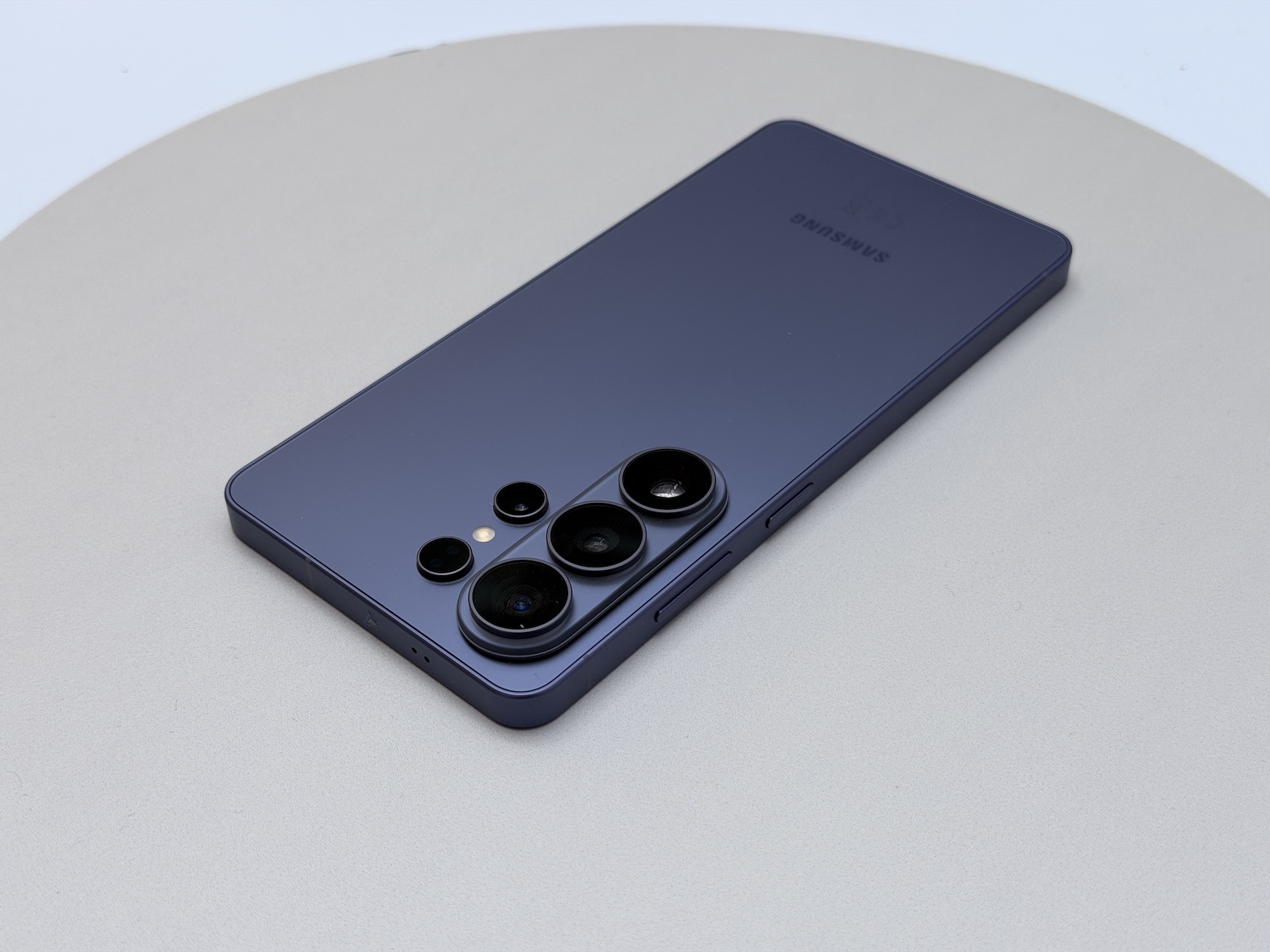
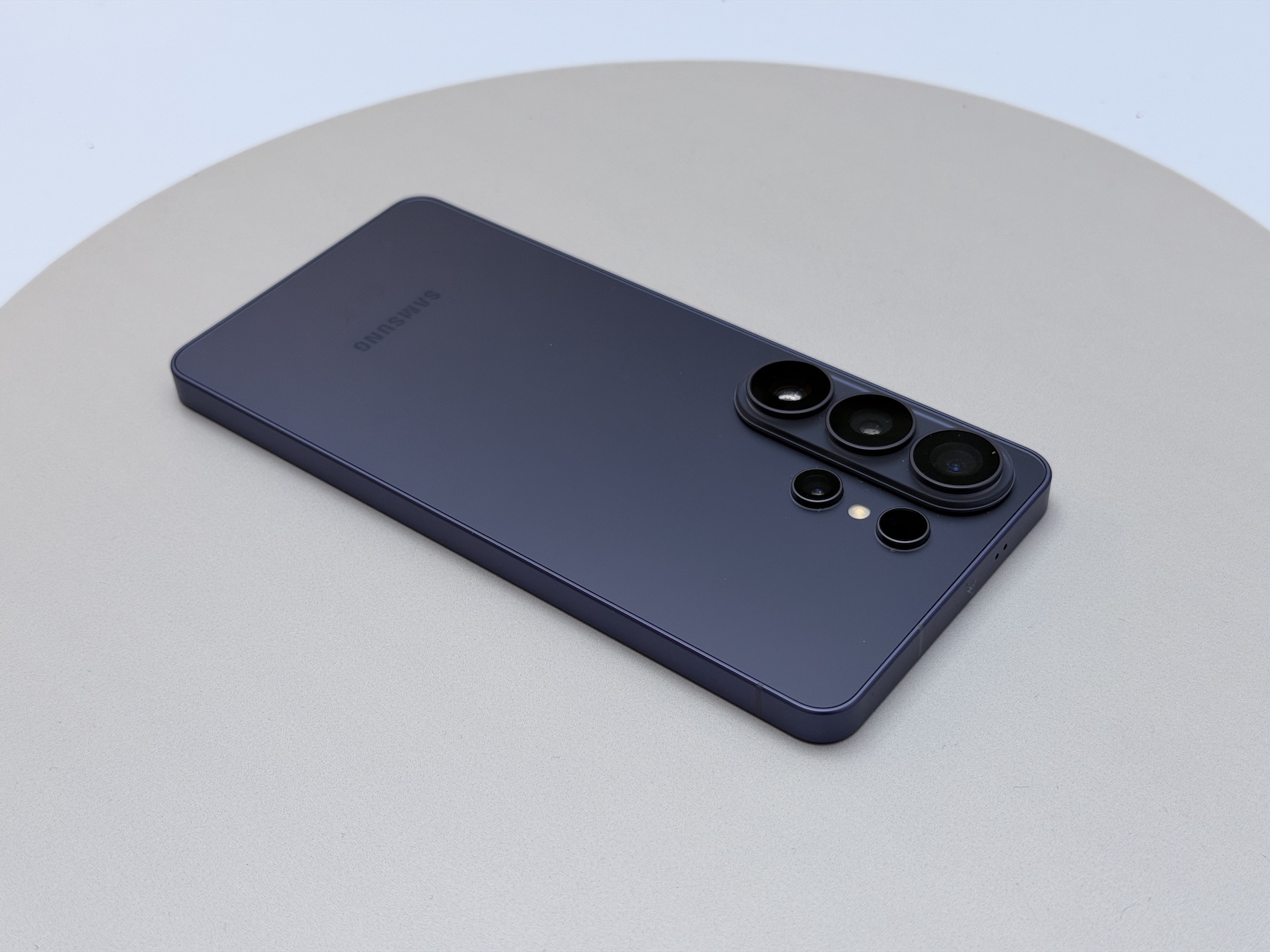
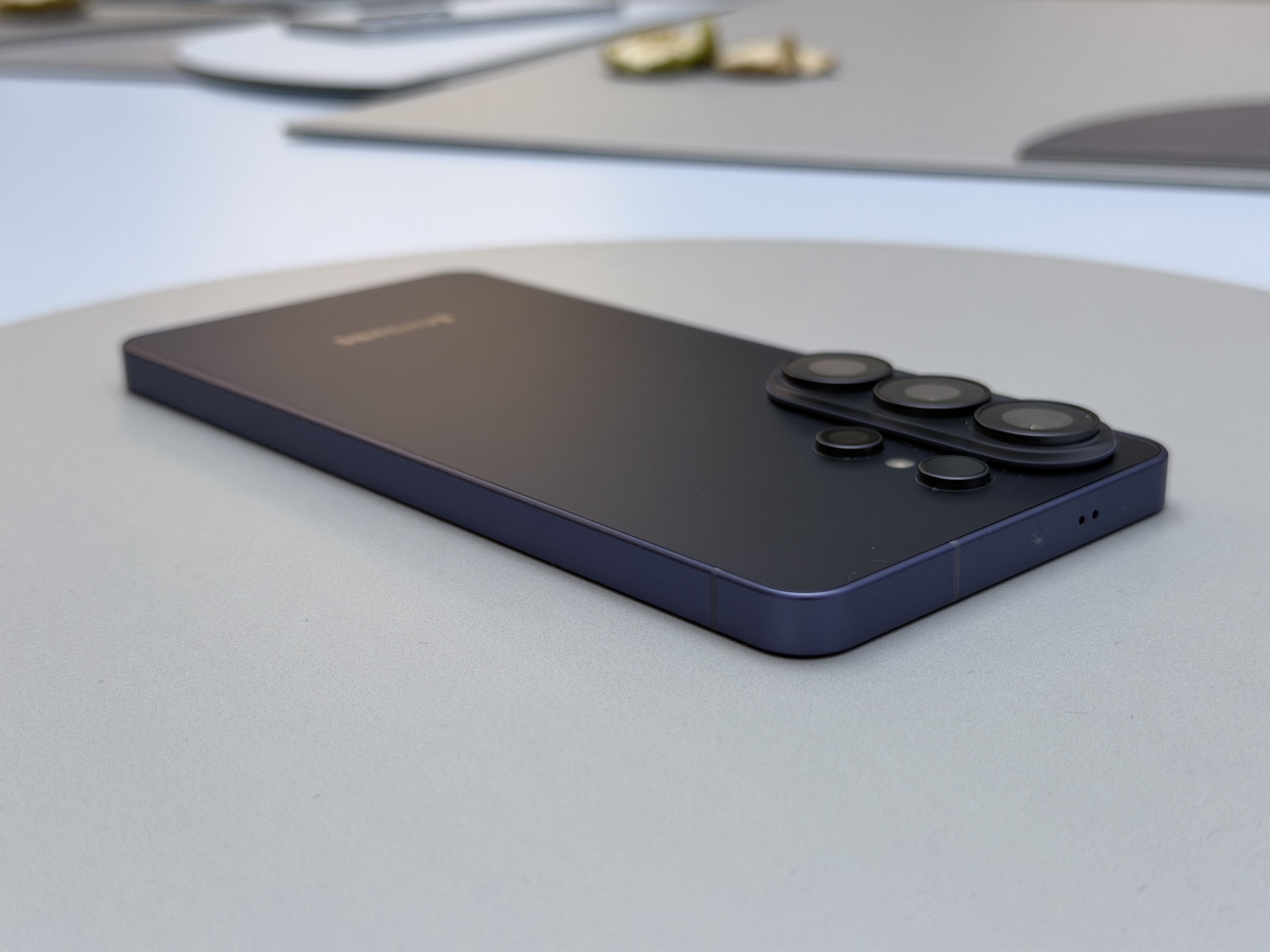
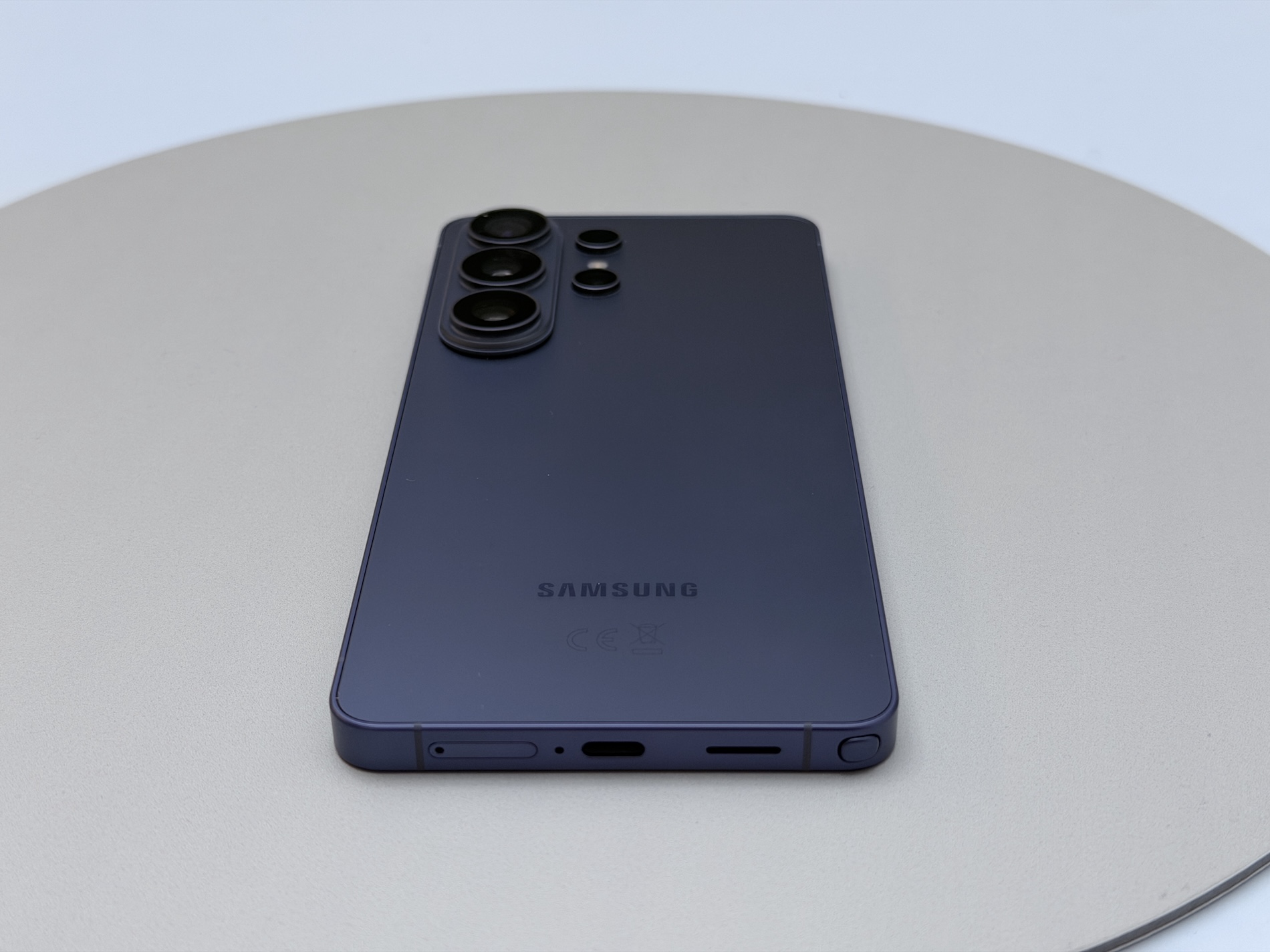
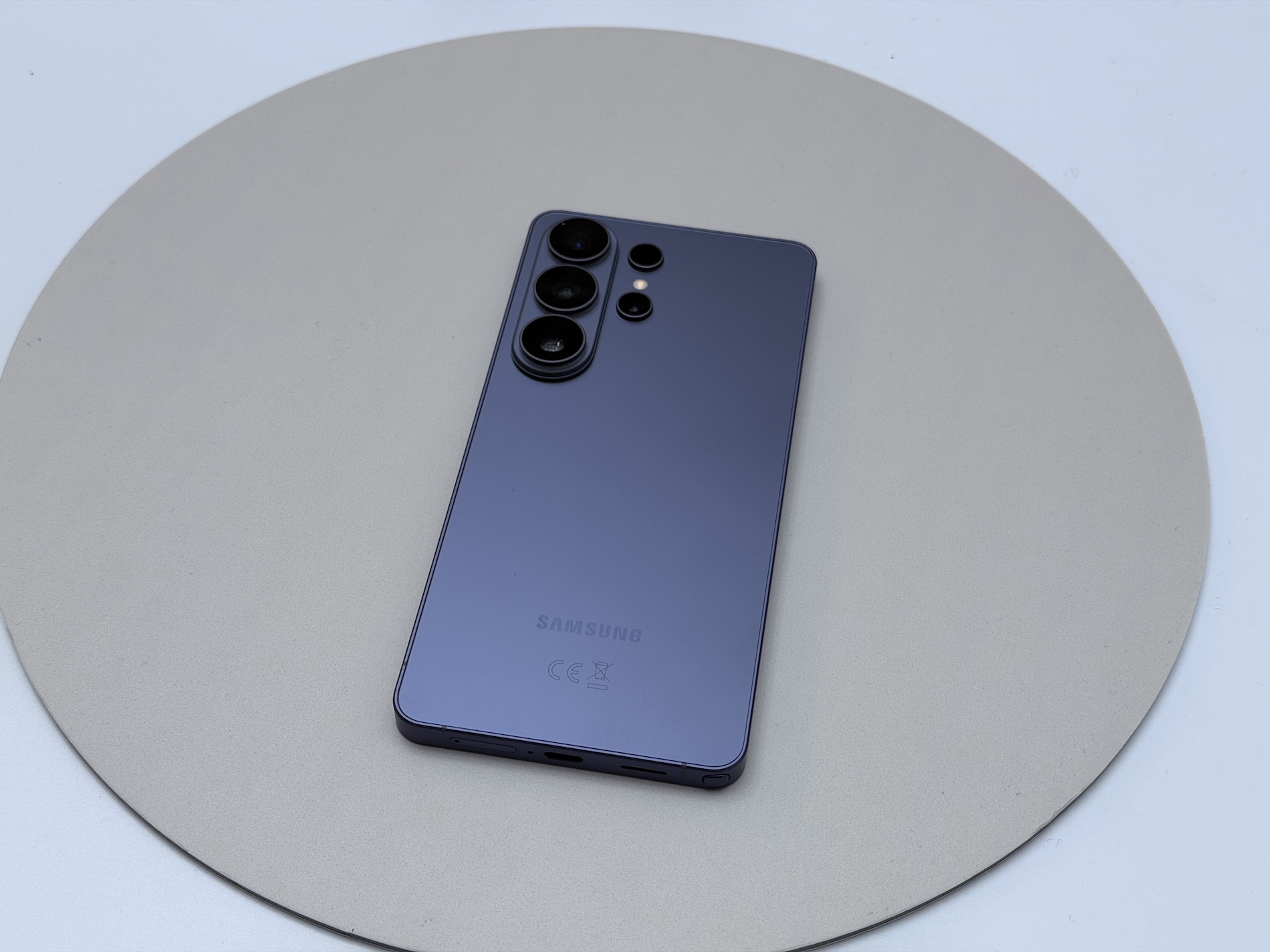
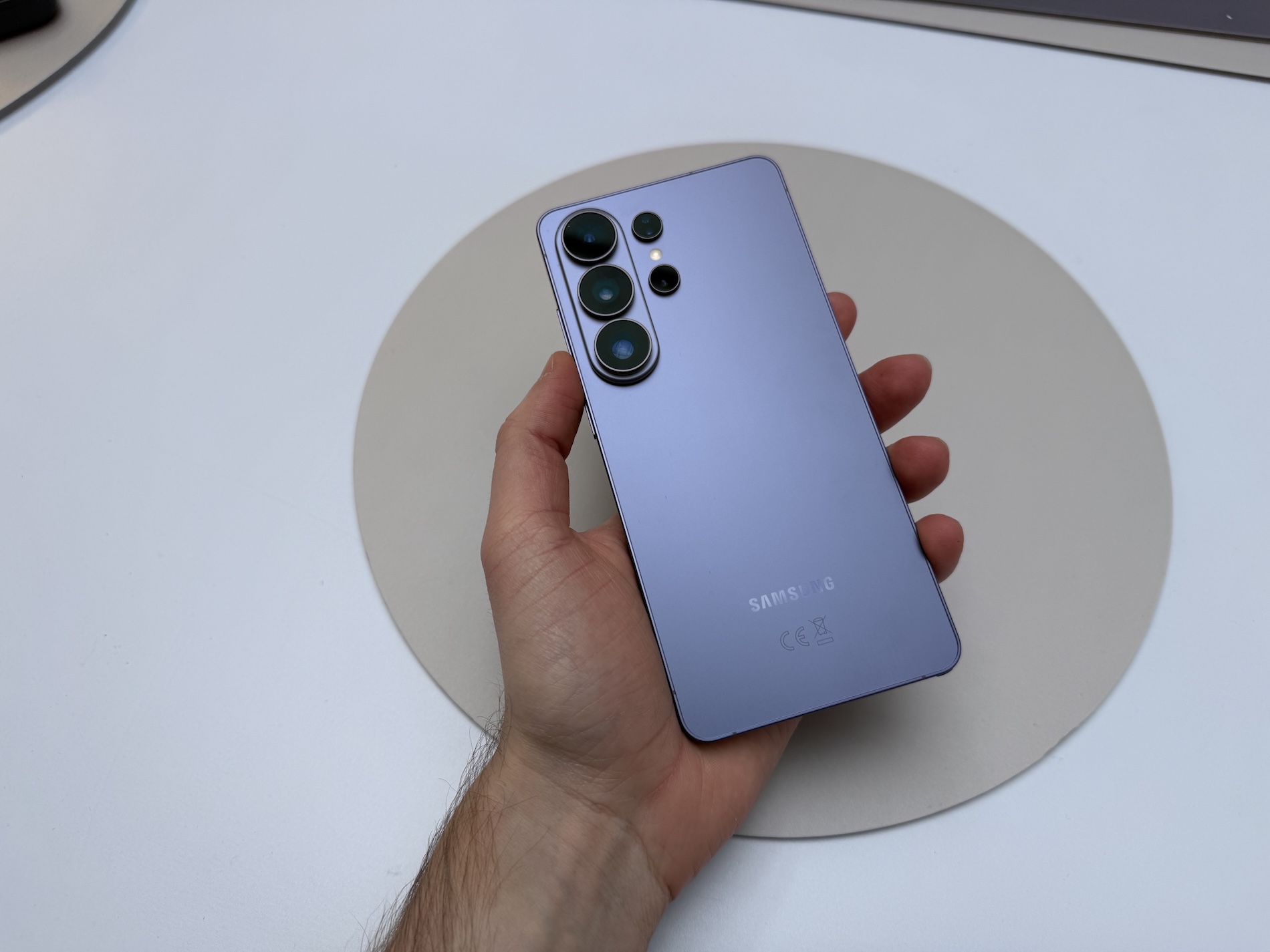
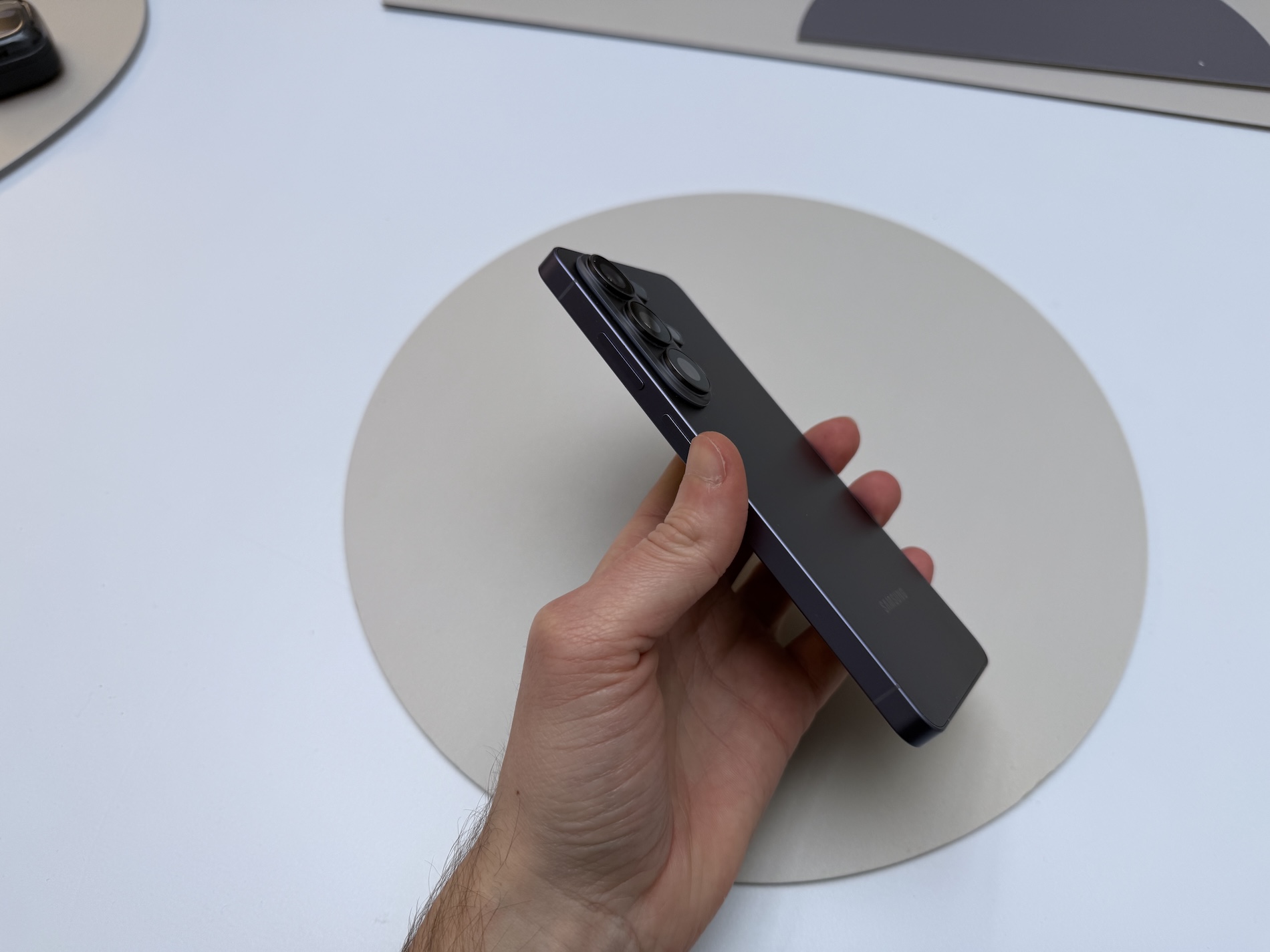
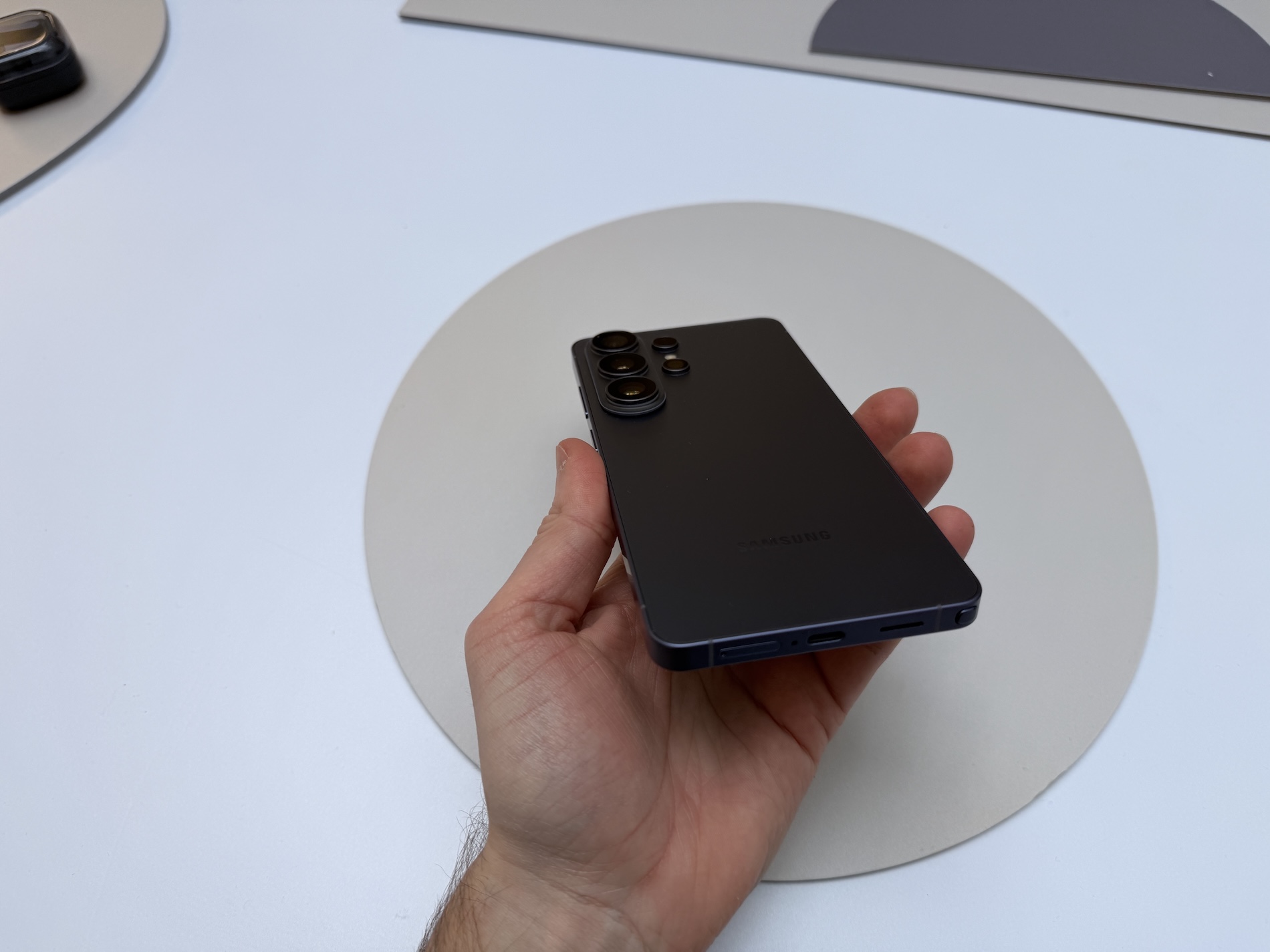
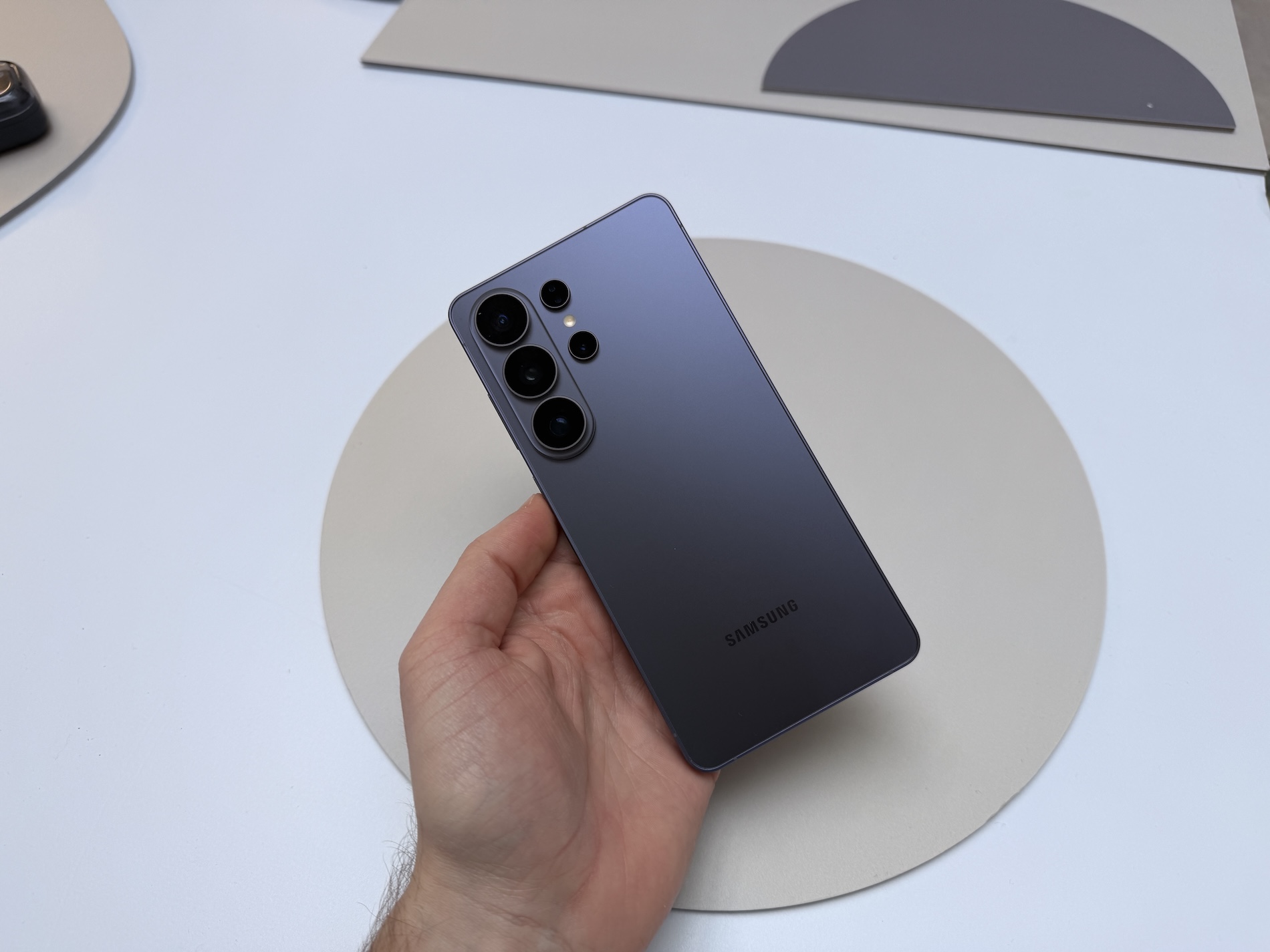
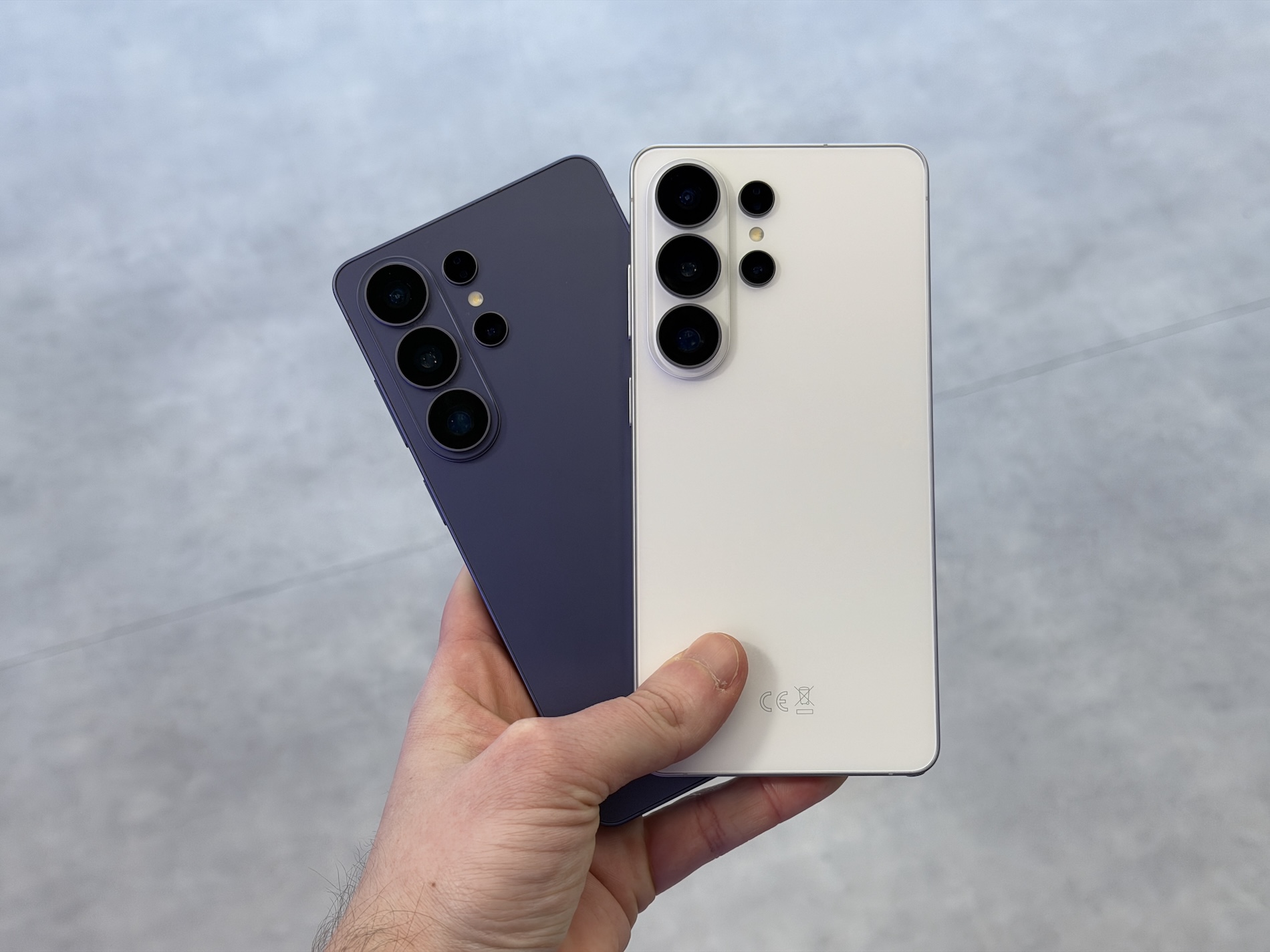
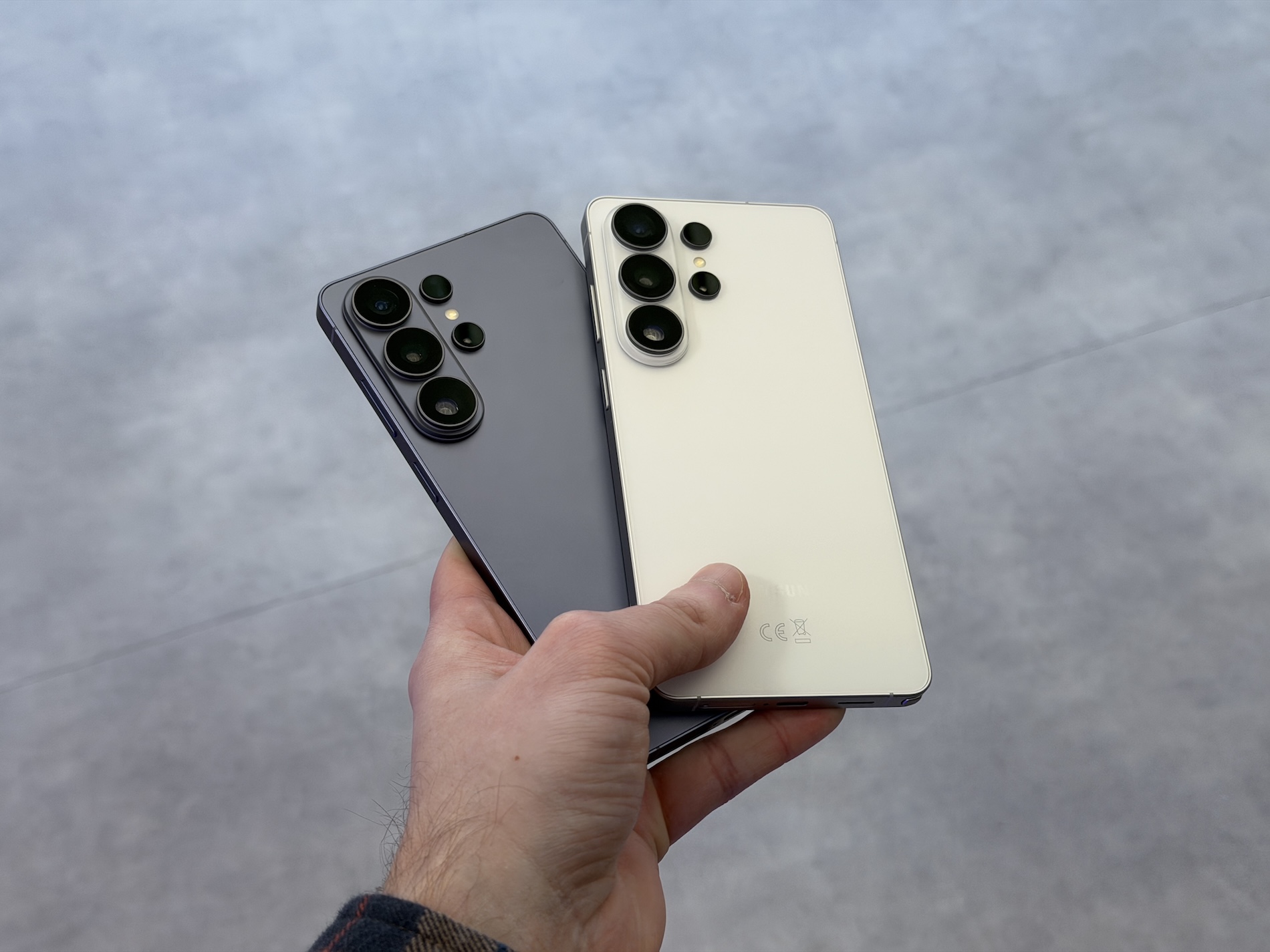
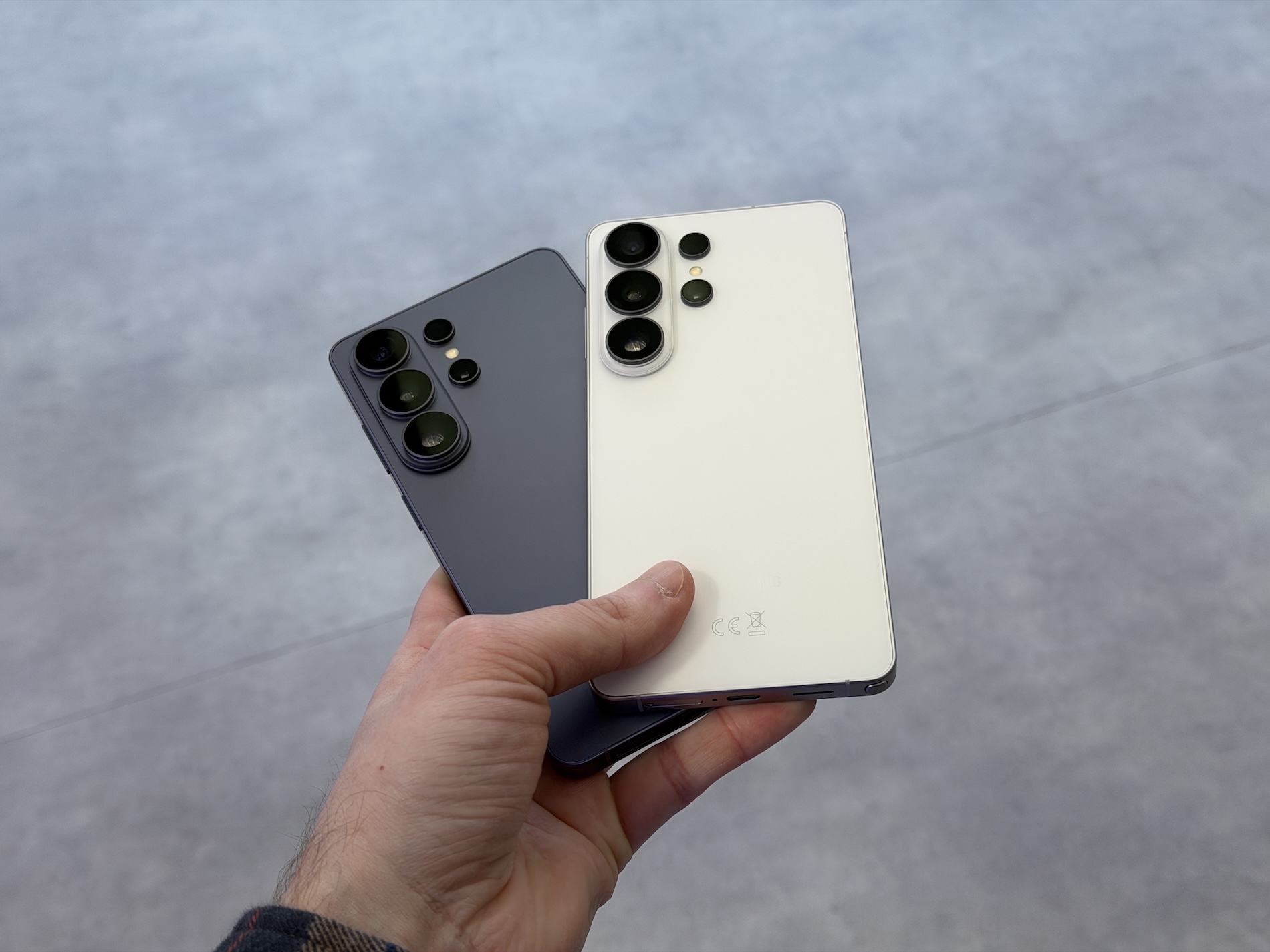
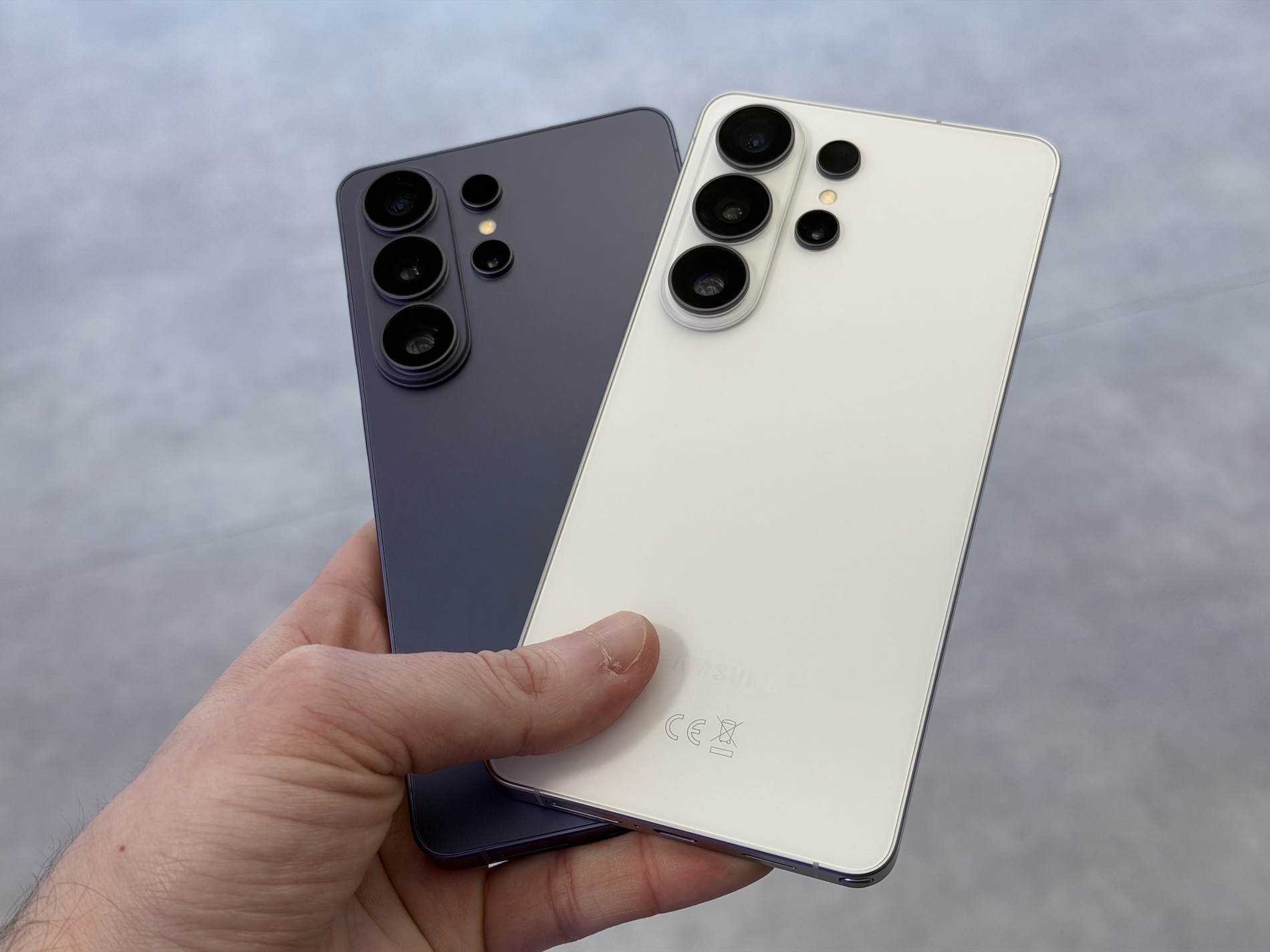
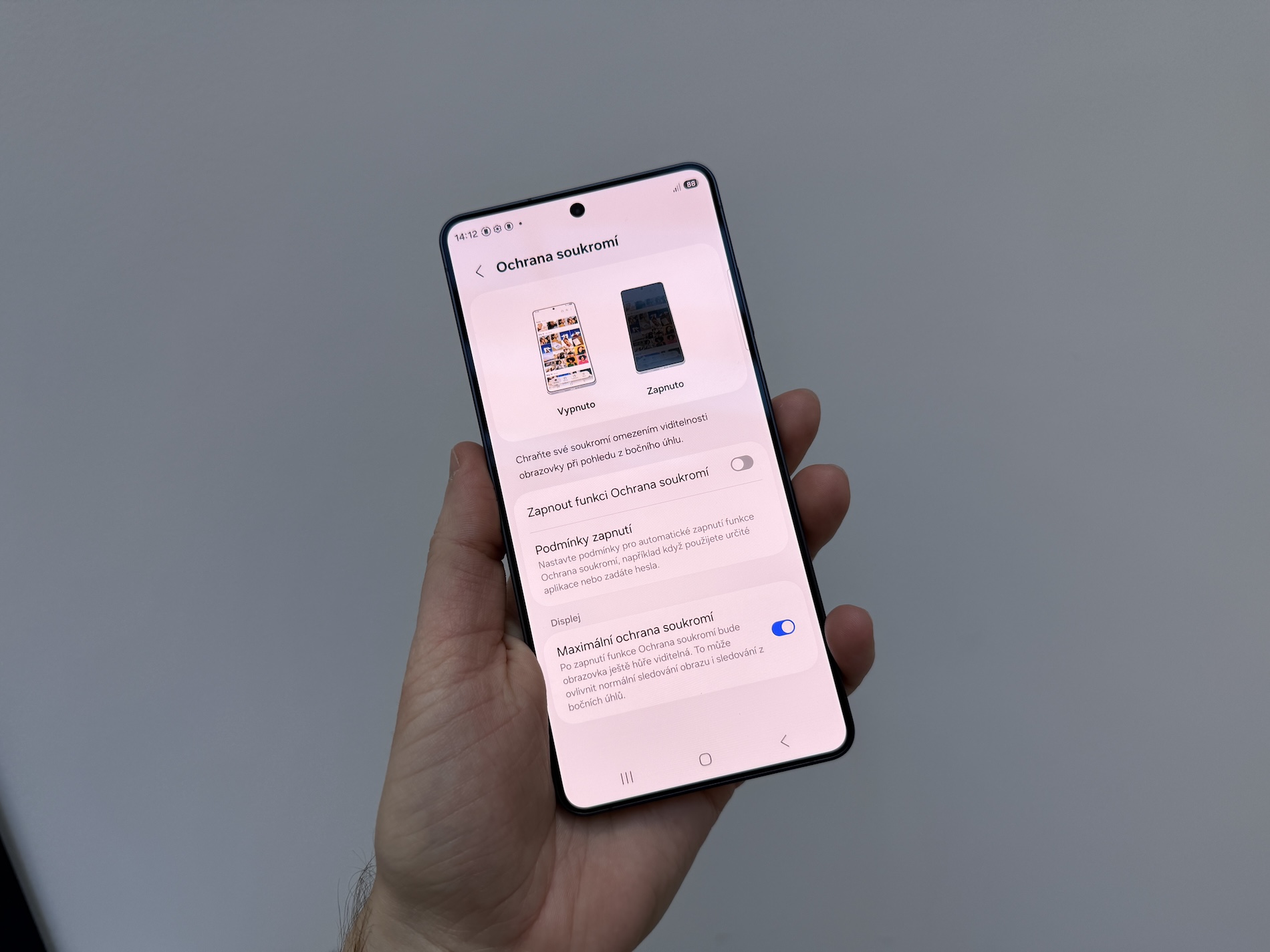
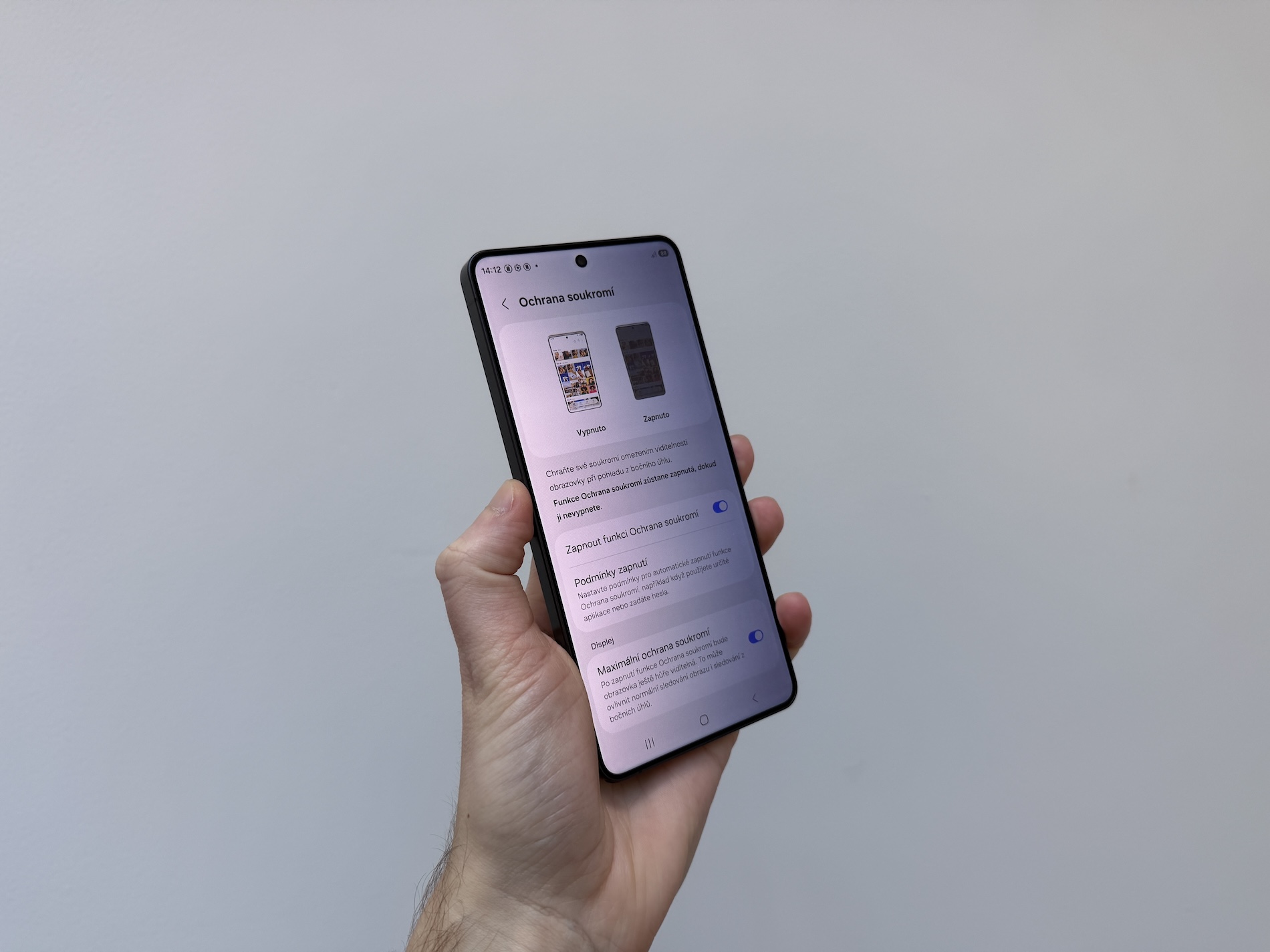
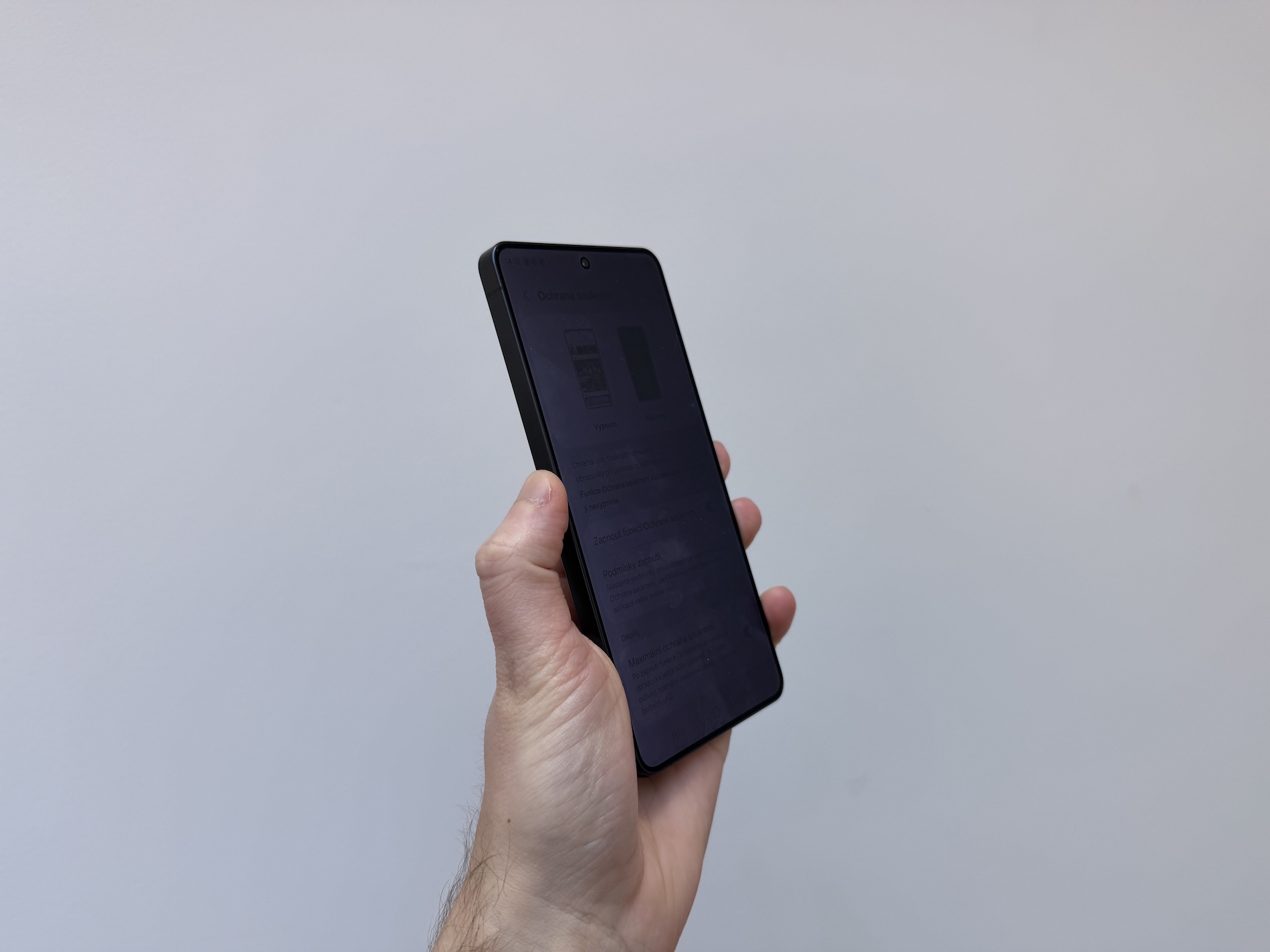
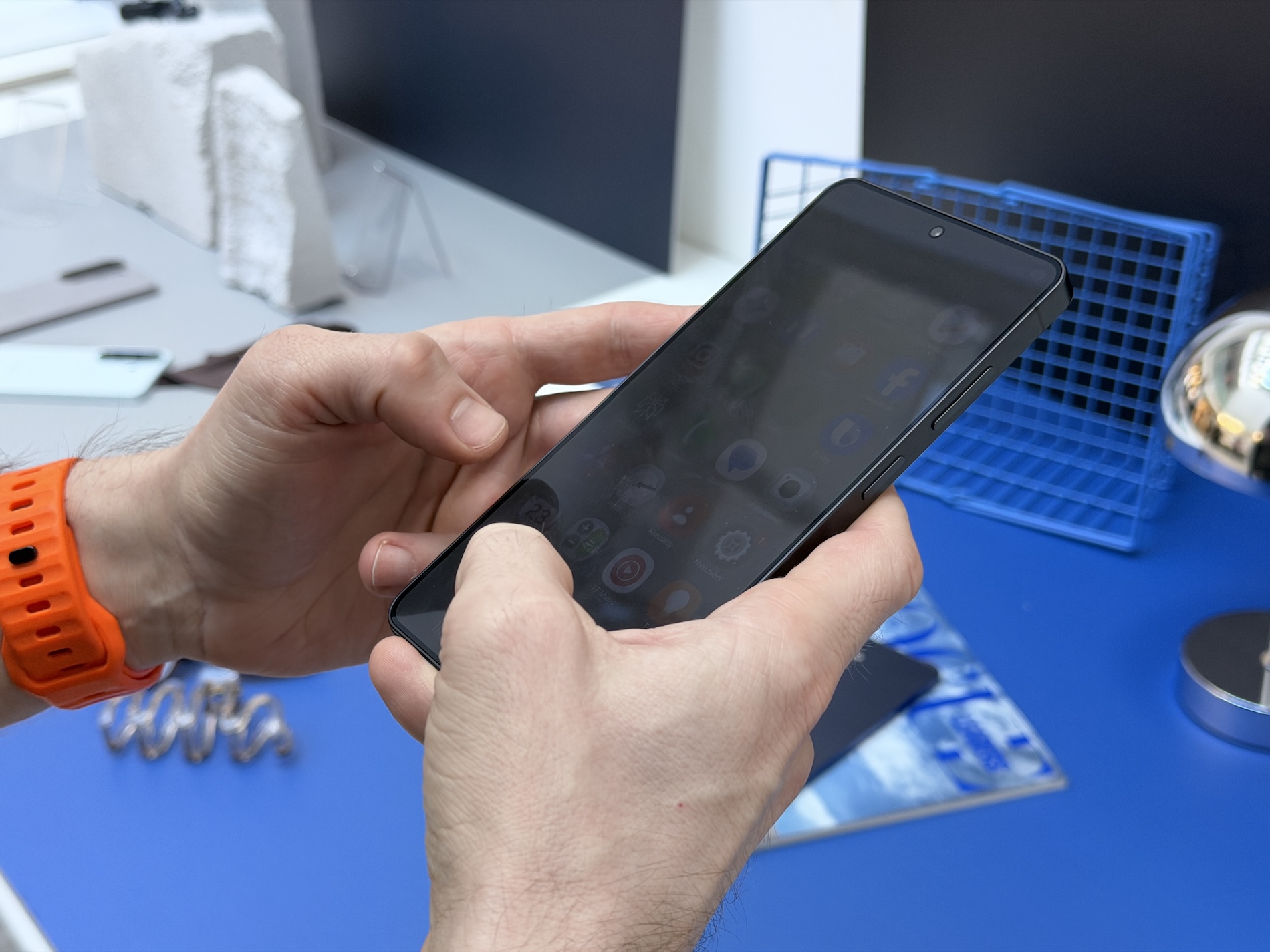
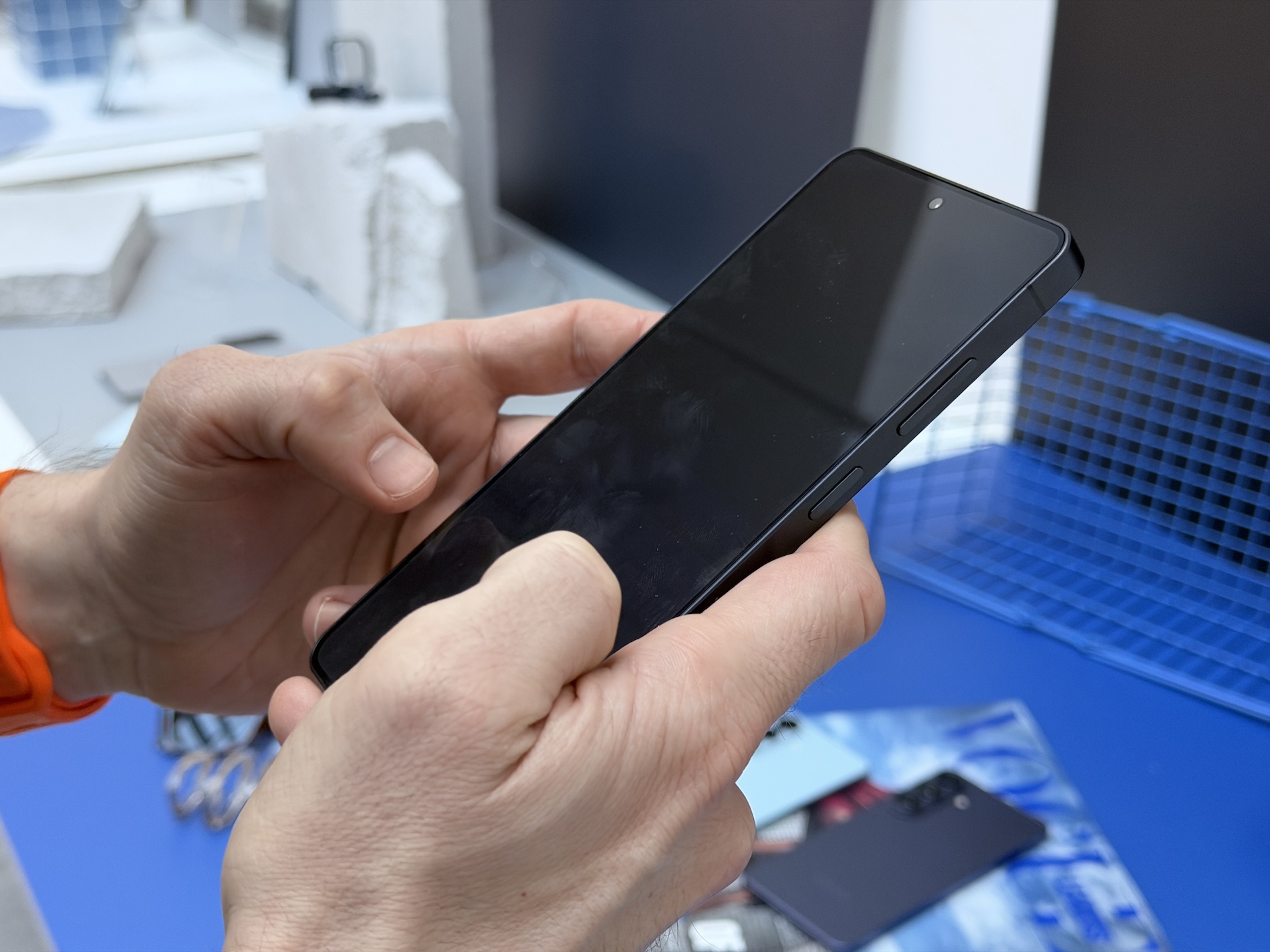
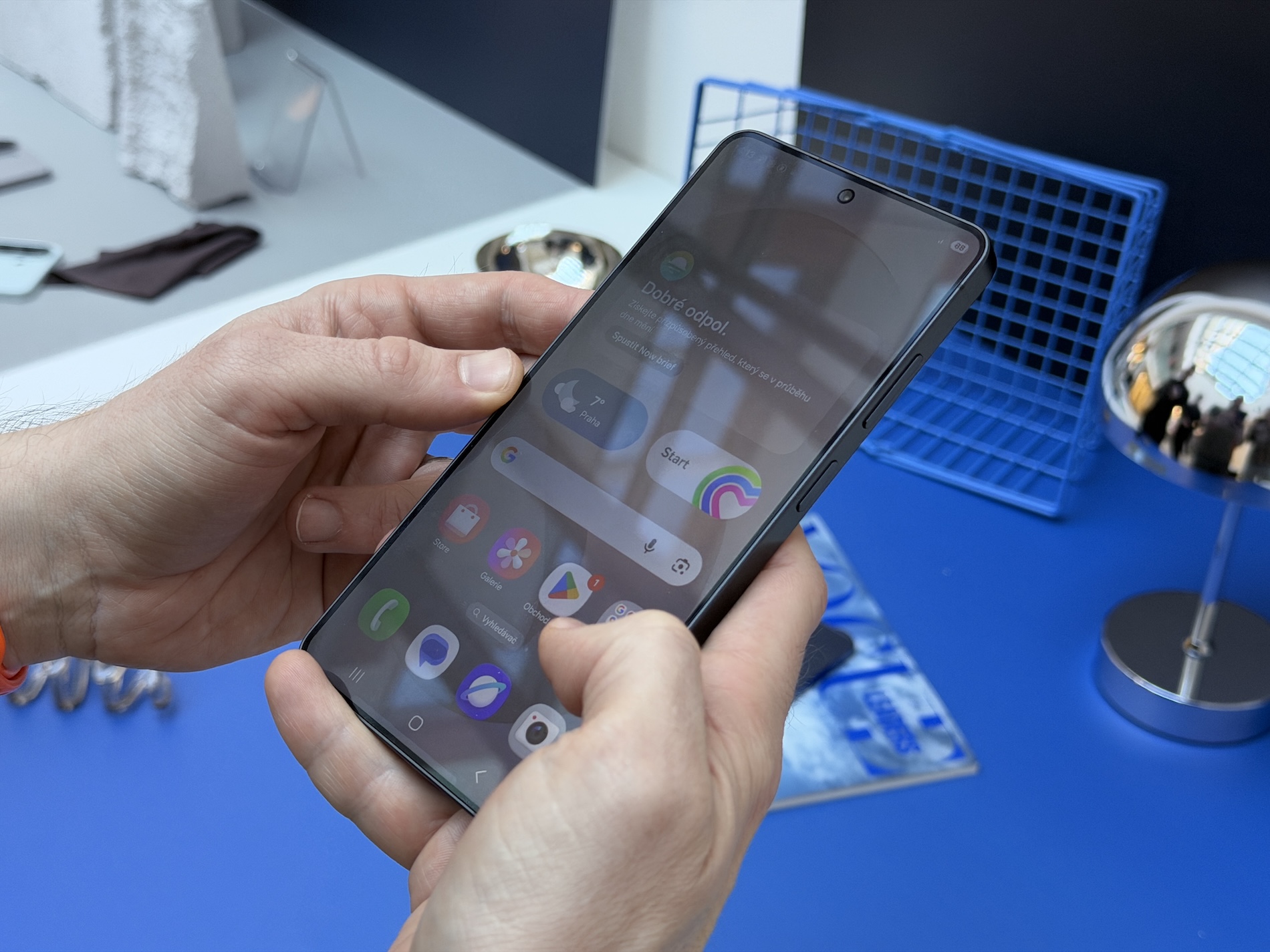
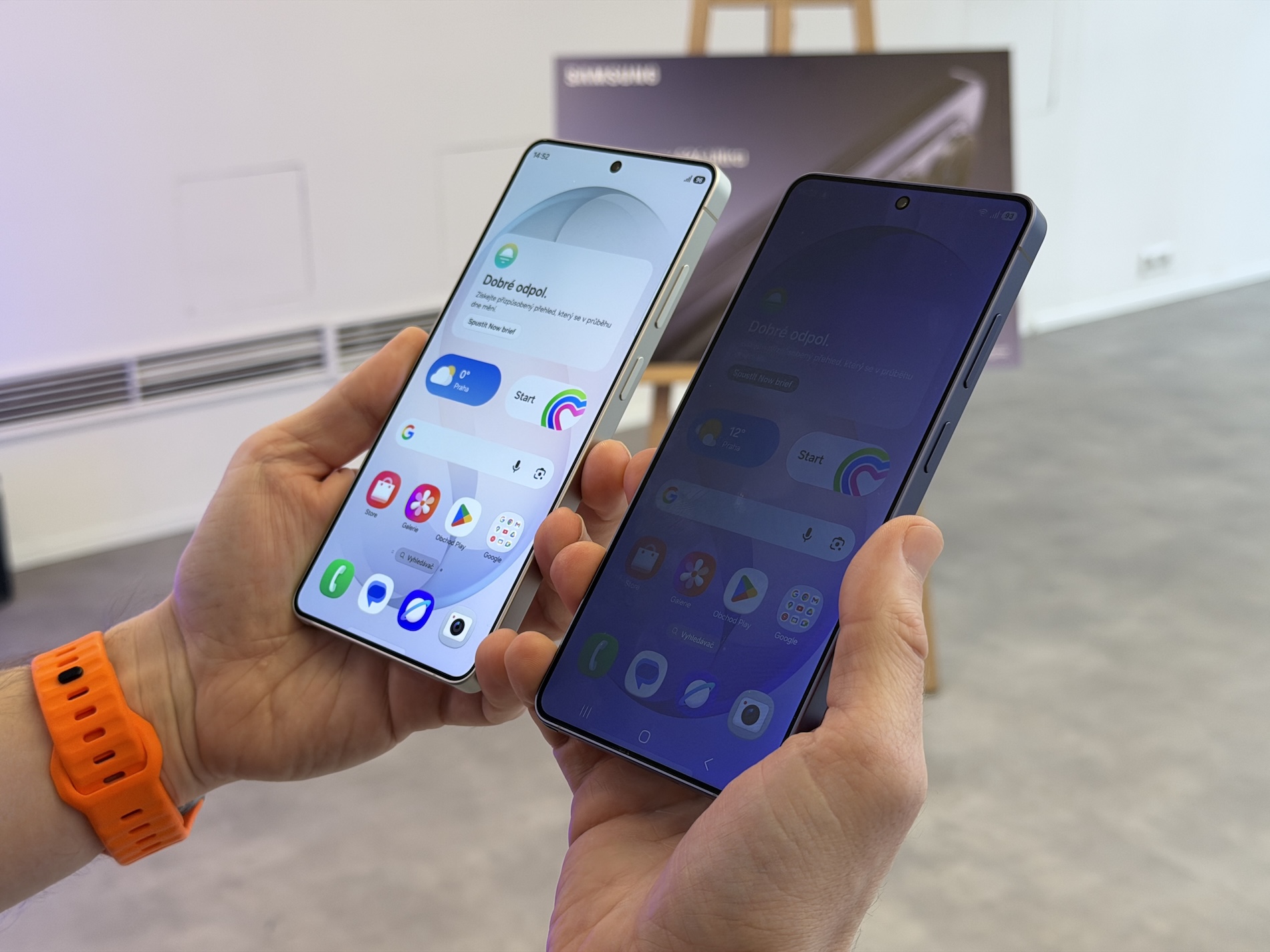
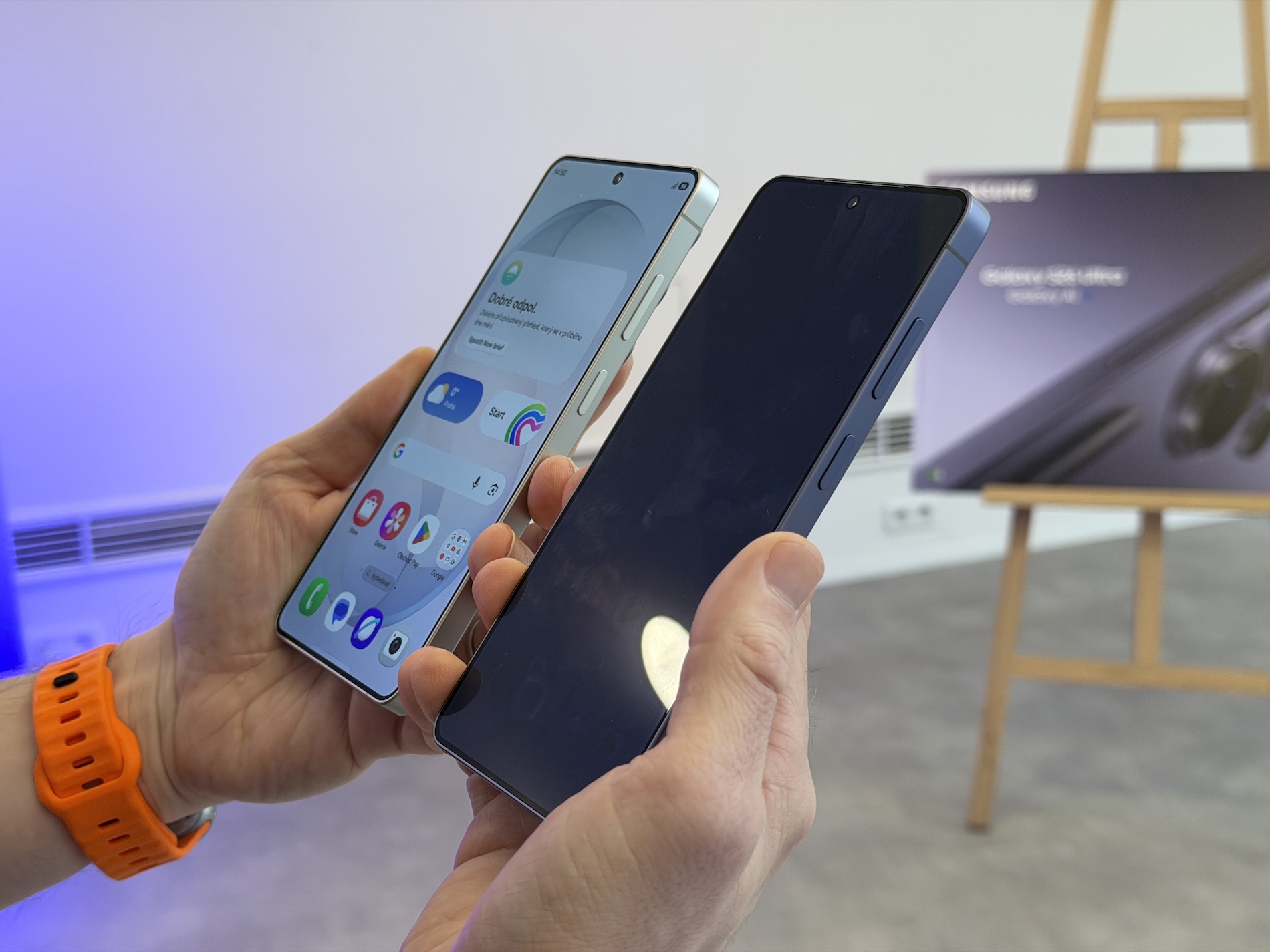
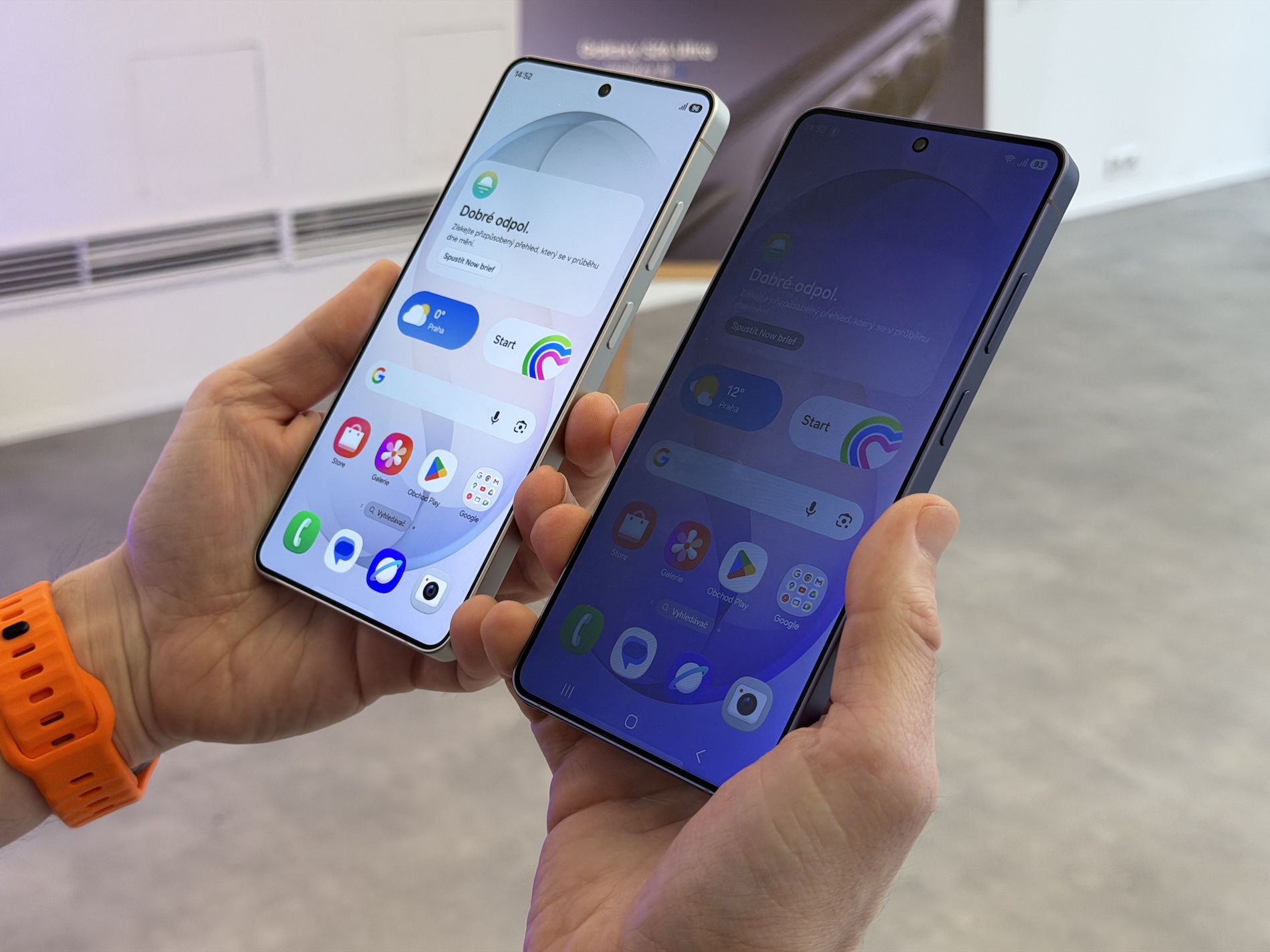
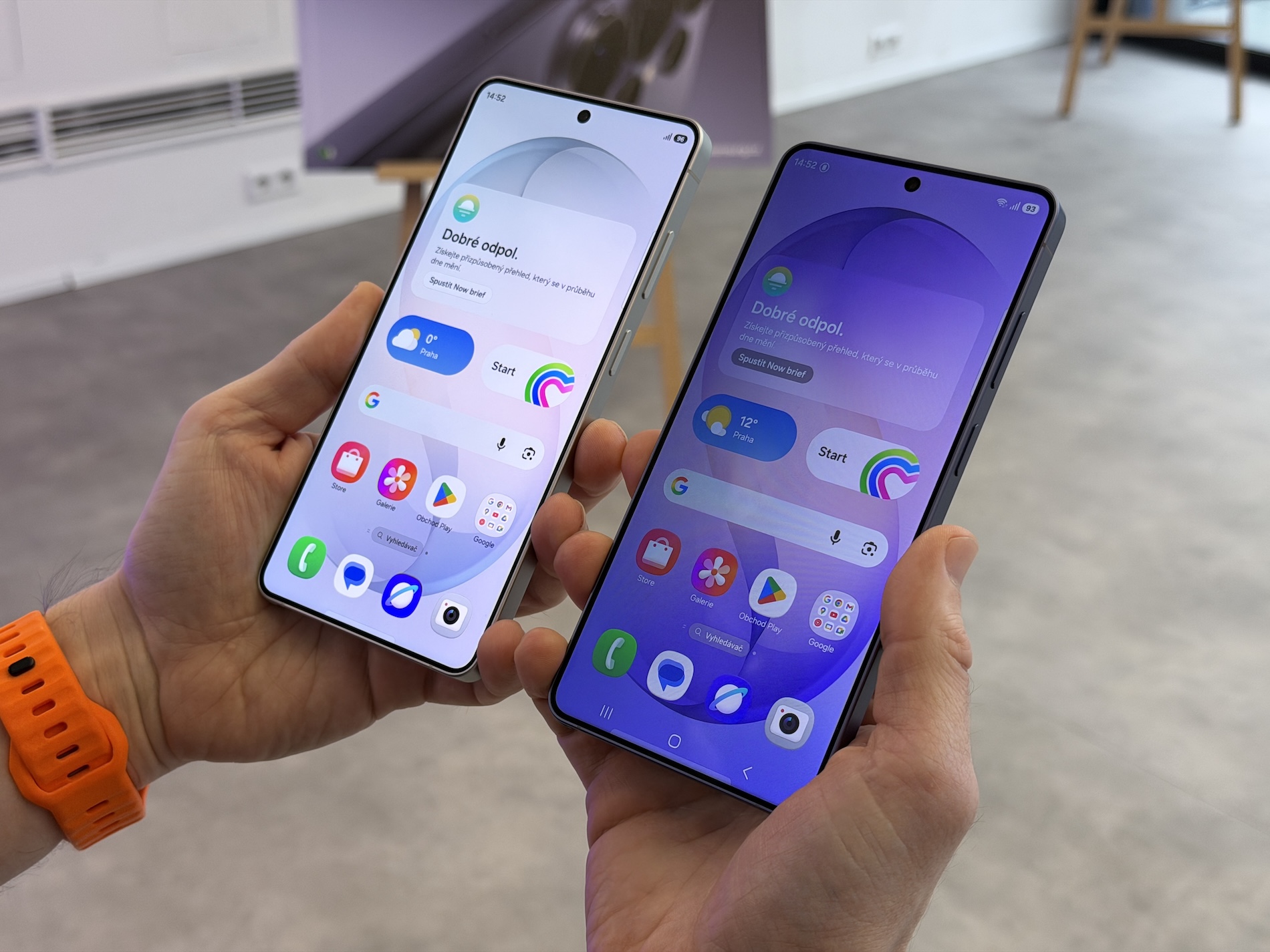
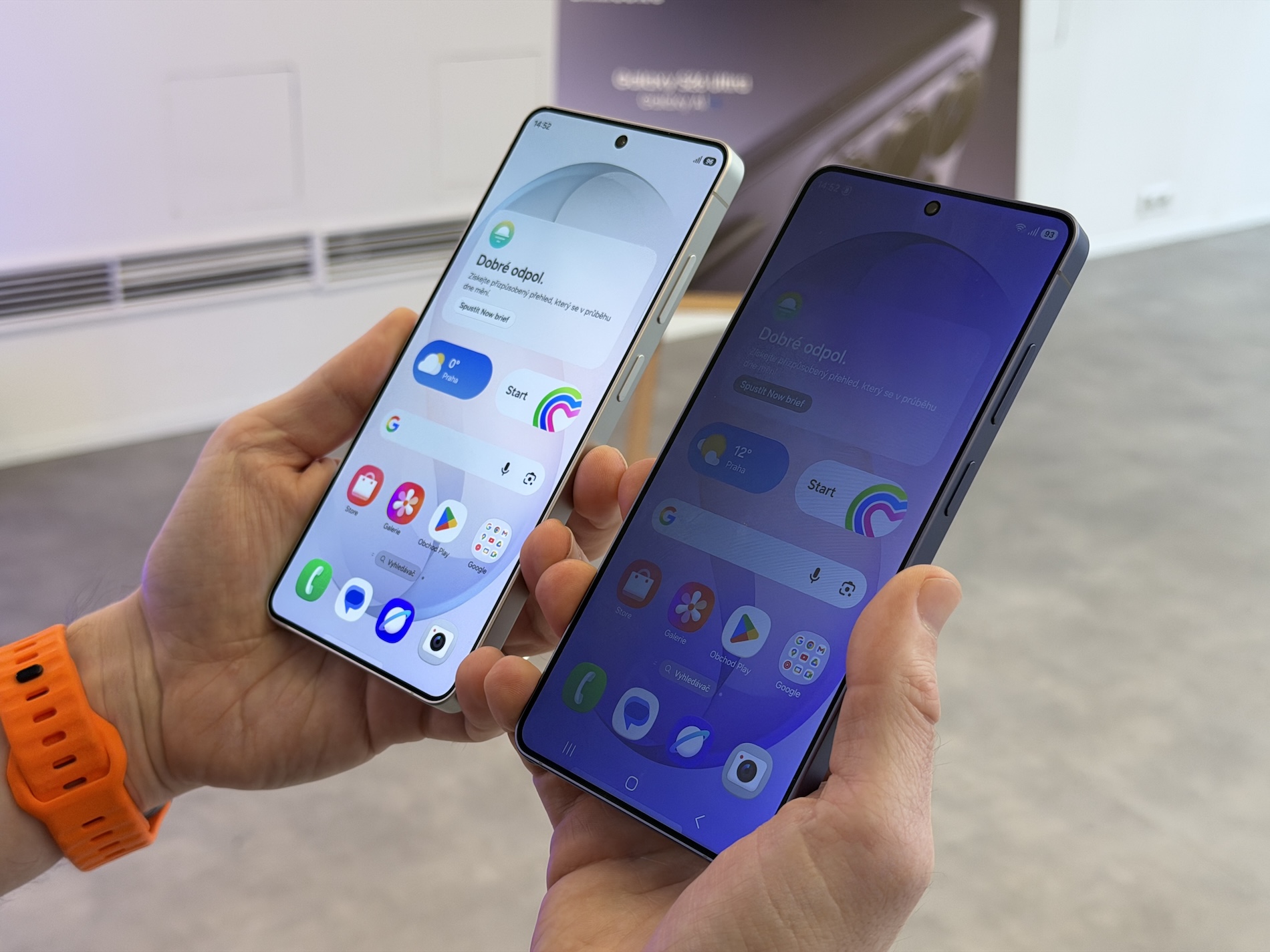
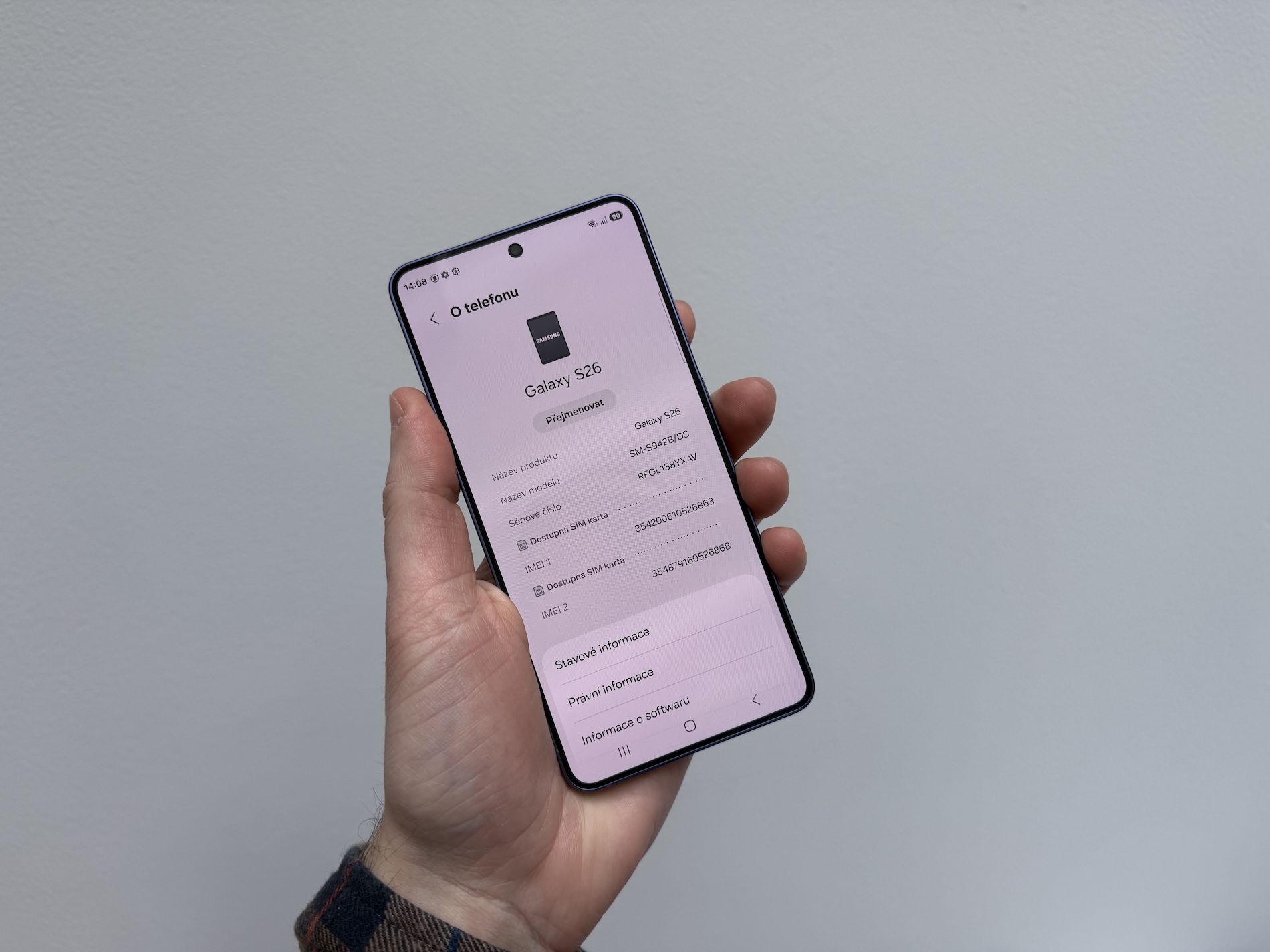
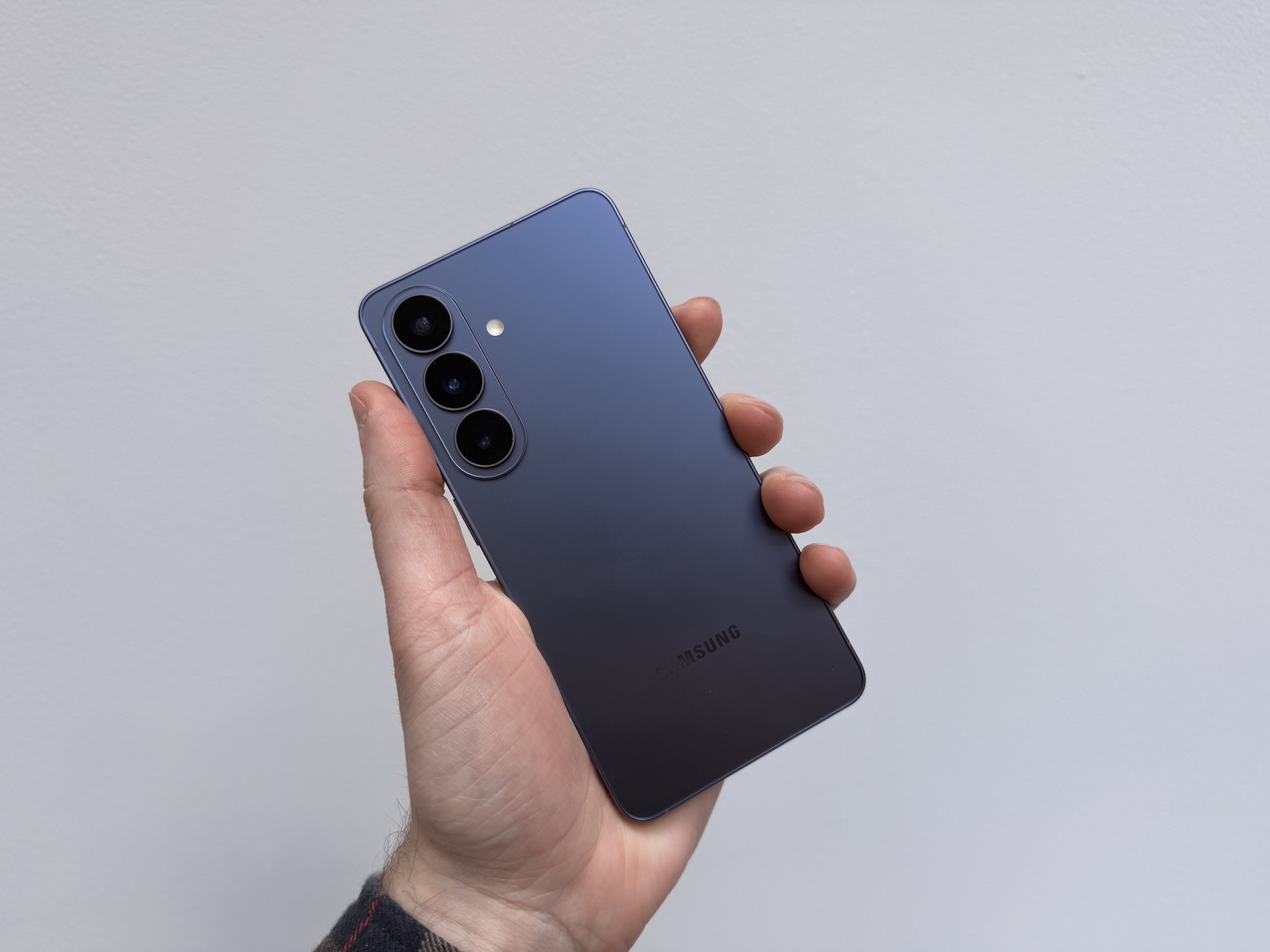
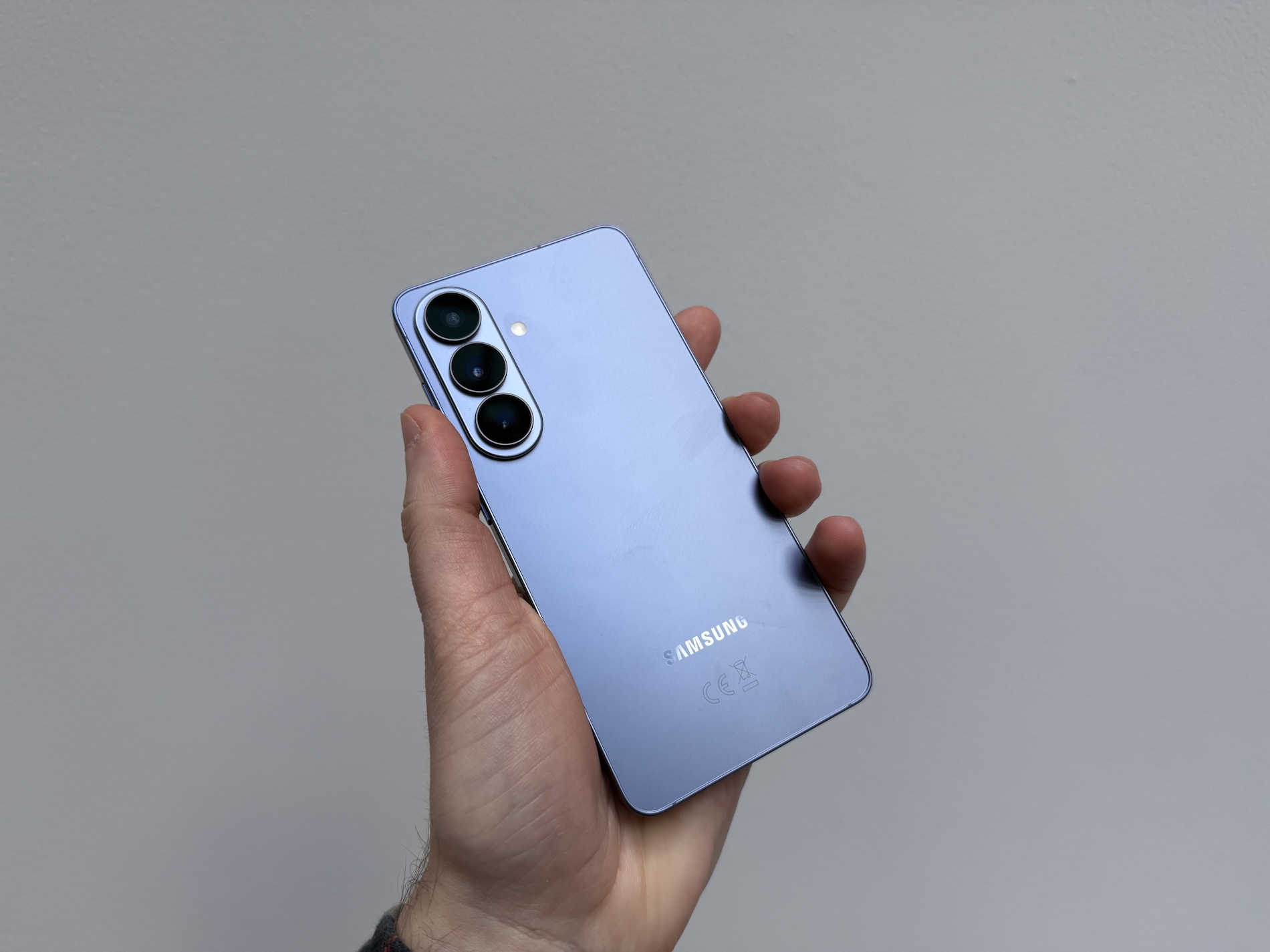
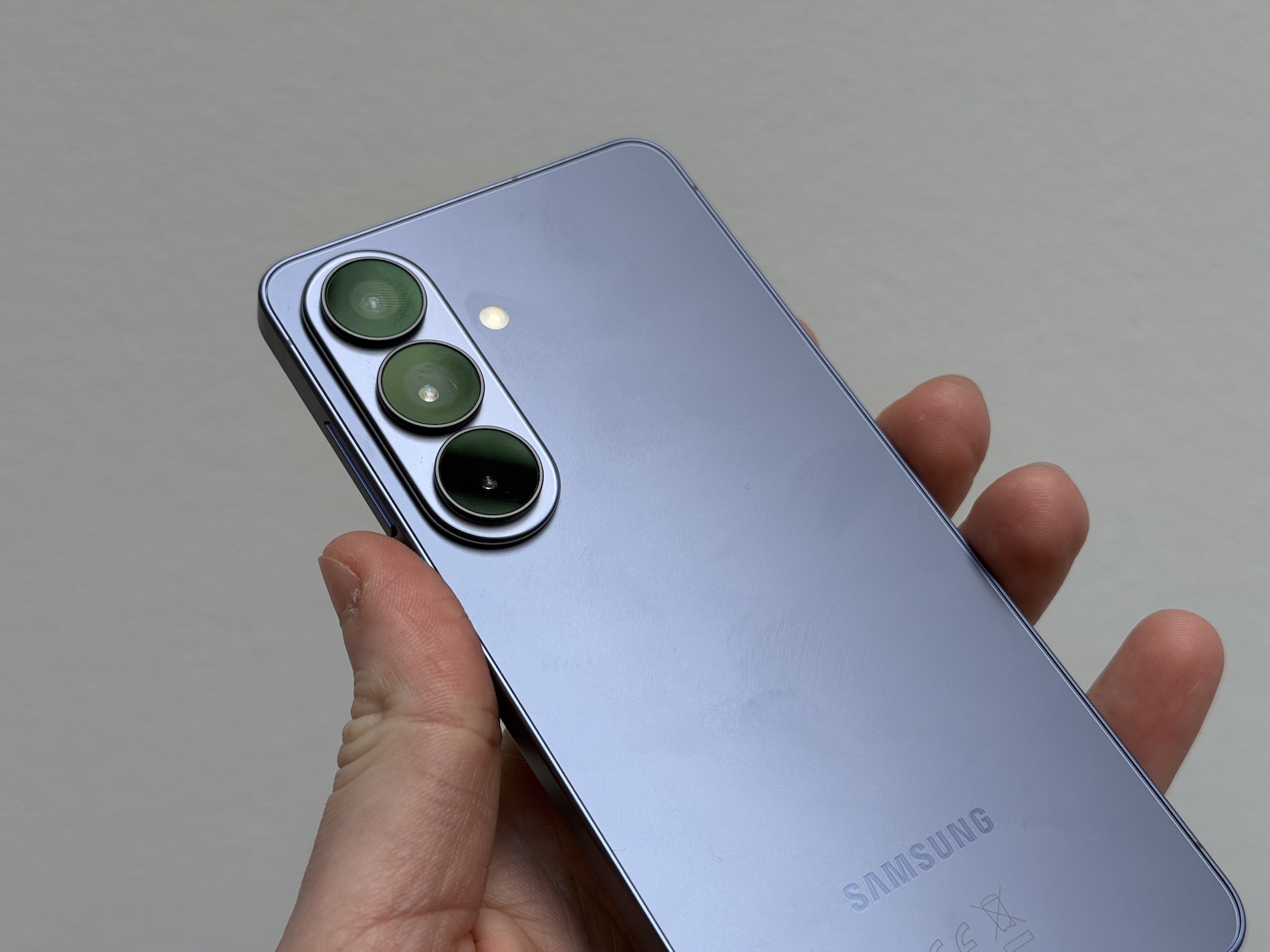
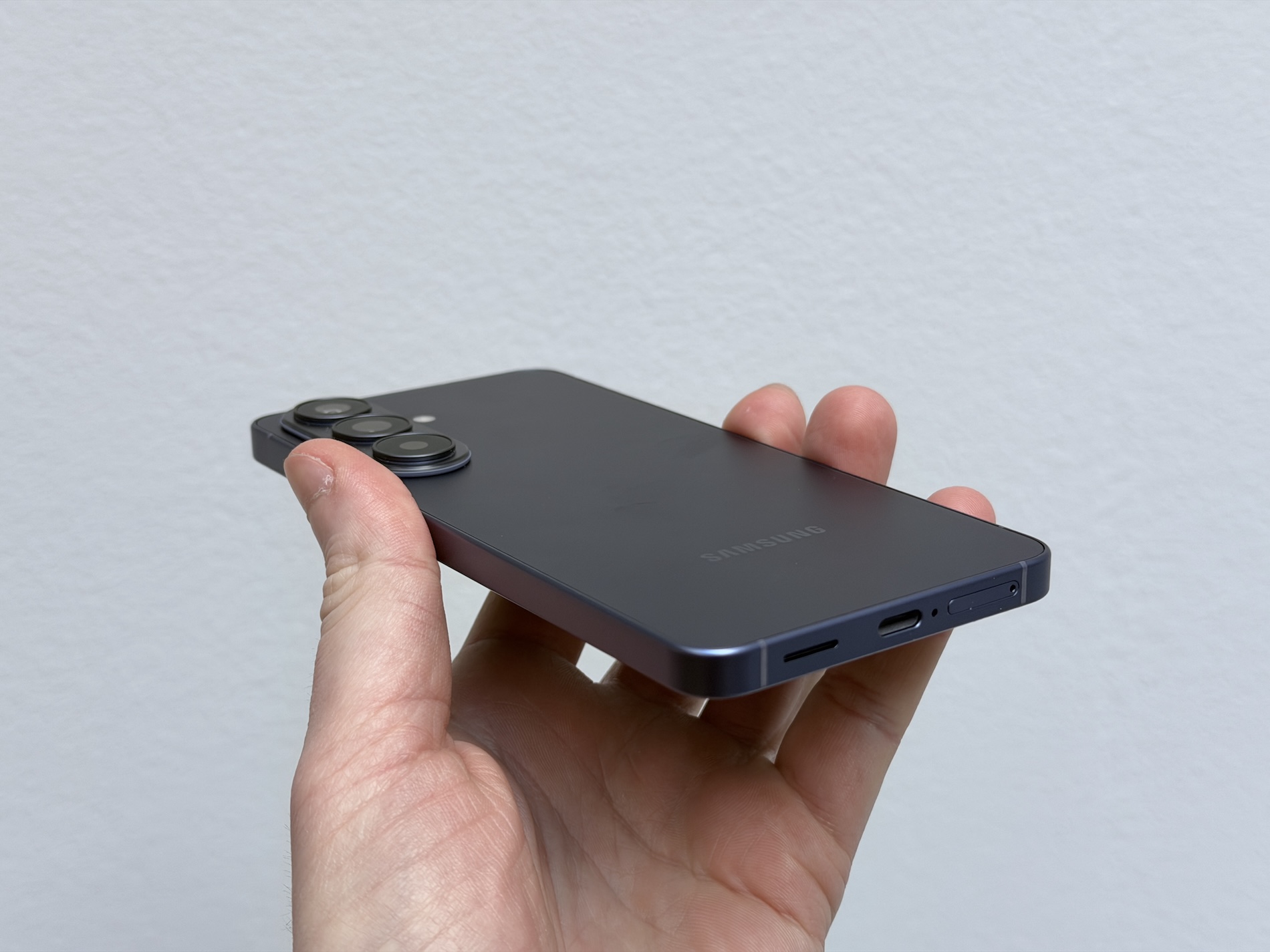
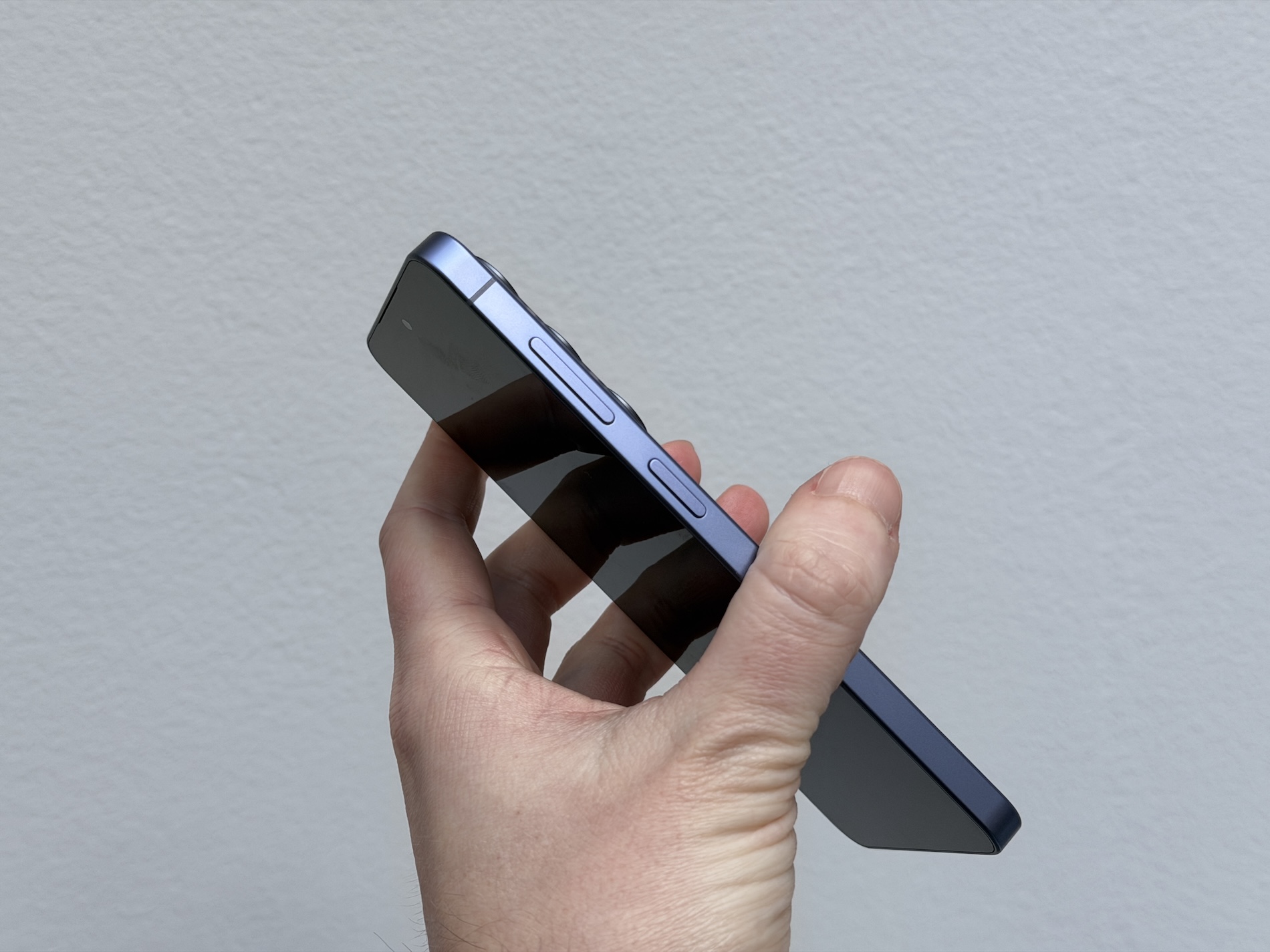
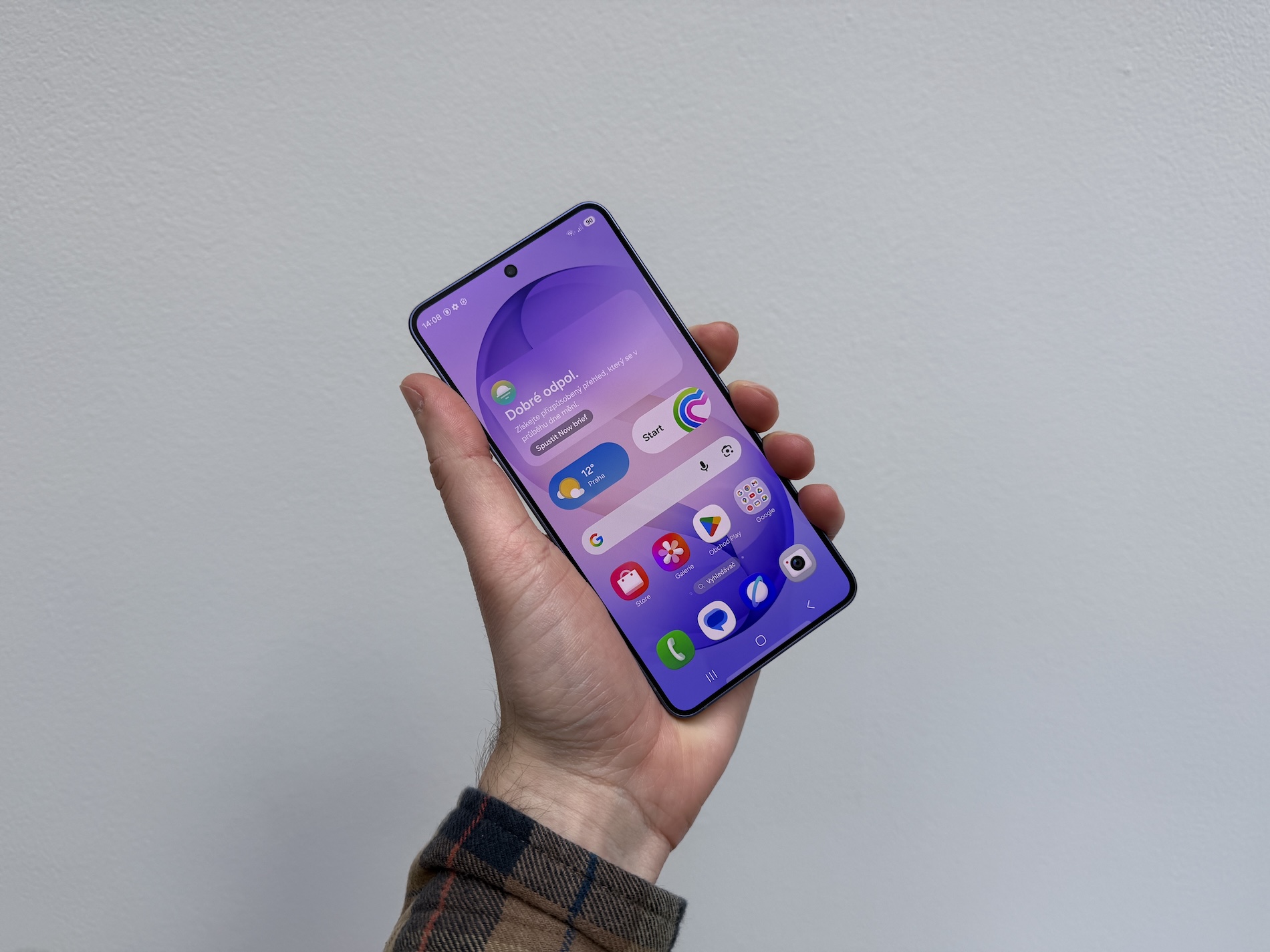
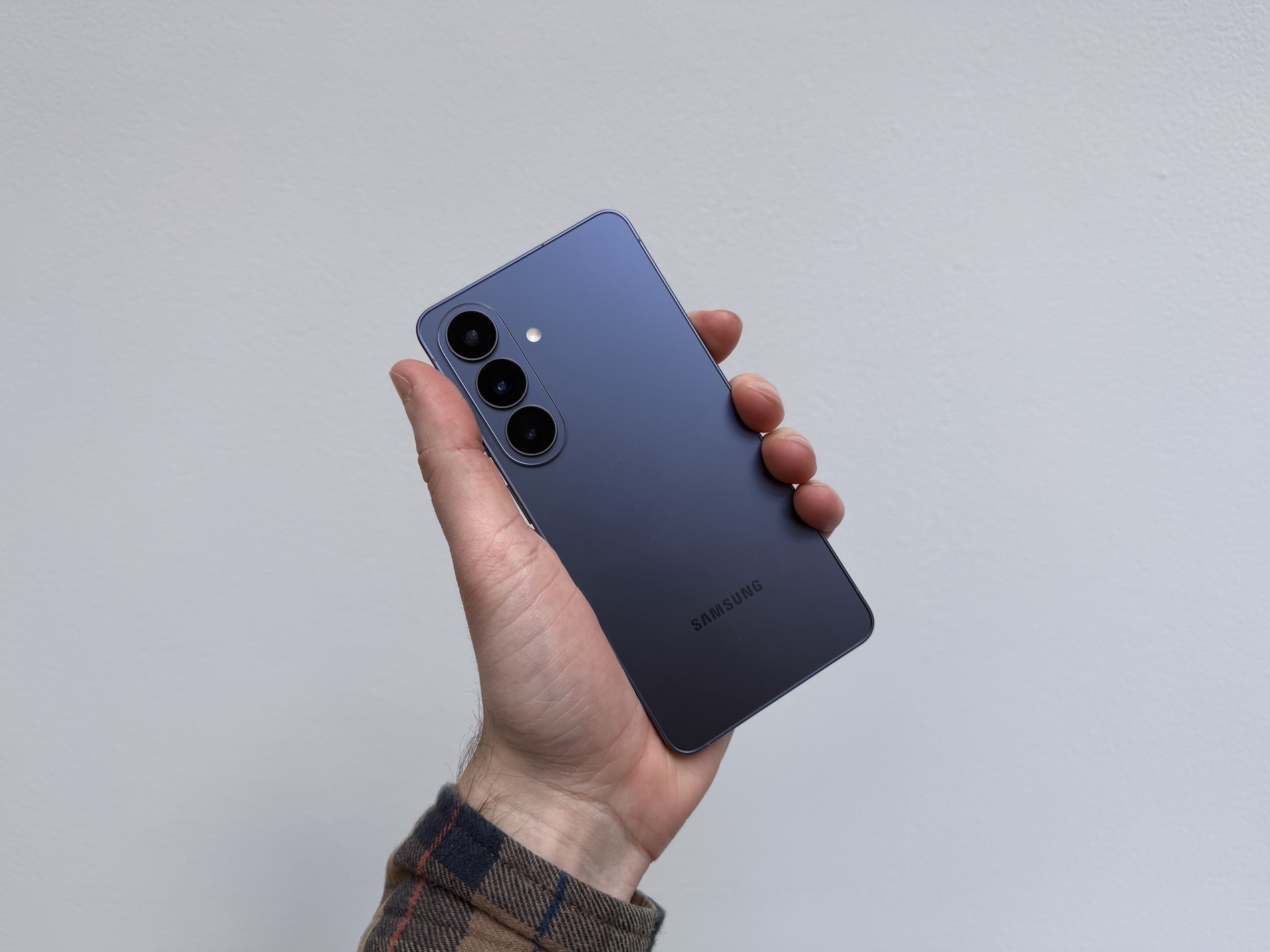
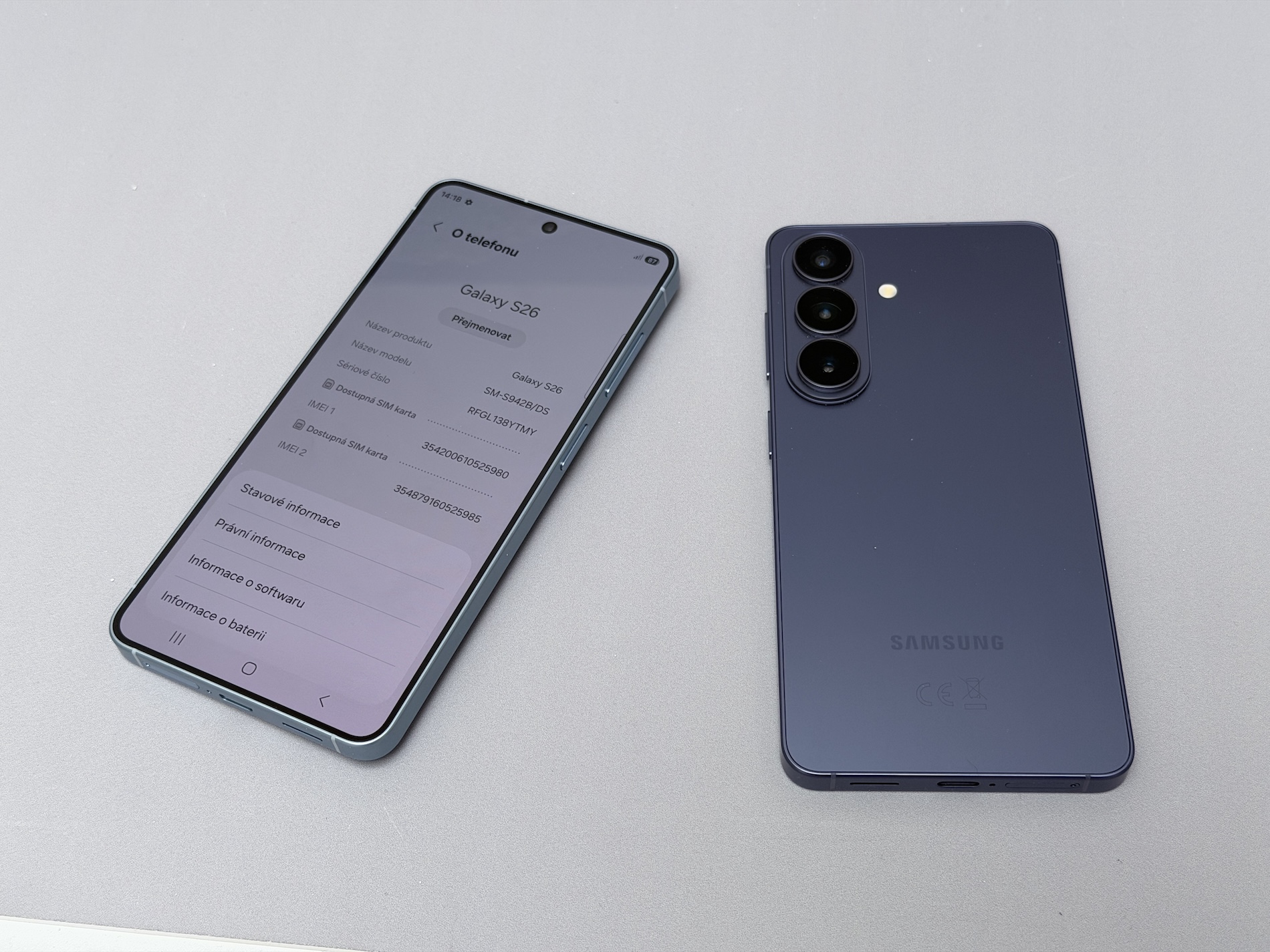
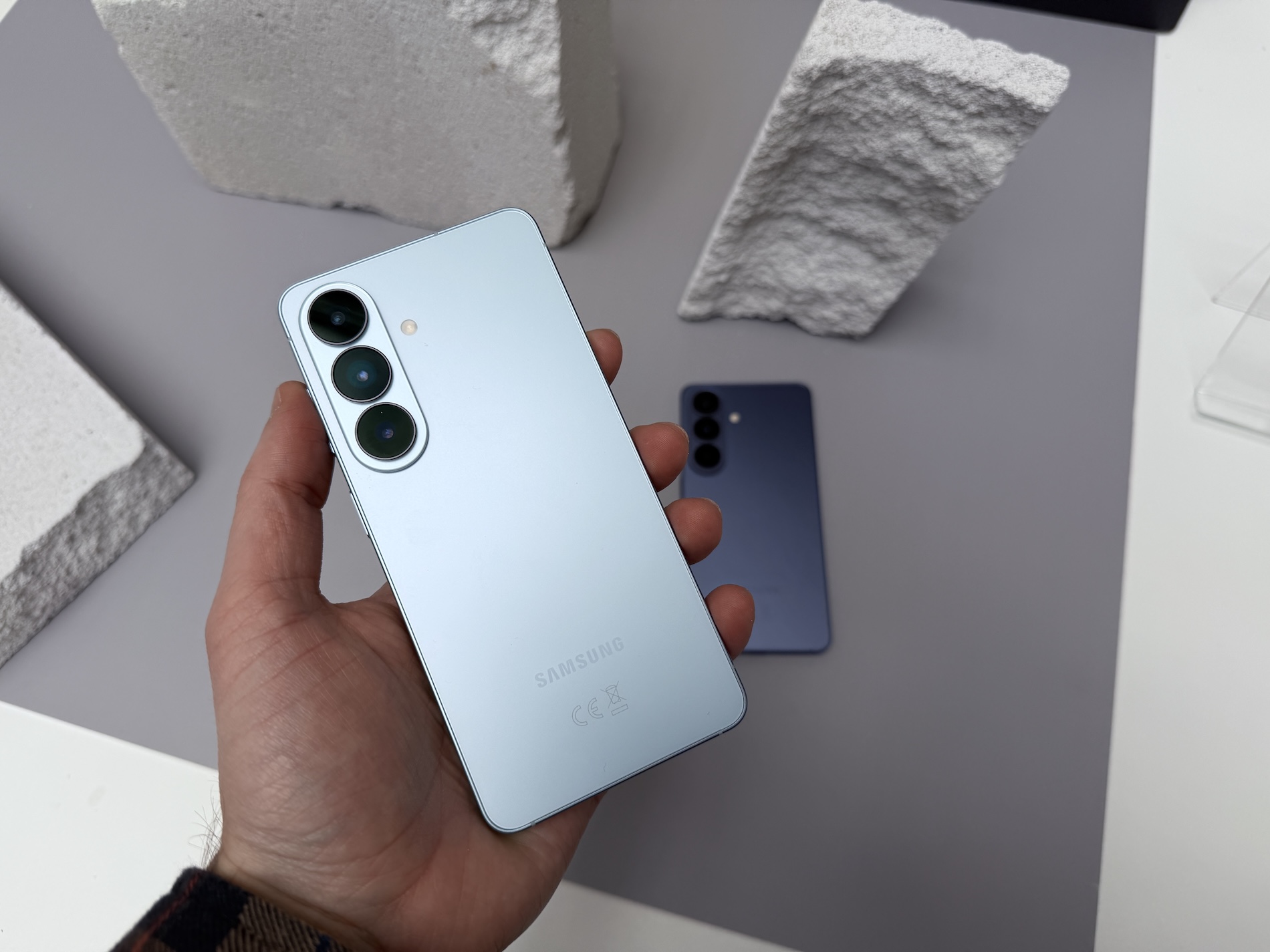
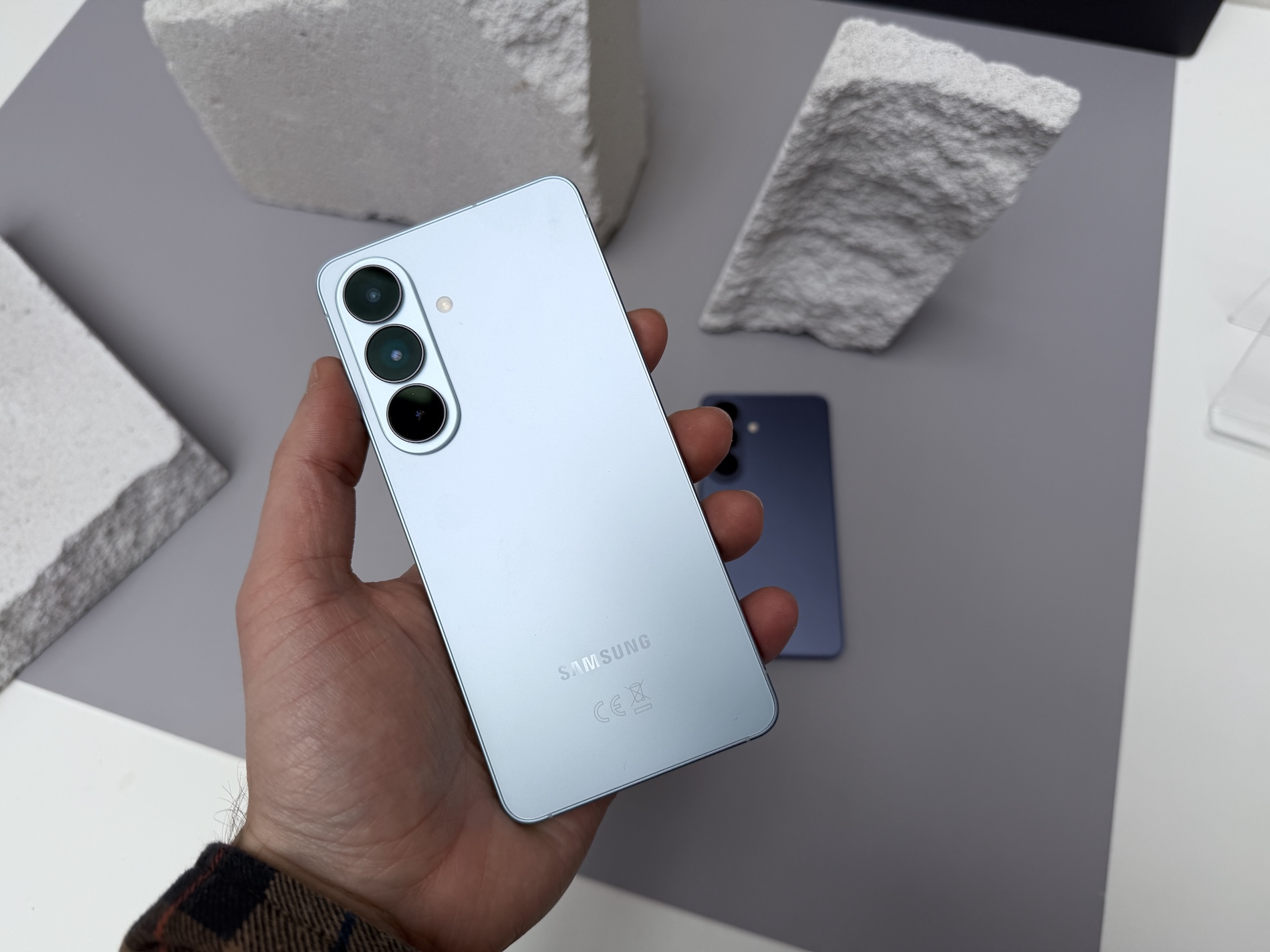
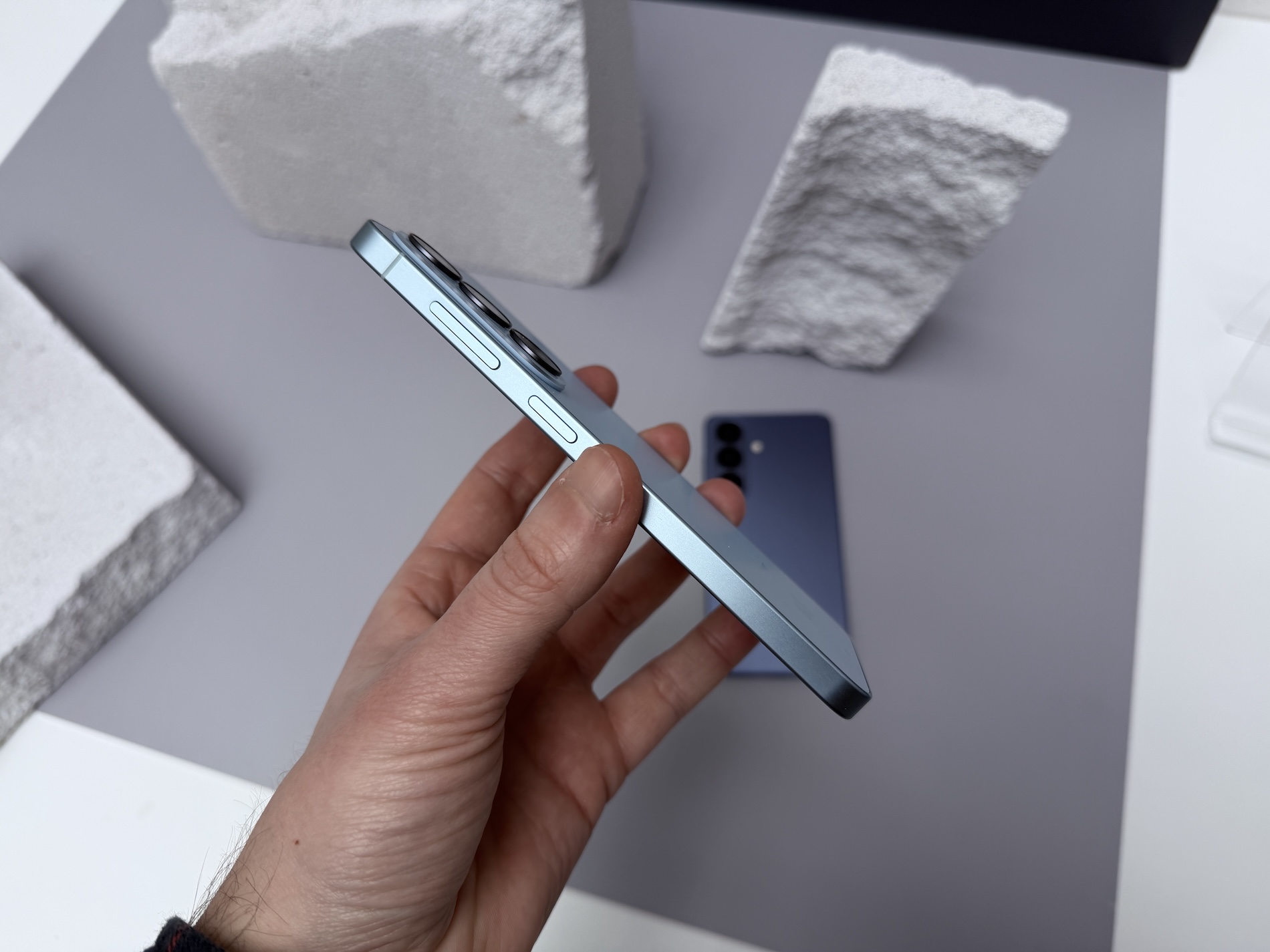
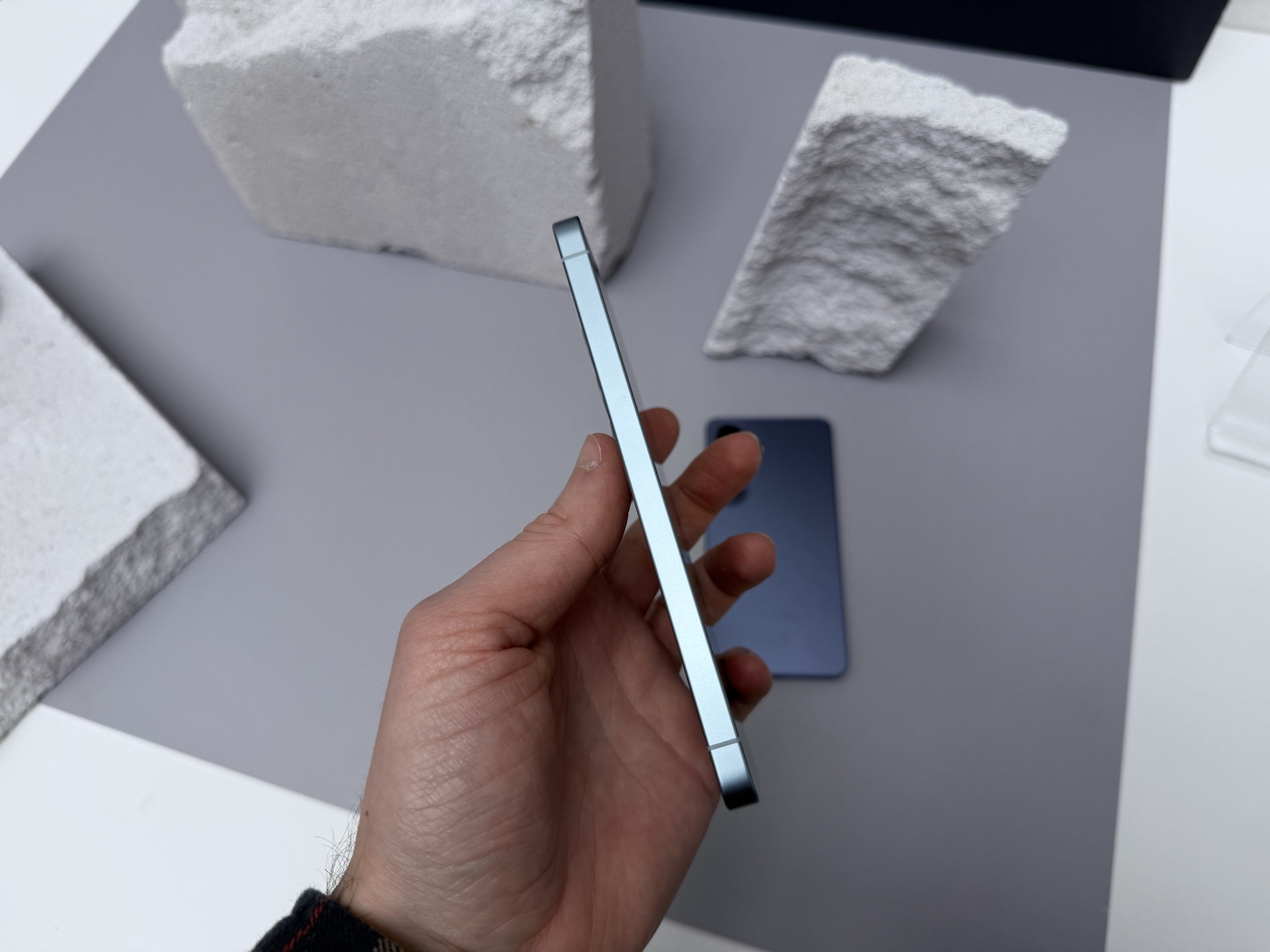
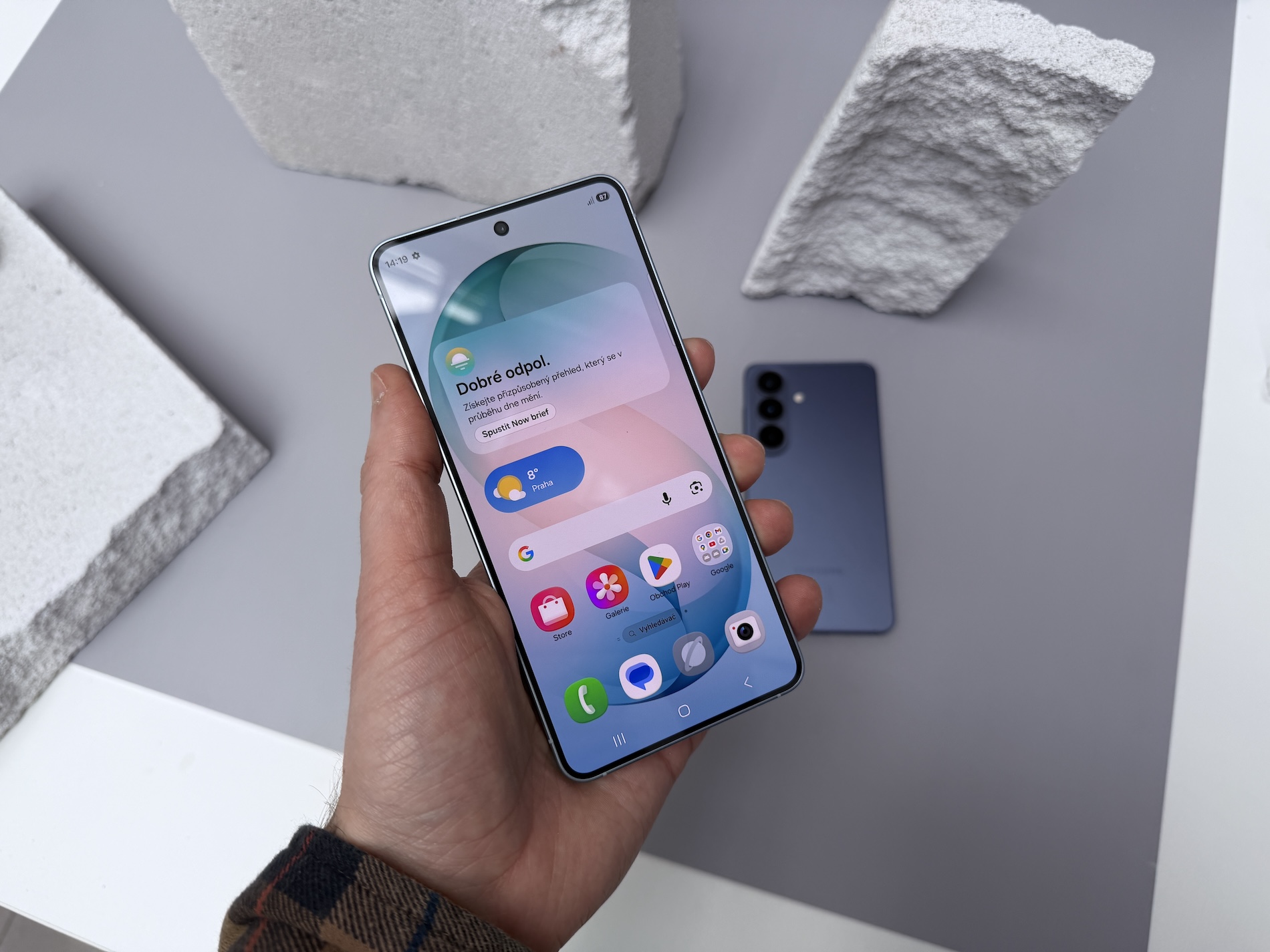
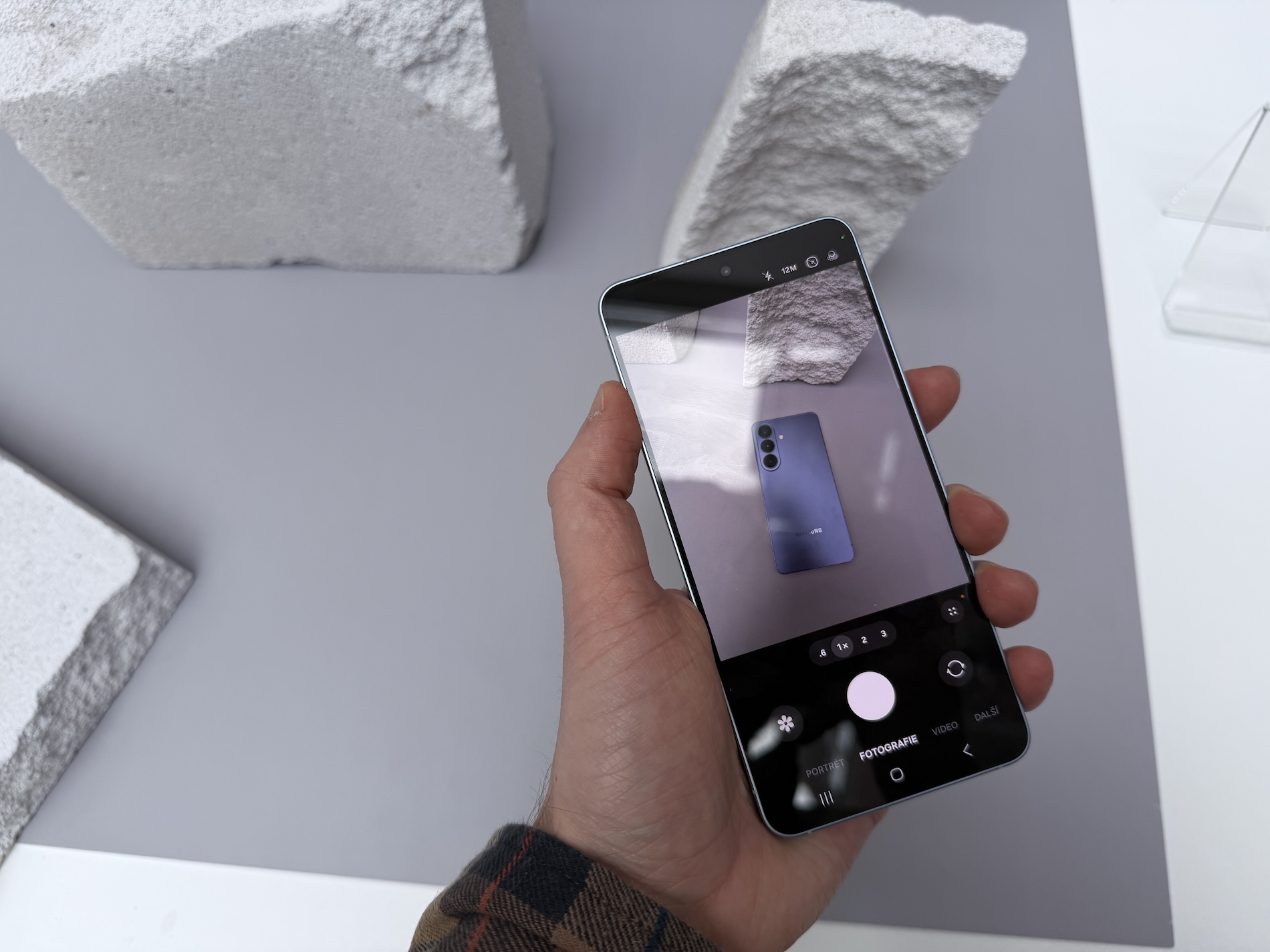
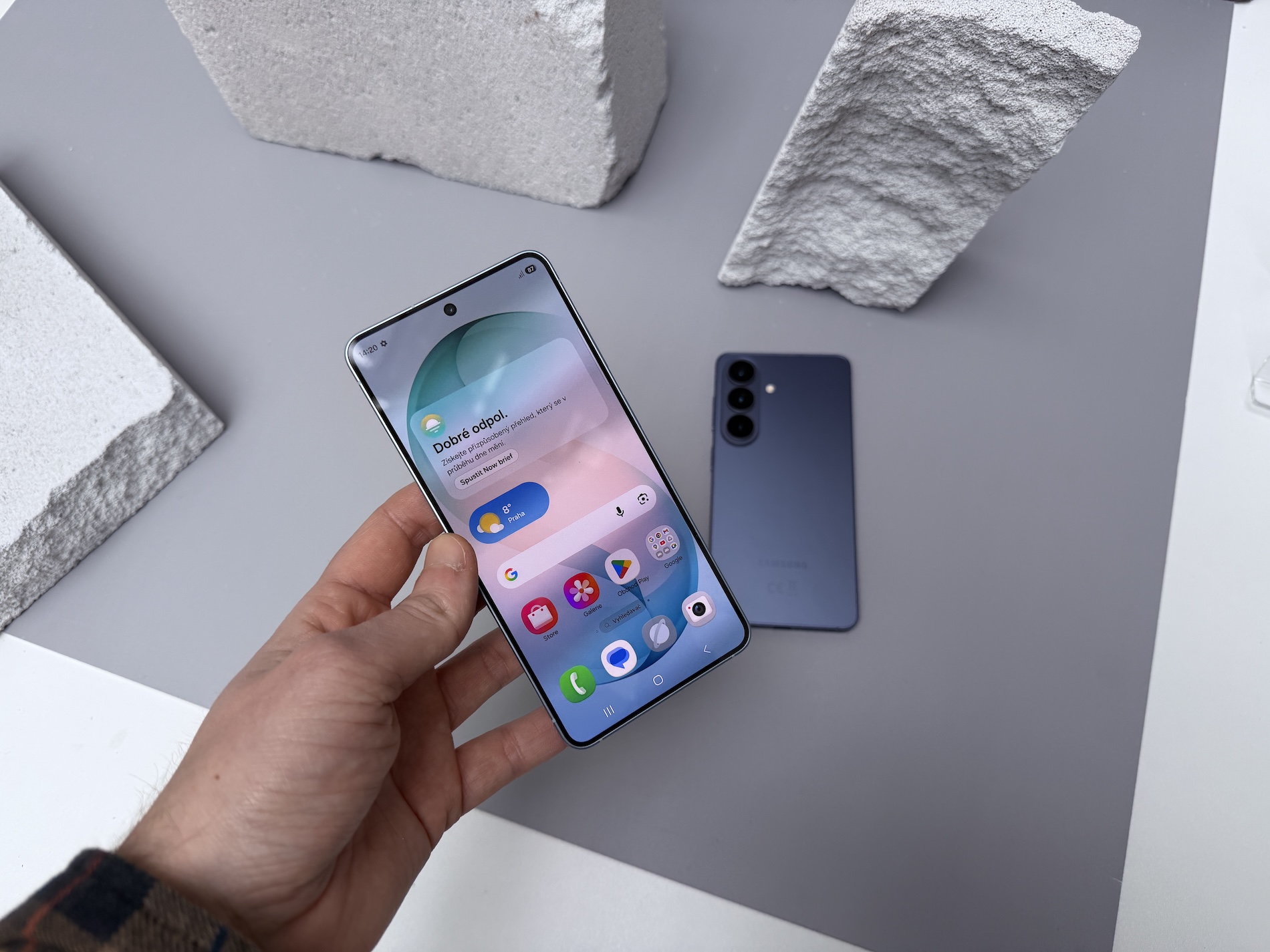
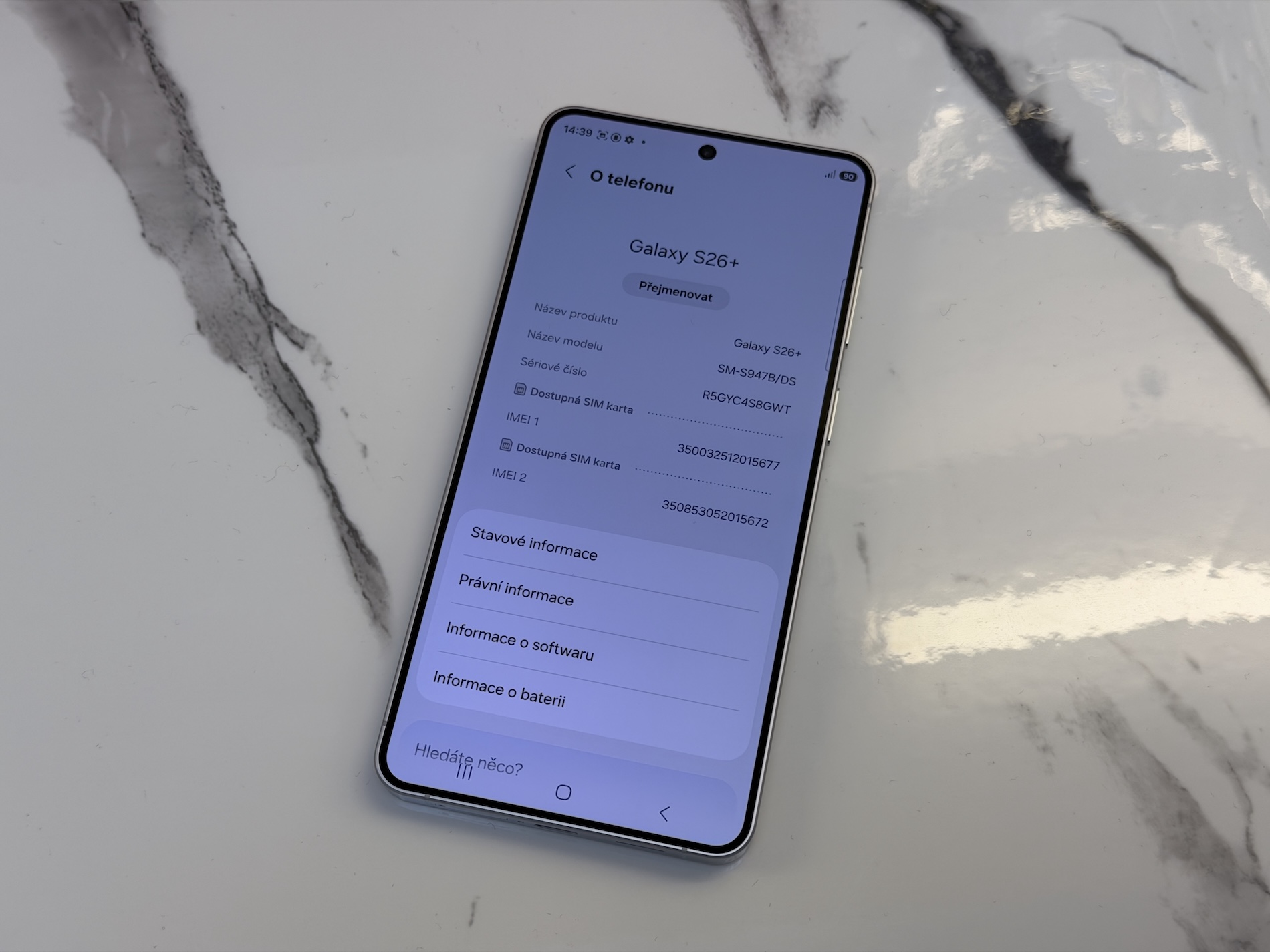
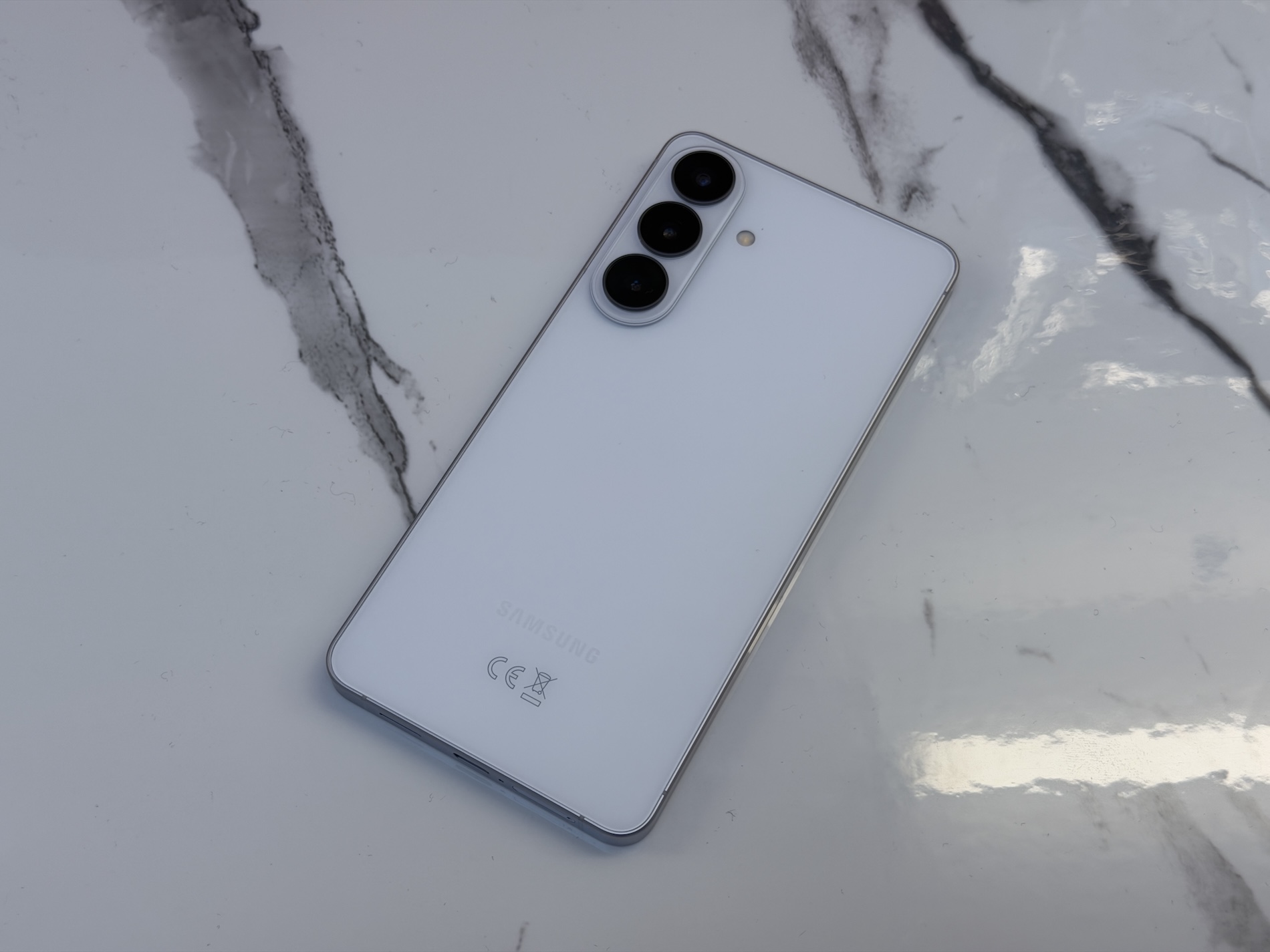
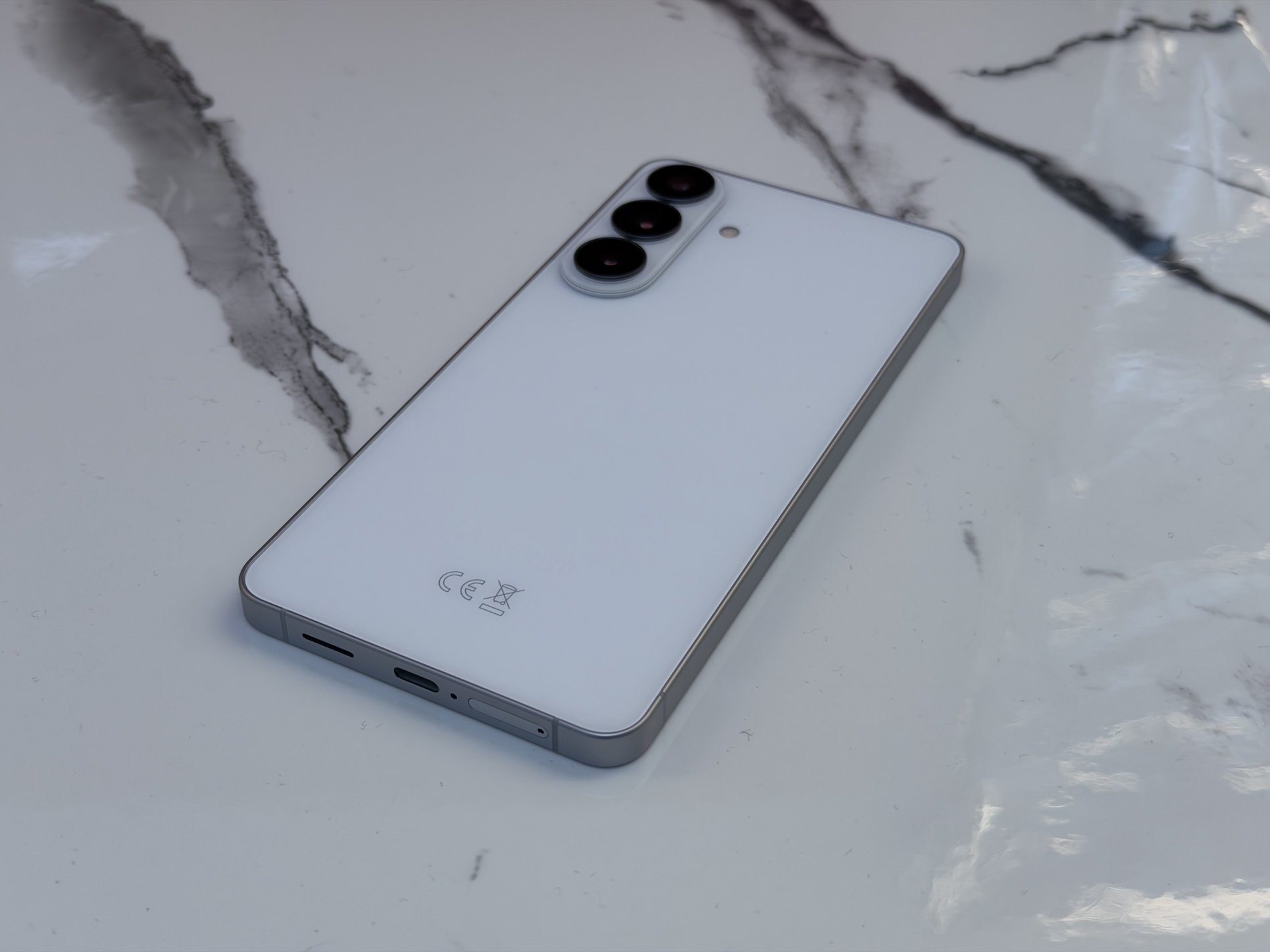
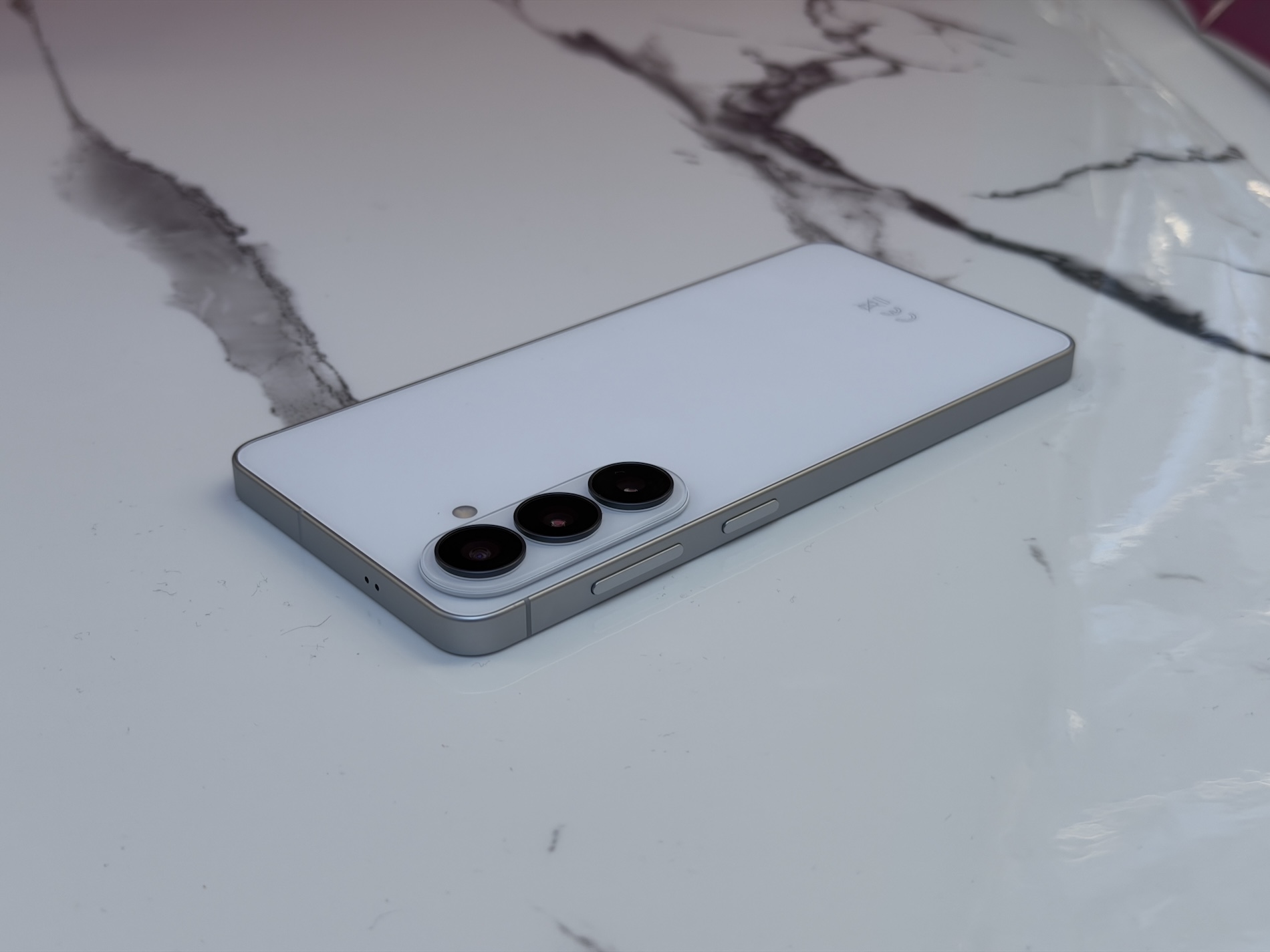
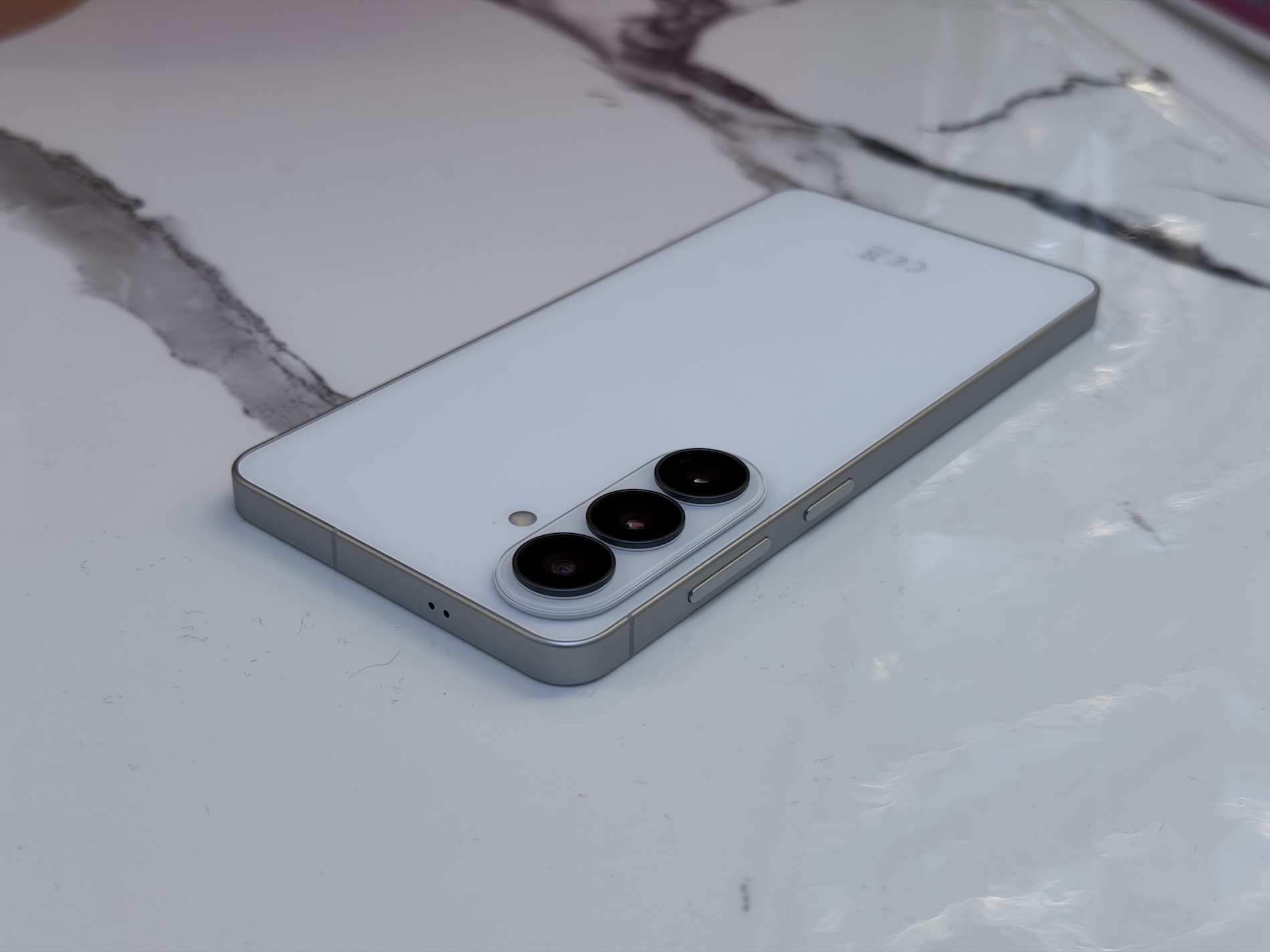
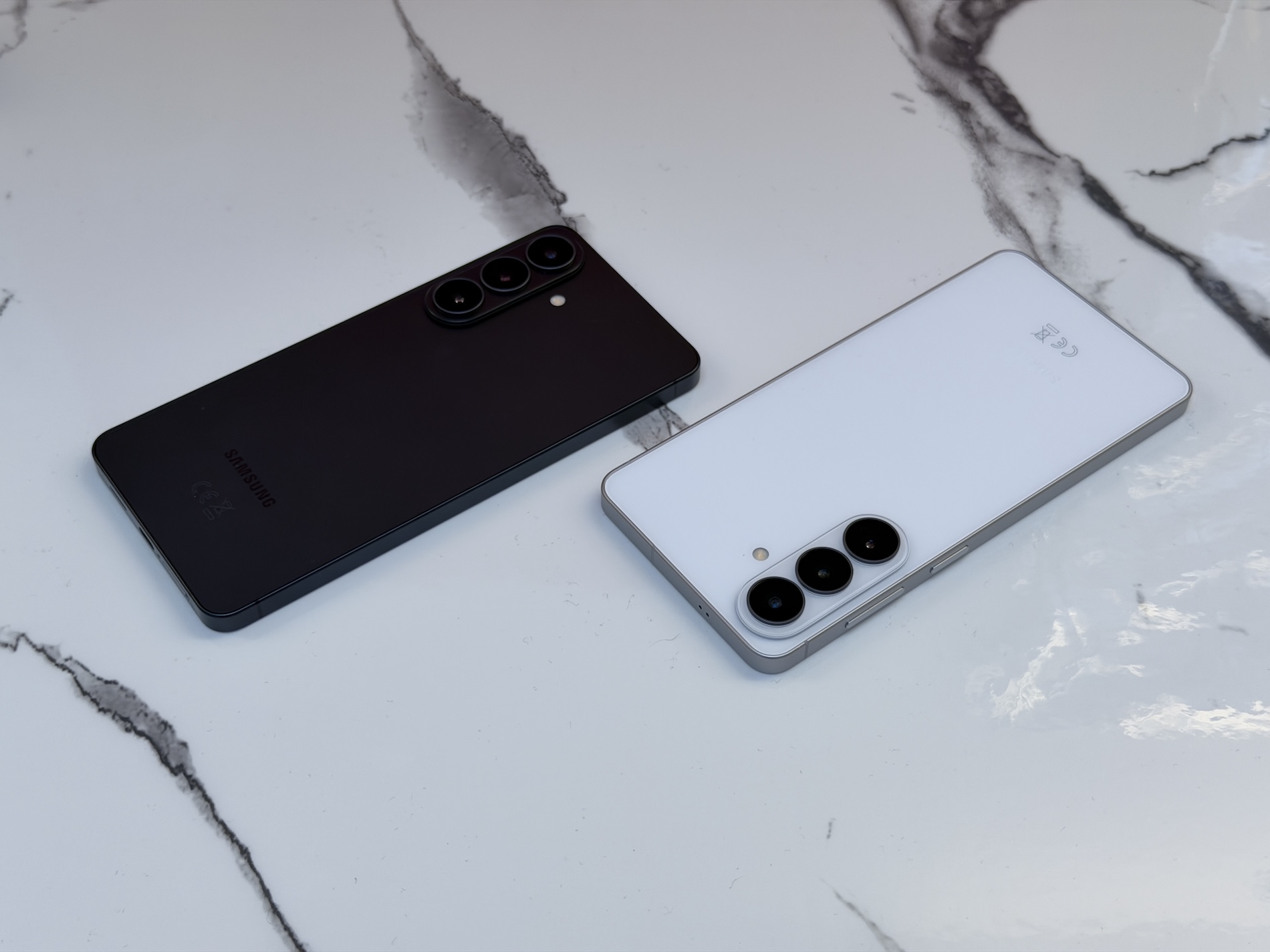
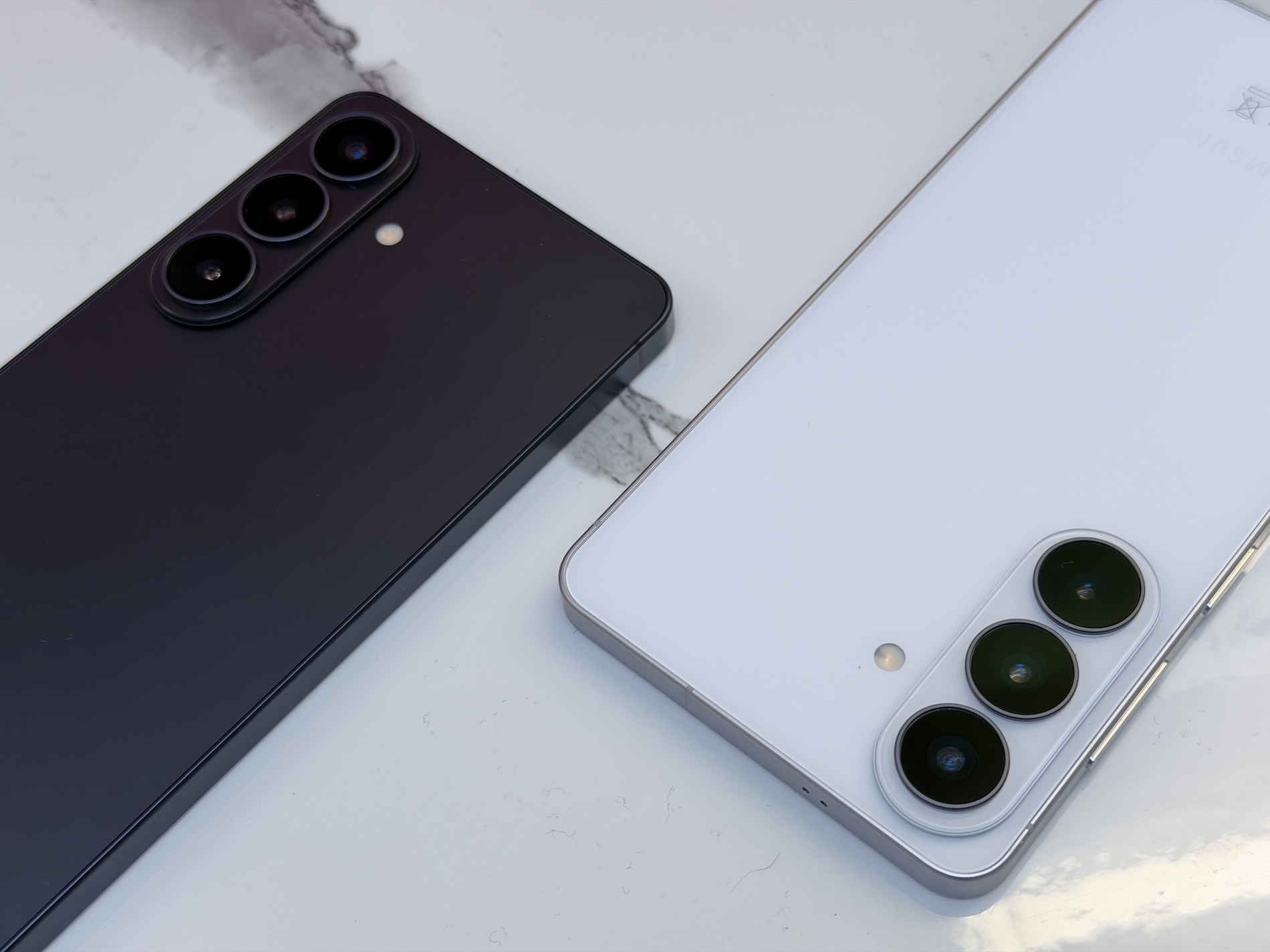
Market capitalization further highlights the difference. Apple is around the three trillion dollar mark and has long been one of the most valuable companies in the world. Samsung Electronics is valued in the hundreds of billions of dollars. Investors are thus making it clear which company they trust more in terms of long-term profitability and stability.
More interesting is the look at the phones themselves. Analytical agencies such as Counterpoint Research or IDC have long shown that Apple and Samsung are taking turns at the top of global smartphone shipments. In some quarters, Samsung leads, in others Apple. The differences are often only in units of percentage of market share. It is therefore not accurate to say that one of them clearly dominates. The reality is more balanced. Samsung traditionally benefits from a wider range of models across price segments, Apple again from an extremely strong position in the premium class, where it generates most of the profits of the entire industry.
As for active devices, Apple officially lists more than two billion active devices worldwide. This includes iPhones, iPads, Macs, Apple Watch and other products. Samsung does not disclose the exact number of active devices in a similar format, but analysts estimate that there are more than a billion active devices across its product portfolio. A direct comparison is more difficult because Samsung has a much broader range of electronics from televisions to home appliances to computers.onenty.
Gallery
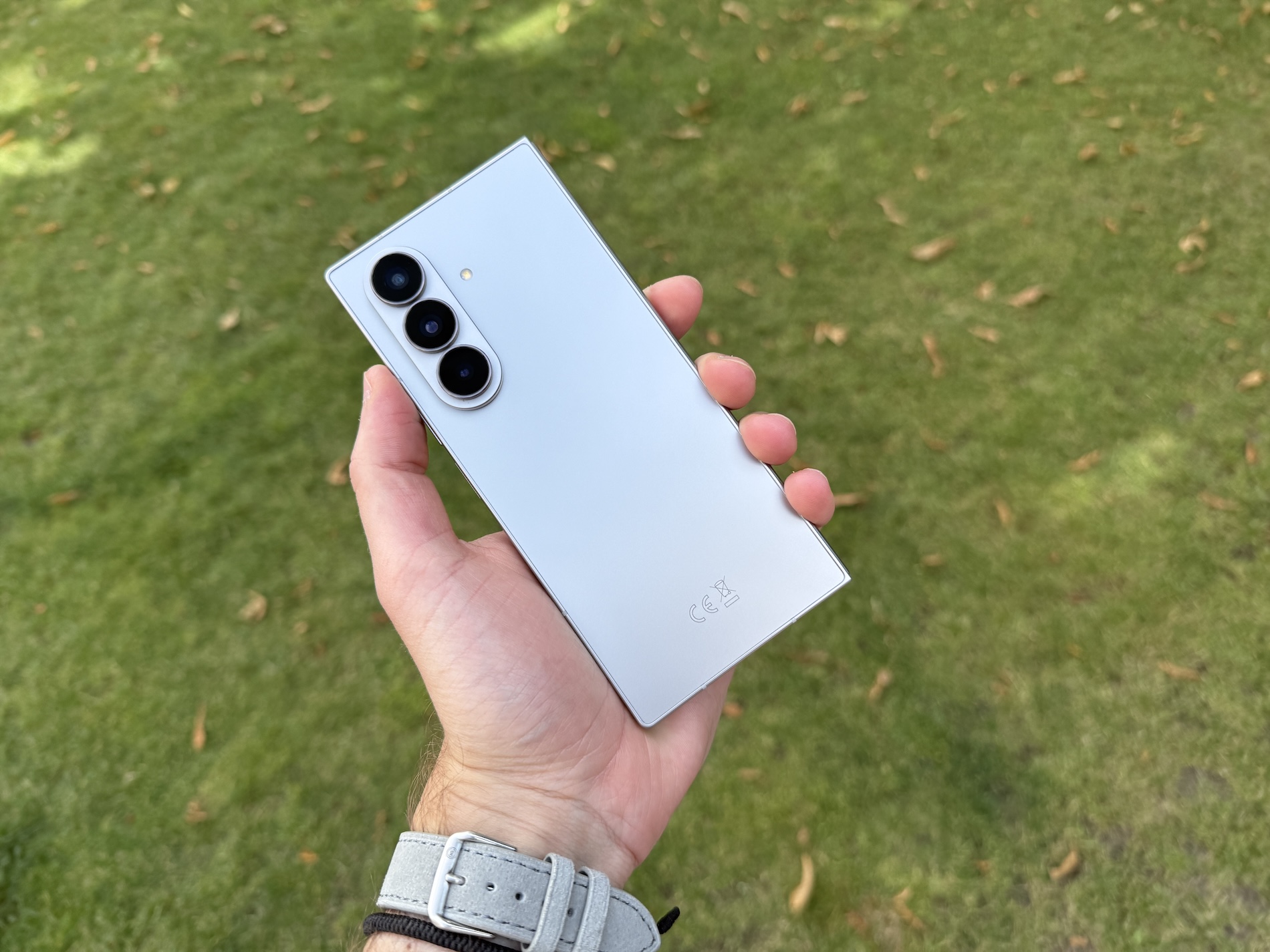
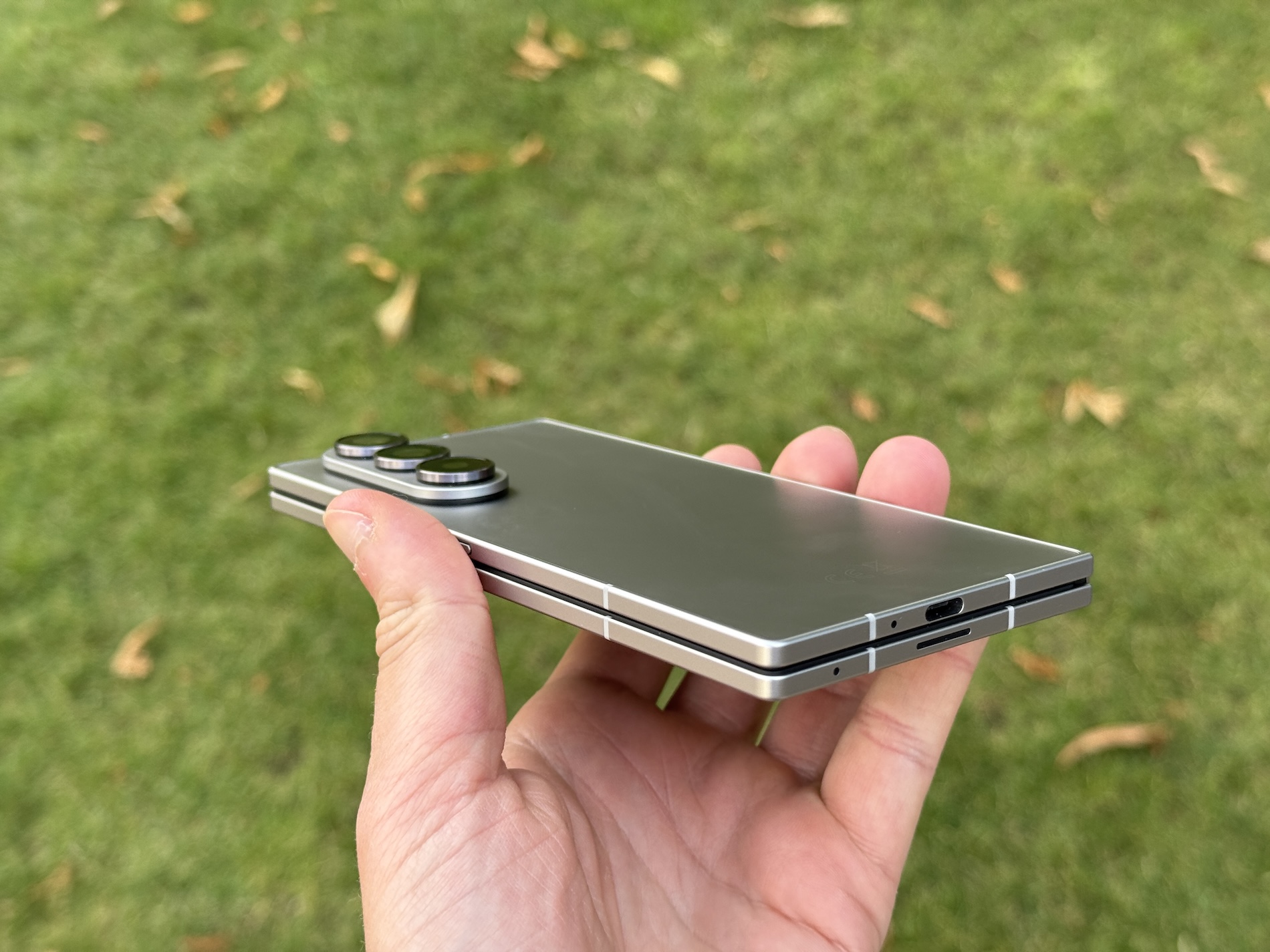
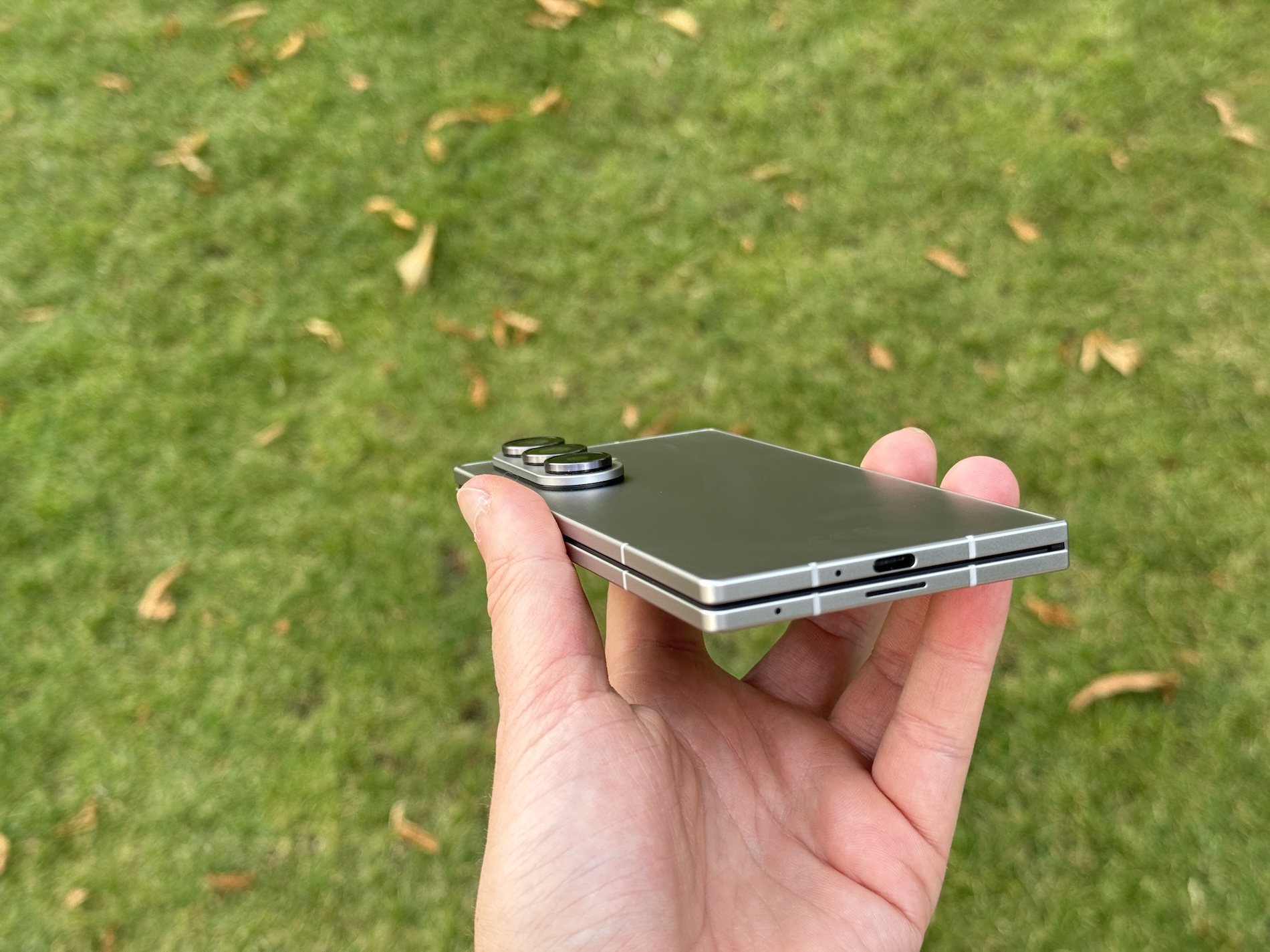
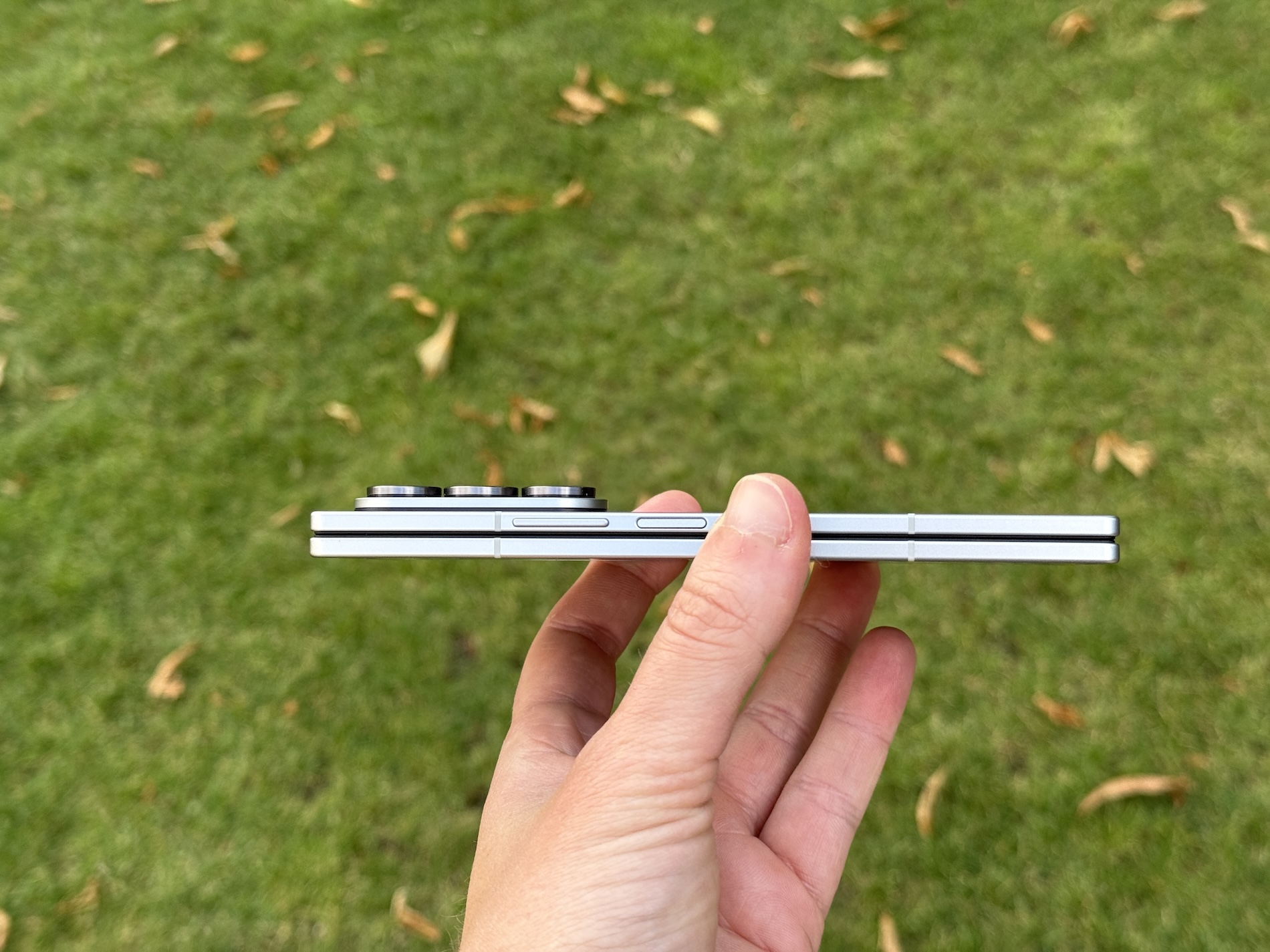
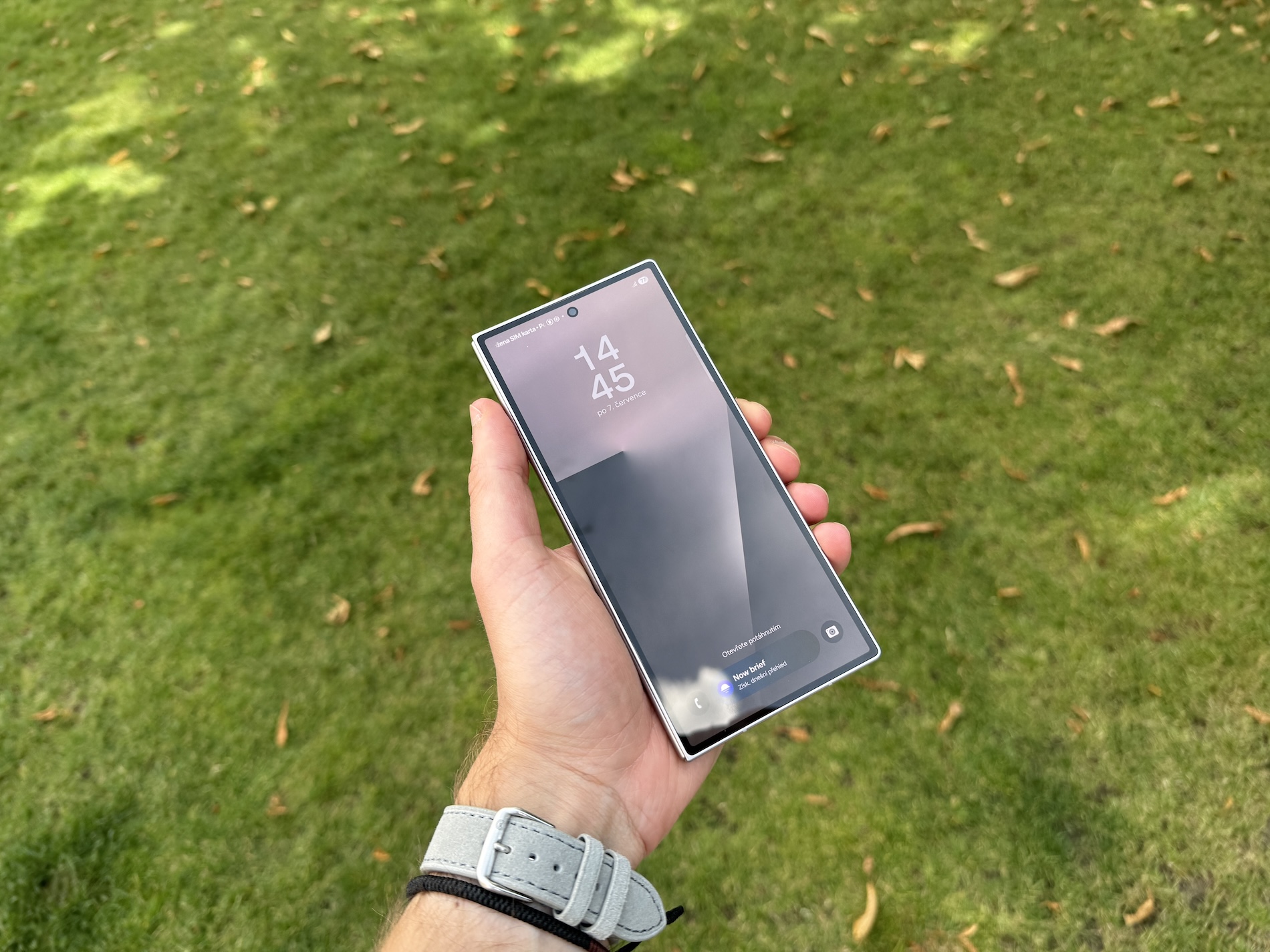
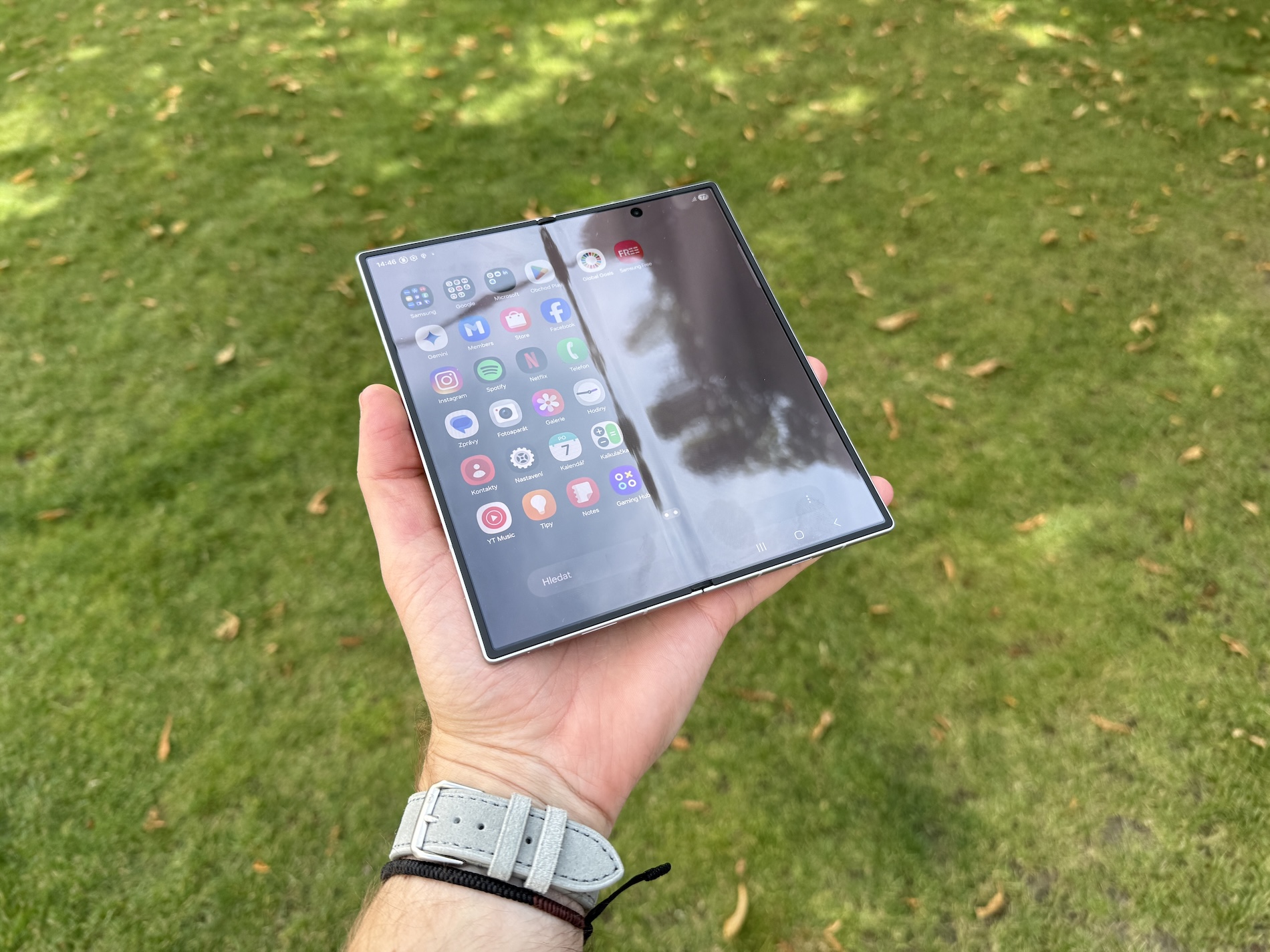
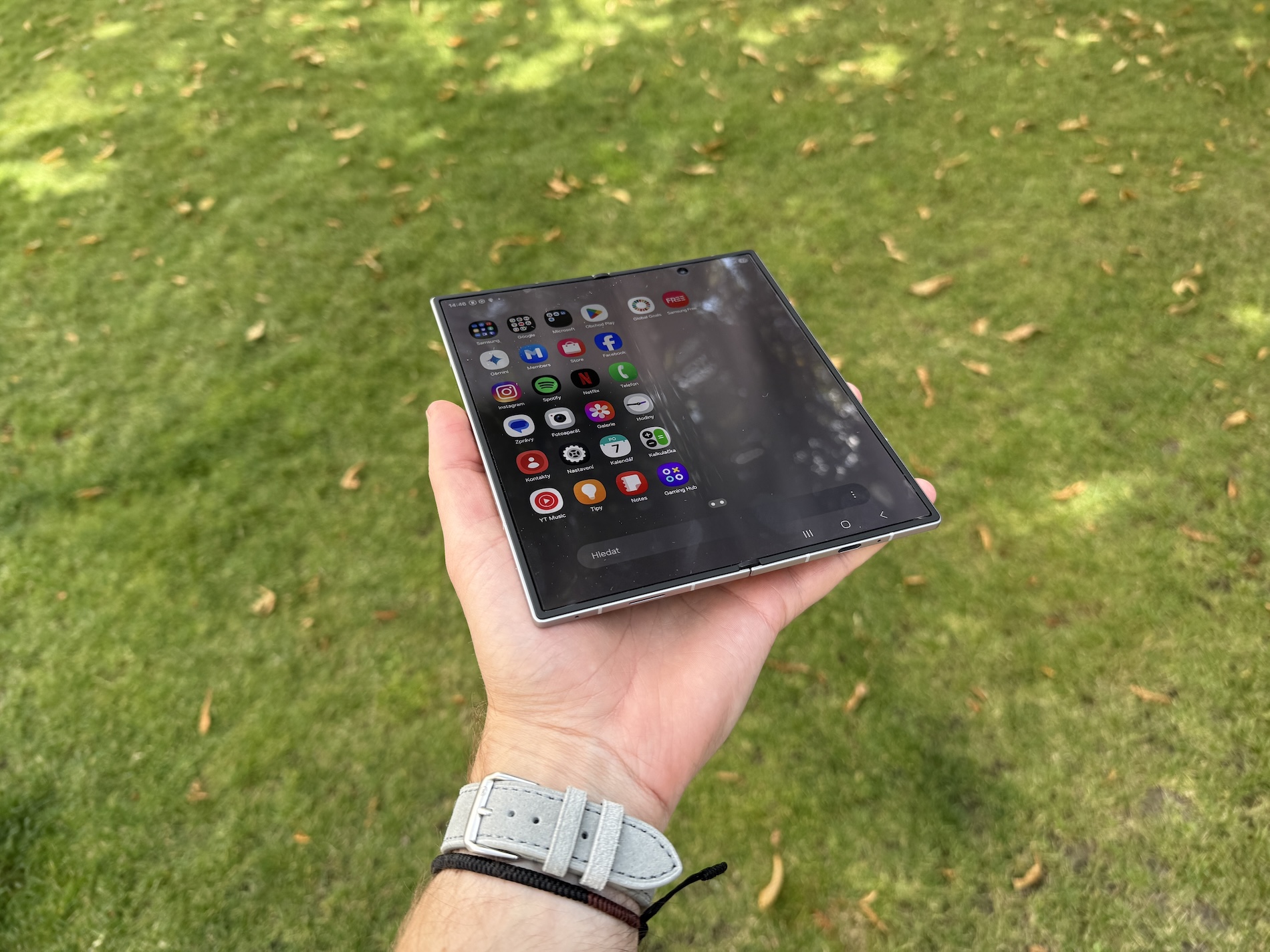
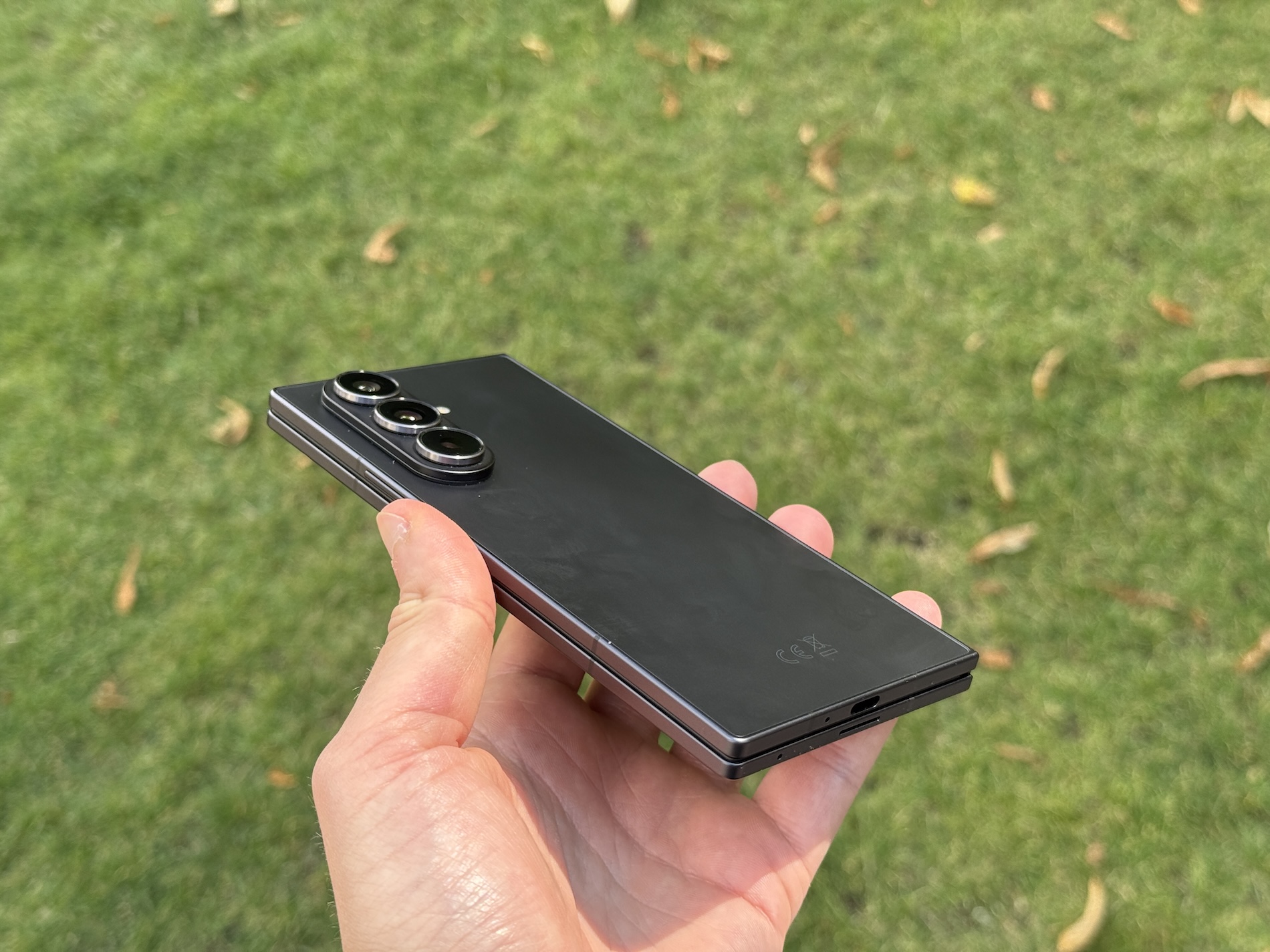
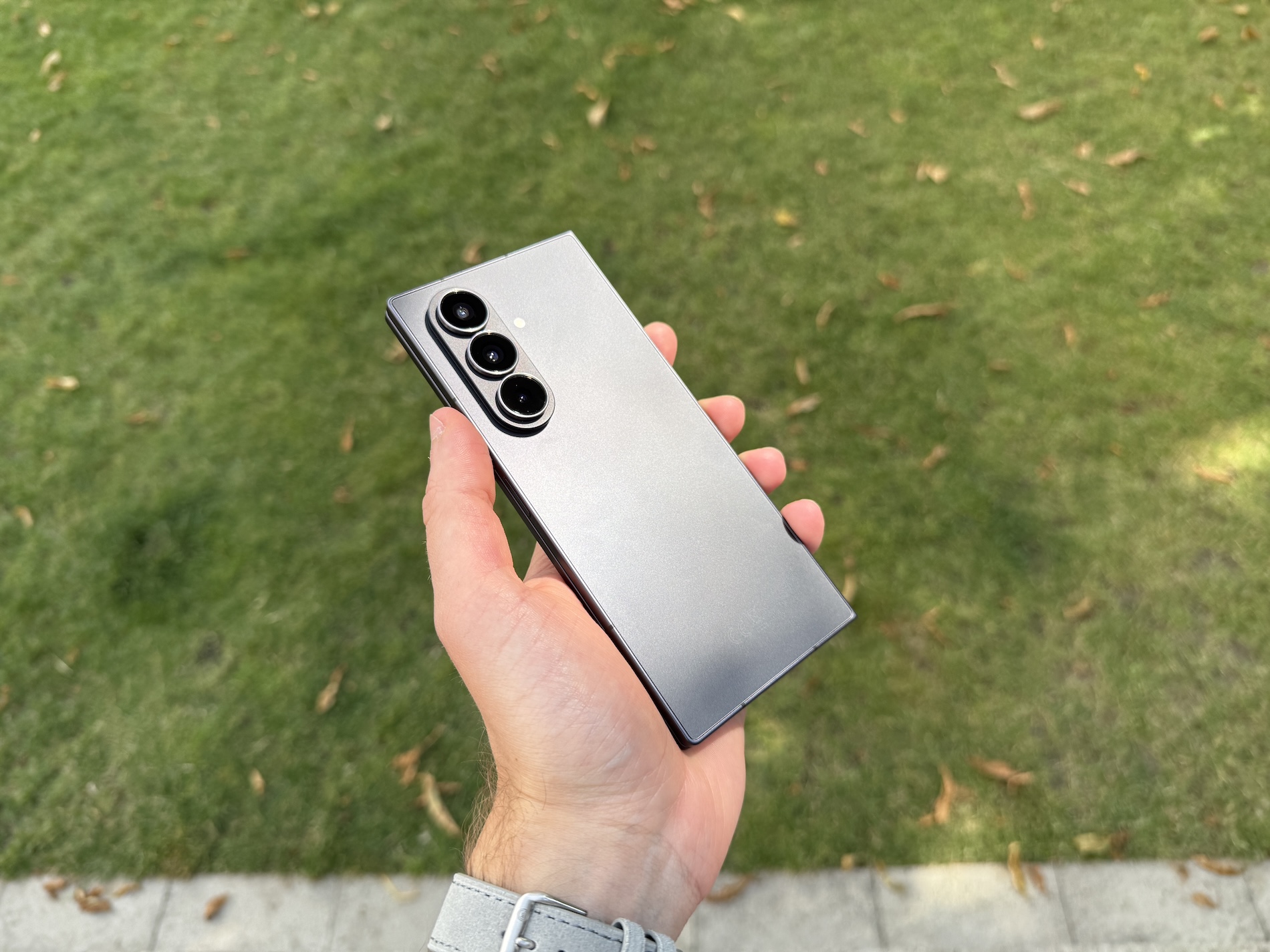
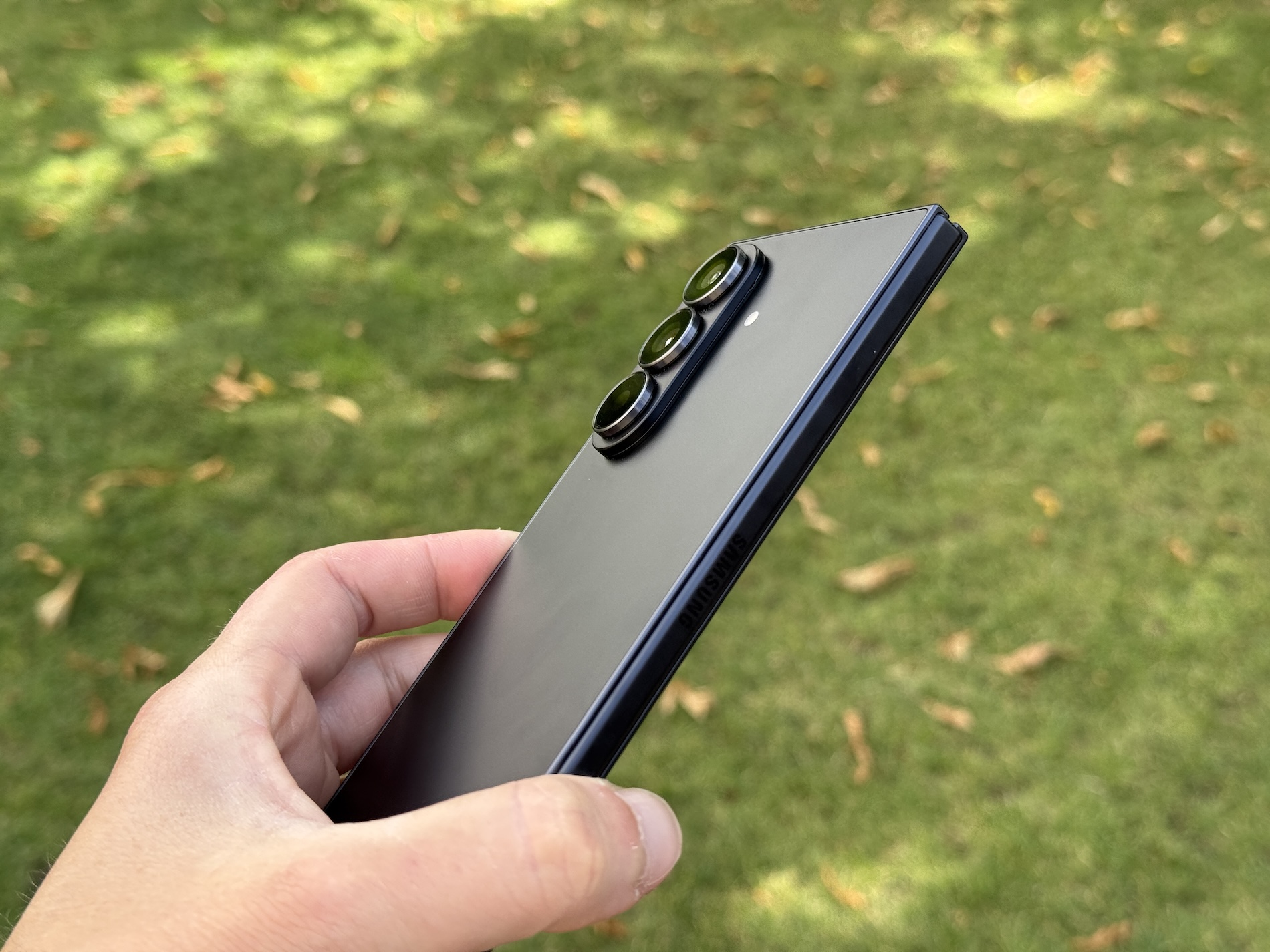
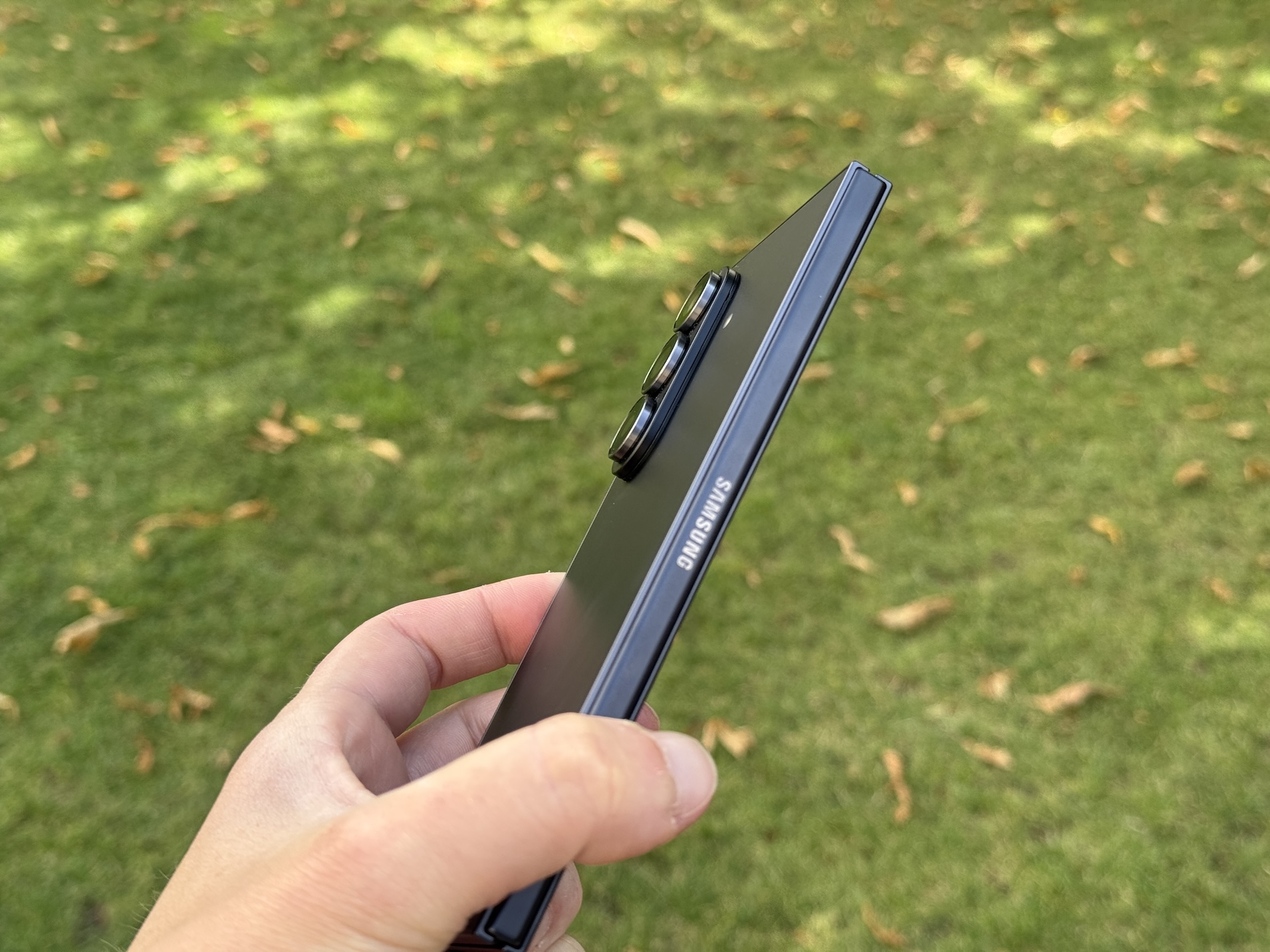
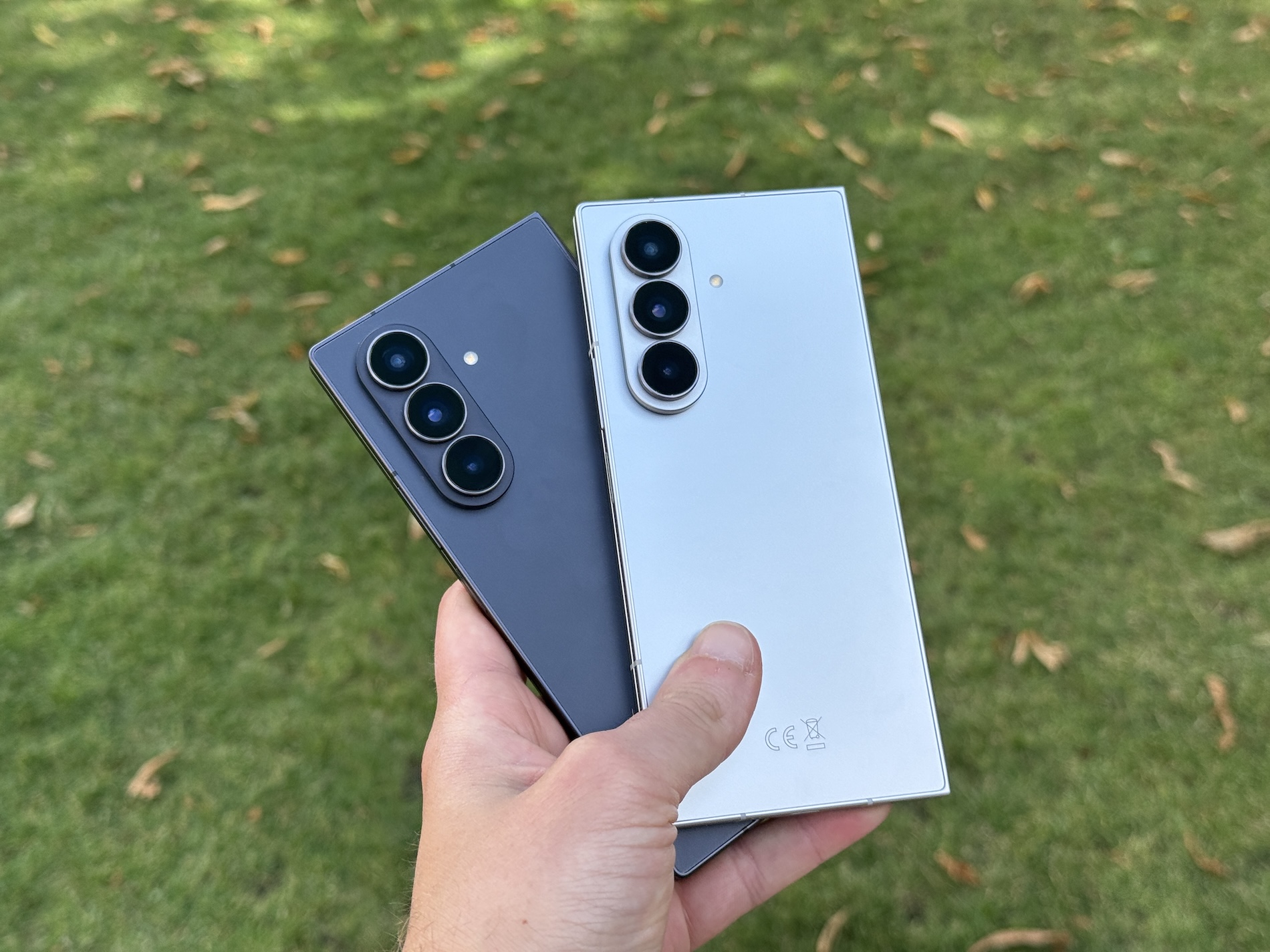
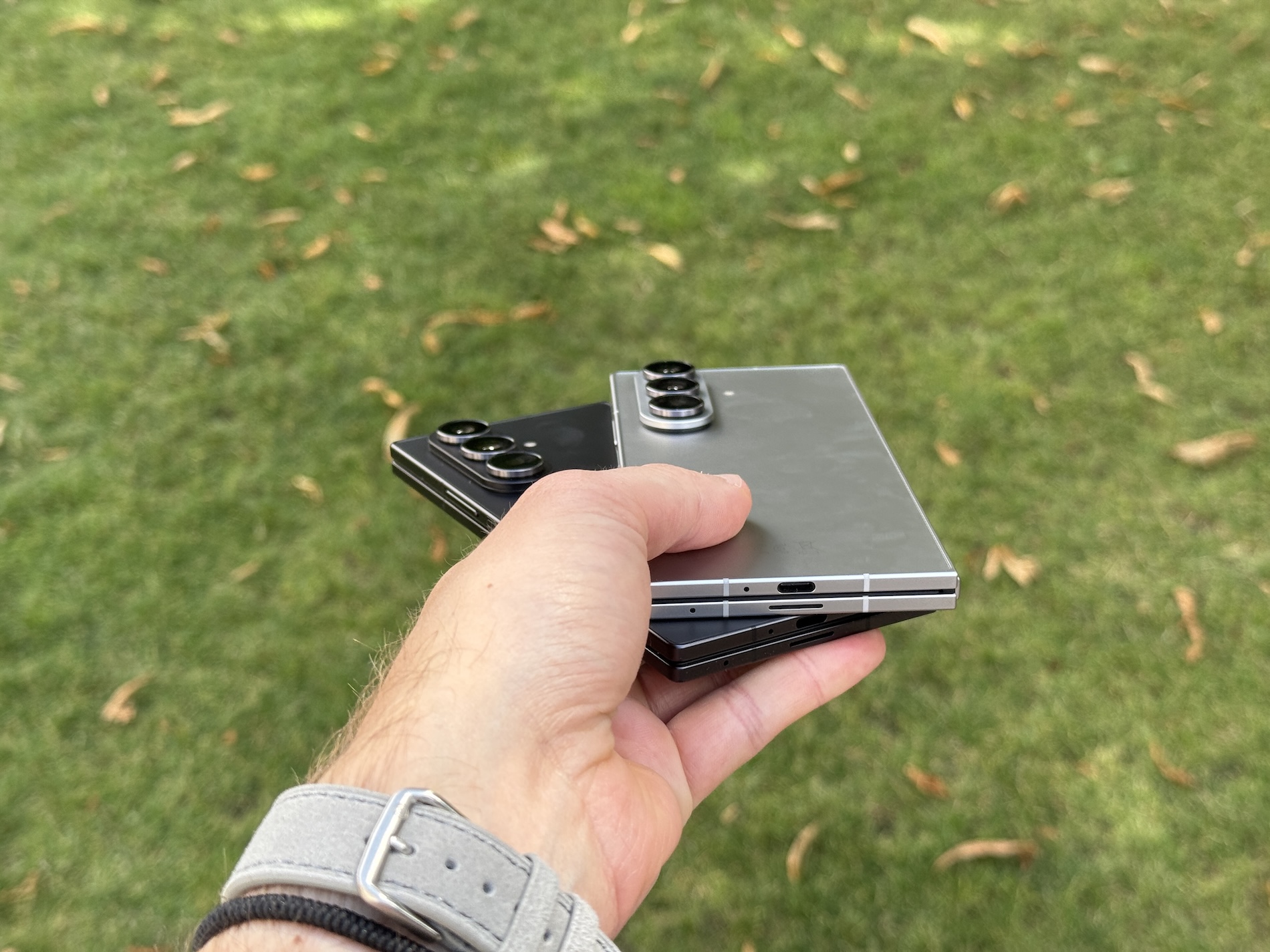
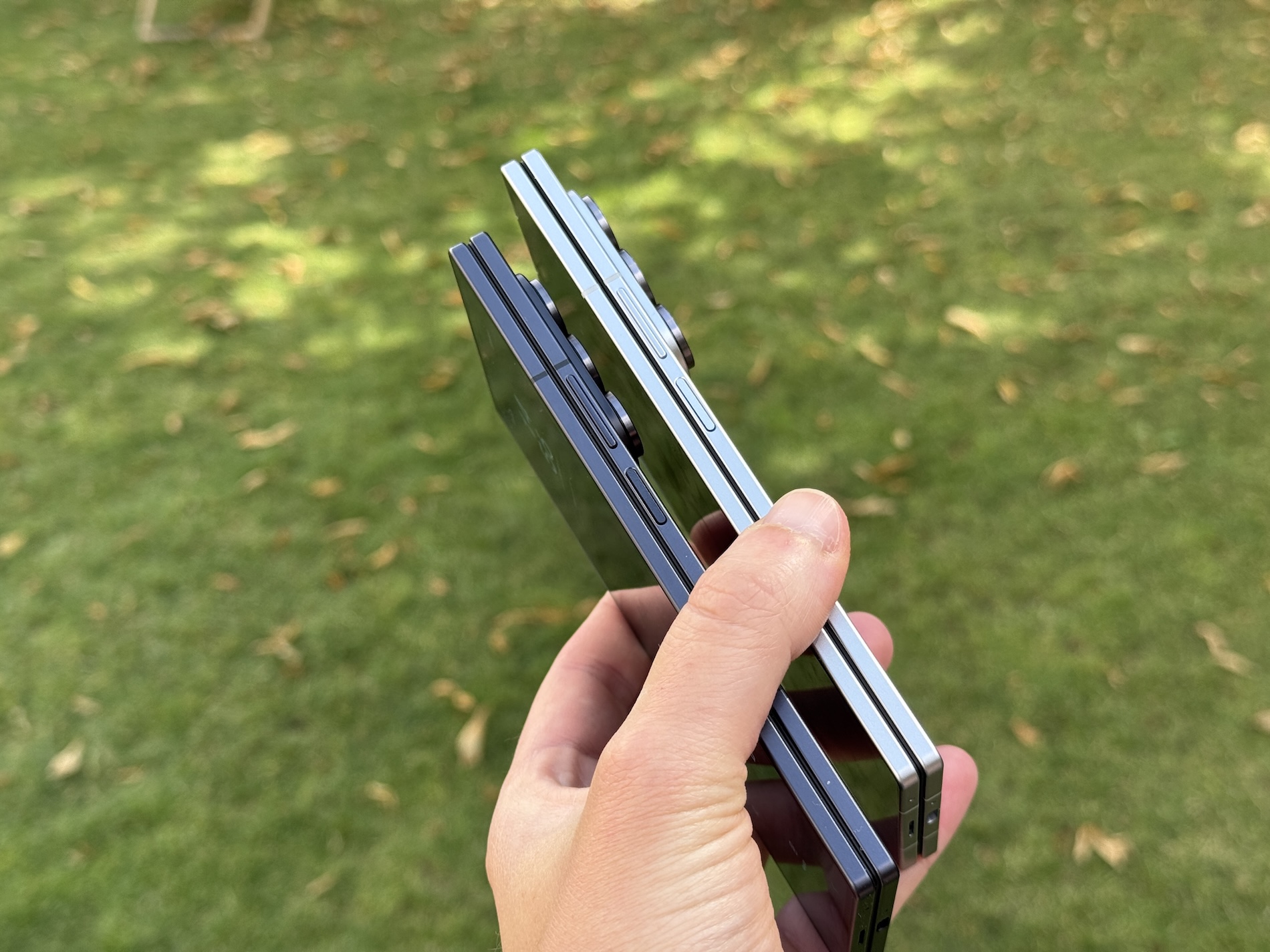
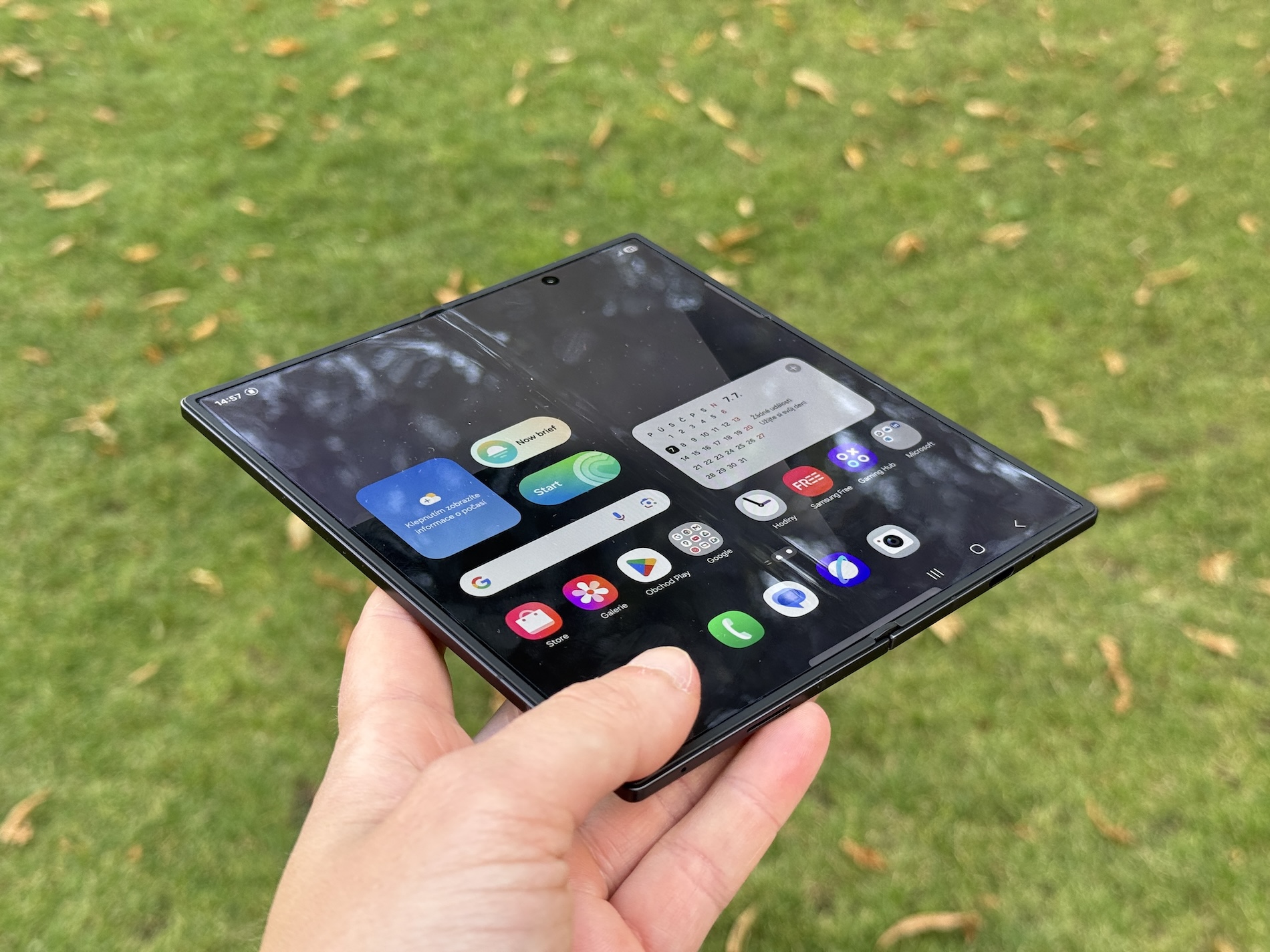
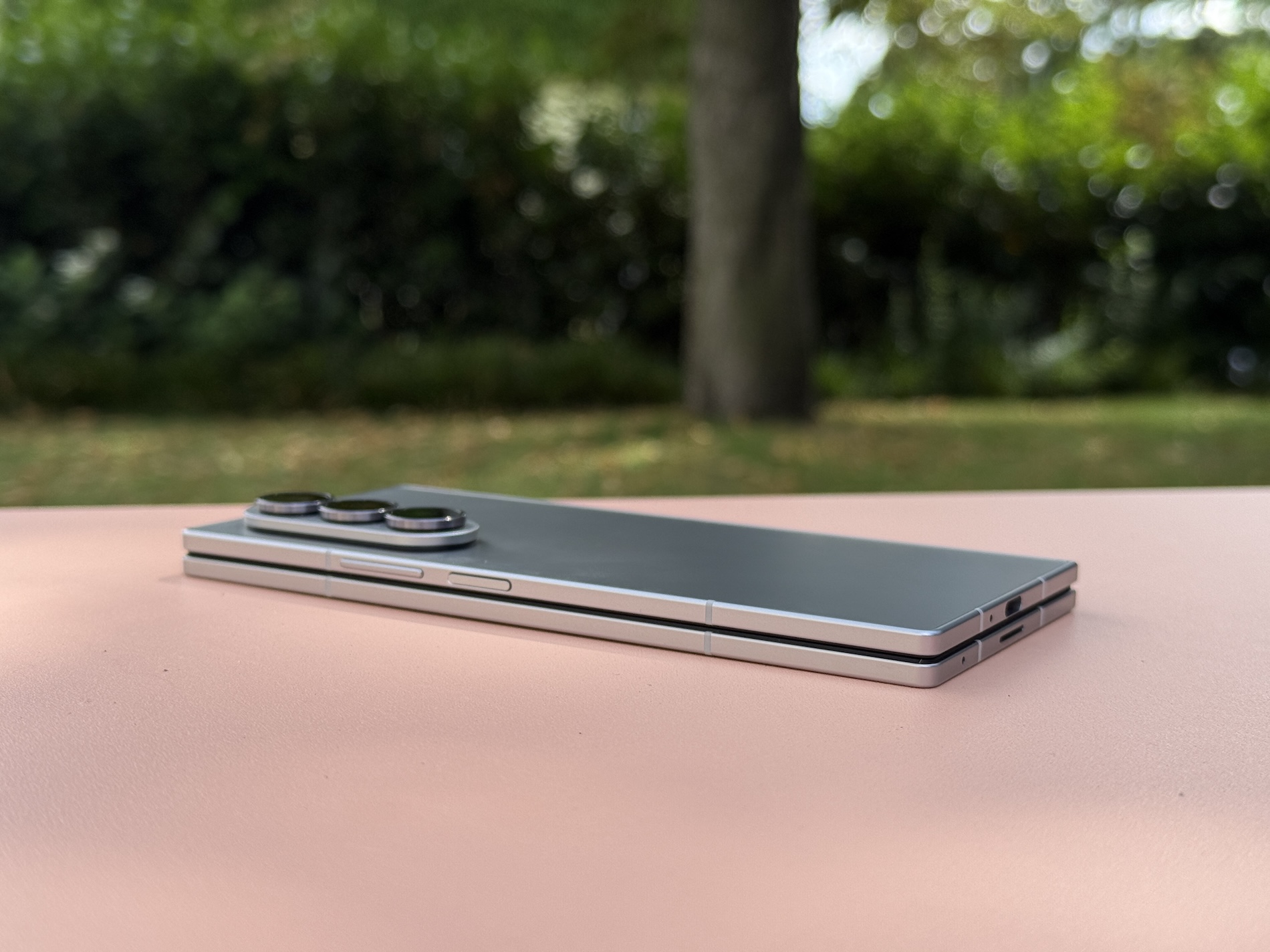
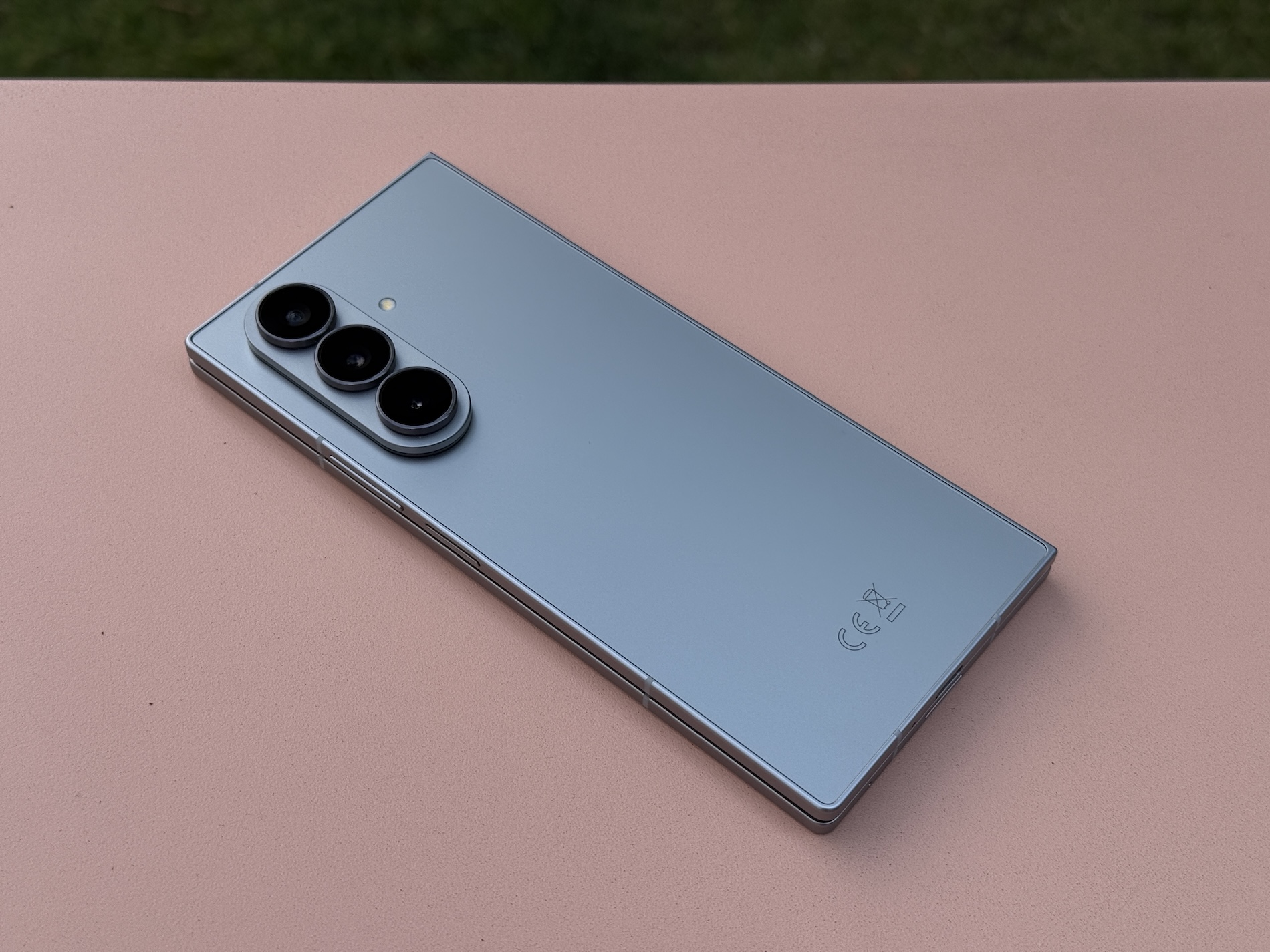
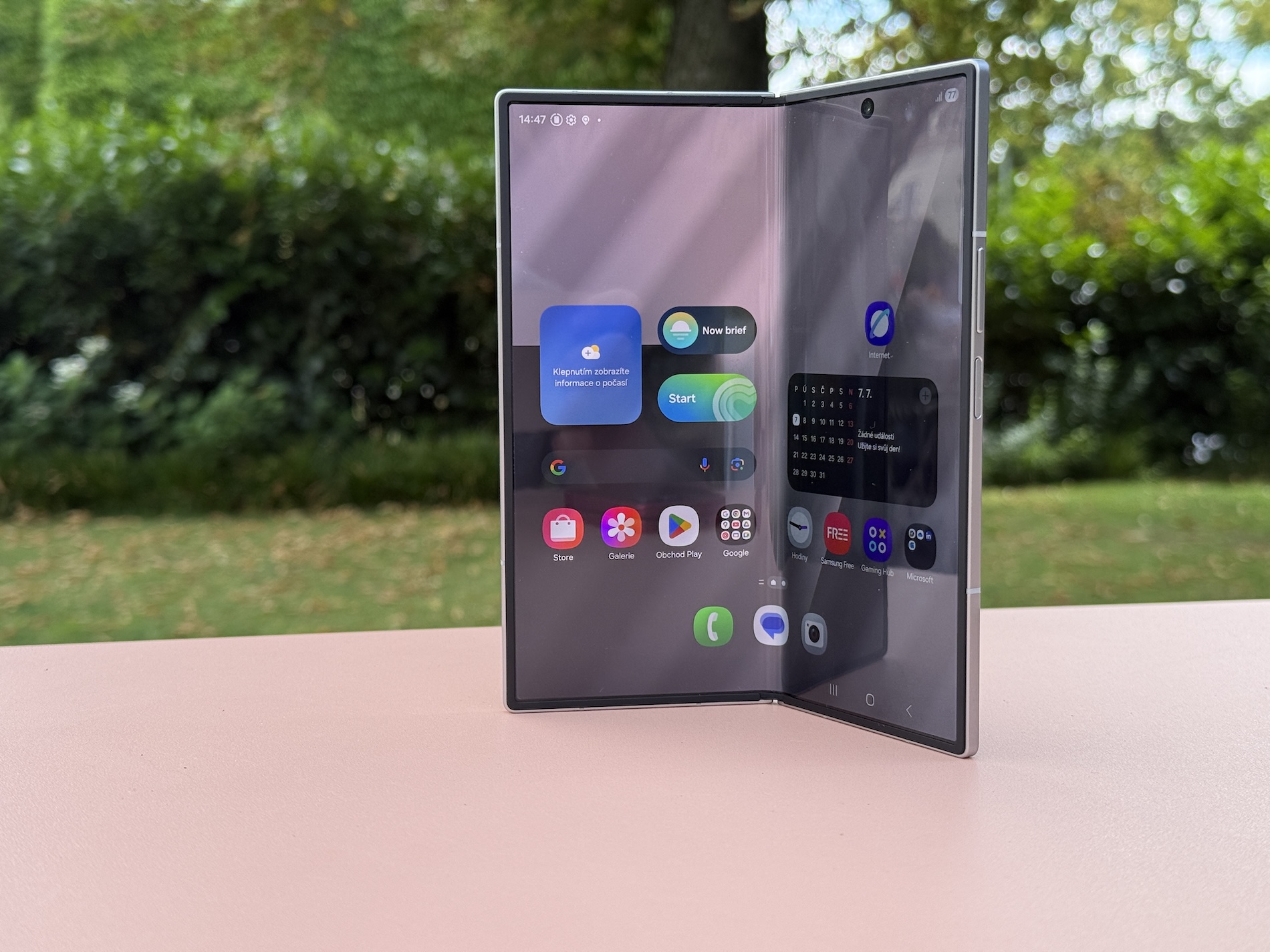
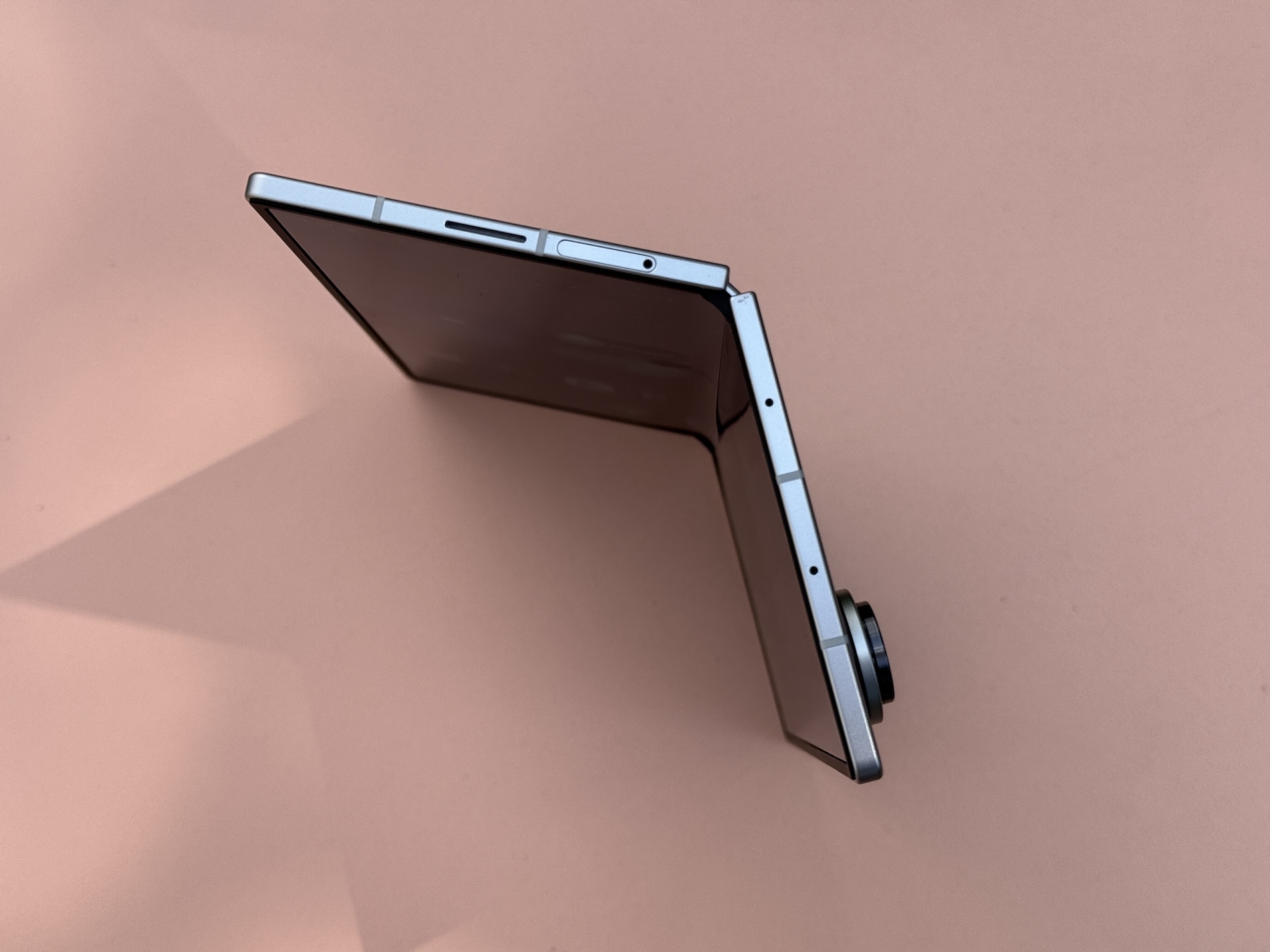
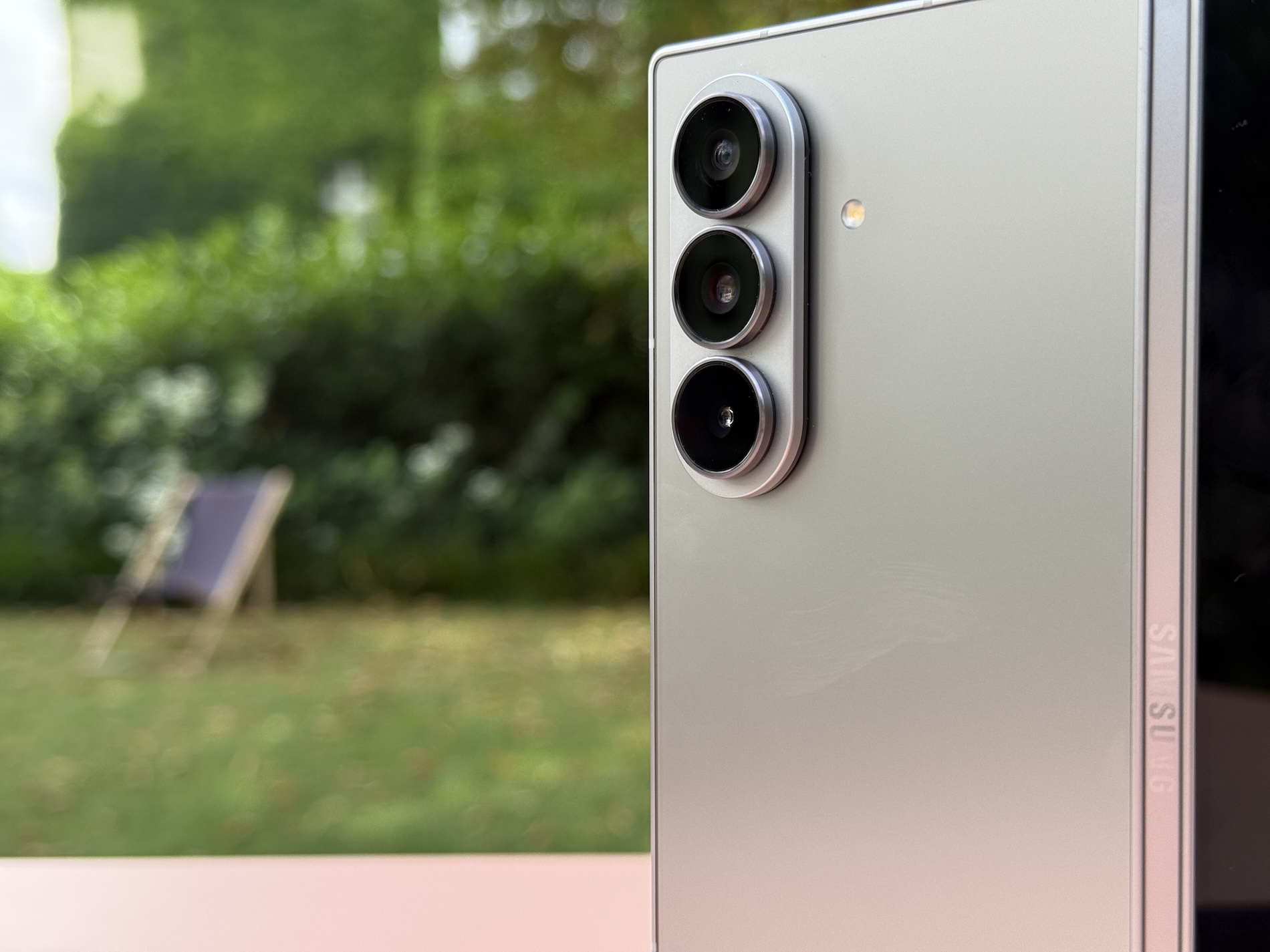
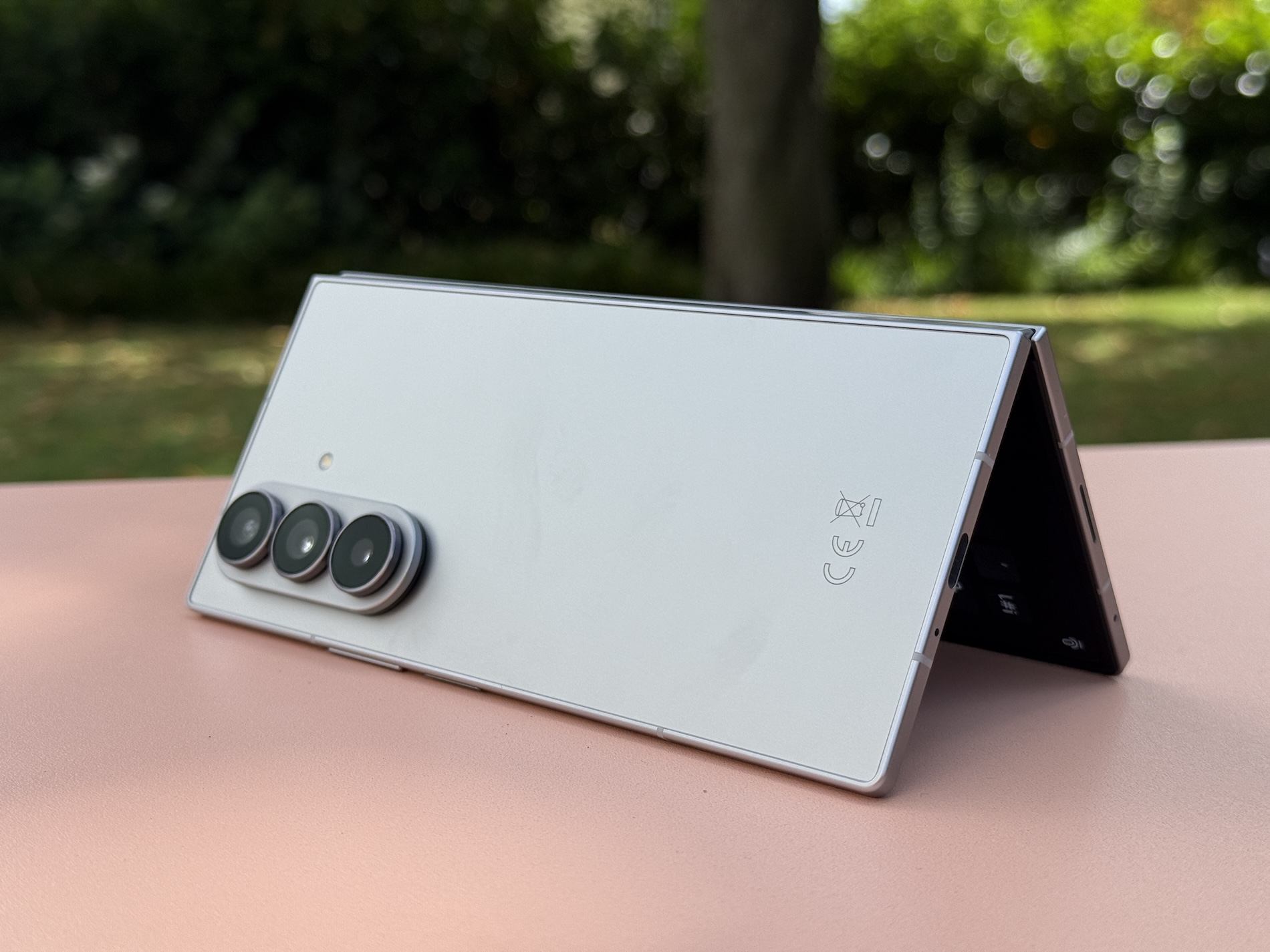
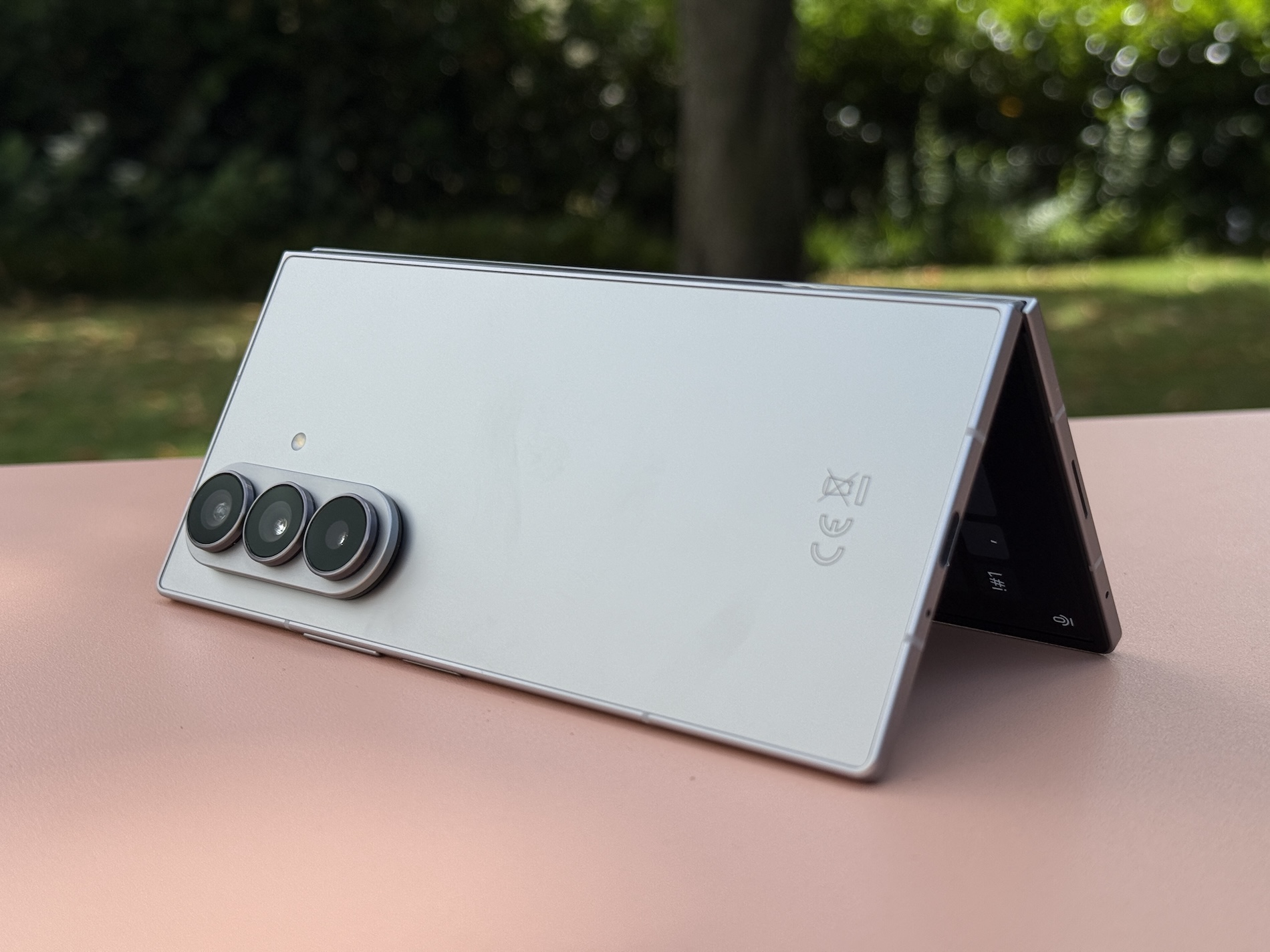
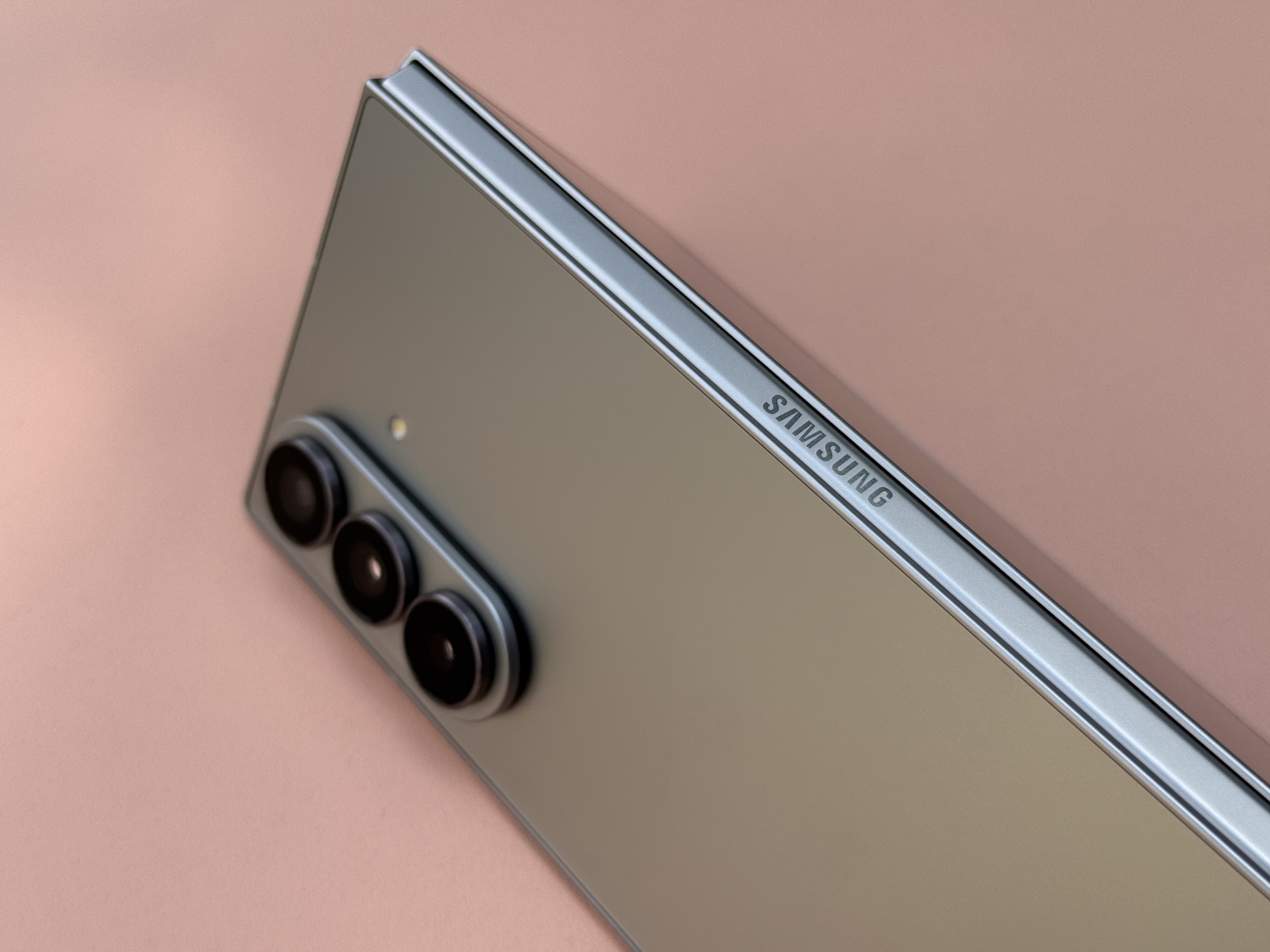
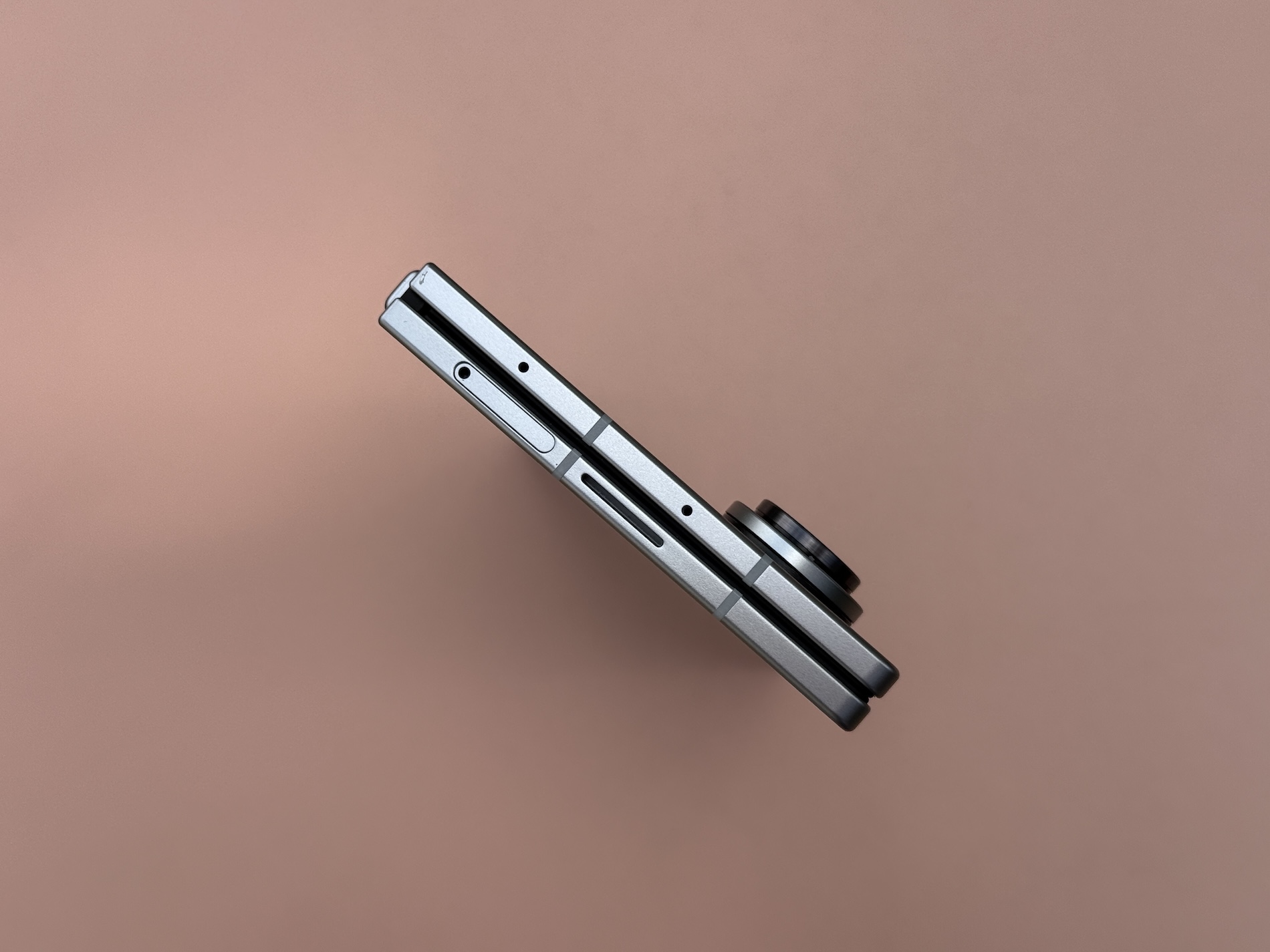
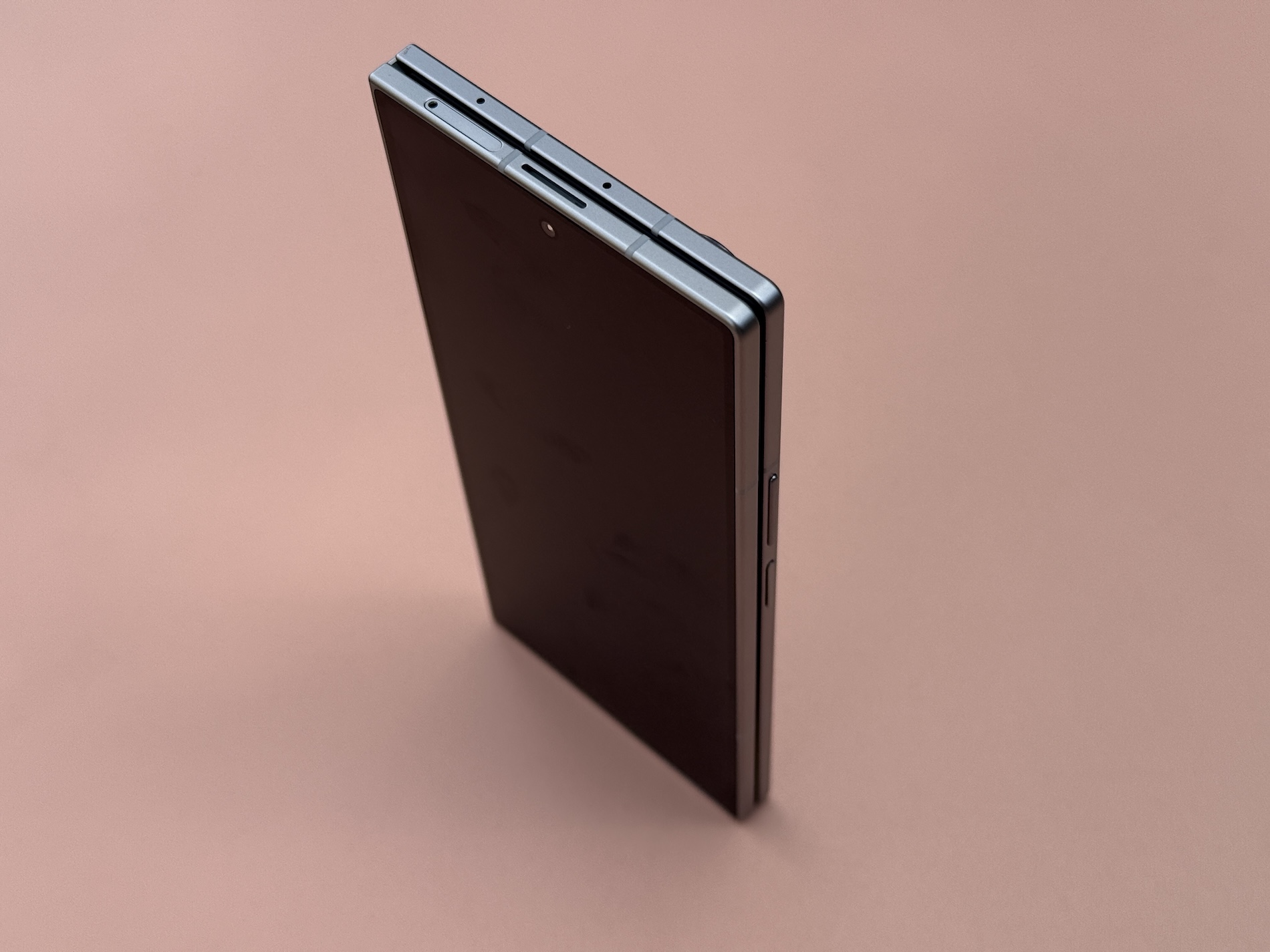
Investments in research and development play a significant role. Apple invests tens of billions of dollars annually in R&D and has been increasing its budget for its own chips, artificial intelligence and new product categories for a long time. Samsung also invests tens of billions of dollars annually and is among the largest investors in semiconductor development in the world. While Apple By focusing on vertical integration and control over its own hardware and software, Samsung is a key player in the global chip and memory supply chain.
The difference between the two companies is primarily strategic. Apple It builds a closed ecosystem in which it controls every detail of the user experience. The hardware, operating system, services and chips are all part of a single interconnected whole. This allows it to achieve high margins and build an extremely loyal user base. Samsung operates as a technology conglomerate. Its strength lies in its diversification, global reach and ability to operate across segments from consumer electronics to infrastructure.
Gallery
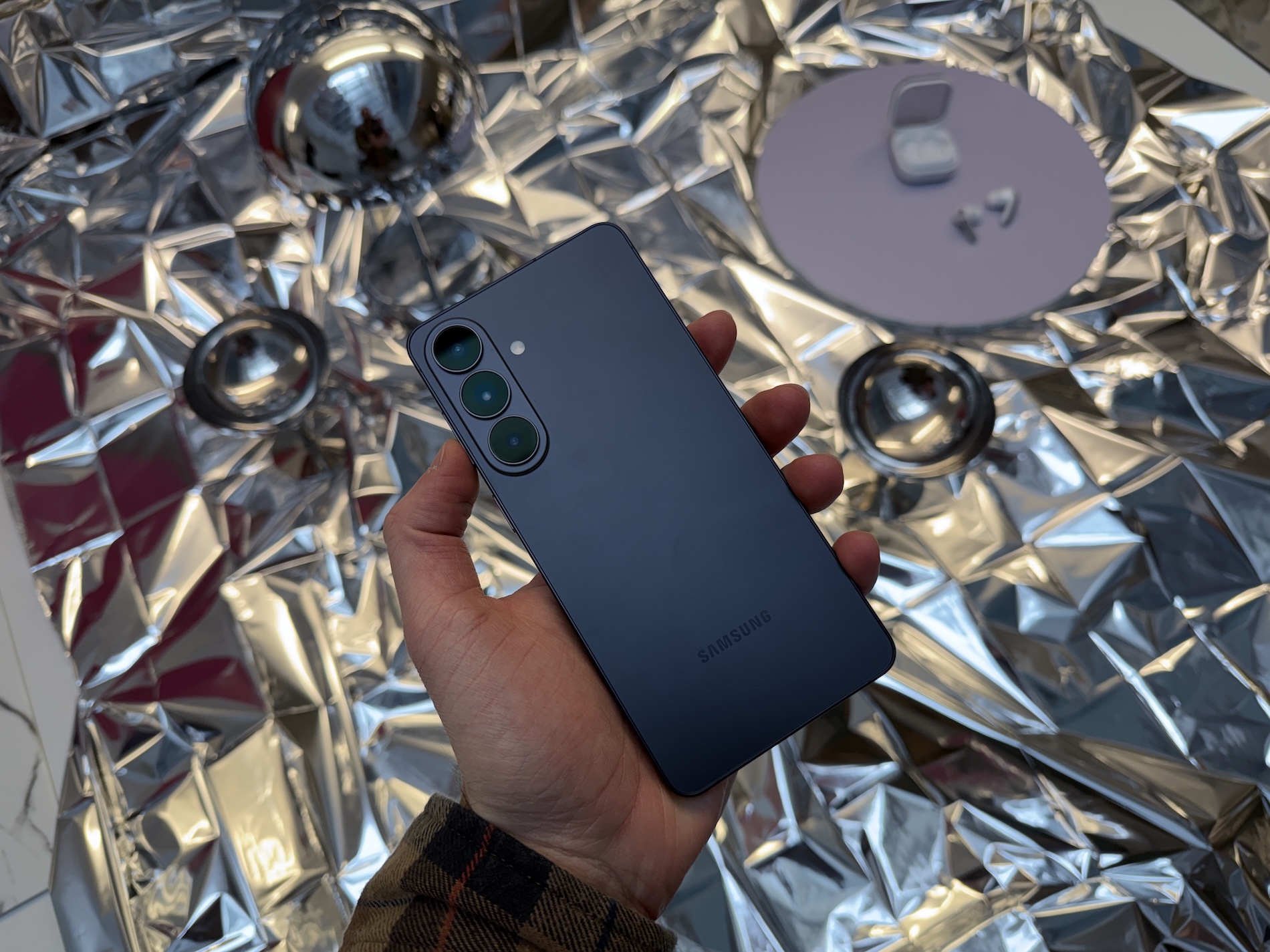
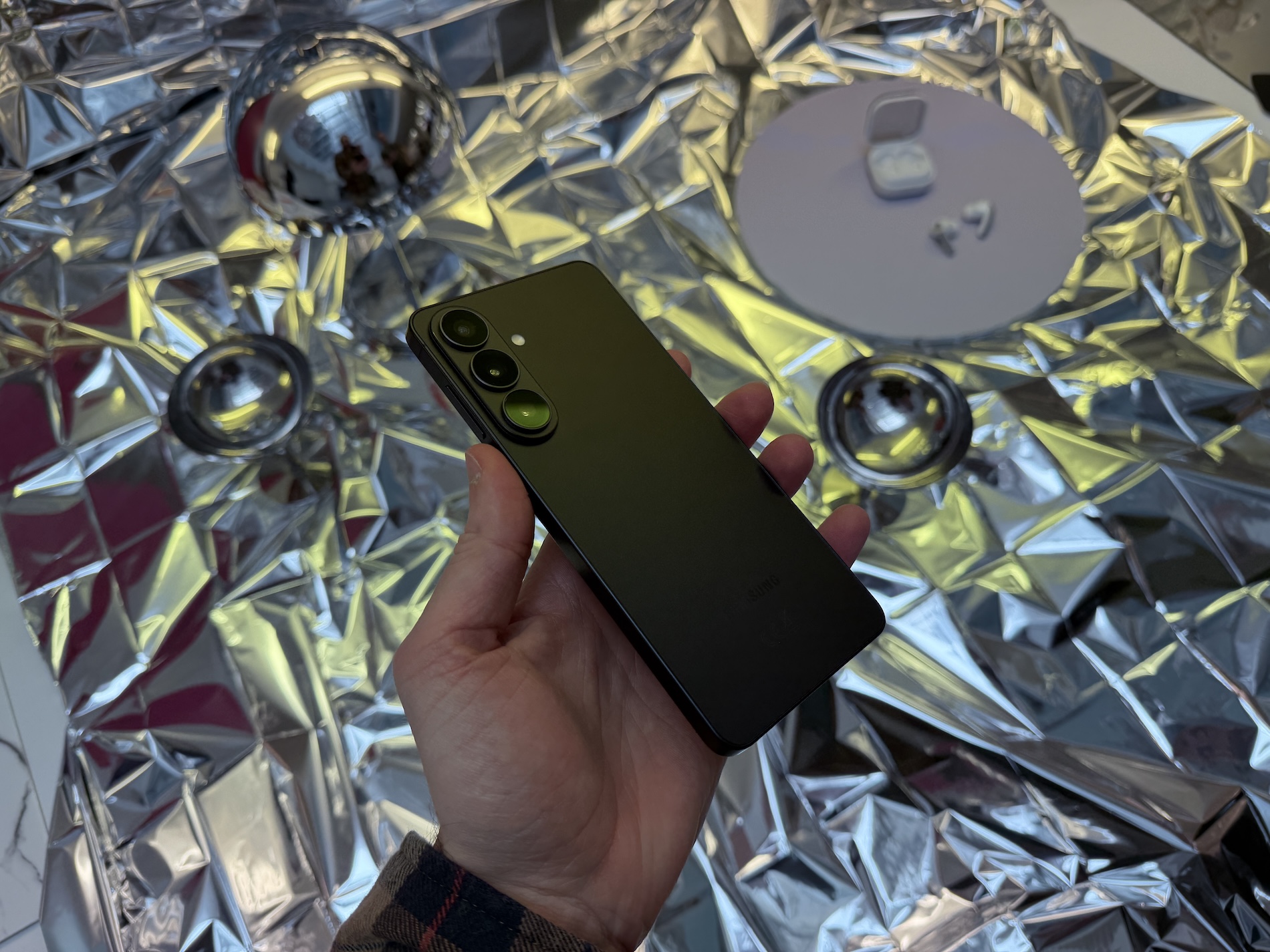
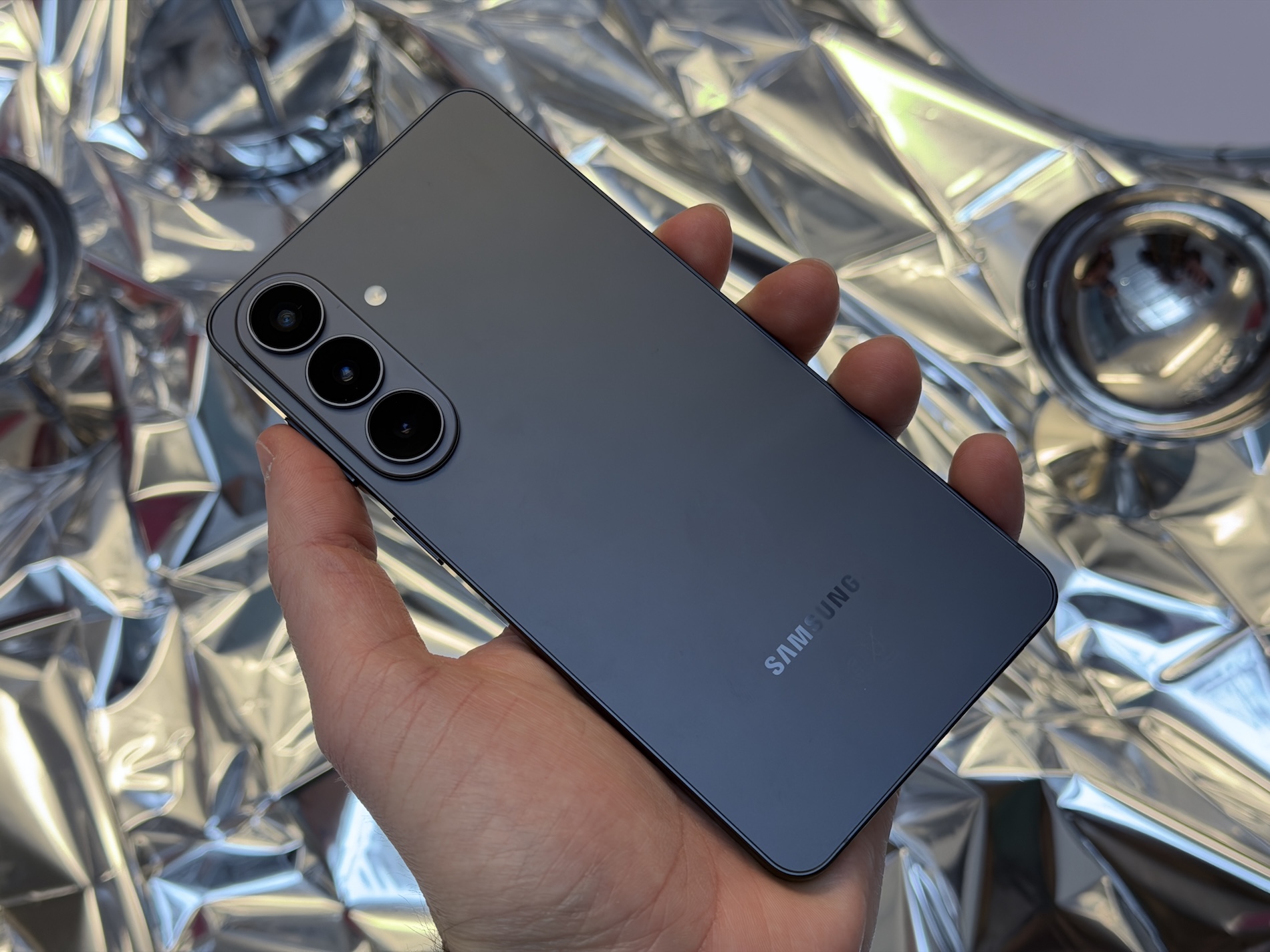
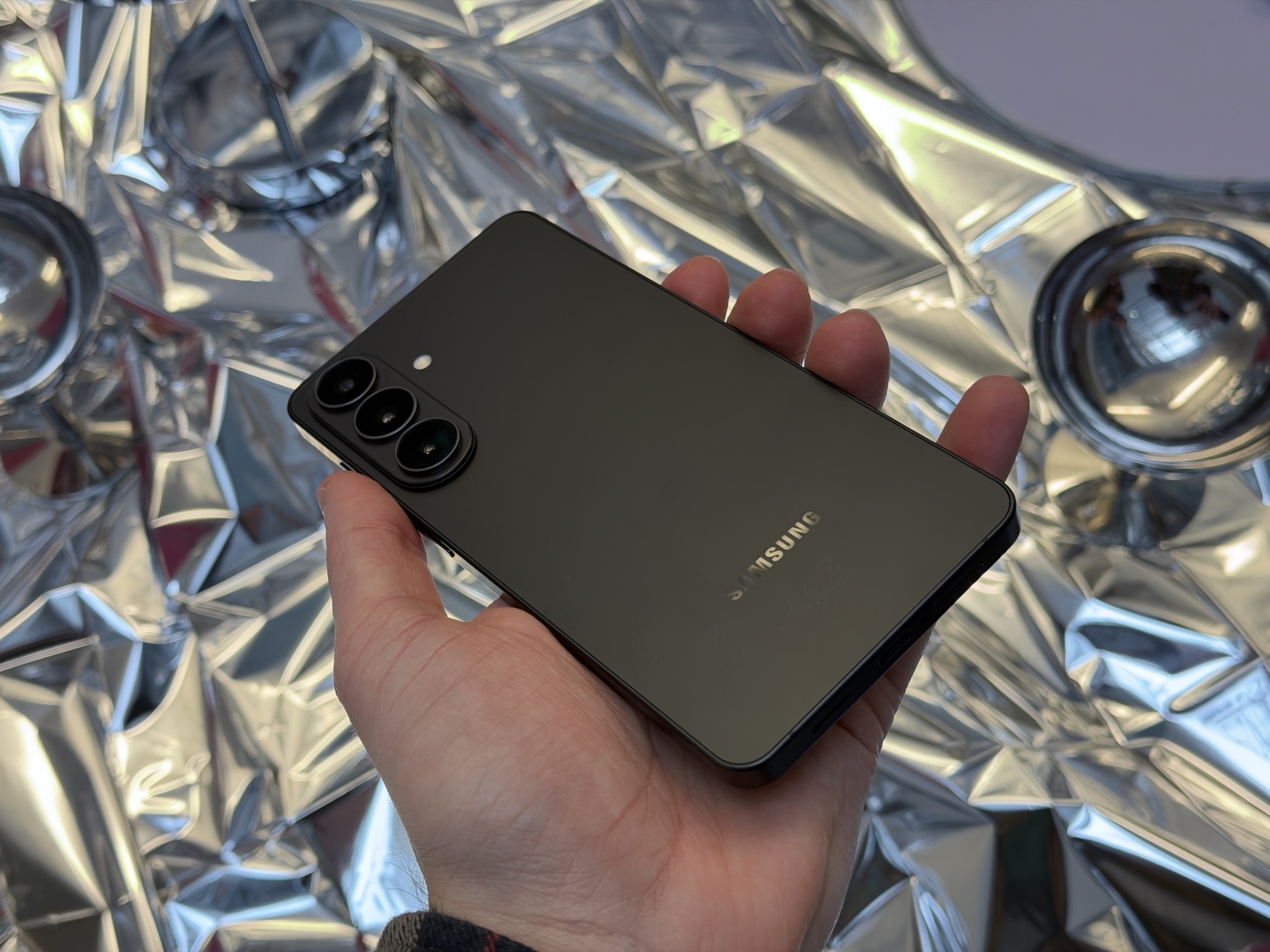
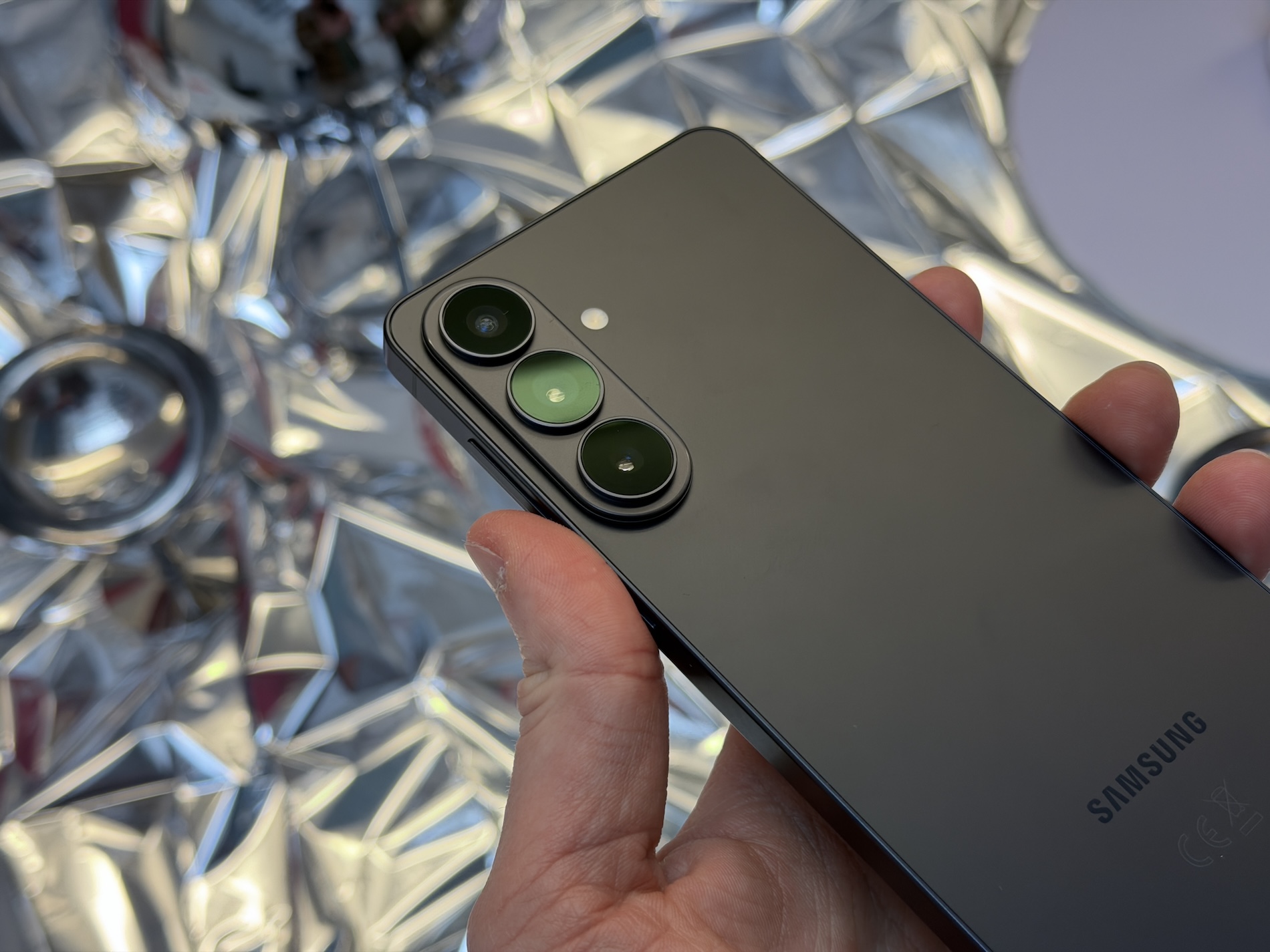
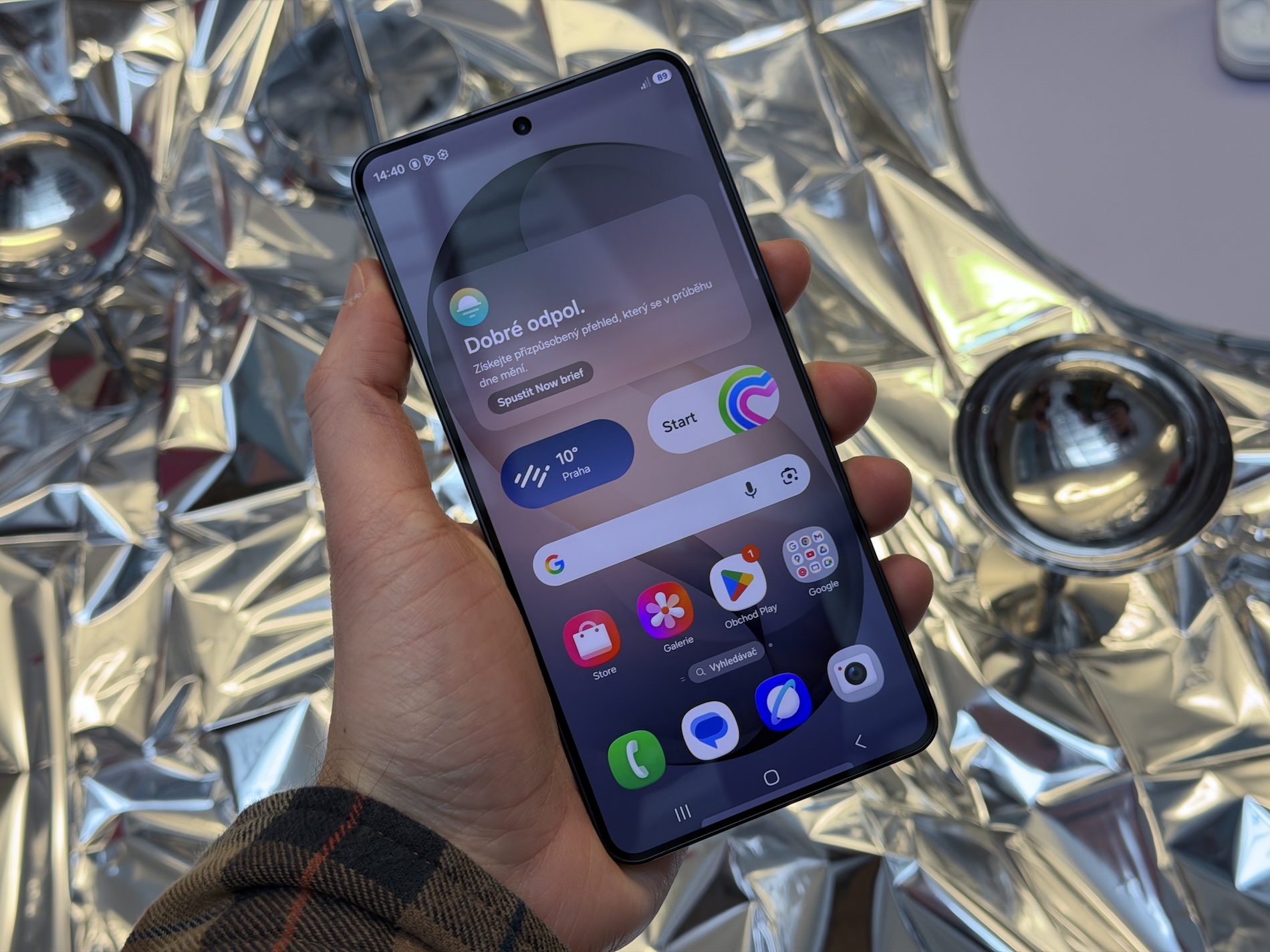
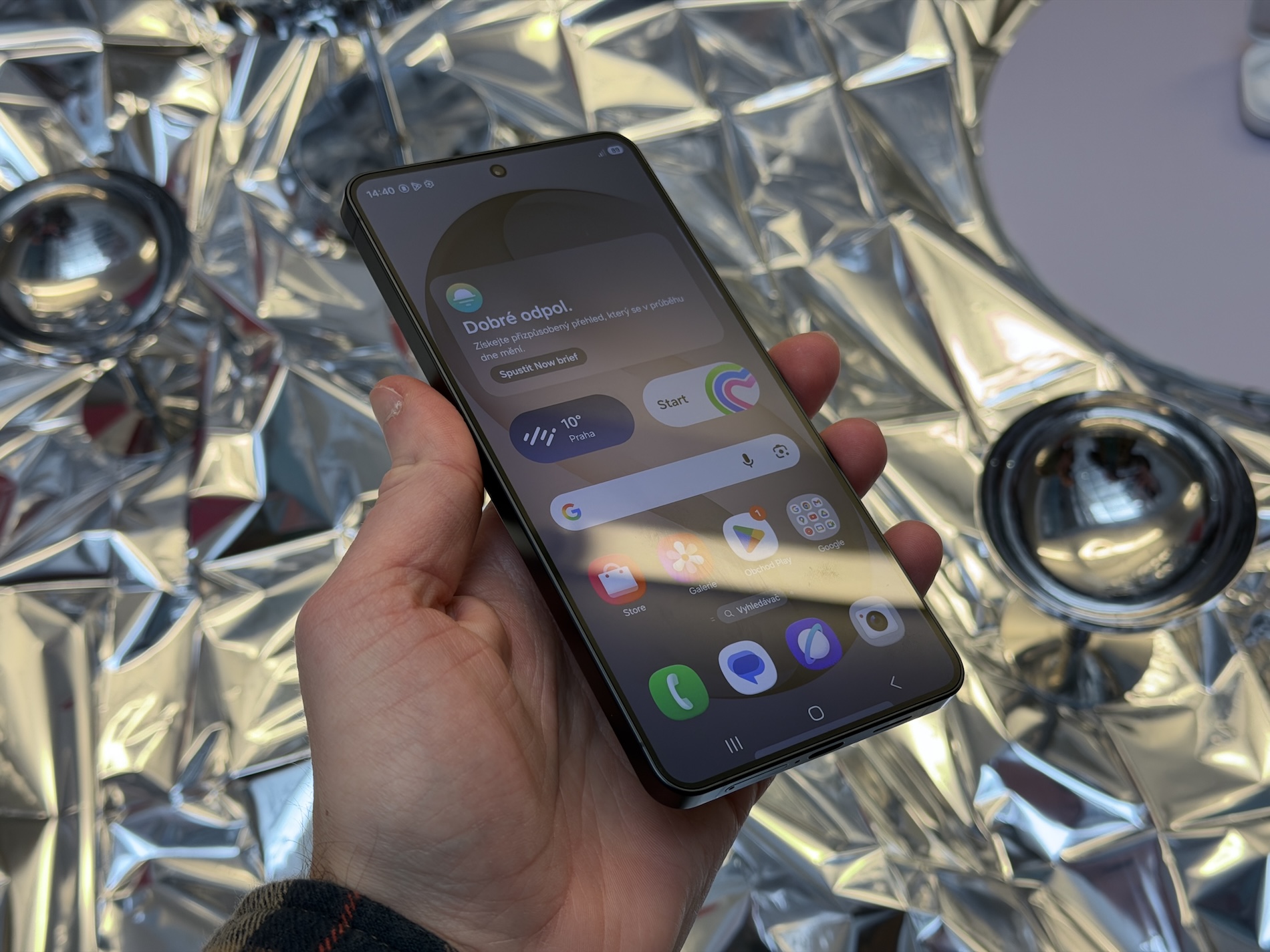
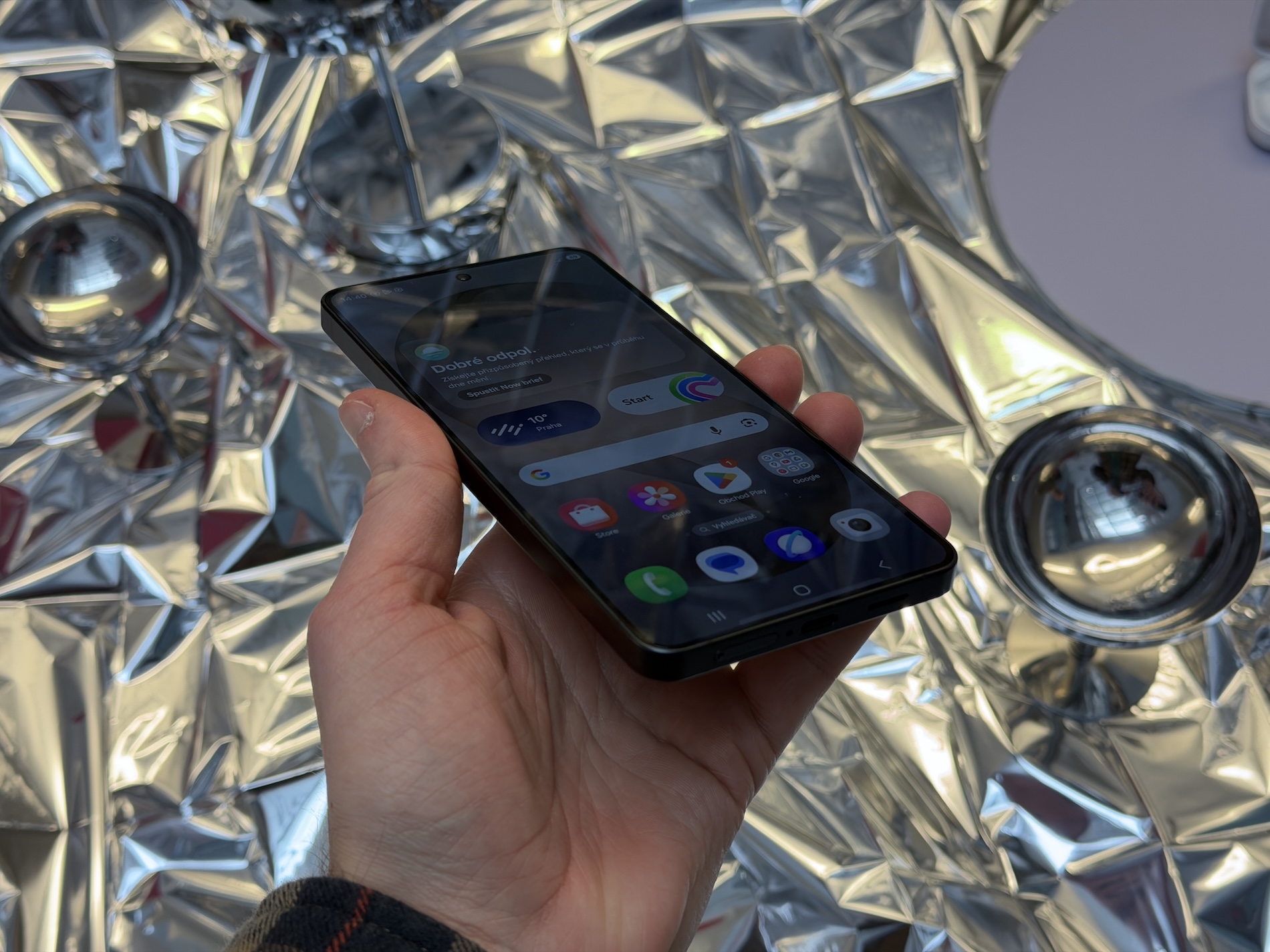
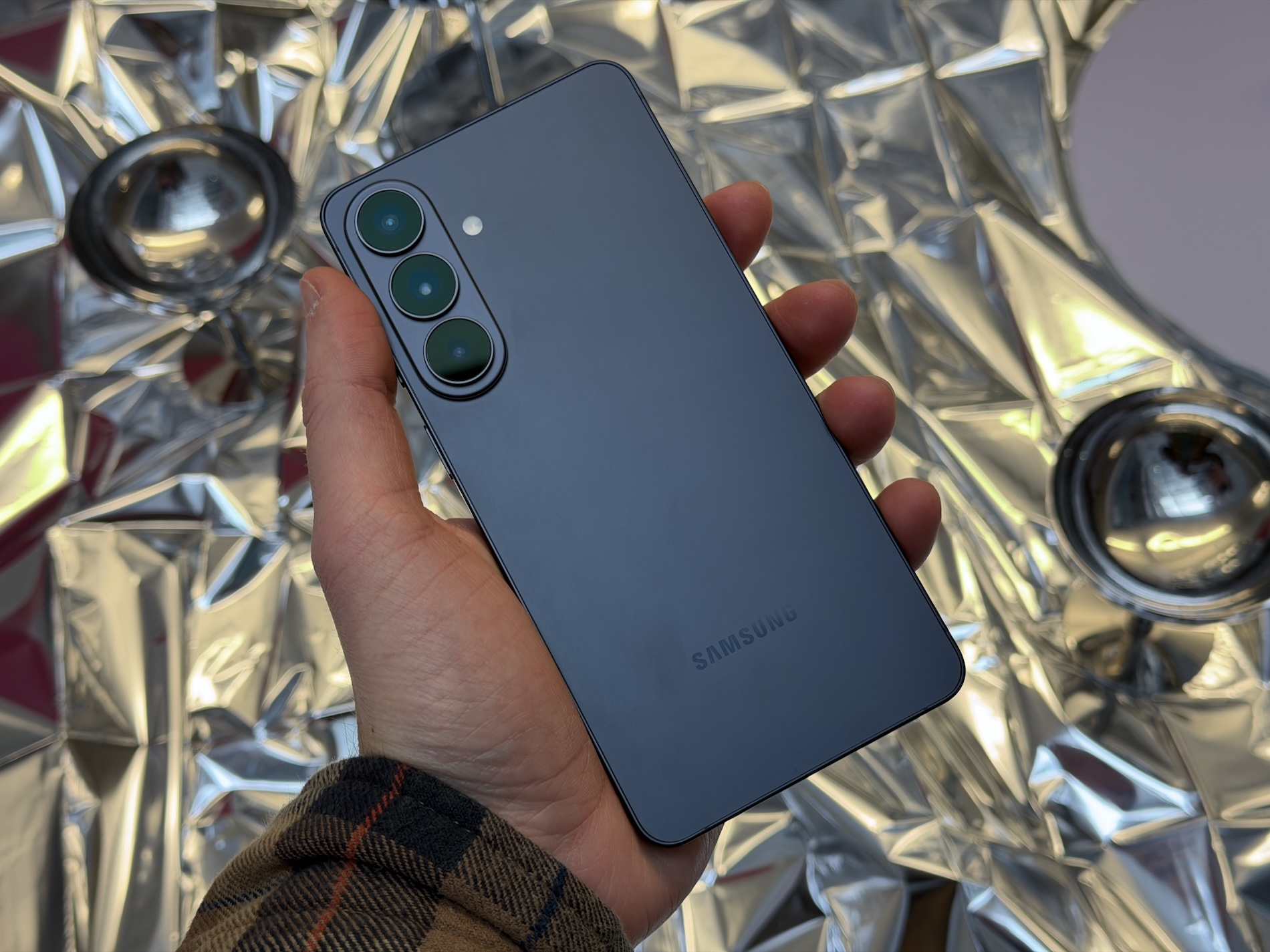
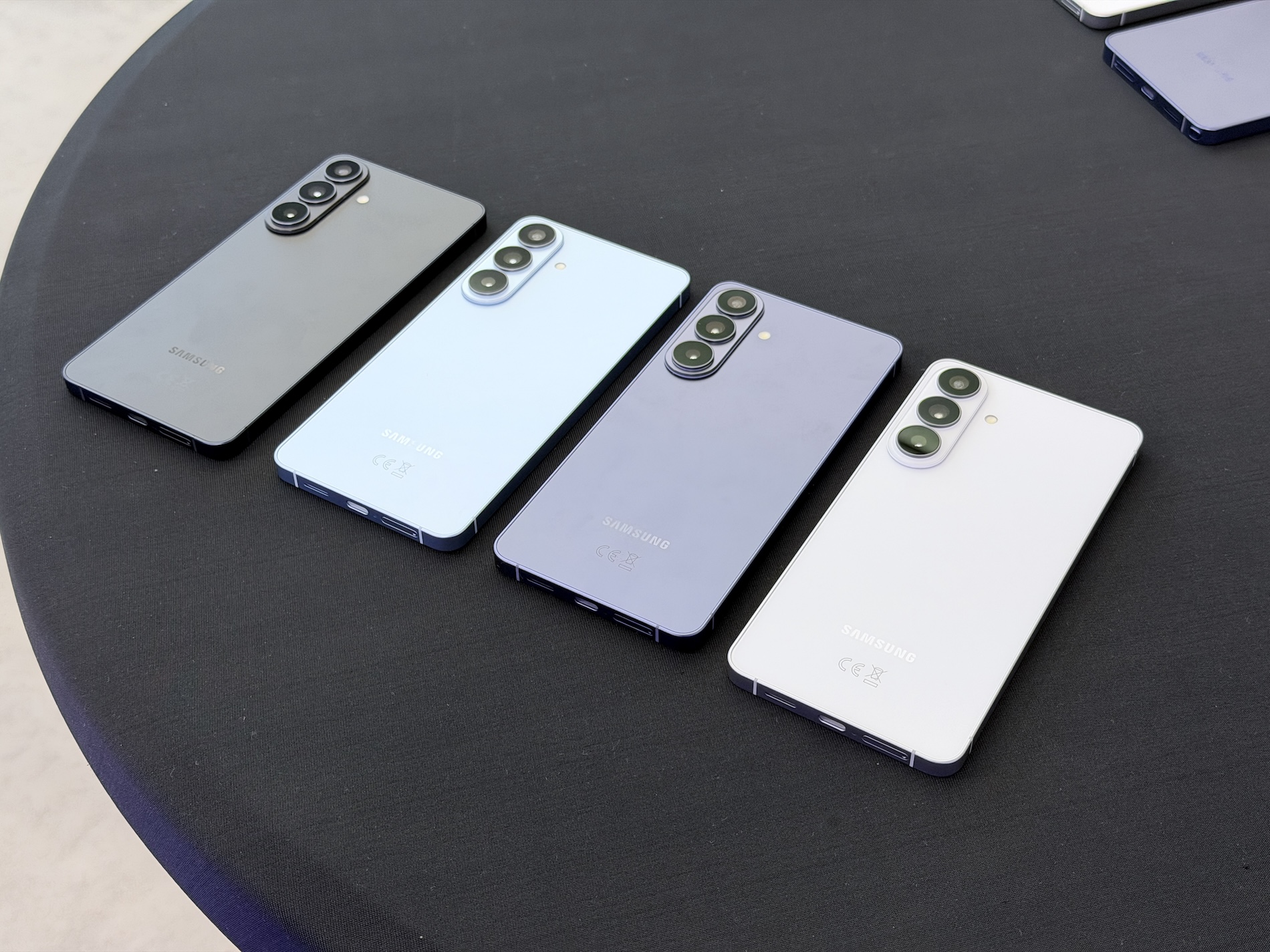
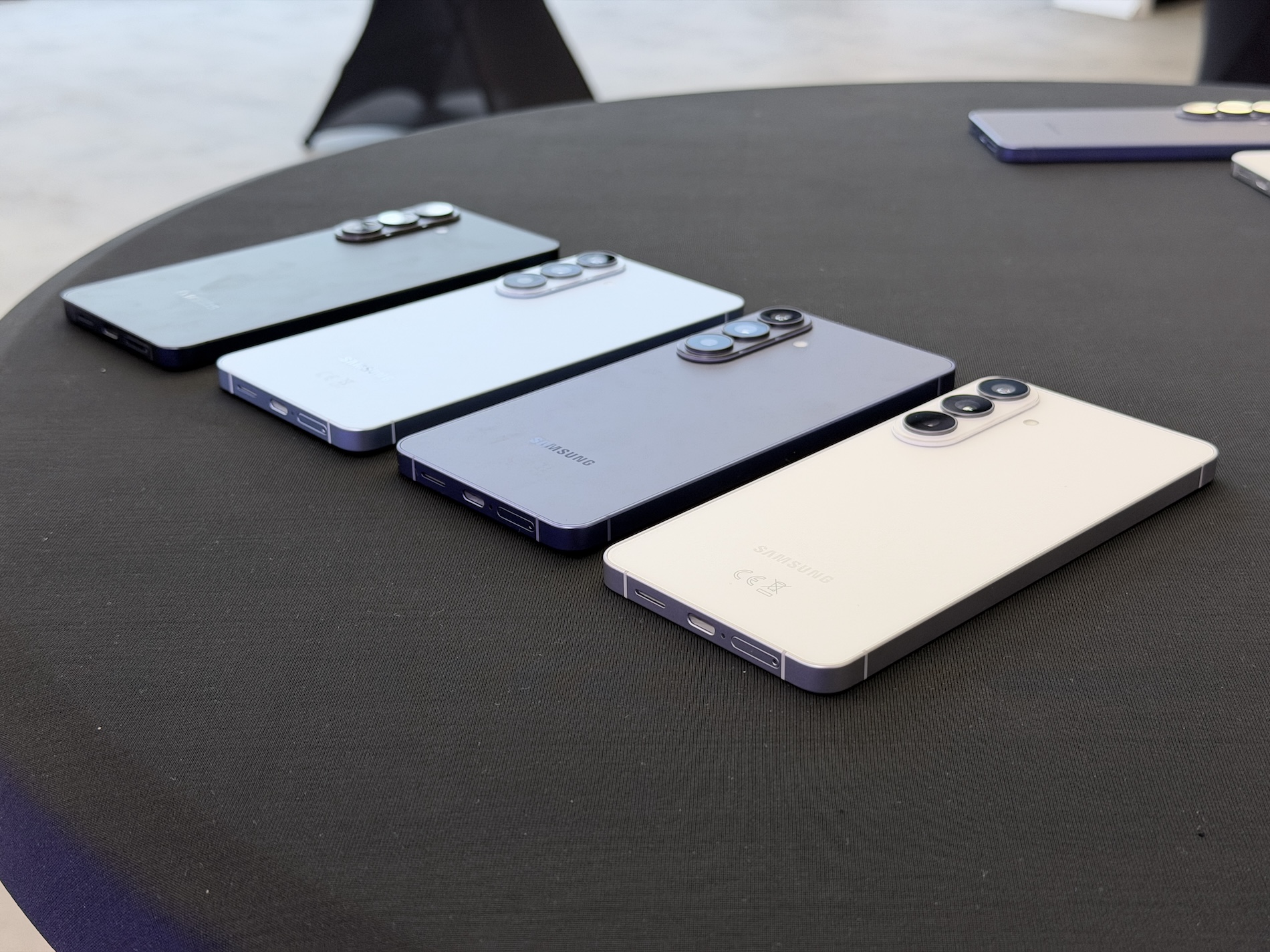
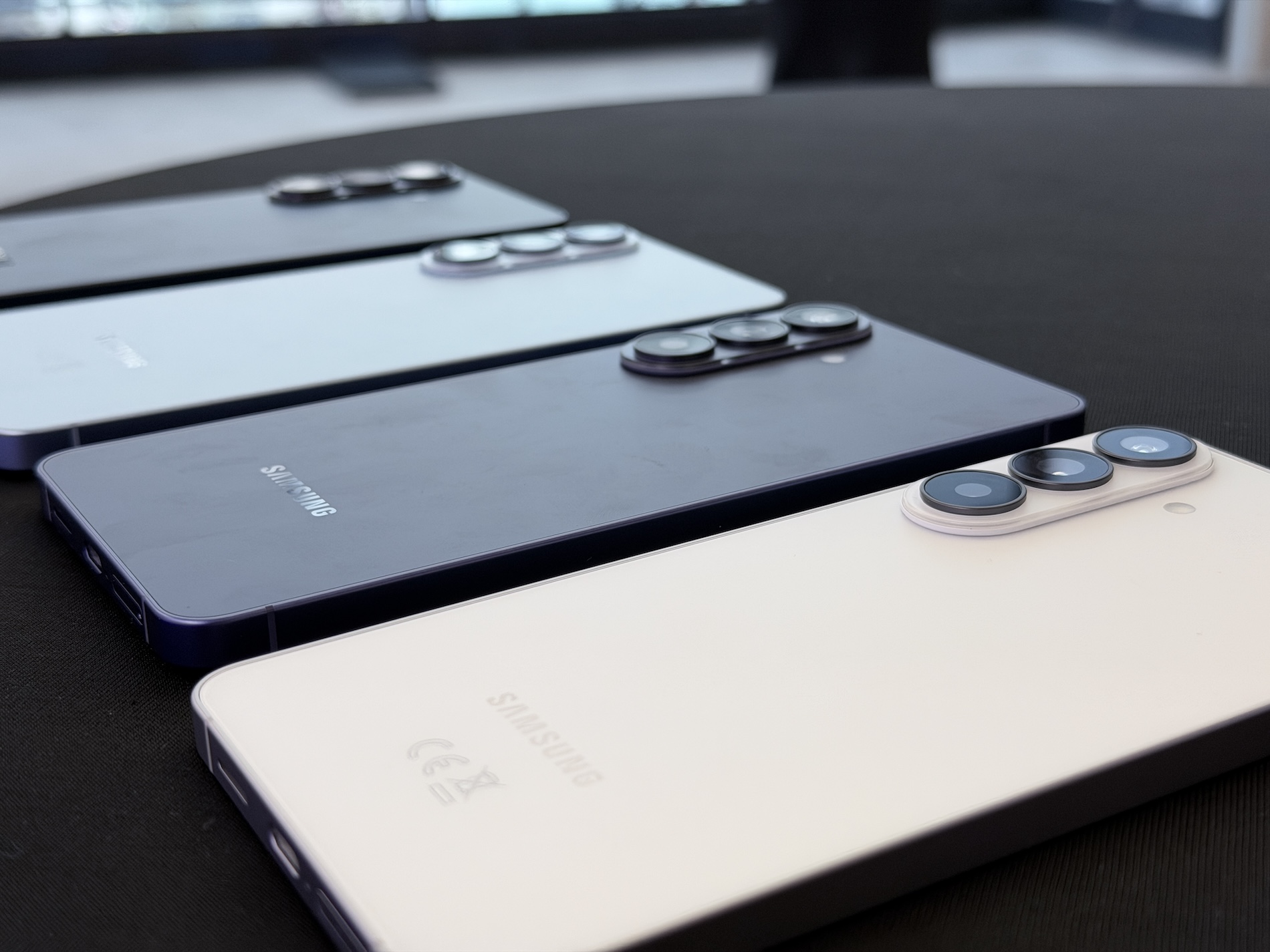
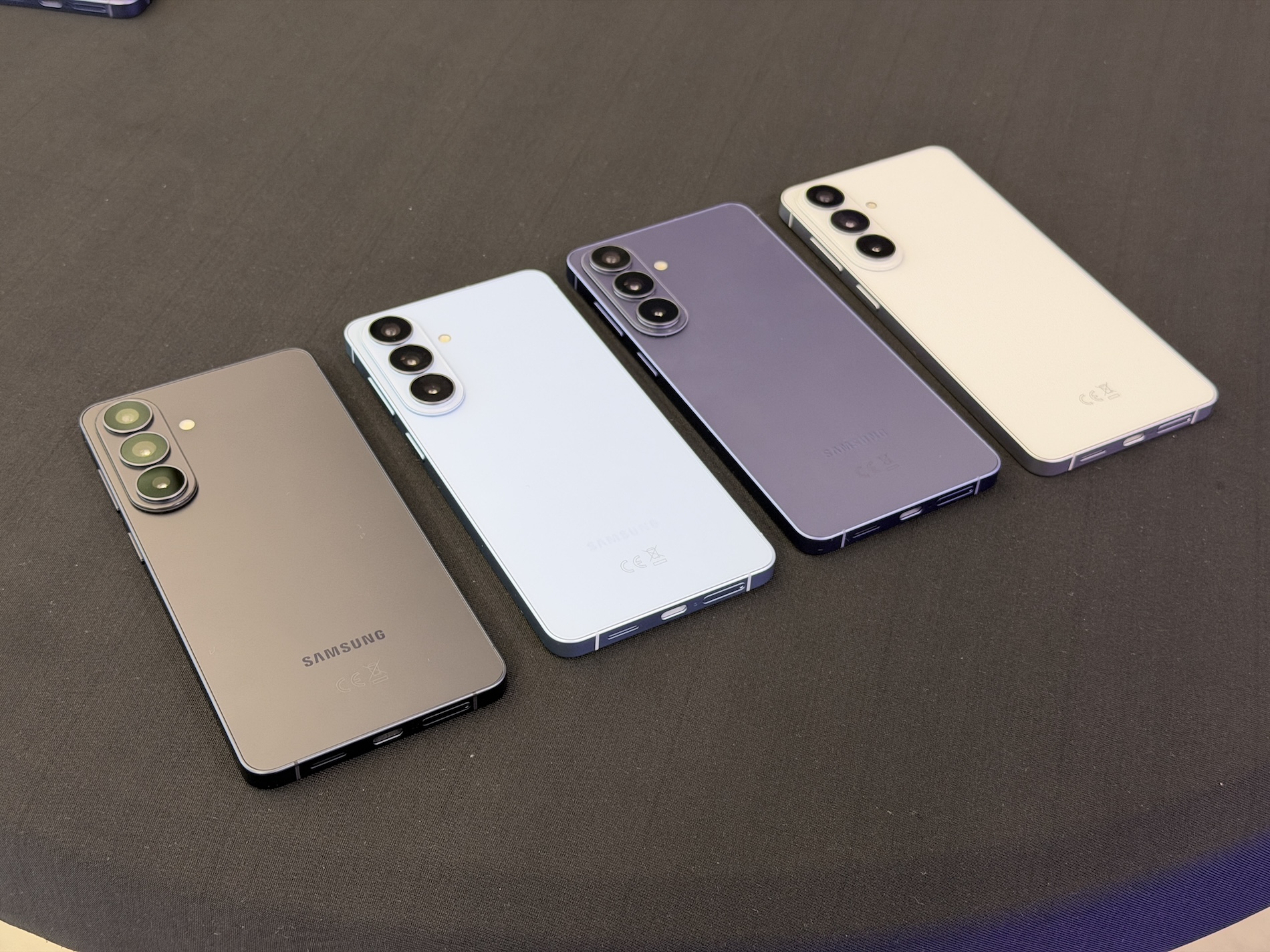
So who will lead the next decade? If we judge by profitability, market value, and ecosystem strength, Apple has the upper hand right now. Its model generates enormous cash flow and allows it to invest aggressively in the future. But if the future of technology revolves more around chip manufacturing, memory, and infrastructure, Samsung remains a key player without which the global technology ecosystem could not function.
One thing is certain. Apple and Samsung will continue to shape the world of technology. One through a controlled and highly profitable ecosystem, the other through global scale and manufacturing power. And it is the tension between these two approaches that will define what the devices we use in the years to come will look like.