Are your online accounts well secured? If your answer is that your current ones are, then you probably have nestSecurity firm UpGuard has discovered an unsecured database containing billions of records including email addresses, passwords and US Social Security numbers. NumbersThis is not a single recent hack, but a compilation of data from various leaks over the last decade.
The total database volume is expected to reach approximately three billion email and password combinations and another approximately 2,7 billion records containing more sensitive identification data. It is clear that there will be millions of duplicates in such a volume, but even after deducting them, it is estimated that there may be tens to hundreds of millions of unique individuals.
Interestingly, some of the data likely comes from a massive leak in 2024 that reportedly included personal data from the US, UK, and Canada. But some of it is even older. Researchers have even estimated the age based on trends in passwords, such as how often they reference popular music artists around 2015.
You might be interested in
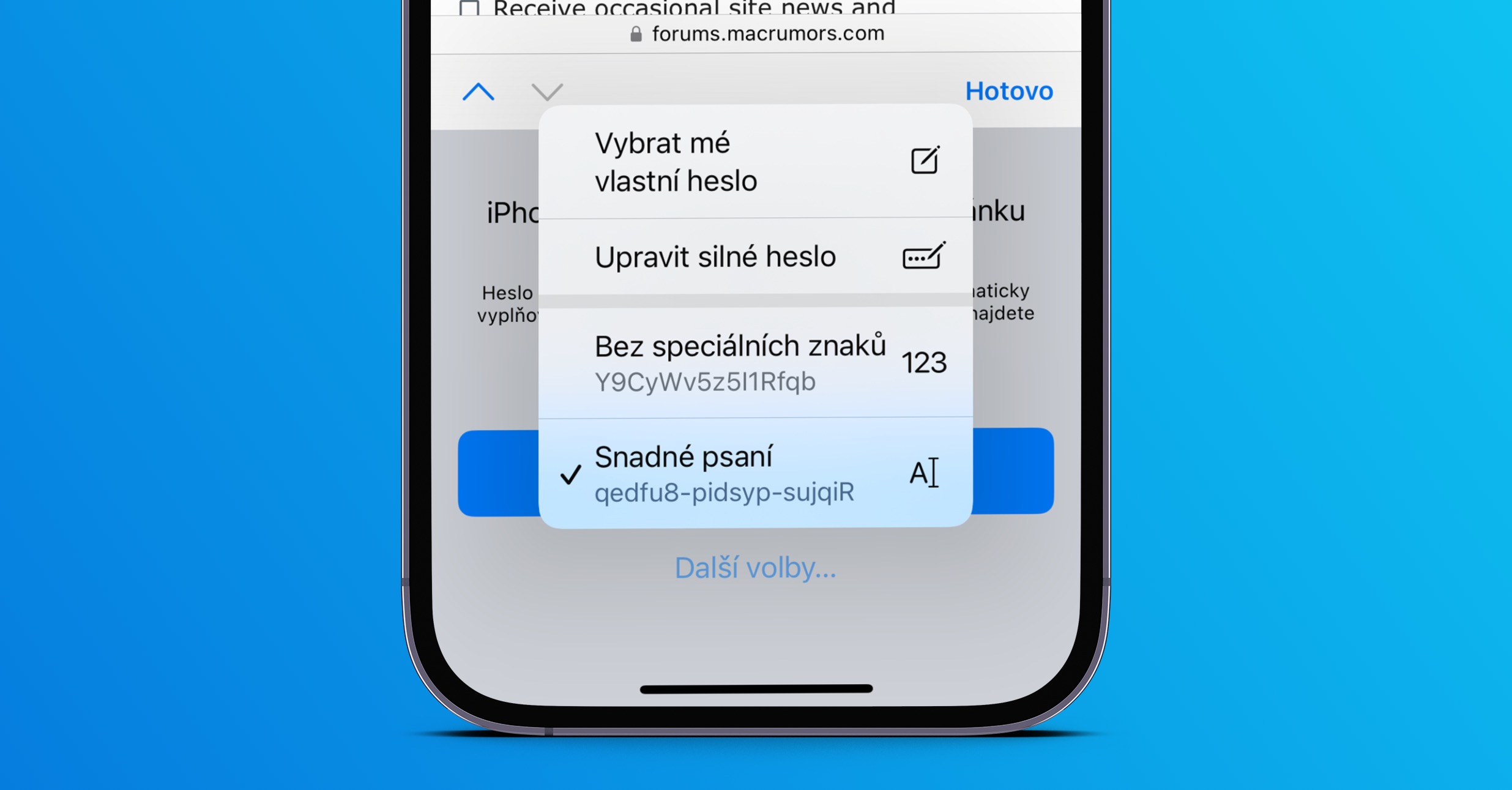
The main problem with the entire leak is that even old data can still be exploited. Social Security numbers don't change, email addresses often stay the same for years, and if someone uses similar passwords across services, a ten-year-old leak may not be "old" at all from the attacker's perspective. In addition, when UpGuard verified a sample of the data, it found that about a quarter of the Social Security numbers it checked Numbers was valid. This suggests that it is not just a randomly collected package of historical data, but a database that may still have practical value.
It is also crucial that a large part of the data has not yet been actively misused. This means that the people affected may not even know about its publication. In practice, users often only find out about such things when someone tries to take over their account or otherwise misuse their identity. The whole case once again shows that an old leak does not mean a solved problem. Data that gets out once can circulate on the Internet for years, waiting for an opportunity.