Company Apple recently presented its new study that shows how humanoid robots can be trained more effectively by combining human instructors and robotic demonstrators. This new approach, which Apple called PH2D (Physical Human-Humanoid Data), brings hope for cheaper, more scalable, and more efficient development of robotics – and perhaps even future home assistants.
You might be interested in
Apple In the past, robotics has focused on specialized devices, such as robotic lamps. But the latest research shows ambitions to go further - to develop humanoid robots capable of handling everyday tasks. The study, titled "Humanoid Policy ~ Human Policy," analyzes the shortcomings of traditional robotics training, which is often time-consuming and expensive, especially due to the need for teleoperation and data collection using the robots themselves.
When humans teach robots
Instead of relying solely on robots, he suggests Apple involving human instructors who teach the robots through their own hand movements. This method not only reduces costs but also allows data collection in an environment resembling the real world.
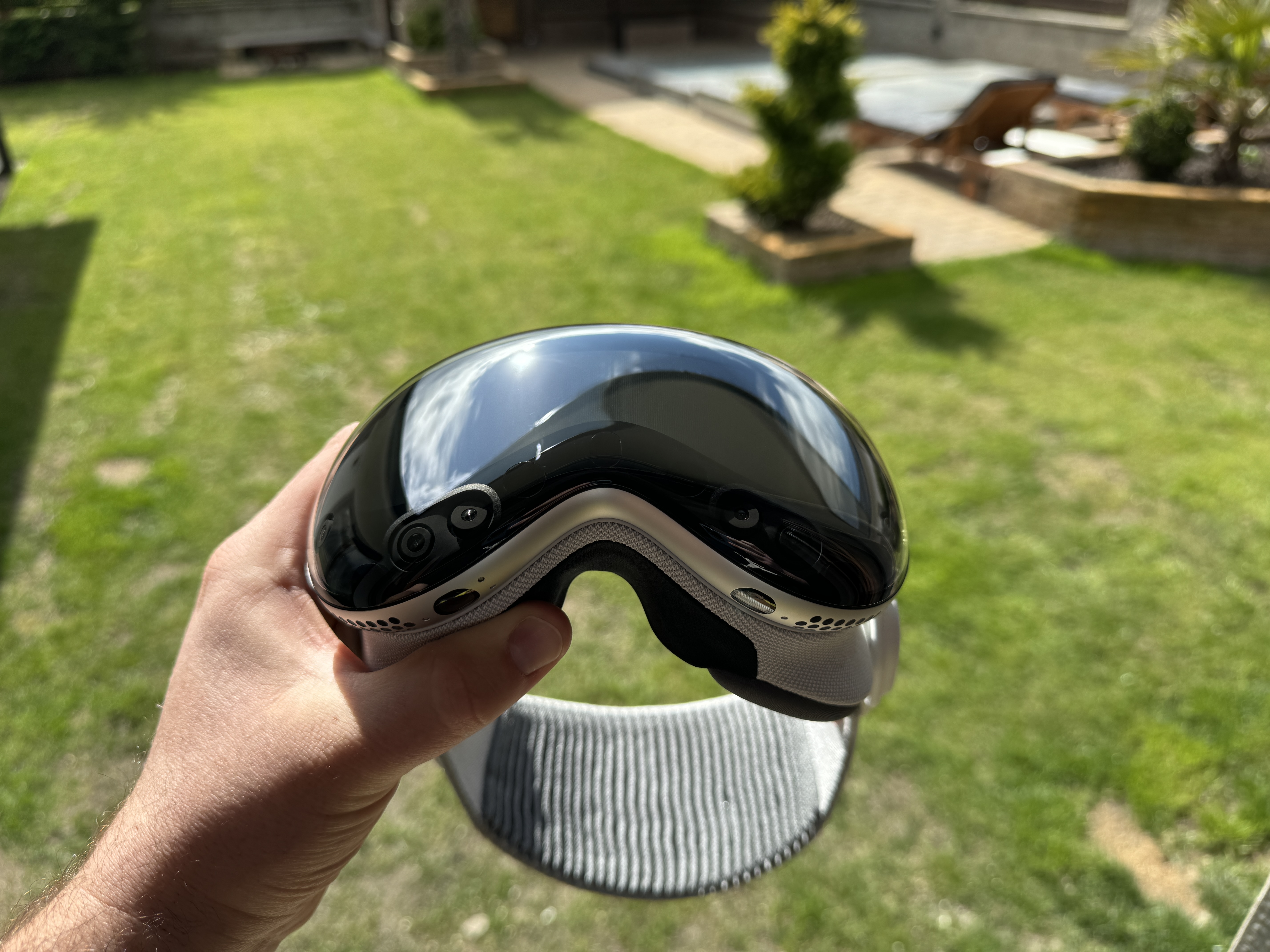
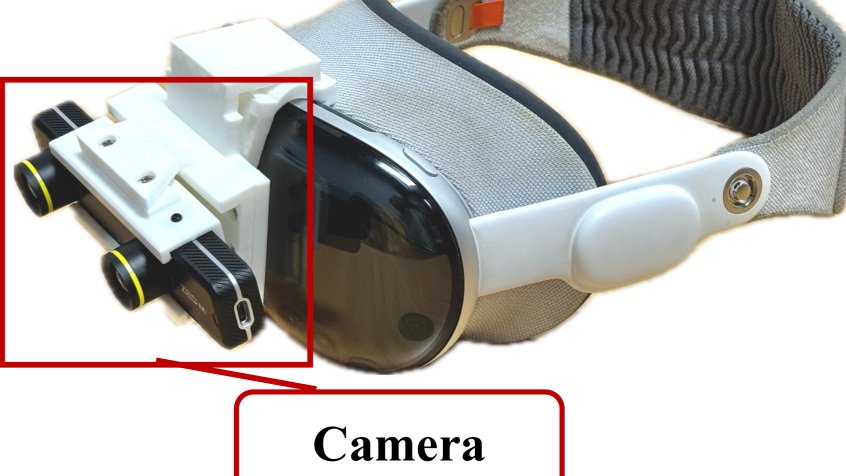
Pro these purposes Apple adapted commonly available consumer technologies and transformed them into training data collection tools. Headset Apple Vision Pro for example, it was modified to use only the lower left camera for visual capture. At the same time, it was also used to ARKit recorded the three-dimensional position of the instructors' heads and hands. Another device, the Meta Quest headset, was equipped with ZED stereo cameras Mini, creating an affordable and effective system for obtaining data needed to train humanoid robots.
People wearing these modified headsets sat upright and performed tasks such as grasping objects, lifting them, or pouring liquids. The actions were recorded and slowed down so that the robot could more easily imitate them.
Gallery
HAT: The Heart of the Training System
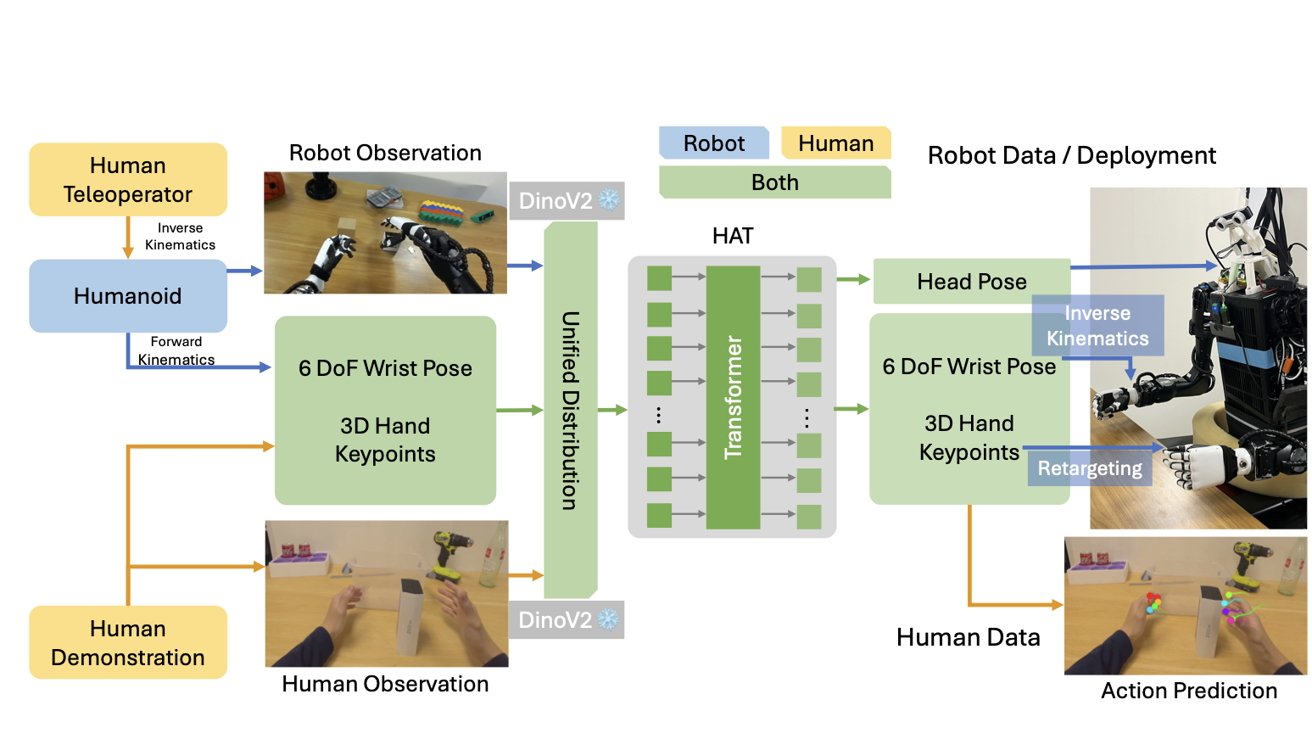
Apple created a model called the Human-humanoid Action Transformer (HAT), which processes data from both humans and robots. The system learns from diverse sources and creates so-called generalized policies, i.e. sets of behavioral rules that are transferable to different situations. As a result, robots trained with this hybrid approach achieve better performance and robustness than those trained only with robotic demonstrators.
Company Apple tvShe says her method offers significant benefits not only in training quality but also in cost. Robots trained with PH2D are better at specific tasks—such as vertically grasping objects—and the process can be scaled up without the need for expensive equipment.
It is speculated that Apple working on a mobile robot for the home, which could handle simple tasks and assist users in a similar way to voice assistants like Google Assistant do today. Siri – only in physical form.
The future in style Apple?
Apple has only presented prototypes so far, but thanks to an innovative approach to machine learning, a combination of human intelligence and artificial intelligence, it seems that the path to a robotic assistant for everyday life is one step closer. And if anyone can turn scientific research into a consumer product with mass reach, it's them. Apple.