
If you are interested in smart home, you have probably already come across terms like Matter, Zigbee or Apple HomeKit. But did you know that the world of smart devices has another big player? It is specifically the Tuya standard, which is currently supported by a really large number of different devices. What does this name mean, how does it work and why should you pay attention to it, not only if you are a fan AppleWe will discuss all of this in today's article.
You might be interested in
What is Tuya and how does it work?
Tuya is an open standard that is supported by a wide range of smart devices. In short, it is a platform that allows manufacturers to create products compatible with a wide range of smart ecosystems. The platform includes cloudinfrastructure, mobile applications and software tools that ensure smooth communication between devices. Pro For the average user, the most convenient and easiest way is to control it via the Tuya application, which is available for free for both iOS, so Android.
This standard has long been a dominant force in the Chinese market, where Tuya originated, but its influence is gradually expanding to the global market. Thanks to its open nature, it is now used by brands such as Gosund, SwitchBot or Meross, whose products are often praised by smart home users. You could also read a number of reviews of Meross products in our magazine, although at that time primarily because they support Tuya and other standards, as well as HomeKit.
Tuya and the Internet of Things (IoT)
To understand the Tuya standard even more broadly, it needs to be put into the broader context of IoT, or the Internet of Things. IoT is a concept that connects everyday devices such as lights, thermostats, or locks into one interconnected ecosystem. Tuya acts as a universal “environment” that unifies different types of devices and their languages into one easy-to-use whole. To be specific, the Tuya system can ensure that a smart switch from one brand works seamlessly with a thermostat from another brand – without unnecessary complications.
This is extremely important not only for ordinary users, but also for manufacturers. Thanks to this, they do not have to reinvent the wheel - they just need to implement the Tuya platform into their products and they can offer solutions compatible with a wide range of other products on the market, which ultimately makes them a solution that is much more usable than products with closed standards.
ProIs Tuya attractive to both users and manufacturers?
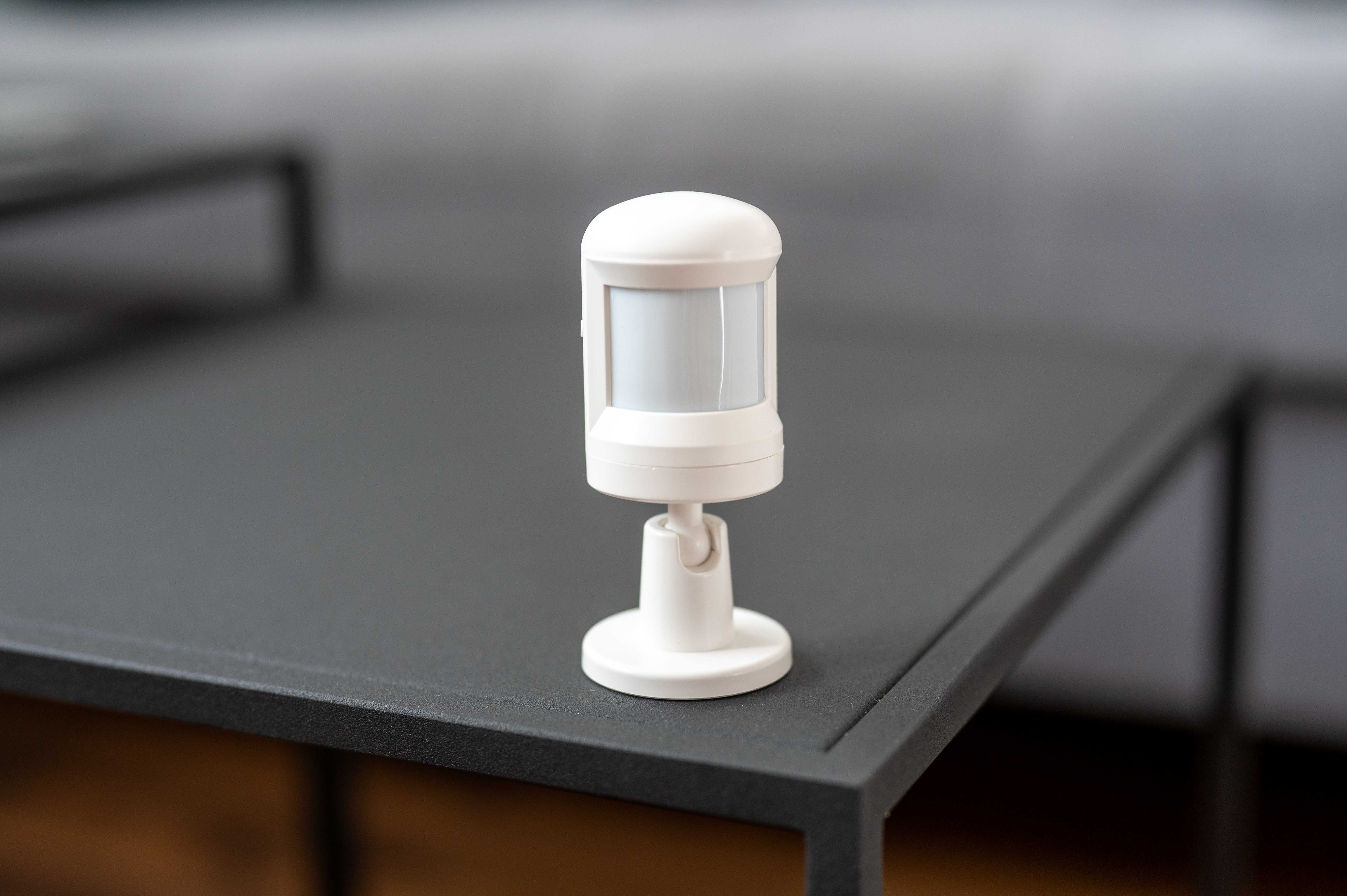
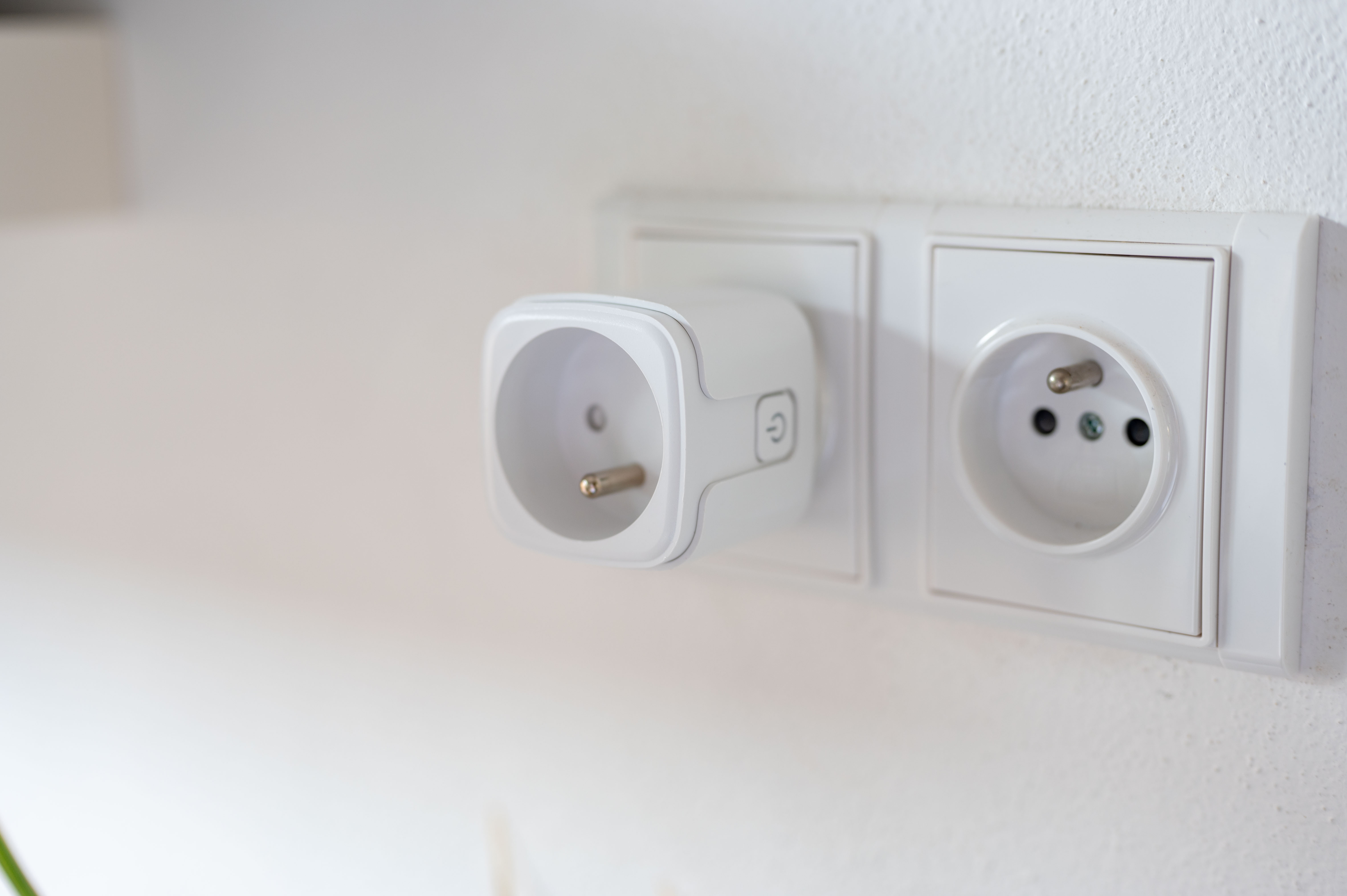
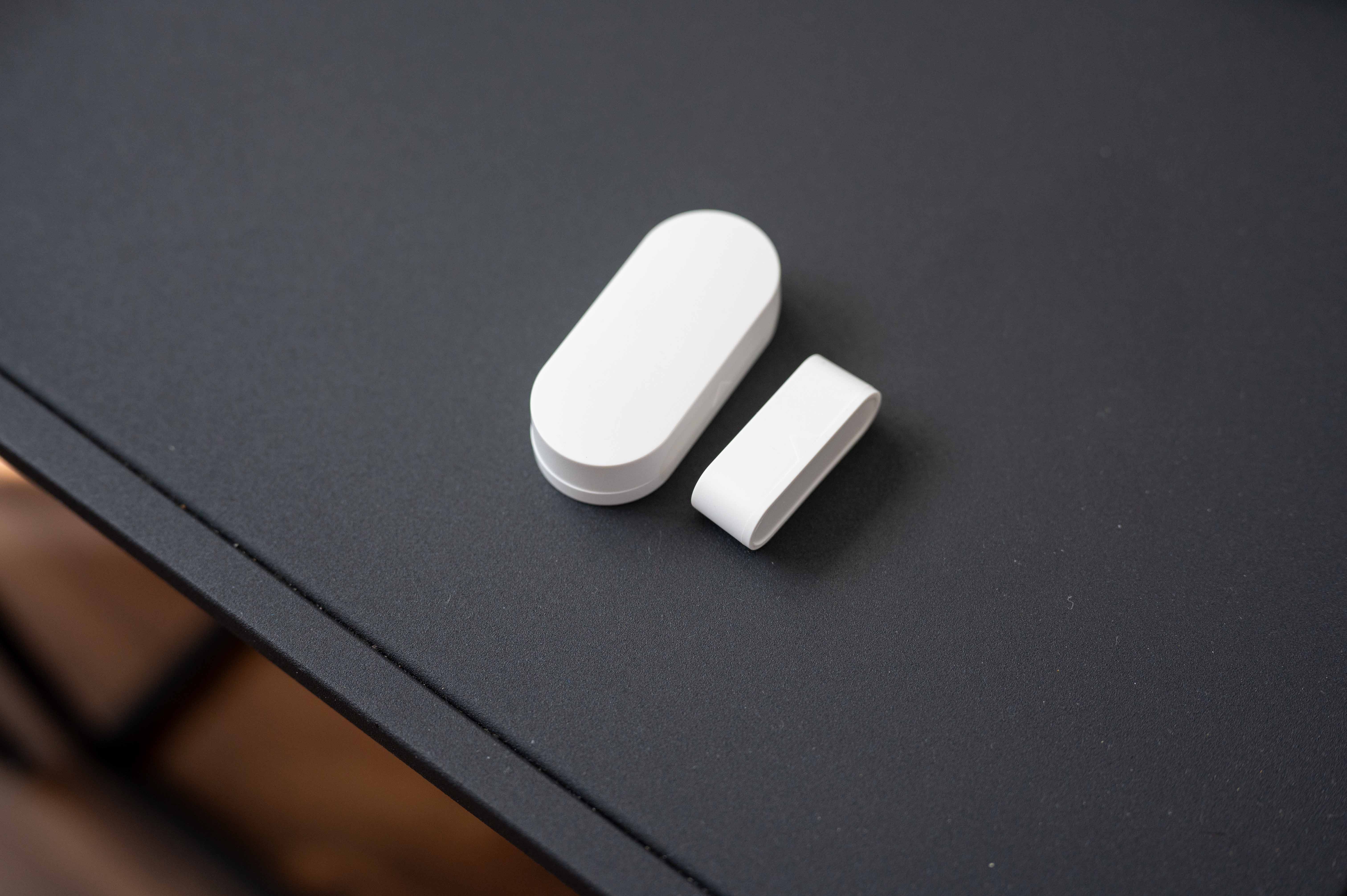
If you are wondering why you should be interested in Tuya, you probably already know the answer based on the previous lines. From a user's perspective, the biggest advantage of the Tuya standard is its simplicity and broad support. You can find hundreds of compatible products on the market, from smart light bulbs to cameras to air quality sensors. You don't have to beat your head against the wall over the compatibility of various devices. An extreme advantage of products supporting Tuya is that their price is very low (for example, compared to products supporting Matter). Whether we are having fun about sockets, motion sensors, various door sensors and other products, these products are very low priced.
Manufacturers appreciate the flexibility and speed with which they can get their products to market. The Tuya platform allows them to focus on design and functionality, while Tuya takes care of software communication and integration, without any lengthy approvals, certifications, etc.
You might be interested in
Basic comparison with Matter, Zigbee and HomeKit
Tuya is certainly not the only standard on the market that has the ambition to connect smart devices. So how does it compare to its competitors? We will address this question in more detail in our next articles. Pro But for you as a apple lover, it can be said in short that:
- Matter: This is a new standard that promises to unify smart ecosystems. Unlike Tuya, which has most of the features in cloudu, Matter is built on local communication, which means lower latency and greater emphasis on privacy. However, they are expensive Matter products significantly more expensive than those supporting Tuya.
- Zigbee: This standard works on the principle of a mesh network, which means that devices share data with each other directly, without the need for cloudu. However, it has a smaller range of compatible products compared to Tuya, so as a result it is not possible to build such a complex smart home, like with Tuya.
- Apple HomeKit: Ecosystem from Applu places the greatest emphasis on security and simplicity. ProThe problem is that not every device is compatible with it, which Tuya elegantly circumvents thanks to its wide range.
You might be interested in
Proshould the owners Apple device alert?
Pro user Apple devices, Tuya has one huge advantage – flexibility. Even though some Tuya devices do not offer direct compatibility with HomeKitem, there are ways to easily integrate them into this ecosystem. For example, applications Homebridge or Home Assistant can connect Tuya products with HomeKitso much so that you won't even know the difference.
So if you've ever considered expanding your smart home but have been put off by limited compatibility, Tuya might be the solution you're looking for. It's definitely a standard worth following. It offers broad compatibility, simplicity, and a wide range of products that can easily handle a variety of smart home needs. And the best part? Even if you're a dedicated user Apple, Tuya can help you create a smart home you'll love.
In the next article, we will take a detailed look at how the Tuya standard works and what devices support it.


Users Home Assistants should not buy this electronic waste, or they will get hooked on it from the integration (mini(at least the official way). See https://github.com/home-assistant/core/pull/133921?
So it is cloud service and even via Chinese servers? Only a fool could let a camera, smart phone, local network, etc. connected via such a platform into a house.
ZigBee and Tuya are not two different architectures. Tuya is a platform that can also use ZigBee technology…
Yes, but I don't write anywhere that it isn't so.
Tuya is the “solution” to this primarily and initially, when the madness of the Chinese parties cloudis enormous, while in the EU there are two cloudcenters, when the one in Frankfurt is closer to us. But HA users will still “pin” anyway…
But Tuya is not the standard, .. this applies to WiFi, ZigBee, Thread, etc. 😉