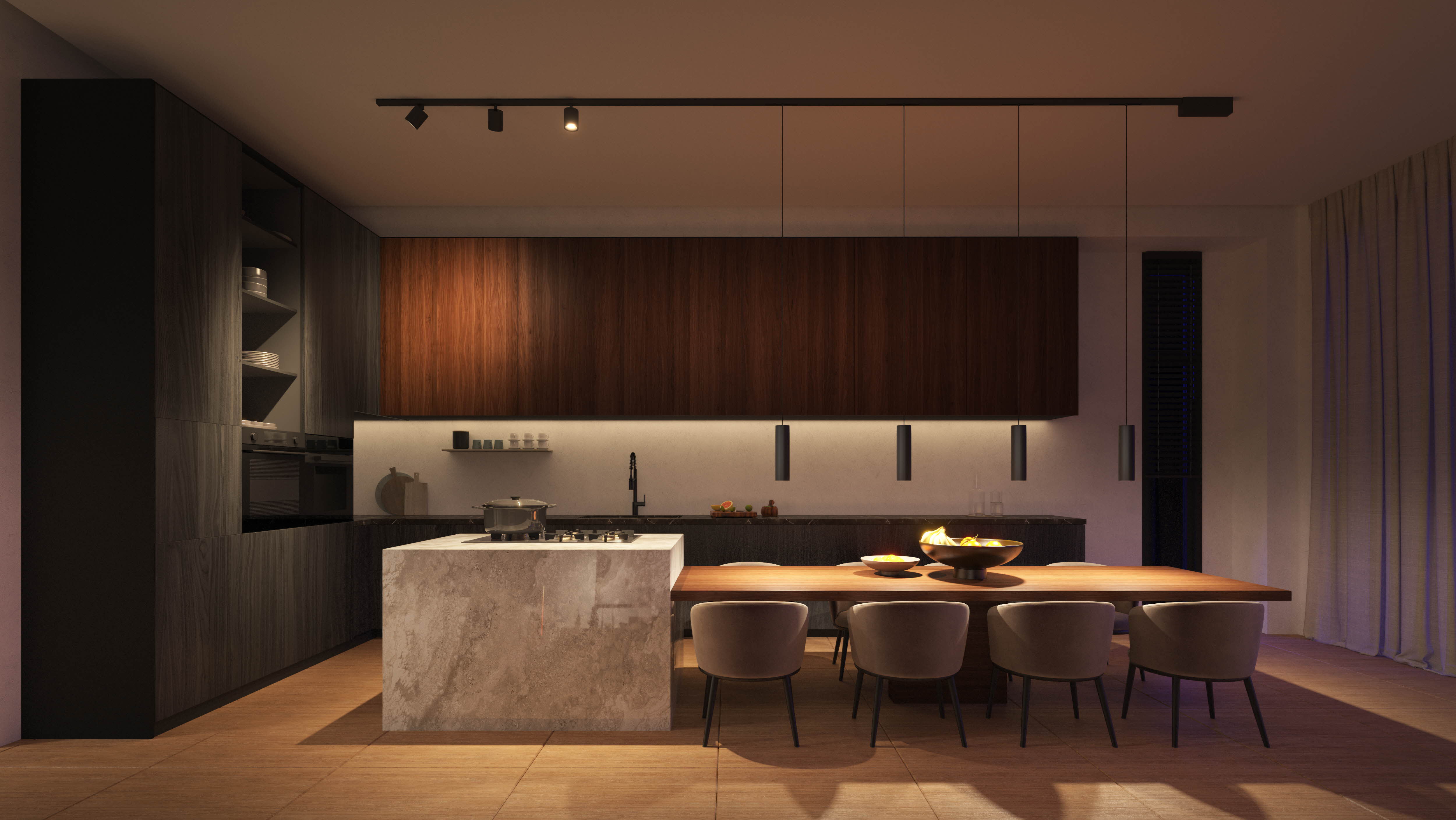
Smart lighting is one of the most popular elements of modern smart homes. It not only brings comfort thanks to easy control of the lights, but also offers a wide range of practical functions that increase safety, improve energy efficiency and can adapt the atmosphere in the home according to current needs or mood. This article takes a closer look at what smart lighting involves, how it works, and why it's becoming an increasingly popular choice for both homes and commercial spaces.
What is smart lighting?
Smart lighting is a system that allows you to control lights via an app on your smartphone, tablet or smart speaker, such as HomeUnder from Applol, Amazon Alexa or Google HomeThese lights are connected to the internet, allowing them to be controlled remotely, programmed to run schedules, or connected to other smart devices. They also have the advantage of being able to adjust the intensity and color of the light, which helps save energy and improve comfort.
Types of smart lighting
Smart lighting includes different types of products that can be combined into complex systems or used independently. The most common include:
- Smart light bulbs
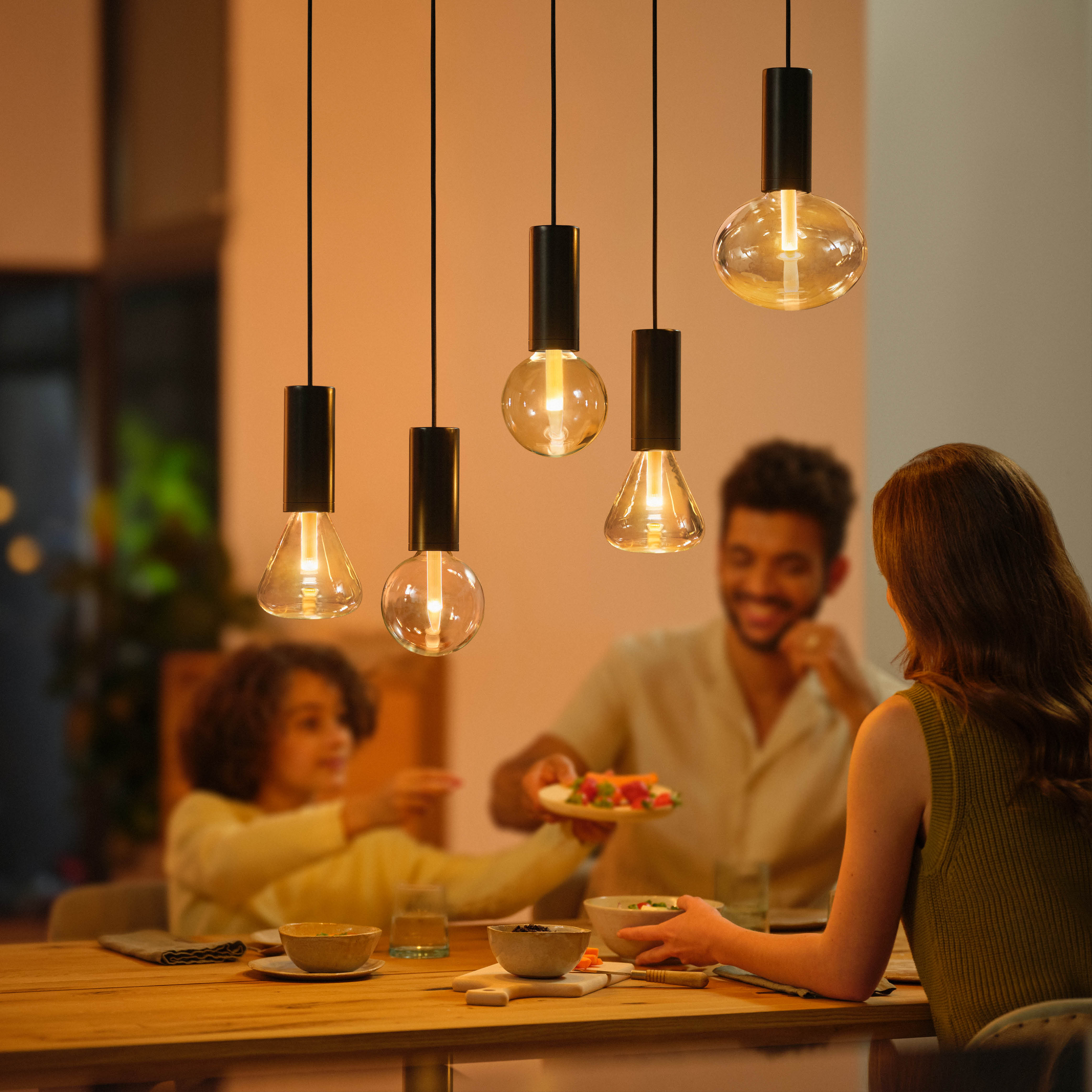
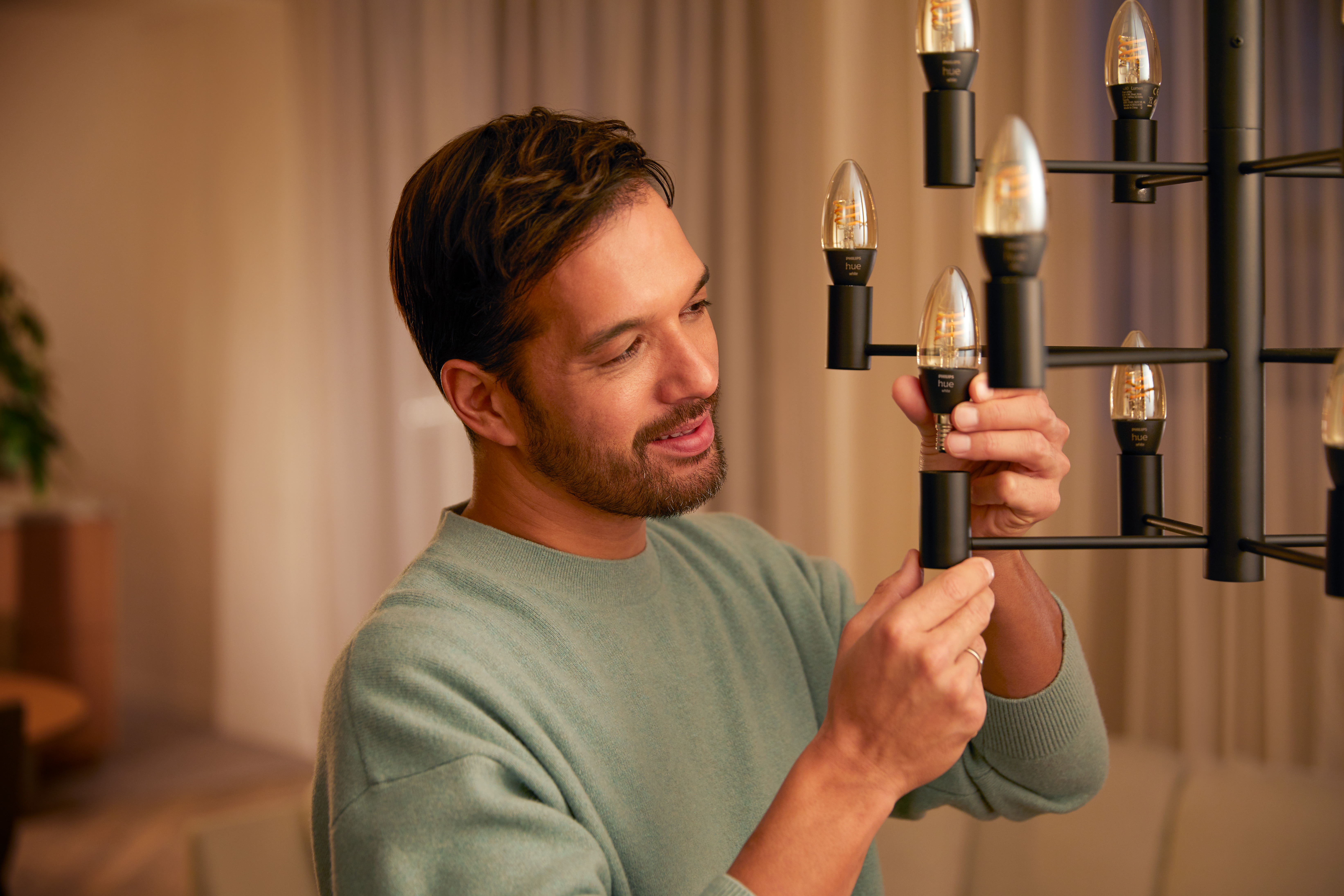
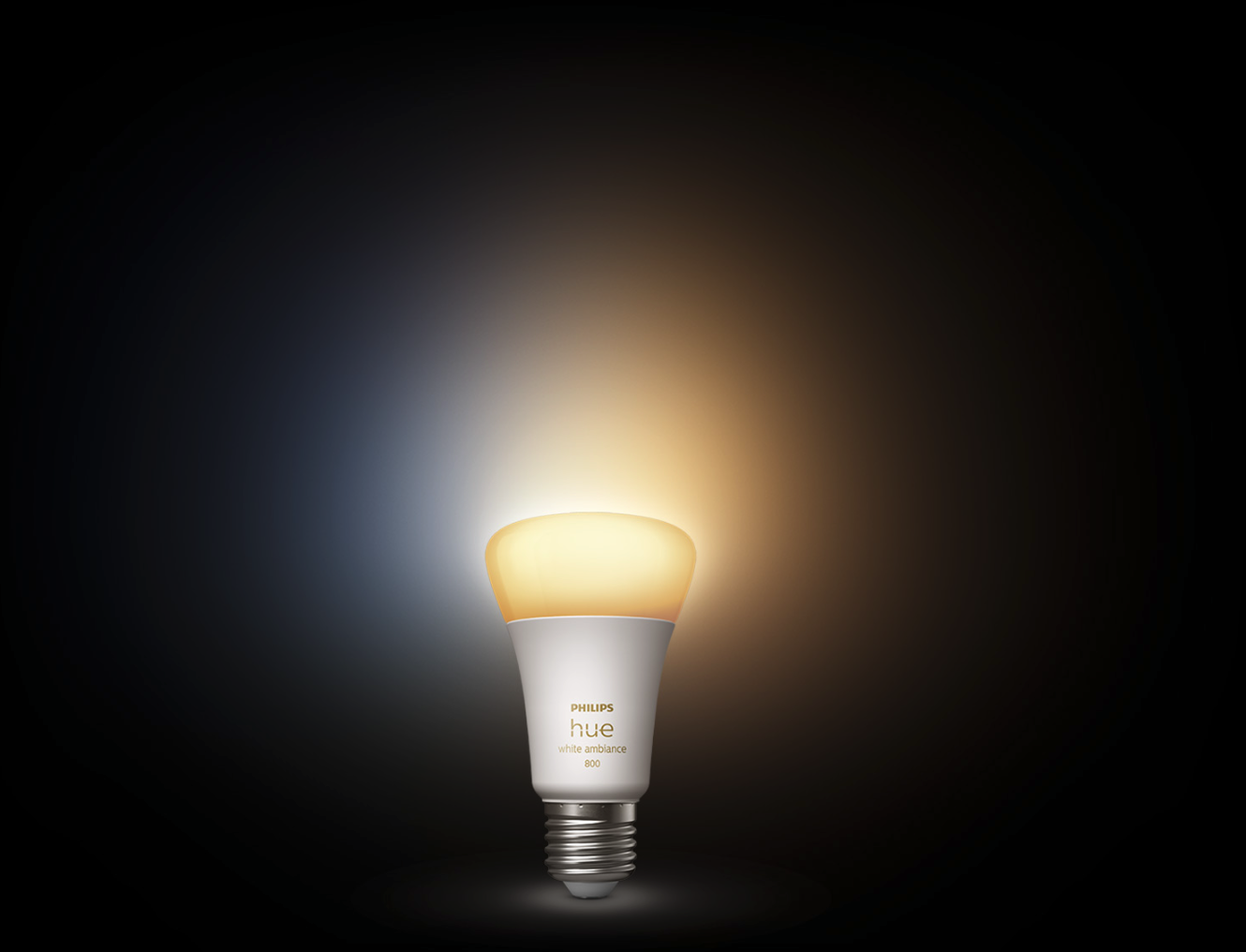
Smart bulbs are the easiest way to integrate smart lighting into your home. They simply screw into existing fixtures and connect to an app. In addition to regular white light, some models offer a choice of different colors or light temperatures (warm/cold). The downside is that if the main switch is turned off, the smart function of the bulb stops working.
- Smart ceiling lighting (downlights)
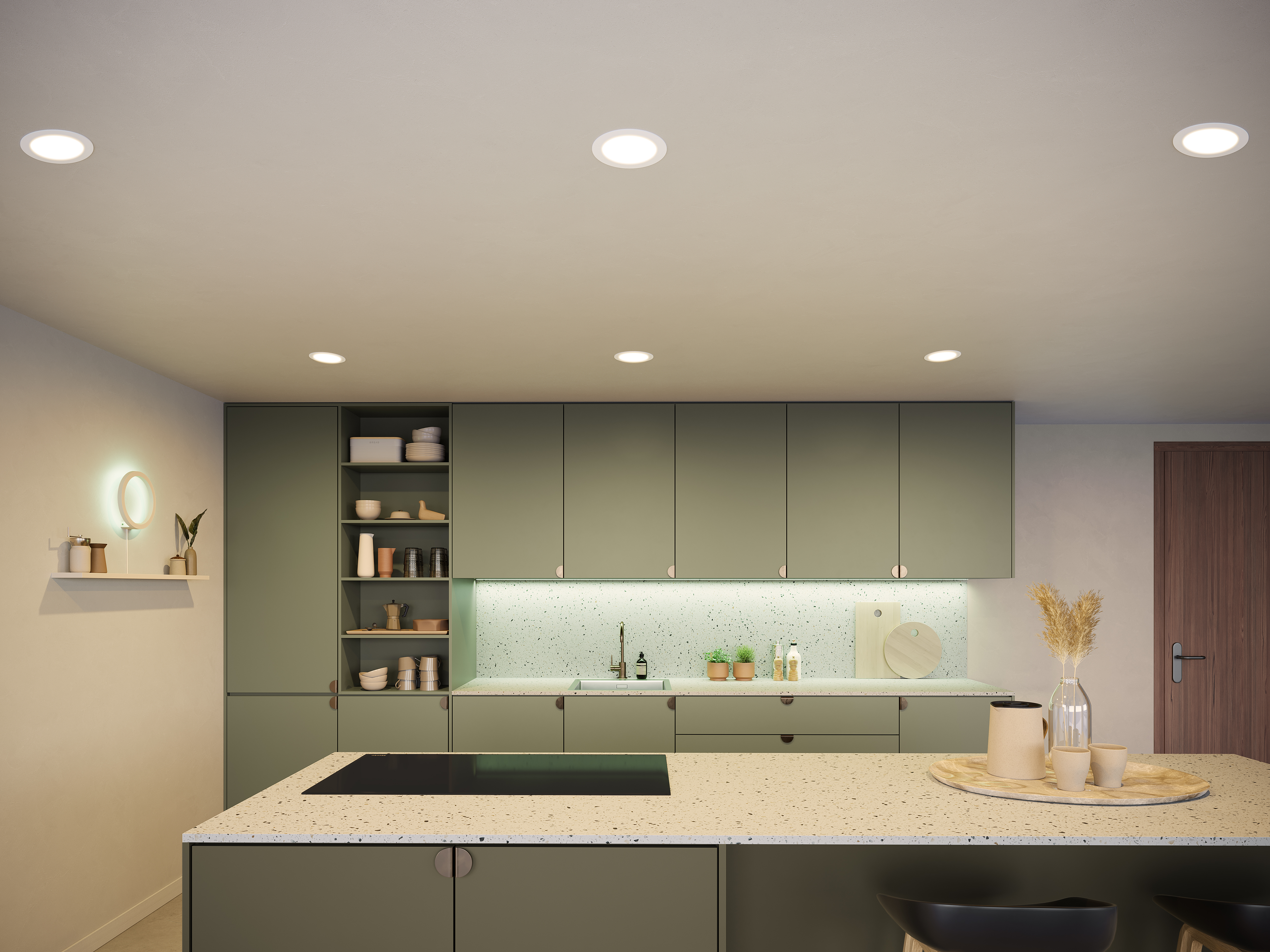
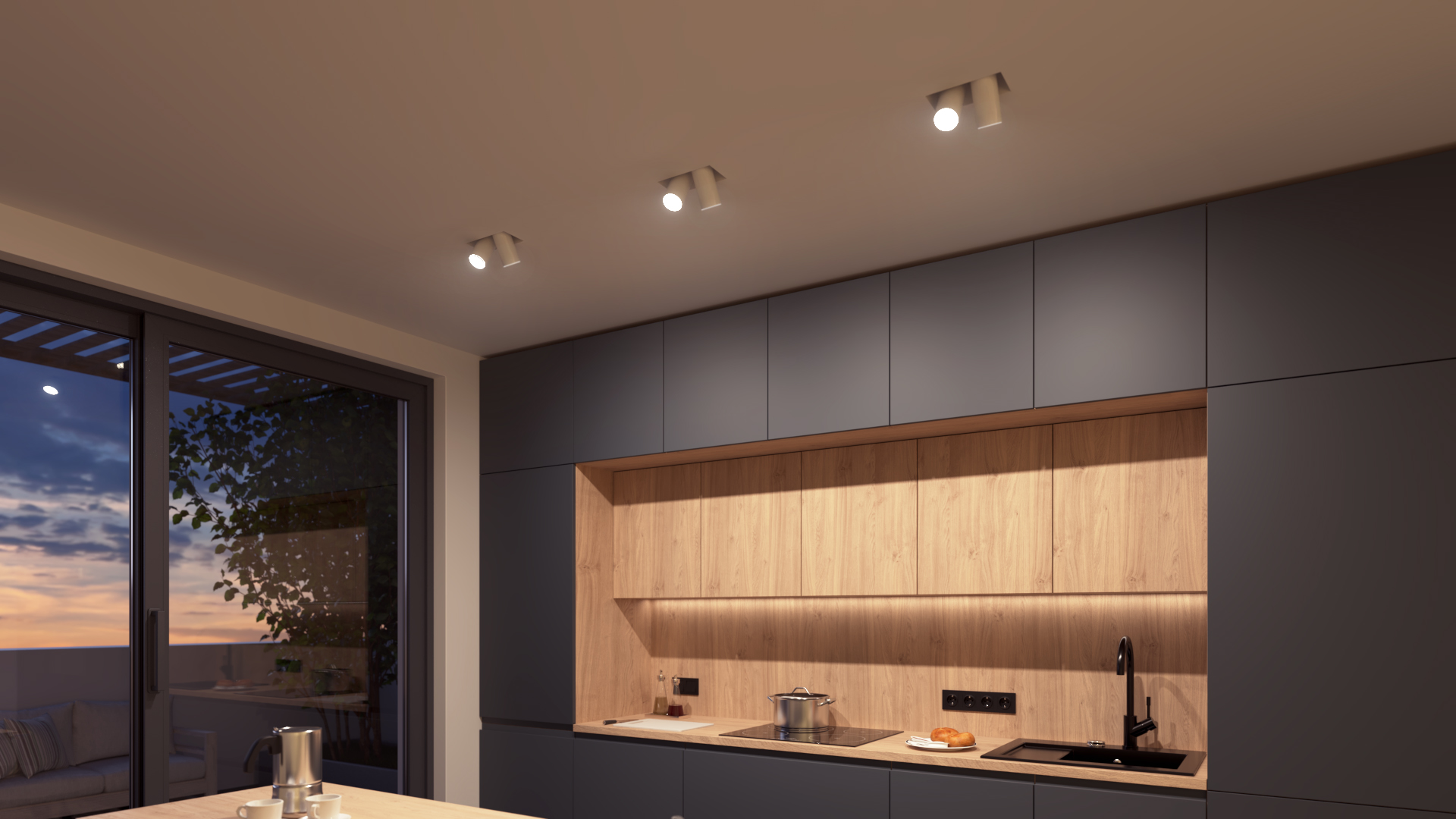
These fixtures are installed directly into the ceiling and typically require a connection to the main electrical circuit. Smart downlights can work individually or in groups and are often compatible with smart hubs that make it easy to sync them.
- Smart LED strips
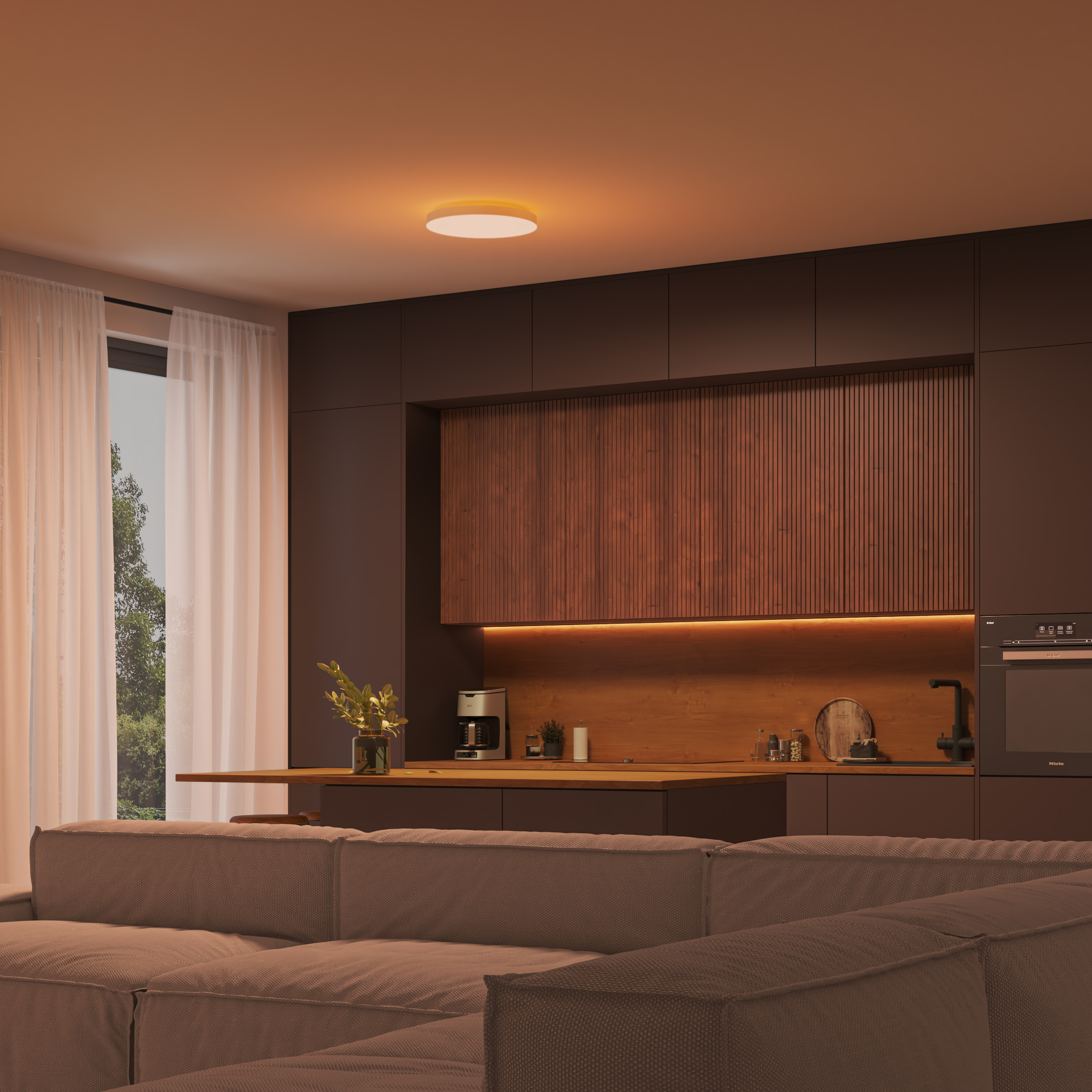
LED strips are ideal for decorative lighting. Thanks to their self-adhesive backing, they can be easily attached to various surfaces, such as under kitchen cabinets or behind TVs. The strips are usually adjustable in length and offer a wide range of color options.
- Smart security lighting
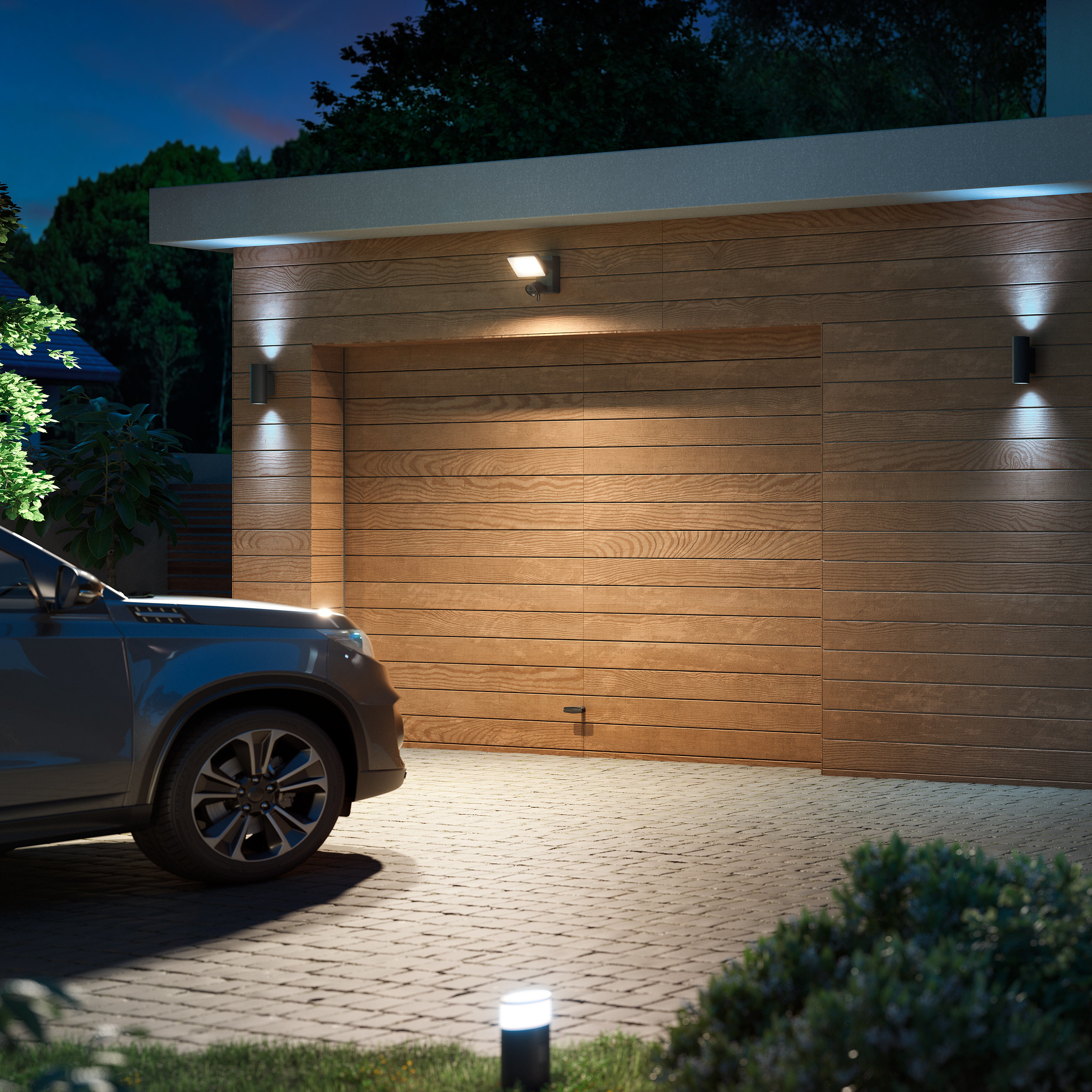
These outdoor lights are equipped with motion sensors, cameras or even speakers for two-way communication. It serves to ensure security, for example by notifying of movement in front of the house.
- Smart switches
Smart switches allow you to control common light sources without having to change the bulbs themselves. They are ideal for main lights and can be controlled both manually and via an app.
- Smart outdoor lighting
In addition to safety lighting, smart outdoor lighting also includes decorative elements, such as light spikes for the garden or colored reflectors.
Gallery


How does smart lighting work?
Most smart lighting systems work by connecting to the internet via Wi-Fi or Bluetooth. They are controlled via an app or voice commands. Systems can easily be expanded from a single smart light to a comprehensive solution covering all rooms and outdoor areas. Pro Larger systems often require a smart hub that connects different devices and allows them to be synchronized.
Key features of smart lighting
Smart lighting offers a wide range of functions:
- Brightness control: Adjusting the light intensity as needed.
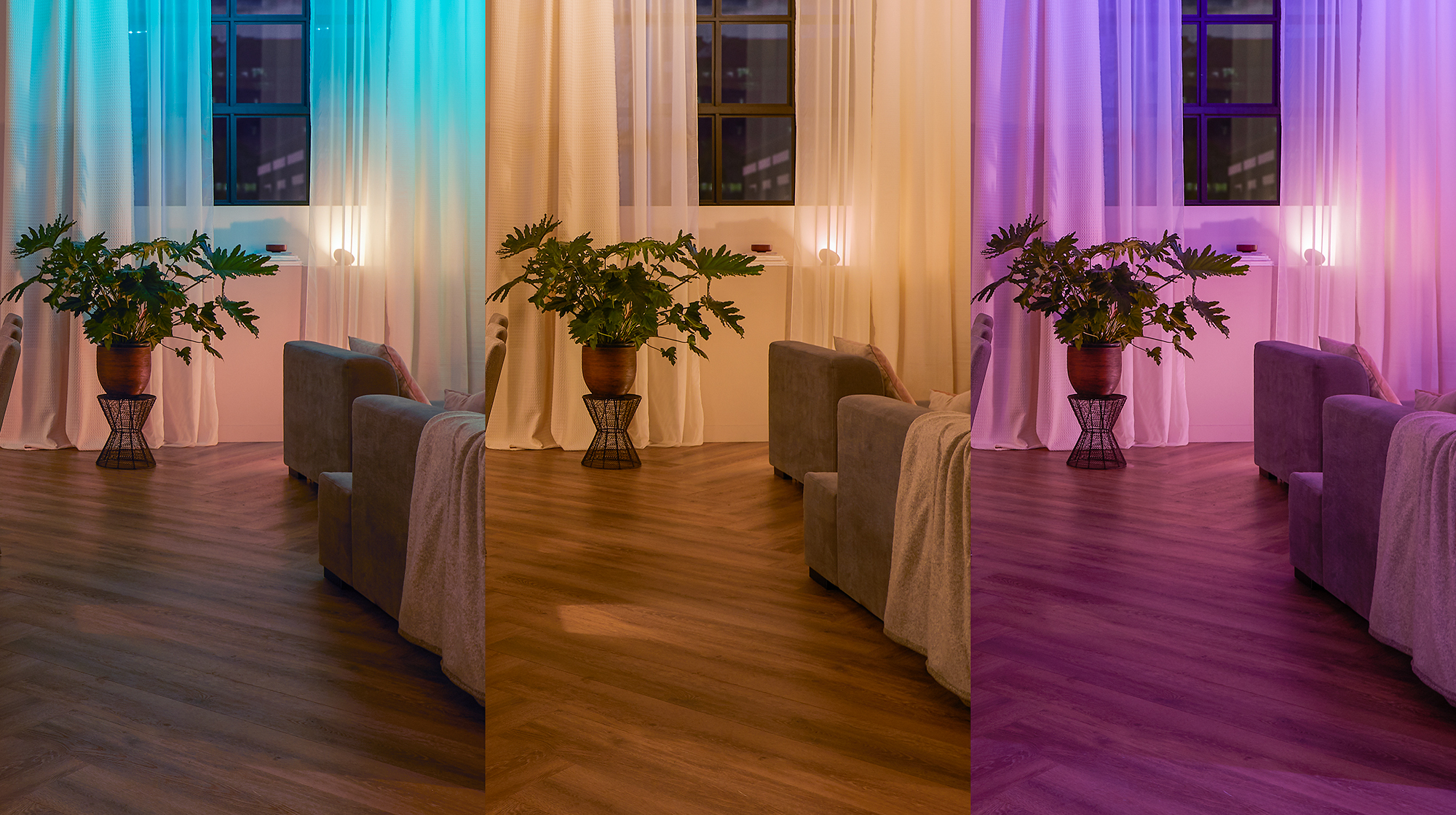
- Color Effects: The possibility of choosing different colors of light to create a specific atmosphere.
- Time planning: Automatic switching on and off of lights according to the specified schedule.
- Voice control: Simple control via voice assistants.
- Remote control: Ability to manage lights from anywhere in the world.
- Group control: Synchronize multiple lights at once.
ProWhy choose smart lighting?
Smart lighting offers not only convenience, but also cost savings and increased safety. Thanks to options such as connection to motion sensors or automatic switch-off, it saves energy and at the same time makes everyday life easier. In addition, it can create a pleasant atmosphere, whether it is a romantic evening, a celebration or comfortable watching a movie. In short, smart lighting is a worthwhile investment in modern living.