There are a lot of myths floating around about how to take care of your phone battery. Which of them do we believe unnecessarily, and which, on the contrary, is at least partially true?
You might be interested in
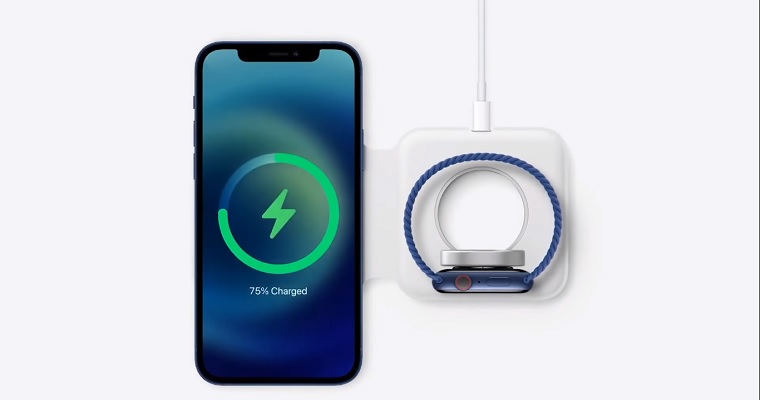
Myth: We shouldn't leave our phones on the charger overnight
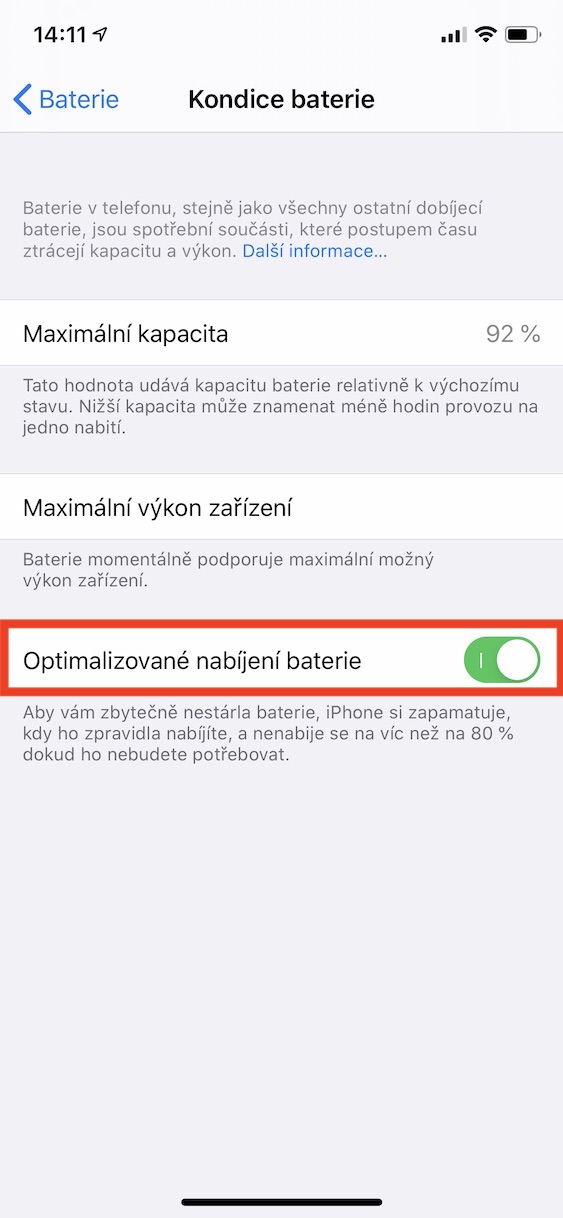
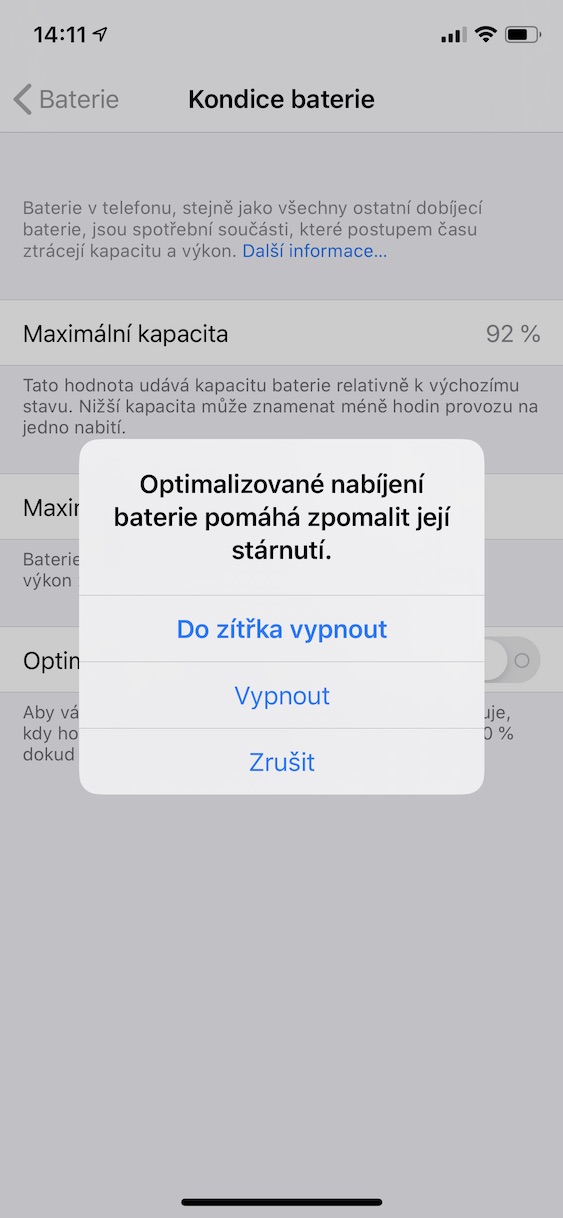
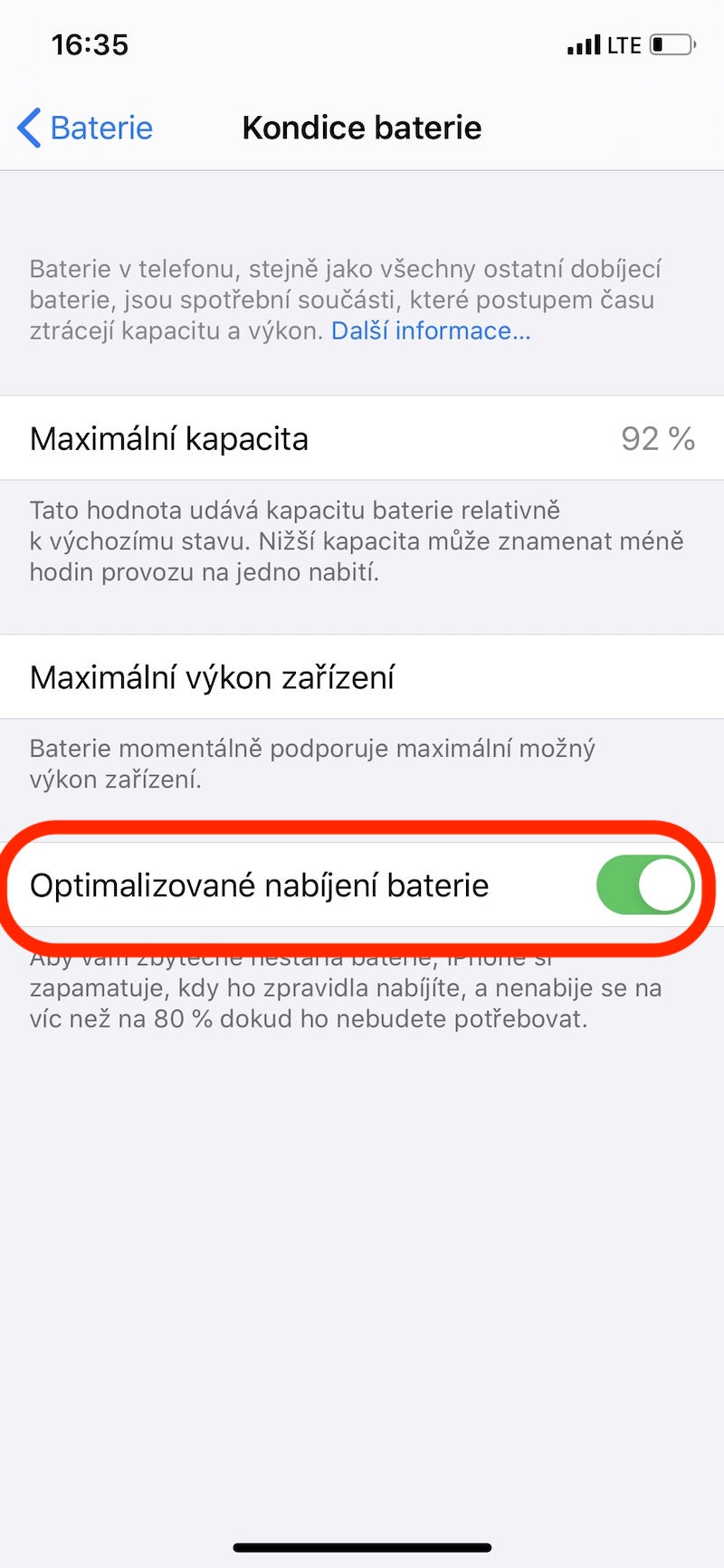
Truth: Smartphones have technology that stops charging the battery when it reaches a certain percentage. If the battery capacity drops a bit even with the charger connected, the phone will start charging it again. This way, the battery only charges when needed, even if you charge the phone overnight.
You might be interested in
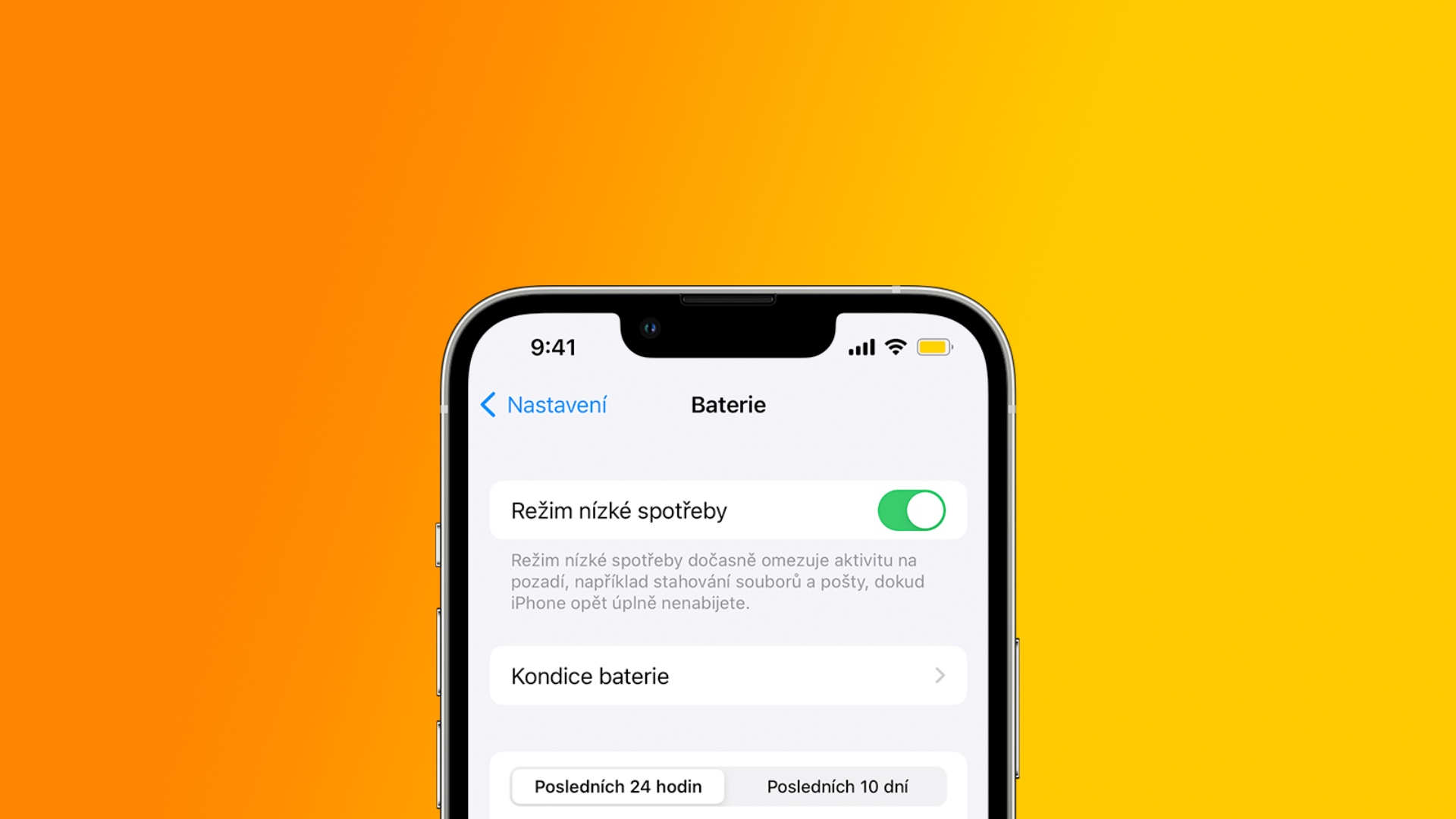
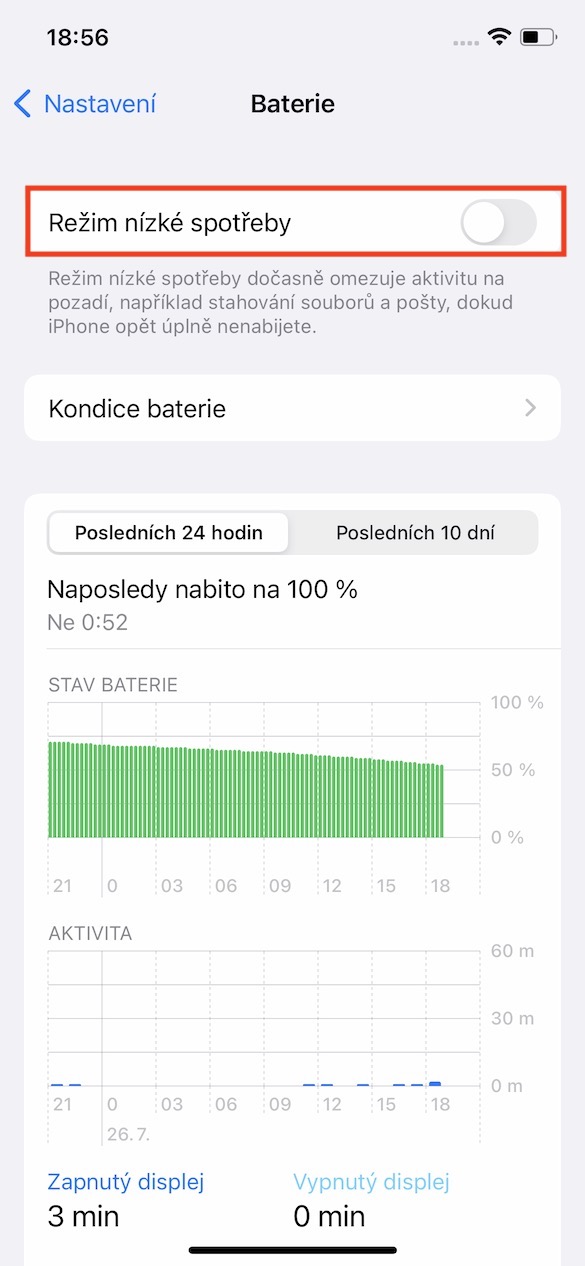
Myth: We can’t use low-power modechat always on
Truth: Nochat Leaving your phone in power saving mode even after charging won't damage the software, but it can lead to a worse user experience. Smartphones are designed to be really nice and provide a top-notch experience. When you put them in power saving mode, they get rid of all unnecessary features. The lower brightness can make the display harder to see, and the sound may not be as loud as you'd like. Plus, apps can only check for notifications every ten minutes, so you won't get the instant feedback you're used to.
Gallery

Myth: Charging at a public charging station is completely safe
Truth: Using a public charging station can pose a security and privacy risk under certain circumstances. Unlike a regular wall outlet that you plug your charger into at home, the cables you see in restaurants and airports offer an easy way to transfer data. Hackers could potentially get to anything on your phone – emails, texts, photos, and more. If you often find yourself needing to charge your phone in a public place, an external charger is a much safer option. The likelihood that you will be threatened by a cable in a public charging station at a random train station in some small Czech town is very small, but it is better to get used to using a power bank or external battery just in case.
Gallery


Myth: I have to fully charge my new phone before using it for the first time
Truth: Your phone comes with some level of battery charge from the factory, and the first discharge and charge does not affect its overall life. The only reason some manufacturers recommend a first full charge is to make a good first impression. By the time a new phone reaches your hands, testing and manufacturing have already consumed half of the battery. Most of these recommendations, according to experts, are more to make users feel that they are getting the quality of the device that the sellers promised them.
Gallery


Myth: I should charge my phone until it's dead
Truth: It's better to recharge the lithium-ion battery in your phone before it runs out. These batteries "remember" their full capacity and when recharged, they will not charge to the same level as when they started. Most brands have fixed this on newer models, but it can still be a problem on older models.
Gallery
Myth: One app can't use that much power
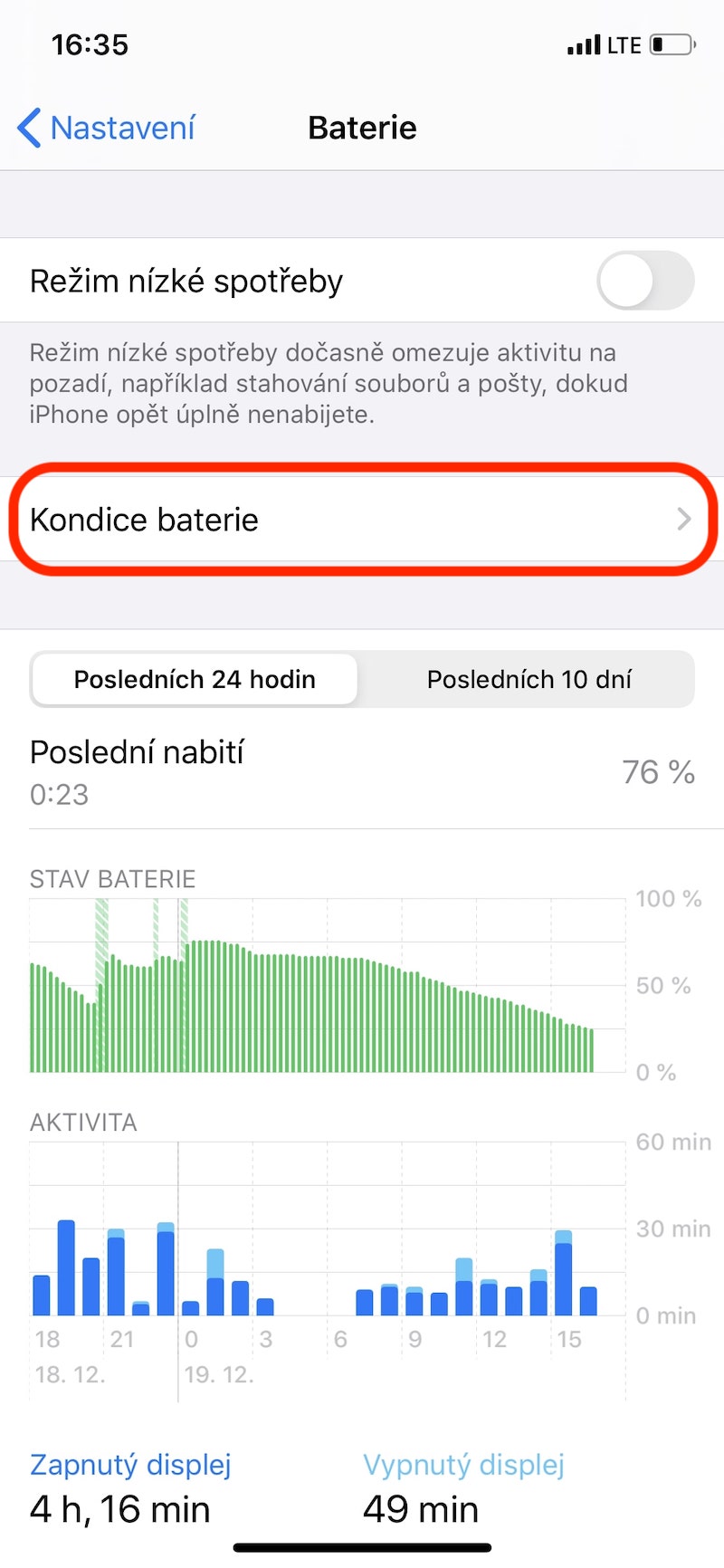
Truth: Even a single app can drain a lot of your phone's battery. Unfortunately, one common culprit is the app Facebook. Many applications such as Facebook, performs actions in the background, even when you're not actively using it. The app constantly checks for messages and status updates, and refreshes your news feed in the background. Some Android users have reported that deleting the app Facebook helped them speed up other apps by 15% and save 20% of their phone's battery life. Instead of constantly searching for a charger, try deleting the app and Facebook check in the internet browser on your phone.
You might be interested in