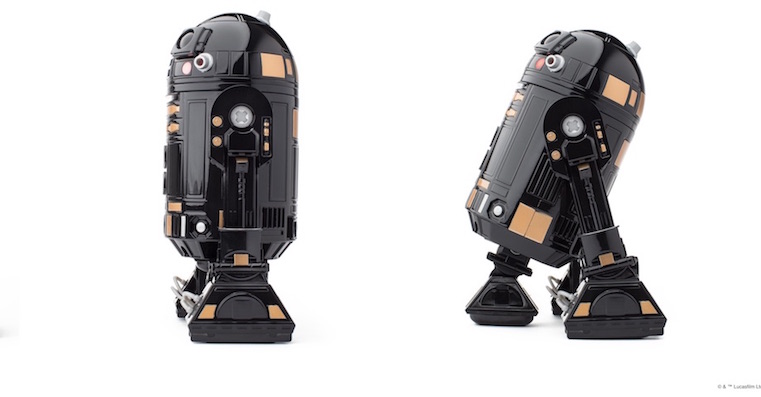
Robotics is a field that, following the rapid development of artificial intelligence technologies, is experiencing a relatively significant boom. But what do people think of when they think of a robot? Many perhaps something similar to what they saw in Star Wars, a machine that can move, communicate and perform tasks on its own. Some might think of a humanoid image like the little boy David from Steven Spielberg's AI - Artificial Intelligence, others a much darker image à la Terminator.
However, robots today are no longer just a vision from the distant future and serve us well in different forms in various industries. In the following lines, we will focus on their types and different ways of use, from vacuum cleaners to household servants and autonomous vehicles to models with the ability to express human emotions and react to them.
Although the concept of a robot with human-level artificial intelligence, with its physical and mental attributes, is generally among those that receive the most attention, in reality, the main priority for engineers is to create devices that are maxThey are extremely useful and can perform tasks that humans would have difficulty performing or that would pose a significant risk to them. Examples include searching in hard-to-reach areas, securing and assisting in certain chemical or other accidents, handling explosives, and the like. We may not be far from applications where at least part of the machine will also participate, for example, in caring for the sick and elderly or routinely providing supplies.
But what types of real robots actually exist today, who makes them, and where can one be seen in real life? We will now reveal the answer to exactly these questions together.
Types of robots
Experts divide these machines into groups according to their capabilities and the tasks they have to perform. Here we list the most common ones, including their purpose and where they can be seen.
AMR – autonomous mobile robots
Autonomous mobile robots (AMRs) are devices capable of moving independently in space, using sensors and cameras to analyze their surroundings, then evaluate and respond to information about it through built-in computer software. In practice, they are often deployed as employees' collaborators.ancwarehouses, where they ensure the movement of supplies to the desired location, but self-driving cars and robotic vacuum cleaners also fall into this category.
AVG - automatically managed resources
Unlike AMR vehicles, which move without any assistance, AVGs (Automated Guided Vehicle) must be physically guided when driving, for example by a track or signs. As a result, they are therefore more limited and less independent in the same comparison. You will also most often come across this type of helpers in warehouses and factory halls, where they ensure the transportation of goods or materials in a controlled environment.
Articulated robots
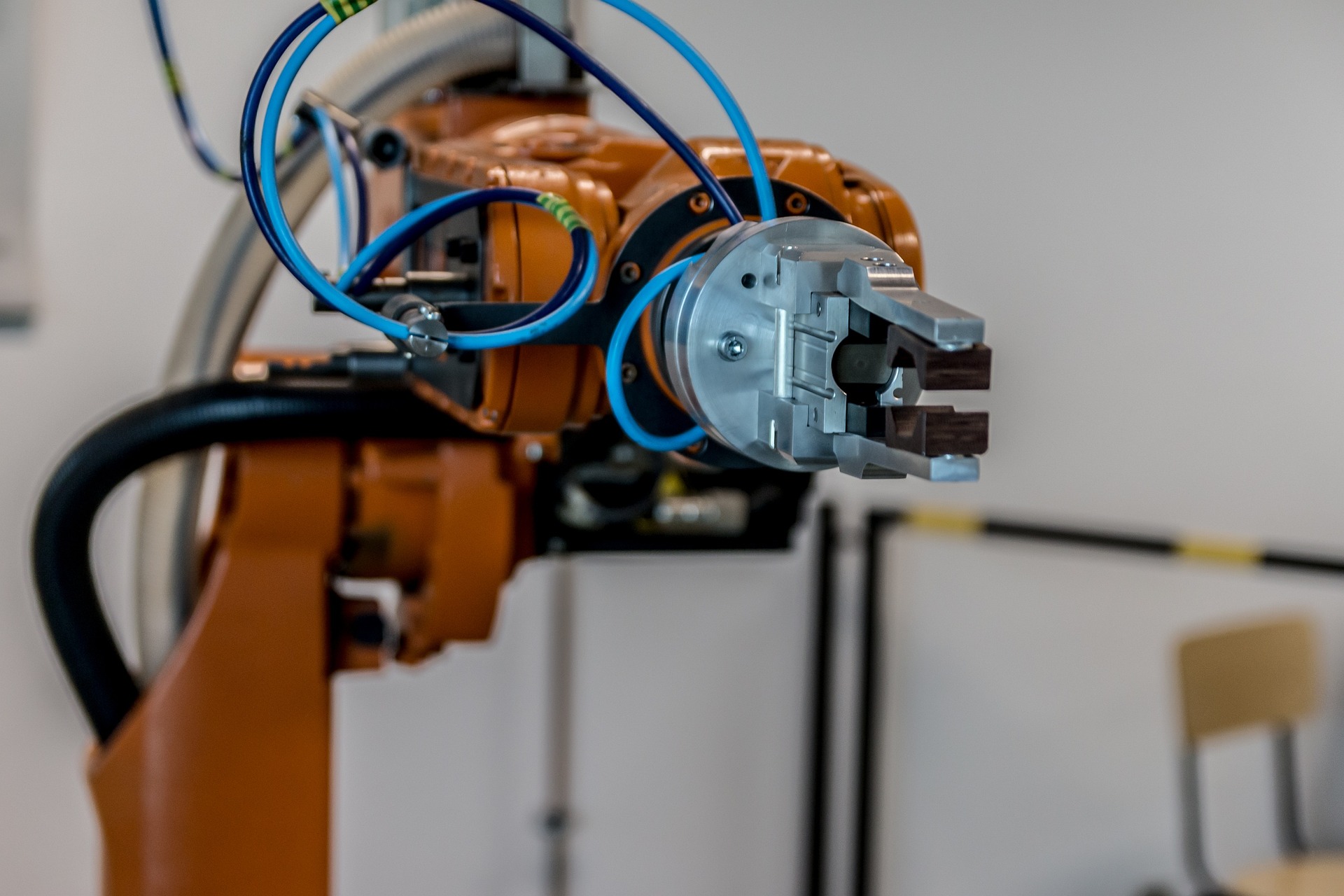
The arm that assembles car parts on an assembly line or welds in a factory, many of us have probably already seen in action at least in some video. Designers equip these robots with two to ten joints, which allow them to move in a sense similar to human hands, which predestines them primarily for production and assembly purposes. Recently, however, scientists have also been experimenting with their use in homes, where they could take care of many routine operations such as putting dishes away or serving drinks.
Cobots
Many companies are now placing great emphasis on robotization and see significant potential in it. It is likely that we will encounter machines in our workplaces more and more often. However, the well-known fears about automation, which some believe will make people irrelevant, are not nearly as likely a scenario as varianta, when they will in a certain way "fit into the collective" as our future colleagues, as shown by the progress in the field of artificial intelligence.
The name “cobots” is apt here, given their purpose, where they are designed to cooperate with humans and, with the help of AI, function increasingly as robotic “colleagues.” In the past, many robots used in manufacturing were separated from human workers for safety reasons. With cobots, however, there is now nothing to prevent them from moving together and working side by side with employees.ancin the same environment.
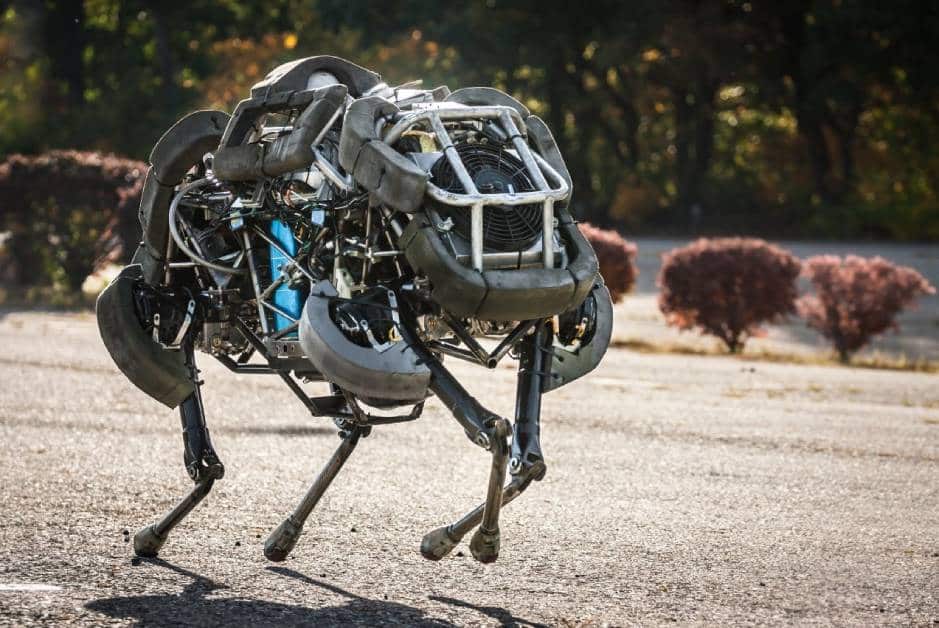
In terms of the range of activities they are capable of performing, they often handle hazardous materials in laboratories, on construction sites, or carry heavy loads for soldiers in war zones, and can take many forms from what at first glance appears to be nothing more than a piece of technology to those that resemble with, for example, some animal motifs.
Humanoid robots
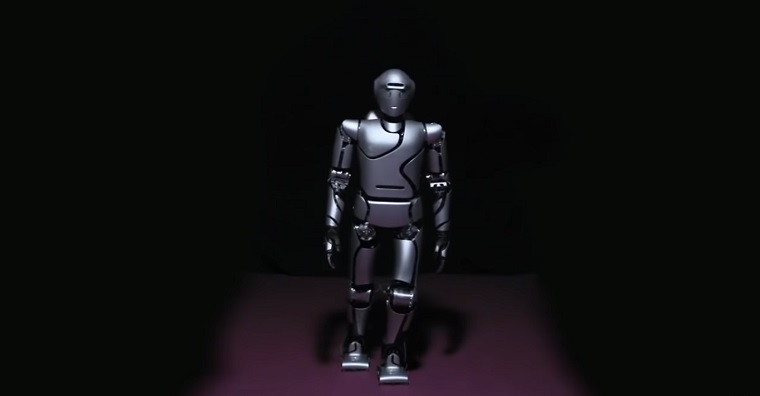
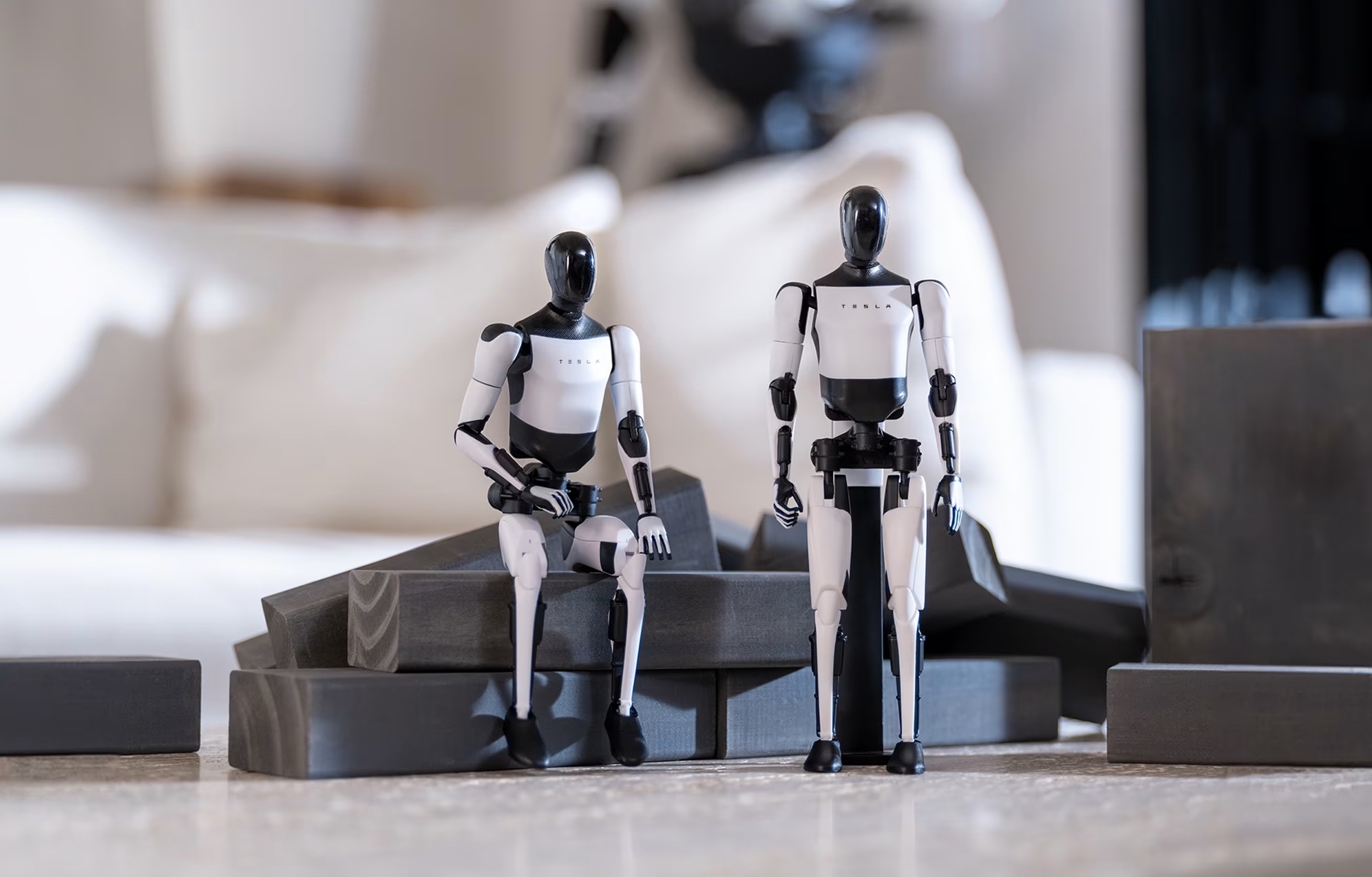
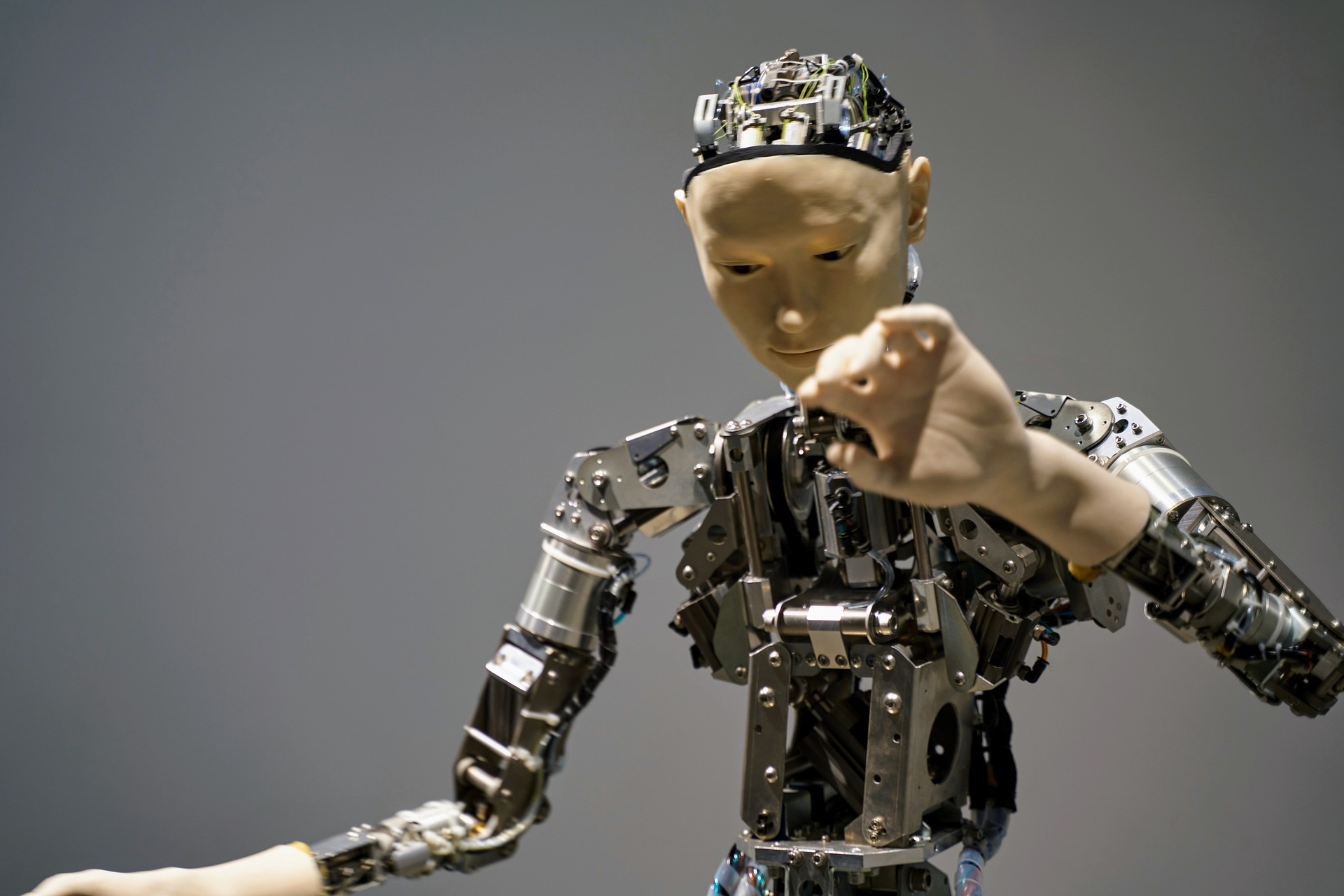
Humanoid robots, as their name implies, are strikingly similar to us humans. They mostly have a human-like body shape and also the principle of their movement is based on the pattern of human walking, as well as the way of handling objects. Thanks to this design, there is no need to adapt various tools that "fit in their hand" almost as well as us - their biological counterparts. Many of them are equipped with advanced communication skills and can hold a decent conversation on almost any topic. Some models even have skills like reading facial expressions to which they can respond appropriately with their own.
Although currently the acquisition represents a considerable investment, which is why their use is limited, in the near future they are likely to become much more affordable. In principle, this type is then applied when satisfying certain social needs, whether it is entertainment, friendship or care, but we already appreciate their assistance in various service interventions, repairs or exploration of areas that are dangerous for us or difficult to reach penetrate them.
Hybrids
By combining two or more variaA hybrid robot can be obtained from the above-mentioned. Combining multiple capabilities allows them to expand their scope and use. For example, by combining the functions that an AMR or AVG can perform with an articulated arm, the machine can move to different locations and perform different more complex tasks there, such as sorting, picking or moving packages within a warehouse or manufacturing plant.
Robots among us
As futuristic as it sounds, robots are and will be a part of our lives. While some were created decades ago, which is why from today's point of view their functionality may seem a bit laughable, others are truly top-notch and their potential is admirable. By 2050, they will be present in various forms in countless areas of our daily functioning, and interacting with them will feel as natural to us as using a mobile phone now.
Now let's take a look at specific existing robots that, upon their introduction, greatly impressed both the lay public and some experts, while their intelligence, fitness and skill indicate how they will shape our not-too-distant future.
Shakey
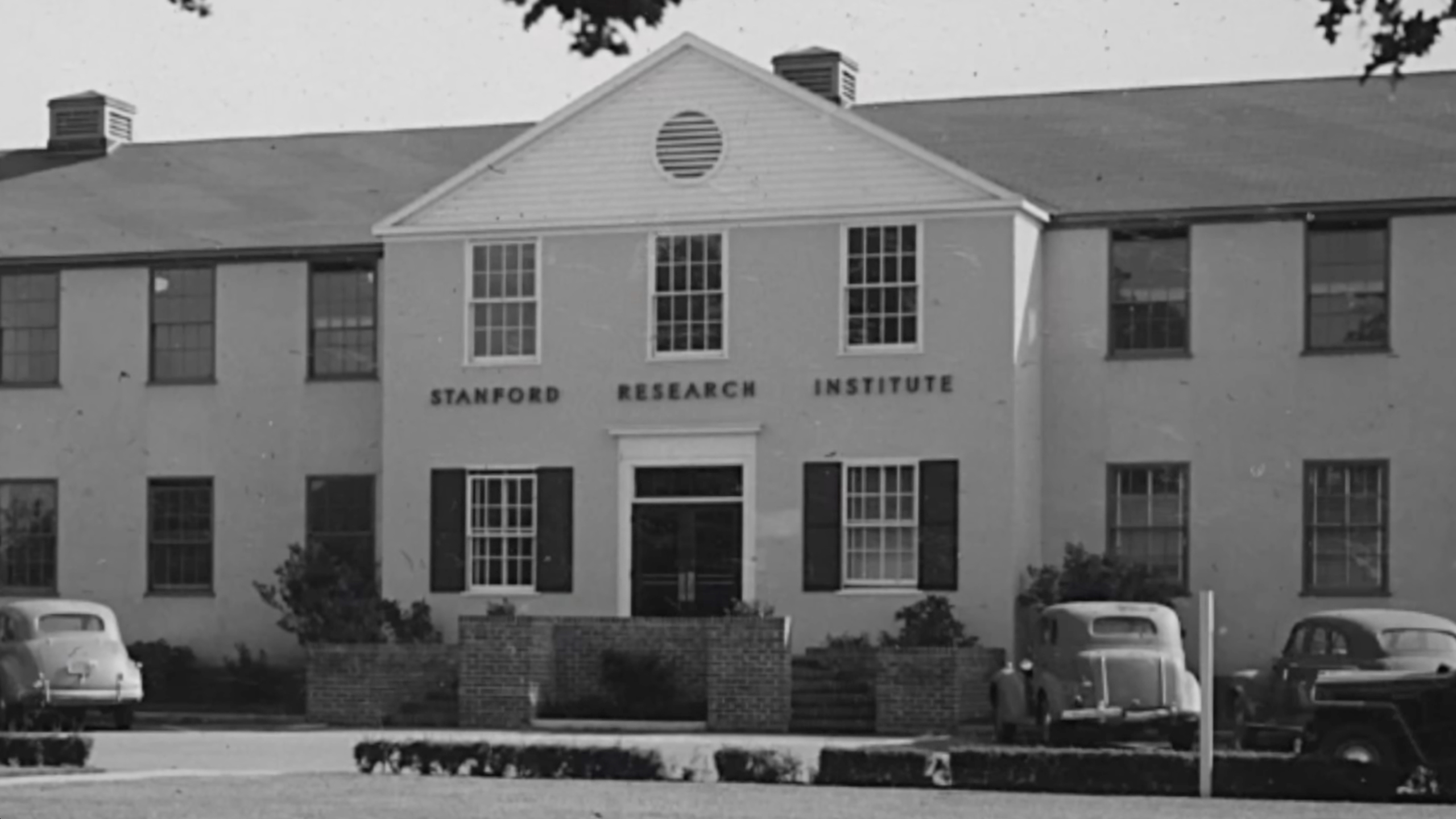
It might surprise you, but robots have been with us for over 50 years. While the industry was the first to incorporate the process as early as 1961, in the years 1966-1972 the non-profit research institute SRI built the world's first mobile robot. Its creators named it Shakey and it shook the world of robotics in its time.
Gallery
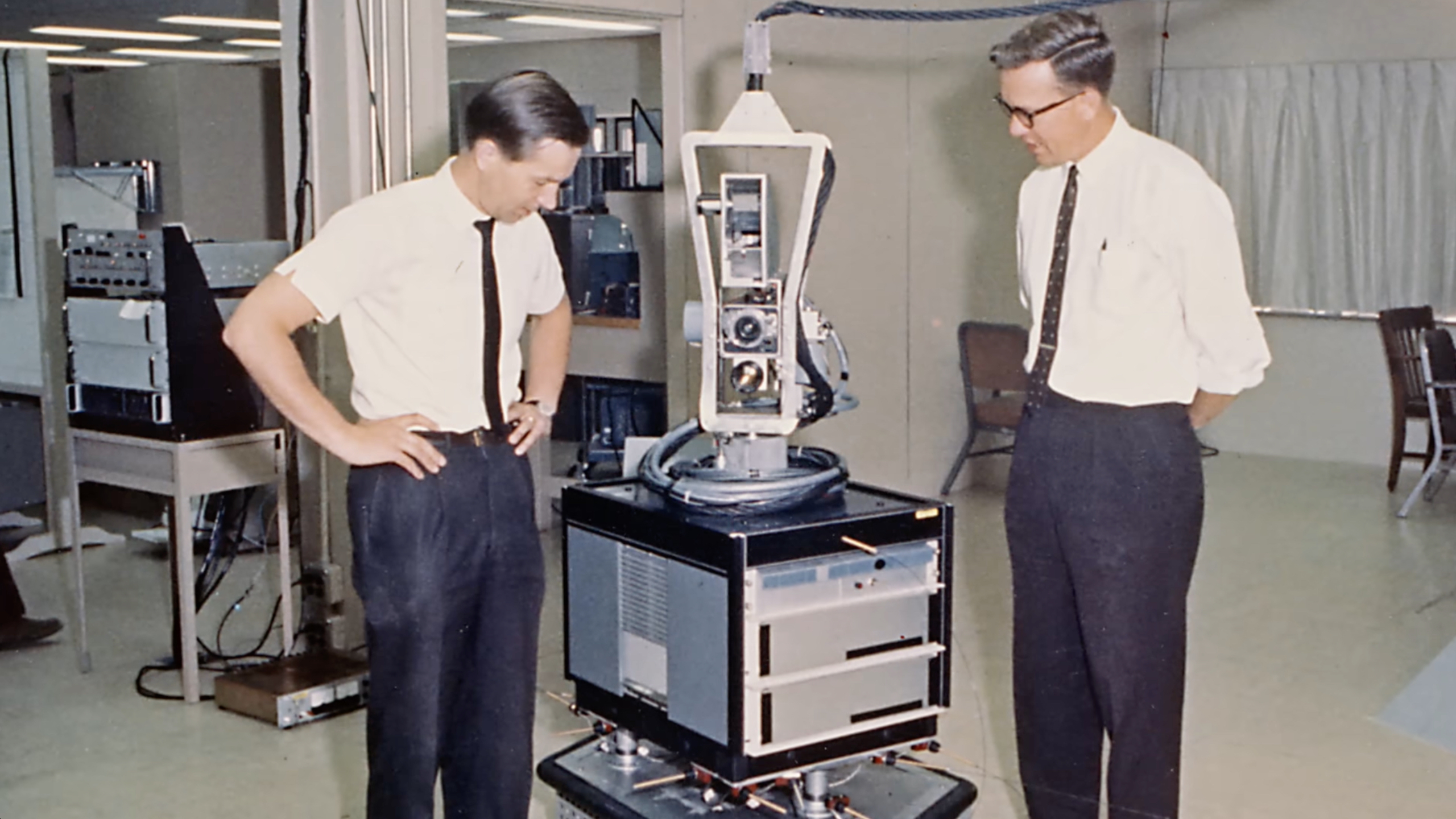
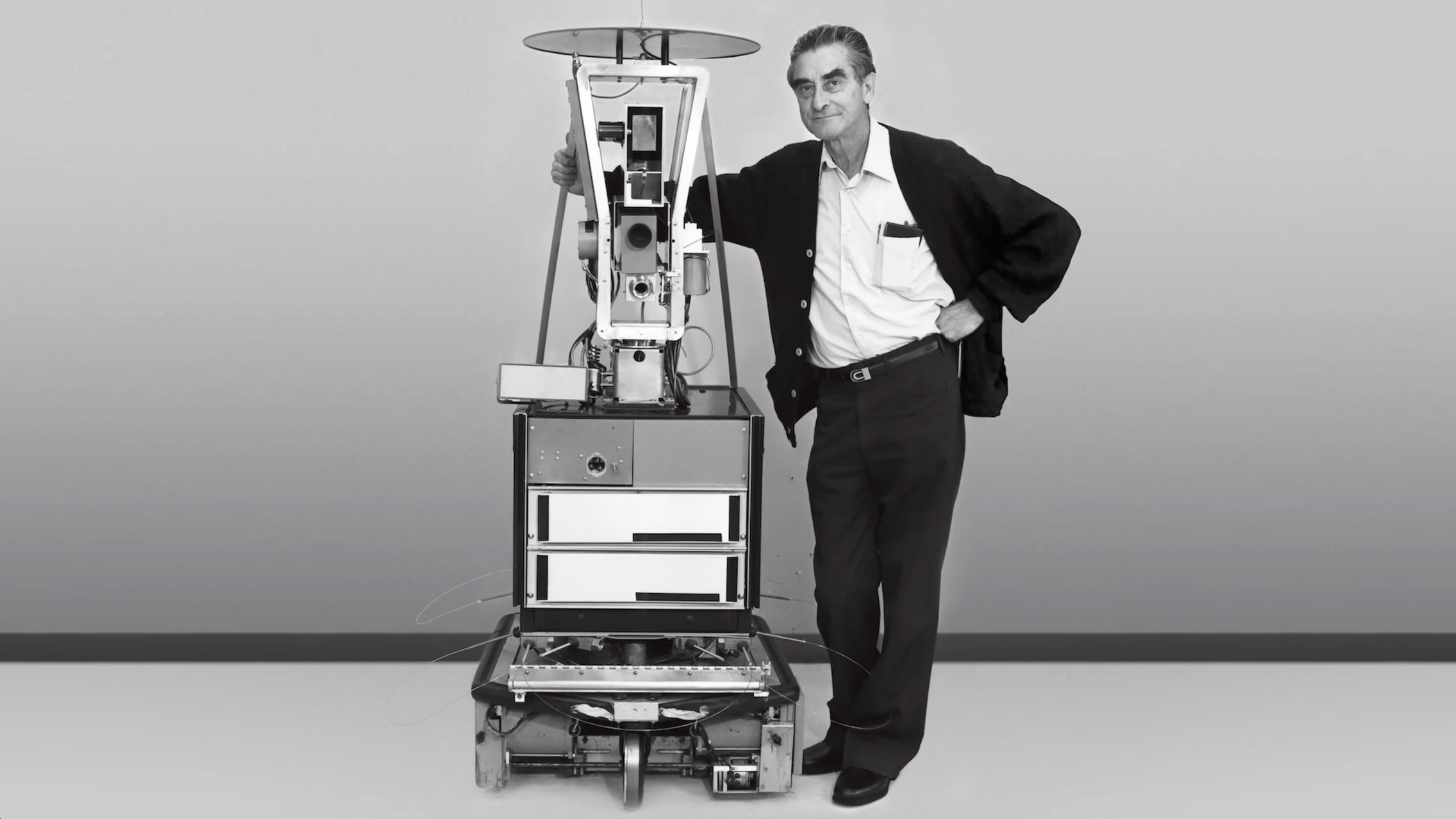
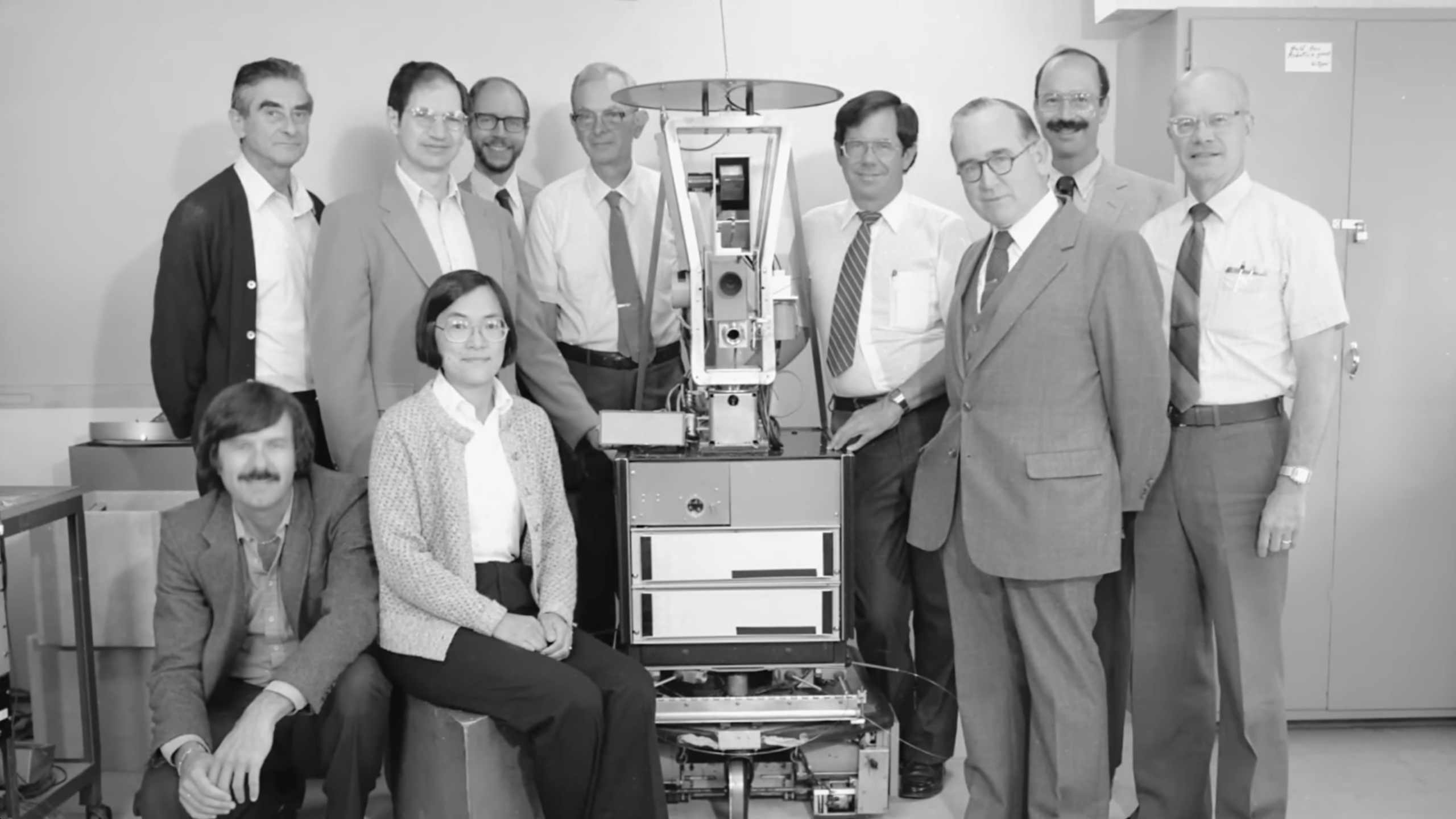
Thanks to sensors and cameras, it was able to perceive its surroundings, plan and perform simple operations such as rearranging objects, and can therefore be considered one of the first forms of artificial intelligence. Although it was large and clumsy by today's standards, it was a revolutionary piece of technology in its time and became a prototype for many future technological solutions. Although Shakey no longer performs any assigned tasks today, if you are traveling to the United States, you can stop by the Computer History Museum in Seattle to see it.
Pepper
Pepper robots are among the first to closely resemble humans, recognize facial expressions and read emotions. Created by Japanese company Softbank , they sold out within minutes of their initial launch in 2014. They were designed to interact with humans – answering customer questions, recommending products to retail shoppers, helping fill out banking forms and assisting with hands-on classroom teaching.
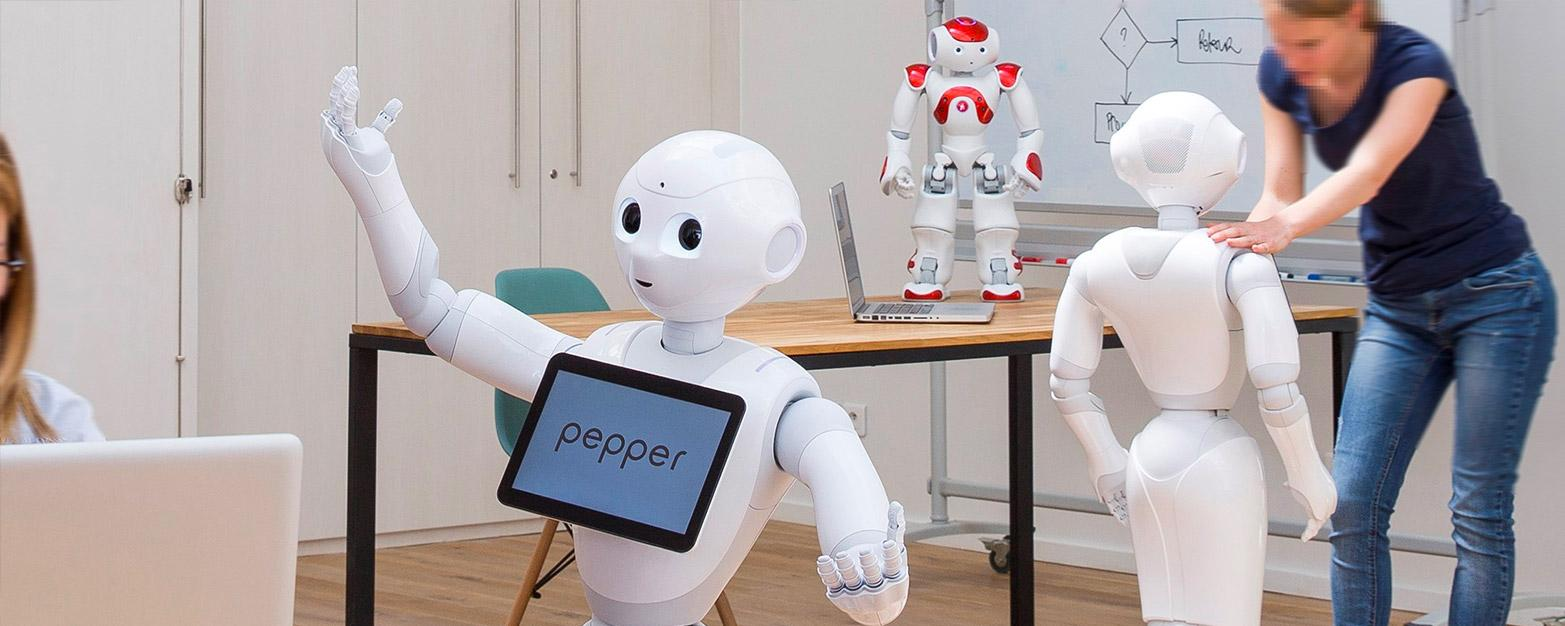
Unfortunately, the cute, friendly robots never quite lived up to expectations, which is why their production was suspended in 2021. Today, however, it is still possible to come across them in operation, for example, in banks in Japan, Taiwan or the United Arab Emirates, where they welcome customers.
Atlas
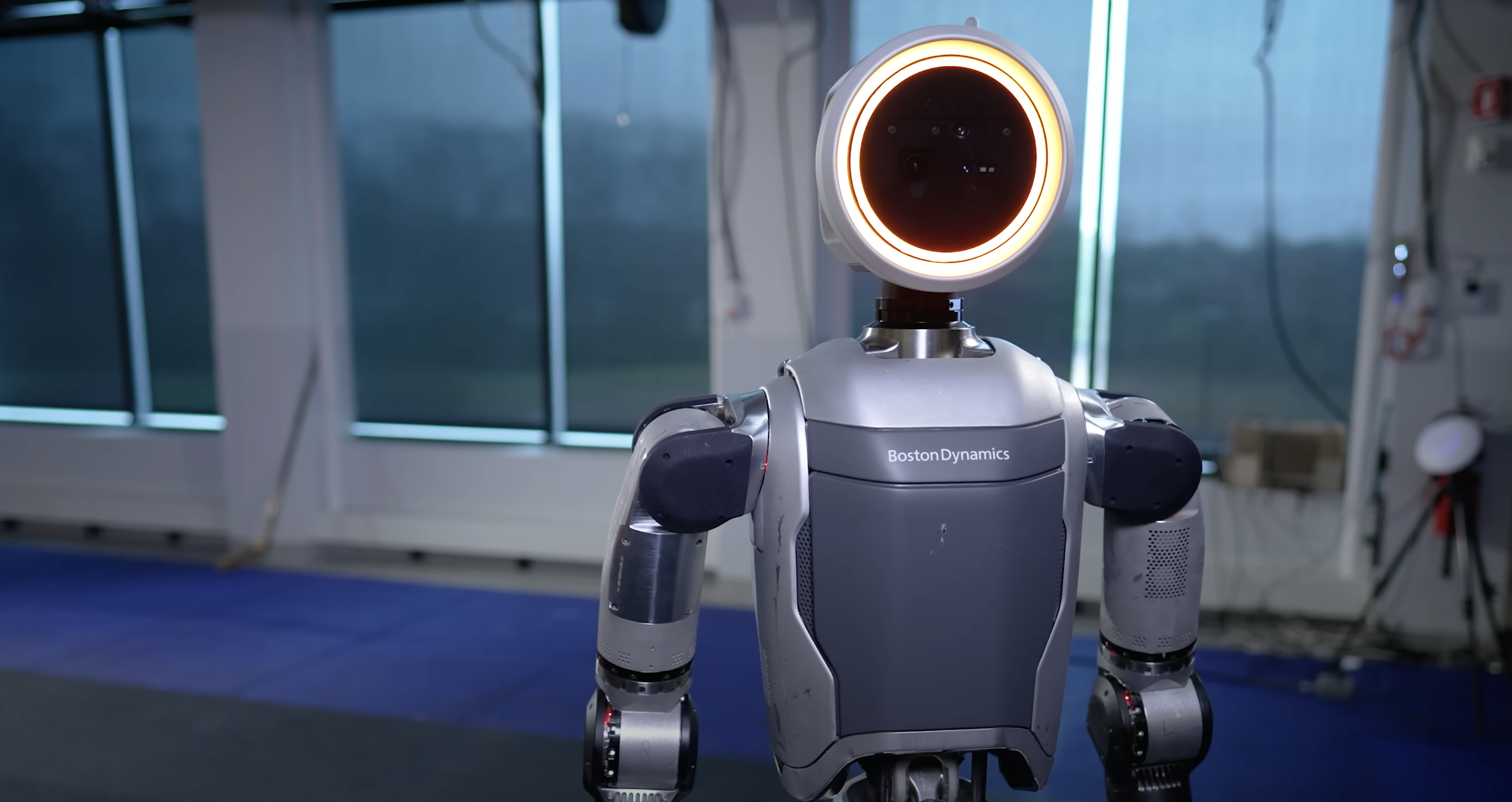
The Atlas robot is made by Boston Dynamics . Its current version, a follow-up to its 2013 predecessor (which is also supposed to be smarter), appears to be one of the most advanced humanoid models to date. State-of-the-art hardware with a multitude of sensors and joints that allow it to run, jump and flip beyond the capabilities of athletes, including turning its torso and head 180 degrees, makes it an incredibly flexible machine with a wide range of uses. And it can even dance. When you look at it, images from science fiction movies easily come to mind.
With the participation of scientists, Atlas is now learning to overcome complex obstacle courses designed to test the limits of his physical capabilities. Unfortunately, you won't be bringing it home in the near future, the company plans to start production on a larger scale in a few years, and currently describes it as part of a research and development program whose goal is to push the boundaries of robotics forward.
Spot
Another example comes from Boston Dynamics, a 70-pound dog-like cobot that, in addition to walking and trotting, can also climb steeply on various terrains, including loose gravel, grass, curbs, and stairs. It is used by construction and manufacturing companies, especially in the US, to handle hazardous materials, detect chemical spills, or navigate hazardous locations.
Gallery
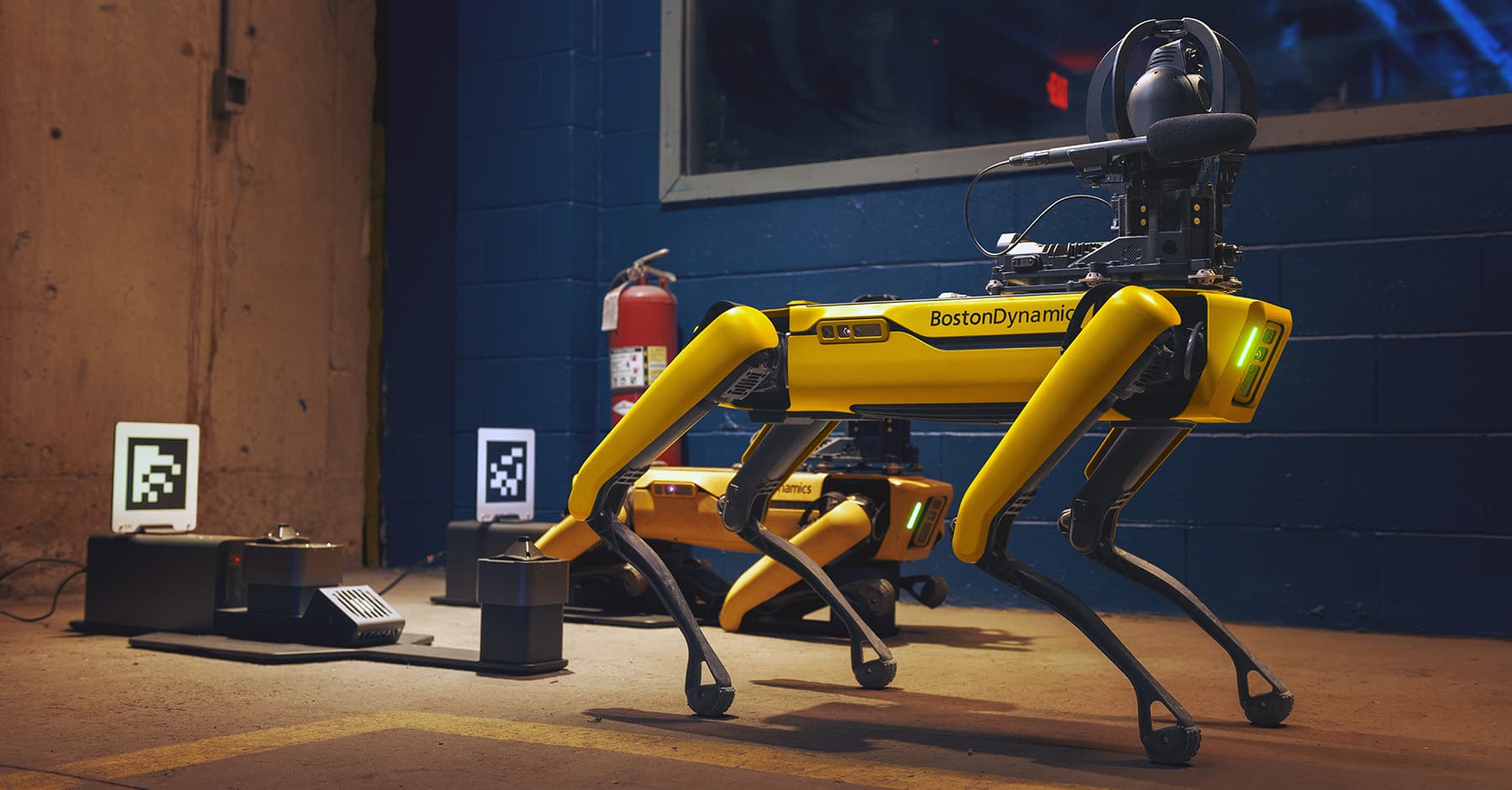
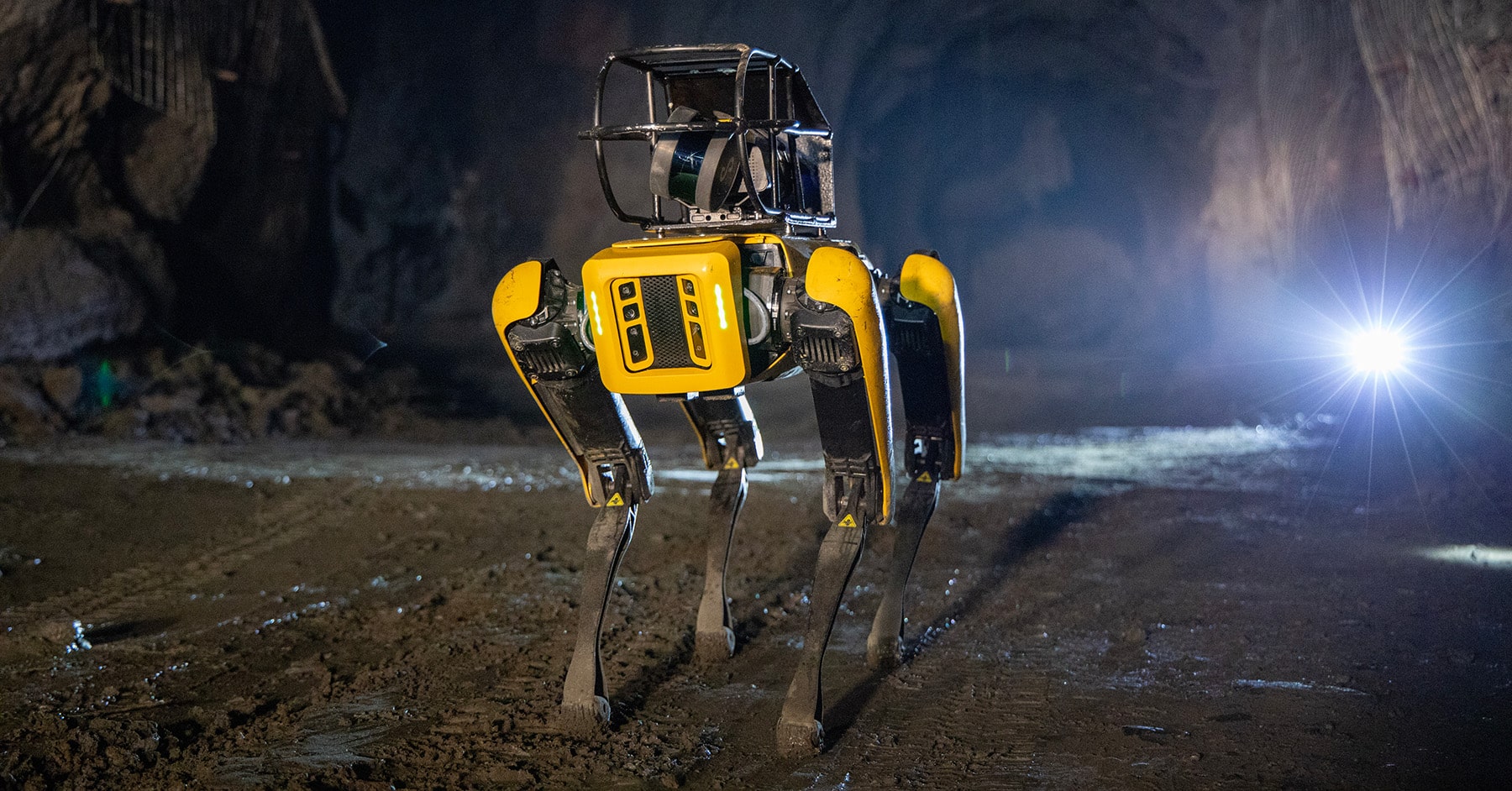


However, this robot model probably became most famous when it lined up alongside the men and women of the law. This happened in 2020, when the New York Police Department decided to solve selected cases with the help of a robot with the cute nickname "Digidog". However, despite his friendly name, the public was not too enthusiastic about his inclusion in the ranks of the guardians of order. Some argued that the cost was too high, while others found a robot dog with its cameras and sensors simply terrifying in the context of their privacy. Not long after the police acquired this machine, its lease was cancelled. However, this has not stopped other organizations of various types from adopting robotic assistants.
Nuro delivery robots
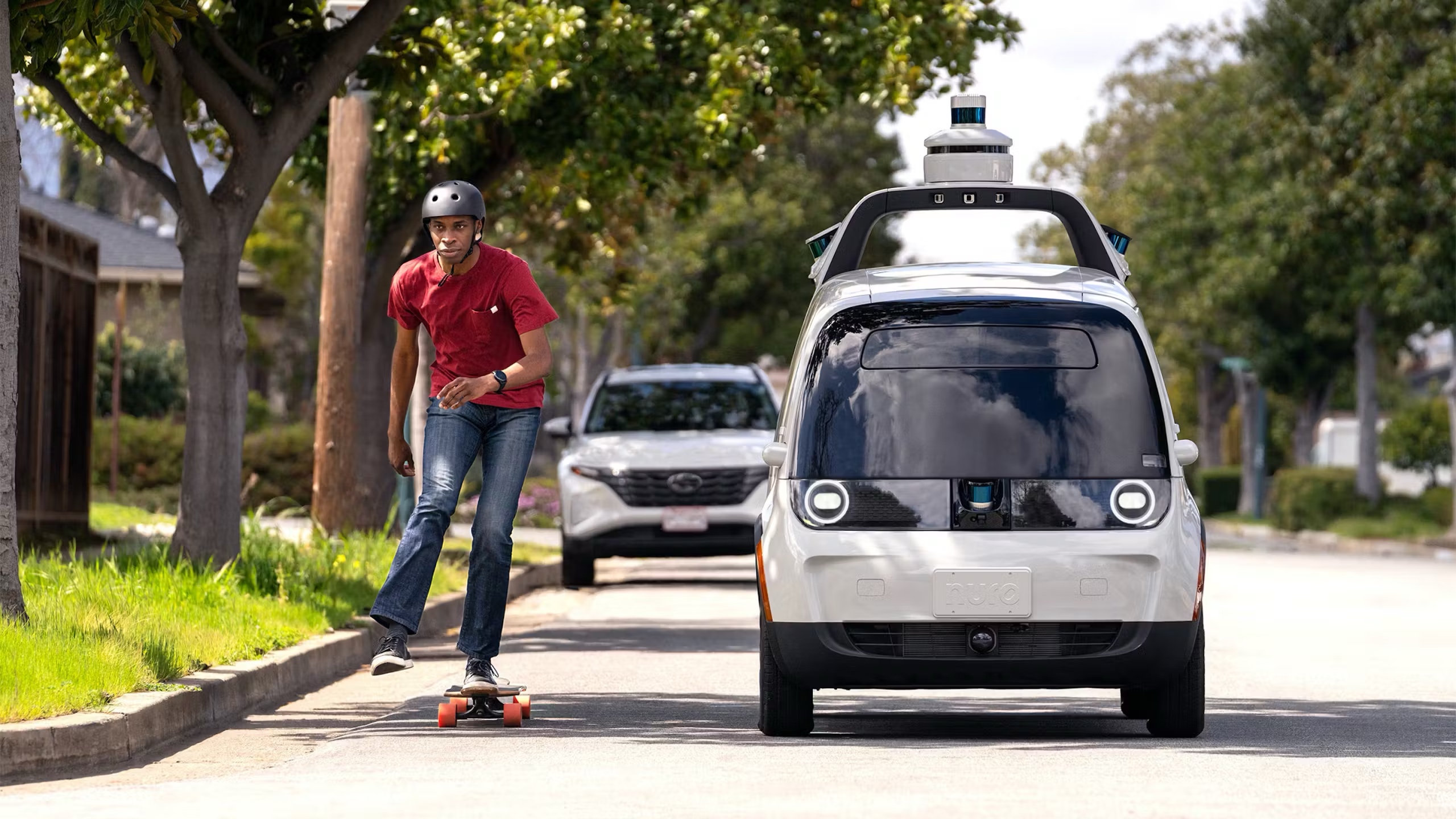
Do autonomous robot deliveries sound like the music of the future? In Japan, this is how you canchat deliver sushi and in Houston, USA, you can order pizza using the same mode of transport (after signing up for this service). With a technology company Nuro focusing on the development of robotic vehicles, companies such as Uber Eats, FedEx or the fast food chain Domino's have already established cooperation. A freshly prepared pizza can thus "land" at your home via one of the self-driving AMRs, such as the Nuro R2 model. Upon arrival, just enter the access code to unlock the door and receive your price.
ASIMO
Images of the humanoid robot ASIMO, whose development is two decades in the making Honda sononec decided to close and use its experience in the field of nursing or autonomous driving, you probably had the opportunity to see in the media. The company's original vision was that ASIMO, which stands for Advanced Step in Innovative Mobility, will help in households and the like. He was able to sign in English and Japanese, run at speeds of up to 9 kilometers per hour, and also respond reasonably well to his surroundings. Although Honda did notonec intends to go in a different direction, the development of this robot has brought her a lot of knowledge that she plans to fully utilize in the near future.
Nao
Nao is a nice-looking humanoid robot developed in 2006 by Aldebaran Robotics, later acquired by SoftBank Group in 2015 and renamed SoftBank Robotics. The latter launched its sixth version in 2018. It speaks 20 languages and costs around $8. Among other places, it will gladly help you at Mitsubishi UFJ, Japan's largest bank.ance, with account opening and other banking transactions. You can schedule a meeting with Nao at the flagship branch in Tokyo, for example.
Gallery
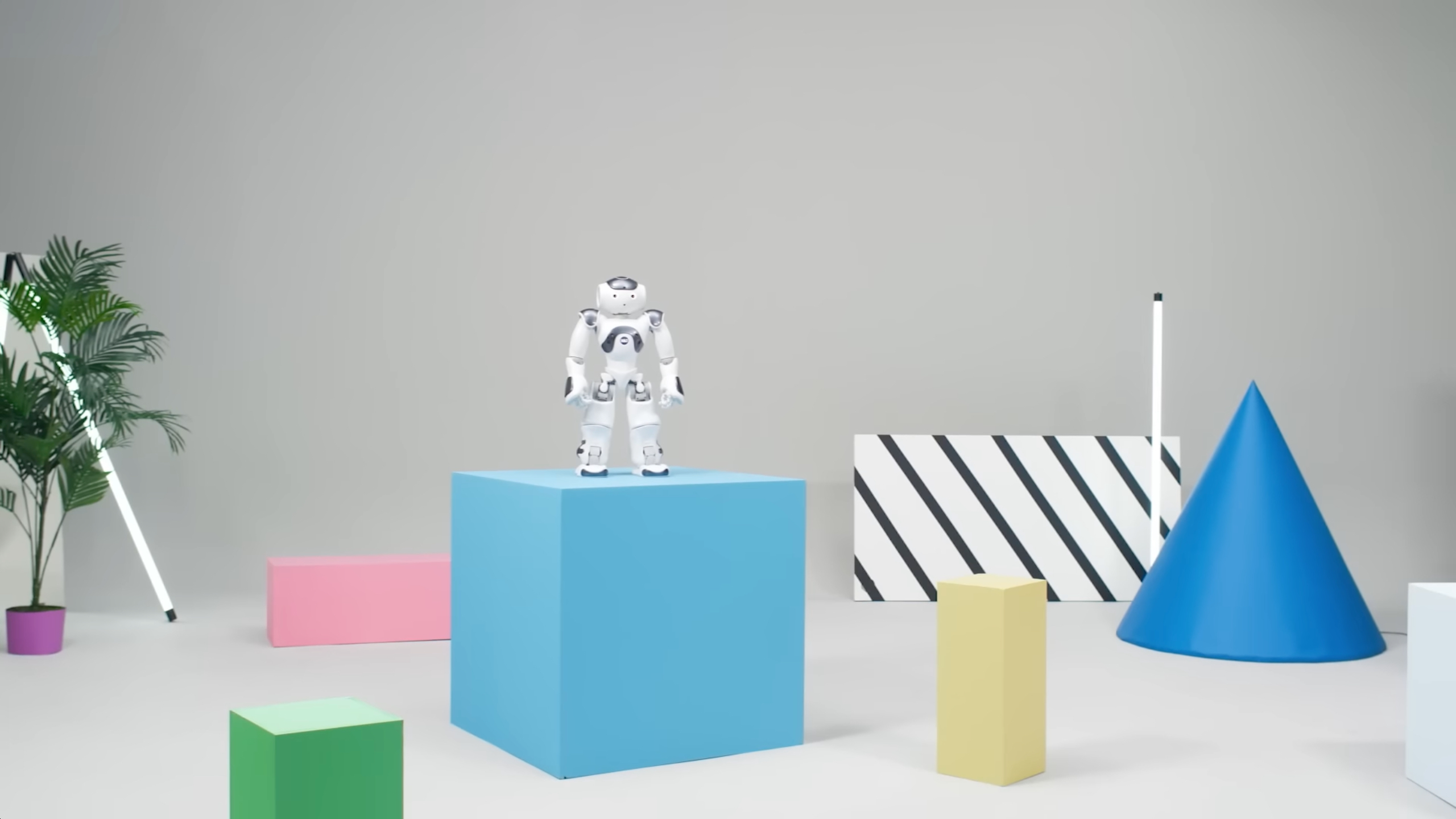
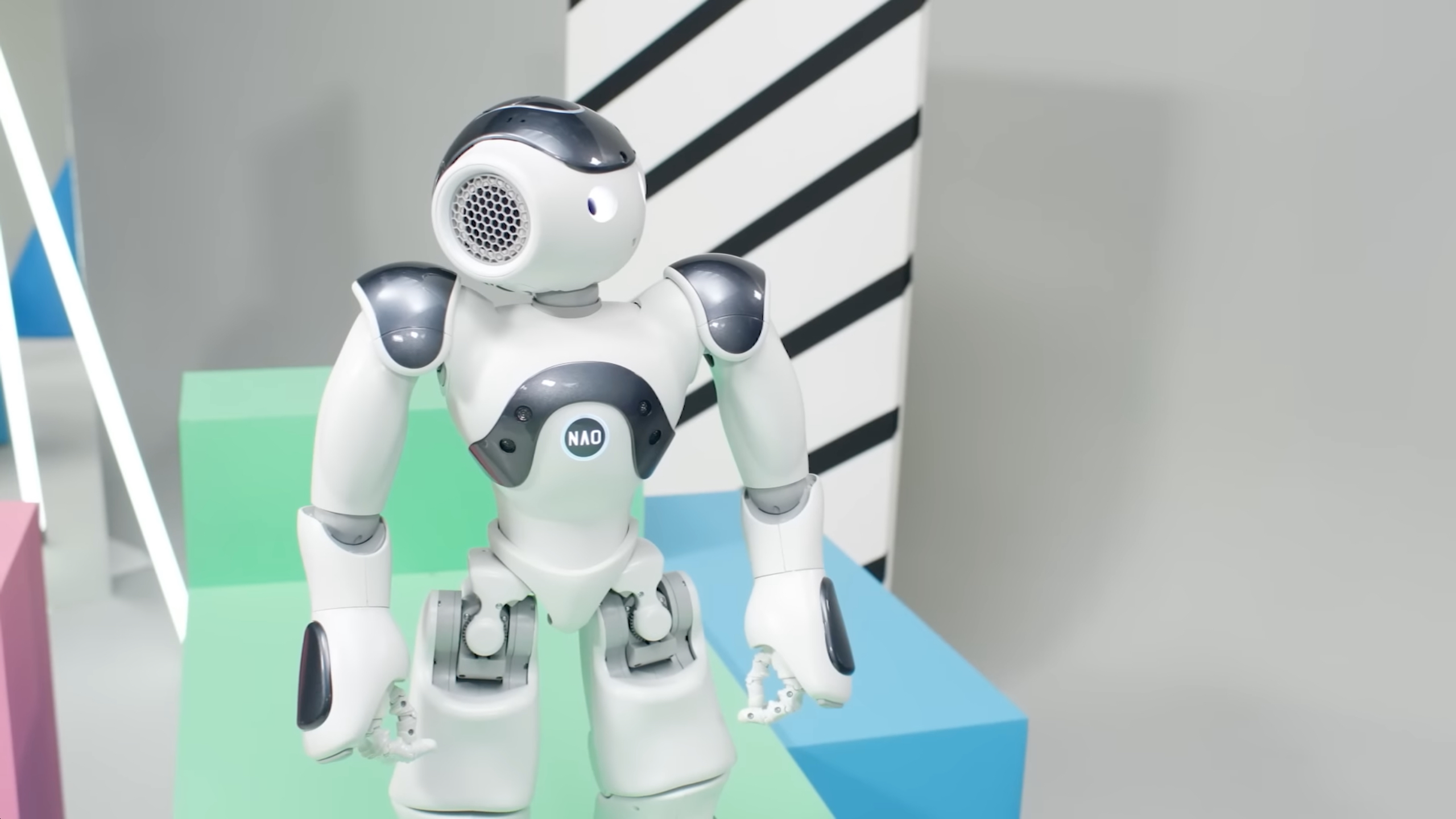
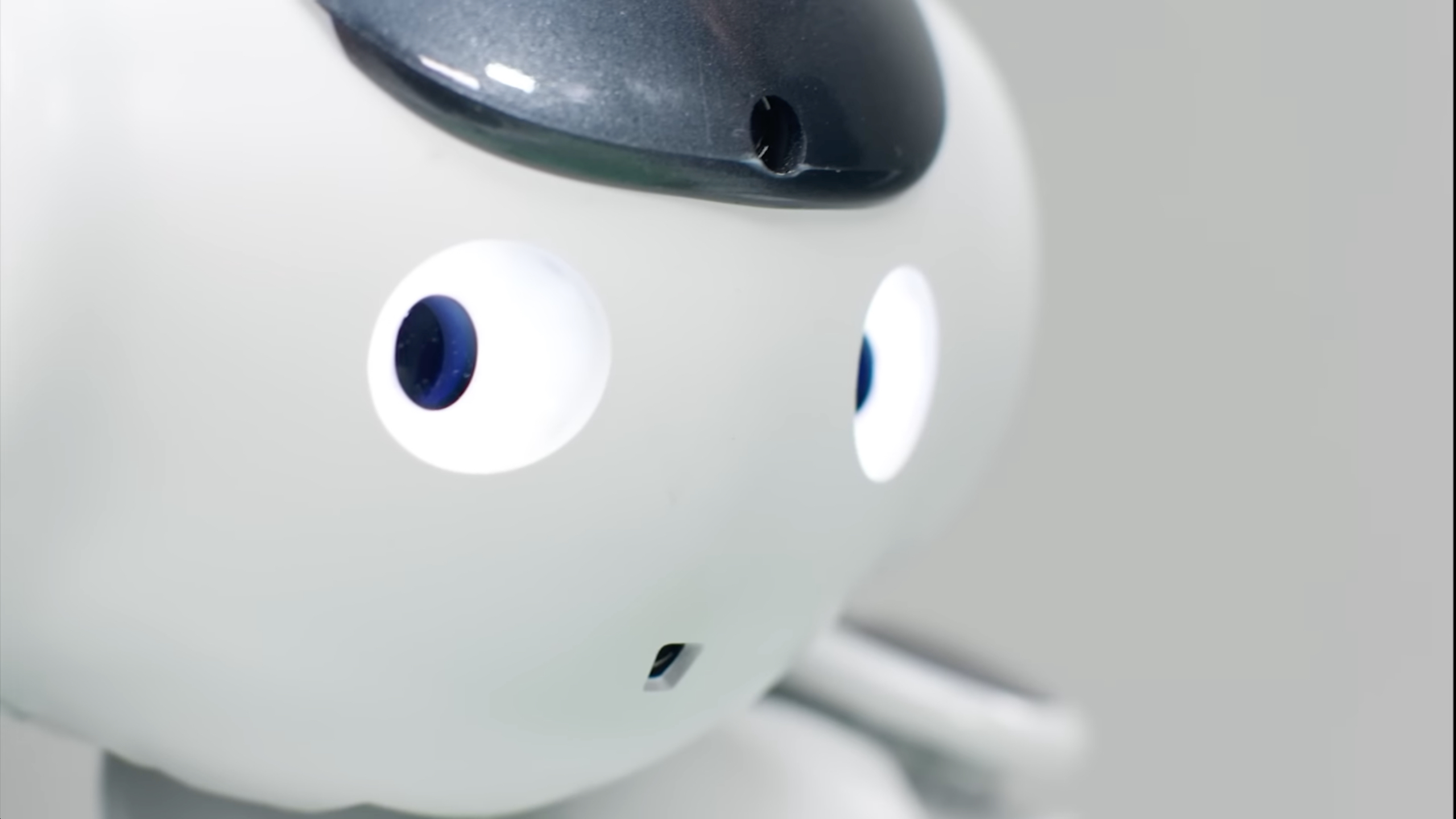
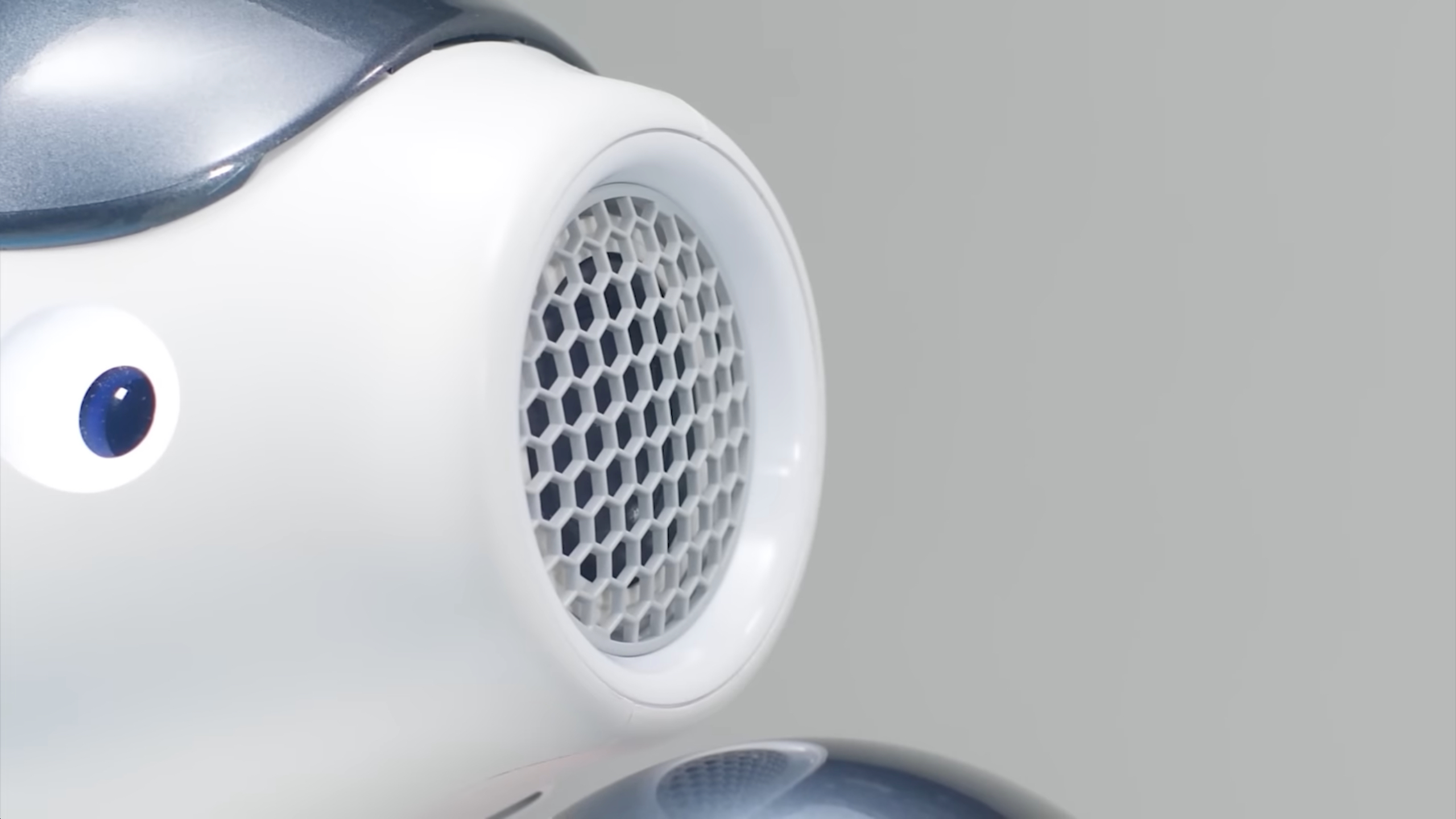
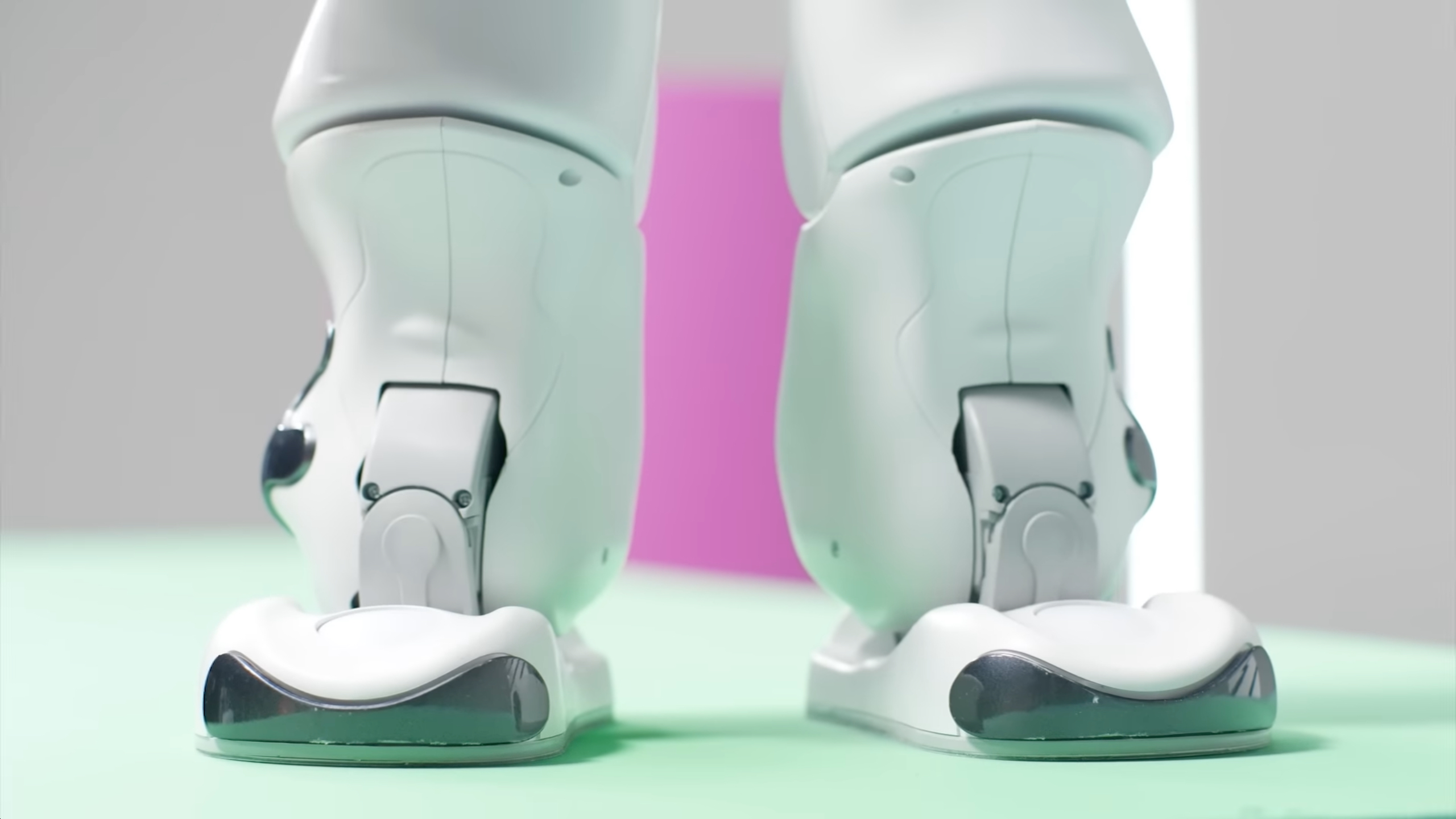
Given the robot's design and its friendly eyes, it's no surprise that SoftBank Robotics also sees its place in classrooms – as a teaching aid and hospitals, where it could function as a medical assistant.
Roomba
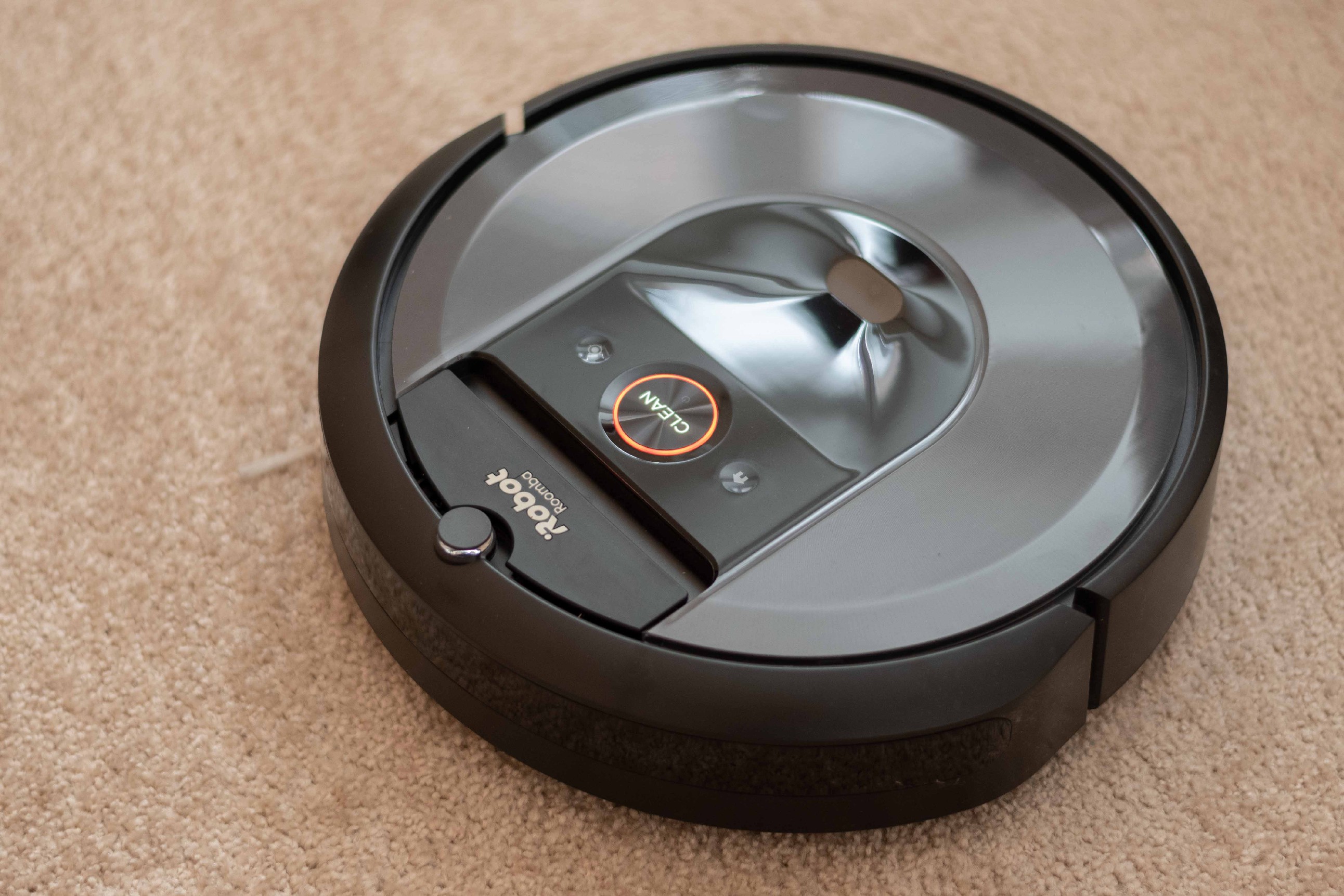
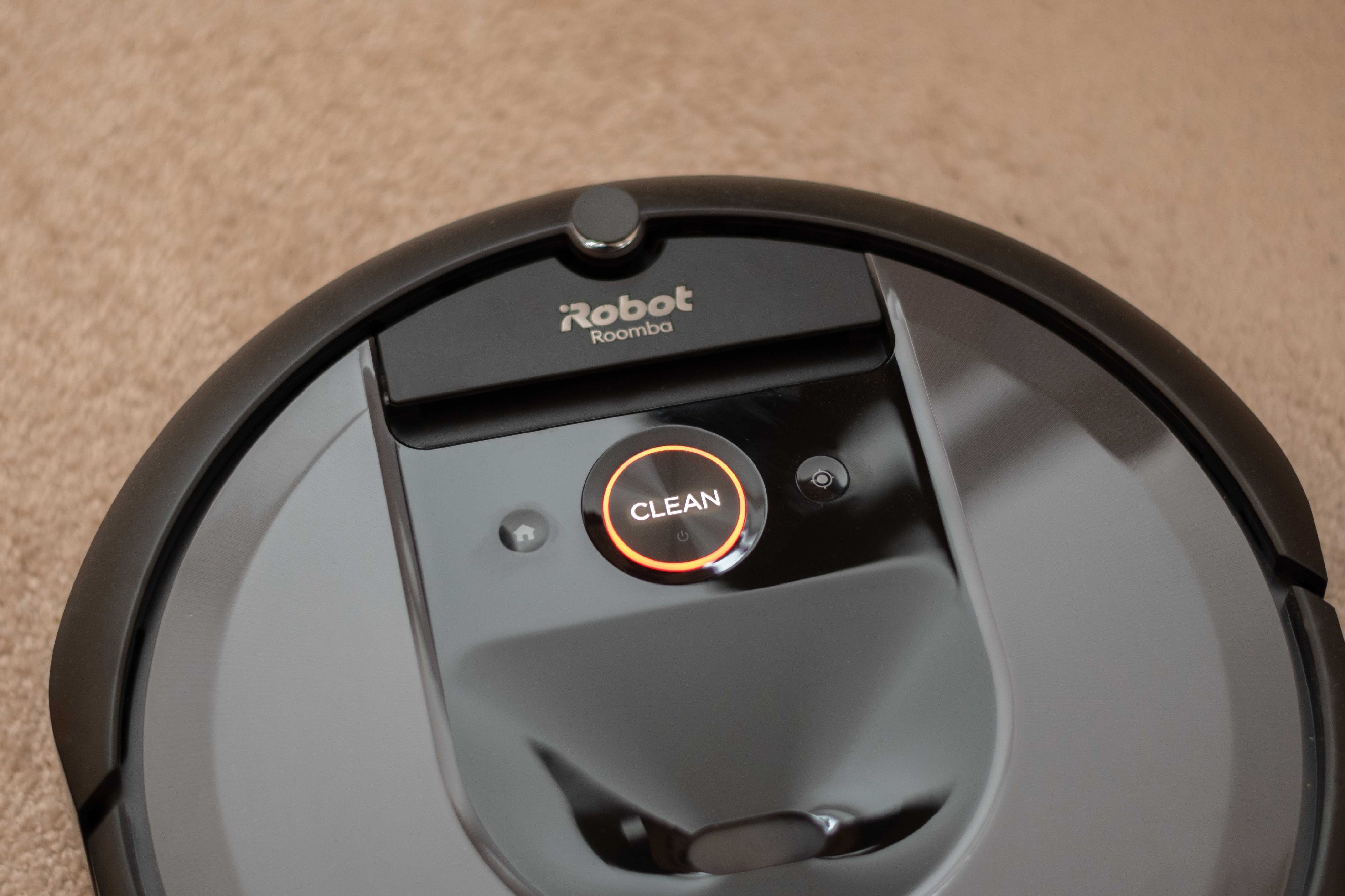
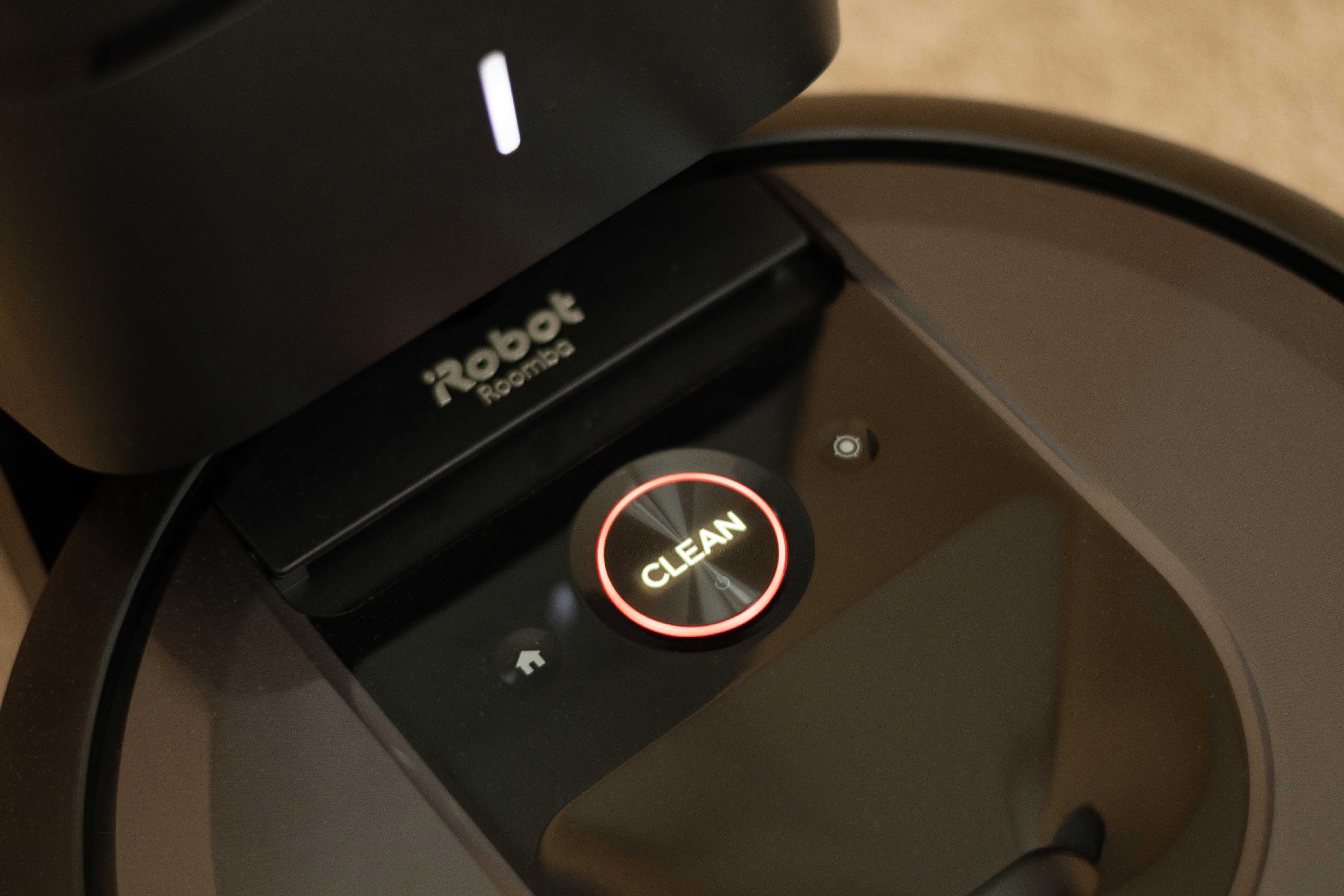
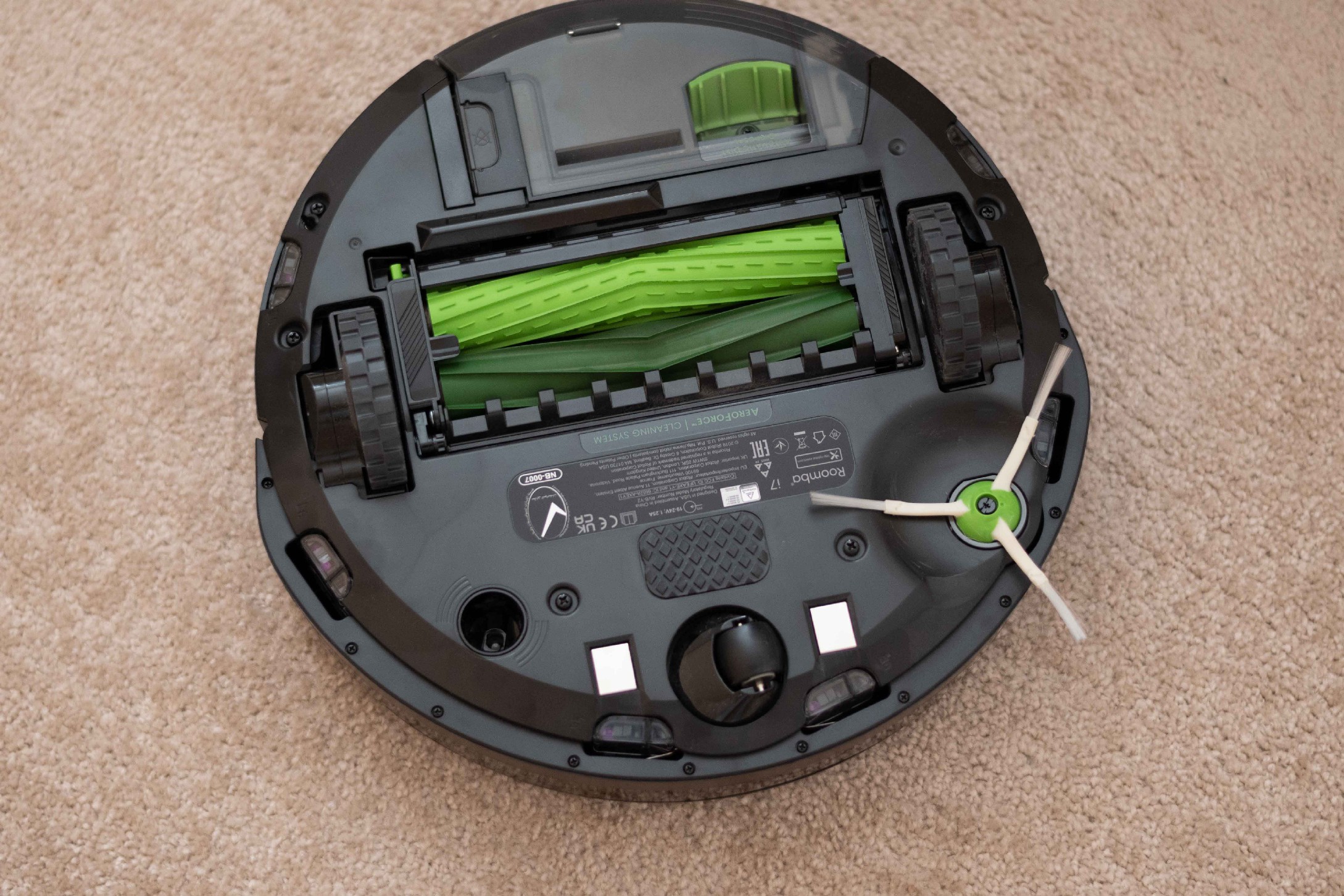
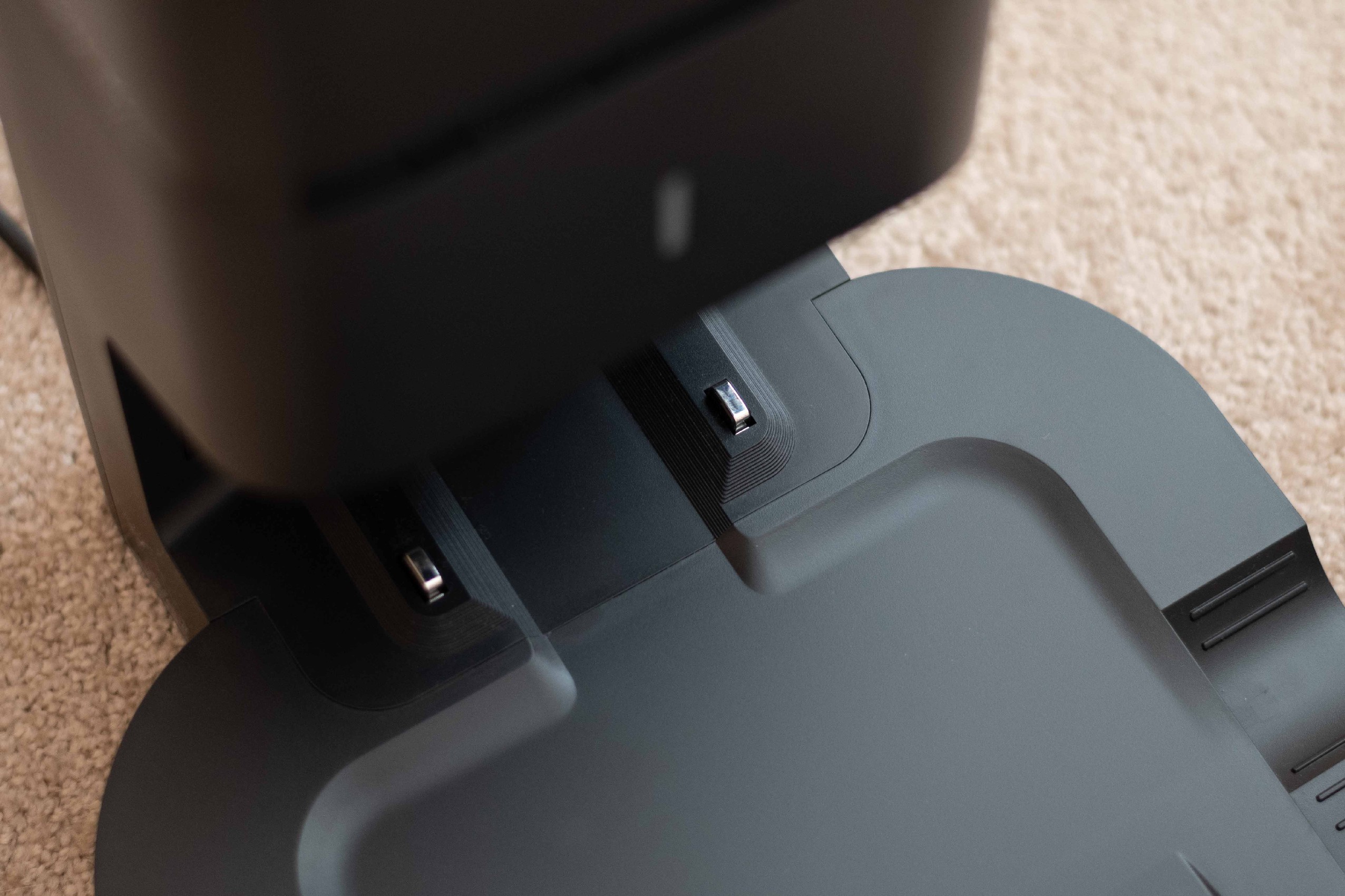
This cleaning assistant probably doesn't need much introduction, as it is one of the most famous AMR robots in the world. It may be cleaning your floor right now. The Roomba robot vacuum cleaner, manufactured by iRobot in 2002 , uses sensors to navigate your home and keep it clean, and has already become part of more than 40 million of them worldwide.
Gallery
Ava Robot
Designed by Ava Robotics , this communication tool aims to raise the standards of remote work in the future. The AMR, whose most important component is an HD video screen in addition to cameras, microphones and speakers, can move around different environments on wheels, allowing workers to participate in meetings and meet with colleagues in remote locations as if they were there physically.
Gallery


These machines, reminiscent of a sci-fi vision of this solution from the past, were launched on the market in 2018. They can also provide security for museums,ancbuildings and even serve as a means for doctors to assess patients' conditions remotely.
AMEC
Like many other sophisticated robots, Ameca uses artificial intelligence to analyze and react to its surroundings. But on top of that, she can also express realistic emotions and is capable of facial expressions such as smiling, winking and even gasping in shock. Despite her metal body and gray "skin" on her face, she looks surprisingly human - a bit like an early version of Ava from the sci-fi film Ex Machina.
Gallery
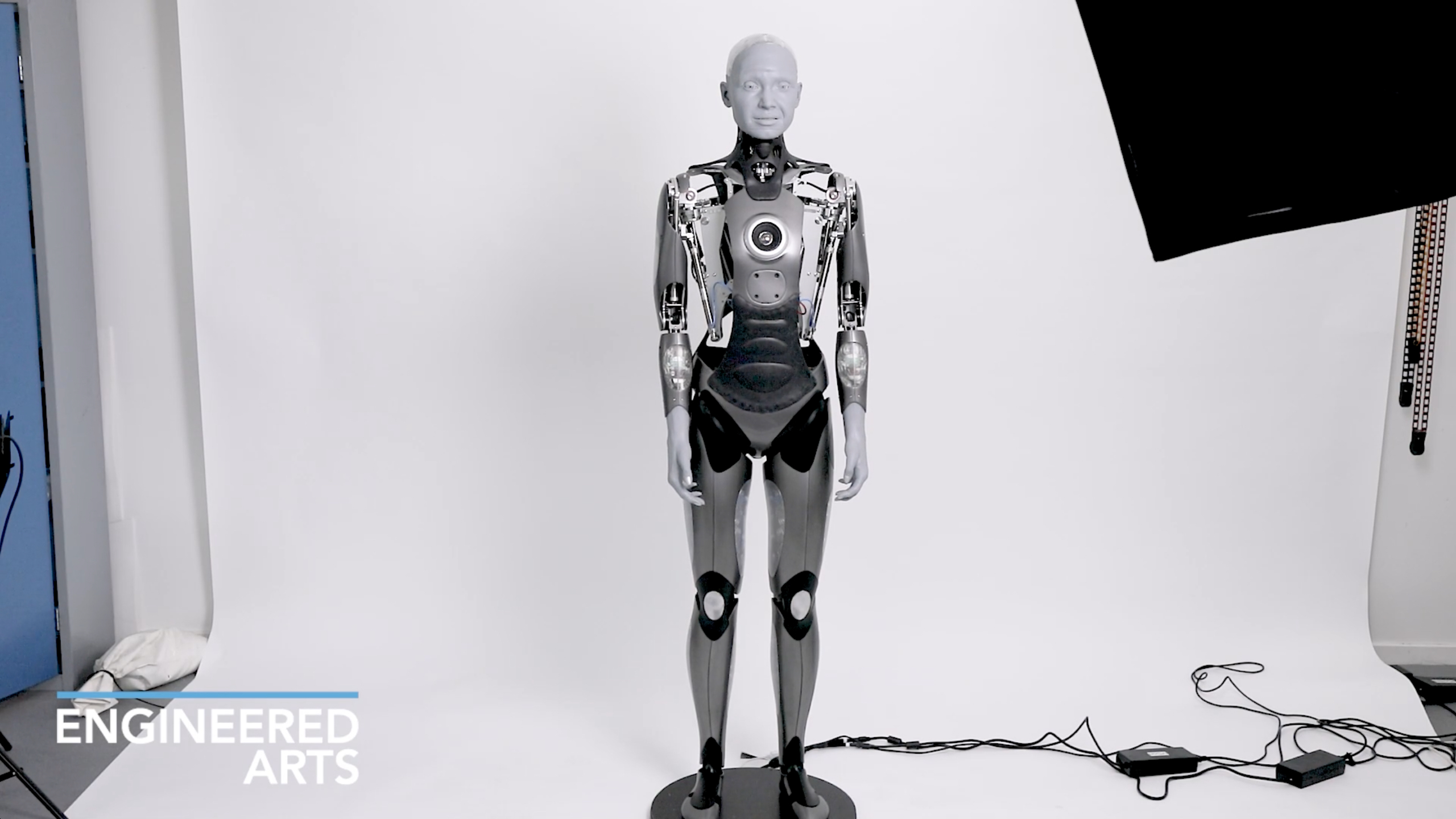
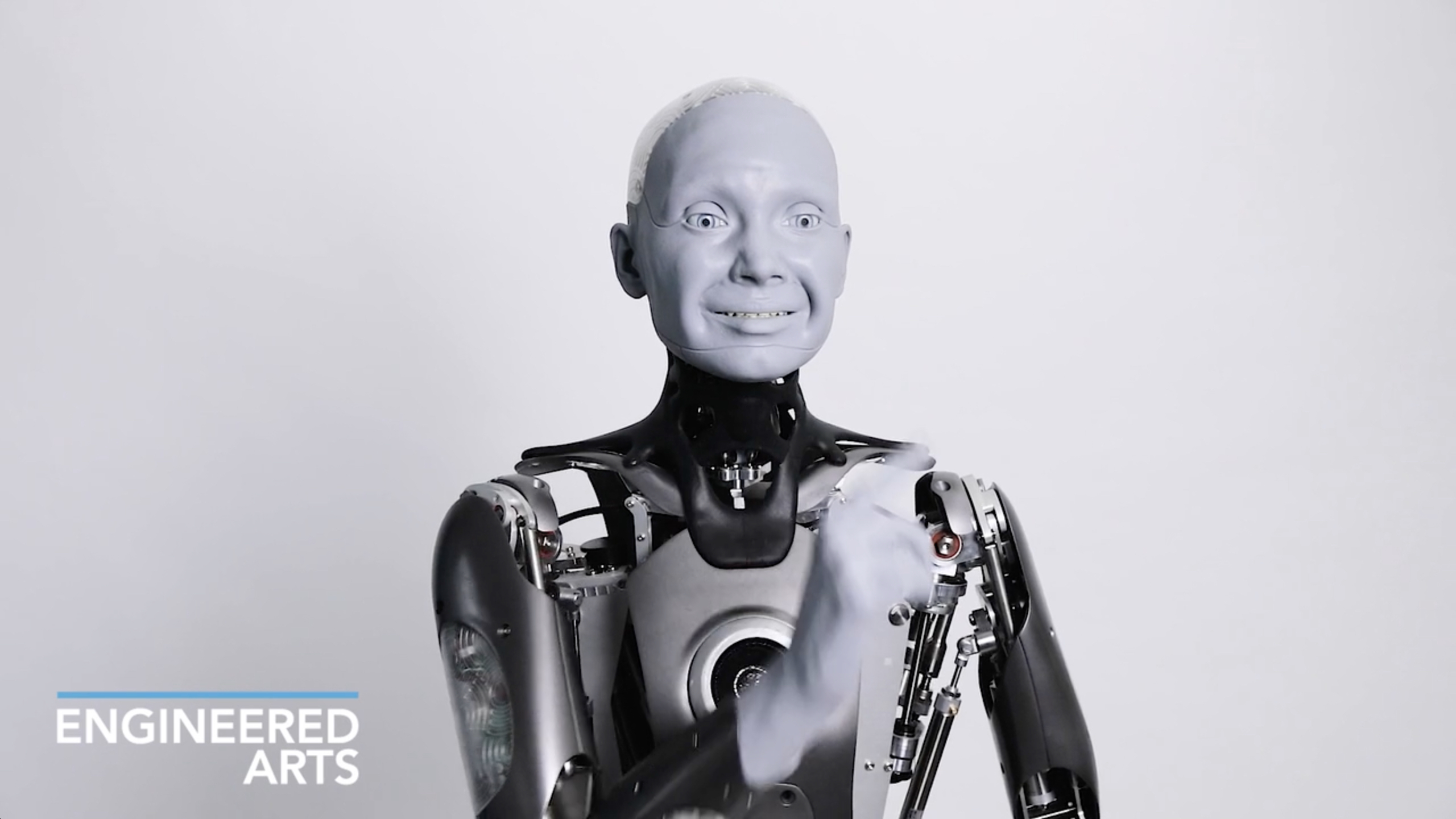
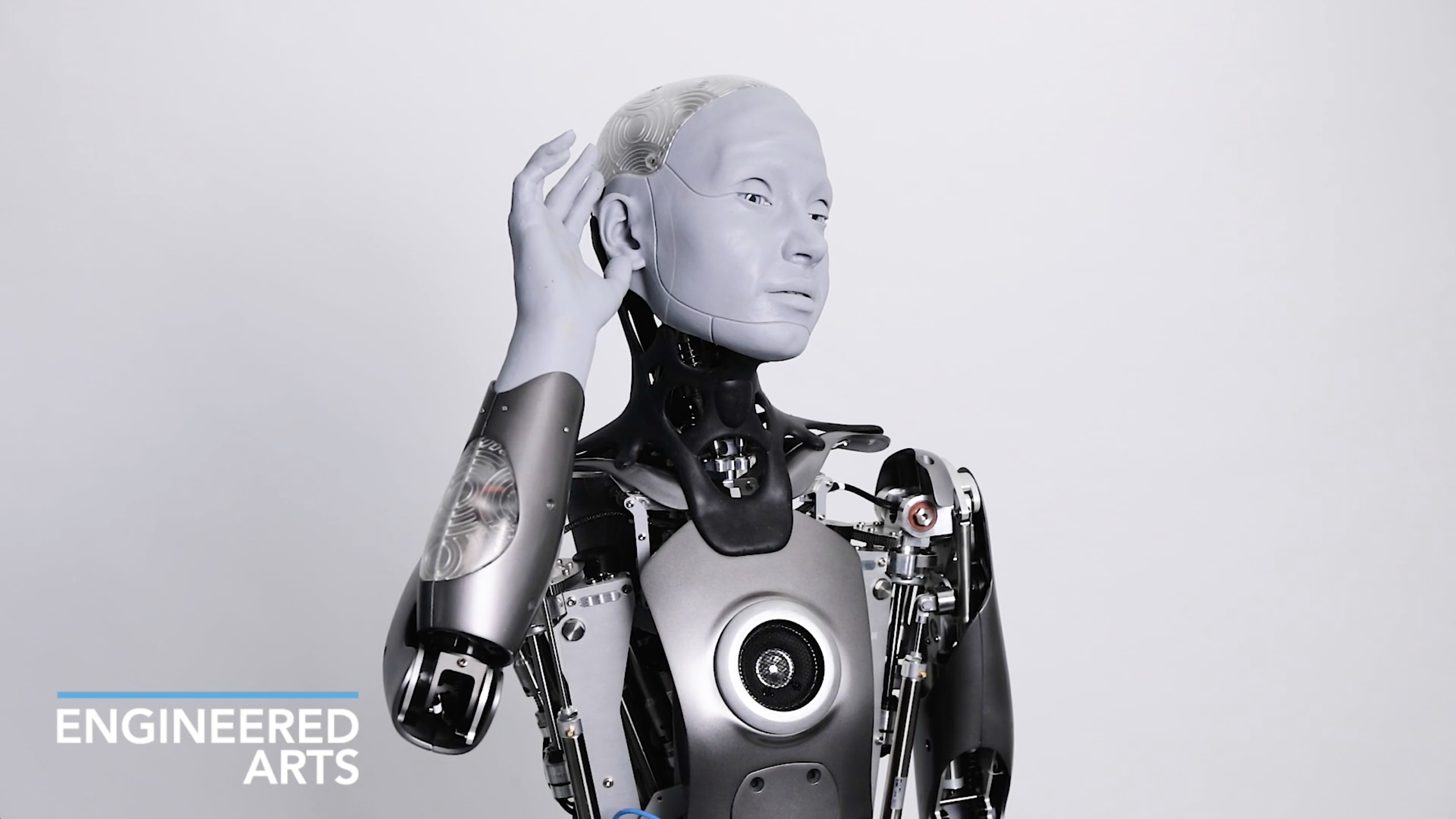
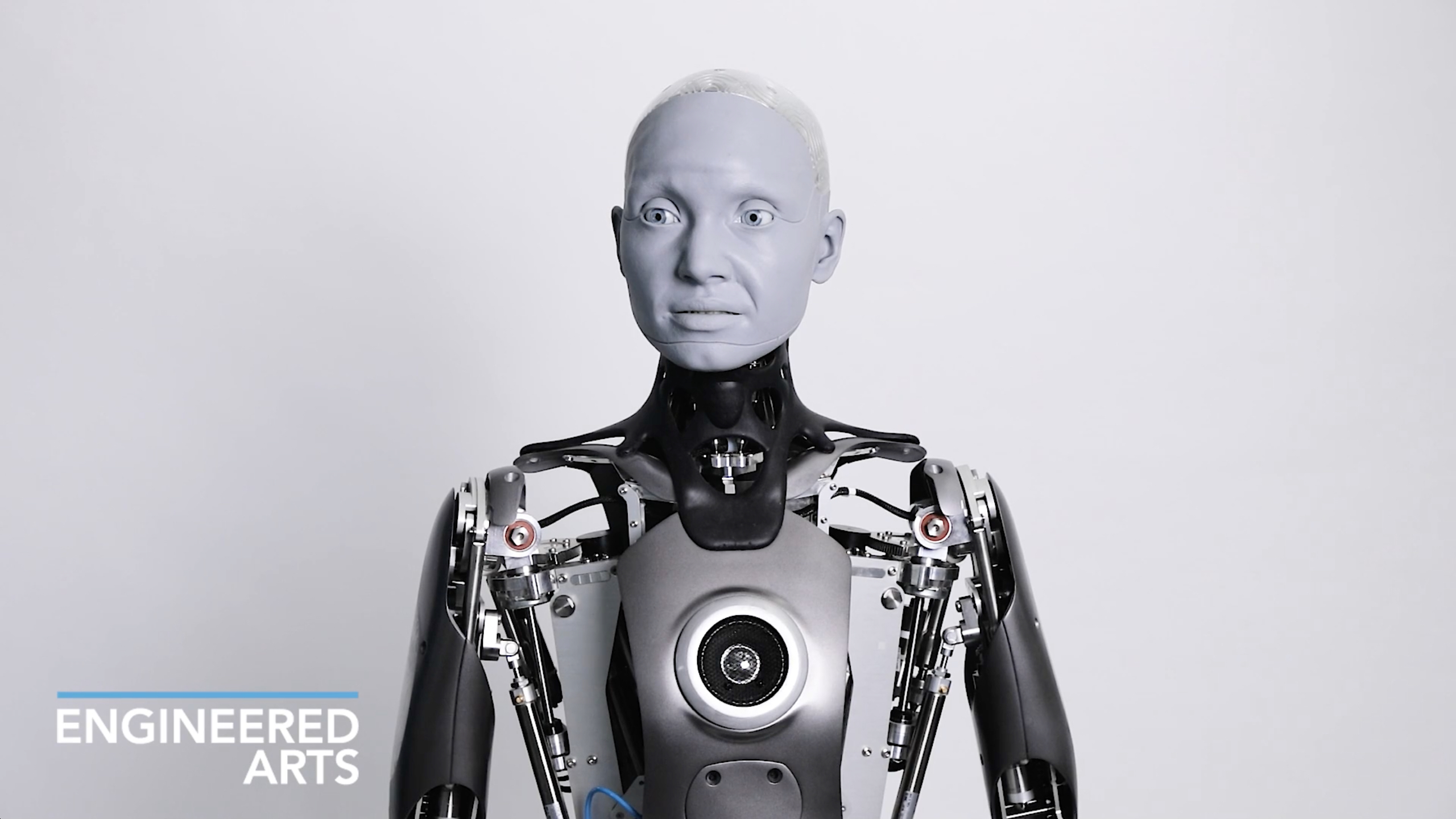
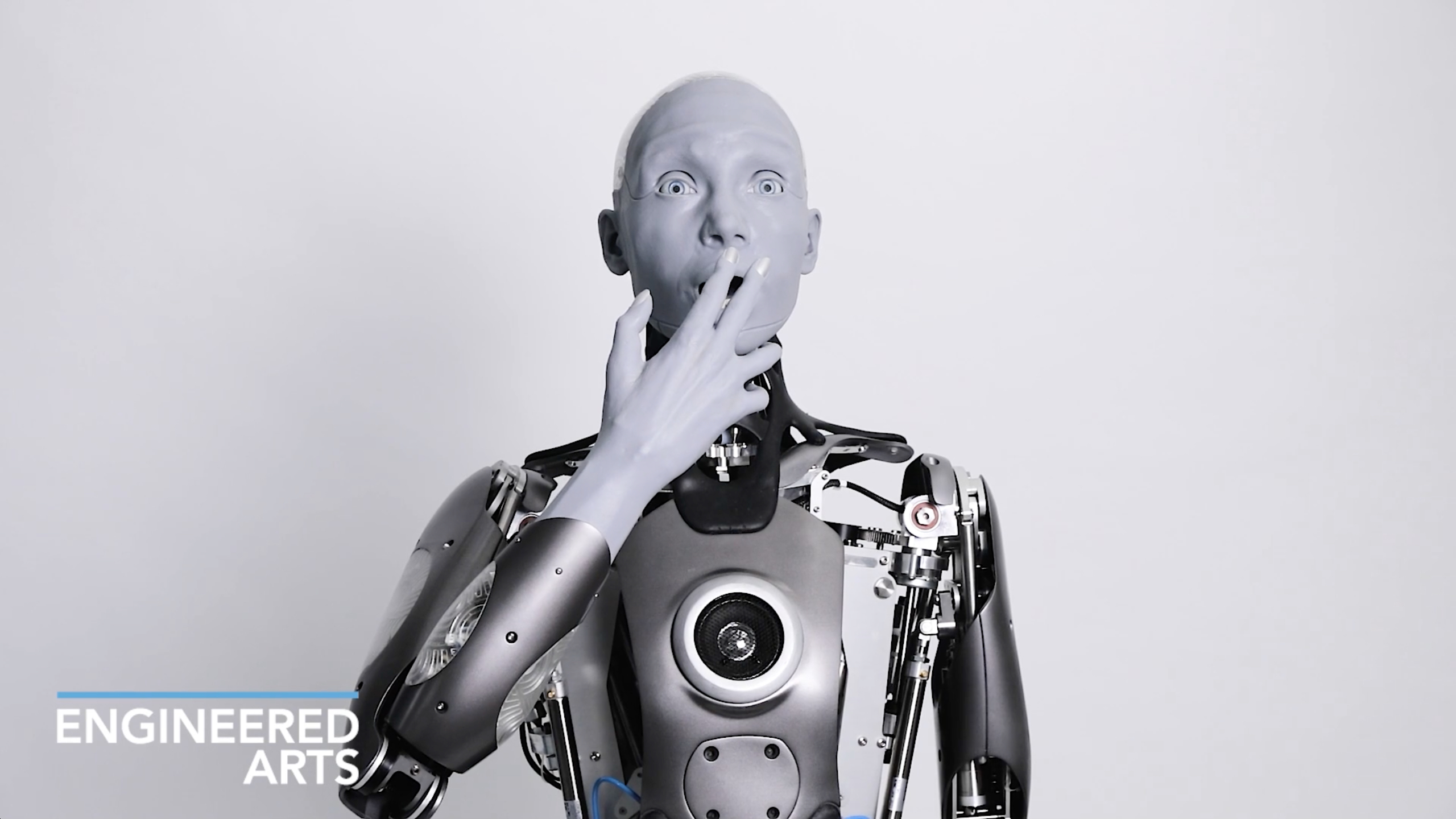
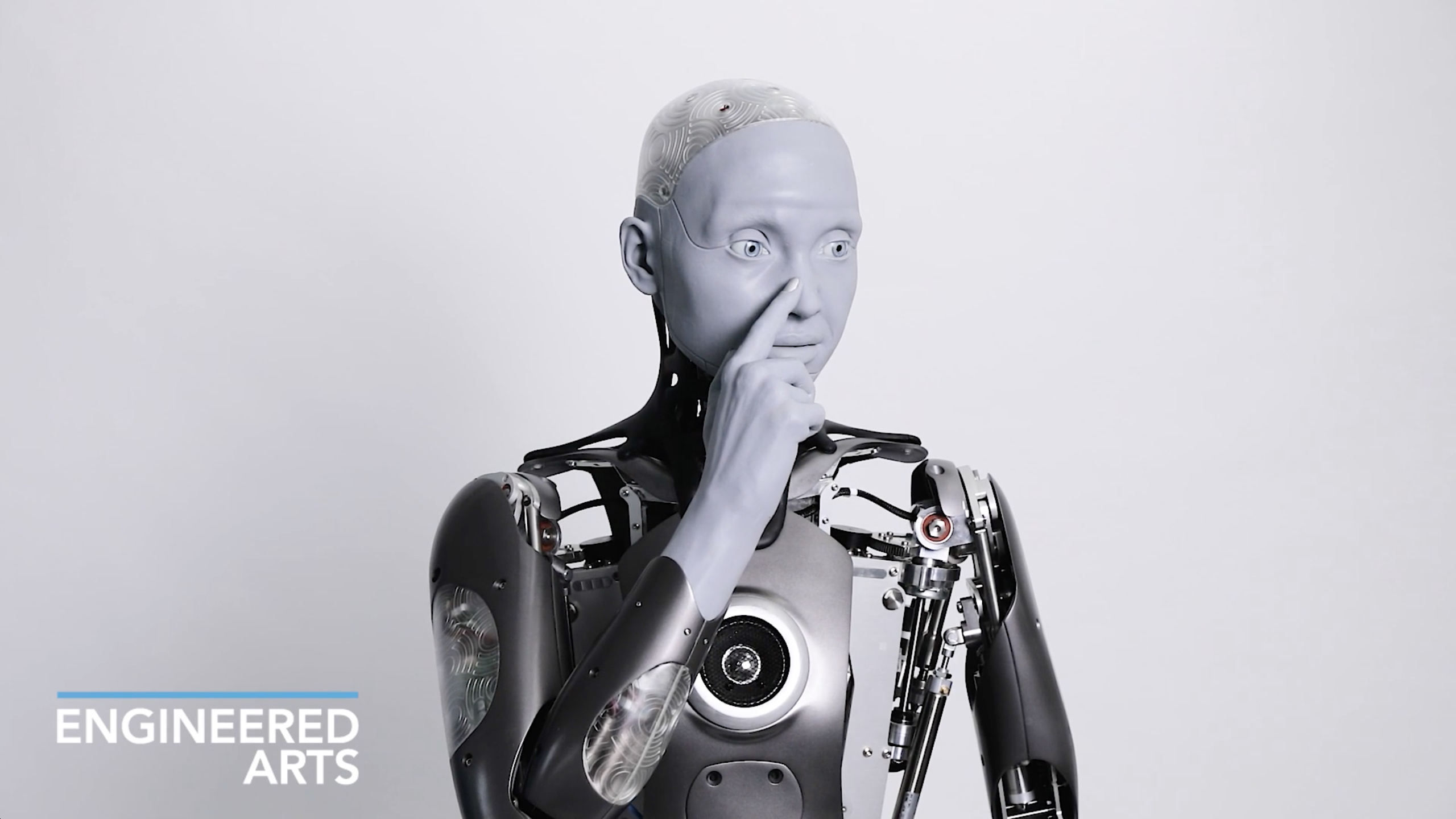
Pro Ameca is not available to consumers, it was designed as a platform for future robotics. In other words, it represents a development phase on the way to a more perfect machine. With this in mind, the manufacturer has engineered arts this humanoid for sale (rental) for an undisclosed price as early as December 2021.
ADIBOT
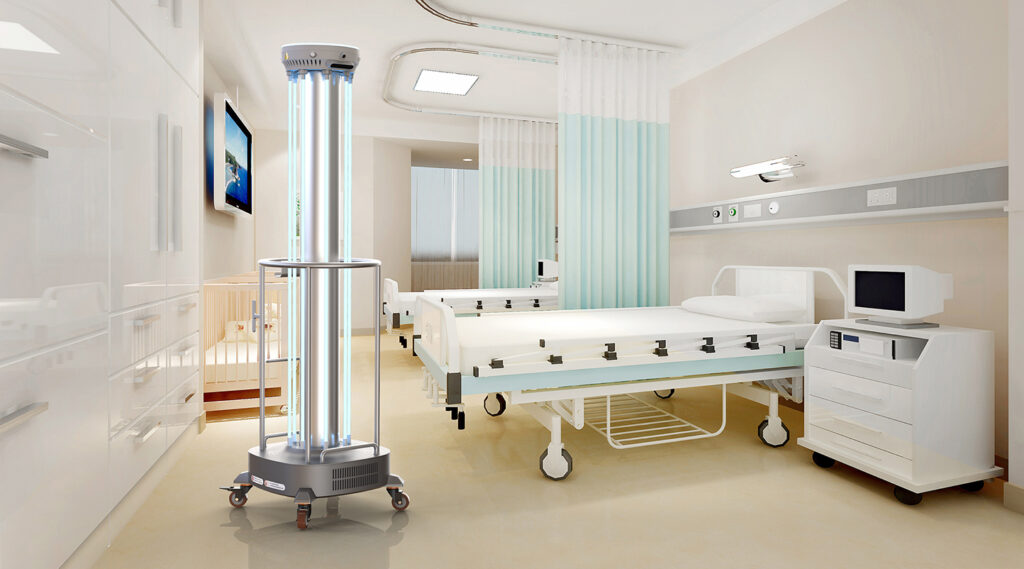
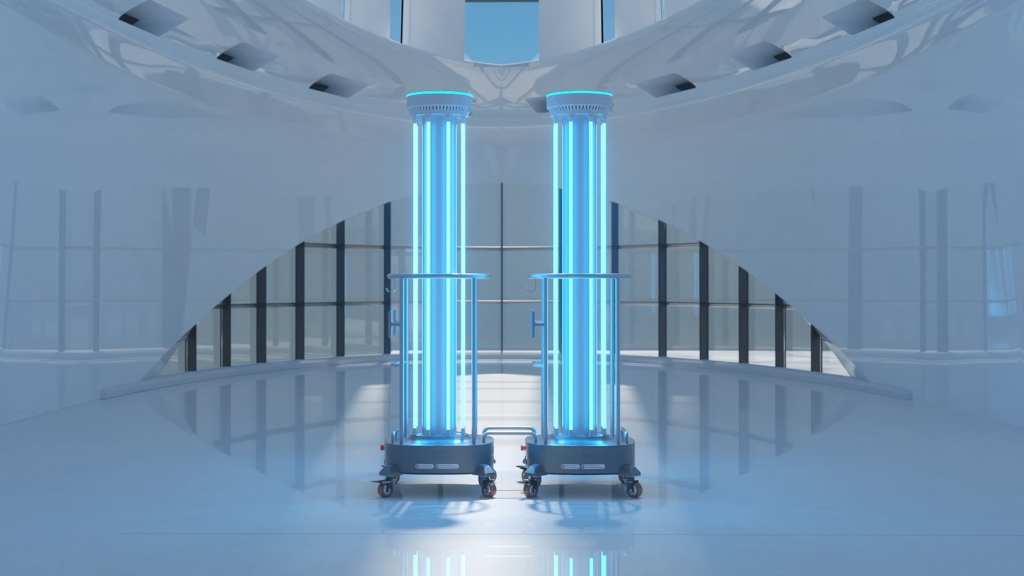
Although similar robots are probably the most popular, in the case of ADIBOTs , utility comes first. Their primary function is to disinfect surfaces, for which they use 360-degree UV-C light. The company of the same name was motivated to develop the device by the situation surrounding the COVID-19 pandemic, and today their stationary ADIBOT-S1 is used in health centers, hospitals, hotels, schools, government offices, fitness centers, and businesses. However, the company also produces an AGV-type disinfection robot model called ADIBOT-A1, which users can program to fulfill its mission while moving according to markings.
Gallery


steal
The Japanese scientific team Riken-TRI from the Collaboration Center for Human-Interactive Robot Research has created three robotic bears so far, and Robear from 2015 is by far the most advanced. This high-tech teddy bear was designed as a caregiver-like assistant or nurse, helping elderly patients get up, stand up, and transfer from bed to wheelchair. It is currently available experimentally in Japan.
SNAG
The design of another representative of robotics innovation also takes inspiration from the animal kingdom, this time from birds. It was designed in 2021 by scientists from Stanford University , and one of its strengths is the ability to land on narrow surfaces, such as branches, and carry objects. It is called SNAG, which stands for the stereotyped nature-inspired aerial grasper, and although it does not look exactly like some of our feathered friends, we find certain similarities here. For example, two legs, several nimble claws for gripping, as well as the ability to keep balance well when landing.
Gallery
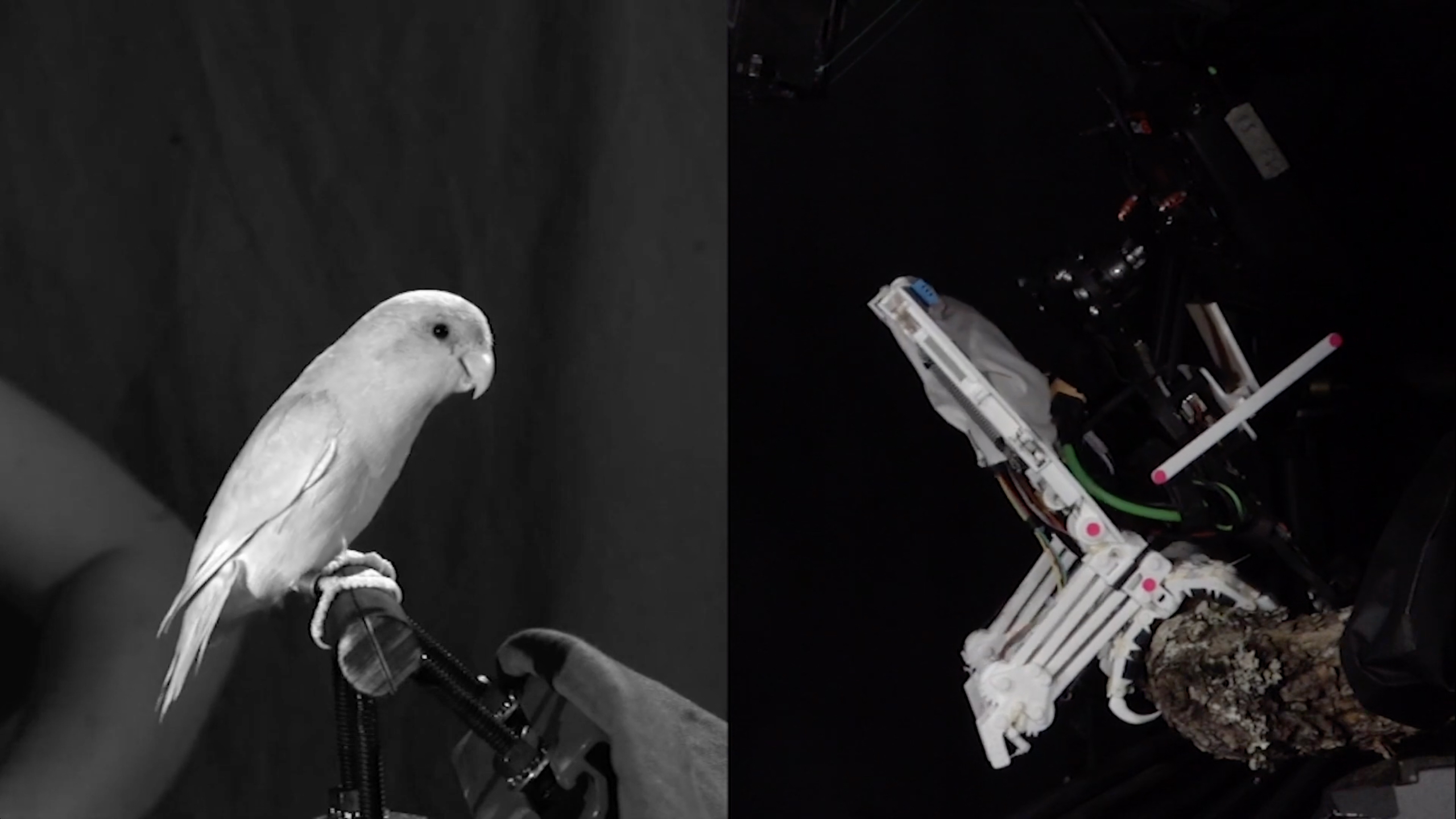
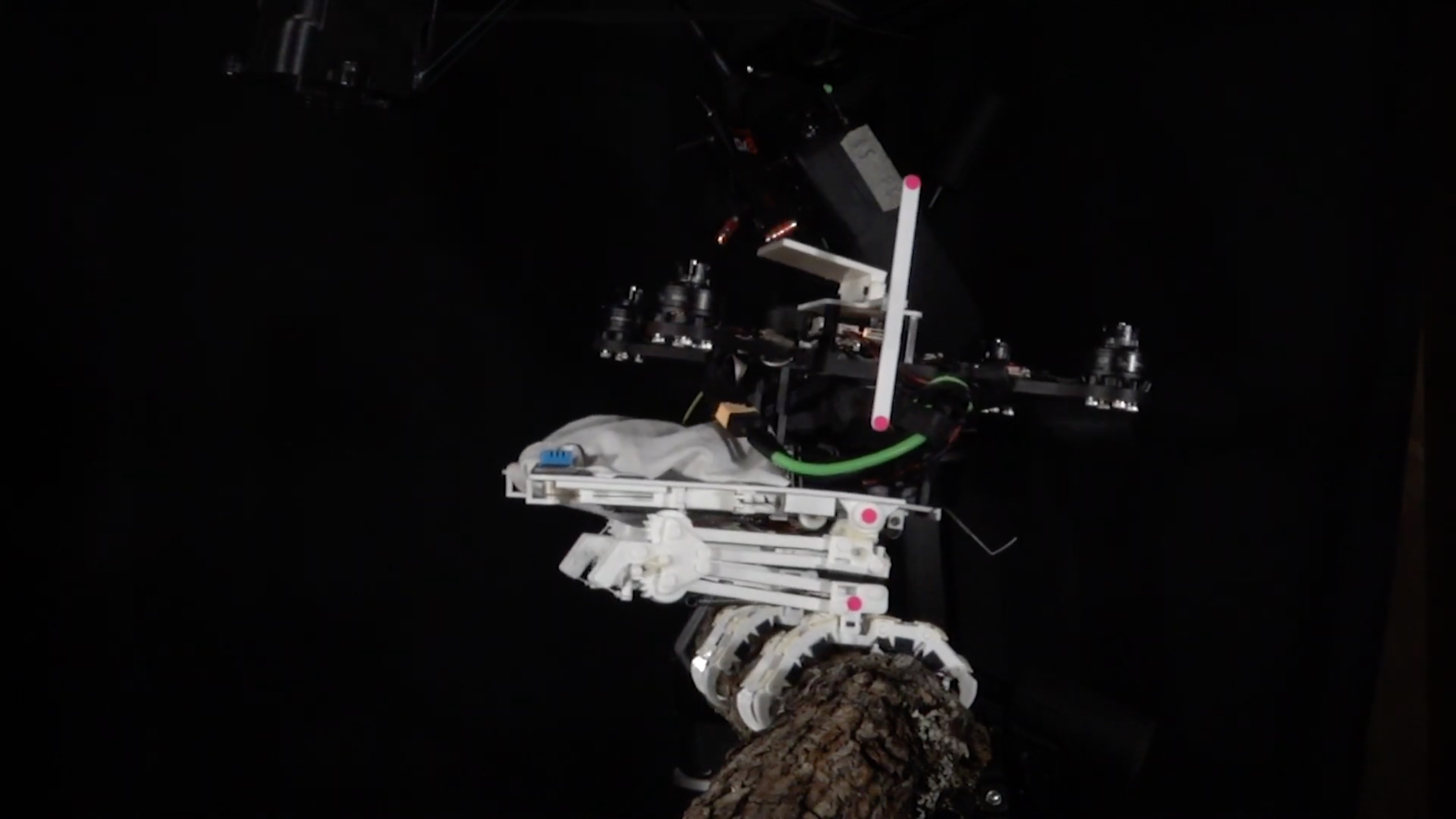
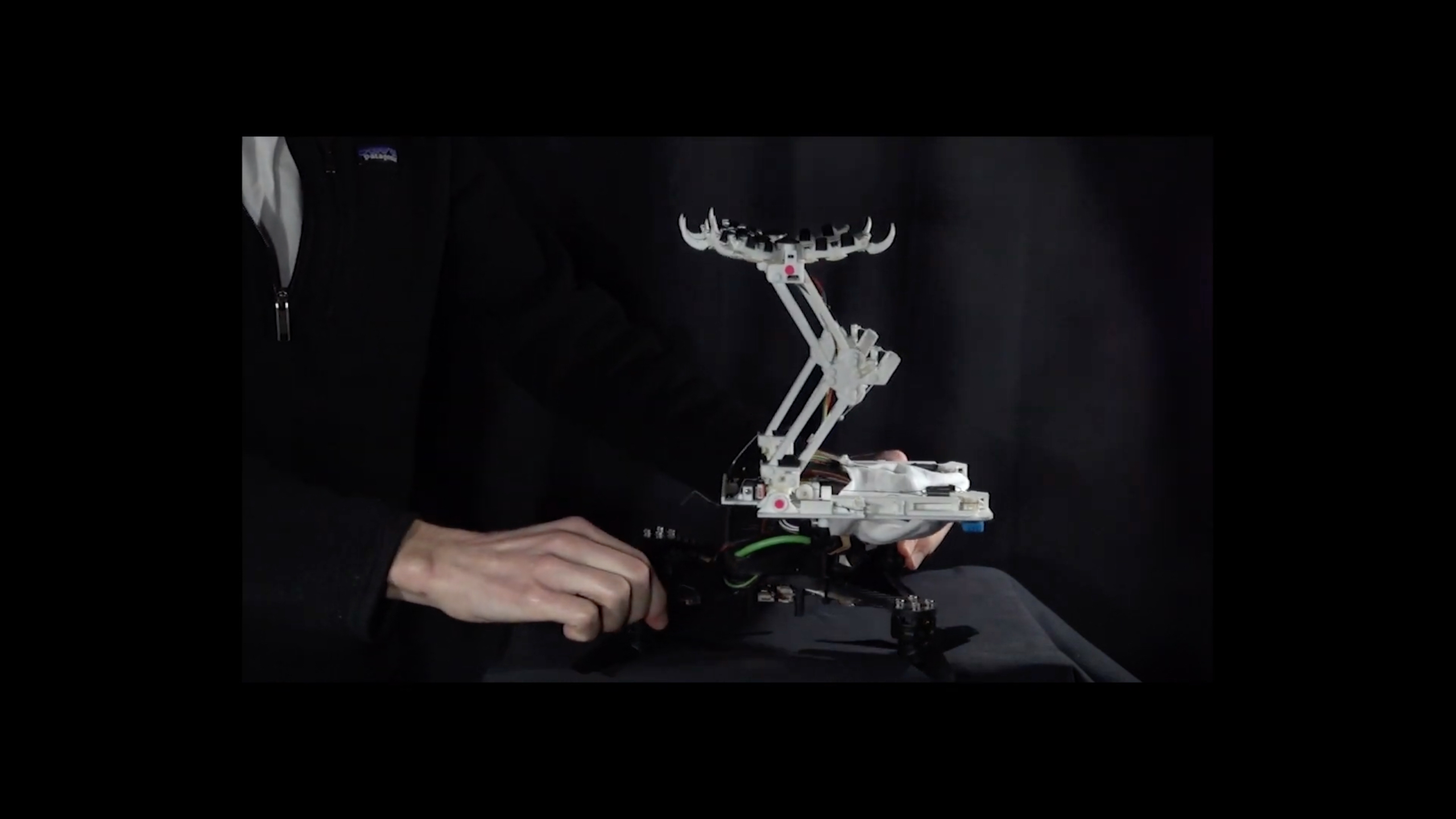
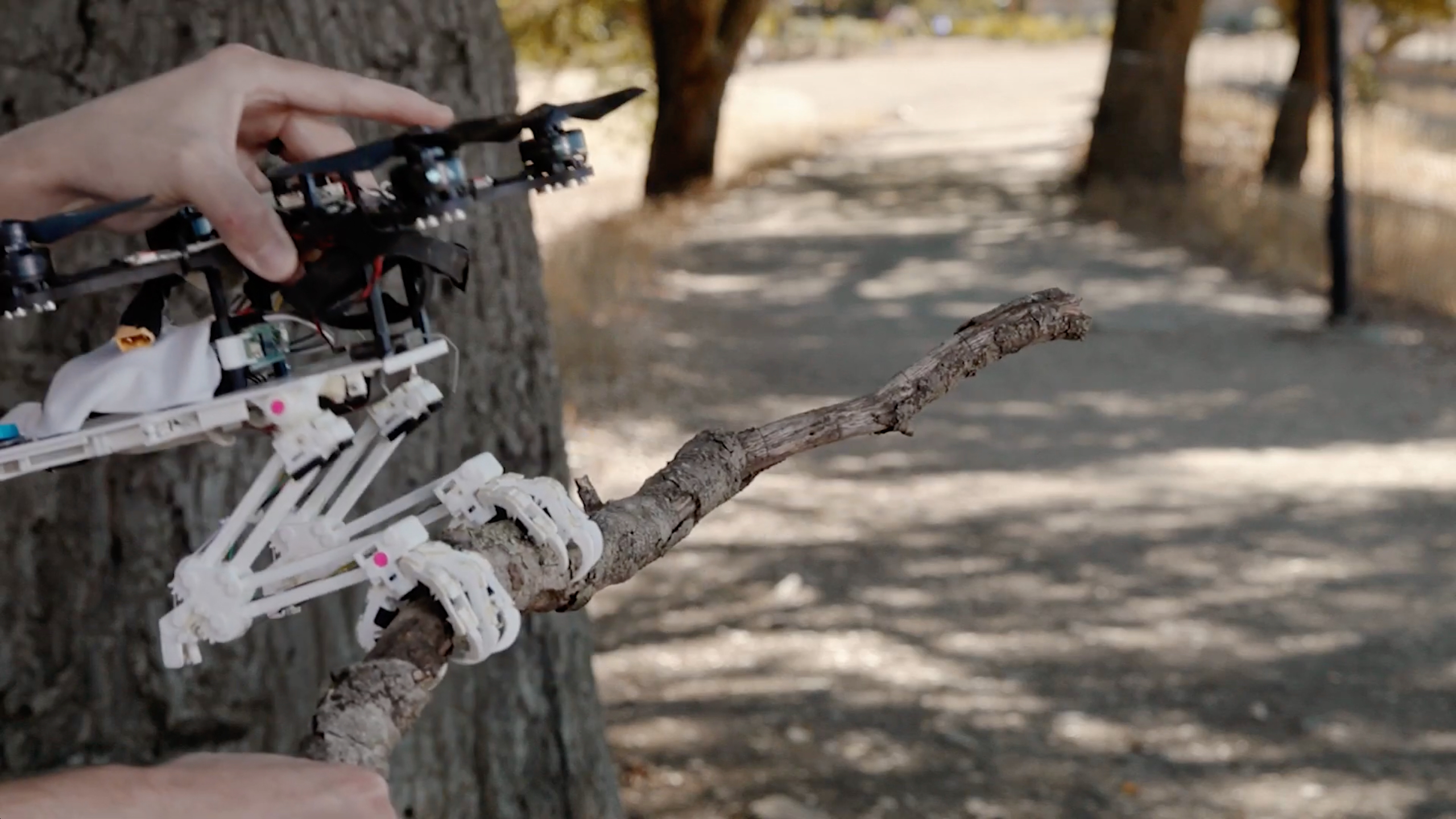
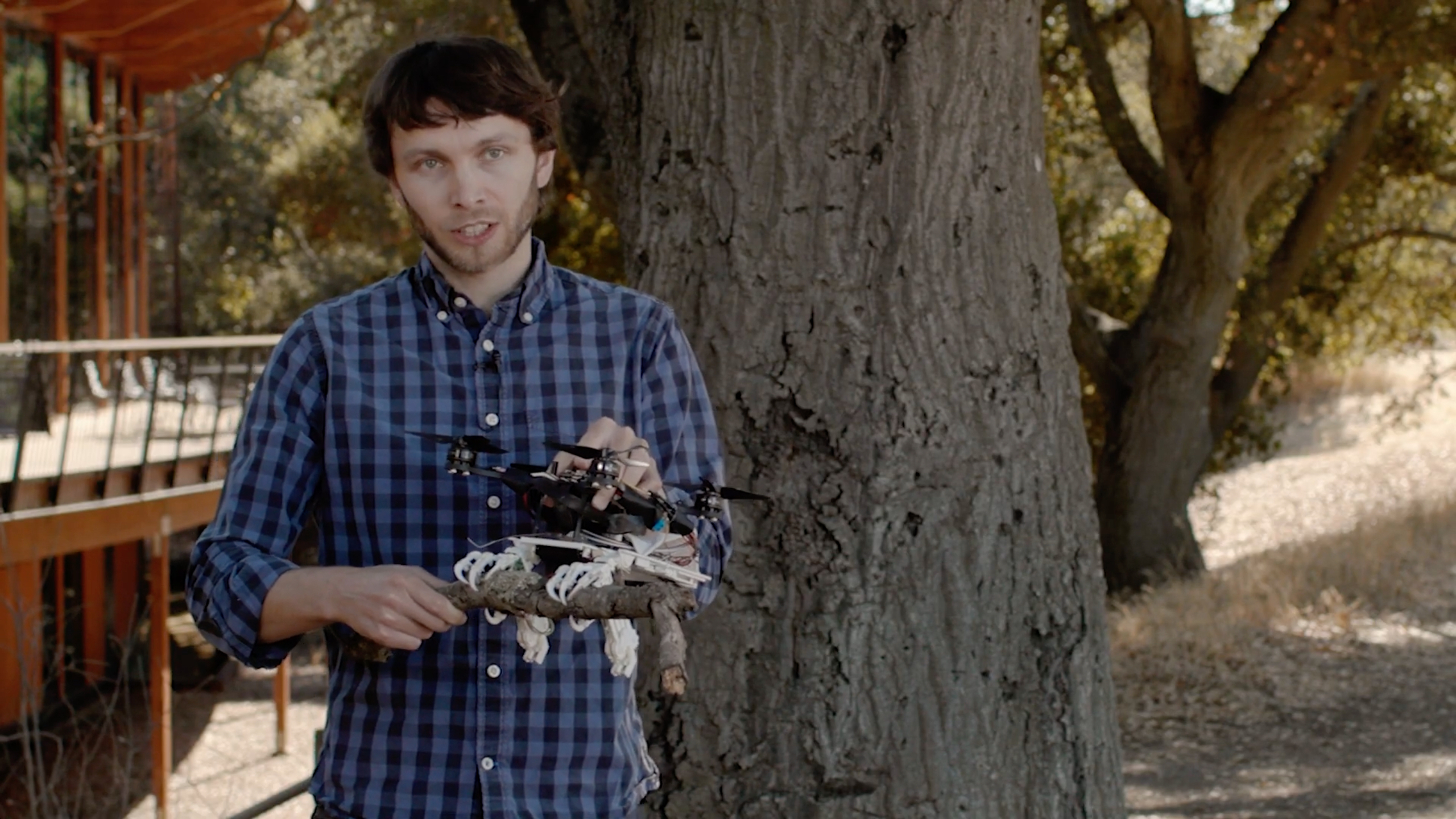
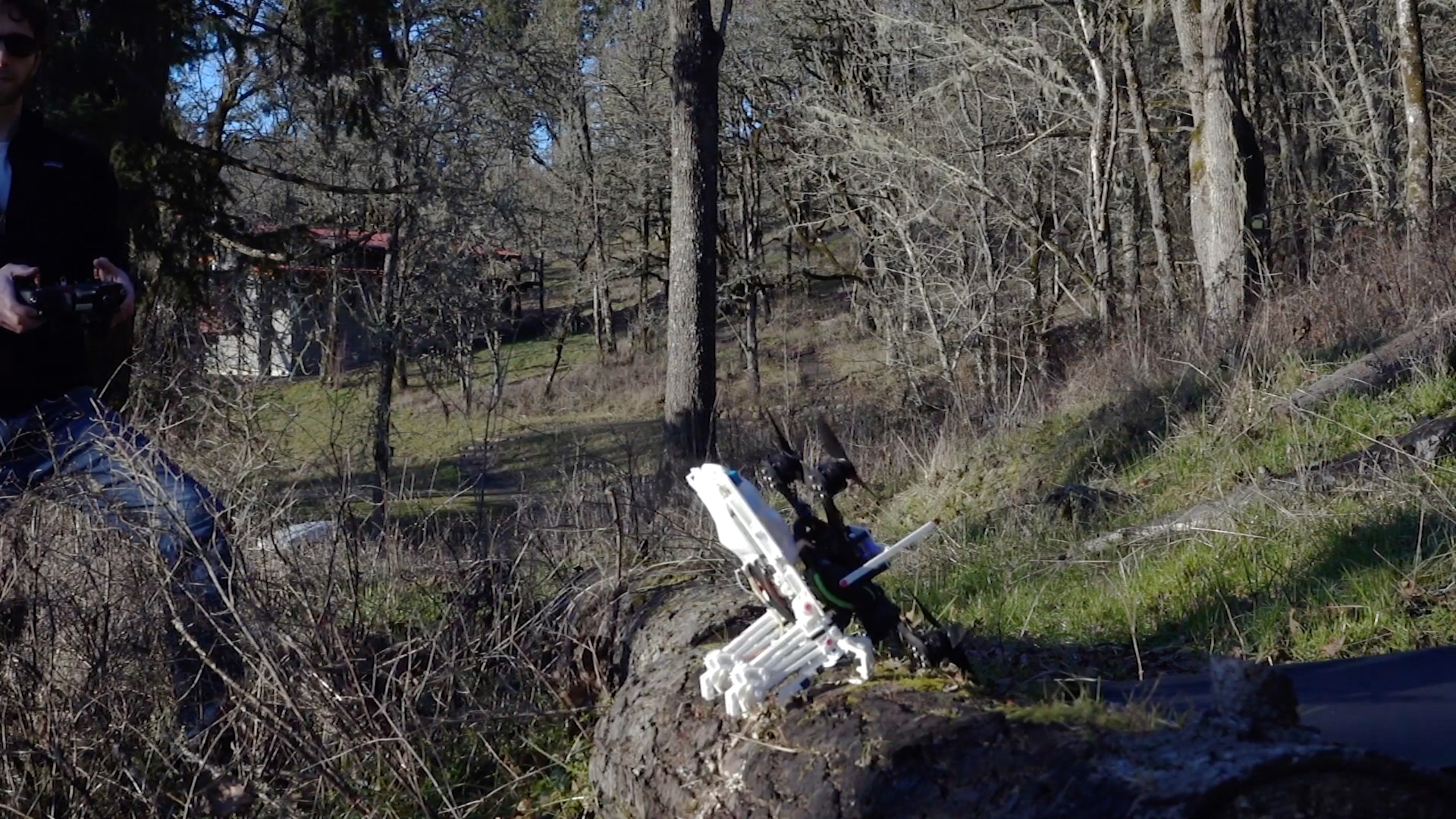
This technology has the potential to be used in drones and other robots in the future, which will allow it to land virtually anywhere from war zones to warehouses to neighborhood backyards.
Robofish
Research published in 2022 may one day lead to ocean-cleaning robots. Scientists in China have created self-propelled robotic fish that can collect microplastics in water. They are helped to swim by a laser in their tail, which gives them a speed corresponding to plankton carried by the currents.
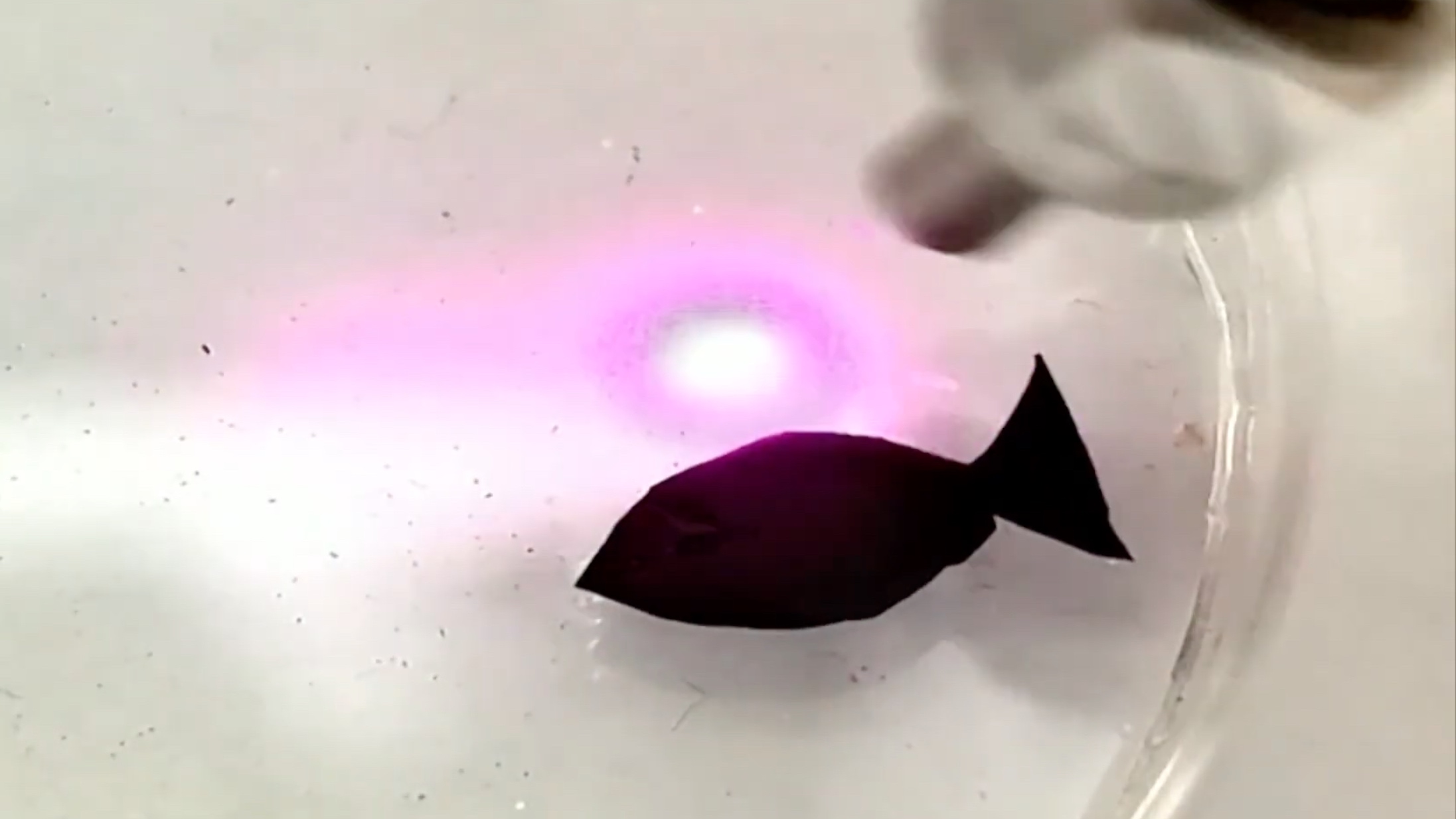
ProThe project is still in development, and researchers still need to conduct further tests before this robo-fish can effectively perform its functions. However, other robots are already serving people under the sea, eliminating invasive species, detecting pollution, and exploring areas that are difficult for humans to access.
Handy Bot
Need a helping hand around the house? Soon, that won't be a problem anymore, just turn to Samsung 's creation - Bot Handy. It uses artificial intelligence, cameras and an articulated robotic arm to see and interact with our world, so it can pick up laundry, clean dishes, set the table and even serve drinks to its owners.
The release date of these robots is not yet known, but when Samsung introduced them at the CES 2021, they caused quite a stir.
Da Vinci Systems
While some robots clean, disinfect, transport or amaze us with their "humanity", others save lives, which is especially true for the Da Vinci systems. These are used for surgical procedures. Although most of us probably associate the concept of surgery with a doctor holding a scalpel in his hand, these articulated machines significantly help many surgeons in their work. In terms of precision and materials, development has of course progressed over the years, but robot-assisted surgery is nothing new. After all, the company Intuitive , which manufactures these instruments, has been on the market since the mid-90s.
Gallery


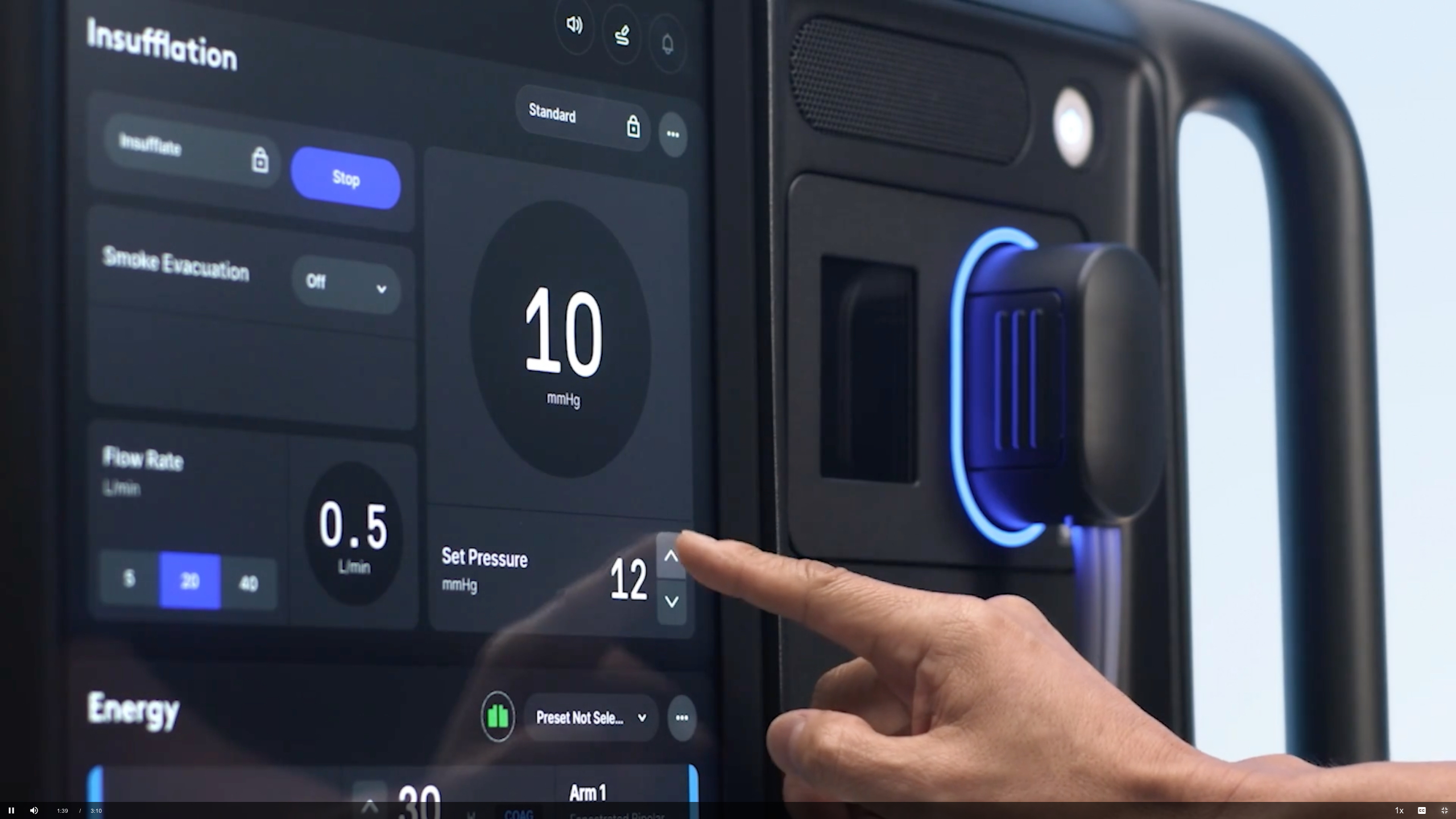
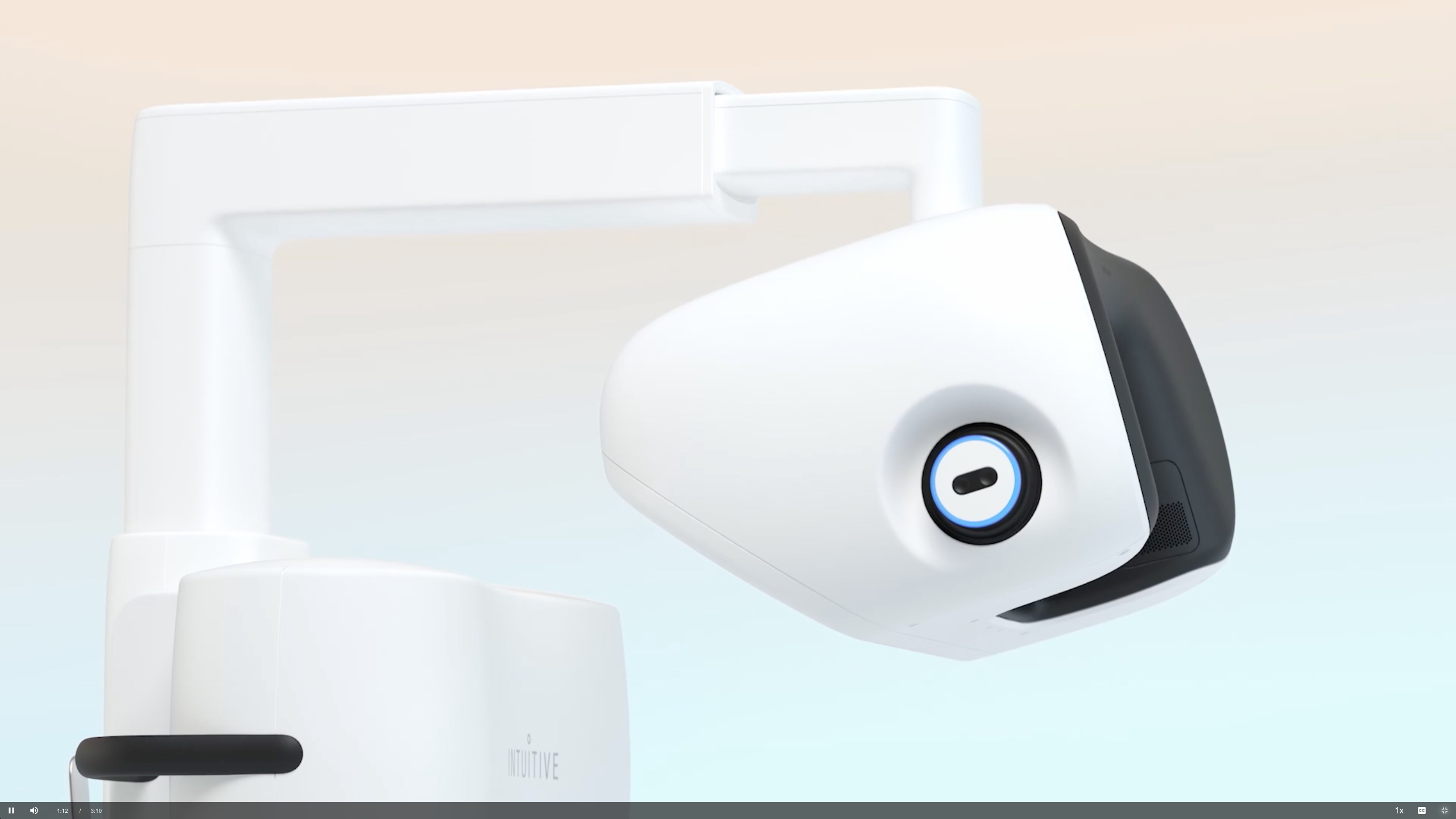
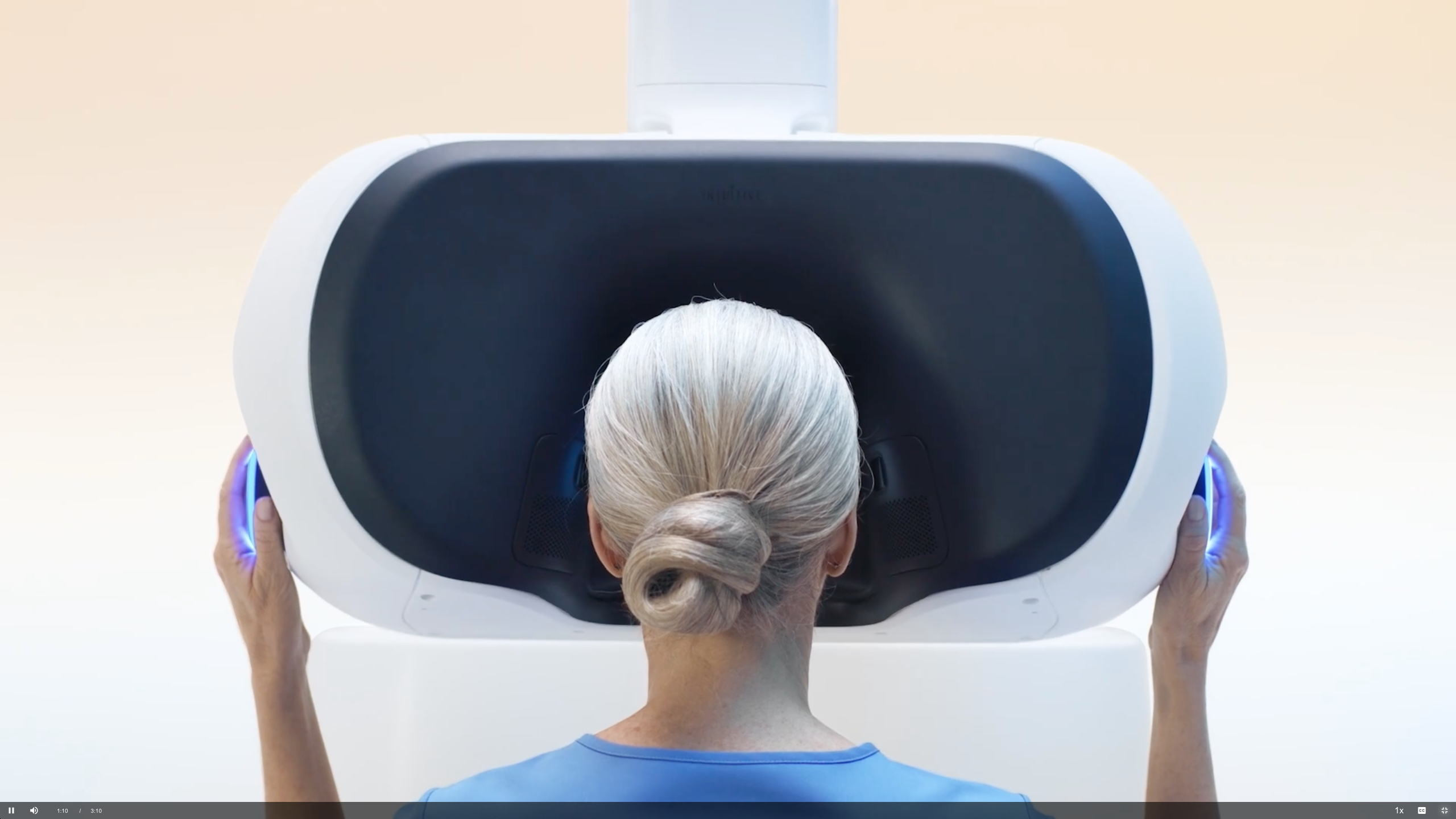
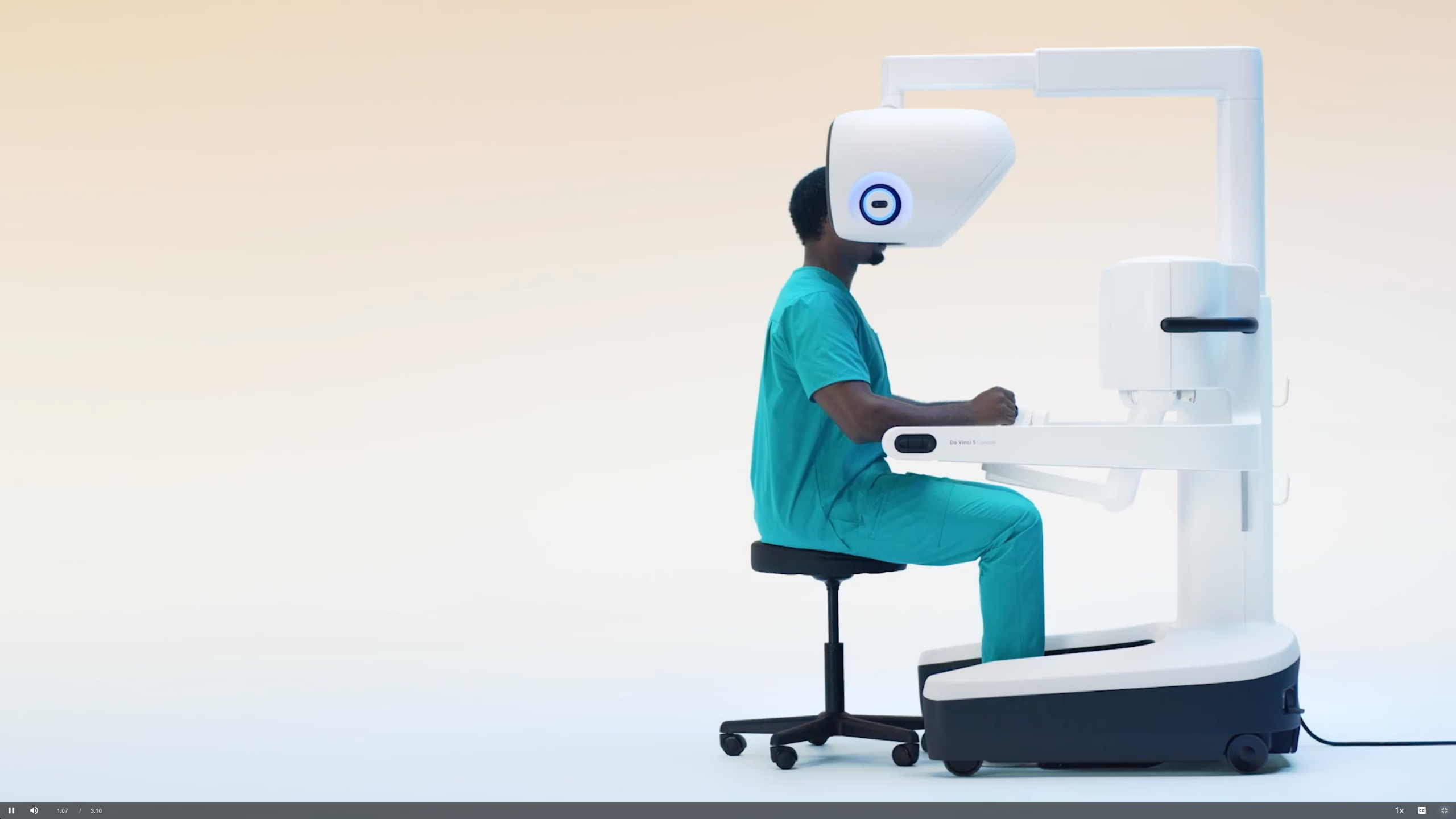
With an "arm" and "wrist" that combine the best of human anatomy with an expanded range of maneuverability, the machine replicates the surgeon's movement in real time. Some interventions, such as laparoscopic operations and coronary bypasses, thus become significantly less invasive, which contributes to the faster recovery of patients and their return to normal life.
Leka
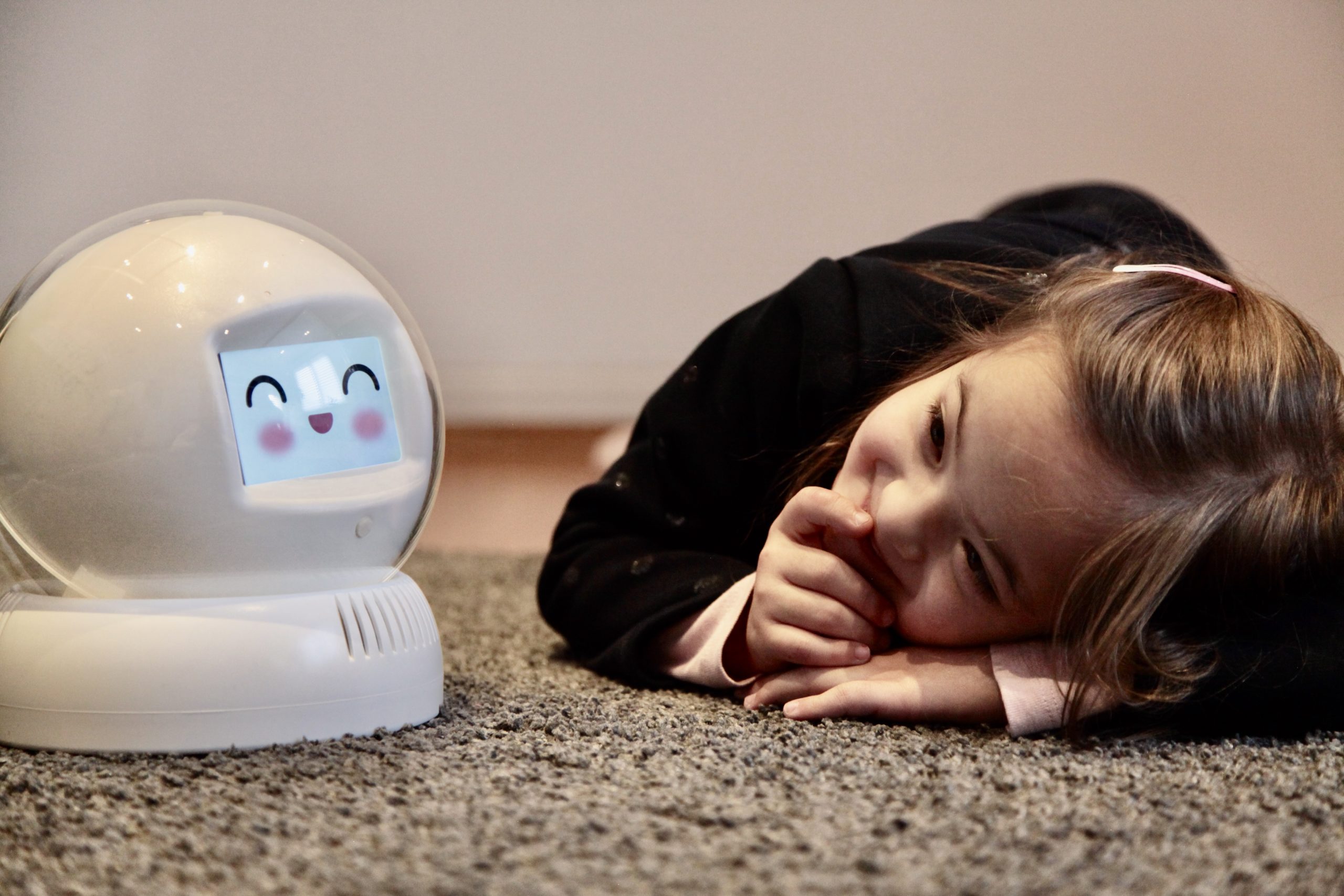
In 2017, he created francThe Ouzian start-up Leka, a ball-shaped robot with a digital screen instead of a face, is designed to entertain and educate. It is primarily intended for children with autism spectrum disorders, Down syndrome, etc., and uses sound, light, and color to stimulate, arouse children's curiosity, and support interactions. It offers customizable multiplayer games for children that teach them skills such as color recognition, picture matching, and more. As the company itself says: it also acts as a mediator between adults and children and encourages them to stay involved in the activity.
Sofia
With human-like features, peach skin on her face and neck, and make-up that adds to her realism, Sofia from Hanson Robotics is probably the most futuristic-looking robot around. This humanoid model can be considered a very good basis for future robots very close to humans, both physically and intellectually. Sofia can conduct a conversation, answer questions, but also learn and absorb new information with the help of artificial intelligence. She also has a pretty good sense of humor and likes to joke about taking over the human race.
Since her first public appearance in 2016, she has become one of the most famous robots when she appeared on The Tonight Show Starring Jimmy Fallon.onem, has been interviewed and featured in numerous media outlets, including several well-known magazines. She is now a citizen of Saudi Arabia and a UN Goodwill Ambassador for Innovation.
Finally
These few representatives outline the breadth and future potential of the use of robots in various areas of human life. In addition to those named, there are many other examples, whether it is robotic lawnmowers like Husqvarna's Automower, Google's Waymo autonomous vehicles, UBTECH's Walker X, a personal butler with admirable space movement skills, and more and more. It is obvious that we will encounter and gradually accept these machines in various places, including our homes, just as we have with other modern technologies.