
It appeared in our magazine at the beginning of last week article, in which we informed you that when replacing the display on iPhones 13 (Pro) stops working Face IDIf you replace the display on the latest Apple phones in the classic way and then turn the device back on, you will see information that its originality cannot be verified. Repair channel Ph was among the first to report this.one Ropeair A guru who bought two identical iPhone 13s and swapped the displays between them. This means that Face ID It won't start working even if you use an original part from another iPhone.
It was somehow clear to experienced repairmen that a method would soon appear that would allow for the functionality to be restored when replacing the display. Face ID At the same time, however, it was clear that this process would not be completely simple, and that it would be miniIt may require knowledge of micro-soldering. This was confirmed a little while ago. It turned out that the entire process of replacing the display with maintaining functionality is as expected. Face ID very sophisticated, and that ordinary amateur repairmen simply will not be able to perform it. About the possibility of the iPhone 13 display (Pro) replace and preserve Face ID informed the repair portal iCorrect, which, among other things, explains the reason for the deactivation Face ID after performing a classic display replacement. Research by this portal has shown that the heart of the iPhone communicates with the display via a chip that is part of the screen itself. And it is this chip that must be transferred, so if you want Face ID to preserve.
You might be interested in

The aforementioned chip on the screen is, as in last year's models, primarily responsible for converting the analog signal to digital (ADC), and it also makes the True Tone and it carries other data that can iPhone verify the originality of the display. However, this year, in addition to the above, this chip also communicates with Face ID. However, iCorrect states that it is quite possible that this is simply a typo. iOS 15, which could be removed. At the same time, however, it is a beautiful example of how complex and intricate the function of the chip on the screen will likely be in the coming years. For example, if in the future iPhones appear dual biometric authentication, using Face ID a Touch ID under the display, iCorrect states that after replacing the display, it will most likely be deactivated Touch ID, which of course makes more sense than deactivating Face IDwhich is not part of the display itself.
iPhone 13 Pro Max
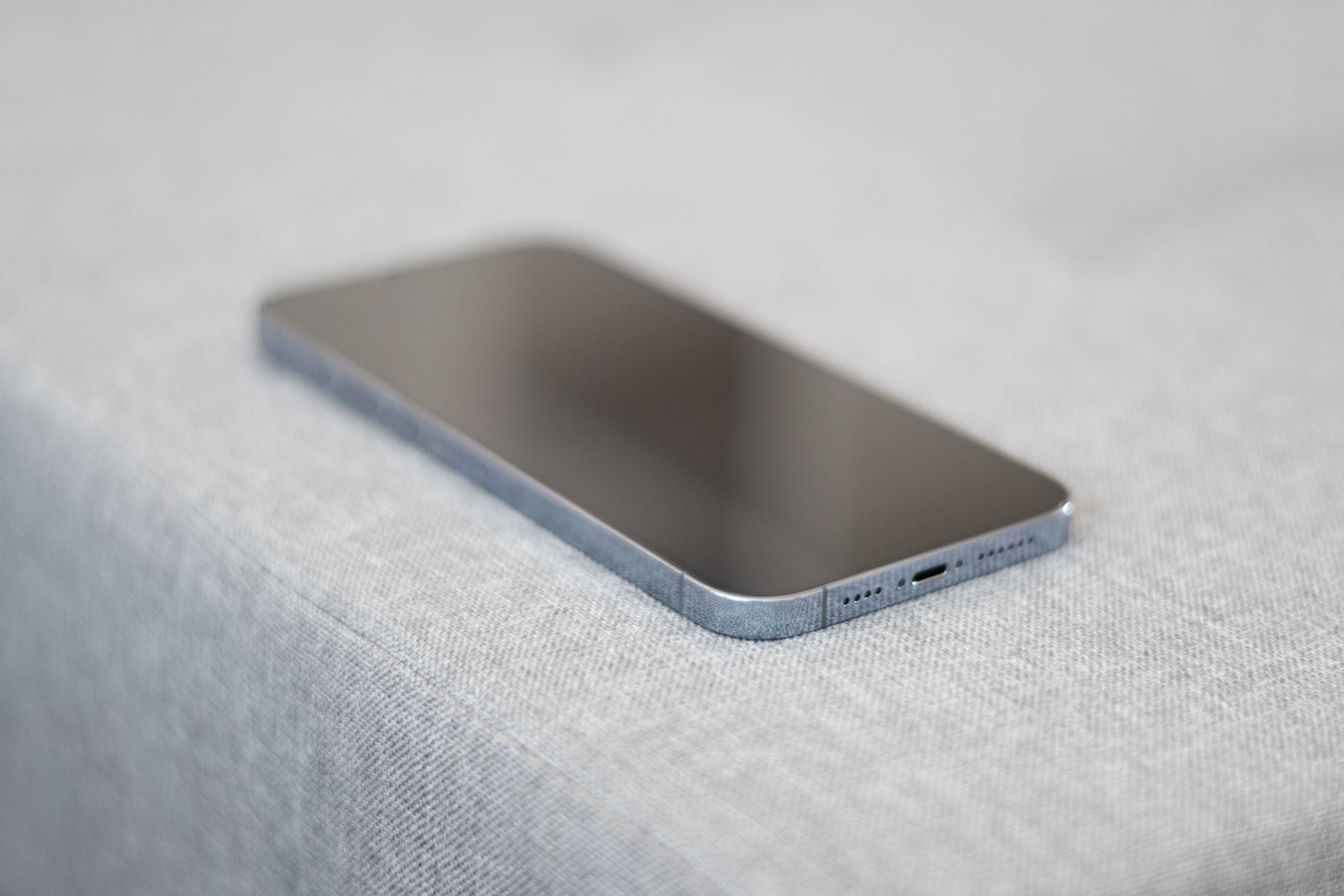
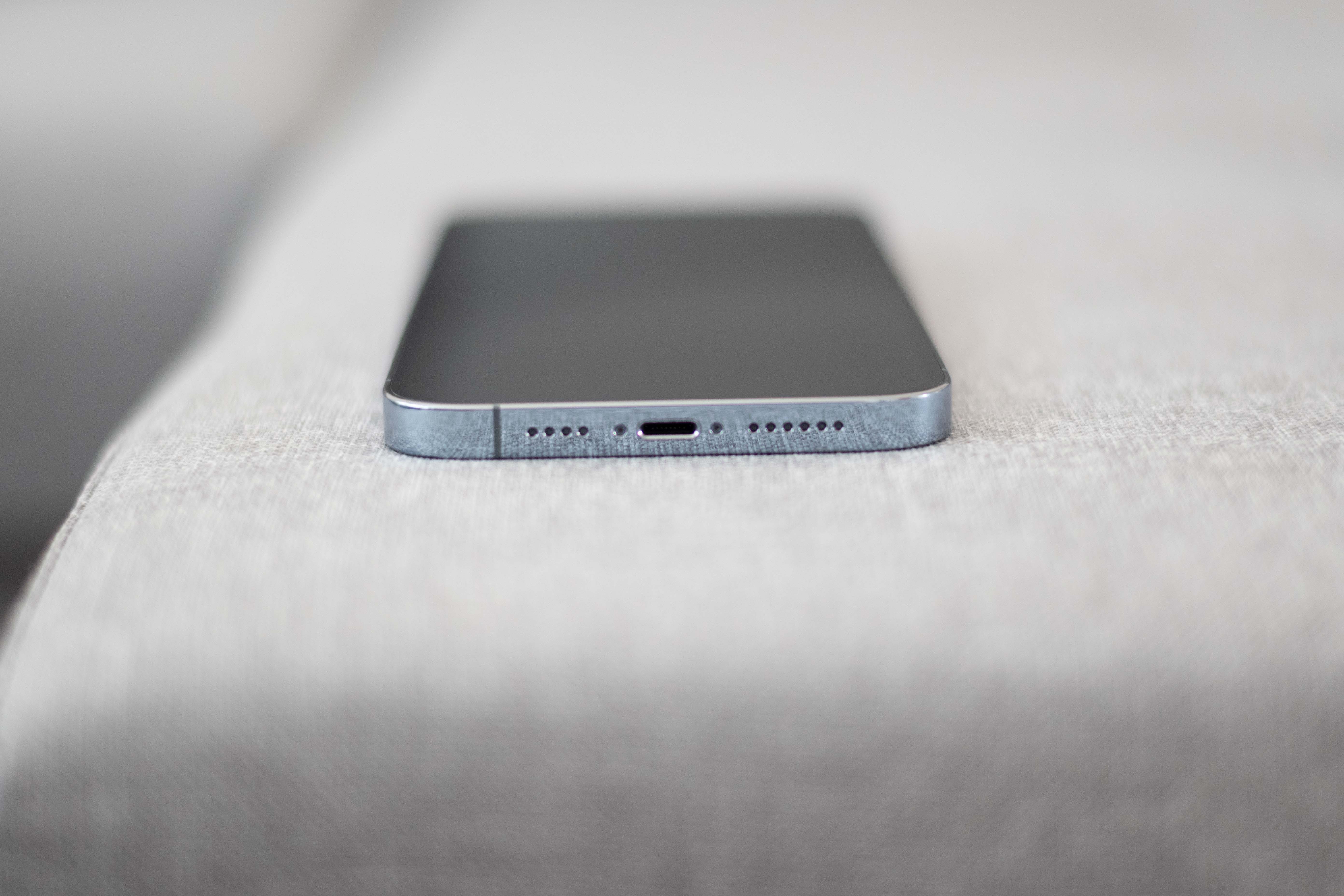
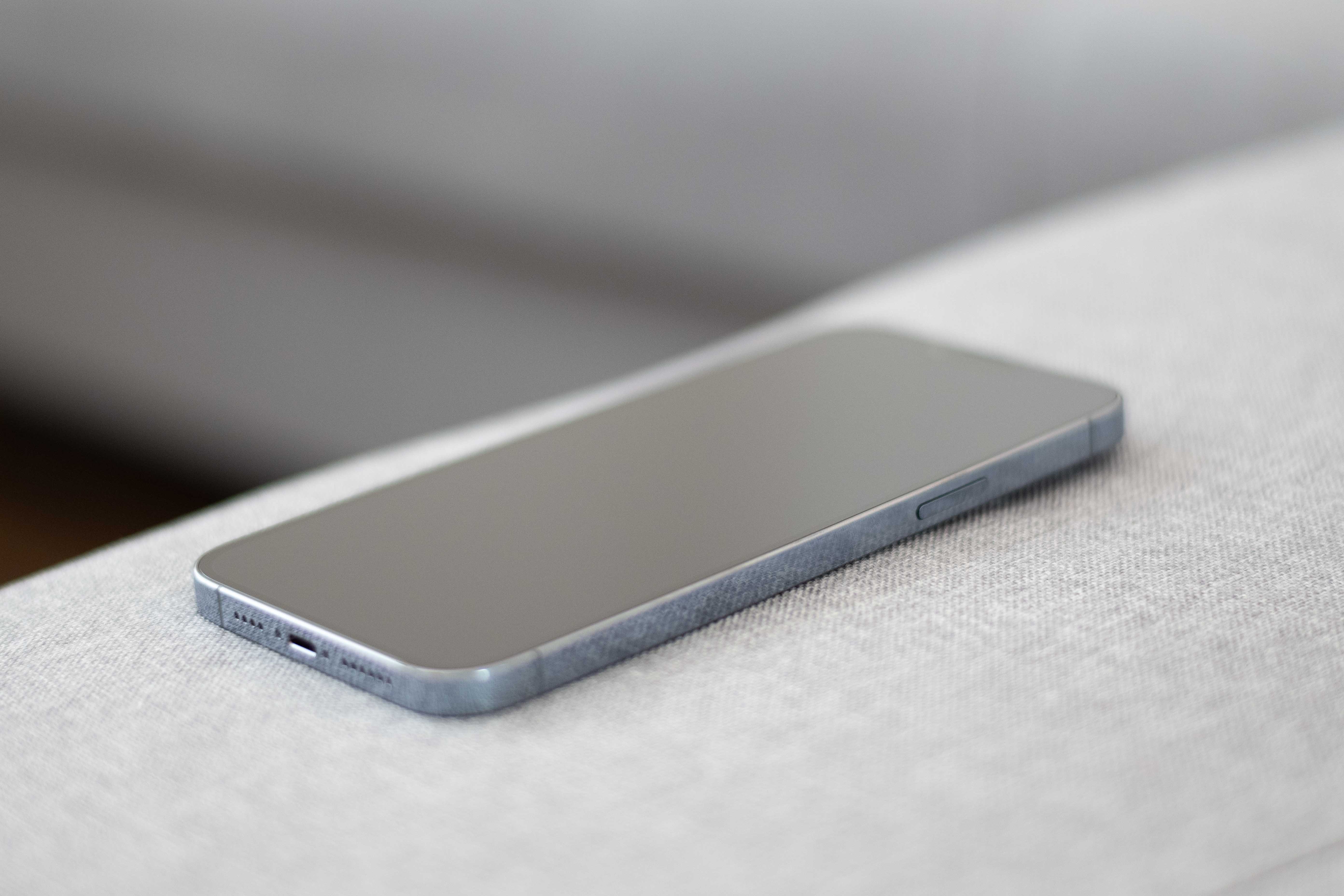
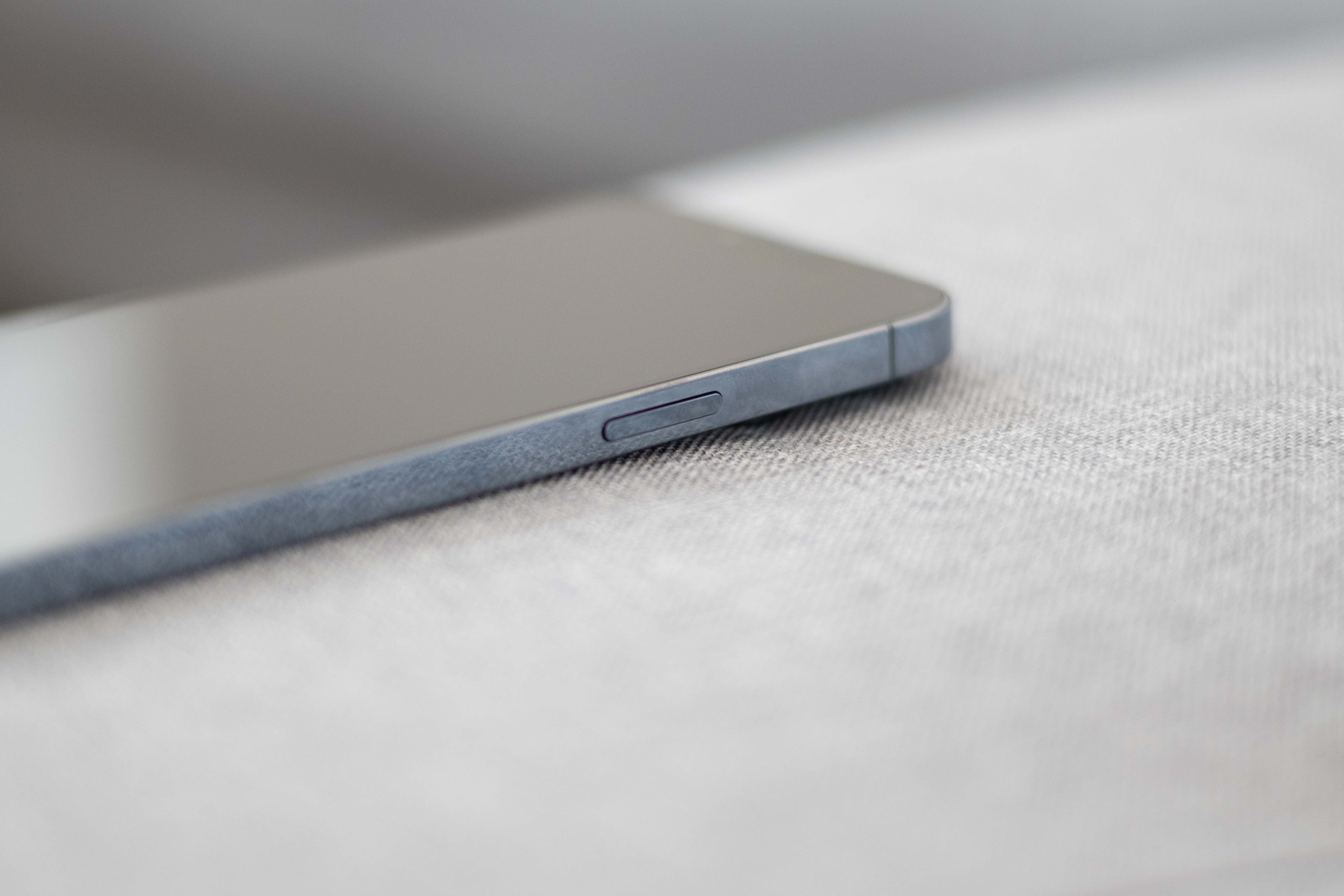
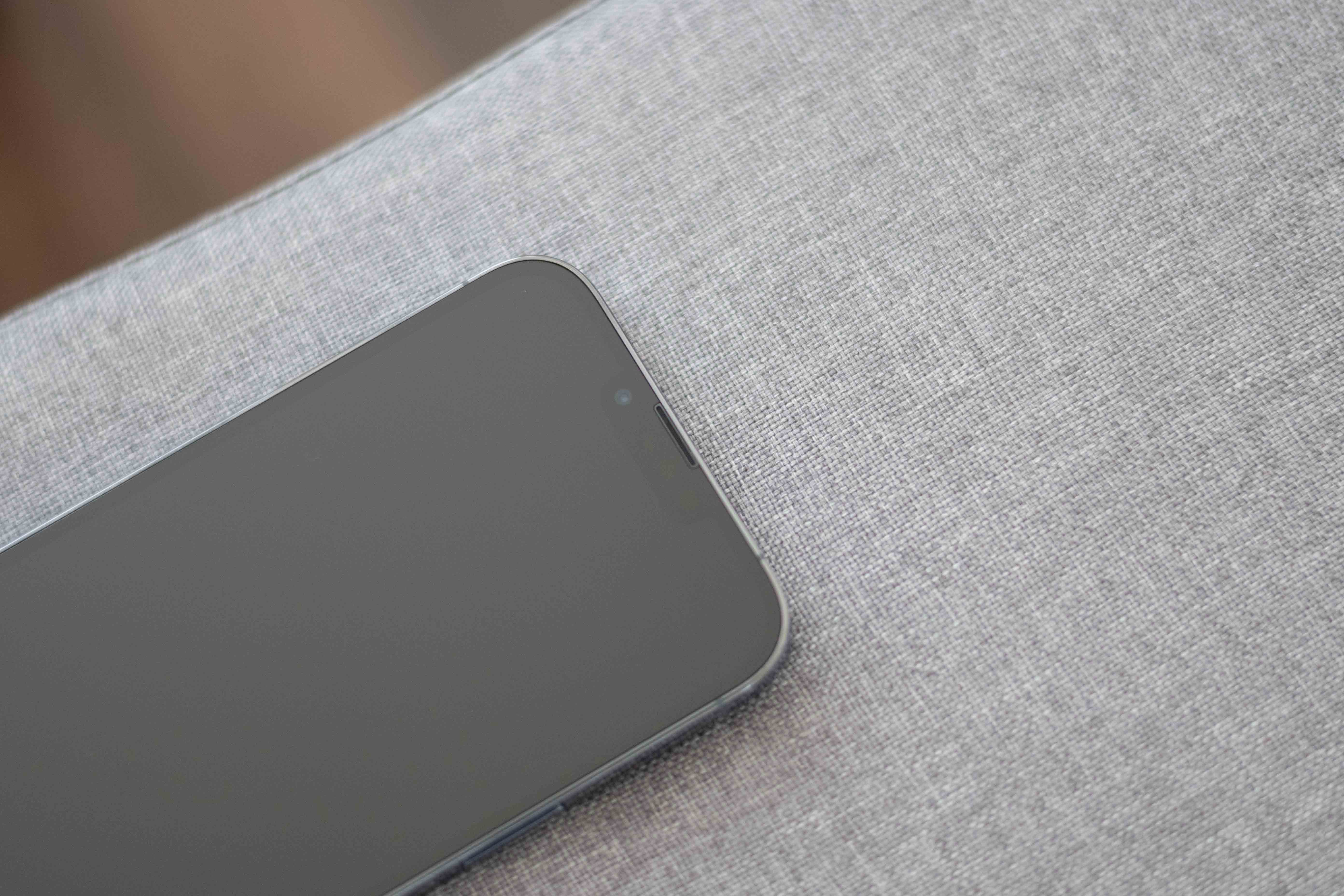
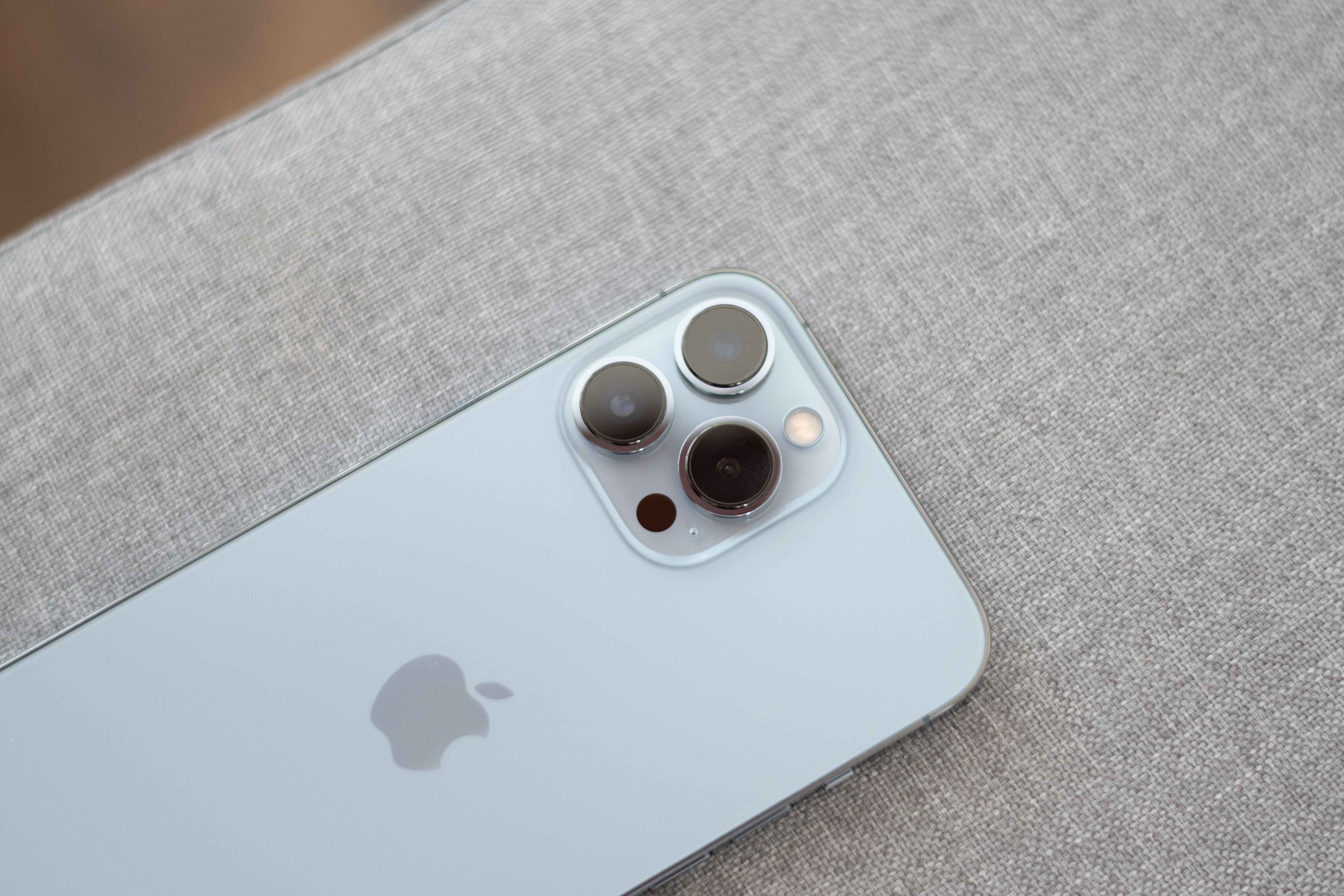
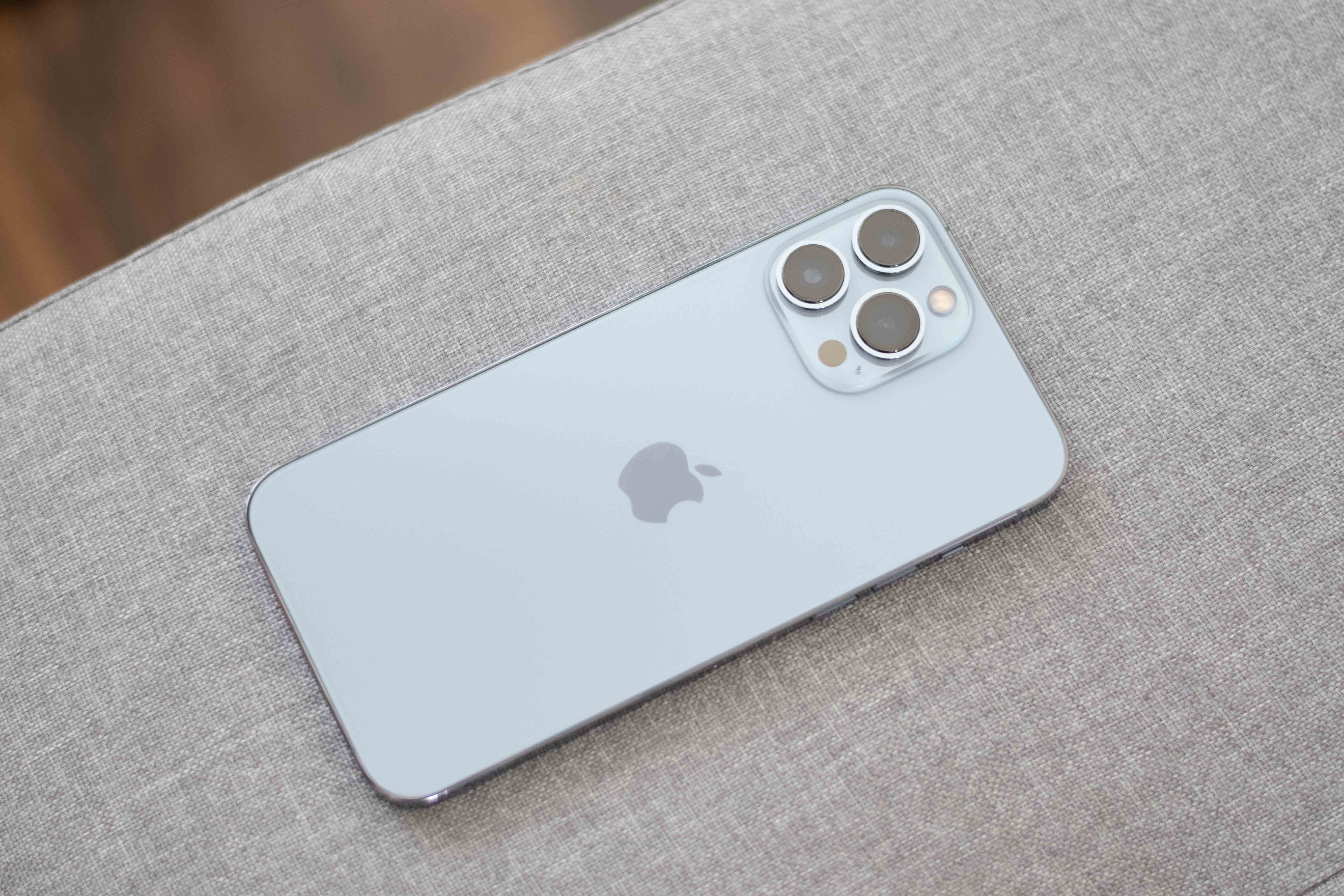
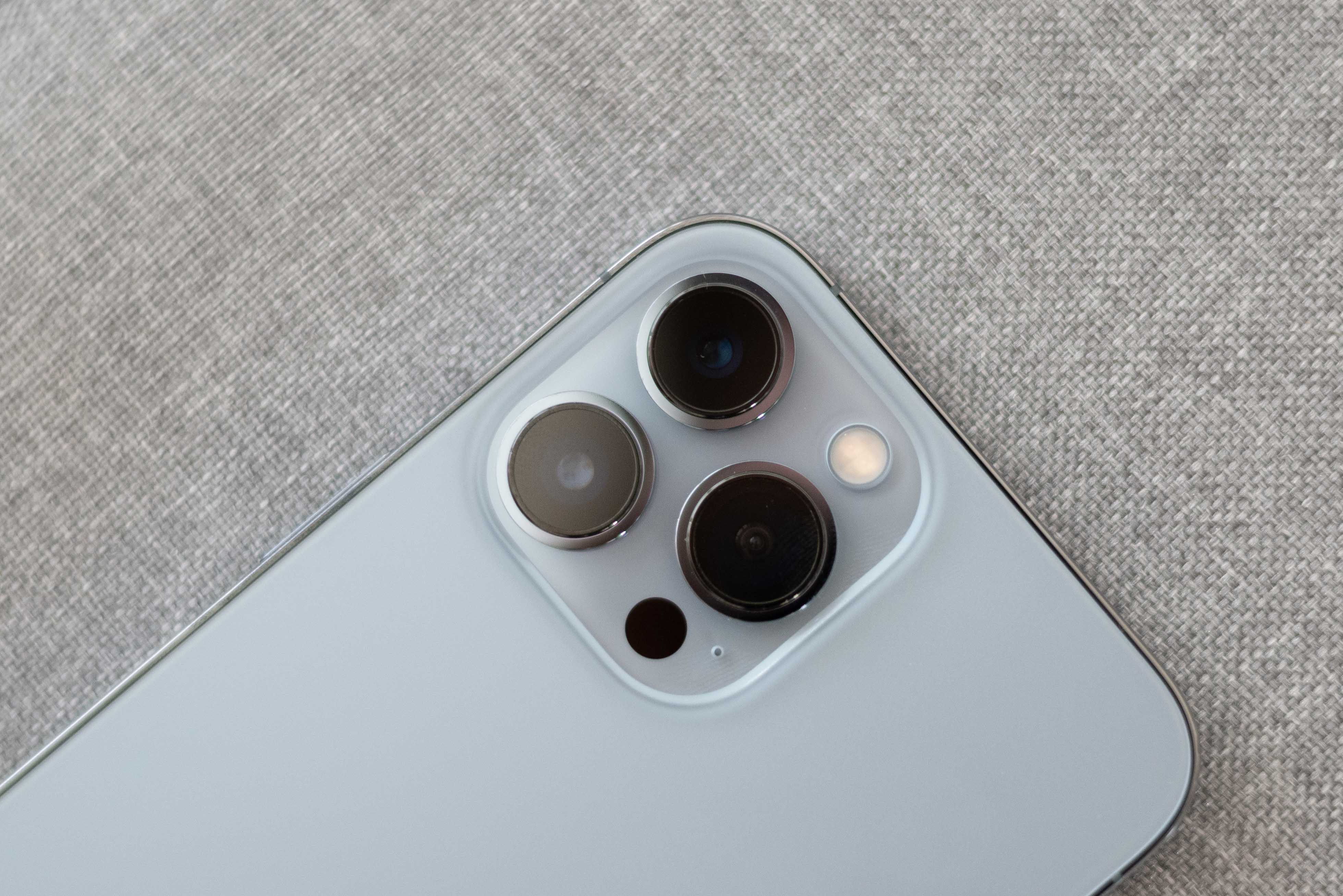


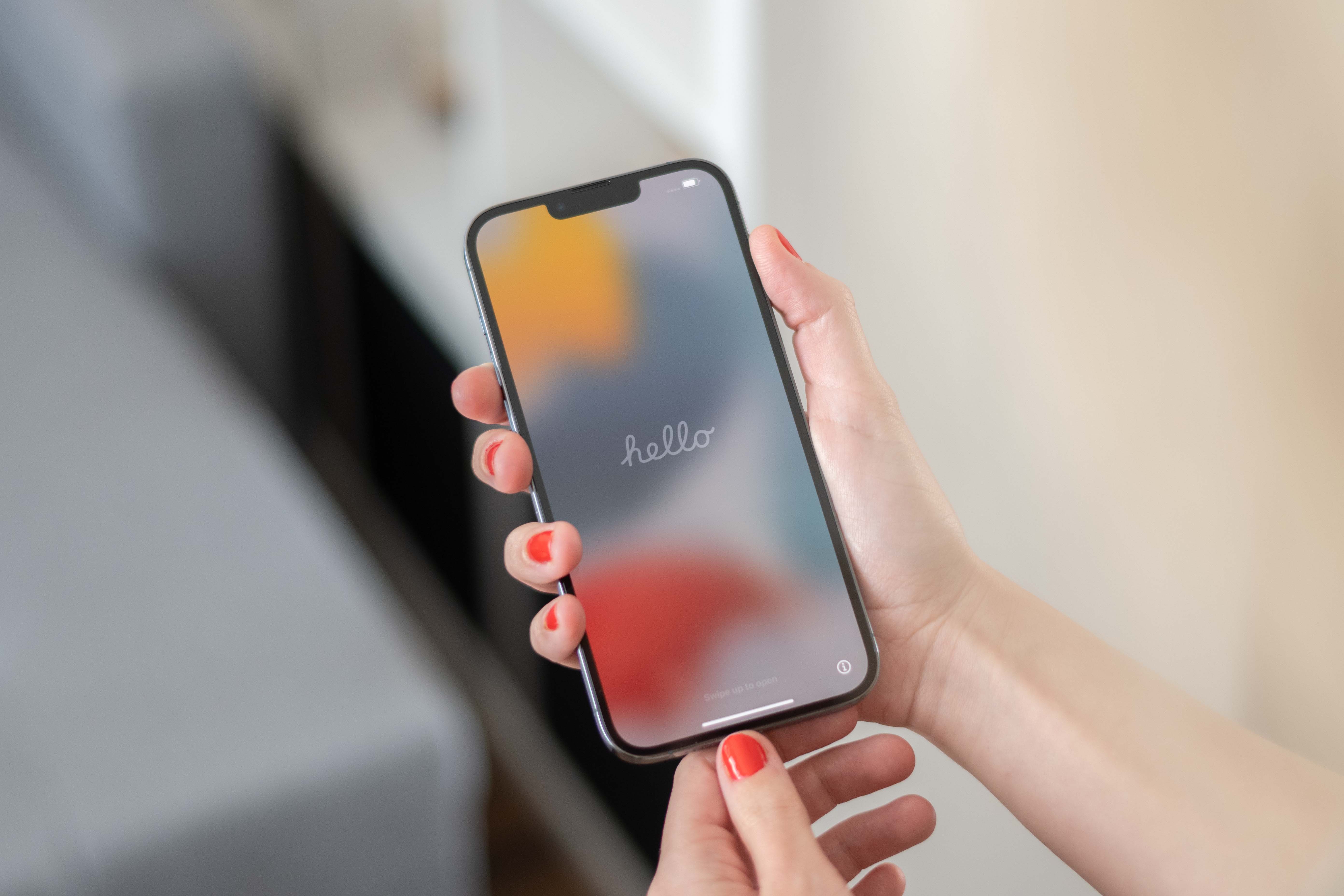
Many repairmen's businesses could collapse due to this restriction. After all, why would we lie to ourselves if someone gave you aonese iPhone for repair, in most cases it needs to replace the battery or display. The crossroads is therefore simple – either these repairmen adapt and learn to work with chips using microsoldering, or they close the shop. Of course, given the whole situation, various comments have appeared on the customer's right to repair, but the iCorrect portal has Apple understanding: "Apple is not trying to fight third party repairers but China. We, as consumers and repairers, are just intermediaries. Apple develops wonderful technologies, both externally and internally, and subsequently has them manufactured in China. This country dismantles the entire technology immediately after production and starts producing alternative spare parts [which are usually not of such high quality, note ed.]. Apple is trying to fight against these procedures precisely by prohibiting the use of non-original parts."
Below we have attached a video in which iCorrect experts discuss the entire "case" and show how the iPhone 13 display (Pro) replace while maintaining functionality Face ID:



So it will cost more to replace the display from Aliexpress than to replace the original in an authorized service. And we are not talking about the reliability of the given "solution" 🙂