
On January 28, we commemorated a very sad anniversary, namely 35 years since the last flight of the space shuttle Challenger, which exploded just 73 seconds after launch. All seven passengers were killed. What made it all the sadder was the fact that there was a civilian passenger on board - teacher Christy McAuliffe. NASA wanted to make routine flights more interesting for the public. Unfortunately, it worked. After the explosion of the space shuttle, a large-scale investigation was launched and the images flew around the world.
But let's look more into history. The Challenger was originally intended to be only a test machine for destructive tests. Once NASA determined it was not needed, Challenger was converted into a shuttle, which at the time cost NASA less than converting the Enterprise test shuttle. The space shuttle was named after the corvette HMS Challenger, which was the fifth ship of the British Navy launched in 1858. The Apollo 17 lunar module also bore the same name. The first space shuttle mission began on April 4, 1983. The last on January 28, 1986. This machine successfully completed a total of 9 missions and spent 62,41 days in space. He circled our planet 995 times. During his flights, he carried several probes and space laboratories into space. On its board, the first American woman (Sally Ride) and the first African American (Guion Bluford) looked into space.
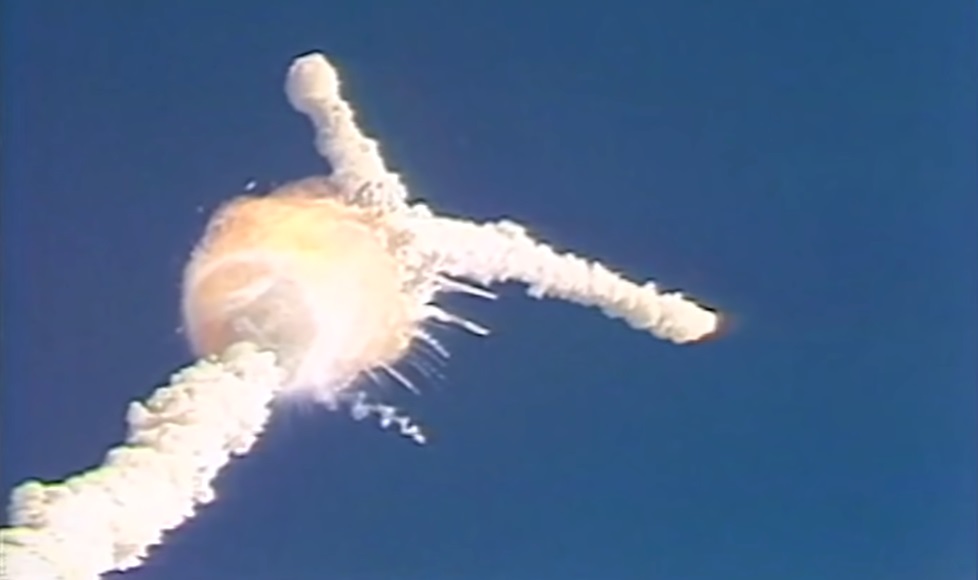
Now to the explosion itself. As we mentioned above, the flight was made special by the presence of a teacher from Concorde, New Hampshire. It was the implementation of the "Teacher in Space" project, which was announced two years before the disaster by President Ronald Reagan. The selection of Christy McAuliffe was preceded by an extensive selection process, during which more than 11 candidates were selected. The teacher was even supposed to conduct a lesson from space with the help of TV transmission. The main goal of the mission, however, was the launch of the TDRS-B telecommunications satellite. Next, the launch of the Spartan/Halley satellite, which the shuttle was supposed to launch into space the day after launch and recapture it three days later. Observations of Halley's Comet accompanied by microgravity experiments were also to take place. It was expected to return to Earth approximately 6 days and 34 minutes after launch.
Gallery
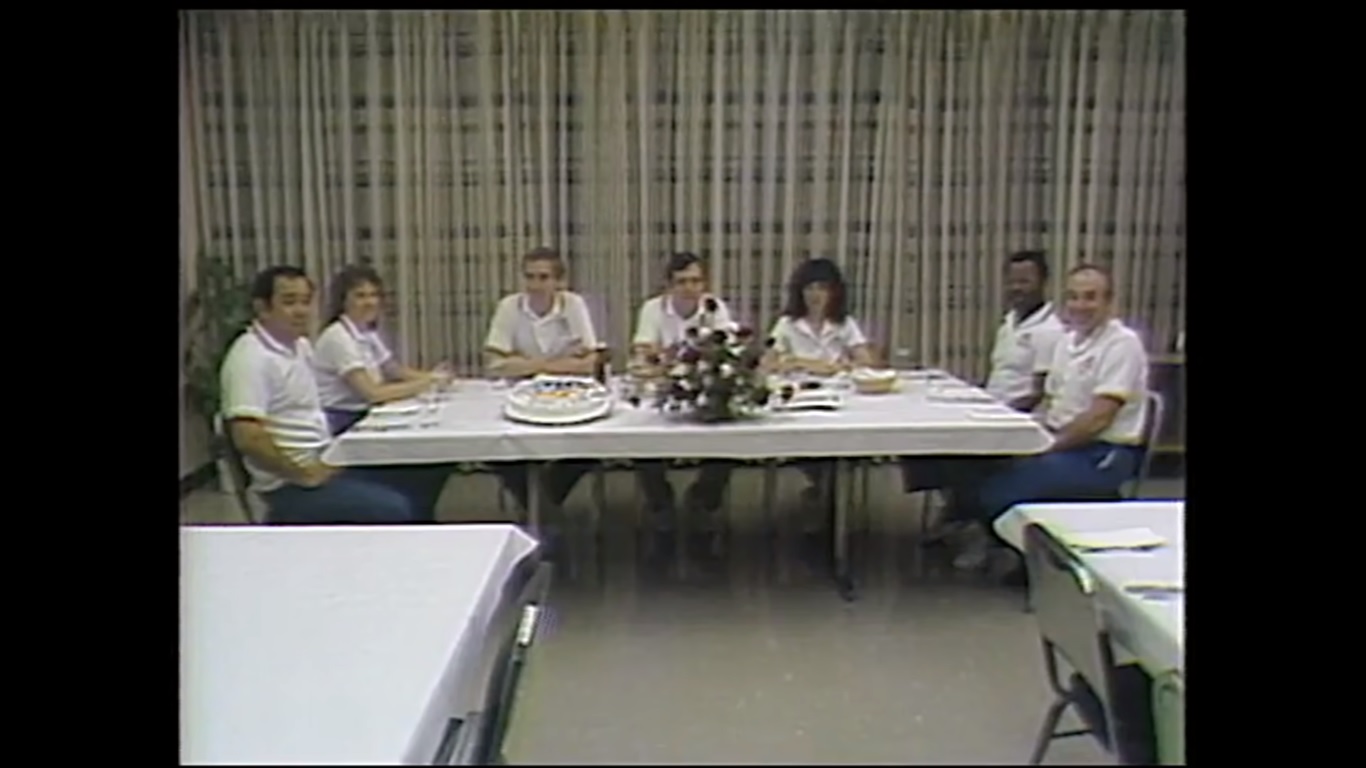

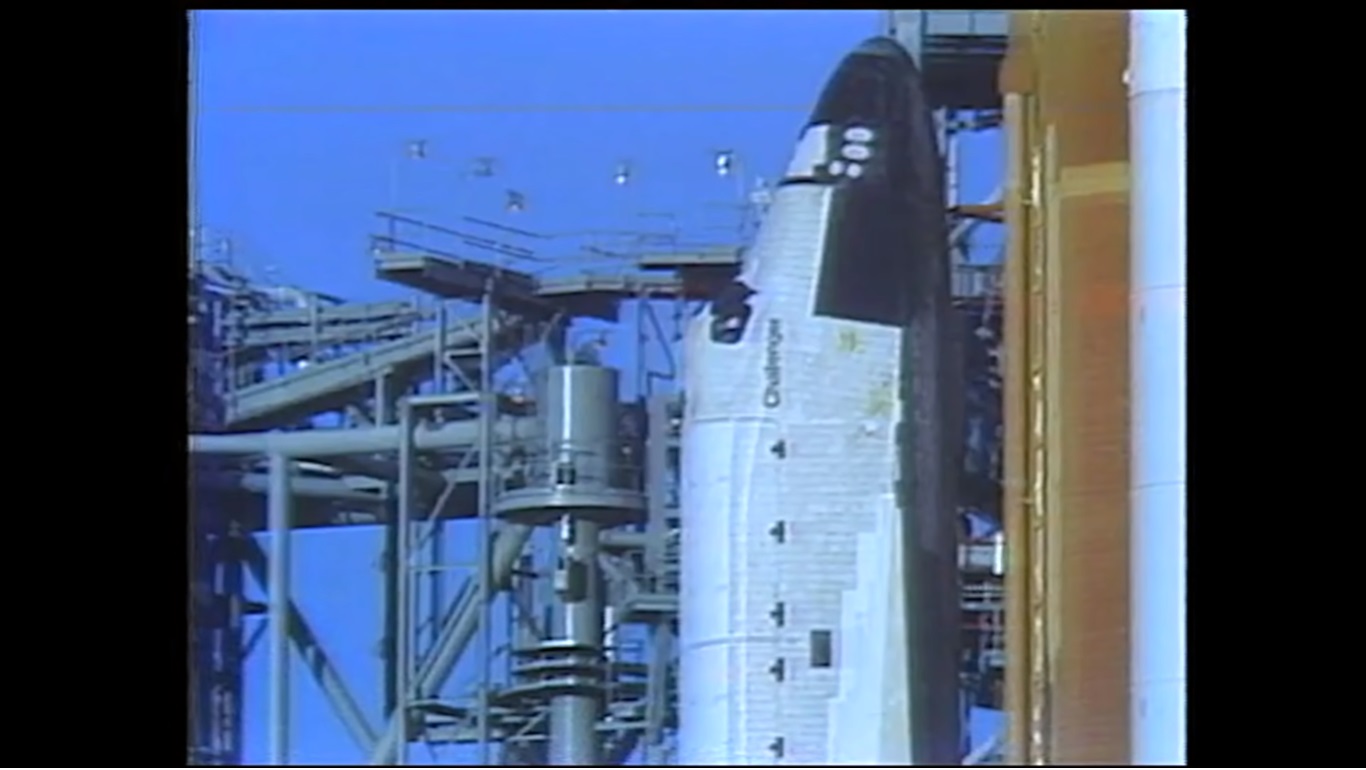
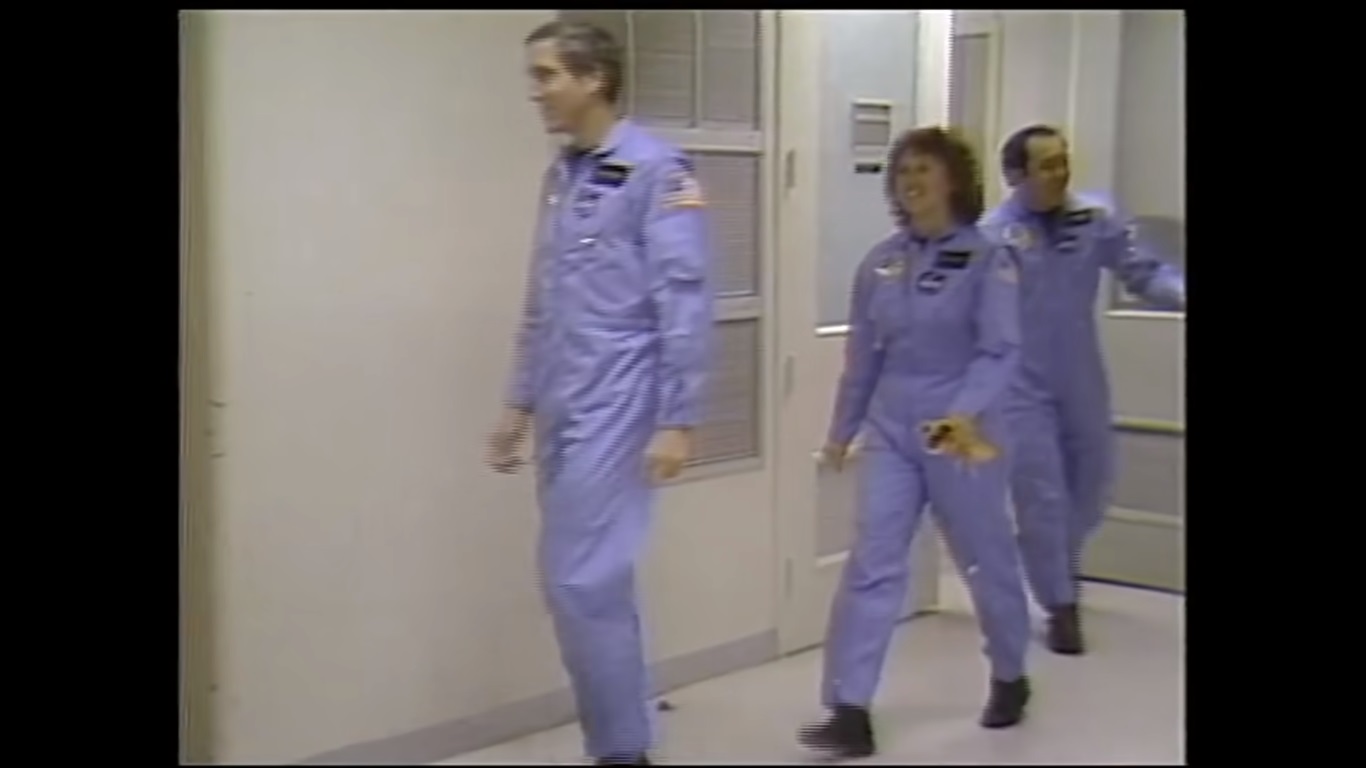
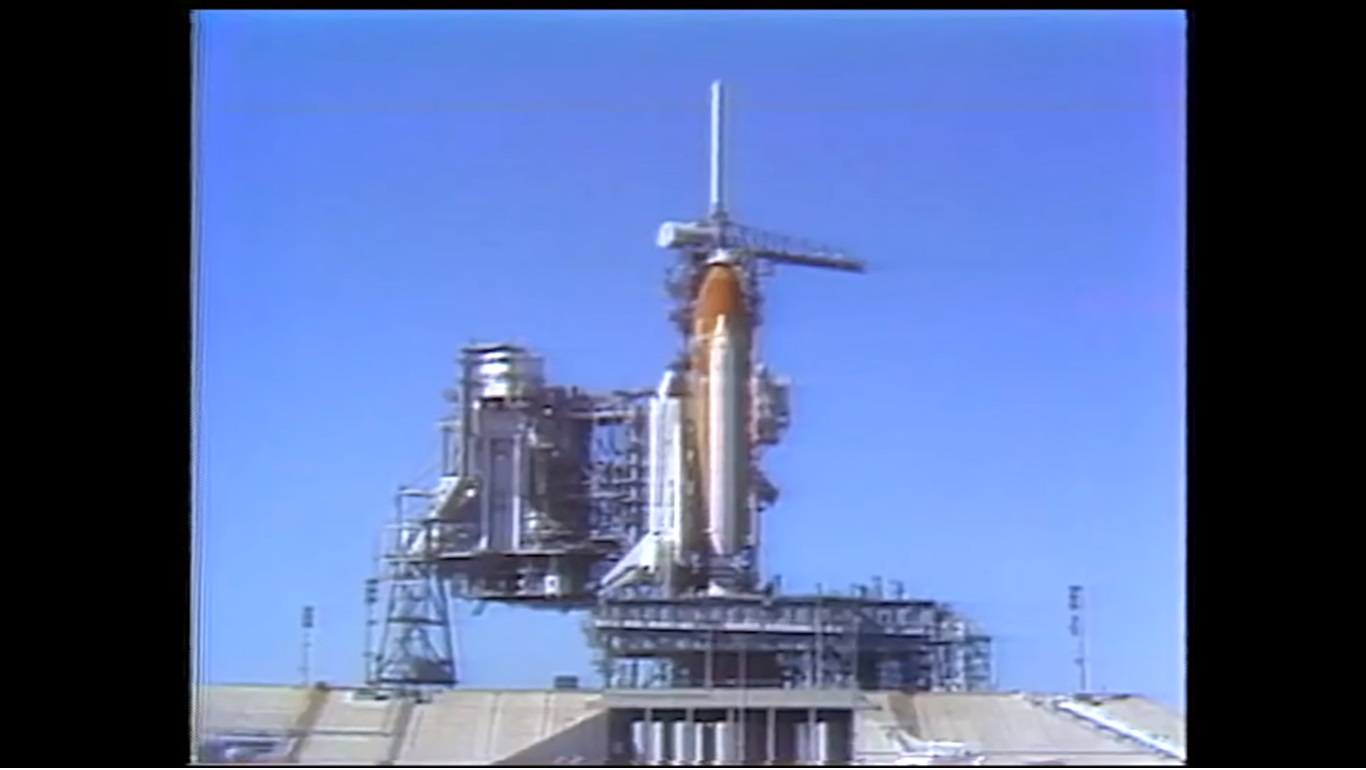
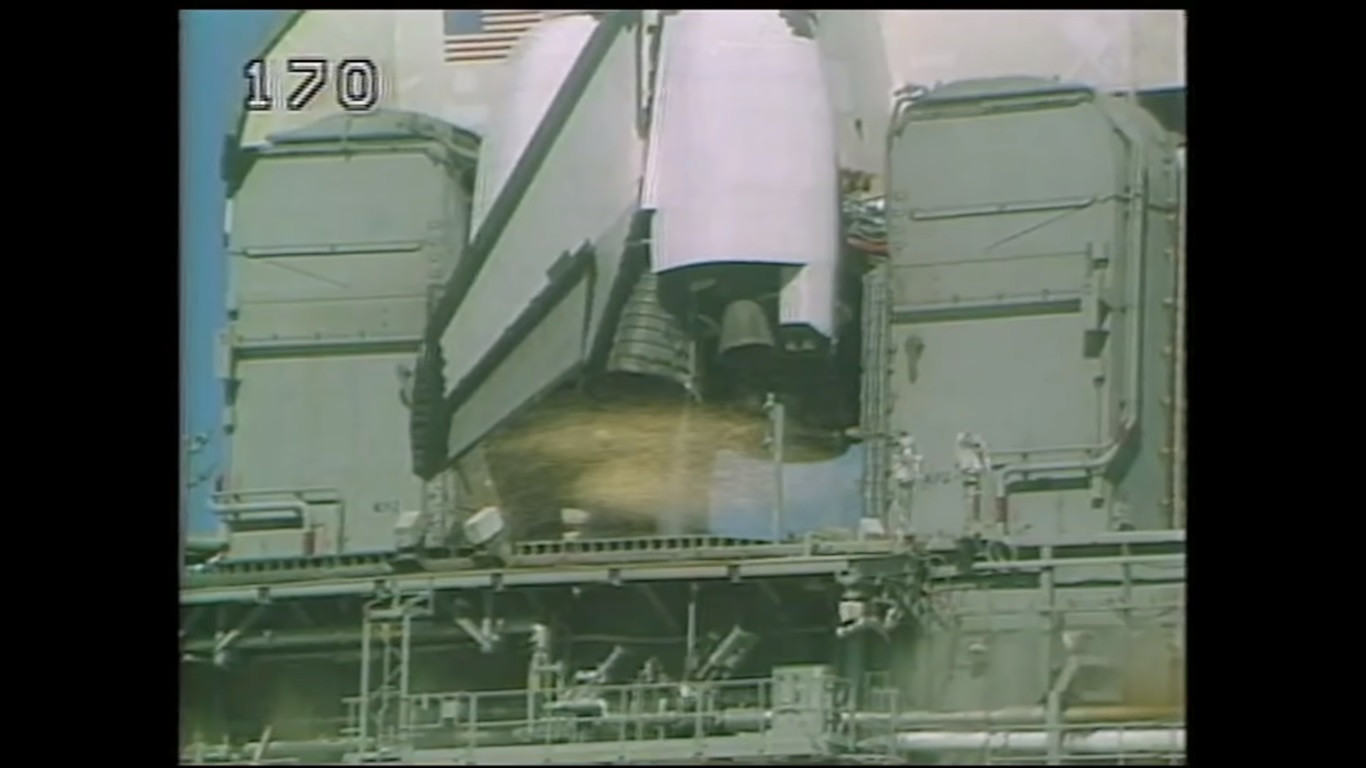
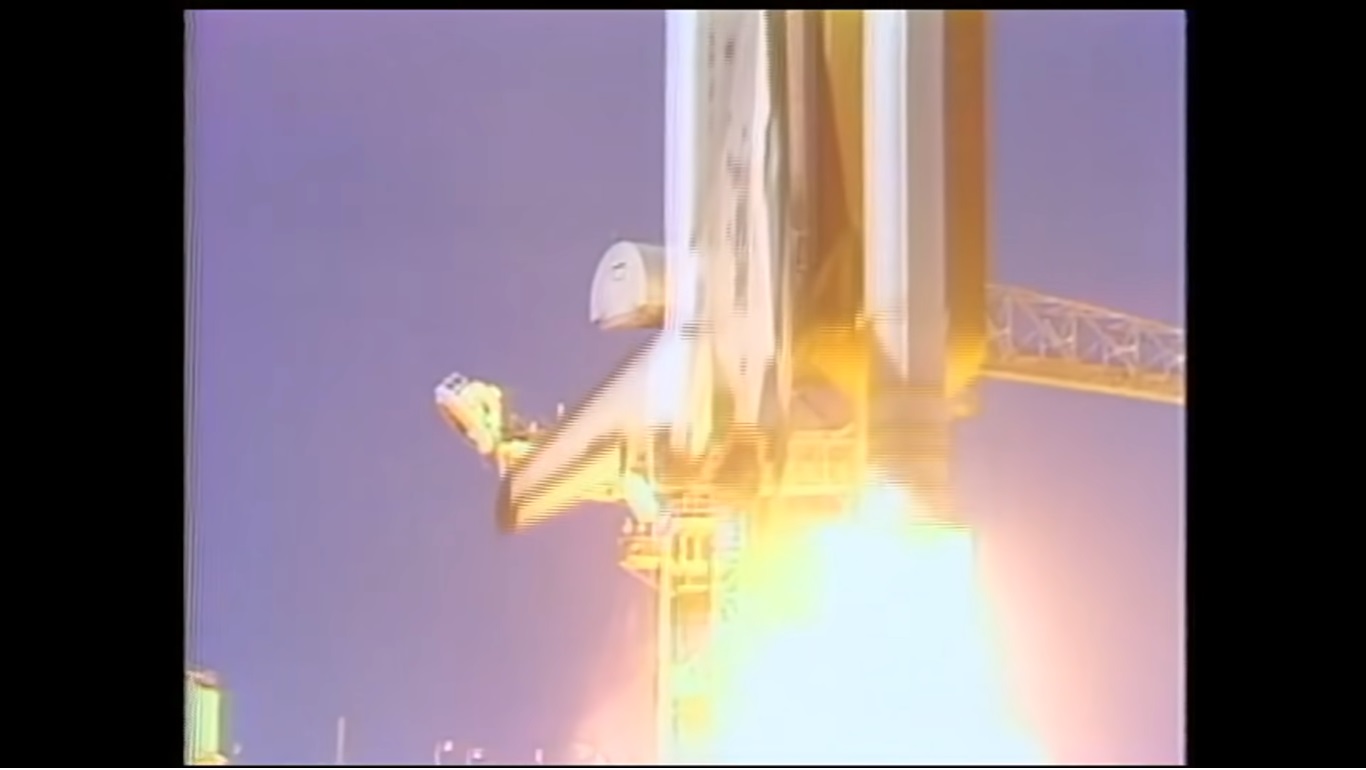
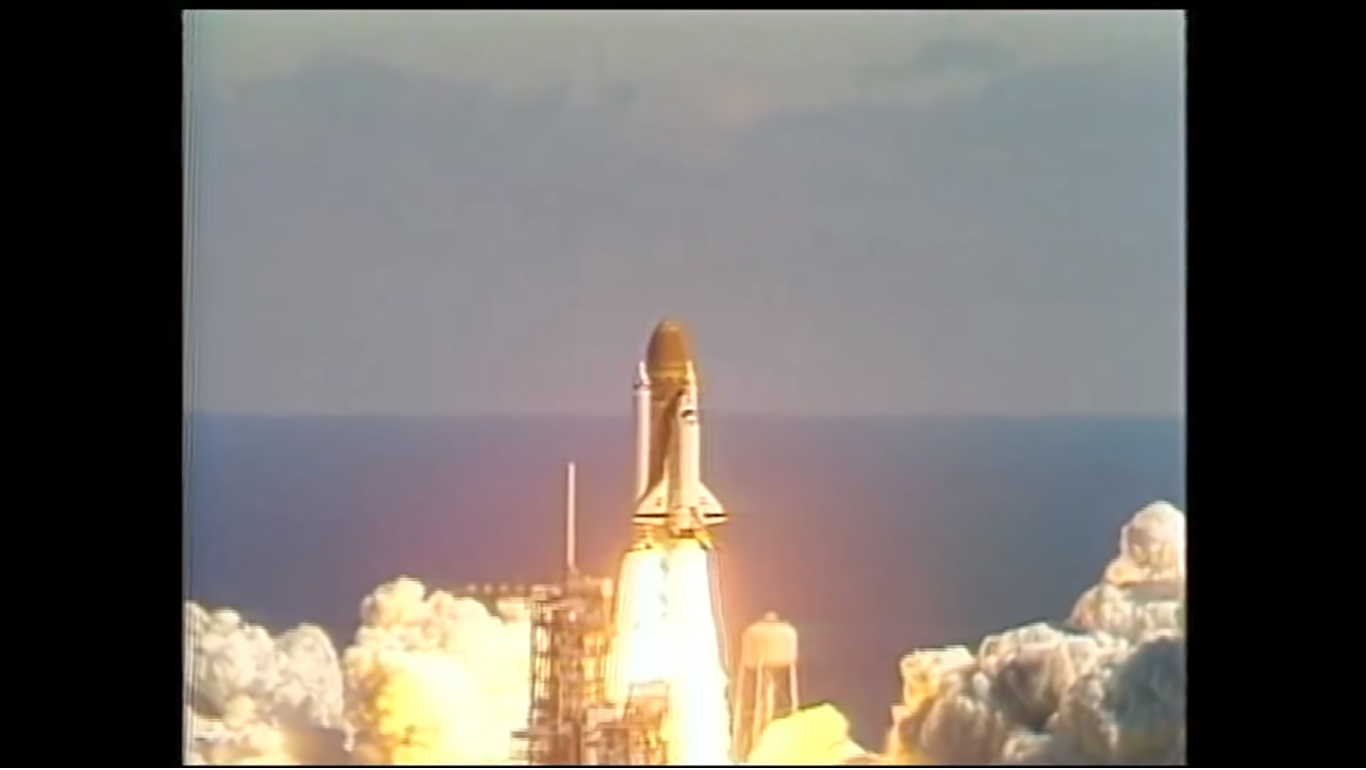
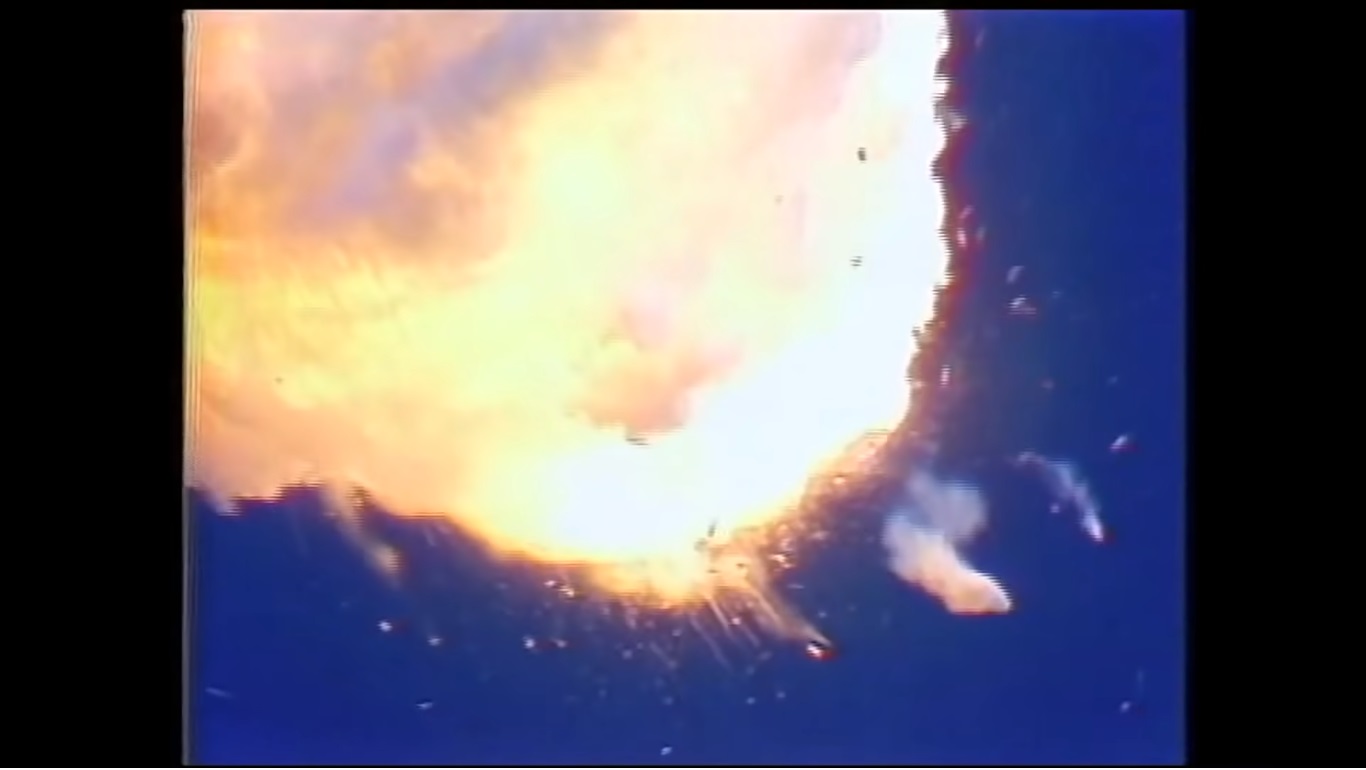
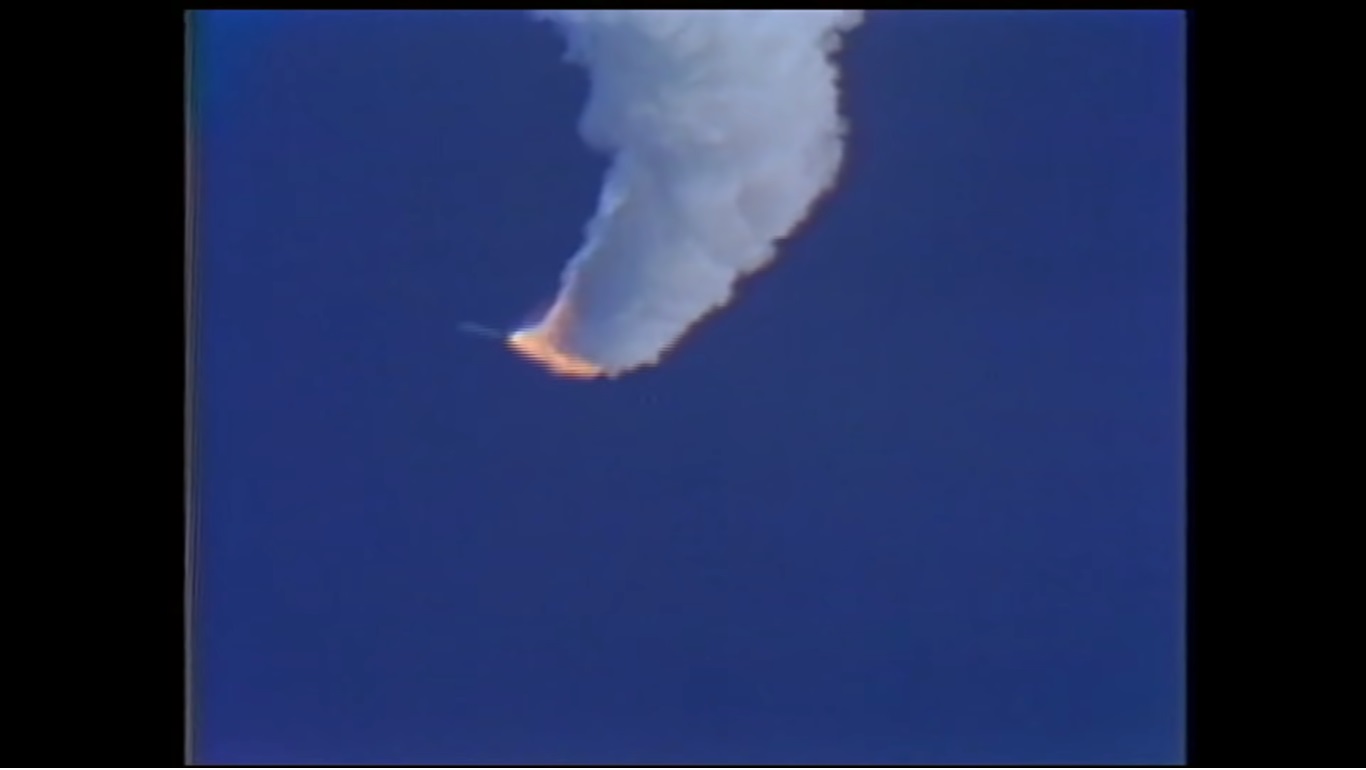
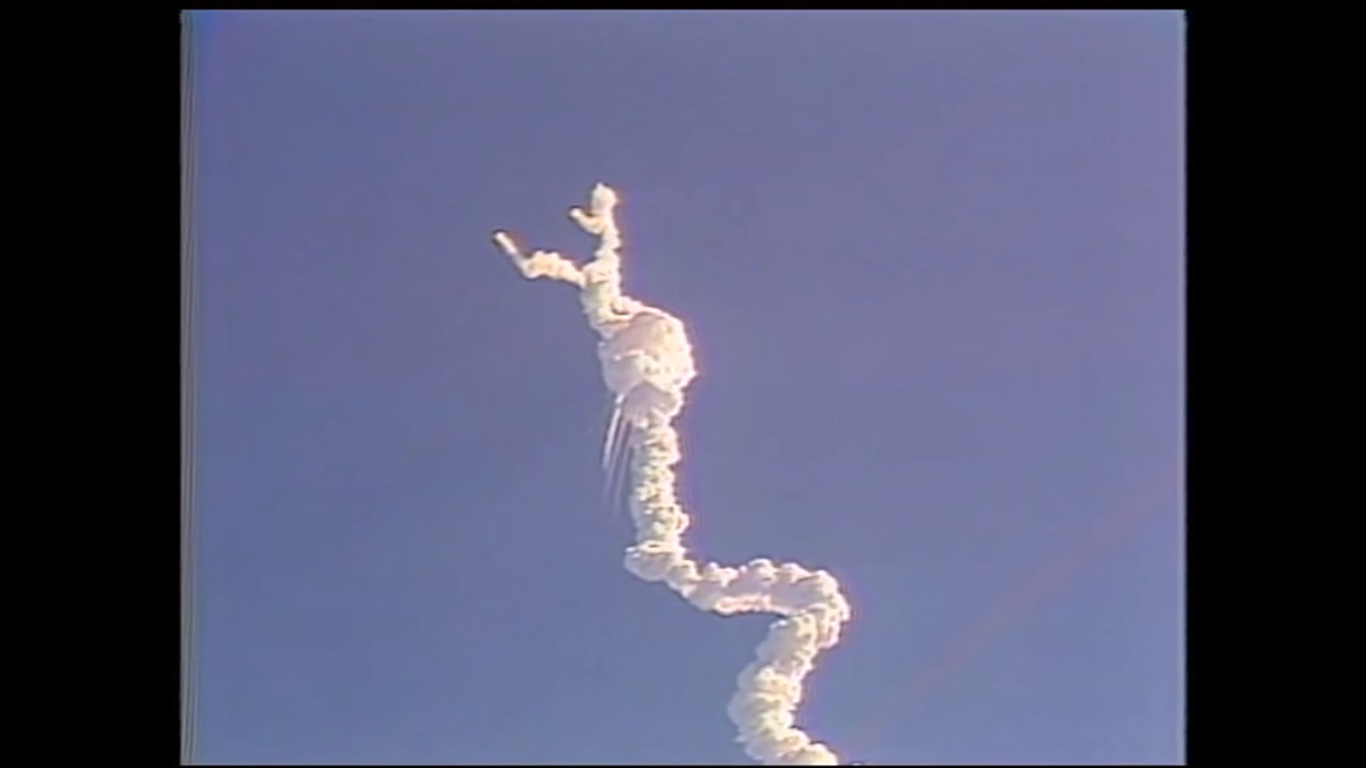

On launch day, almost everything was wrong. The temperature was four degrees below zero and there were icicles up to half a meter high on the ramp. The Challenger nakonec but took off at a temperature of about a degree below zero, which in itself was interesting, since previous flights had taken off at at least 11,5 °C. The shuttle lifted off from the ground at 11:38 AM Eastern Time. At an altitude of 14,5 kilometers, the booster's seal failed. The hydrogen tank exploded and the leaking liquid oxygen ignited. The explosion tore the cabin apart and it flew by inertia to an altitude of almost twenty kilometers. It then fell in free fall into the ocean. It turned out that miniAt least four crew members survived the explosion and attempted to use breathing apparatus. Pilot Smith reportedly lived until the cabin hit the ocean surface, which occurred two minutes and 40 seconds after the explosion at a speed of 334 km/h and an overload of 200 g. The surface was like concrete. The remains of some crew members were not found until March 7 at a depth of thirty meters. Their recovery then took more than a month.
You might be interested in
The above lines send chills down my spine. ProThe problem is more complicated and the sealing problems have been pointed out several times. Some experts even predicted a similar scenario and wondered why the shuttle kept flying. If you are more interested in the destruction of the Challenger, I recommend the four-part documentary on Netflix called Challenger: The Last Flight. Those interested in this topic will tingle with horror. If you don't have Netflix, I am attaching two documentaries below the paragraph that you can watch on YouTube. Even though they are older, they answer a lot of questions.
https://www.youtube.com/watch?v=Bgg92KUDxM0




I remember, it was a tragedy and the suspension of the shuttles…
And they ended years ago after the Comumbia crash. And definitely. And not the challenger.
always says "suspended"