
Hygiene is an important thing, and we should pay attention to it regardless of whether there is an insidious epidemic raging in the world or not. Although we can't see it with the naked eye, our smartphones are almost a breeding ground for various microorganisms, which in extreme cases can lead to health problems. Which of the most common bacteria can settle on the surface of our smartphones? What about viruses? How long will the new type of coronavirus survive on an iPhone?
You might be interested in

Its iPhone se you probably try to keep it in the best possible condition. No cracks, scratches, no significant dirt. But if you looked at it with a proper microscope, you might be surprised at the party that various microorganisms are having on it. Active life takes place to some extent on the surface of every smartphone and, in most cases, does not pose any threat to our lives under normal circumstances. However, insufficient smartphone hygiene can affect the condition of your skin, hair, or even your respiratory tract.
The usual suspects
Gallery


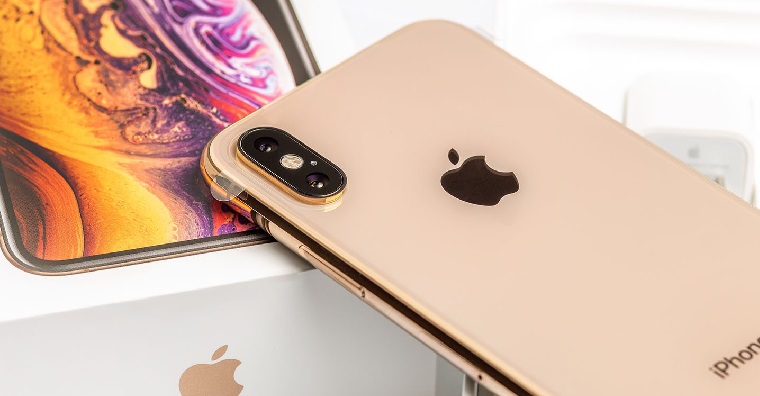
Depending on the environment and the time of year you are in, the surface of your iPhone can become home to a variety of bacteria. These include streptococcus, for example. Streptococcus is a common culprit when it comes to sore throats, but it can also complicate the course of pneumonia, for example. Staphylococcus can also take a liking to your iPhone. There are different types of these spherical bacteria, from "common" to those that stubbornly resist antibiotics. Some you can "catch" in a lecture hall full of sneezing and coughing students, while others are found almost exclusively in a hospital environment. Staphylococcus can cause mischief in your throat, respiratory tract, and even open wounds. Like many other bacteria, staphylococcus or streptococcus can live in your body without you noticing it - just because it doesn't make itself known, doesn't mean it is harmless. And just because it's harmless to you doesn't mean it won't harm someone you come into contact with. Your smartphone may also harbor a bacteria called E.Coli. This is a fairly common bacteria, but under certain circumstances it can cause problems with the digestive tract or urinary tract.
What about coronavirus?
Gallery

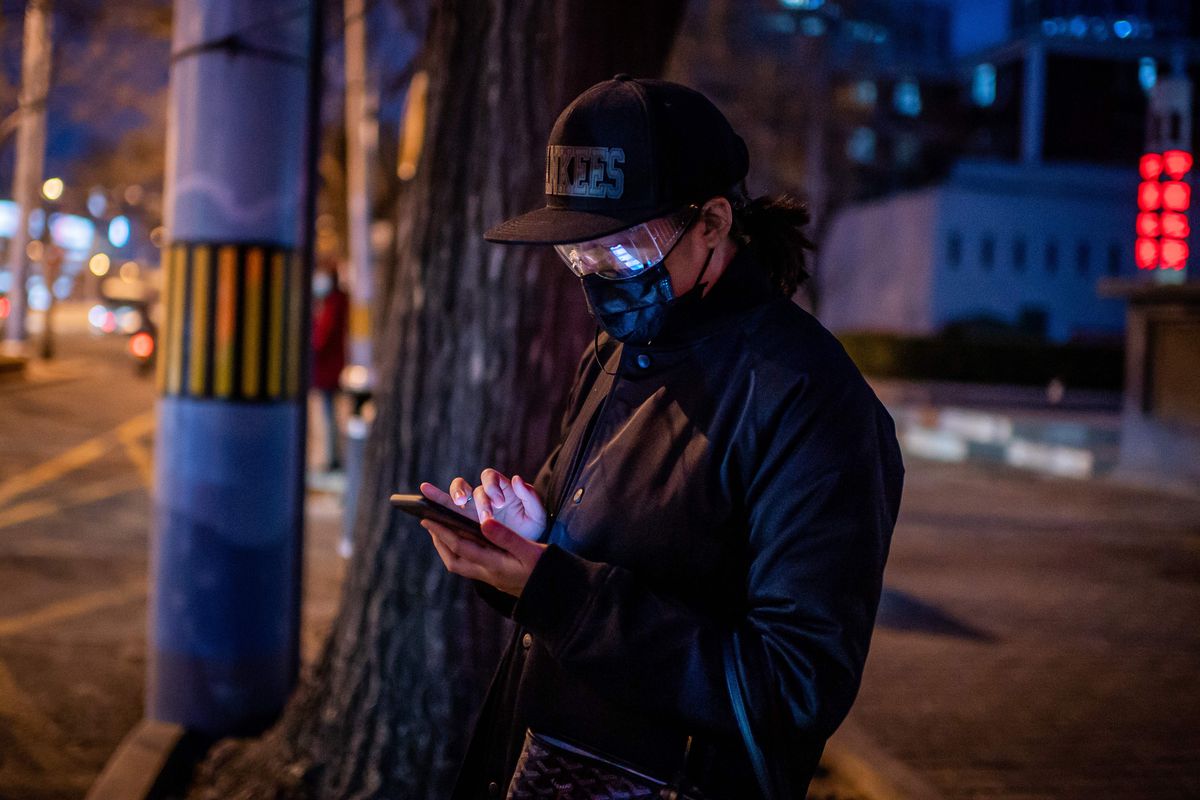

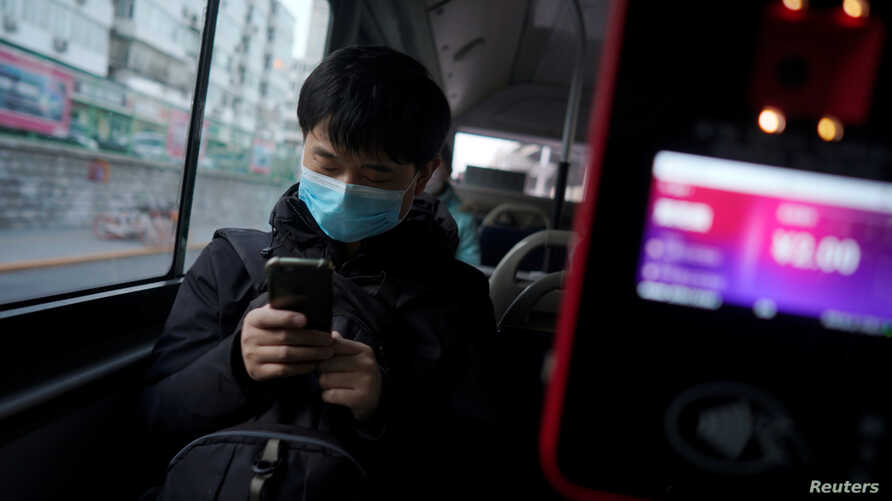

You've probably heard it before, but we'll repeat it just to be sure - no coronavirus is the same as a coronavirus. But most of us are currently interested in the new type of coronavirus responsible for oneCOVID-19 pandemic. There's no reason why coronavirus (of any type) should avoid your iPhone - other viruses and bacteria will certainly make room for it. Rudra Channappanavar, immunologist from Tennessee Health Science Center, has been studying coronaviruses for a long time. In his research, he concluded, among other things, that the new type of coronavirus can survive on a glass surface for up to 96 hours. It can survive on a plastic surface for up to 72 hours, as well as on a stainless steel surface. We constantly touch our smartphones, whether it is during their active use, checking, or moving them from a pocket to a bag or to a table. Regardless of whether the current epidemic is a cause for concern for you or not, you should treat your iPhone to regular and thorough hygiene. We will reveal how to do this in our next article. Laboratory equipment service, will help you detect microbes.







And I would keep the readers on edge for a few more weeks with the cleaning 😂 Although, no one has ever cleaned their mobile phone with disinfectant before and now everyone is washing their phones every morning. 😂
Exactly me max he always wiped the mob screen on the shirt and that's it :-D
I accidentally clean myself. iPhone every time I get home. But not with disinfection. With normal screen wipes, and then I polish it with Whoosh because I like how the screen stays nice and unsmudged and swipes well.
🤦🏻♂️
🤣🤣🤣
😁👍👍👍
Don't worry, I wash myself too. And if you meant it in a vulgar way, I have nothing to add because I don't hang out with jerks.