
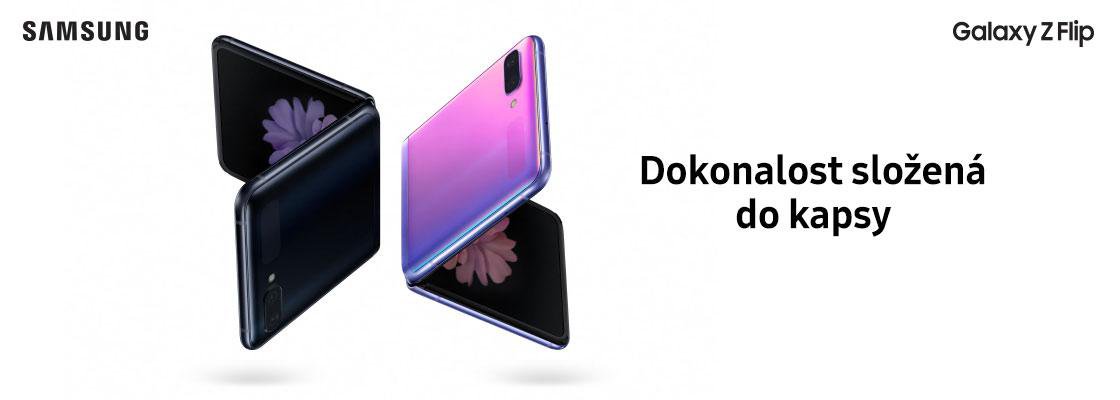
It's been almost a week since Samsung decided to convince the world once again that it believes in the future of flexible smartphones. At its Un conferencepacked introduced its second phone with a flexible display last Tuesday. It is called Galaxy Z Flip and according to Samsung it should be in many ways better than its immediate predecessor Galaxy FoldIn contrast, the new product will also offer a unique flexible glass screen called Ultra Thin Glass, which Samsung claims is absolutely stunning. However, it seems that this claim about the display itself is not entirely true.
Gallery
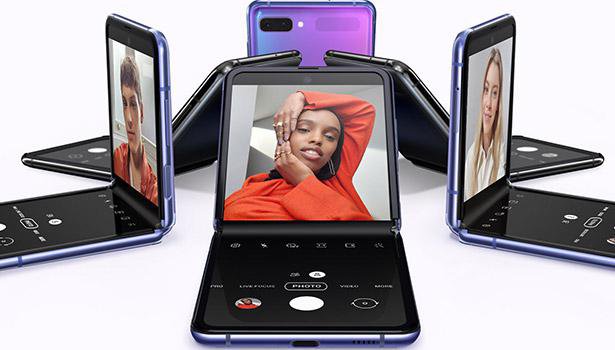

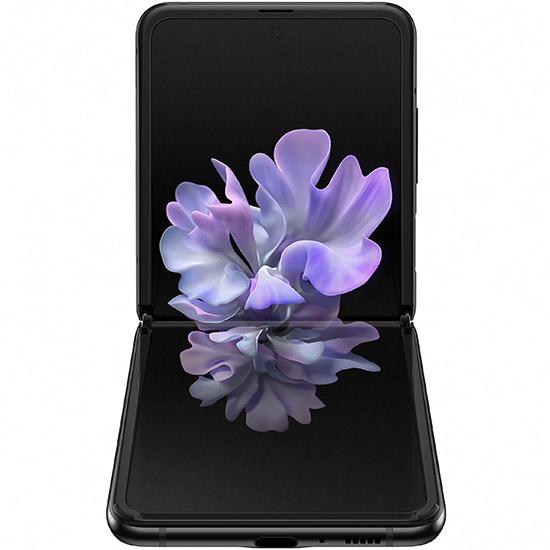

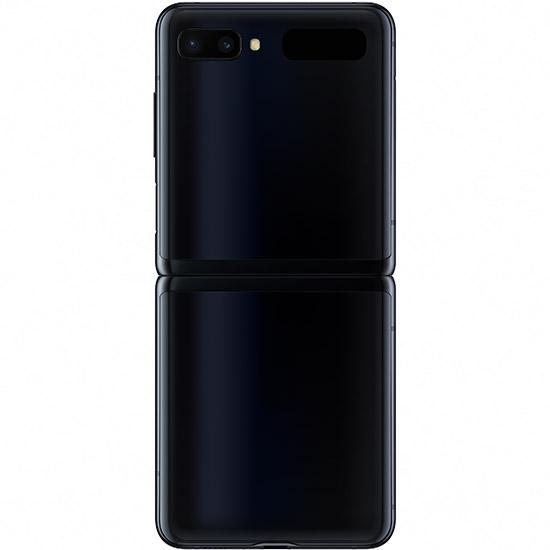


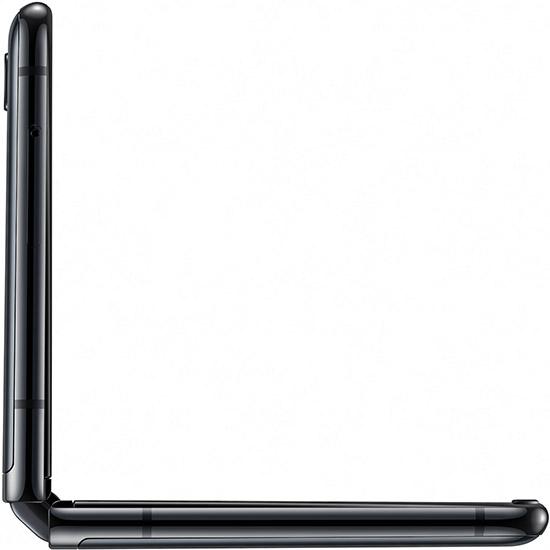
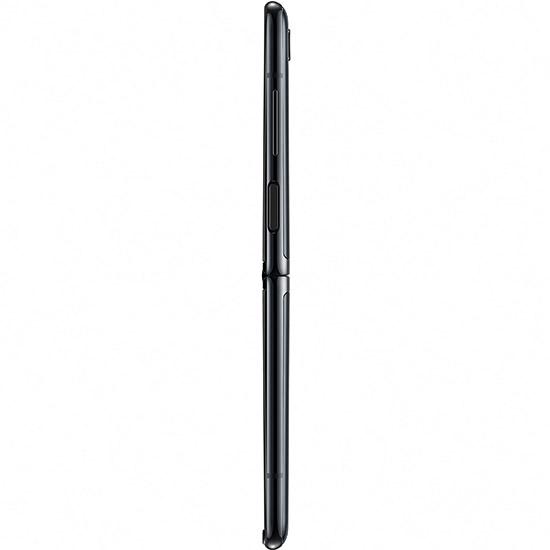
Flexible display Galaxy Fold It is made of a revolutionary polymer (at least according to Samsung) that ensures its flexibility. Thanks to this claim, many fans of flexible phones have accepted the fact that the display is Foldquite soft and therefore more susceptible to various types of damage such as scratches. From glass Ultra Thin Glass used on Z FlipTherefore, many expected it to take the durability of flexible smartphones to a new level, as it essentially relies on the same material used for displays as classic smartphones. However, the first major durability tests published on the JerryRigEverything YouTube channel show that even this phone's display is not very durable. In the tests, the display was damaged by various tools with plastic tips, as well as by the tester's fingernail, which was used to press on the display.
Samsung responded quite promptly to the crash test of its phone by claiming that the damage occurred on the protective film of the glass and not directly on the glass. This protection should be similar to that used in Galaxy Fold, so it should be a de facto very thin film that is very firmly attached to the display. The South Korean giant indirectly confirms the poor durability of the display by adding a warning to the phone when turning it on, urging users to use it carefully and not put too much pressure on the display. With a bit of exaggeration, it could be said that when Ultra Thin Glass looks like an interesting revolution in the field of flexible smartphones, the fact is that miniAt least in terms of durability (which users simply expect from glass), it is definitely not a revolution – quite the opposite. So we can only hope that Samsung will manage to catch all similar flies in the future and that the next generations of its flexible phone will offer truly durable displays, comparable to those of classic smartphones. Samsung definitely has the potential for this.
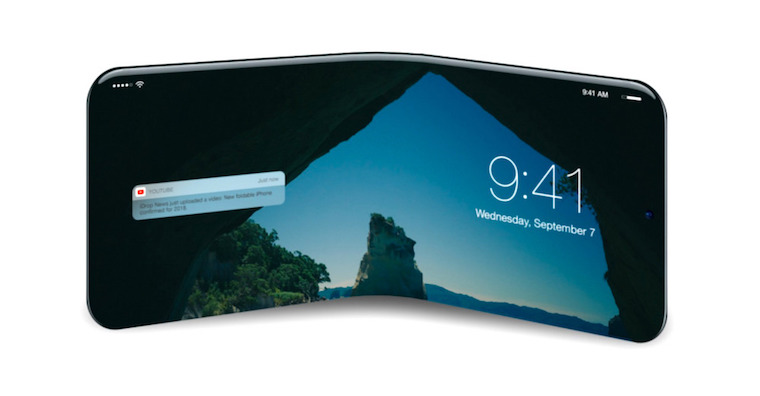
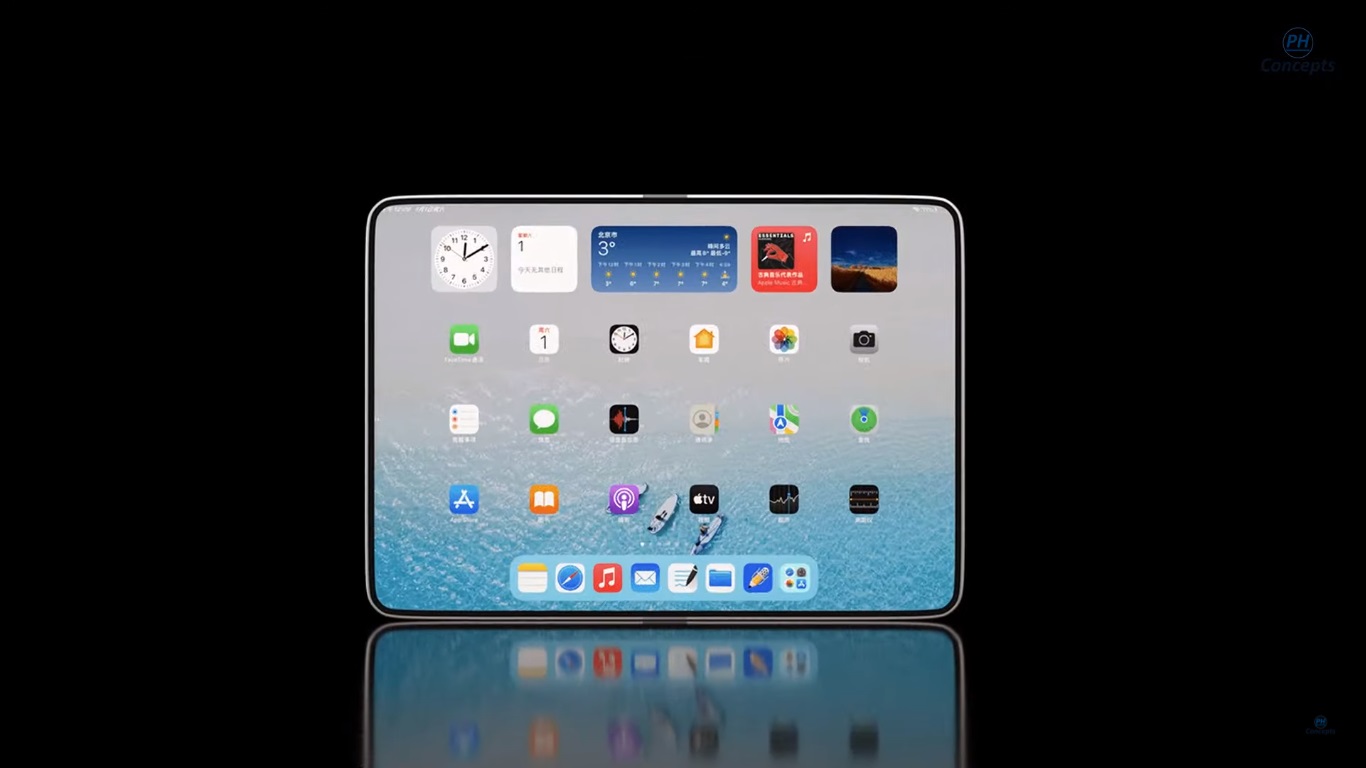
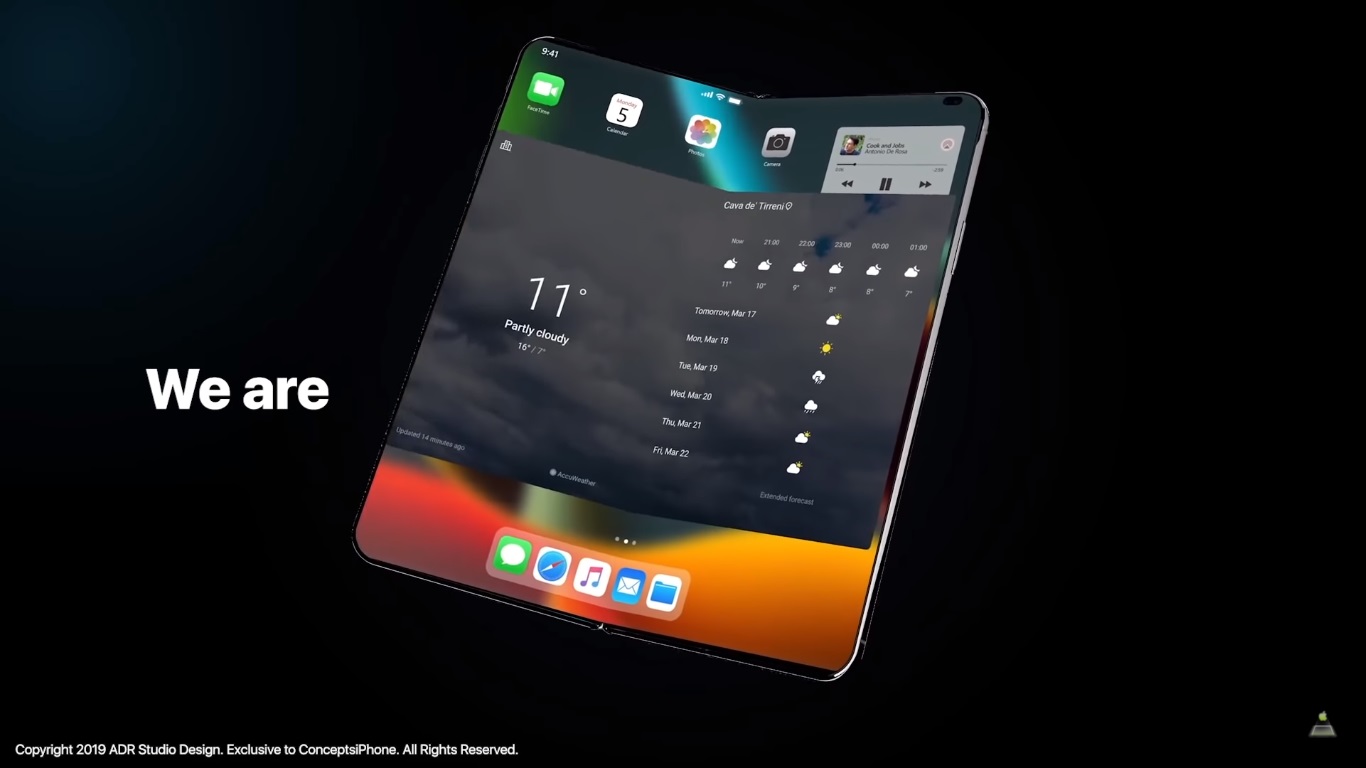




The fact that the display is really glass was immediately proven by "disassembling" that display.
The top layer is really a softened polymer, but underneath it hides a really flexible UTG glass - this is for the reason that if a sharp object is pinched, the glass will not be damaged, but only the top foil.
ProAll reviewers also say that the display feels much harder, despite the polymer top layer.
And what good will it do you if you scratch the "display" with your stupid fingernail.. completely useless phone, although structurally interesting
And why should I purposely dig into such a display with my fingernail? When the manufacturer warns me about it?
After all, you won't be purposefully digging into such an expensive device.
The point is that it can just happen unintentionally. And it's happening.
Or do you have the impression that people, for example, deliberately drop their mobile phones from their hands?
Apparently, the upper polymer layer should be replaced in the service.
That's a really inappropriate display. If treated a little carelessly after a year, the image will no longer shine through.
And I'm not surprised at all 😂😂😂
When Samsung can't tell 😀
How would sitting in the back pocket turn out when there is a gap at the hinge in the closed state.
flexible dislay is also the wrong branch - this will never be usable
👎🏻👎🏻👎🏻
Don't make a foil for the flexible display like in the past on phones before Tempered Glass came?