
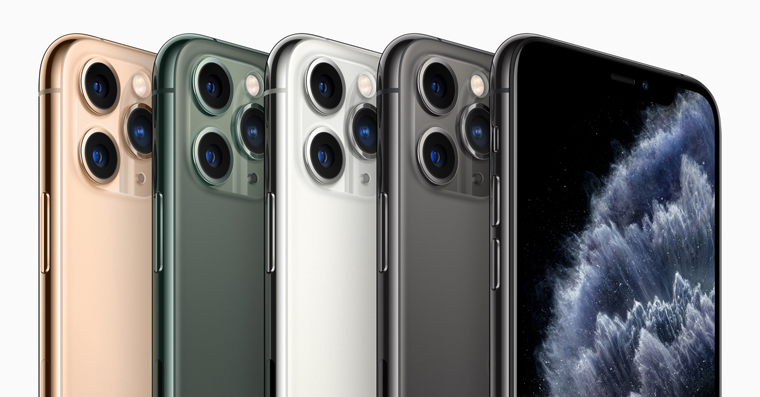
Together with cheaper varianto in the form of iPhone 11 came on Tuesday Apple even with top flagships that have earned their names iPhone 11 Pro to 11 Pro MaxAt first glance, you can notice that on the back of the new devices there is a new large square module, with three cameras, instead of last year's two. You are probably wondering what these three cameras are for, and whether they are really as good as they are. Apple he says. So let's take a look at all three lenses of the iPhone 11 together Pro in depth.
You might be interested in
Gallery


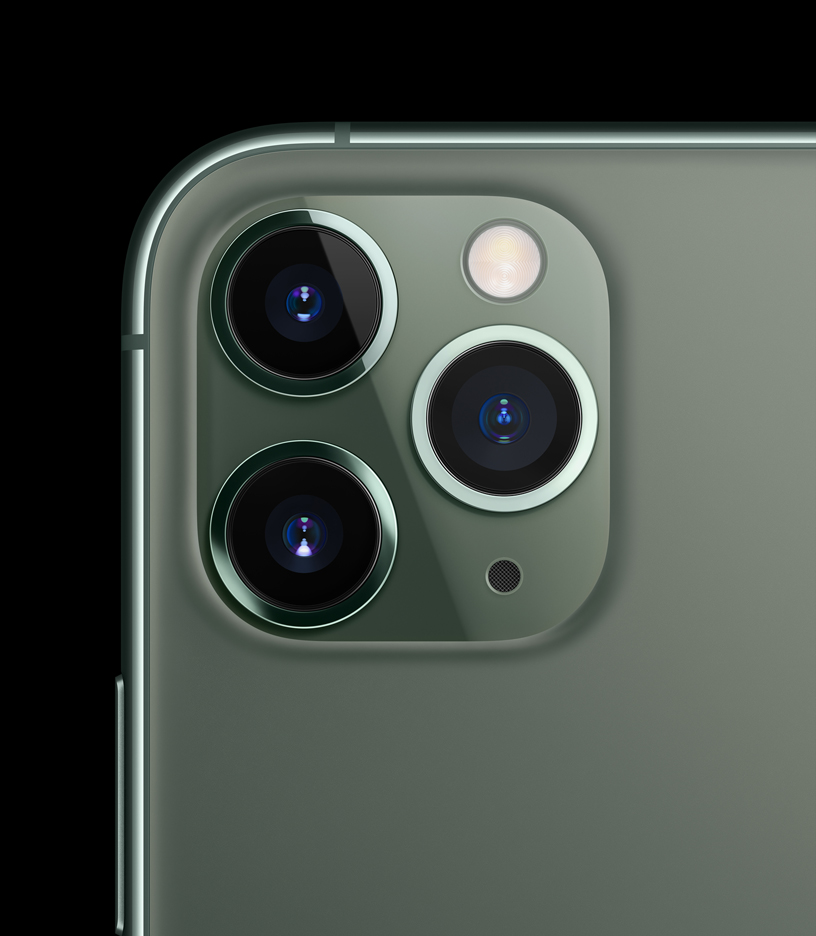
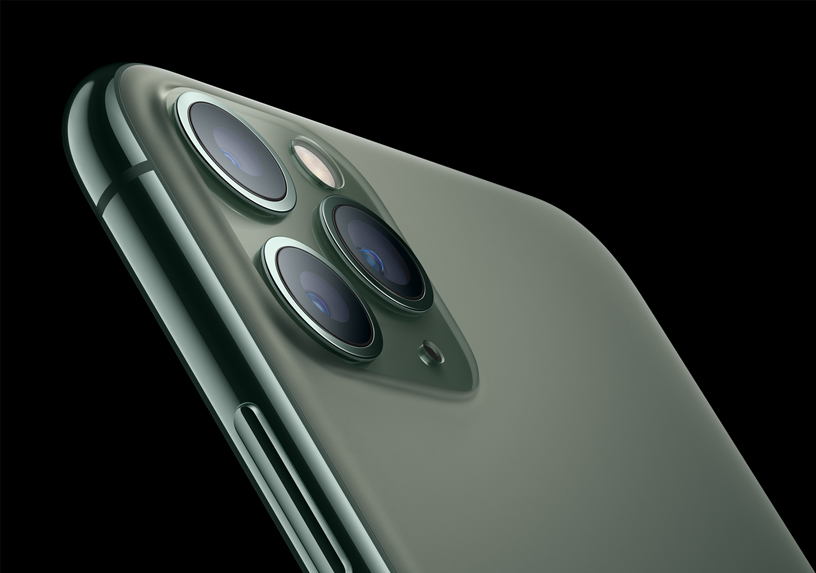

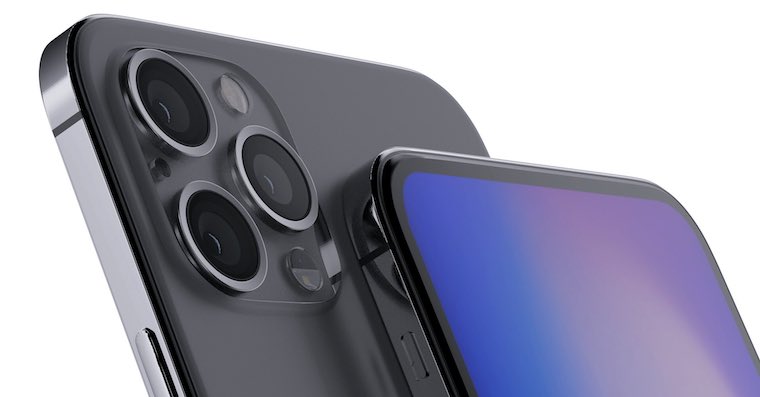
iPhone 11 Pro you are the same as iPhone 11 has been improved by one lens on the rear camera module. All three lenses have a 12MP sensor. The first lens is a classic, wide-angle lens. It has a focal length of 26 mm and an aperture of f/1.8. The lens is then composed of six parts. Optical image stabilization and 100% Focus Pixels, thanks to which the lens can focus much faster. The second lens is then referred to as a telephoto lens, which has a focal length of 52 mm and an aperture of f/2.0. In this case too, the lens is a six-element lens, along with OIS. It also supports 2x optical zoom. The biggest difference is therefore in the third ultrawide-angle lens. As for aperture numbers, the first lens boasts an aperture of f/1.8 – the same as last year. Changes then occurred with the telephoto lens, which has an aperture of f/2.0. Brand new ultraThe wide-angle five-element lens then boasts an aperture of f/2.4 and a focal length of 13 mm. The field of view of this lens is a full 120 degrees, which means it can capture up to four times more footage than a classic lens. Thanks to the third, ultrawide-angle lens, in addition to the classic 2x optical zoom, 2x optical zoom is now also available on flagships. Up to XNUMXx digital zoom then remained the same.
Related

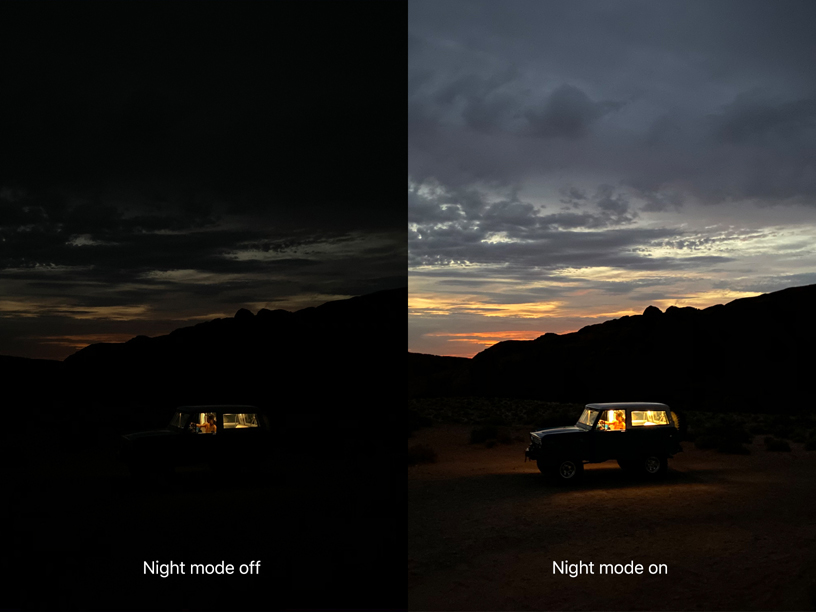
The interesting thing is that Apple reportedly tried to make all three cameras work as one. He describes the process as very complex, mainly due to the different colors of each sensor. The three cameras will now be provided with a redesigned, brighter light in poor conditions True Tone flash with slow sync. In case you are going to take pictures in complete darkness, there is a new night mode. It is activated automatically in poor lighting conditions. It works by taking several photos when you press the shutter, and then these photos are edited in the background using software. All this happens mainly thanks to the powerful A13 Bionic chip. Portrait mode for both people and objects is of course still available.
Gallery


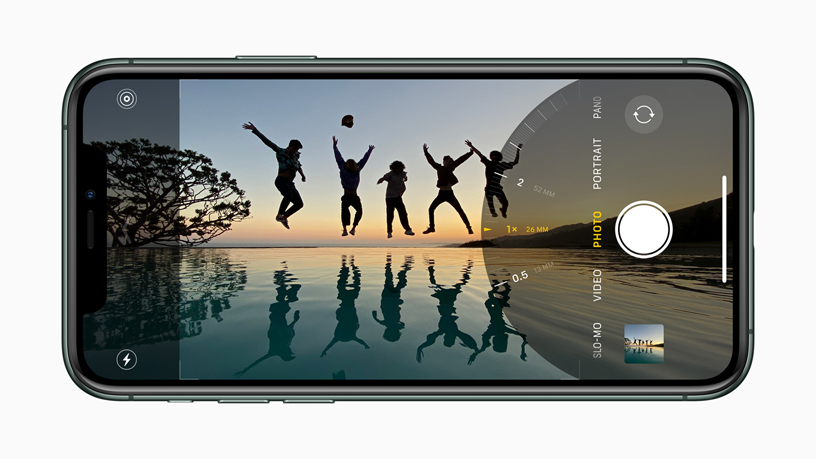
Video recording is "full steam ahead", just like last year, available in 4K at 60 frames per second. However, extended dynamic range is now also available for videos shot at 60 frames per second. As with photos, there is also 2x optical zoom available for videos in addition to 2x optical zoom. If 2x optical zoom would be more nestacil, you can use 6x digital zoom. The camera of the new iPhones also brings the Audio Zoom and QuickTake functions. Audio Zoom is a function that improves the sound quality of the object you are pointing the camera at. This prevents noise and other distracting elements. The QuickTake function is then used to immediately start recording a video - just hold the button and the recording will start immediately. As for the front camera, we have a 12MP sensor, instead of last year's, which offered "only" 7MP. The aperture number remains the same - f/2.2. Portrait mode with six effects is still available. You can now record up to 4K videos at 60 frames per second. The front camera can then be used to record Slofies, i.e. slow-motion selfie videos.






Well, in what resolution and aspect ratio do the photos come out of it? Is it possible to change the resolution setting? This is what has annoyed me about iPhones since the beginning - 1-2 hard options and nothing more. Otherwise, edit an external application somewhere.