
Meanwhile, as all apple enthusiasts are slowly starting to count down the days to the September conference, we could stop for a moment and go back in time. It is unbelievable how and especially how quickly information technology has developed over the past few years. Buttons have replaced our fingers, small displays are now huge touchscreens, and instead of the now obsolete 2G network, we use 4G and are slowly preparing for 5G. Over the past 30 years, several phones have appeared on the market that completely changed the world with their design, technology, and functions. So let's take a look at the most revolutionary phones of the last three decades together.
You might be interested in
Nokia 1011 (1992)
Gallery
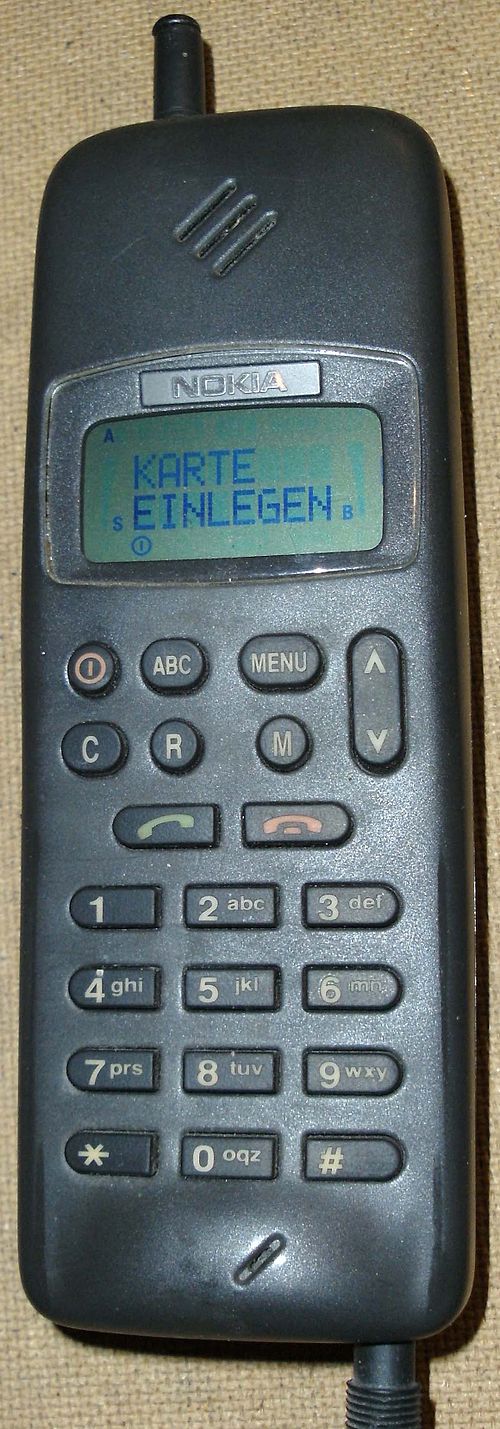
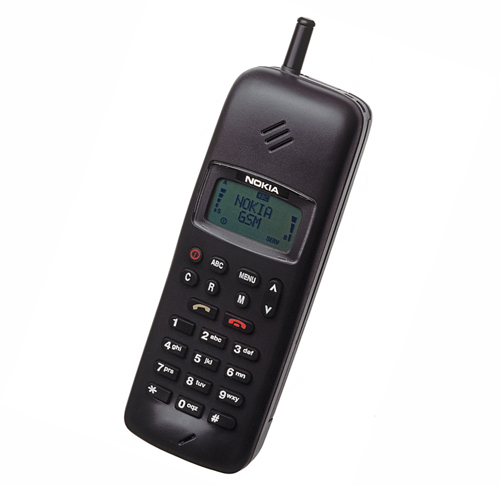
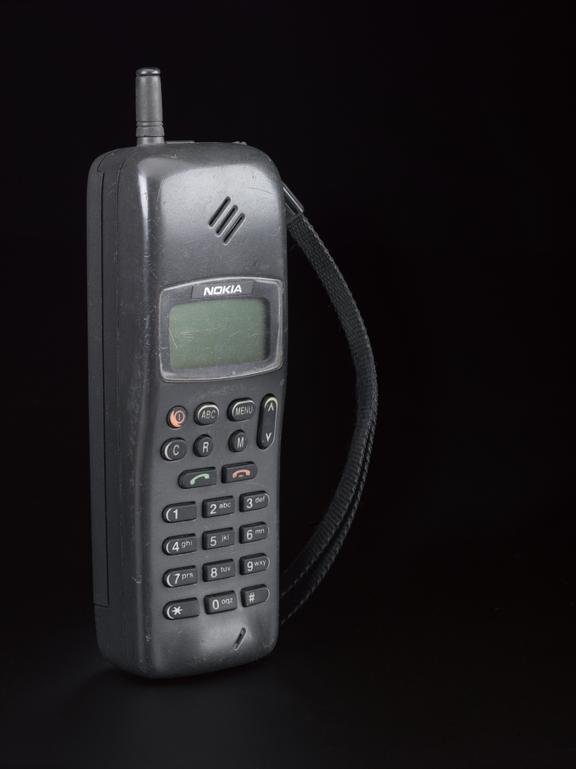
Even though mobile technology was already developing before 2002, it was very limited, expensive and more like a prototype. The Nokia 1011 was the first mobile phone that people could see for the first time what was possible thanks to the mobile network. It was clear that after the introduction of this device, the world would never be the same again. The Nokia 1011 was also the first phone that its users could use all over the world, thanks to GSM technology.
Motorola StarTAC (1996)
Gallery
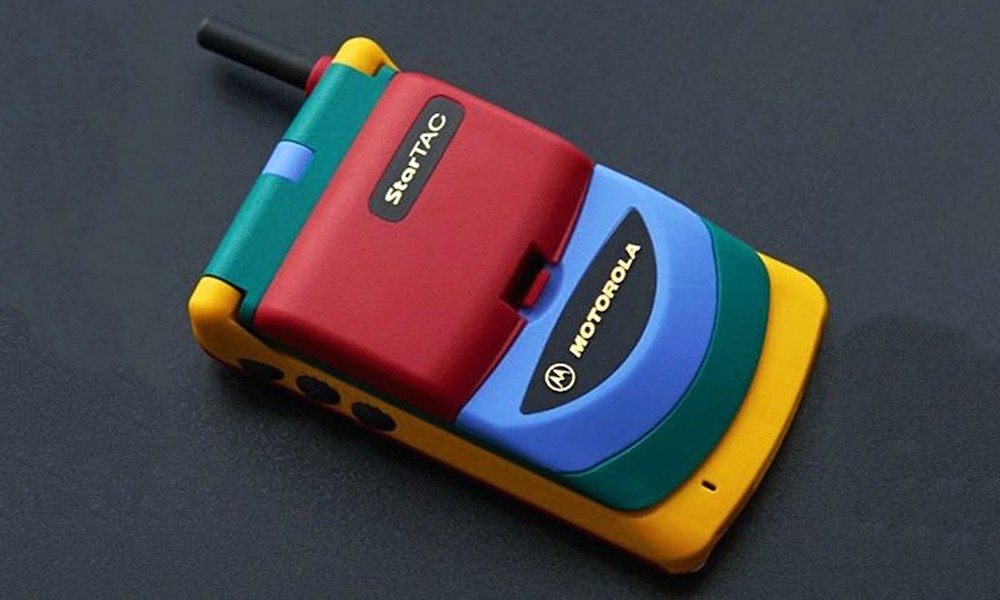
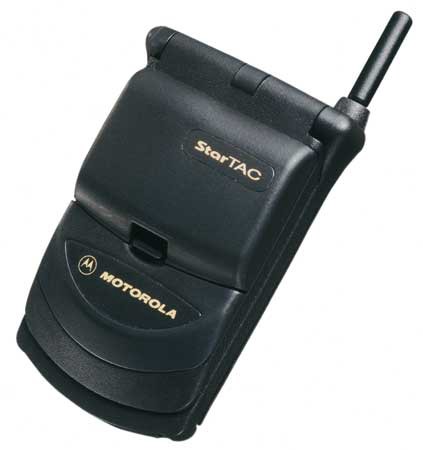
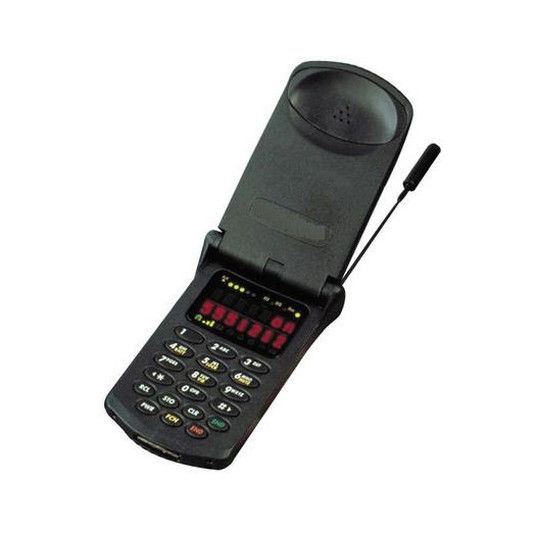
The early 90s were the era of manufacturers who were able to create the smallest, yet most usable, phone possible. Pocket phones were a reality, and Nokia was the market leader at the time. Then came the Motorola StarTAC – the first phone designed as a “flip" - flip. In addition, the StarTAC has appeared in many films as a pioneer of modern technology. You may be wondering how much this phone cost at the time - a whole thousand dollars. So we shouldn't complain about the prices of iPhones!
Nokia 9000 Communicator (1996)
Gallery
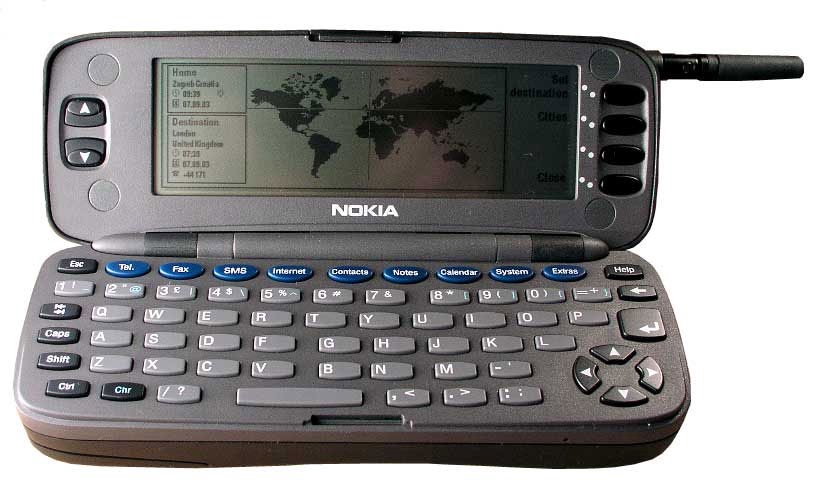
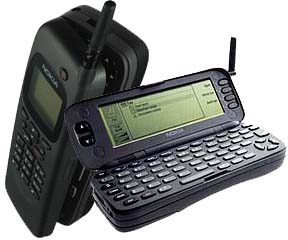
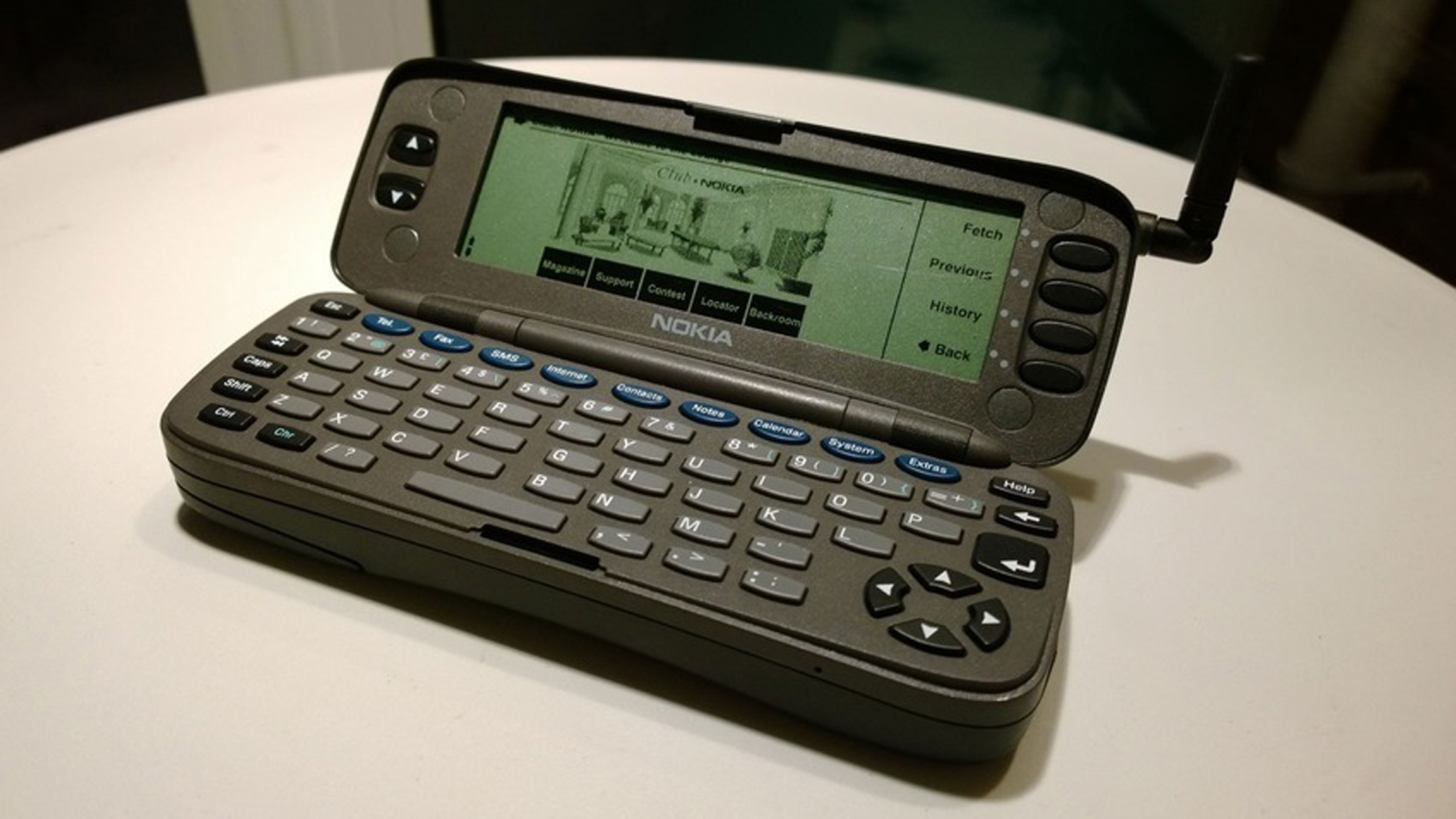
The Nokia Communicator series is associated with a completely new mobile design technology. Since clamshell phones were very popular at the time, Nokia decided to come up with something new. Also a flip-up phone, but a little different – flip-up to width. This phone is considered by many to be the first affordable phone for the general public. Of course, it could mediate calls, but it also had a hardware keyboard, with which users could send e-mails, faxes, search contacts and the Internet.
Nokia 3310 (2000)
Gallery
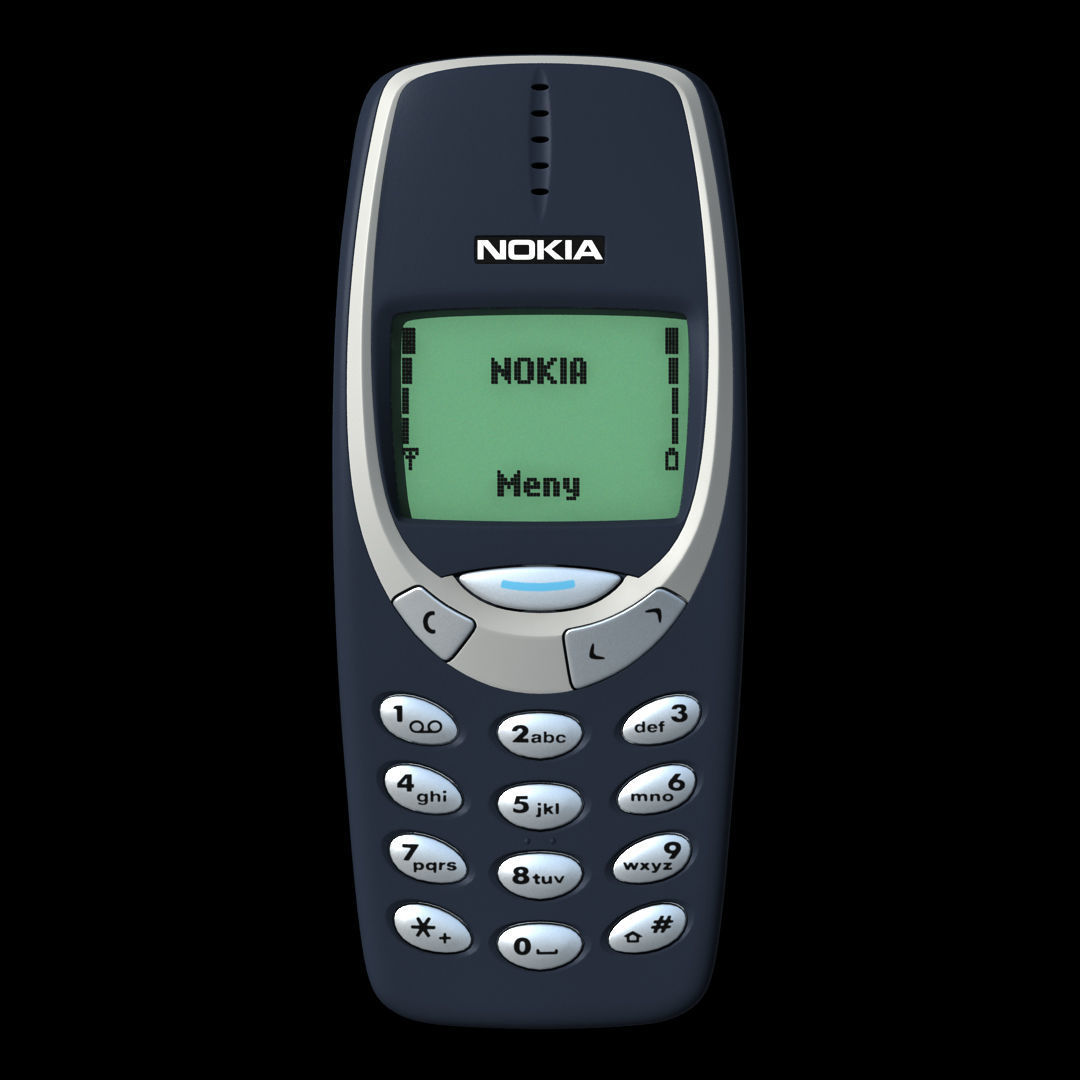
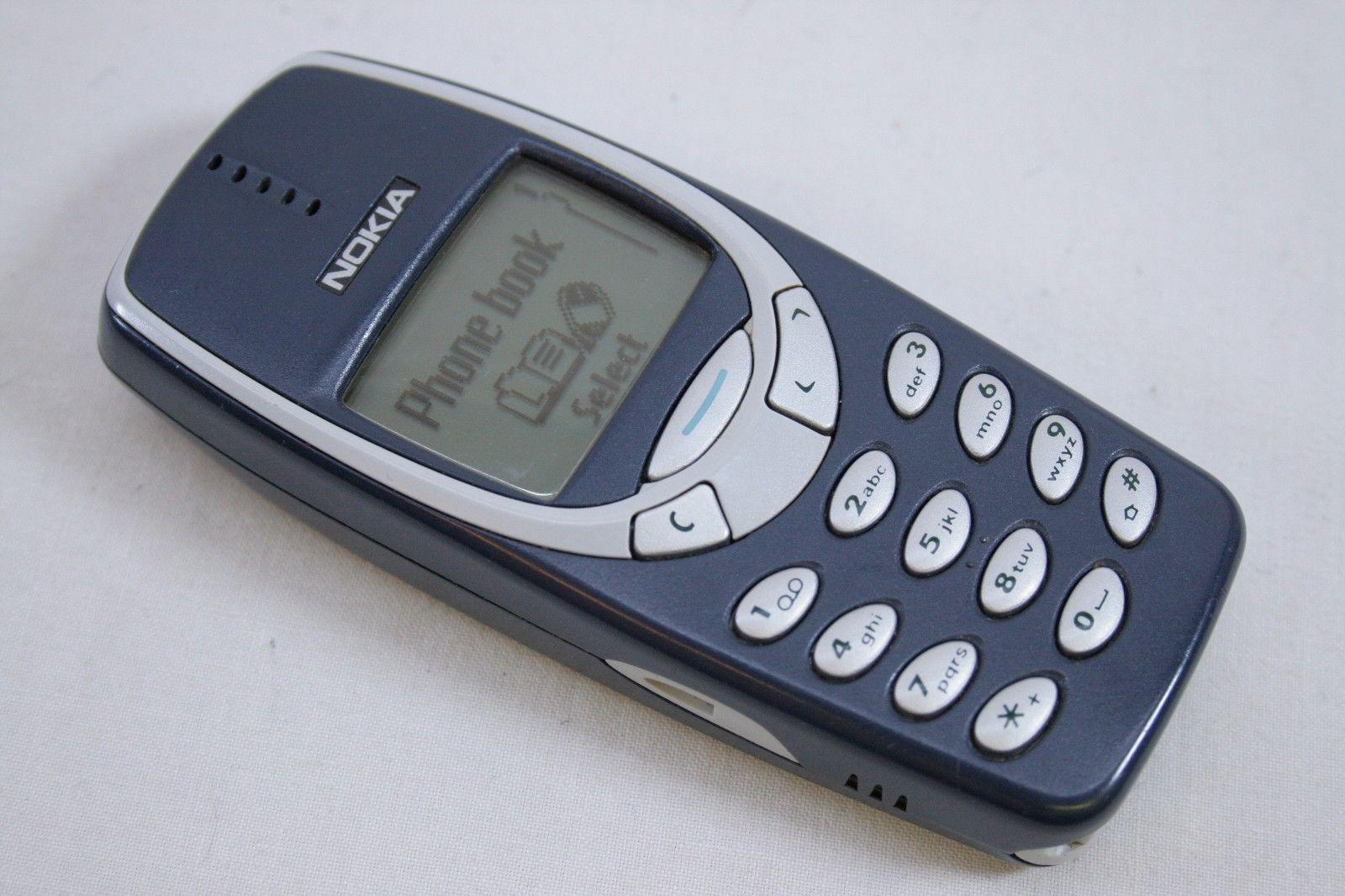
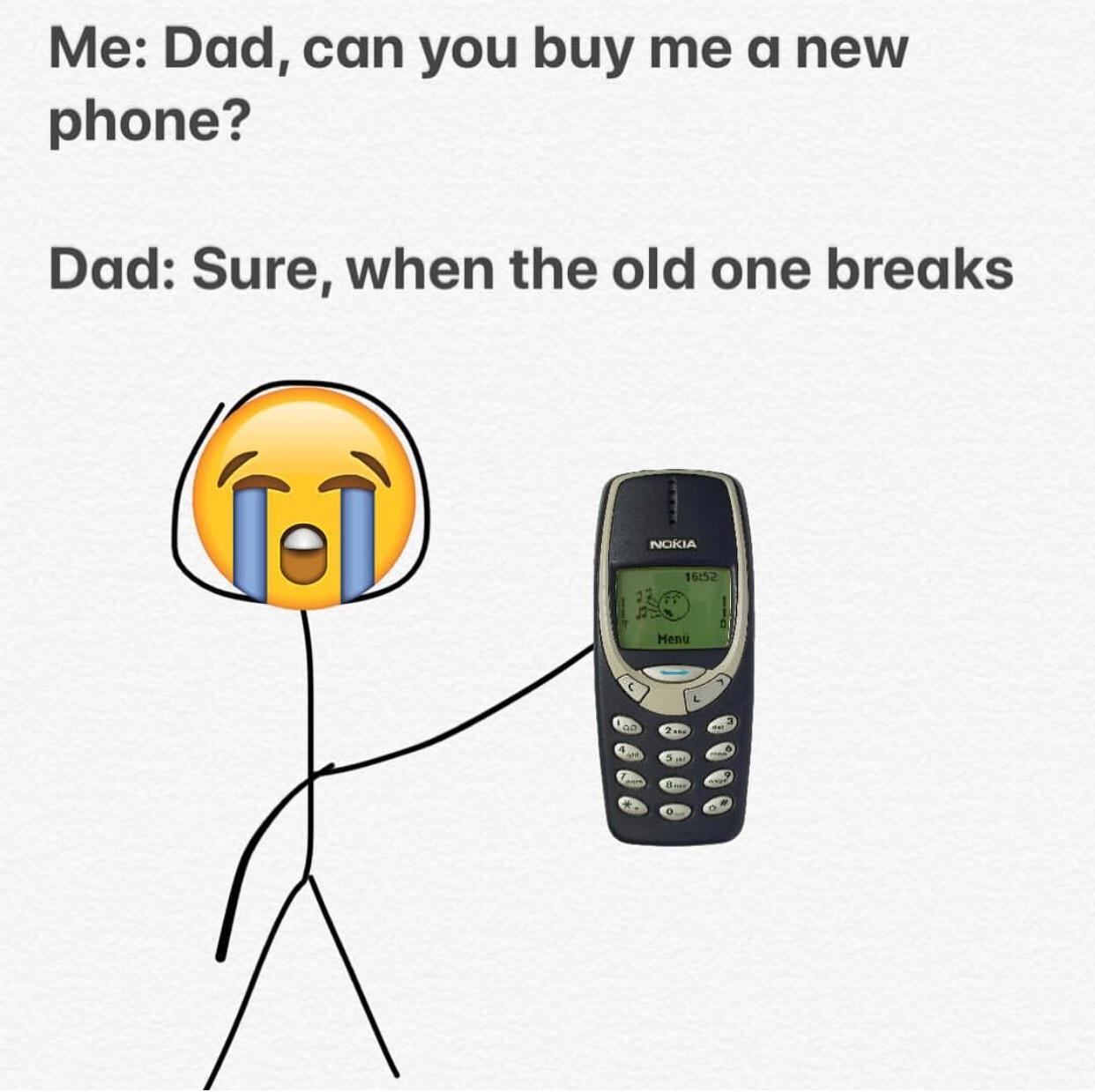
The Nokia 3310 is considered the absolute king of all mobile phones by the community. A compact and durable phone with which you could easily make calls and send messages. Most other companies have gone for more complex devices, while Nokia has continued with its established design. However, the glory did not last forever as other companies invested in innovation and Nokia had a lot to catch up on. The Nokia 3310 is still an absolute idol today, mainly because of its durability. On the Internet, we can constantly discover funny pictures in which Nokia is compared to a weapon that can destroy space bodies, etc.
T-Mobile Sidekick (2002)
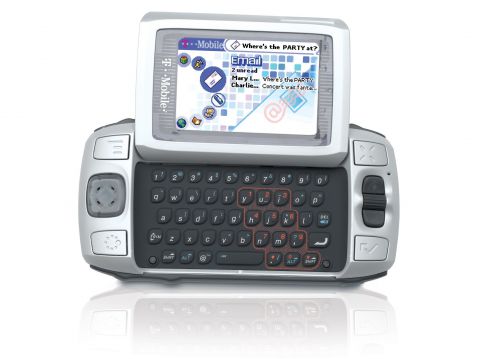
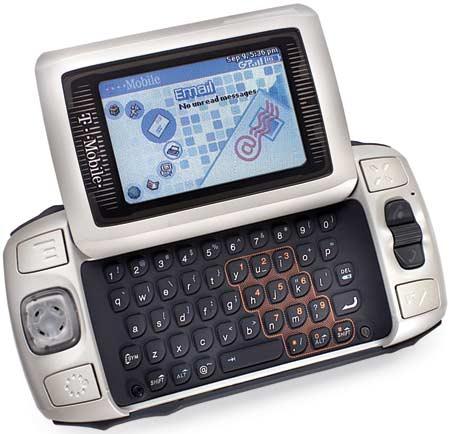
This phone was created by the Danger Research group and was originally called the Hiptop. The Hiptop had a hardware keyboard that appeared when the huge display was flipped up. Thanks to this design, you could easily send messages or browse the Internet on the Hiptop. The Hiptop was originally introduced in 2001, but a year later T-Mobile took it over and renamed it the Sidekick. This phone was available in several variaSome of them had a camera for video calls, for example. Unfortunately, it was too heavy, which was one of the biggest problems with mobile phones at the time.
Motorola RAZR V3 (2004)
Gallery
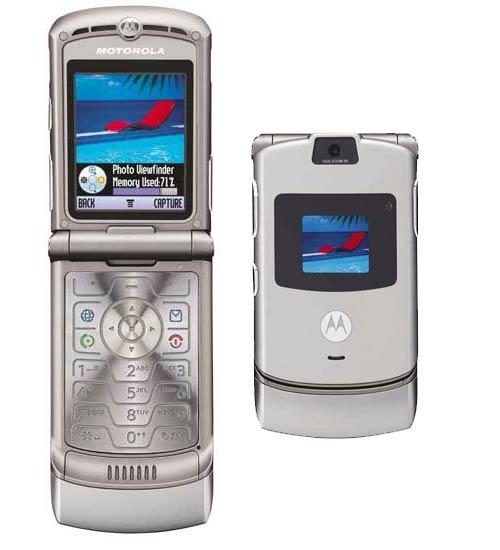
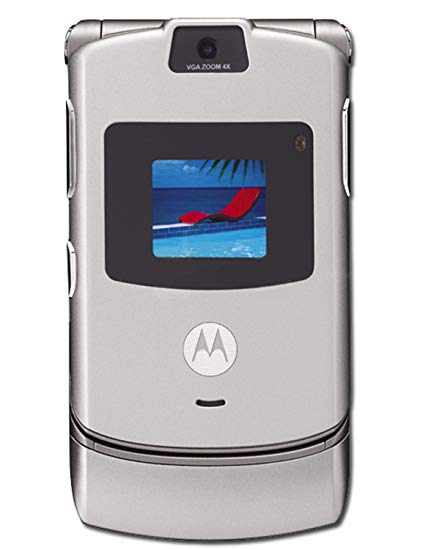
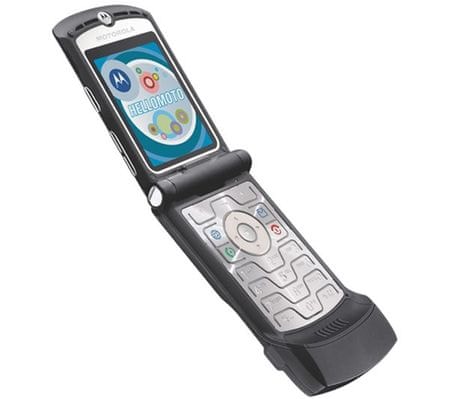
The Razr V3 was the perfect embodiment of the flip phones of the time. It had two screens, a smaller one available when the phone was closed, and a second one that appeared when the phone was opened. Despite this, the Razr V3 was a compact phone.onem, which fit into the pocket of even the tightest jeans. The Razr V3 was very popular at the time and is Motorola's best-selling flip phone. However, by this time a new era of smartphones was knocking on the door. Companies began to resort to larger and touch screens and more complex features.
Blackberry Curve (2007)
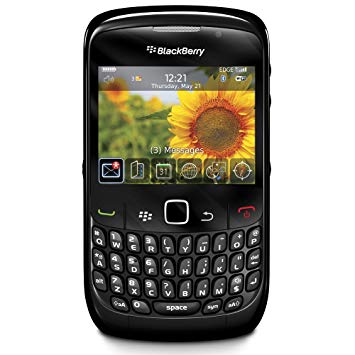
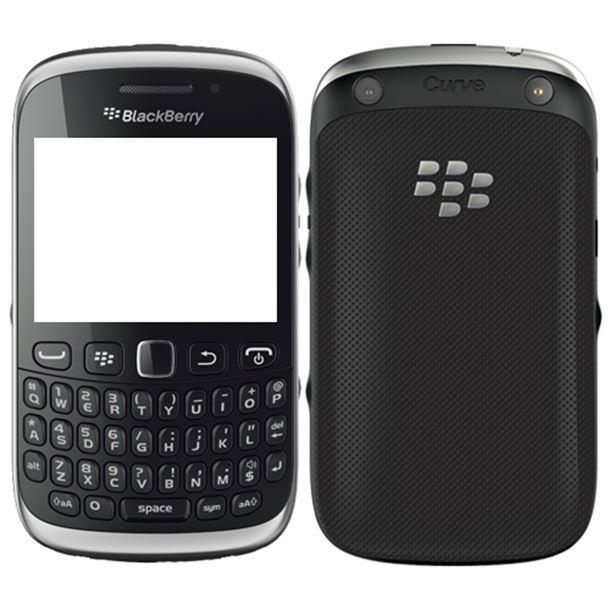
Company Blackberry enjoyed great popularity, especially in the middle of the first decade of the new century. Blackbarry created countless great devices during this time, which quickly spread mainly to the business sphere. Curve was a compact phone with a hardware keyboard, a large display, and also a front camera. It was created primarily for quick writing and browsing the Internet. Later, this phone spread from the business sector to practically everywhere - anyone who liked to write text messages dreamed of Blackberry Curves.
Nokia N95 (2007)
Gallery
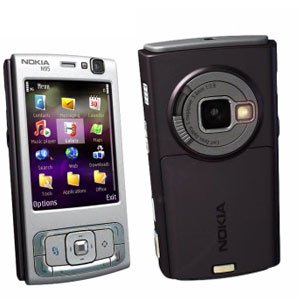
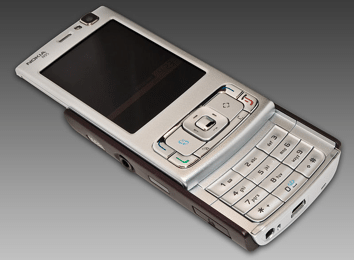
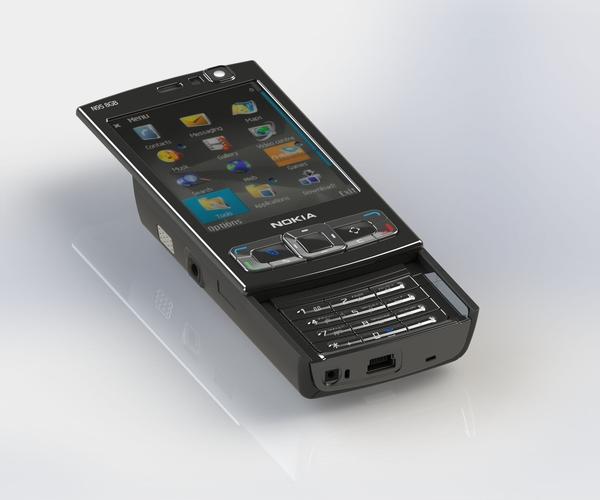
At this time, unfortunately, all the glory of Nokia was declining. However, this Finnish company still had a few aces up its sleeve. One of them was the Nokia N95 phone. A slide-out device that was able to play music and video, take photos with a 5 Mpix camera, and more. It also had Wi-Fi, Bluetooth, voice command support, Flash support, and a radio. It was a phone that could do absolutely everything that phones could do at that time. The N95 was a very popular phone all over the world, but no one knew what it would come with. Apple.
iPhone (2007)
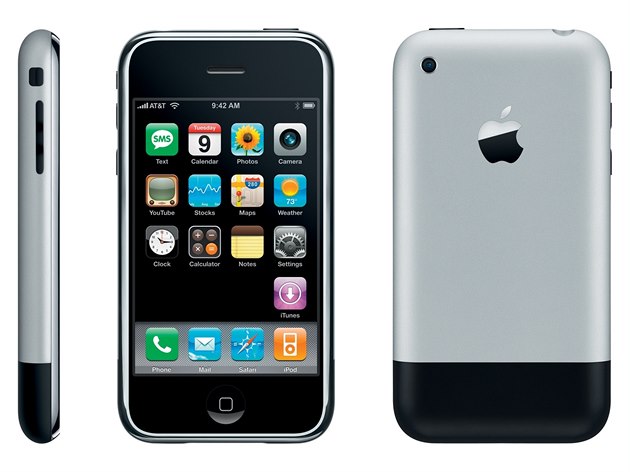
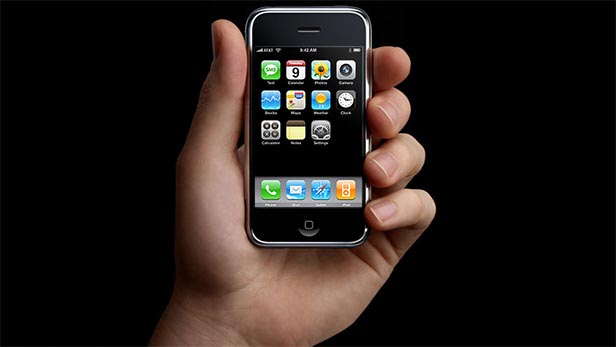
iPhone was the first smartphoneone, which had a touchscreen across its entire surface. Everything else became complete history during the presentation. iPhone It had great features from the popular iPod, its users could also enjoy a redesigned internet browsing experience, and everyone at the time suspected that this was the future. Apple he was selling it for $500 at the time. The next year he "replaced" it iPhone 3G.
T-Mobile G1 / HTC Dream (2008)
Gallery
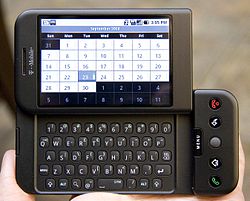
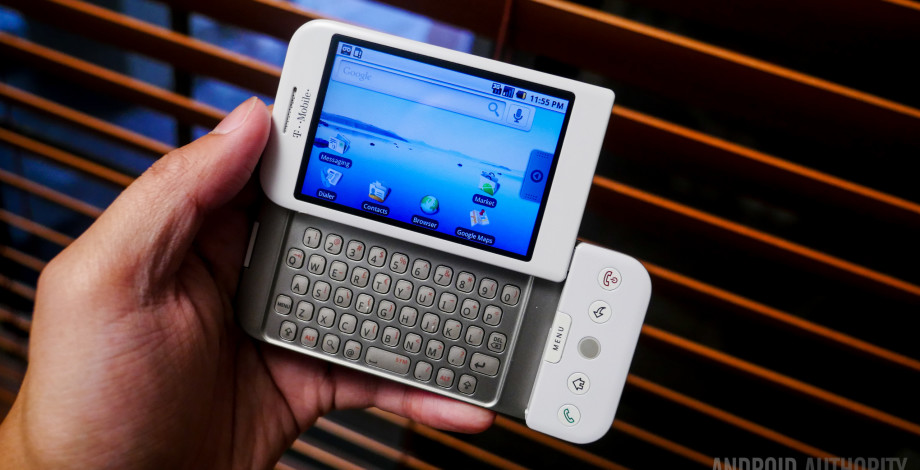
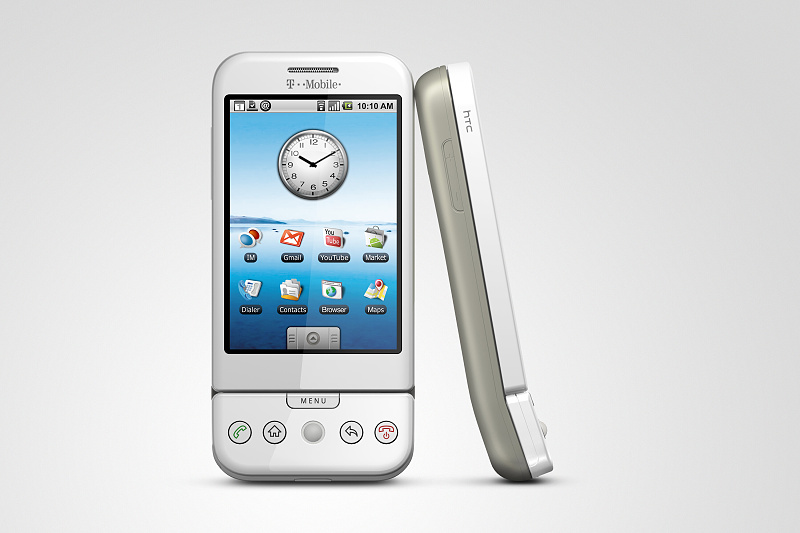
T-Mobile G1 or HTC Dream, the same phones sold under two names, were also revolutionary. This is because it is the first device that ran on the Android OS operating system. Google bought Android several years before the introduction of this phone with the vision of creating an operating system that was designed to fulfill all kinds of tasks. The G1, and by extension the Dream, has earned huge success.
Motorola Droid (2009)
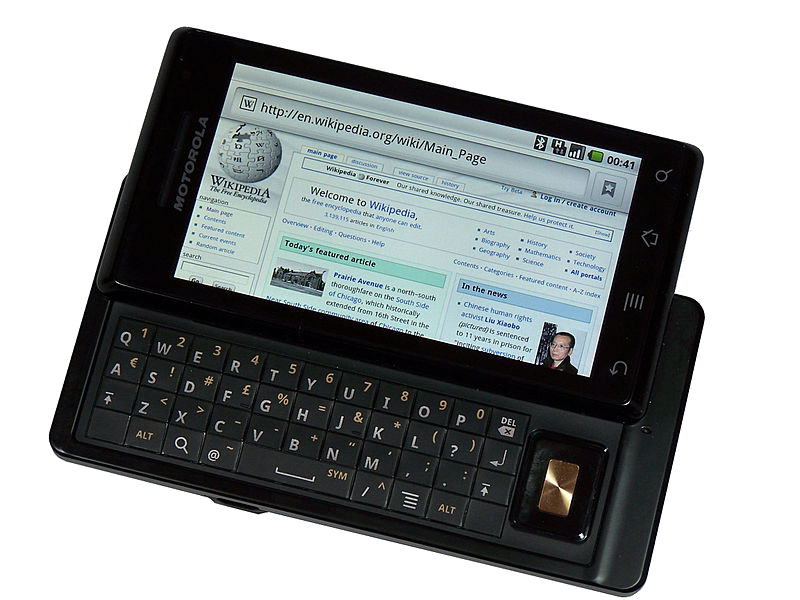
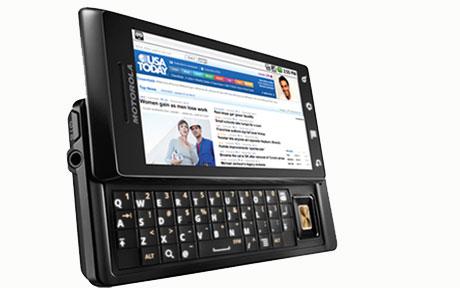
As you can already guess from the name, the Motorola Droid was one of the smartphones that determined the future direction and the fact that Android OS will be one of the used operating systems for mobile phones in the future. The Droid was the epitome of Android not afraid of challenges and wanting to rule the mobile industry. It was a great phone with a futuristic design and a physical keyboard. Unfortunately, physical keyboards later disappeared from phones, mainly thanks to the iPhone.
Palm Pre (2009)
Gallery
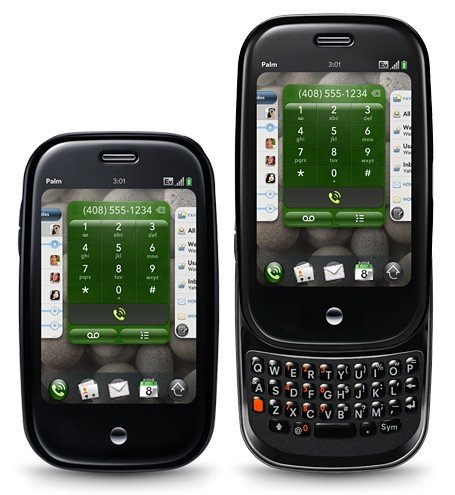
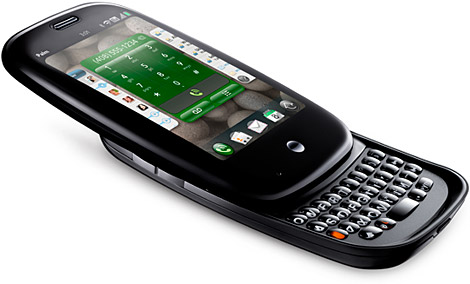
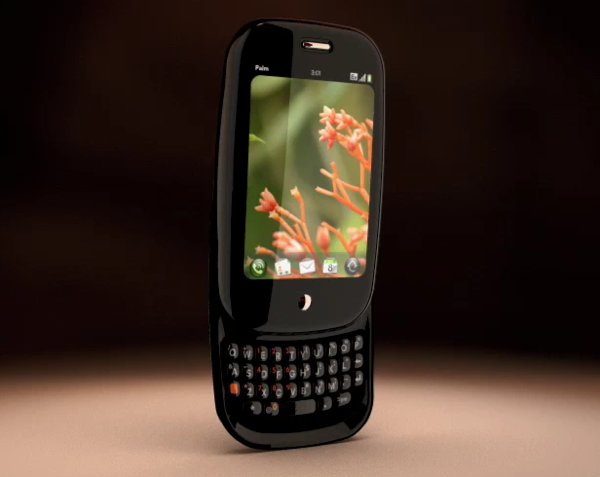
The Palm personal assistant was popular in the 90s and early XNUMXs. However, Palm ran into problems, mainly due to increasing competition. The Pre and Pre Plus were Palm's last major creations. Unfortunately, they were not very popular. The operating system of these devices was, compared to Android and iOS full of mistakes, which slowly drove the company into its own coffin.
Samsung Galaxy S (2010)
Gallery
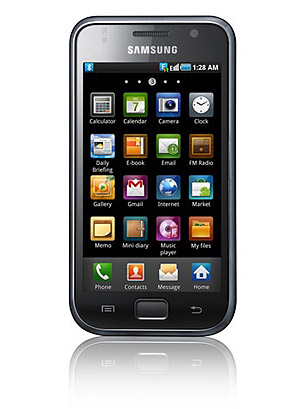
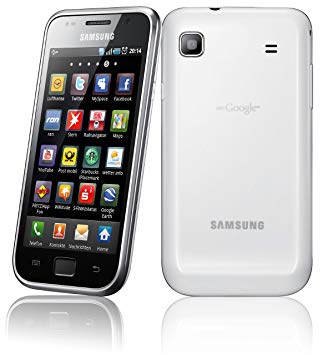
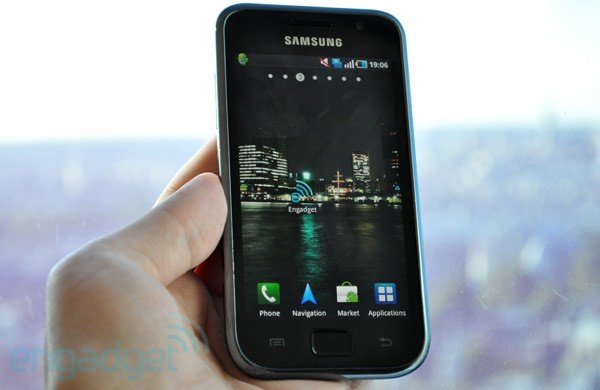
A list of revolutionary phones of the last 30 years would not be complete without Samsung Galaxy S. It was the first device to directly compete with the iPhone. The first Samsung Galaxy S had 16 GB of internal memory, an AMOLED touch screen, and a 5 Mpix camera. In short and simply, the first and certainly not the first Samsung device from the family Galaxy S, which competed with the iPhone.
Samsung Galaxy Fold (2019 +)
Gallery
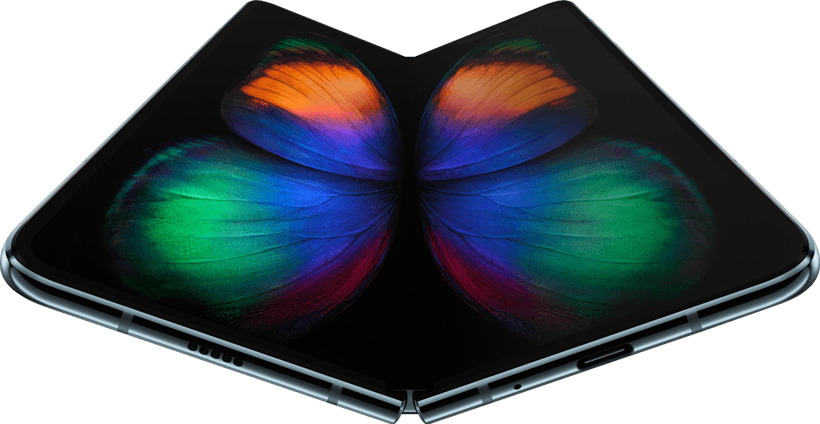
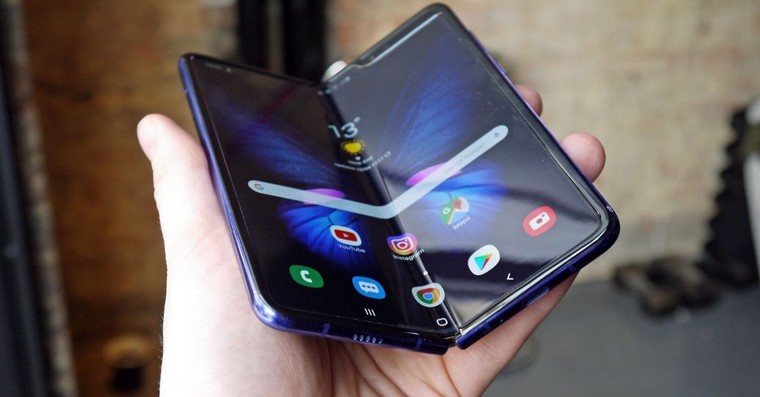
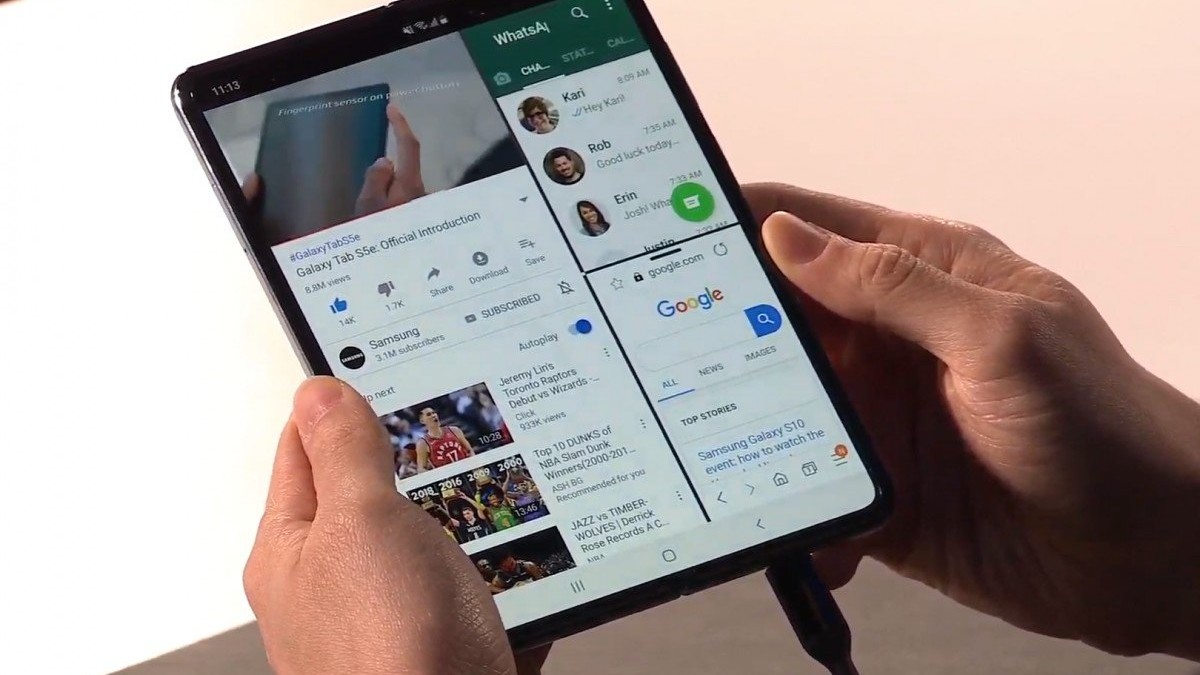
At the end of this list I'm adding another (so far) unsuccessful one Samsung Galaxy FoldEven though Samsung is being criticized from all sides for this model, especially because of the untuned display, it seems that it is getting better these days.onec. Samsung is working on a fix and it looks like we will be launching a revised version Galaxy Fold could be waiting for next year. It seems that flexible smartphones are the future era of smartphones. In addition to Samsung, Huawei also introduced its flexible phone.

"The Nokia 3310 is considered by the community to be the absolute king of all smartphones." 😆
At that time, the phone was popular only in terms of the price-size ratio, because the performance was not solved at that time. Hadik probably went to every level :-D
I was more referring to the word "smartphone"...
Otherwise, of course I also had the Nokia 3310 (and then the 3330), great phone!
Well, at least it's already fixed in the article. Although in the back of my mind I expected that someone from the editorial office would at least write: "Thanks for the warning," but then I realized what kind of website I'm on... ;-)
3310 is a SMARTPHONEONE like a leg 😂
Galaxy With ? Are you kidding. It's still rolling around in my drawer.
It's not a revolution, but it was always presented as the first very bold copycat of the iPhone. They gradually copied the design of the phone and the software more and more and that was the main way to get to the top in the more affordable Android segment. I also bought it at the time because it was like iPhone looked, but iPhone I didn't have one. Functionally, however, it was a total tragedy. It's okay today, but I still prefer the apple.
I switched to a few months ago galaxy s10+ and currently Samsung has a bit of an edge over iPhones. One video has already appeared where they compare the new Note 10+ and iphone xs max a iphone it lags behind quite a bit, including in terms of performance. Apple benefited from the Jobs era maximum and now it is slowly starting to decline, there is no one who would kick them again and come up with something that would eliminate the competition. At this rate they will end up like nokia or blackberry. In the best case scenario, they will only remain in the production of software and offer it to other manufacturers for a lot of money.
You are comparing phones that are a year apart. Wait for the comparison with ip 11 😊
Yes, it compares phones with a year gap, the performance will still be +- similar....
On the other hand, Nostradamus is right about the fact that already a little Apple regarding the phone "stagnant" 😉
I am at Blackberry he still longed for Bold's advice.