
Press release: It is said that when we meet a person we do not know yet, we make a first impression within seconds. Does the color of our clothes and accessories also play a role in this? Psychologist and color expert Karen Haller will help you make the right decision.
New challenges often enter our lives, including people we may meet for the first time. You are trying to get a new job, arrange a first date, or meet your partner's parents for the first time. As color expert and psychologist Karen Haller explains, it's not just about how you act or what you say when you first meet, but choosing the right clothes and the right color is just as important.
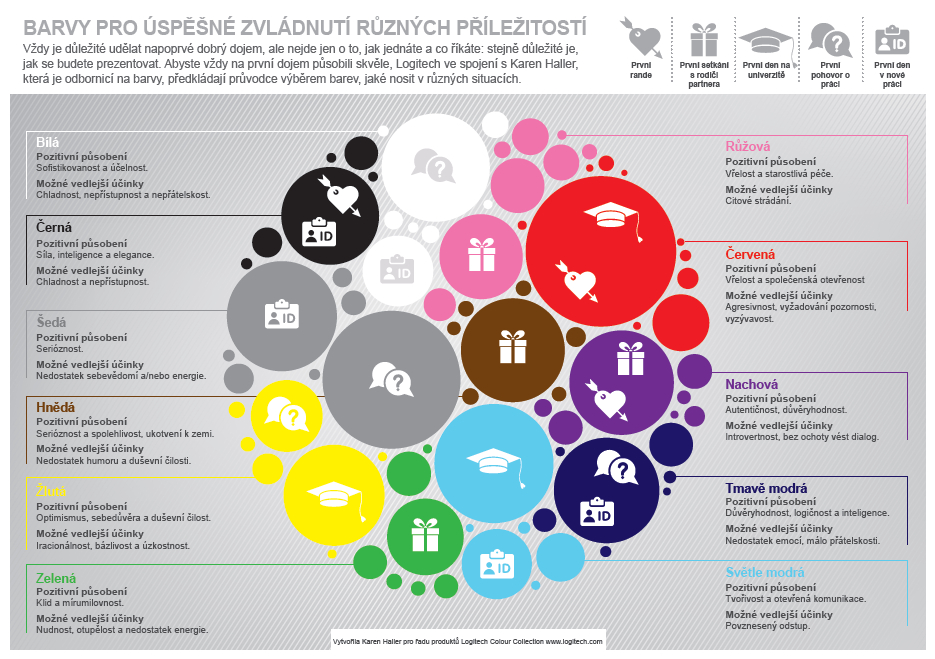
What is the psychological meaning of colors?
Taking a moment to consider which color to choose can change the way you feel about yourself that day, as well as how those around you perceive you. “When you wear the right color combination, you can dramatically change the way people around you think about you. Colors can stimulate, arouse and excite your observers – just as they can intimidate, 'overwhelm' them and you can appear inaccessible,” says Karen. See how different colors can have a psychological effect according to Karen:
Dark blue
POSITIVE: Indicates that you are a trustworthy person and reassures those around you that you can be taken seriously. It shows logic, intelligence and inspires confidence.
NEGATIVE: May indicate a lack of emotion or lack of friendliness.
Light blue
POSITIVE: Shows creativity and that you communicate openly. It also calms your nerves.
NEGATIVE: You can appear somewhat measured or aloof.
Pink
POSITIVE: Tells those around you that you are a warm and compassionate person. Expresses nurturing feminine love.
NEGATIVE: Pink can reveal that you are emotionally needy.
Red
POSITIVE: Means warmth and a sociable personality. It can boost your confidence and give you energy when you feel tired. Red is the color of passion, lust.
NEGATIVE: It can show that you are aggressive, demand attention, want to drown out others or defiantly provoke.
Yellow
POSITIVE: It can convey to others that you are optimistic, confident and friendly. It is the color of happiness.
NEGATIVE: It can reveal that you are irrational, fearful and anxious.
Green
POSITIVE: Shows those around you that you are a calm, peaceful person, and at the same time has a calming effect on others.
NEGATIVES: You may appear dull, dull and without energy.
Purple
POSITIVE: It communicates to others that you are an authentic, trustworthy person and can give you confidence.
NEGATIVES: You may seem too introverted and may seem unwilling to engage in dialogue.
Brown
POSITIVE: Indicates seriousness and reliability - in touch with the earth. You will also feel safe and anchored.
NEGATIVE: She could say that you lack a sense of humor and mental alertness.
Gray
POSITIVE: Shows your serious side. It can give you a sense of self-security - it's a color you can hide behind when you don't want to be noticed.
NEGATIVE: May reveal that you lack confidence and/or energy.
White
POSITIVE: It is the bearer of a sense of cleanliness, refinement and purposefulness. He can express a clear and clear head.
NEGATIVE: White could indicate to those around you that you are cold, inaccessible and hostile.
Black
POSITIVE: It reveals that you are authoritative and strong – and at the same time intelligent and elegant. It can give you a sense of security and a sense of belonging.
NEGATIVE: You can appear cold and unapproachable to others.
Color Selection Guide
"Choosing colors is not limited to the clothes we wear - try to bring colors into fashion accessories, such as handbags, scarves and shoes. Even everyday objects like your laptop mouse or webcam can help bring a splash of color into our lives,” says Karen. So the team at Logitech, which makes colorful laptop accessories, took a lesson from Karen's experience and designed an infographic in the form of a circle of colors. It can serve as a guide for choosing colors in different situations.
Who is Karen Haller?
Karen Haller is a leading UK expert on color psychology. She became deeply interested in colors while studying fashion design in Sydney. Karen later obtained a Diploma in Interior Design from Kensington & Chelsea College, London, and continued her studies at the British Institute of Holistic Design, focusing on the therapeutic effects of color in interiors. After gaining accreditation in applied color psychology under the tutelage of renowned British psychologist and color expert Angela Wright, Karen began using the "Colour Affects" system in her work and regularly publishes her experiences in the British press.







Gee, nice article, thanks. I just have a question: what color is purple? Isn't that a typo for moss/khaki?
Emperors wore purple, it's a purple color. In the past it was a very rare dye.
Lucia - now I remembered yours dock. :-)
wouldn't that picture be bigger?